Search results
Query: amateur
Links: 1536 | Categories: 108
This query is too generic. Please try adding an additional term to focus your research.
Categories
- Radio Equipment > Amateur Radio Accessories
- Operating Modes > Amateur Radio Astronomy
- Operating Modes > Amateur Television
- Manufacturers > Amateur Radio Maps
- Shopping and Services > Amateur Television
- Operating Modes > Stealth Amateur Radio
- Operating Aids > Beginner's Guides > What Amateur Radio is
- DX Resources > DX Peditions > 2019 DXpeditions
- DX Resources > DX Peditions > 2022 DXpeditions
- Antennas > 4M
- Operating Modes > 50 MHz
- Antennas > 60M
- Software > ACARS
- Technical Reference > AI Ham Radio
- Software > Aircraft scatter
- Operating Modes > Internet Linking > AllStarLink
- Radio Equipment > HF Amplifiers > Ameritron AL-811
- Software > Antenna rotor control
- Operating Modes > APRS
- Software > Audio Recorders
- Software > Audio Streaming
- Software > Awards tracking
- Ham Radio > Band Plans
- Antennas > Bazooka
- Operating Aids > Beginner's Guides
- Technical Reference > Software Defined Radio > Beginner's Guides to SDR
- Technical Reference > Radio Frequency Interference > BPL
- Technical Reference > Programming Radio > Cheat Sheets
- DX Resources > Clubs
- Operating Modes > Amateur Television > Clubs
-
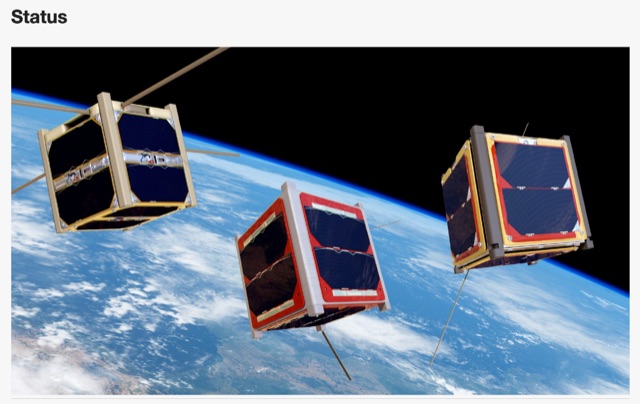 Status of active Satellites on Amateur Radio Frequencies
 -
 Amateur radio blog about Homebrew equipment,ham radio antennas, satellites, QO-100 operations, rf amplifiers, 2m ldmos amplifier, 70cm ldmos amplifier, 23cm ldmos amplifier
 -
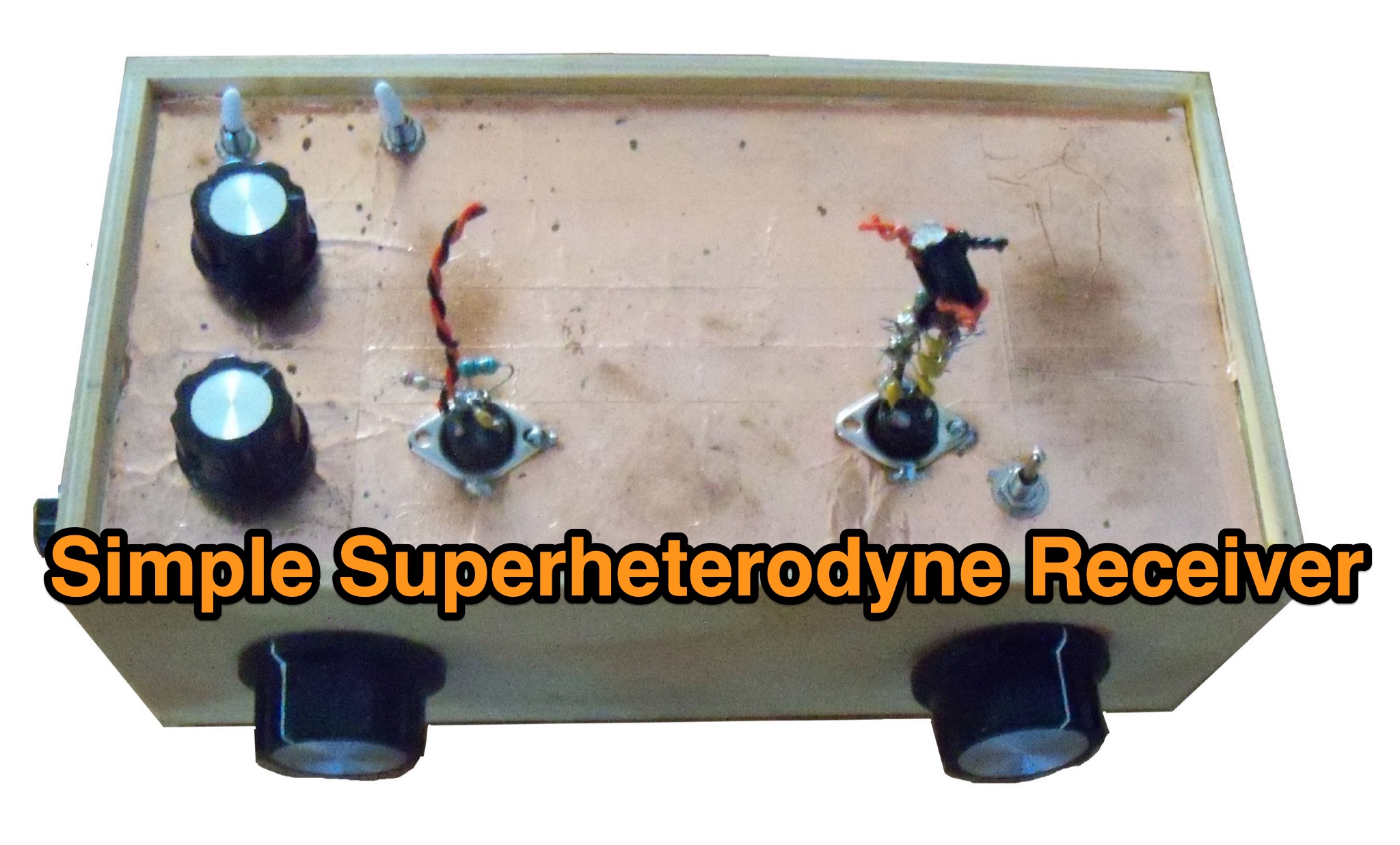 A simple superheterodyne receiver (3.5–30 MHz) for amateur radio achieves stable SSB-CW reception using modern BJTs, an AD831 mixer, a 6-pole quartz filter, and Seiler oscillators. Designed with high IF (4.5 MHz), compact AM-FM variable capacitors, and modular resonant circuits, it ensures selectivity, image rejection, and stable tuning. Built in a copper-lined wooden case, it features practical assembly techniques but lacks advanced features like AGC or S-meter. Effective on basic antennas, it achieves global reception.
 -
 Official web site of the Ogden Amateur Radio Club Utah USA
 -
 Official page of the Kenwood TS-890S Amateur Radio Transceiver at Kenwood USA web site
 -
 Prepare for the exams with Radio examens in Nederland.
 -
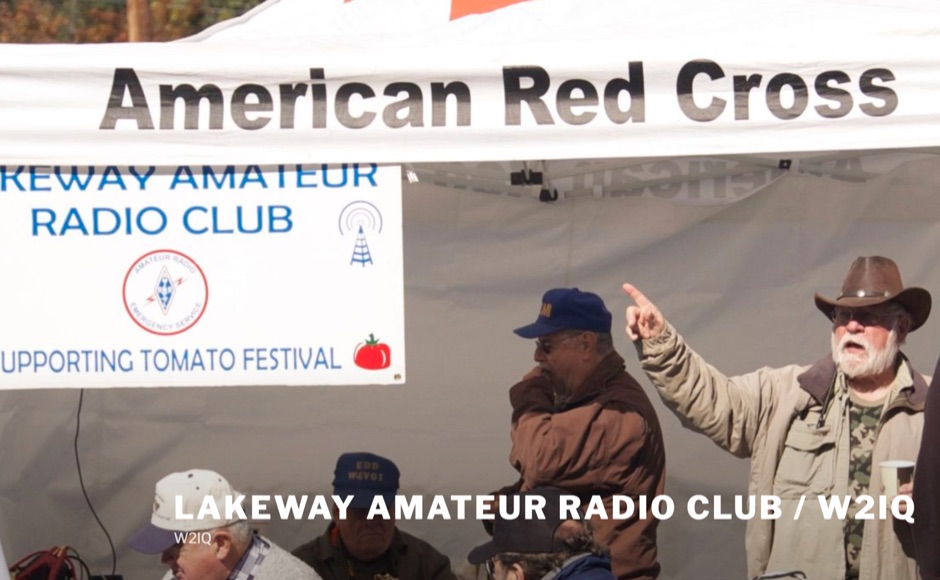 Lakeway Amateur Radio Club VE Testing @ monthly meetings
 -
 Ham radio enthusiasts must prioritize lightning protection for their stations and homes to mitigate the risks associated with lightning strikes. Effective lightning protection involves dispelling myths, understanding the actual risks, and implementing proper grounding and surge protection. Key strategies include grounding all connections, protecting cables entering the station, and using surge protectors for power lines and control cables. Good grounding is essential for effective lightning protection.
 -
 Onno podcasts and interviews. Foundations of Amateur Radio - a weekly podcast about Amateur Radio. It continues on from "What use is an F-call?" and discusses the various concepts that make up the 1000 hobbies that Amateur Radio represents.
 -
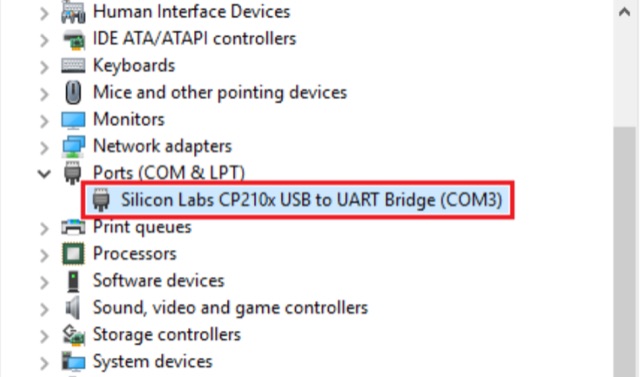 Download the Kenwood TS-590S and TS-590SG virtual port Driver for Windows 10/11 and Windows 8. This driver is also valid to control TS-990S, TS-890
 -
 The hams of Tuscaloosa have been serving the community since 1931
 -
 This PDF article introduces a series of dual-tuned bandpass filters designed for input tuning in amateur band receivers. Developed by Stefen Niewiadomski, these filters feature 50-ohm input/output impedance and can be cascaded for improved roll-off outside the passband. The designs use readily available TOKO coils, with taps on the tuned winding for matching input circuits with impedances around 1k ohm. The inductors are core-tuned, with average inductance values provided for easier matching to other inductors.
 -
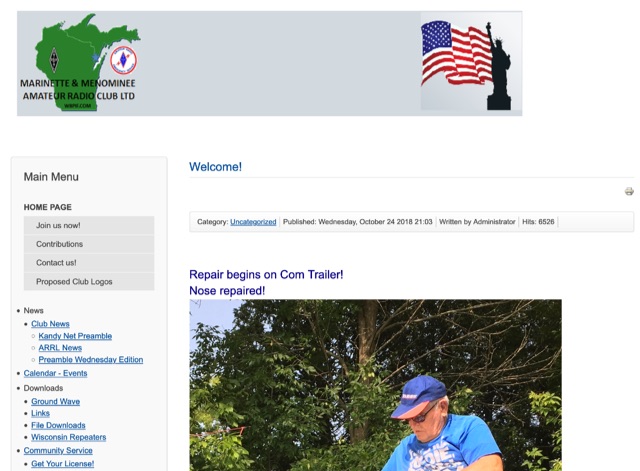 Marinette & Menominee Amateur Radio Club website ham radio news.
 -
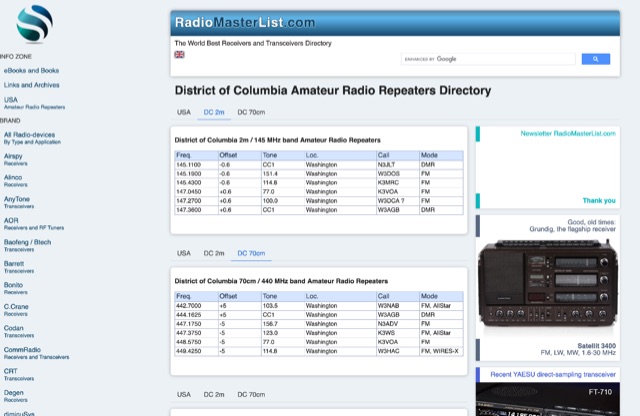 USA Amateur Radio Repeaters Directory, 2m and 70cm bands.
 -
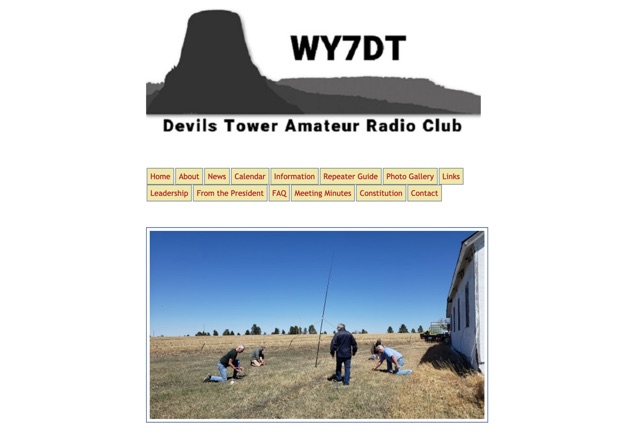 Devils Tower Amateur Radio Club serves Crook County, Wyoming and the surrounding area. Monthly meetings at The Sunny Divide Community Hall.
 -
 An information paper by the International Amateur Radio Union. The amateur service seeks the return to an exclusive, worldwide allocation of no less than 300 kHz in the vicinity of 7 MHz.
 -
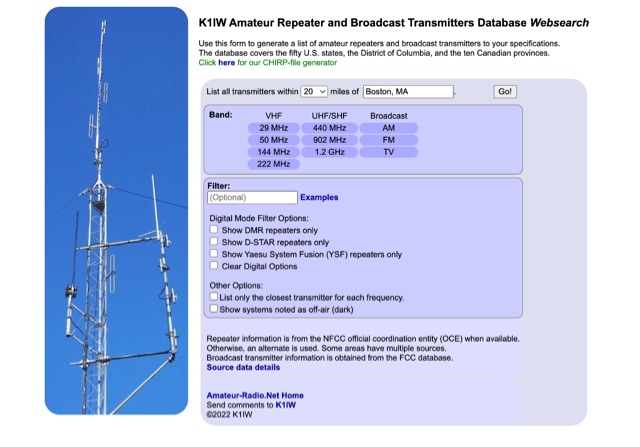 Use this form to generate a list of amateur repeaters and broadcast transmitters to your specifications. The database covers the fifty U.S. states, the District of Columbia, and the ten Canadian provinces.
 -
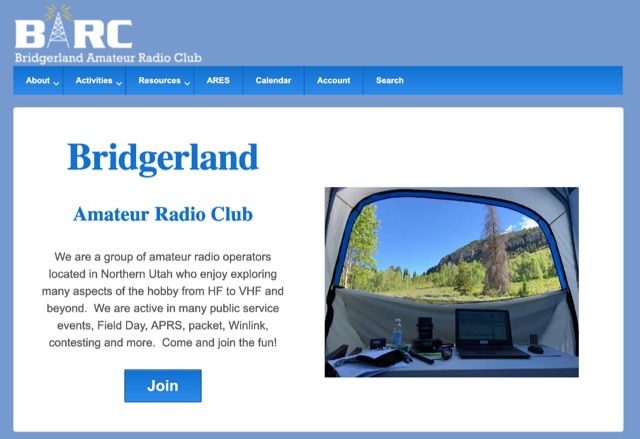 We are a group of amateur radio operators located in Northern Utah who enjoy exploring many aspects of the hobby from HF to VHF and beyond. We are active in many public service events, Field Day, APRS, packet, Winlink, contesting and more
 -
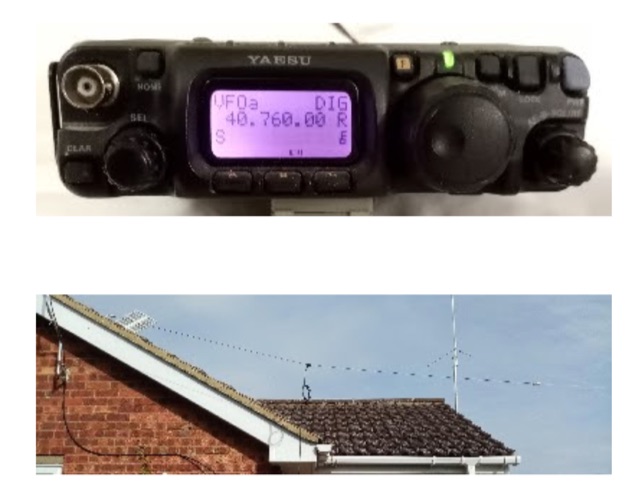 The 8m ISM band, a unique frequency range between 10m and 6m, holds potential for amateur radio enthusiasts, yet it remains largely unallocated. This spectrum offers fertile ground for research and self-training. The author's experience with low-power transmissions and WSPR testing highlights the band's capabilities and the need for a narrow, speech-free amateur allocation to encourage experimentation. Discover the world of 8m ISM radio exploration and its future possibilities.
 -
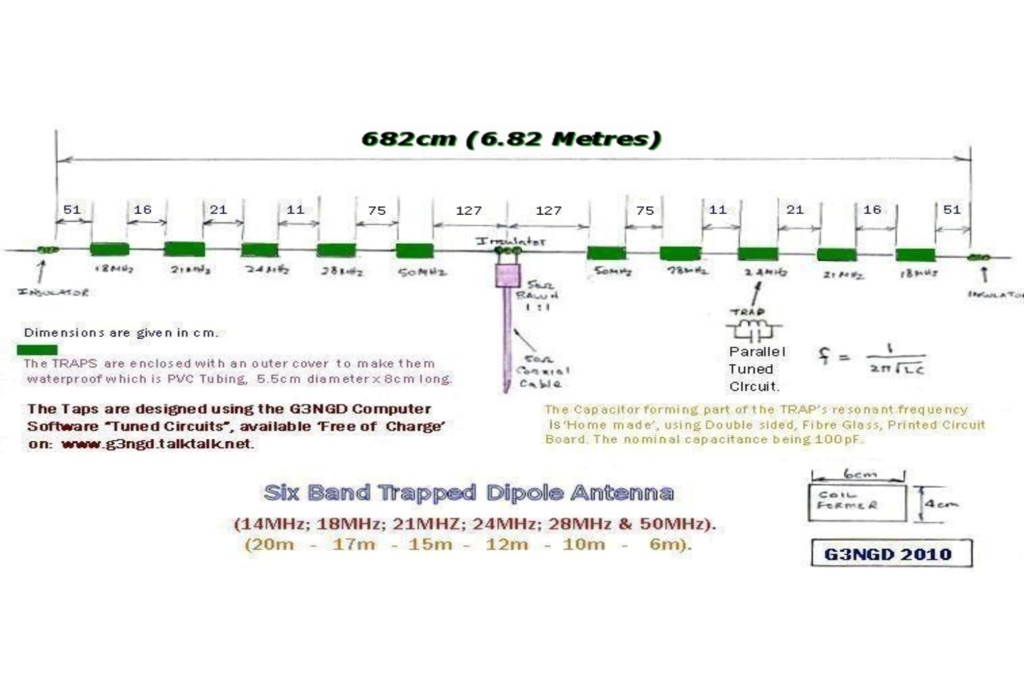 This article details the author's process of designing and building a trap dipole antenna for the 17, 12, and 6-meter amateur radio bands using a Yaesu FT-450 transceiver. The antenna incorporates parallel-tuned circuit traps to enable operation across multiple bands without switching aerials. Key construction details, including coil and capacitor specifications, are discussed, along with the testing results, which include successful long-distance communications on the 50 MHz band. The article highlights the flexibility of home-built antennas and provides insights for amateur radio enthusiasts looking to optimize multi-band performance.
 -
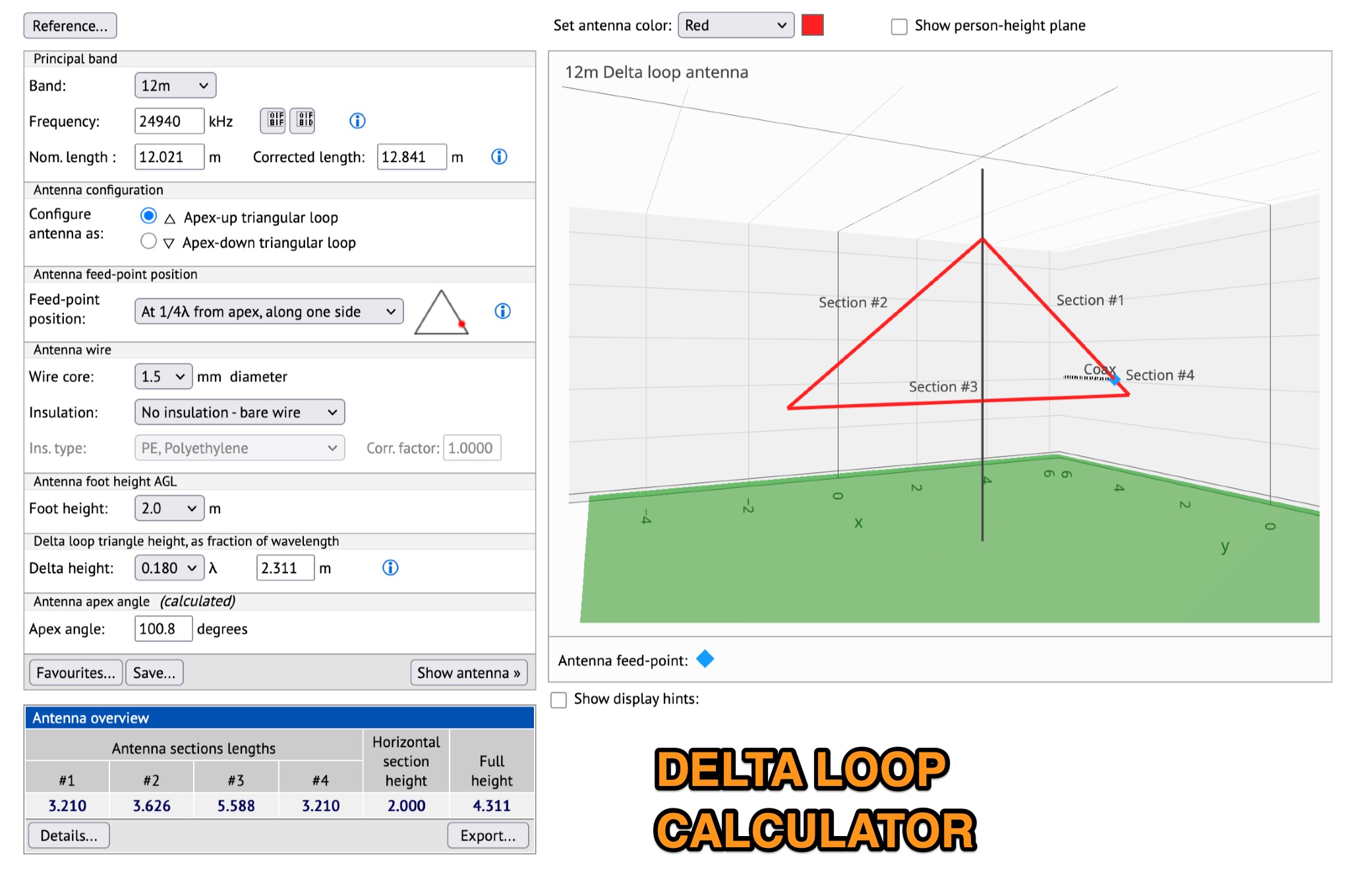 This page allows hams to design a vertical-plane delta-loop antenna for a single amateur HF band in different configurations. By choosing different feed-point positions, operators can observe variations in polarization properties, radiation patterns, and feed-point impedances. Users can generate radiation pattern plots, VSWR charts, antenna current diagrams, and Smith charts for their antennas over various ground types. Through adjusting the antenna's physical dimensions and refreshing the plots, hams can gain insights into the antenna's performance in the field. The page also discusses how elevation radiation patterns may change based on the antenna configuration and feed-point position.
 -
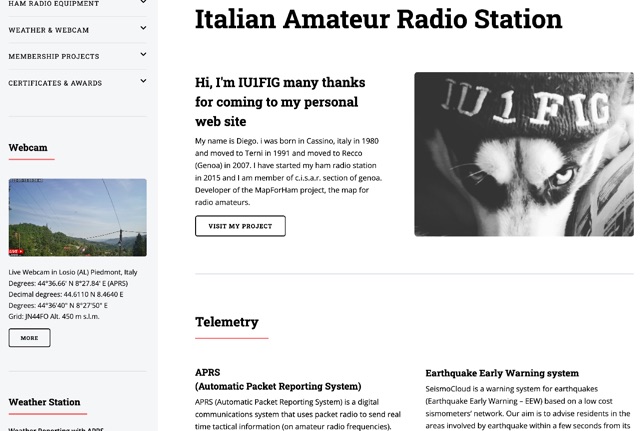 My name is Diego, I was born in Cassino, italy in 1980 and moved to Terni in 1991 and then to Recco (Genoa) in 2007. I have started my ham radio station in 2015 and I am member of c.i.s.a.r. section of Genoa. Developer of the MapForHam project, the map for radio amateurs.
 -
 This Website is here to enhance the Amateur Radio experience and for those who are interested in multiple areas of our great hobby. We have information about Amateur Radio Emergency Communications. There are many areas in our great hobby that serve different capacities, ARES, RACES, NTS, FEMA, Linux, and much more.
 -
 This page provides updated data and statistics about United States amateur radio operators, including historical totals, demographics, and geographic distributions. It also explains the Amateur Radio Service, highlighting its role in promoting wireless communication and technological advancements. The page is a valuable resource for hams interested in understanding the current landscape of amateur radio in the United States.
 -
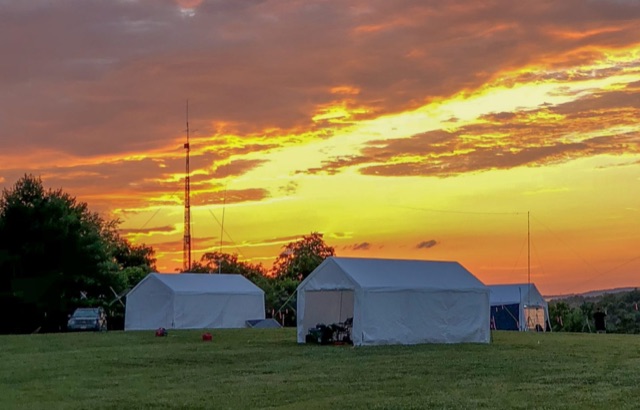 The Loudoun Amateur Radio Group (LARG) of Loudoun County, Northern Virginia, was founded in July 1993. LARG is a family oriented club with a wide variety of activities and interests. Some of these activities include public service, emergency communications support, high altitude balloon radio, camera and video flights, fox hunts, contesting and radio sport DX-ing
 -
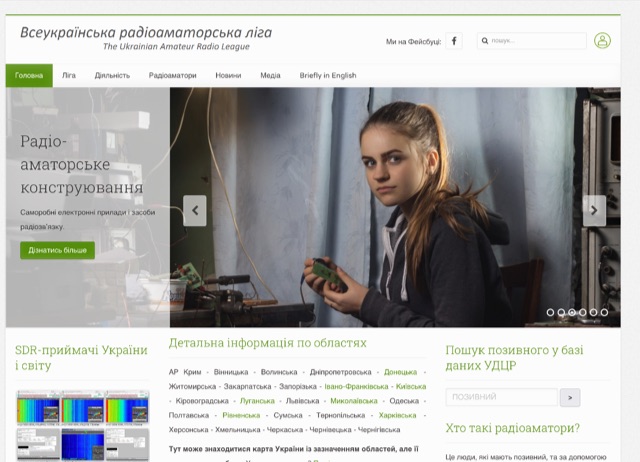 The Union of non-governmental organizations "The Ukrainian Amateur Radio League" (UNGO "UARL") was founded in December of 2015. Currently, there are about 1500 members in the League, representing most regions and cities of Ukraine.
 -
 The document provides a detailed modification guide for the Zetagi HP201 SWR Wattmeter, converting it for HF amateur band usage. It replaces the original circuit with a Tandem Coupler based on the Sontheimer and Frederick directional coupler patent, enhancing accuracy and sensitivity. Key components include Murata toroid cores, scaling resistors, and a new calibration process. Challenges and solutions during the modification process are discussed, ensuring linear results across 160-10m bands. This guide also includes calibration instructions and theoretical insights into the coupler's operation.
 -
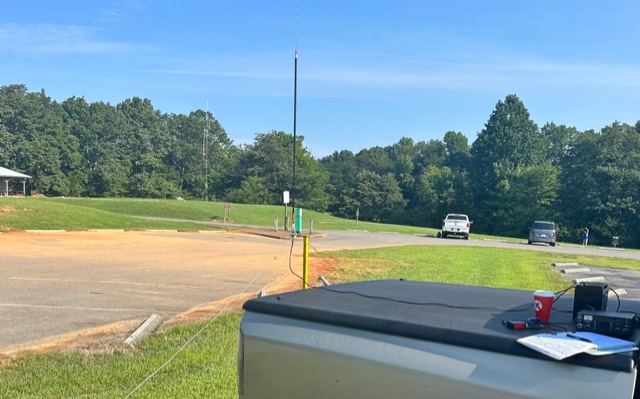 In his POTA activation, WK4DS experimented with radials for hamstick antennas. Despite sun and RF noise challenges, successful connections were made. Surprisingly, tuned radials proved unnecessary, simplifying setup. Hamsticks demonstrated versatility across frequencies. Increased power improved signal quality, sparking his curiosity for further exploration in radio technology.
 -
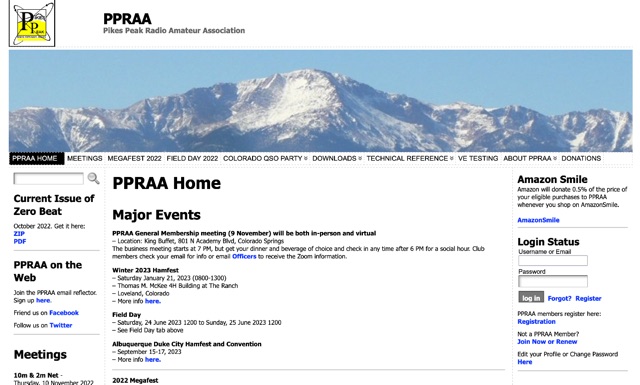 The Pikes Peak Radio Amateur Association (PPRAA) is an American Radio Relay League (ARRL) Special Service Club located in Colorado Springs, Colorado. The PPRAA is a social and technical membership organization which provides educational and recreational activities for its members intended to further their knowledge in the art of radio communications.
 -
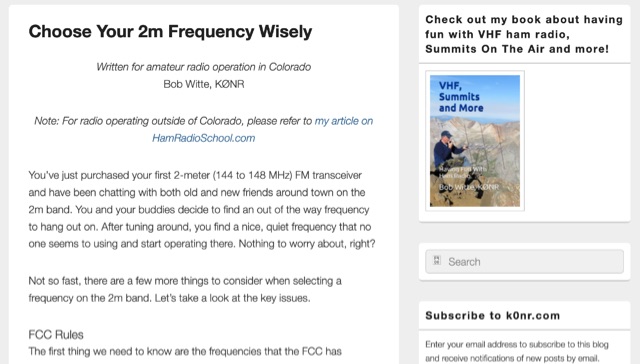 When new to the 2-meter FM transceiver, securing a quiet frequency for chatter seems straightforward, but it's essential to navigate FCC rules and band plans effectively. Even though frequency allocations are consistent above 50 MHz for Technician licenses, adherence to specific segments within the 2m band—ranging from 144 MHz to 148 MHz—is crucial. This includes respecting designations for different modes like CW, SSB, and FM to prevent interference, particularly with satellites and exotic modes like EME. Understanding and following the structured band plans not only ensures legal compliance but also optimizes frequency use and minimizes disruptions in the amateur radio community.
 -
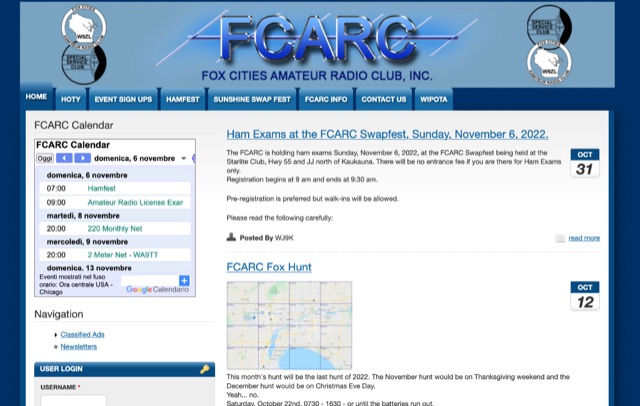 Serving Appleton, WI area. Weekly 2M net Wednesday 9:00PM CDT.
 -
 Funkamateur is a german amateur radio magazine, published in German since 1952 and circulating with monthly issues in most of the german speaking countries like Austria, Switzerland and of course Germany.
 -
 Discover how to easily listen to amateur radio bands with insights from Frank SWL, an experienced radio enthusiast. This guide covers essential tips for tuning into frequencies between 10 meters and 160 meters using modern tools like Web SDR and Kiwi SDR. Learn about identifying callsigns, understanding Q codes, and optimizing your antenna setup for better reception. Whether you're a beginner or an experienced listener, this article provides practical advice for enhancing your radio listening experience in 2025.
 -
 CQ Amateur radio 2019 article analyzing possible impacts of Artificial Intelligence in Amateur Radio operations. How to integrate AI in the radio shacks.
 -
 SWR Magazine is free montlhy ham radio online magazine published in English and Spanish. SWR Magazine presents a mix of analysis, hands-on experience, and technical insight for ham radio operators. Covering global radio trends, technical topics like antenna takeoff angle, operating practices outside the shack, reviews of radios, propagation. Explore innovative antennas, digital modes like RTTY, and historical radio origins. This issue bridges the past, present, and future of amateur radio, inviting readers to not just read, but experience and experiment with the content.
 -
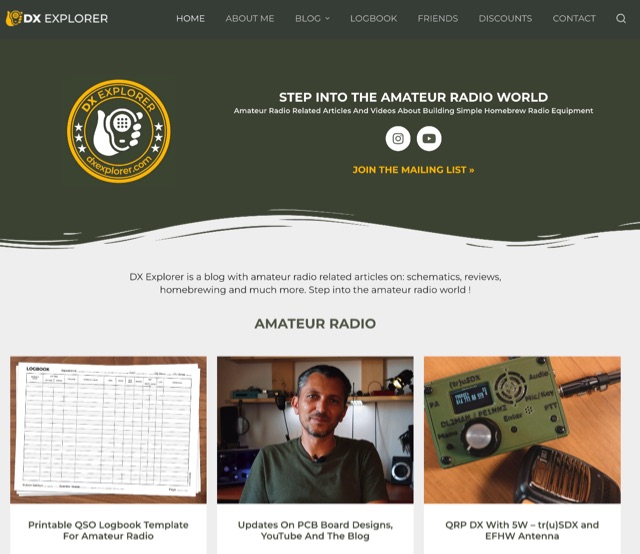 DX Explorer is a blog tailored to amateur radio enthusiasts, with a special focus on DIY radio equipment. Geared towards beginners, the author shares their learning journey, emphasizing that the thrill of discovery and growth is the essence of this engaging hobby.
 -
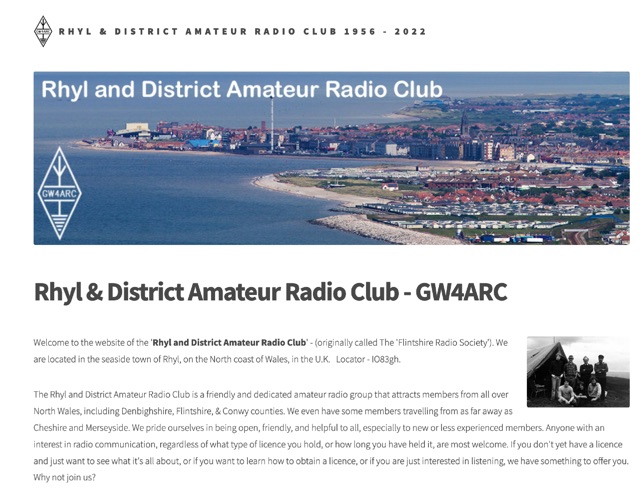 Website of the Rhyl & District Amateur Radio Club, a friendly and dedicated radio club located in Rhyl on the North Wales coast.
 -
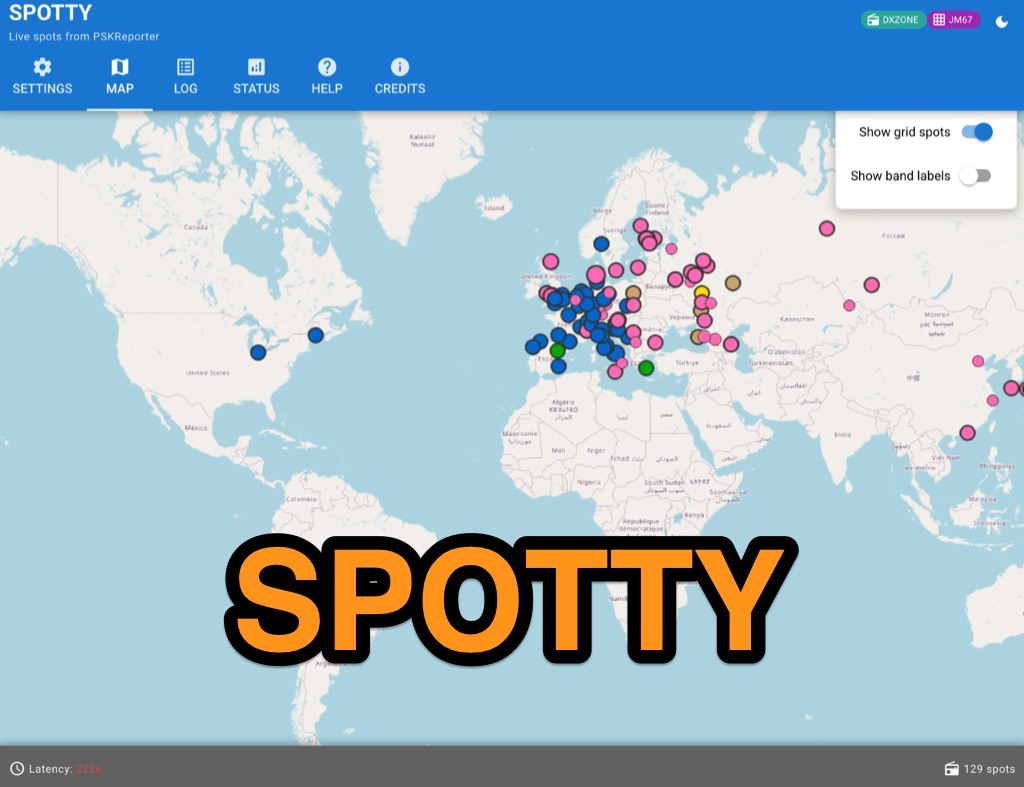 For amateur radio operators seeking a clutter-free, near real-time visualization of propagation reports, Spotty emerges as a highly efficient web application. By leveraging the robust data of Philip Gladstone’s pskreporter.info combined with the speed of an MQTT broker provided by Tom Fanning (M0LTE), the app delivers a responsive and modern monitoring experience. Visualizing the Airwaves The core experience centers on the Map View. Upon loading, users are greeted with a default visualization (grid AA00 / callsign MY8CALL), but the interface quickly proves its worth once customized. The application uses a clever visual hierarchy to distinguish signal types: - Small spots indicate signals heard by a specific location. - Large spots represent transmissions from a location. - Teardrop markers specifically highlight transmissions from the monitored callsign. This distinction allows operators to instantly differentiate between their own reach and incoming reception. The interactivity is intuitive; clicking a spot reveals an overlay with detailed signal data, which can be dismissed just as easily. Customization and Control Spotty balances simplicity with necessary depth. For those who prefer raw data over geography, the Log View provides a scrolling list of spots. However, the Settings tab is where the utility shines. Users can filter tracking by specific Callsign or Grid, and importantly, these preferences are saved directly to the browser for future sessions. A standout feature is the Time to Live (TTL) setting. While the default is 60 seconds, users can adjust how long a spot remains visible. This is crucial for high-traffic contests or busy bands, allowing the user to prevent the map from becoming overwhelmingly cluttered. Verdict Spotty is a fantastic utility for the digital shack. By combining fast MQTT data delivery with a clean, logic-driven interface, it offers ham radio operators a clear window into where their signals are going—and who is hearing them—in real-time.
 -
 The amateur radio club serving Johnson County Tennessee and northeastern Tennessee and southwestern Virginia. Open to all licensed hams.
 -
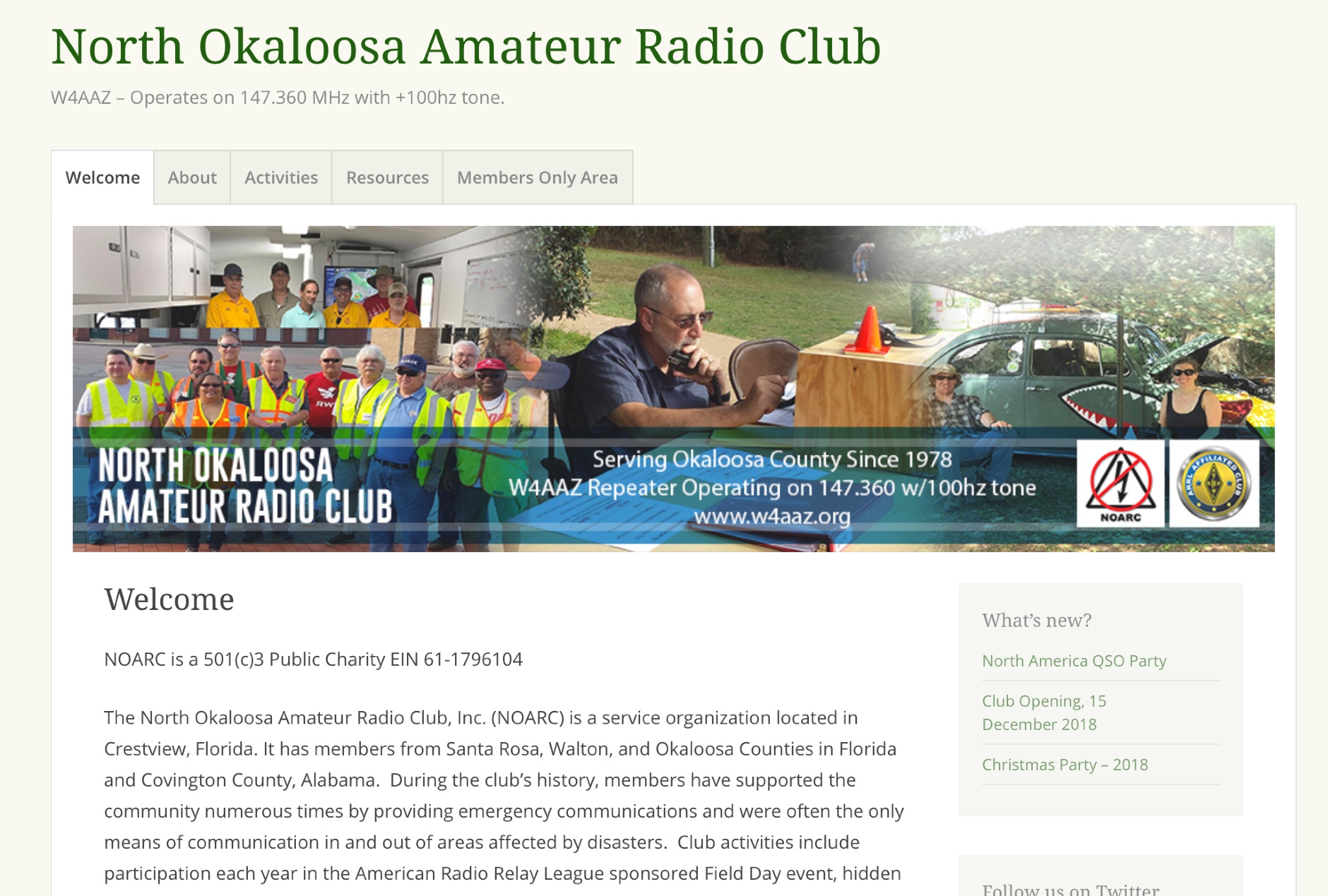 The North Okaloosa Amateur Radio Club, Inc. NOARC is a service organization located in Crestview, Florida. It has members from Santa Rosa, Walton, and Okaloosa Counties in Florida and Covington County, Alabama.
 -
 Homepage of the Bryan Amateur Radio Club (W5BCS), located in Bryan, Texas. BARC members are located in the Bryan-College Station area of the Brazos Valley.
 -
 Travelling with ham radio devices, Operating under CEPT, operating in the US, CEPT Operating Rules, Permanent Overseas Licence
 -
 Amateur Television (ATV) is a ham radio technology that transmits and receives broadcast-quality video and audio. It utilizes existing standards for commercial television and can be used for various purposes including experimentation, entertainment, and public service events. ATV signals can be relayed over long distances using repeaters and are capable of transmitting live video from locations like the International Space Station. The article explores how to get started with ATV, highlighting its ease of use and suitability for beginners in ham radio. The future of ATV appears promising with advancements in digital and narrowband transmission techniques.
 -
 Launched in March 2008, this website offers news and information for amateur radio enthusiasts in the Canadian Maritime provinces of Nova Scotia, New Brunswick, and Prince Edward Island. It serves as a valuable resource for both local and visiting hams. The site provides updates on general amateur radio news, Silent Keys, Exercise Handshake, Fusion/Wires-X, and Winlink. To join the Maritime Amateur mailing list or to share information, suggestions, or questions with fellow amateurs, contact the site owner via the provided email
 -
 Website for the Arkansas Diamond Amateur Radio Club in Morrilton, Arkansas
 -
 John Lemay’s (G4ZTR) review of the Yaesu FT-847 offers a practical look at this all-mode transceiver, spanning 160m to 70cm, including 4m. While it falls short in dynamic range and sensitivity, its "shack-in-a-box" design shines for VHF DXing and multi-band use. Lemay shares hands-on tweaks, like calibrating 70cm with beacons and integrating footswitches for SSB and CW. The TX Inhibit feature simplifies sequencing with external gear. Despite minor flaws, the FT-847’s versatility and mod-friendly nature make it a solid pick for amateur radio enthusiasts craving flexibility.
 -
 The blog and website of English amateur radio operator G0RIF, located near Lichfield in central England. Favourite aspects of the hobby are DXing, RTTY, portable operating and experimenting with wire antennas.
 -
 Amateur radio clun of Volyn Ukraine
 -
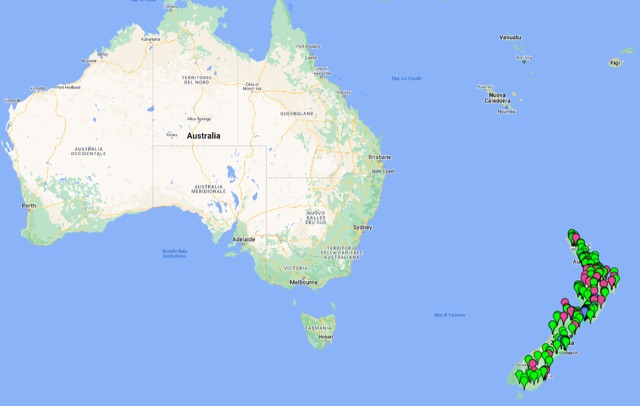 A list of HF VHF UHF Beacon list from New Zealand. All beacons from 20m to 3cm
 -
 This page serves as a comprehensive guide for hams, providing open-sourced information that is community-driven and multilingual. It is designed to be accessible to anyone, regardless of language, and can be used offline without internet access. Users can contribute to its development and even install it as an app on their mobile browser. Ideal for ham radio operators looking for a versatile and collaborative resource.