Search results
Query: HF operation
Links: 431 | Categories: 15
Categories
- Operating Modes > HF Operations
- Technical Reference > Amplifiers > VHF Amplifiers
- Radio Equipment > HF Amplifiers > Alpha 8410
- Radio Equipment > HF Transceivers > Elecraft KX2
- Radio Equipment > HF Transceivers > Icom IC-7851
- Radio Equipment > HF Transceivers > Kenwood TS-450S
- Antennas > Mobile
- Propagation > MUF Indicators
- Propagation > Propagation Forecast
- Radio Equipment > HF Transceivers > Ten-Tec Jupiter
- Antennas > W3EDP
- Operating Modes > WEFAX
- Radio Equipment > HF Transceivers > XIEGU G90
- Radio Equipment > HF Transceivers > Yaesu FT-2000
- Radio Equipment > HF Transceivers > Yaesu FT-847
-
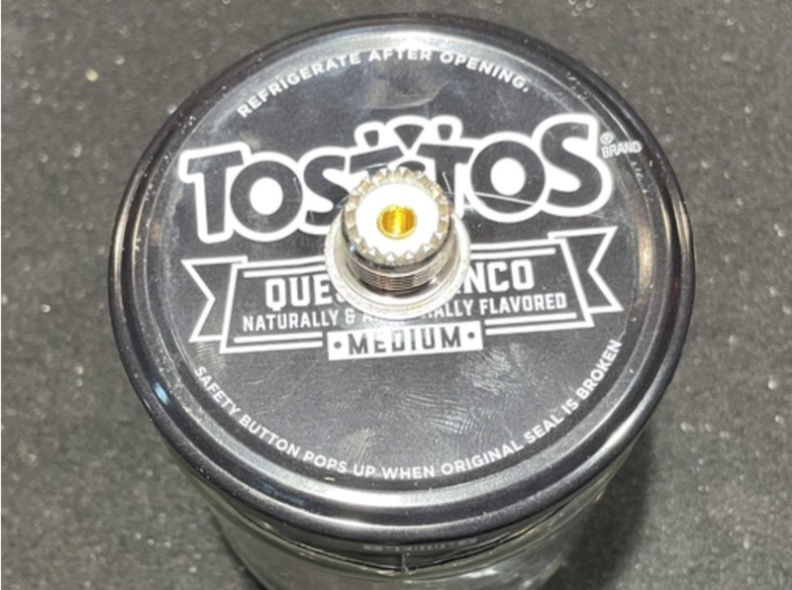 Twenty 1-watt carbon film resistors are configured in parallel to construct a 50-ohm **dummy load** for amateur radio applications. The design incorporates a heatsink for thermal dissipation and an **SO-239 connector** for RF input, making it suitable for QRP operations. This budget-friendly project details component selection, soldering techniques, and mounting procedures, achieving a continuous power rating of 10 watts and intermittent handling of up to 100 watts across HF and VHF frequency ranges. The resource provides a step-by-step guide for assembly. This construction offers an economical solution for essential shack tasks such as antenna tuning, transmitter testing, and SWR meter calibration without radiating an RF signal. The utilization of readily available components significantly reduces the overall build cost compared to commercial alternatives, providing radio amateurs with a functional and reliable test accessory. While specific VSWR measurements are not provided, the design prioritizes practical utility for low-power transceiver diagnostics and general RF experimentation.
-
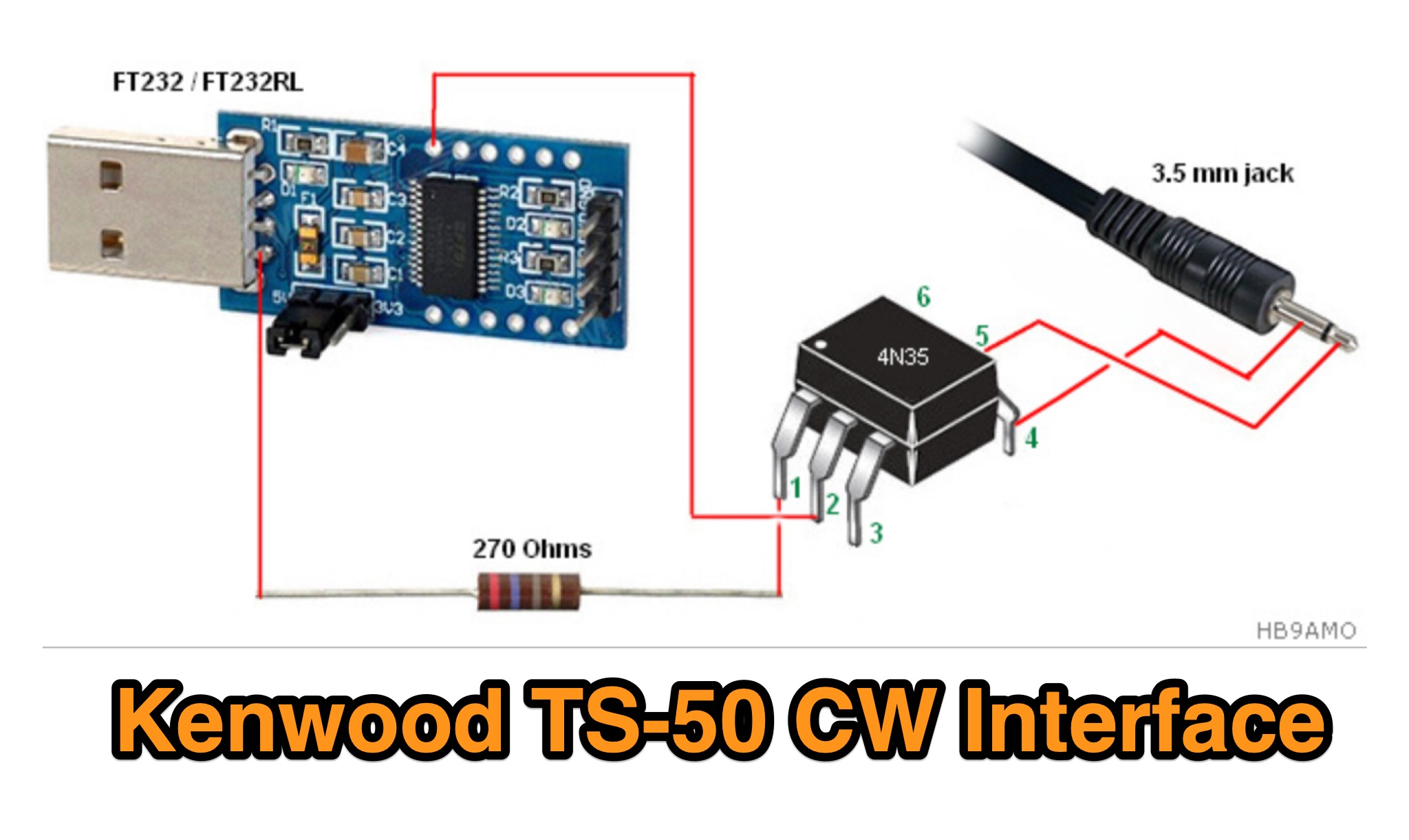 The Kenwood TS-50 is a reliable 25-year-old mobile HF radio, widely used in DX operations but lacking CAT and DATA ports for modern logging or contest software. To overcome this, a custom CW interface was built using an USB to TTL module (FT232/FT232RL) and an optocoupler (e.g., 4N25, H11A1) for galvanic isolation. This setup enables the TS-50 to connect with a computer via USB, facilitating integration with software like LOGGER32 and Win-Test. The interface is cost-effective and driver-free for Windows XP and 7, making it an accessible solution for enhancing the TS-50's functionality.
-
 Provides access to a robust DX cluster node, G6NHU-2, running DX Spider software, which facilitates real-time amateur radio contact spotting across HF bands. This service is engineered for high reliability and low latency, ensuring rapid dissemination of DX spots from a global network of interconnected nodes. It features multiple redundant links to prevent data loss and maintain continuous operation, even if individual connections drop. The cluster integrates directly with the Reverse Beacon Network (RBN), allowing users to enable or disable skimmer spots for specific modes like CW, RTTY, FT8, and FT4. It also offers an extensive one-year spot history, significantly longer than most other DX clusters, which typically retain only a month of data. The node supports various lookup commands for callsign information, beam headings, QSL routing, and FCC database lookups, enhancing operational efficiency for DXers and contesters. Additionally, it permits self-spotting, a feature increasingly relevant in modern contests, and provides detailed instructions for connecting popular logging software such as N1MM+, HamRadioDeluxe, MacLoggerDX, LOG4OM2, Logger32, and N3FJP's Amateur Contact Log.
-
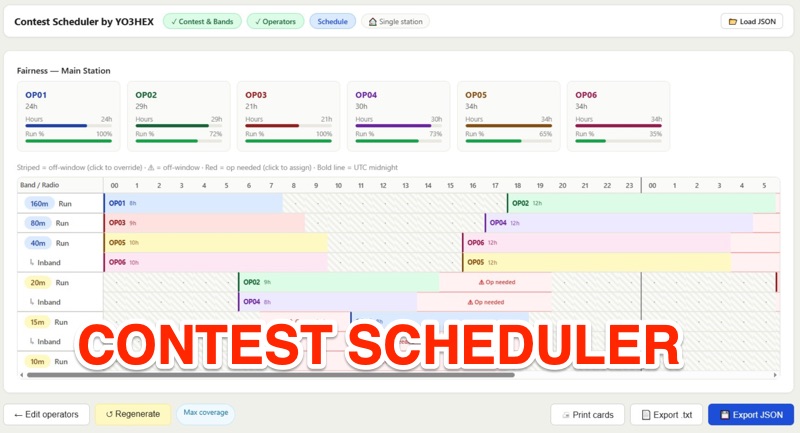 This online tool is a specialized web-based utility for orchestrating multi-operator HF contest and DXpedition activities. This tool, _Rig2Cast_, assists station managers in meticulously planning operator shifts, ensuring adequate rest periods, and crucially, preventing operational conflicts such as assigning a single operator to multiple radios concurrently. It integrates support for SO2R operations and offers real-time simulation of operator requirements, a feature I've found invaluable in pre-event planning. The scheduling engine incorporates five distinct algorithms: greedy fairness balancing, round robin, maximum coverage, simulated annealing, and a fatigue-aware model. These algorithms enforce critical constraints like minimum/maximum shift durations and mandatory rest times across all radios, which directly impacts operator performance over long events. My field experience confirms that such robust constraint management is essential for maintaining peak efficiency during intense operations. Key features include distributed multi-station support, printable per-operator cards, flexible band activity windows, and real-time editable operator slots. The drag-and-drop shift management, coupled with full cross-radio swap support and smart constraint feedback (valid targets in green, invalid in red), streamlines complex scheduling tasks. The system's design ensures user data privacy, as no information is stored on the server; schedules are saved and reloaded locally.
-
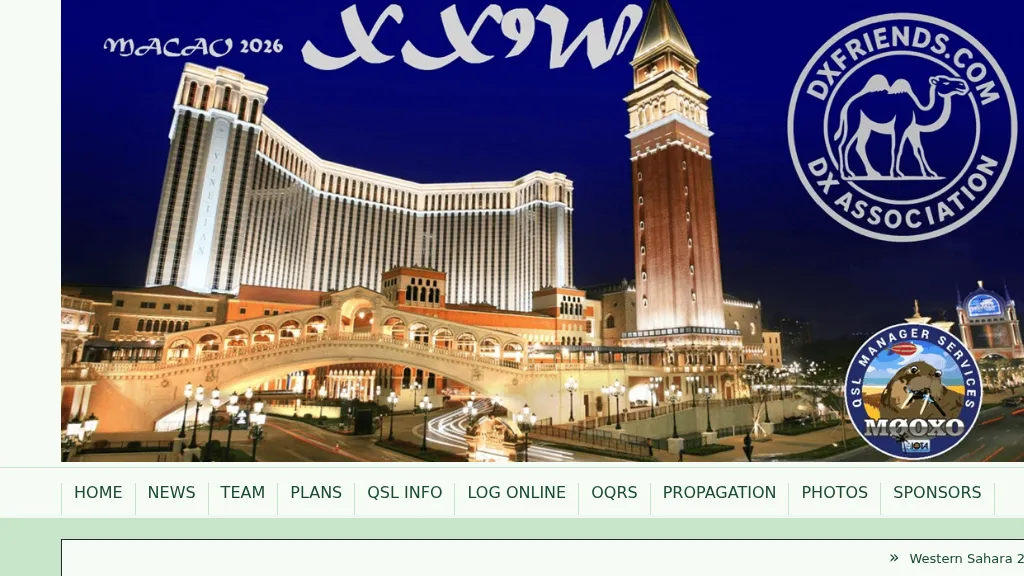 Documents the operational planning for the **XX9W** DXpedition to Macao, a **DXCC** entity. This resource outlines the team composition, identifying 14 operators from various IARU regions, including EA1CJ, F2JD, and JH4RHF. It details the expedition's objective to activate Macao, officially the Macao Special Administrative Region of the People's Republic of China, emphasizing its distinct blend of Portuguese and Chinese cultures, historic architecture, and urban landscape. The site also provides information on how to support the DXpedition through donations, facilitating contributions via PayPal. Macao operates under the "one country, two systems" principle, with Chinese (Cantonese) and Portuguese as official languages, and a population exceeding 680,000. The content highlights the region's geographical location on the southern coast of China, across the Pearl River Delta from Hong Kong, and its historical background as a Portuguese colony.
-
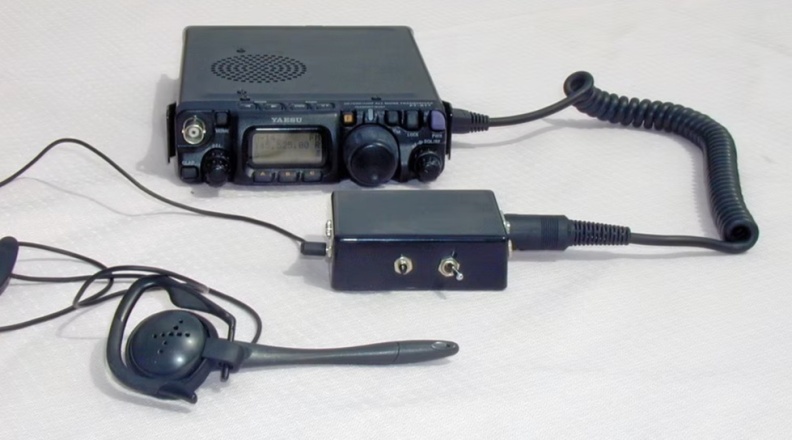 This online project documentation details the construction of a hands-free microphone interface unit designed for _mobile_ amateur radio operation. The curriculum covers the integration of electret microphone elements with amateur radio transceivers, specifically addressing **VHF** band communication. It outlines the circuitry for a switch box that provides an interface between various radio models and microphone types. The guide specifies the inclusion of a **1750 Hz** tone-burst generator for accessing amateur radio repeaters, an operational protocol for many VHF systems. Design considerations include the reduction of ambient vehicle noise through an adjustable audio input level control. The project provides schematics and wiring diagrams for connecting the interface unit to specific amateur radio transceivers, including the Yaesu FT-817. It addresses the selection and adaptation of readily available electret microphone and earpiece assemblies, initially sourced from mobile phone accessories, and later from dedicated headset units. The design incorporates a control mechanism for radio functions, enabling hands-free operation during _mobile_ excursions. Circuit details cover power supply considerations for the electret microphone and signal routing for both transmit audio and received audio monitoring. The documentation specifies component selection for the switch box, ensuring compatibility with common amateur radio microphone input impedances and output levels. This includes considerations for PTT line switching and audio path isolation. DXZone Focus: Online Project Documentation | Hands-Free Mobile Microphone Interface | Electret Microphone Integration | 1750 Hz Tone-Burst Generation
-
 VE3SMA's document addresses several operational issues encountered with the Yaesu FTDX10 HF transceiver, offering practical solutions and technical explanations. It specifically tackles the high-frequency headphone hiss during CW operation with narrow filters, providing a schematic for a homebrew audio filter to mitigate this. The resource also investigates the FTDX10's behavior of transmitting CW via USB even when BK-IN is set to OFF, particularly when using N1MM+ contest software, and suggests tuning outside ham bands as a workaround. Furthermore, the document notes the rapid disappearance of band and mode selection screens, acknowledging a December 2021 software update that extended their display times. The analysis extends to audio harmonics generated in digital modes like FT8 and JS8CALL when using USB audio input, attributing the issue to unattenuated USB CODEC output and a low PRESET RPORT GAIN value. VE3SMA proposes a solution involving a higher RPORT GAIN setting (between 30 and 70) and a lower transmit audio level from the computer, demonstrating how to achieve a clean signal using the FTDX10's built-in spectrum scope. The document also discusses unstable power output in FT4/FT8 modes when driving an amplifier, recommending the use of Fake It or Rig Split modes in WSJT-X and operating with some ALC action. Finally, it explores methods for achieving a low-power continuous carrier for adjusting external antenna tuners, offering various techniques depending on the operating mode.
-
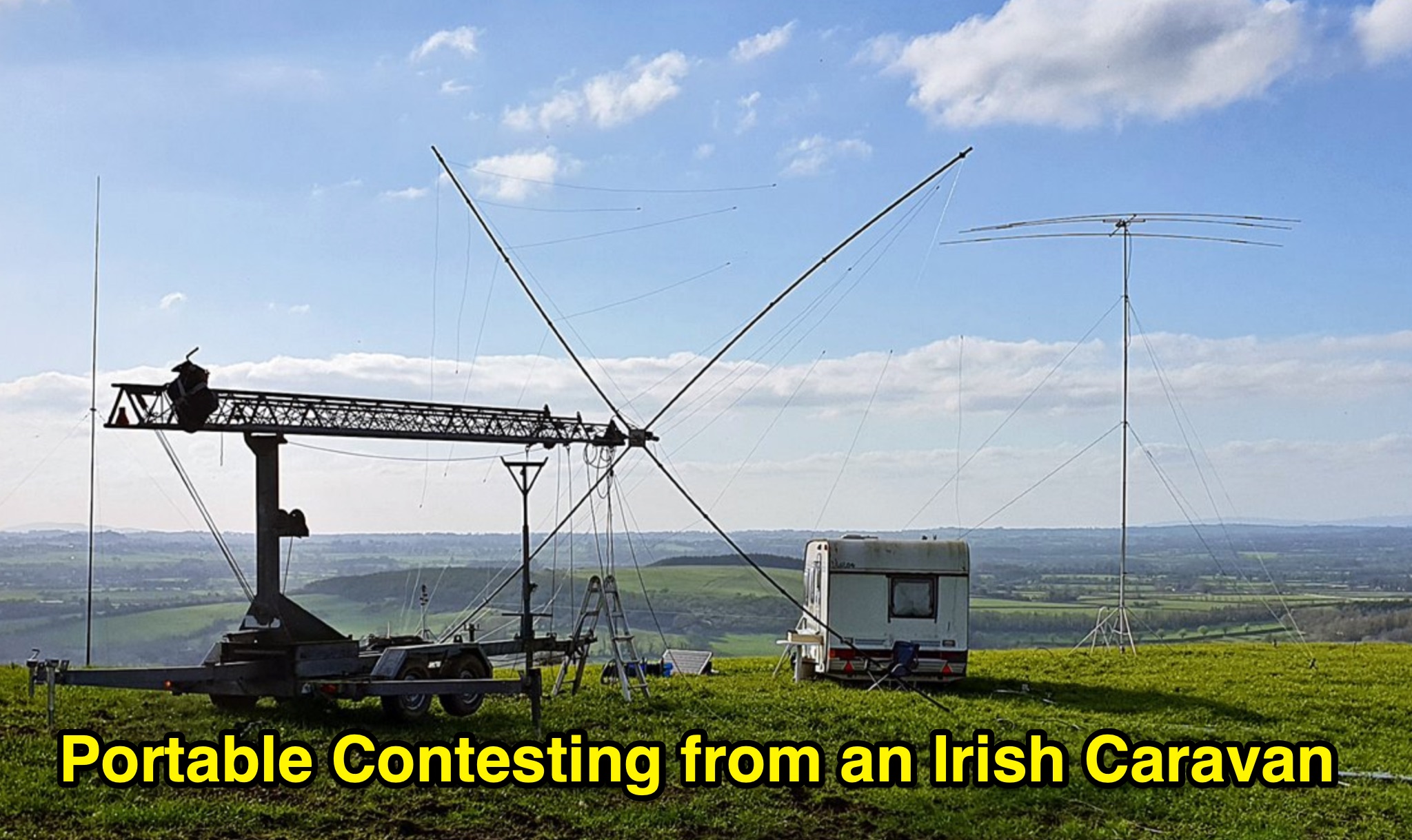 This blog chronicles over a decade of portable HF contesting from rural Ireland (2008–2019) by Olivier, operating under callsigns EI/ON4EI, EI8GQB, EI1A, and EI7T. Using only green energy from a caravan, he achieved top-tier results in major international contests—including 1st World in the 2018 IARU HF Championship (SSB LP) and multiple 1st-place finishes in CQ WW and CQ WPX SSB Europe. Operating in the demanding Single Operator All Band Low Power and SO2R categories, he deployed up to five antennas across five bands, often in remote or emergency-style conditions. The narrative blends technical detail, fieldcraft, and personal reflection, documenting triumphs, setbacks (including carbon monoxide poisoning), and the logistical challenges of sustainable portable operation—culminating in his decision to transition to team-based contesting and future DXpeditions.
-
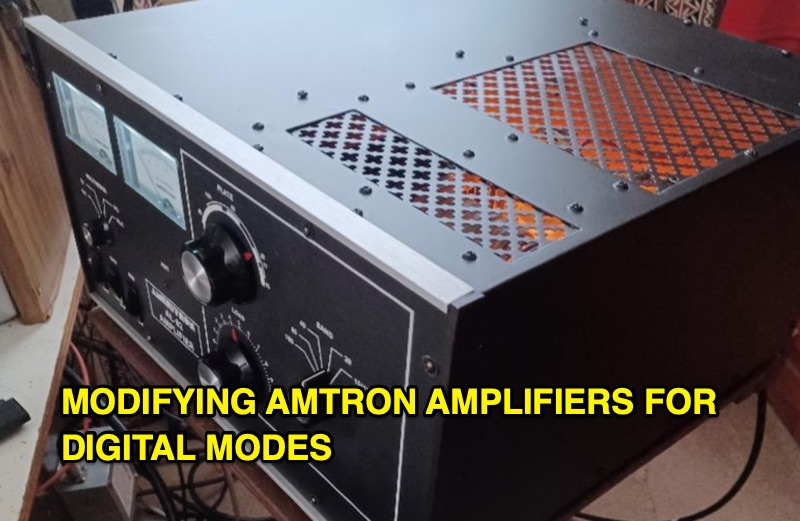 This resource details **cooling modifications** for Ameritron AL82, AL1200, and AL1500 HF amplifiers, specifically addressing heat issues encountered during high-duty-cycle digital mode operation. The author, WD4NGB, observed excessive heat in the tank area and band switch on an AL82, attributing it to insufficient exhaust over the 3-500 tubes and a complete lack of exhaust over the tank area. The modifications aim to prevent common failures such as damaged band switches and deformed insulating materials by increasing airflow and exhaust area. The page describes adding five holes to the chassis for enhanced cooling to the band switch and tank area, alongside enlarging the exhaust area over the inner 3-500 tube and the tank area on the amplifier cover, utilizing expanded metal for safety and RF shielding. The original cover featured 26.25 square inches of exhaust; the modified version significantly increases this to 48.5 square inches over the tubes and introduces an additional 15 square inches over the band switch. These changes are intended to resolve heating problems encountered during heavy, 100% duty cycle use in modes like RTTY or long SSB contests, which typically generate substantial heat. The article also discusses upgrading to a higher output fan, such as the G2E085-AA05-21, and modifying tube sockets for improved airflow and reduced back pressure, citing Tom Rauch (W8JI) of CTR Engineering as a source for parts.
-
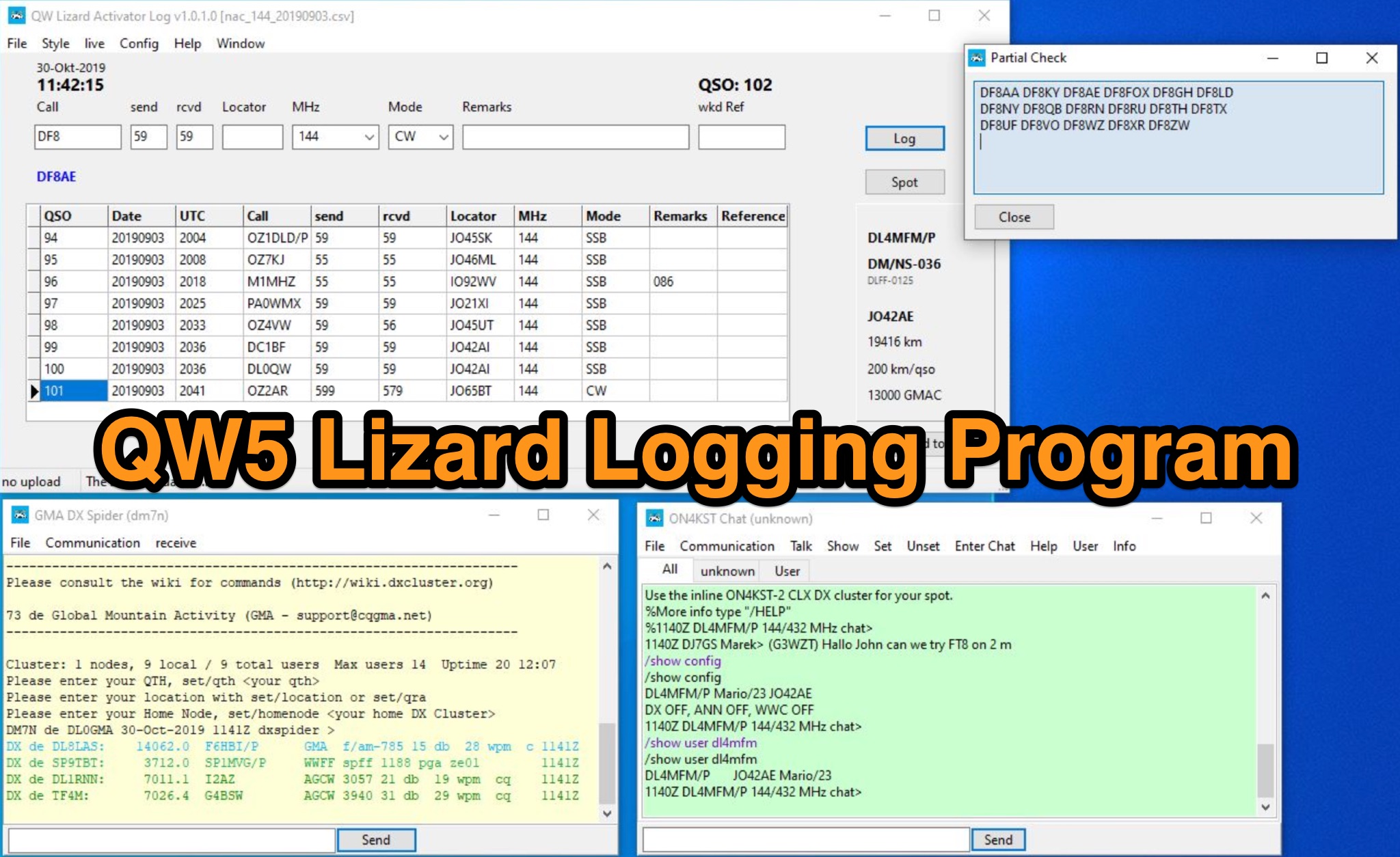 Version 1.0.1.0 of QW5 Lizard, released on September 21, 2019, is a specialized logging program designed for Windows notebooks, particularly for outdoor operations and contest participation. It supports individual configuration and input masks, making it suitable for various HF and VHF/UHF contests. The software prioritizes data security, with a planned feature for live upload directly to the GMA database, catering to activations of references such as mountains, WCA, lighthouses, and WWFF. This logging tool offers robust export capabilities, including EDI for NAC and IARU Region 1 Contests, as well as standard ADIF and Cabrillo formats. The program has undergone extensive testing and deployments by various stations, demonstrating its utility in real-world contest scenarios, such as the Holzhammer Contest. Future extensions for specific contests are also anticipated, enhancing its versatility for the competitive ham radio operator.
-
 Over 200 distinct 2-meter band amateur radio repeaters are cataloged for Australia, providing essential operational data for VHF communication. Each entry specifies the repeater's output frequency, often including the input tone (e.g., **91.5 Hz** or **123.0 Hz** CTCSS) and the repeater's callsign (e.g., _VK2RSC_, _VK3RHF_). Locations are precisely noted, frequently referencing specific towns, mountains, or geographical features such as "Kinglake, Kangaroo Ground" or "Adaminaby, Mars Hill." The resource also indicates various digital modes and linking capabilities where applicable, such as "FMEchoLinkFusionWIRES-X" or "DMR," alongside standard FM operation. This detailed listing facilitates local and regional VHF communication, enabling hams to program their transceivers accurately for repeater access. The data is presented in a clear, tabular format, making it straightforward to identify repeaters by frequency and location.
-
 Demonstrates _FreeDV RADE_, an open-source digital voice mode for HF, which combines machine learning with classical Digital Signal Processing (DSP) to achieve improved speech quality and spectral efficiency. Released in June 2025 by ARDC grantee FreeDV, RADE operates at Signal-to-Noise Ratios (SNRs) as low as -2 dB and occupies approximately 1.5 kHz of bandwidth, half that of a typical SSB signal, while transmitting about 8 kHz of voice audio. The mode also features an optimized Peak-to-Average Power Ratio (PAPR) for efficient power amplifier use, reducing heat and consumption. Users, such as _VK3TPM_, report significantly improved listening ease compared to analog modes, particularly in high HF noise environments, making it easier to conduct nets across various Australian states. The mode's integration into popular radios like the _FlexRadio 6000_ series allows direct operation without external computers. A C library for RADE is available, facilitating broader integration into other radios and SDR programs, with development continuing on FreeDV RADE v2 to further narrow bandwidth below 1 kHz.
-
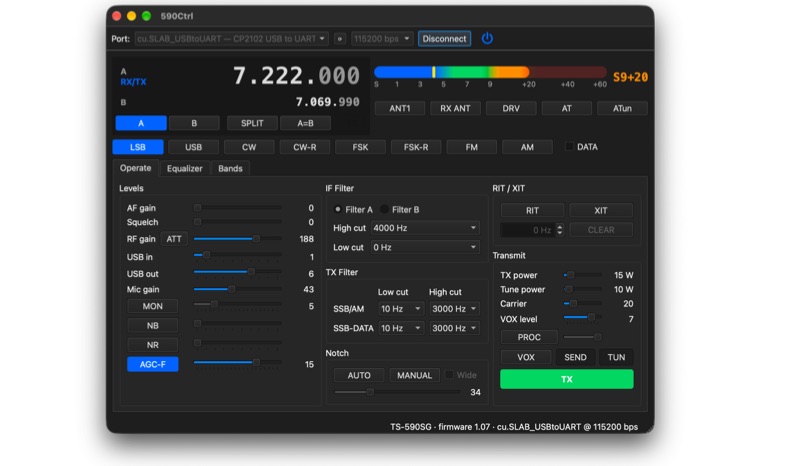 The **590Ctrl** application provides a dedicated desktop control panel for the _Kenwood TS-590SG_ HF transceiver, specifically designed for macOS and Linux operating systems. Developed using the Qt 6 framework and C++, this software facilitates direct control of the radio via a USB connection, offering an alternative to the transceiver's front panel. The GitHub repository details its structure, including directories for documentation, resources, scripts, source code, and tests, indicating a well-organized development effort with a history of **41 commits**. Amateur radio operators utilizing the TS-590SG on macOS or Linux will find this tool particularly useful for integrating their radio into a computer-centric shack environment. It streamlines operations by allowing software-based adjustments and monitoring, which can be advantageous during contesting or DXing sessions where quick parameter changes are crucial. My own experience with similar control software confirms the efficiency gains, especially when managing multiple logging applications or digital mode interfaces simultaneously. The project's open-source nature also invites community contributions and further development, potentially expanding its feature set beyond basic control functions.
-
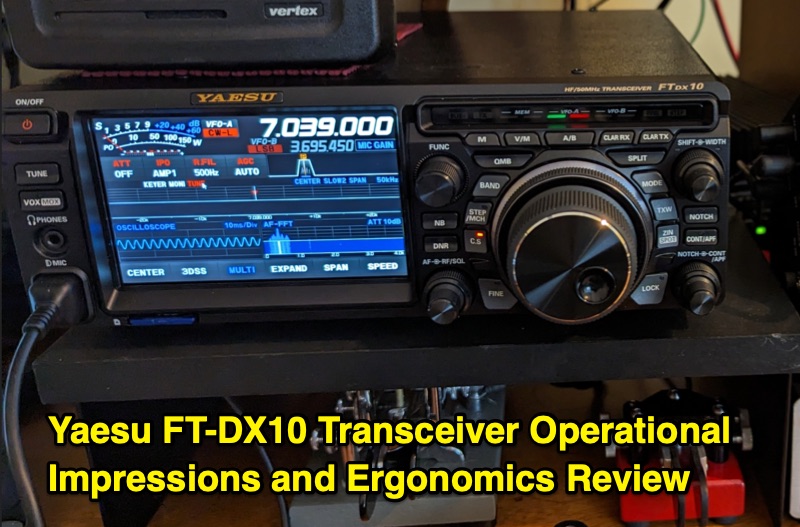 Evaluating a new HF transceiver, AA4OO shares his initial operational impressions of the Yaesu FT-DX10, contrasting its physical design and performance against his prior experiences with the Elecraft KX3 and Ten-Tec Eagle. He notes the FT-DX10's superior fit and finish but finds the front panel controls, particularly the AF/RF knob, to be cramped, leading to accidental VFO shifts. The review details the radio's audio characteristics, describing acceptable SSB performance but "muddy" CW audio at 450Hz, which he attributes to cabinet acoustics, necessitating an external speaker for clearer CW reception. The author also discusses the effectiveness of the FT-DX10's Digital Noise Reduction (DNR) for CW, finding it significantly better than the NR on the Eagle or KX3. He appreciates the MPVD (Multi-Purpose-VFO-Outer-Dial) for reducing menu reliance during QSOs, a feature he finds more intuitive than the dual-use buttons on his Ten-Tec Eagle. However, he expresses disappointment with the noisy T/R relay during full QSK operation and a loud internal fan, which detracts from his preference for a quiet operating environment. Further observations include the 800x640 resolution of the external display connector, which he considers outdated, and the CW decode function, which he finds less practical than the KX3's due to its display of "paragraphs" of text rather than a quick assist. Despite these "nits," the review provides a balanced perspective on the FT-DX10's strengths and weaknesses from a seasoned CW operator's viewpoint, concluding that it's a "mixed bag" compared to his other rigs.
-
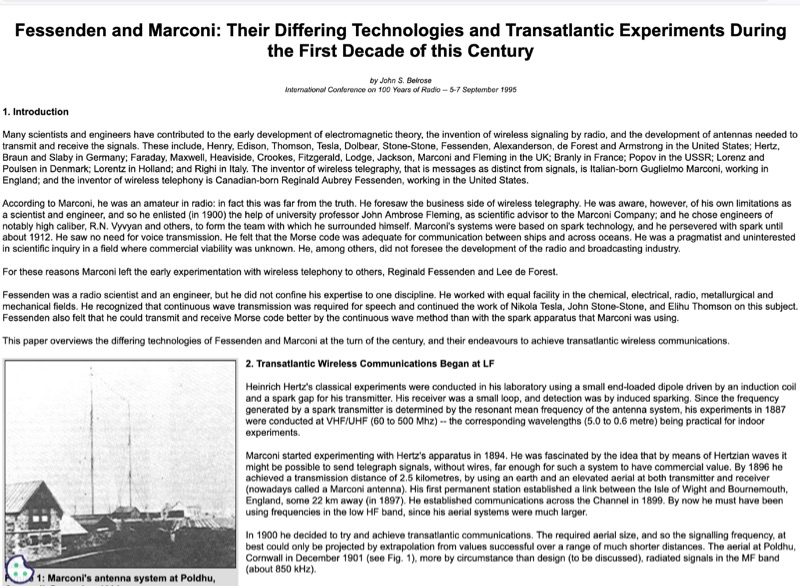 Early 20th-century transatlantic wireless communication efforts involved distinct technical approaches by Reginald Fessenden and Guglielmo Marconi. Marconi's systems, operational until approximately 1912, primarily utilized _spark technology_ for wireless telegraphy, facilitating Morse code communication between ships and across oceans. His Poldhu station in December 1901 radiated signals in the MF band around 850 kHz, later evolving to 272 kHz in October 1902, and eventually 45 kHz by late 1907 with increasingly larger antenna structures like the pyramidal monopole and capacitive top-loaded arrays. Fessenden, conversely, focused on _continuous wave transmission_ for wireless telephony, recognizing its necessity for speech. His transatlantic experiments in 1906 employed synchronous rotary-spark-gap transmitters and 420-foot umbrella top-loaded antennas at Brant Rock, MA, and Machrihanish, Scotland, tuned to approximately 80 kHz. Fessenden later utilized the _Alexanderson HF alternator_ at 75 kHz by late 1906 for pure CW transmission, integrating a carbon microphone for amplitude modulation. Receiver technology also differed, with Marconi initially relying on untuned coherer-type detectors, later developing the magnetic detector in 1902, while Fessenden's CW approach necessitated more advanced detection methods.
-
 HAMgpt offers a personalized amateur radio experience, leveraging AI to provide real-time operational guidance. It integrates live propagation data, current band conditions, and operator-specific context, including callsign, QTH, license class, and station equipment, to deliver relevant answers. The system can identify open HF, VHF, and UHF bands, suggest workable DXpeditions and POTA/SOTA activations, and provide accurate repeater offsets and CTCSS/DCS tones for local repeaters. Unlike general-purpose chatbots, HAMgpt avoids fabricating frequencies or license privileges, instead relying on actual data for its responses. It supports antenna design calculations for various types like Yagi, dipole, vertical, and magnetic loop antennas, offering to-scale dimensions. The platform also assists with license exam preparation and provides satellite pass predictions tailored to the user's location. It supports multiple countries, including the United States (FCC Technician, General, Extra), Canada, the United Kingdom, Australia, Japan, and Argentina, incorporating their specific band plans and power limits.
-
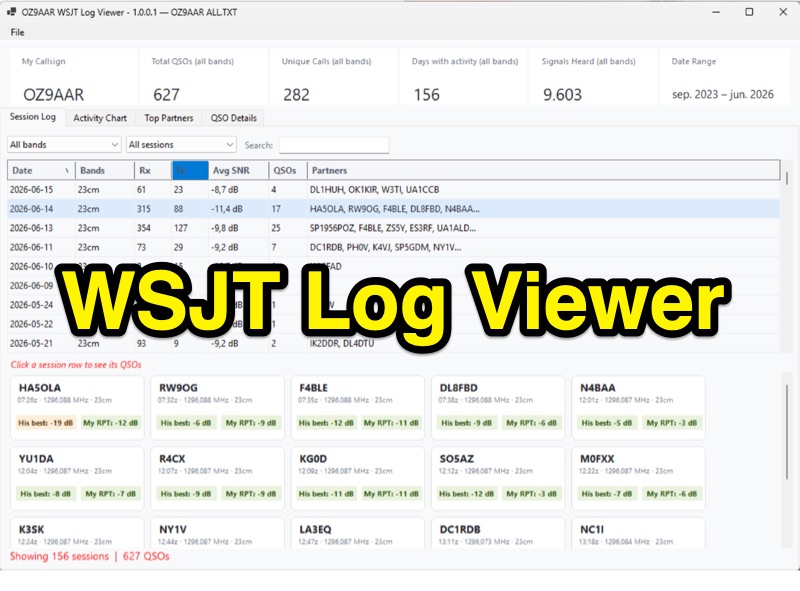 The WSJT Log Viewer, version 1.0.0.10 as of 2026-08-02, is a freeware Windows application developed by Carsten Groen (OZ9AAR) for analyzing signal strengths from WSJT digital mode contacts. It processes the ALL.TXT log file generated by WSJT-X, extracting and presenting data from decoded TX and RX messages. Initially designed for EME operations on 70cm and 23cm, the software has expanded to include all HF bands, 6m, 4m, 2m, 1.25m, 70cm, 23cm, 24GHz, and 47GHz. Key features include displaying total QSOs, unique callsigns, days with activity, and signals heard, with filtering options by band and completed QSOs. The application also monitors the ALL.TXT file for live updates every two seconds, reflecting new decodes in real-time. Users can view session logs, activity charts showing daily signal counts and decoded signals, and a "Top Partners" tab listing the 25 most frequent contacts. The software provides detailed QSO information, including best received SNR and sent reports, with graphical representations of SNR over time. It supports multiple "My Callsign" entries within a single ALL.TXT file and offers a function to generate a text list of initials worked per band. The program is distributed as a single executable file, requiring no installation, and stores its configuration in a LogViewer.cfg file, allowing for different setups via command-line arguments.
-
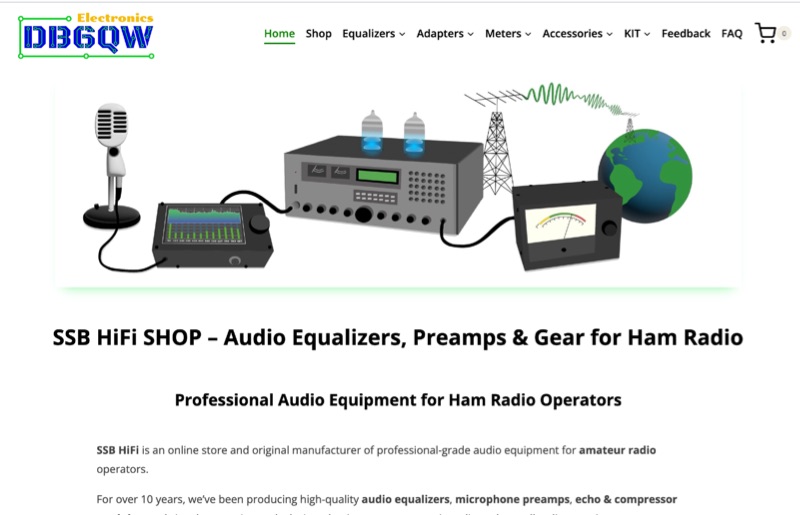 Optimizing on-air audio for SSB, DXing, and contesting operations is addressed through a range of specialized audio processing equipment. The offerings include multi-band equalizers, specifically 5-band, 8-band, 10-band, and 12-band units, some integrated with features such as compressors, echo effects, noise gates, and phase rotation capabilities. These devices are engineered to interface with common amateur radio transceivers, with explicit compatibility noted for models like the Yaesu FT-DX10, FT-DX101D, FT-1000MP, FT-DX5000, Collins HF-380, and Flex 6300, alongside analog S/P meters for Icom rigs. The product line focuses on enhancing microphone audio characteristics, supporting XLR dynamic microphones for improved signal clarity and presence. The manufacturer, DB6QW Electronics, emphasizes direct support and a 100% manufacturer's warranty, reflecting confidence in product quality and operational reliability. This resource details specific audio processing tools designed to refine the transmitted audio signal, providing operators with granular control over their voice characteristics for competitive and casual amateur radio communications.
-
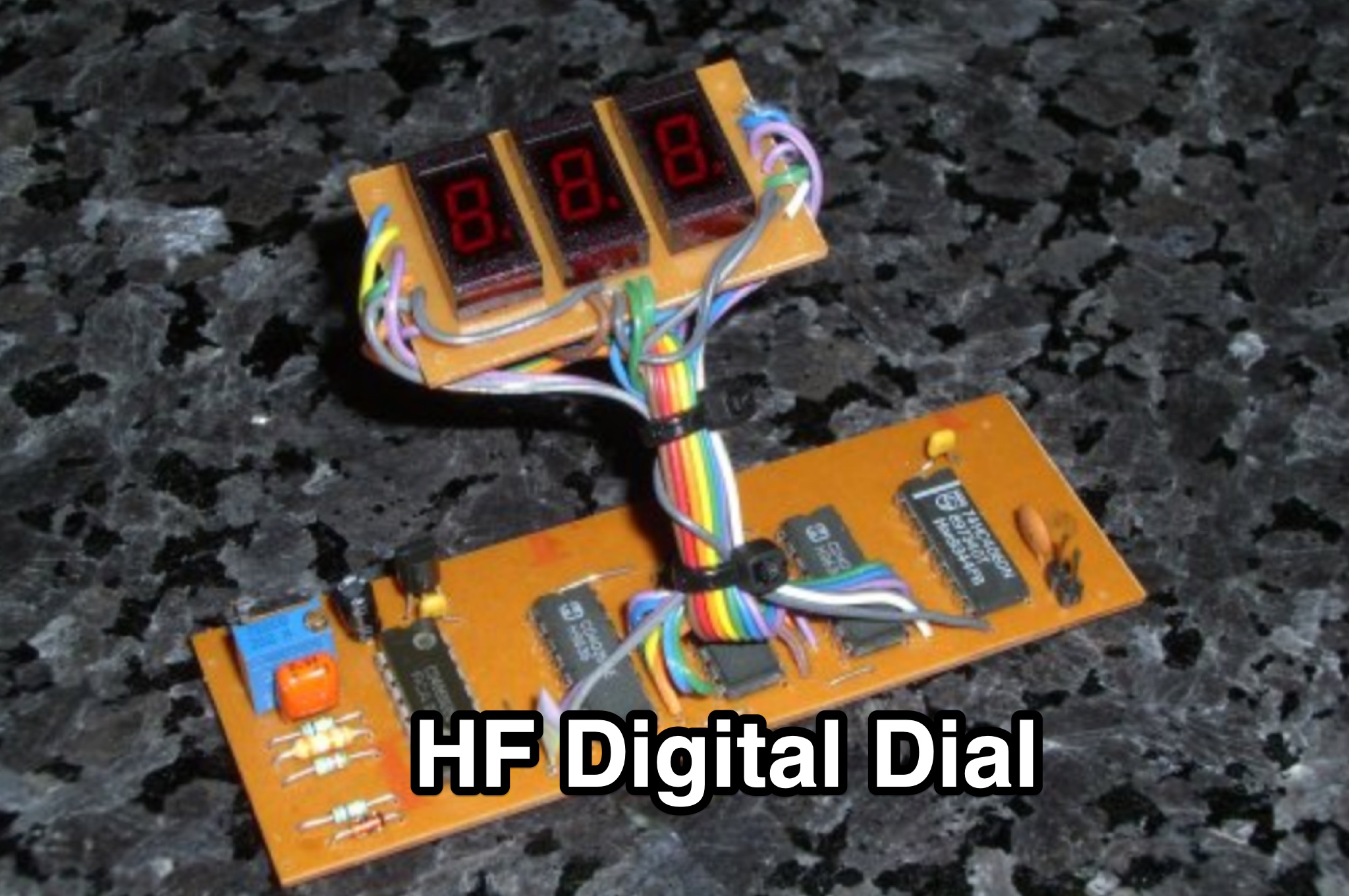 This page by Andrew Woodfield ZL2PD provides information on CMOS HF Digital Dial for hams. It covers design options, circuit description, construction, alignment, and operation. The page also includes references and downloads. Whether you're looking to build or understand a digital dial for your HF rig, this page offers valuable insights and resources.
-
 The XW4DX DXpedition website documents the amateur radio operation from Laos, a country ranked #98 on Clublog's Most Wanted list. This resource provides insights into the planning and execution of a significant DXpedition, including antenna choices like _Hexbeams_ at 14m, a 4-square for 40m, and a top-loaded vertical for 160m. The team, comprising operators such as _F4BKV Vincent_ and _F2DX Patrick_, focused on challenging paths, particularly towards the North American East Coast, where Laos is #41 most wanted. Operational constraints included prohibitions on 6m, 30m, 60m, and 80m bands within Laos, necessitating a focus on other HF frequencies, especially 160m and 40m. The expedition utilized up to five stations simultaneously, with equipment transportation being a major logistical challenge, partially mitigated by direct shipments from _Spiderbeam_ and donor support. The expedition ran from November 16th to 27th, 2023, with the complete XW4DX log uploaded to LoTW by December 23rd, 2023. This site serves as a historical record of their efforts to put Laos on the air for DXers worldwide.
-
 The H49A DXpedition to the Solomon Islands (OC-047, IOTA OC-047) is scheduled for a 13-day operational period, commencing on October 9th and concluding on October 21st, 2026. This **DXpedition** will feature a six-member team, including Rolando (9A3MR) as Team Leader, Zrinko (DK8ZZ/YT3ZZ), Mladen (9A2NA), Frane (9A3CJY), Kristijan (9A4WY), and Livio (9A7Y). Operations are planned across all **HF bands** and 6 meters, utilizing CW, SSB, and FT8 modes. This activity provides a significant opportunity for radio amateurs worldwide to log the Solomon Islands, a sought-after DXCC entity. The team aims to maximize contacts across various bands and modes, contributing to global DXCC and IOTA awards. Specific QSL routes and logistical details are anticipated to be published closer to the operational dates.
-
 Presents the 4th edition of the IARU Region 1 Ethics and Operating Procedures for the Radio Amateur, a fully rewritten guide published in July 2026. It establishes a shared basis for respectful and effective communication within the amateur radio community, building upon over fifteen years of prior work. The document details the purposes of amateur radio, principles of non-interference, electromagnetic compatibility, and station safety. It specifies operating procedures, including listening practices, adherence to IARU and national band plans, appropriate transmission content, use of Q-codes, and the phonetic alphabet. The guide provides instructions for conducting QSOs across phone, CW, and various digital modes. Specific sections address managing pileups, participating in contesting, engaging in DX and DXpedition operations, operating portable or mobile, and conducting station testing. Further sections cover VHF and UHF operating considerations, ensuring a comprehensive resource for both experienced operators and those new to the hobby.
-
 The Yaesu FTDX-10 transceiver features a hybrid receiver design, integrating a dual superheterodyne front end with an SDR chip for advanced DSP. This architecture aims to mitigate front-end overload, a critical consideration for HF operations. Performance data indicates a Reciprocal Mixing Dynamic Range (RMDR) that places the FTDX-10 at number two on Sherwood Engineering's ranking, highlighting its strong signal handling capabilities. The unit includes a 5-inch TFT touch screen and an internal antenna tuner effective up to 3:1 SWR, covering receiver frequencies from 30 kHz to 75 MHz. Operational aspects include a spectrum scope with 2D and 3DSS display modes, offering adjustable frequency spans from 1 kHz to 1000 kHz and five waterfall speeds. The review evaluates the efficacy of the noise blanker and Digital Noise Reduction (DNR) functions, essential for mitigating interference in various operating environments. Connectivity is supported via USB drivers for N1MM and HRD software, alongside DVI output for external display mirroring. The Multi-Purpose VFO Outer Dial (MPVD) enhances user interaction. The FTDX-10's design and features cater to serious amateur radio operators seeking high performance in a compact HF/50 MHz platform.
-
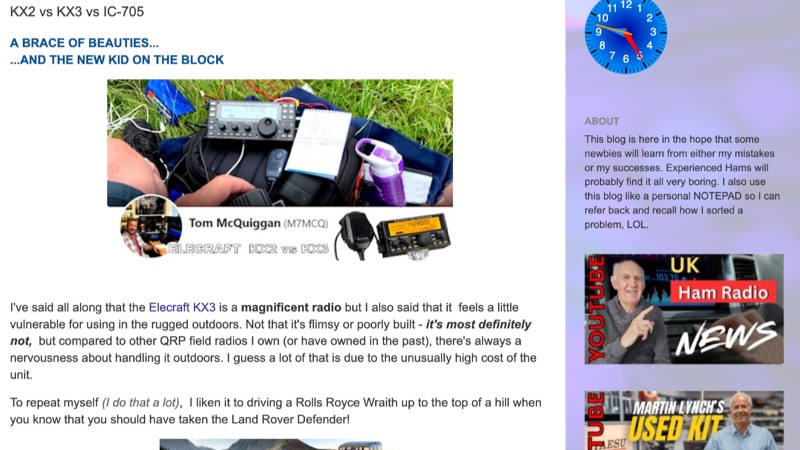 Evaluating portable QRP transceivers for field operations often involves weighing trade-offs in size, features, and power consumption. This resource provides a direct comparison of three popular models: the Elecraft **KX2**, Elecraft KX3, and the Icom **IC-705**. It systematically examines their physical attributes, operational suitability for portable use, and core feature sets, including band coverage, optional accessories like roofing filters and internal ATUs, and specific capabilities such as the KX3's VHF Transverter option and IQ-Out for panadapter connectivity. The analysis details the KX3's broader band coverage, extending to 160 meters and 6 meters, in contrast to the KX2's more limited band complement. It also highlights differences in physical characteristics, noting the KX2's lighter weight and lower idle current drain, which are critical factors for extended battery operation in the field. Speaker audio quality is also mentioned as a comparative point between the Elecraft models. This comparison offers practical insights for operators considering these transceivers for their portable or SOTA/POTA activations, focusing on real-world performance aspects rather than just specifications. It helps clarify which model might better suit specific operational requirements based on the presented data.
-
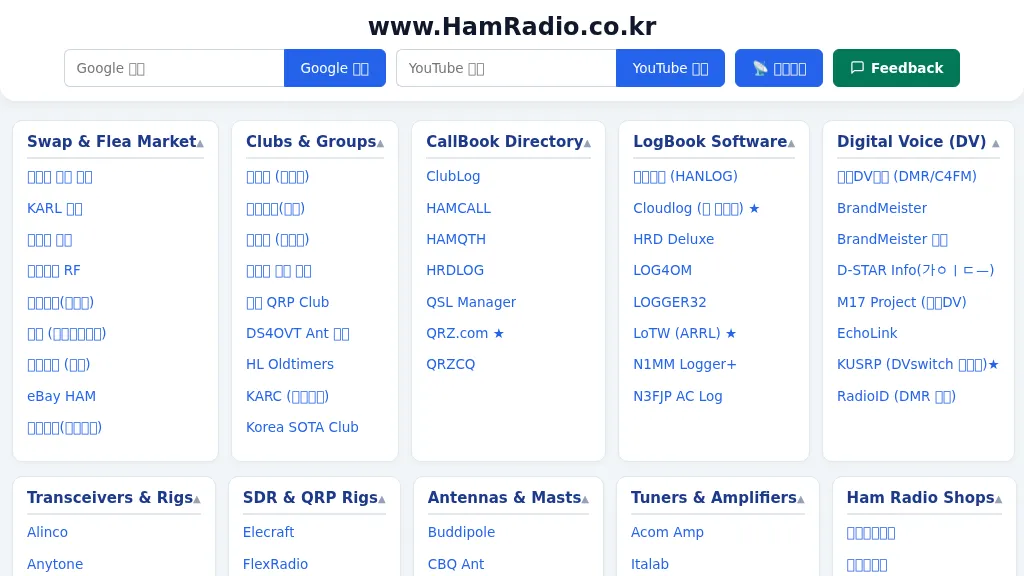 The HamRadio.co.kr portal, maintained by HL3LFB, serves as a comprehensive link directory for amateur radio operators, primarily in South Korea. It categorizes external resources covering a wide array of technical subjects, including SDR and QRP rigs like uBITX and Hermes-Lite 2+, antenna designs from CBQ Ant and JK Antennas, and tuner/amplifier manufacturers such as Acom and LDG. The site also provides links to digital mode software like WSJT-X for FT8/FT4, MMSSTV, and MMTTY, alongside resources for CW operation, electronic components from Digi-Key, and various homebrew project sites like AA5TB Projects and Hans Summers Lab. Practical applications are supported through links to antenna and RF calculation tools, including SimSmith for Smith charts, Coil64 for coil calculations, and calculators for HB9CV, J-Pole, and Magnetic Loop antennas. The portal facilitates operating activities by linking to DX clusters (DX Heat, DX SUMMIT), propagation beacons (IARU HF Beacon, NCDXF Beacon), and award programs like POTA, SOTA, IOTA, and WCA/COTA. It also includes references to official organizations such as KARL and ARRL, QSL managers like LoTW and Cloudlog, and various online marketplaces for ham gear.
-
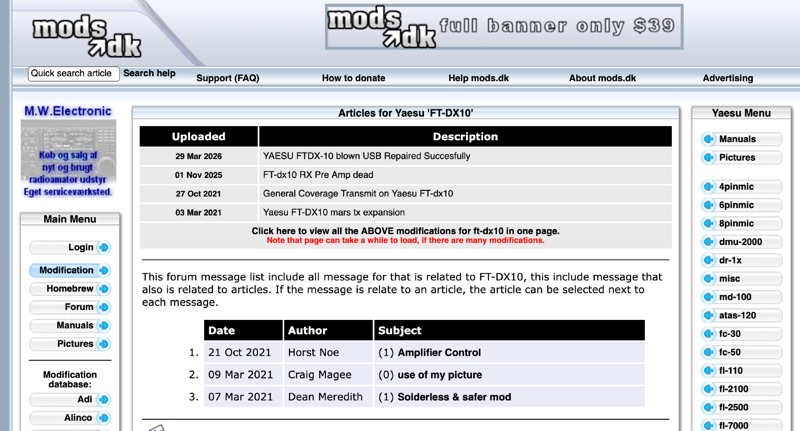 The Yaesu FT-DX10 Transceiver Modifications and Repair Database compiles technical articles and user-contributed messages specifically for the FT-DX10 HF transceiver. It features documented procedures such as "YAESU FTDX-10 blown USB Repaired Succesfully" and an entry detailing a "FT-dx10 RX Pre Amp dead" issue. The resource also includes instructions for "General Coverage Transmit on Yaesu FT-dx10" and "Yaesu FT-DX10 mars tx expansion," providing specific adjustments for the radio's operational parameters. This platform organizes content to allow viewing all modifications for the FT-DX10 on a single page, streamlining access to various technical adjustments. Users can find discussions on topics like amplifier control and solderless modifications, offering practical insights from the amateur radio community. The database serves as a central point for operators seeking to enhance or repair their FT-DX10 units. Each entry is dated, with examples like a March 2026 article on USB repair and a November 2025 entry concerning the RX pre-amplifier. The site also facilitates user interaction through a message board, where operators can post comments or new modification ideas not yet documented.
-
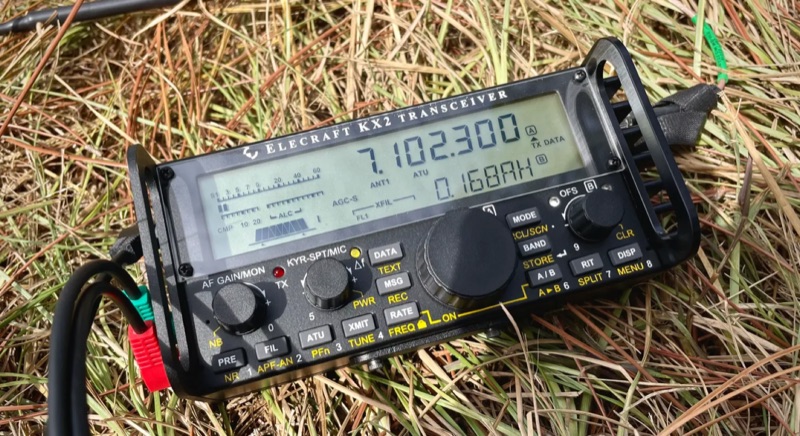 The Elecraft KX2 portable HF transceiver, weighing exceptionally light due to its stamped sheet metal exoskeleton, integrates a 2.5 AH internal lithium-ion battery and an internal tuner, significantly reducing the need for external accessories in a portable HF kit. An add-on board released earlier allows for internal charging, enhancing convenience for field operations. The transceiver's power consumption is efficient, making the internal battery practical for extended use, and its compact form factor is a key advantage for operators prioritizing minimal weight and bulk. Initial user interactions with the KX2 involved familiarization with controls and resolving an audio distortion issue, which was traced to a monitor function left active by a previous owner, quickly rectified by consulting the well-written manual. The resource also notes a Digirig interface issue, resolved by correcting jumper settings, enabling serial rig control. The KX2's data mode operation, while described as an afterthought, is found usable, though it shares mic gain settings between the hand mic and data interface, requiring careful computer audio output adjustment. A notable characteristic of the KX2's data handling is the lack of receive audio monitoring when a data mode interface is connected via the headphone jack, necessitating reliance on waterfall displays for channel clearance. This contrasts with traditional methods of listening for clear channels. The article also mentions the KX2's use of pin diode switching for silent TX during data operations and suggests further work on TX/RX EQ and voice compression settings to optimize 10W voice performance.
-
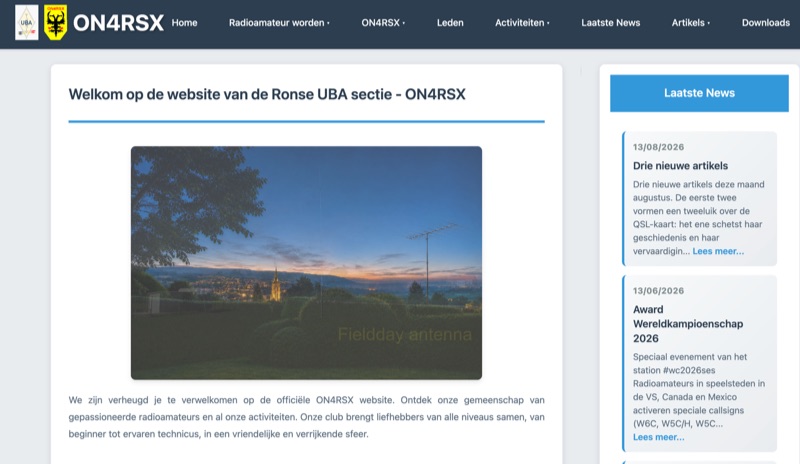 The ON4RSX website serves as the official online presence for the UBA Ronse/Renaix amateur radio club, providing information on its community and activities. It outlines the club's engagement across various amateur radio facets, including **HF**, VHF, UHF, digital modes, antenna construction, propagation studies, and general electronics. The site highlights past DXpeditions, such as the _OJ0V Market Reef_ operation, and mentions participation in contests, offering insights into the club's operational focus and technical interests. The resource details the club's commitment to fostering a welcoming environment for operators of all experience levels, from beginners to seasoned technicians. It implicitly compares the breadth of activities available to members, covering both theoretical knowledge development and practical application in areas like antenna building. The site's content structure suggests it functions as a central hub for club news, event announcements, and potentially educational materials, supporting members in expanding their radio knowledge and sharing their passion.
-
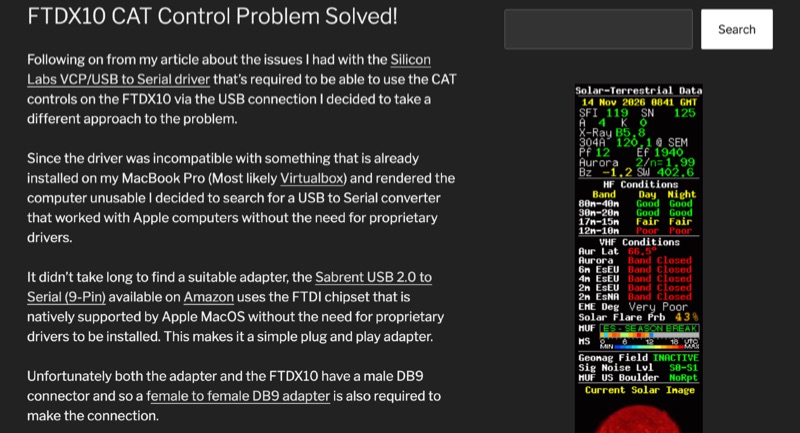
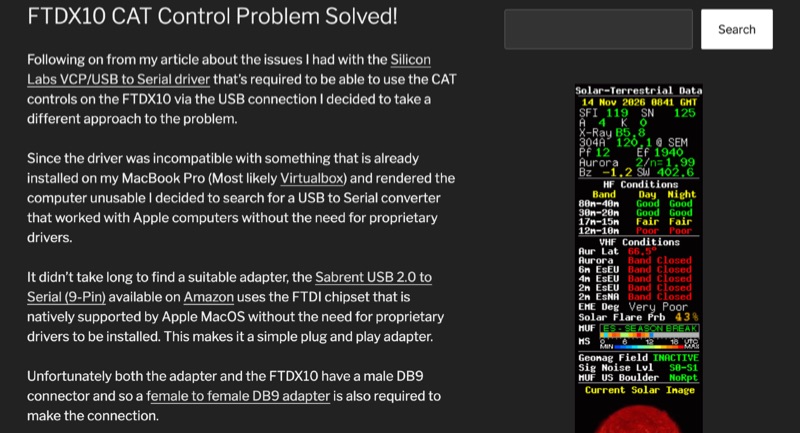 The Yaesu FTDX10 transceiver, a popular HF/50 MHz rig, often presents CAT control challenges on macOS systems due to driver incompatibilities. This resource addresses a specific issue encountered with Silicon Labs VCP/USB to Serial drivers causing system instability on a MacBook Pro running macOS 11.6.2 (Big Sur). The author details a robust solution involving a Sabrent USB 2.0 to Serial (9-Pin) adapter, which incorporates an FTDI chipset, ensuring native driver support within the macOS environment. This setup facilitates direct control of the FTDX10 without requiring proprietary driver installations. Configuration specifics include connecting the Sabrent adapter to the FTDX10 via a female-to-female DB9 adapter, setting the RS232 port to 38400 baud on both the radio and the WSJT-X software. For digital mode audio routing, a standard USB lead connects the FTDX10 directly to a second USB port on the MacBook, leveraging the transceiver's integrated sound card, which macOS natively recognizes. This dual-USB approach separates CAT control from audio I/O. The methodology was successfully validated through FT8 operation on the 30-meter band, confirming stable CAT communication and proper audio interfacing. This guide provides a practical workaround for macOS users seeking reliable digital mode operation with their FTDX10, avoiding common driver-related frustrations.
-
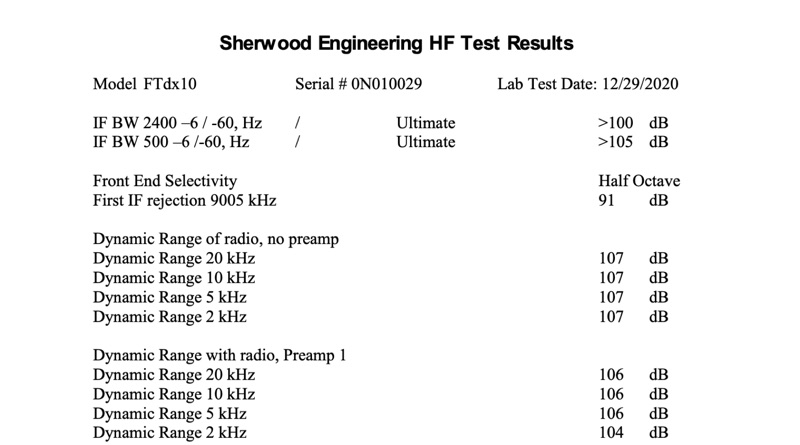 The Yaesu FTdx10 HF transceiver underwent comprehensive laboratory testing by Sherwood Engineering, with results documented on December 29, 2020. Key receiver performance metrics include IF bandwidth measurements at -6 dB and -60 dB for 2400 Hz and 500 Hz filters, showing ultimate rejection exceeding 100 dB and 105 dB respectively. Front-end selectivity and first IF rejection at 9005 kHz were measured at 91 dB. Receiver dynamic range, both with and without preamps, was consistently 107 dB at 20 kHz, 10 kHz, 5 kHz, and 2 kHz spacings without preamplification, and 106 dB with Preamp 1 at 20 kHz. Blocking performance reached 141 dB at 100 kHz offset with a 1uV signal. Phase noise was normalized across offsets from 2.5 kHz to 500 kHz, with a value of -145 dBc/Hz at 2.5 kHz and -155 dBc/Hz at 500 kHz. Reciprocal Mixing Dynamic Range (RMDR) peaked at 128 dB at 500 kHz spacing. Noise floor measurements for SSB and 500 Hz bandwidths at 14 MHz and 50.125 MHz showed -133 dBm with Preamp 2 at 14 MHz SSB. Sensitivity figures and S-meter accuracy were also documented, with one S unit equating to 3 dB from S3 to S9. Transmitter composite noise was measured at 100 watts and 30 watts, with values like -123 dBc/Hz at 2 kHz offset for 100 watts. Operational observations from the January 2021 CQWW 160m CW contest highlighted ergonomic issues, such as VFO knob placement and small buttons. A significant firmware limitation noted was the band scope and waterfall data being erased upon transmission, which severely reduces its utility for search and pounce operations.
-
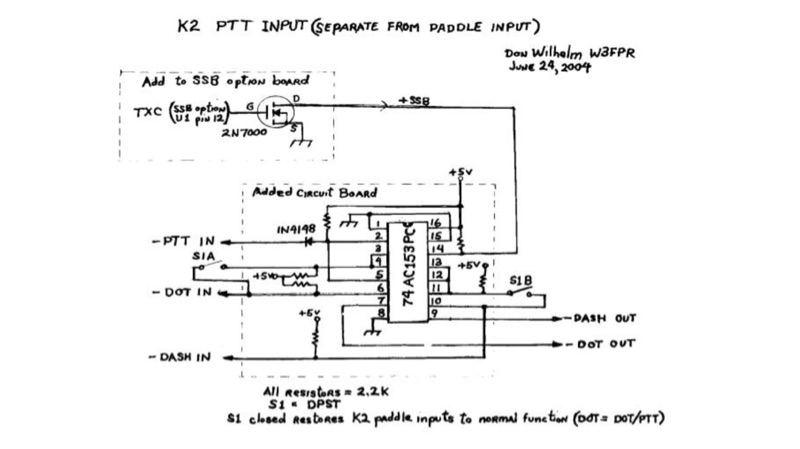 Demonstrates a hardware modification for the **Elecraft K2** transceiver, providing a separate PTT input to address the shared Dot input and PTT line. W3FPR, the author, recounts exchanging emails with Wayne Burdick regarding this feature, noting the K2's firmware limitations. The solution centers on a single **74AC153 Dual 4-Input Multiplexer** DIP component, chosen to fit within the cramped confines of a fully loaded K2/100, avoiding surface-mount devices for broader accessibility. This modification isolates and inverts the TXC line from the SSB board, feeding it to one select line of the multiplexer, while the other select line is dedicated to the new PTT input. Original dot and dash lines connect to data bit 0 inputs, with the new PTT input also feeding the data bit 1 input for the dot output. The design includes a manual switch to restore original K2 QSK functionality if desired. Operators using footswitches or VHF/UHF sequencers will find this particularly useful, as it prevents full power output during CW operation when PTT is activated, and allows PTT use for CW without amplifier relay clicks. The article includes a detailed parts list, assembly instructions, and considerations for mounting the circuit board and associated components within the K2 chassis, offering several placement options depending on installed accessories like the KPA100 or 160-meter option.