Search results
Query: dtmf
Links: 33 | Categories: 2
Categories
-
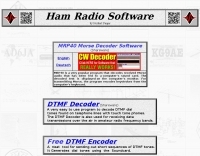 MRP40, a successor to the well-regarded MRP37, offers robust Morse code decoding capabilities by processing analog audio signals via a sound card and displaying the decoded text on a computer monitor. My own field tests with similar sound card decoders confirm that the quality of the audio input and proper signal conditioning are paramount for achieving reliable decoding, especially with _weak signals_. The program also facilitates CW transmission, converting keyboard input into Morse code to key a transceiver, a feature I've found useful for practicing sending or for quick contest exchanges. Beyond its core CW functions, MRP40 incorporates a convenient mini-logbook, which automatically checks for prior contacts and allows for quick logging by double-clicking callsigns in the receive window. This integration streamlines the logging process, a significant advantage during busy operating sessions where every second counts. The software also generates Morse tones using the sound card, a handy utility for testing tone sequences or for basic code practice. Additionally, the suite includes a DTMF decoder and generator, which can be used for decoding telephone dial tones or data transmissions over amateur radio frequencies. It also features MF-TeleType, a sound card-based audio data modem for transmitting text via radio, utilizing a principle similar to DTMF for encoding and decoding, offering a simple method for digital text communication.
 -
 Digital modes decoding software for the macintosh. Decodes CW, RTTY, WEFAX, SATFAX, ACARS, DTMF, SSTV
 -
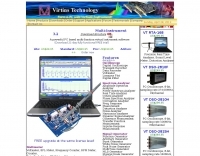 Contains a PC sound card based signal generator. It can generate functions, multitones, arbitrary waveforms, burst tones, MLS, DTMF, musical scales, white noise and pink noise, and frequency/amplitude sweep. Fully functional free trial downloadable.
 -
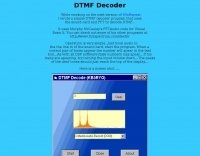 DTMF decoder program that uses the sound card and FFT to decode DTMF by KB5RYO
 -
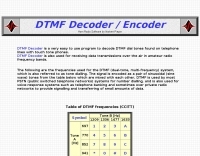
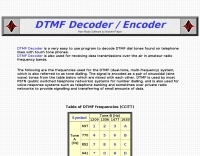 A very easy to use program to decode DTMF dial tones found on telephone lines with touch tone phones. The DTMF Decoder is also used for receiving data transmissions over the air in amateur radio frequency bands.
 -
 WinTone v2.02 is a windows DTMF Decoder, run on old windows versions only.
 -
 DTMF, RF, decoders receivers and accessories icluding computer interface boards, frequency counters, tone decoders, spectrum sweeper and nearfield receivers
 -
 ComTekk Software Tone generator for 2-way radio signaling. Use sound card to generate CTCSS, DTMF, tone remote, ANI and more. Synthesizer for simulation and testing of 2-way radio systems, repeaters, remote control, ANI, Paging and more
 -
 Dutch scanner web contains information about dtmf pagers gsm tetra umts scanners decoders.
 -
 CTCSS Decoder and Encoder, DTMF Decoder projects
 -
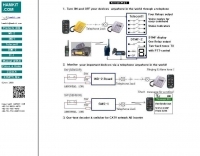 DTMF-KIT1 board for Transceiver, board for Telephone-Line and Remote-control without a HAM Transceiver
 -
 Generates dial tones using the Soundcard. A neat tool for sending out short sequences of DTMF tones.
 -
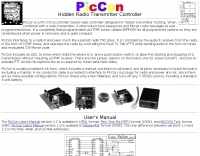 Hidden transmitter hunting, often called fox hunting or Amateur Radio Direction Finding (_ARDF_), presents a unique challenge for radio amateurs. This resource details the _PicCon_ controller, a specialized device designed to automate the transmission of signals for such events. It integrates with a standard radio transceiver, functioning similarly to a packet radio TNC, by controlling the Push-To-Talk (PTT) line and injecting audio tones or modulated CW Morse code into the microphone input. The _PicCon_ unit is field-programmable using DTMF tones received via the radio, storing all settings in EEPROM for power-off retention. Its compact design and low power consumption (a few milliamps from a 7-35VDC source) make it suitable for remote deployment. An onboard LED indicates operational status, and a push-button allows manual start/stop of transmissions without DTMF. Typically supplied as a kit, _PicCon_ includes a PCB, components, and a comprehensive manual (available in HTML, RTF, and PDF formats). The kit provides a six-conductor interface cable, but users must supply radio and power plugs due to varied configurations. Byon, _N6BG_, developed this controller, which is available from the Byonics website.
 -
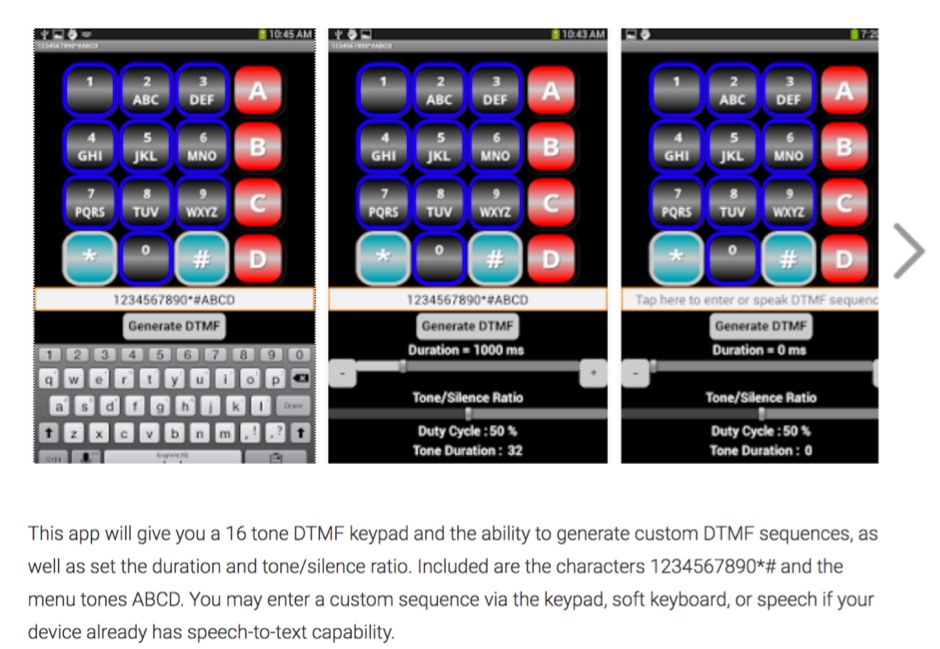 This app will give you a 16 tone DTMF keypad and the ability to generate custom DTMF sequences, and set the duration and tone to silence ratio. Includes the characters 1234567890*# and the menu tones ABCD. You may enter a custom sequence via the keypad, soft keyboard, or speech if your device already has speech-to-text capability. This is basically a touch tone telephone keypad, which may be of interest to amateur ham radio repeater operators
 -
 This article describes how to build a general purpose DTMF decoder with a low-price chip from MITEL
 -
 The BTech DMR-6X2 dual-band DMR handheld radio is thoroughly reviewed, detailing its features and performance for amateur radio operators. This resource covers the radio's capabilities for both VHF and UHF frequencies, supporting Tier II DMR digital and FM analog modes. It highlights key specifications such as its **136-174 MHz** and **400-480 MHz** frequency ranges, CTCSS/DCS, DTMF, 2-TONE, and 5-TONE signaling, and its _digital simplex repeater_ function. The review provides a comprehensive unboxing experience, listing included accessories like two Li-Ion batteries (2100 and 3100 mAh), a programming cable, and a 37-page English user guide. It also specifies the radio's physical dimensions of 5.1 x 2.4 x 1.5 inches and weights of 9.9 oz with the 2100 mAh battery and 10.8 oz with the 3100 mAh battery, offering practical insights for hams considering this transceiver.
 -
 DTMF Electronics Manufacturer offers Decoding, Display, Signalling, Data Logging, Remote Monitoring and Control products and design.
 -
 For over 50 years, Communications Specialists Inc. has been a cornerstone in specialized radio frequency solutions, initially gaining prominence with their **CTCSS** and **DTMF** tone signaling products widely used in amateur radio repeaters and commercial two-way radio systems. My own experience with their tone boards in various repeater builds confirms their reliability and ease of integration, a testament to their engineering. The company's legacy in tone encoding and decoding is well-established, providing robust solutions for access control and selective calling. Beyond tone signaling, Com-Spec has diversified into niche markets, including wildlife telemetry, pet tracking collars, and specialized tracking systems for model aircraft and rocketry. Their product line features compact transmitters and receivers designed for specific tracking applications, demonstrating a commitment to precision and durability in challenging environments. While some legacy products are no longer available, Com-Spec continues to innovate, as evidenced by the new R-30M receiver, which ships within five days. This focus on specialized RF applications, from tracking Alzheimer's patients to law enforcement, highlights their unique position in the radio communications industry.
 -
 DTMF Remote Controls, DTMF tone generators and broadcasting products, remote broadcasting via cell phone, cell phone mixer and remote phone keypad
 -
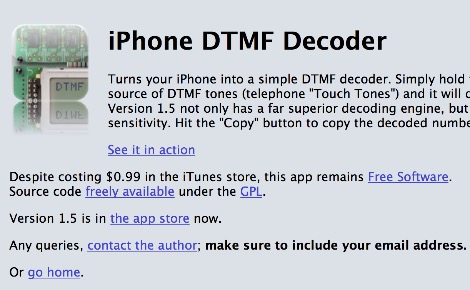 Decode DTMF from your iPhone. Hold your smartphone close to a DTMF source and this app will decode the numbers being dialled.
 -
 DTMF Keypad for radios without one. A project with picture and schematic diagrams to homemade a DTMF keppad
 -
 Sixty-meter repeaters typically use a 1 MHz frequency separation between input and output, while 2-meter repeaters commonly employ a **600 kHz** split and 70-centimeter repeaters use a **5 MHz** offset. This article details the fundamental technical principles of amateur voice repeaters, explaining how they extend VHF/UHF communication range by receiving on one frequency and simultaneously retransmitting on another. It covers essential components such as receivers, transmitters, filters, and antennas, often situated on elevated locations for optimal coverage. The resource delves into the critical challenge of _desensing_—where the repeater's strong transmit signal overpowers its own receiver—and the engineering solutions employed, including antenna separation and the use of high-Q cavity filters. It also explores various control and timing systems, from basic squelch activation to more sophisticated microcontroller-based boards that manage functions like voice identification, time-out timers, and fault protection. Different access methods are discussed, including open access, toneburst, CTCSS subtone, and DTMF, each offering distinct advantages for managing repeater usage and mitigating interference. Furthermore, the article examines repeater linking, both conventional RF methods and modern internet-based solutions, highlighting how linking expands coverage and promotes activity across multiple repeaters or bands. It introduces less common repeater types such as 'parrot' repeaters, which use a single frequency and digital voice recording, and linear translators, capable of relaying multiple signals and modes simultaneously across different bands, often found in amateur satellites.
 -
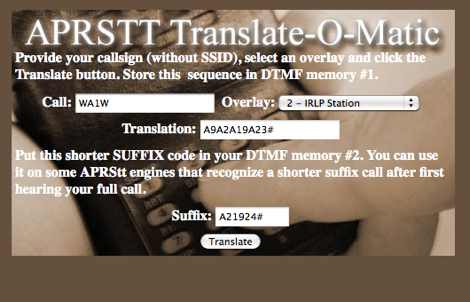 APRSTT translate-O-Matic convert online your callsign in DTMF
 -
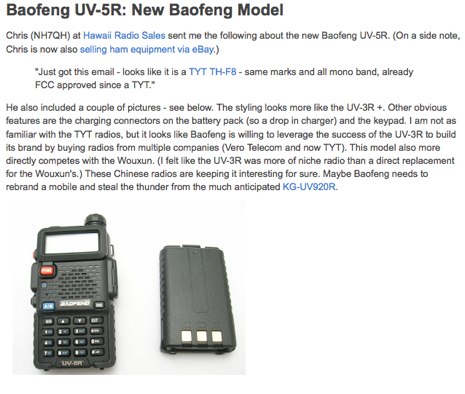 The Baofeng UV-5R handheld transceiver, introduced around 2012, operates across the 2-meter (144-148 MHz) and 70-centimeter (420-450 MHz) amateur bands, offering dual-band receive and transmit capabilities. This review provides an early assessment of the radio's form factor, user interface, and general performance, noting its compact size and the inclusion of a **VFO/Memory mode** button for frequency management. The device supports both FM and narrow FM modes, with a reported power output of 4 watts on VHF and 3 watts on UHF, making it suitable for local simplex and repeater operations. Key features discussed include its 128-channel memory capacity, a built-in VOX function, and a **DTMF keypad** for tone dialing and repeater access. The review highlights the radio's ability to scan frequencies and memories, along with a dual-watch function allowing simultaneous monitoring of two frequencies. Battery life is addressed, with the standard 1800 mAh Li-ion pack providing several hours of operation depending on transmit usage. Initial impressions cover the radio's construction and the clarity of its LCD display, which shows both A and B band frequencies.
 -
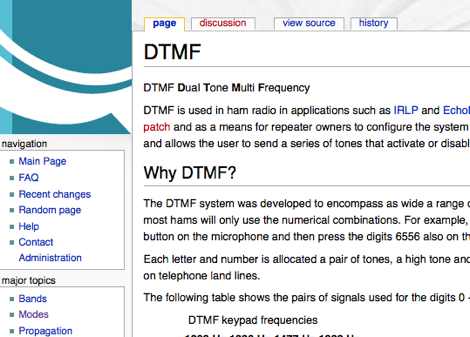 About usage of DTMF Dual Tone Multi Frequency in ham radio applications
 -
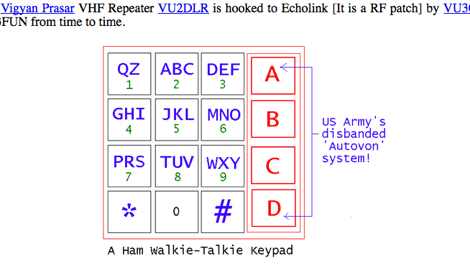 A Novice Note For DTMF, CTCSS and ECHOLINK Starters
 -
 SvxLink is an advanced software suite for the ham radio community, initially launched in 2003 as an EchoLink application for Linux. Now a comprehensive voice services system, the SvxLink Server functions as an advanced repeater controller and can operate on simplex and duplex channels. It acts as an intermediary between transceiver hardware and applications, offering essential system services. The modular architecture of SvxLink supports customization, with modules in C++ or TCL. Key modules include a help system, parrot mode, EchoLink connectivity, DTMF repeater, voice mail, propagation warnings, and selective calling sequences. SvxLink's development and source code are available on GitHub, promoting open-source collaboration in the ham radio community.
 -
 This page offers the latest version of SIMPLEX, a freeware program designed for hams to create and manage radio repeaters. Compatible with Windows XP and higher, in 32 & 64-bits, SIMPLEX supports English and French languages. Linux/Ubuntu/Android users can use WINE 1.0 or CROSSOVER to run the program. SIMPLEX allows the creation of simplex, duplex, transponder, and mixed repeaters, with features like survey functions and time/weather beacons. The package includes a DTMF encoder for testing codes. Suitable for ham radio operators looking to set up and manage their repeater systems.
 -
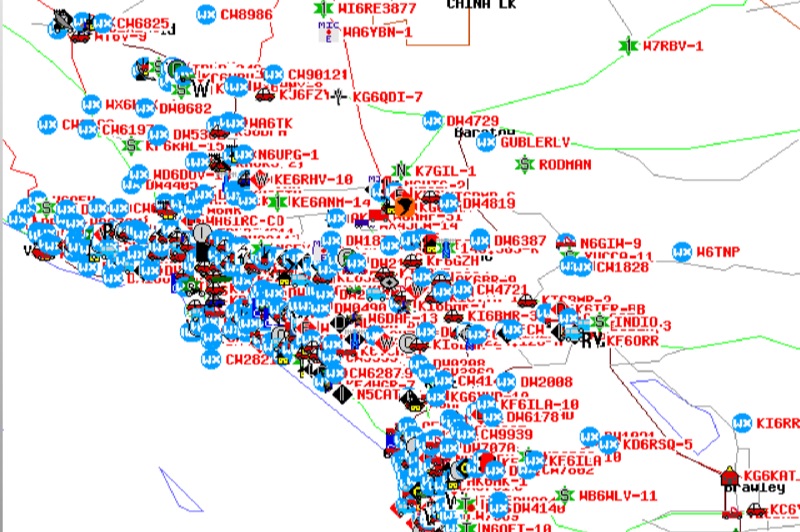 Demonstrates the Automatic Packet Reporting System (APRS) as a radio-based system for real-time tactical data exchange, leveraging the internet for messages, alerts, and bulletins to enhance situational awareness. It explains how APRS displays data on a map, integrating objects with GPS coordinates, weather stations, and alerts, clarifying its primary function as vehicle tracking despite broader capabilities. The document traces APRS development from the late 1980s by Bob Bruninga, WB6APR, through its evolution from Connectionless Emergency Traffic System (CETS) to Automatic Position Reporting System, and finally to Automatic Packet Reporting System with widespread GPS availability. Specific functionalities covered include real-time position and status reporting, message and bulletin exchange, weather data, DF bearings, RF connectivity plots, and local object display. Newer features like Global Email, CQSRVR, APRStt (APRS touchtone) for DTMF-based position reporting on frequencies like 146.58 MHz, and AVRS (Automatic Voice Relay System) for callsign-to-callsign linking via Echolink or IRLP, particularly with transceivers like the D710, are detailed. The resource also mentions AI-FI (APRS WIFI) for laptop integration and the use of the AX.25 protocol on 144.390 MHz in North America. It further describes the role of digipeaters and Internet Gateway stations (IGates) in transporting packets and connecting the on-air APRS network to the APRS Internet System (APRS-IS). The document explains APRS as a random ALOHA network, emphasizing channel loading considerations.
 -
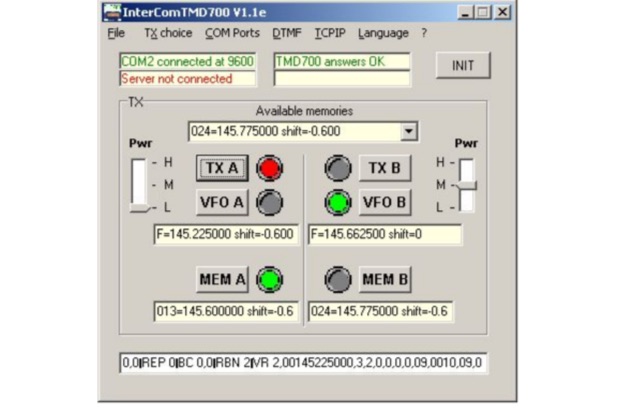 INTERCOM is a freeware application designed for remote control of KENWOOD TMD700/710/V-71 transceivers, as well as other transceivers equipped with UP, DOWN, and PTT commands. Compatible with Windows XP and higher (32 & 64-bit), INTERCOM offers multilingual support in English and French, and can be used on Linux, Ubuntu, or Android platforms via WINE 1.0 or CROSSOVER. The software enables users to send basic commands—such as selecting TX, VFO, memory channels, or power levels—either through manual inputs or over a TCP/IP link. INTERCOM is tailored for SIMPLEX setups, facilitating the interconnection of VHF/UHF repeaters with nearby repeaters. Remote commands are transmitted using DTMF codes, which are decoded by SIMPLEX and forwarded to INTERCOM via TCP/IP. This functionality makes INTERCOM an ideal tool for radio enthusiasts and operators seeking seamless remote management of supported transceivers in simplex configurations.
 -
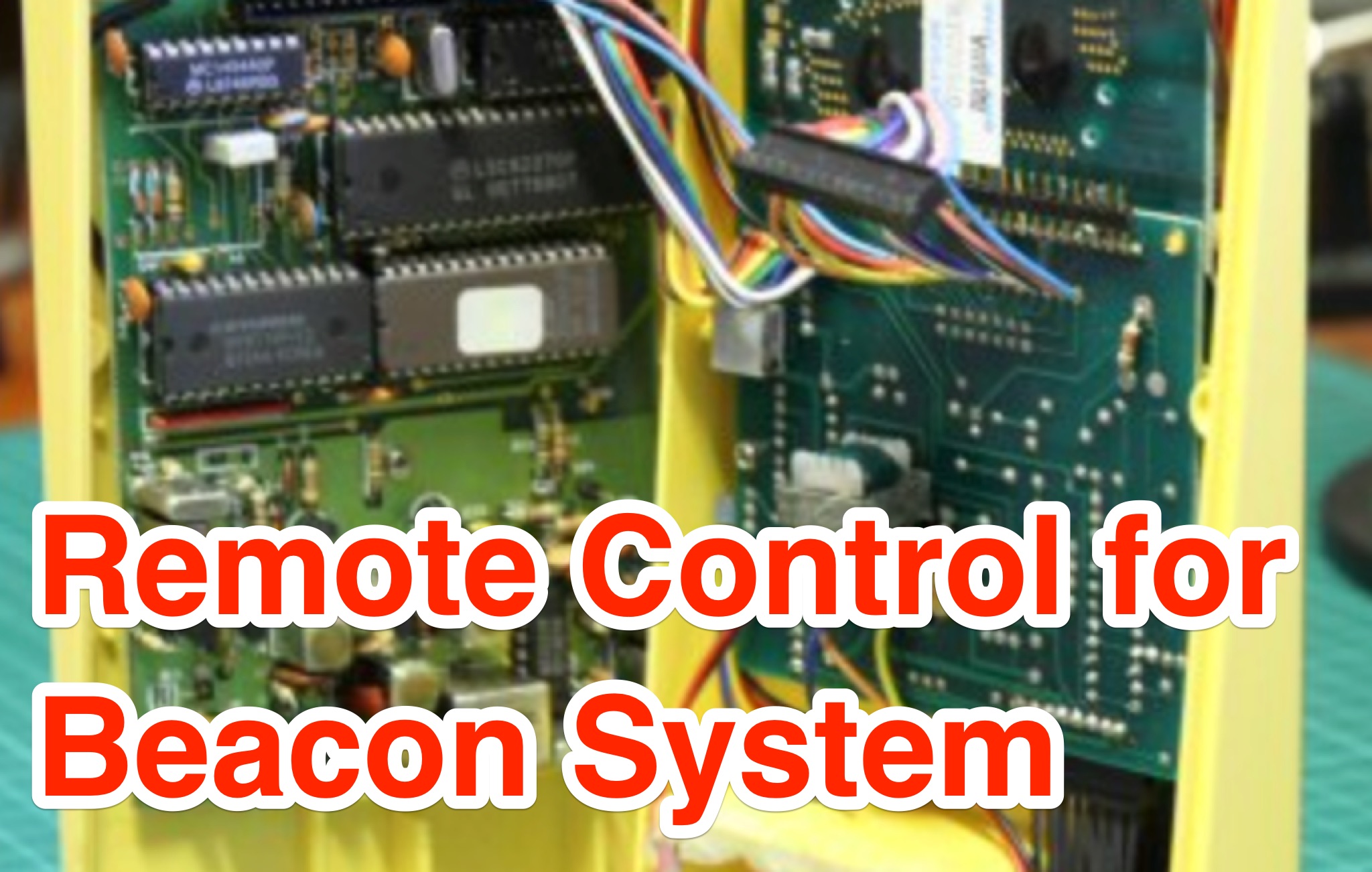 This page describes a project involving repurposing the Weathalert receiver for controlling a radio club's beacon system remotely. The author details the modifications made to the receiver, including changing the crystal frequency and adding a DTMF decode chip and PIC for remote control. The project aims to enable the turning off of beacons to prevent interference, with plans to control each beacon and the Packet Radio digi. The article provides insights into the technical aspects of modifying the receiver and showcases the author's experimentation with different crystals for optimal performance.
 -
 The project aims to create a remote control system for the VK5RSE beacons located near Millicent, South Australia. The beacons on 144.550, 432.550, and 1296.550 MHz can interfere with nearby amateur radio operations, particularly for EME work on 1296 MHz. The remote control system uses a DTMF decoder and PIC microcontroller to allow turning the beacons on and off individually or in combination. The system is housed in a diecast box and powered from 5-8V. The password-protected control allows authorized users to manage the beacon operations remotely, helping mitigate interference issues for local amateurs.
 -
 Operating an **Echolink** gateway on the 4-meter band presents unique opportunities for extending VHF communications, as demonstrated by the EI4FMG node. Situated at Fieldstown, Monasterboice, this gateway provides coverage across a significant portion of Ireland's east coast, leveraging a Tait TM8100 radio and an EI4JR Echolink interface logic. My own experience with similar setups confirms the importance of strategic site selection for maximizing reach, particularly with a 122-meter elevation above sea level. Access to the EI4FMG gateway, identified by node 57006, requires a **CTCSS** tone of 88.5 Hz, a standard practice for managing access and minimizing interference on shared frequencies. The system transmits with 15 watts of power and utilizes a Sigma CAT70 @5MAGL antenna, a configuration well-suited for regional VHF coverage. The gateway also features an auto-ID every 8 minutes, ensuring compliance and clear station identification. Users can interact with the gateway using various DTMF commands, allowing for connections to specific nodes, random repeater/link or conference nodes, and managing disconnections. These functionalities streamline the process of linking into the broader Echolink network, enabling local VHF operators to communicate globally through the internet backbone.