Search results
Query: keyer
Links: 161 | Categories: 11
Categories
- Technical Reference > Beacon keyers
- Technical Reference > Keyers
- Manufacturers > Memory Keyers
- Manufacturers > Morse Keyers
- Software > Voice Keyer
- Radio Equipment > Voice Keyers
- Manufacturers > Accessories
- Radio Equipment > Amateur Radio Accessories
- Radio Equipment > Contest Hardware
- Technical Reference > Arduino > Morse Code
- Manufacturers > QRP Kits
-
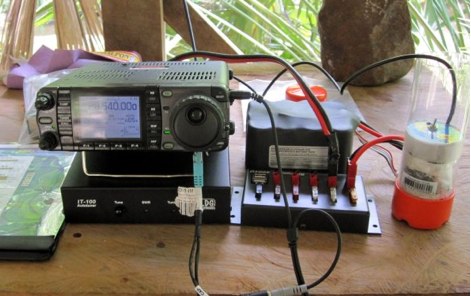
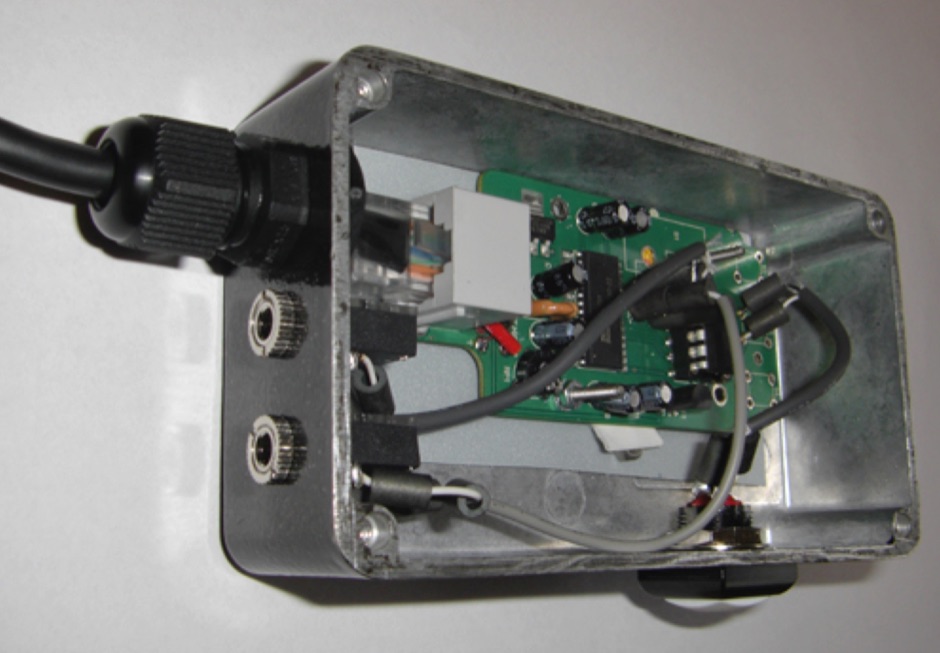 A voice keyer for field day or general portable operations made with the DH8BQA cq machine kit
 -
 A Picaxe Morse Code keyer project with source code and links to useful resources by K6ACJ
 -
 Server allowing operation of the Winkey USB by K1EL with any Linux program with UDP keyer capability.
 -
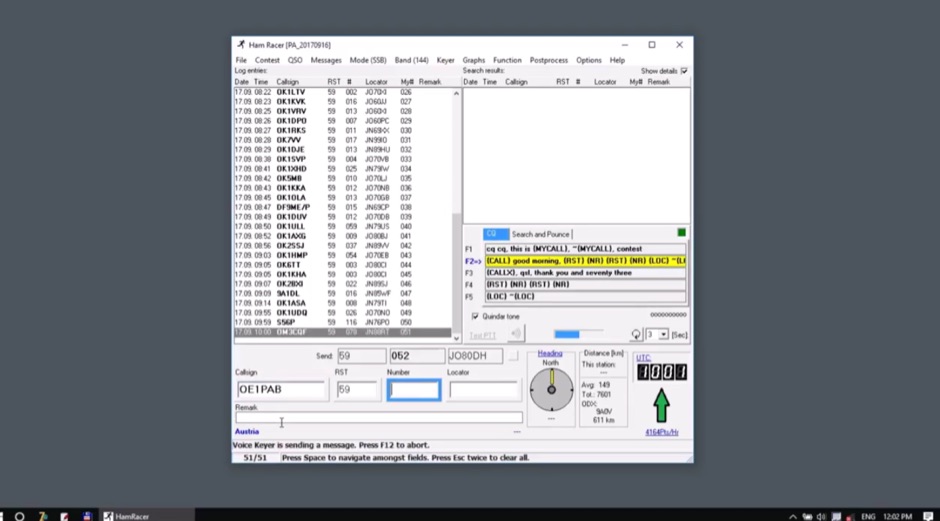 The **HamRacer** voice keyer, a Windows-based application, is showcased in this video, illustrating its utility for radio amateurs participating in SSB contests. It functions as a synthesized PC-based voice keyer, specifically designed for HF and VHF SSB contest operations, allowing operators to transmit pre-recorded or text-to-speech generated messages during rapid-fire exchanges. The demonstration includes actual recorded QSO examples from a contest, featuring contacts with stations such as SP6OWA, S57O, OK1IEI, 9A1DL, OE1PAB, OK1GTH, and 9A1E. These examples highlight the software's practical application in a live contesting environment, demonstrating how it facilitates contest participation for operators who might otherwise face challenges with traditional voice keying. The resource provides a direct look at the software in action, emphasizing its role in promoting inclusivity within the amateur radio contesting community. It details the use of Windows SAPI for speech synthesis, a core component of HamRacer's functionality.
 -
 The Kenwood TS-870S HF transceiver features two state-of-the-art 24-bit 20 MIPS DSP chips, providing over 100dB out-of-passband attenuation and CW bandwidth adjustable to 50 Hz. It operates across 160-10 meters with 100 watts output, incorporating digital filtering, a beat canceller, and 100 memory channels. The radio also includes a transmit equalizer, RX antenna input, and a K1 Logic Keyer, enhancing signal processing and operational flexibility for amateur radio operators. Advanced capabilities include IF stage DSP, dual noise reduction, and an auto notch filter, all contributing to superior signal reception and clarity. The TS-870S offers a variable AGC, voice equalizer, and an RS-232C port for computer control, with Windows™ software supplied. Its built-in automatic antenna tuner functions on all bands for both transmit and receive modes, streamlining station setup and operation. Available accessories such as the DRU-3A digital recording unit, SO-2 high stability crystal oscillator, and VS-2 voice synthesizer option further extend the transceiver's utility. The unit requires 13.8 VDC at 20.5 Amps and is supplied with an MC-43S hand microphone, making it a comprehensive station component.
 -
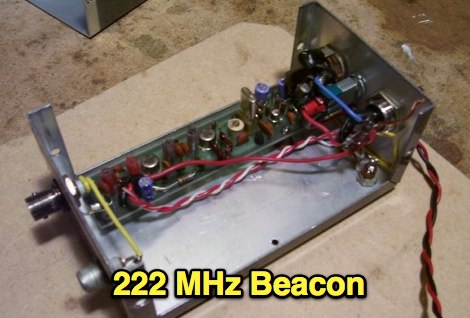 A CW beacon keyer for 222 MHz by VA3NFA
 -
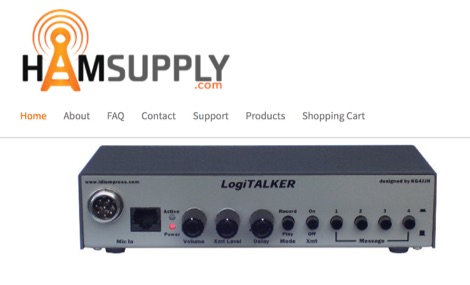 Ham Supply continue to manufacturer the fine Idiom Press electronic keyer, audio filter and other Ham Radio related products
 -
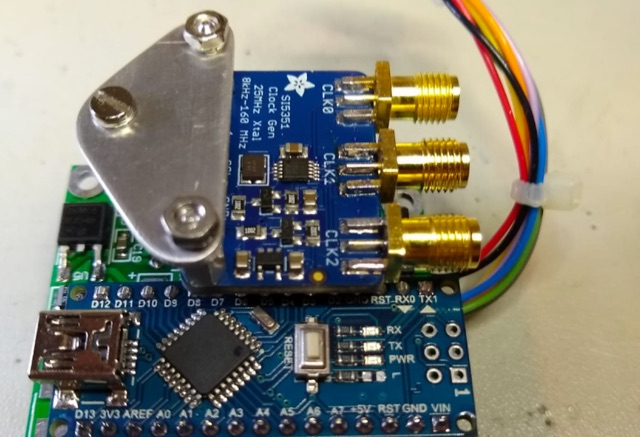 Sketch for an Arduino and si5351 to implement a VFO, BFO, CW, keyer, and control
 -
 An overview of the development of the Morse key for sending the Morse Code, from the first camelback keys, through straight keys and sideswiper keys to the semi automatic keyers including the Vibroplex to the modern electronic keyer.
 -
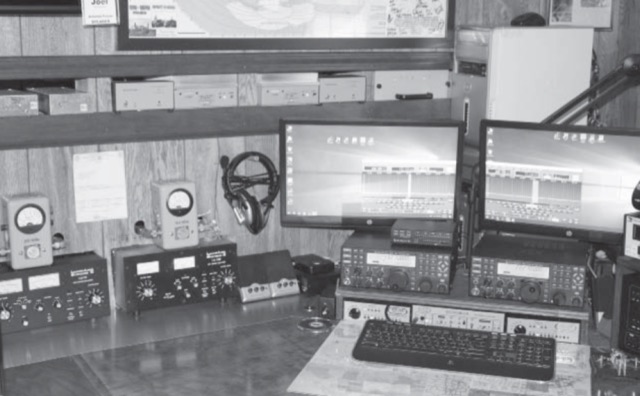 Building an amateur station for competitive radiosport involves a number of critical steps, regardless of the band or bands you focus on. These include, but are certainly not limited to: Station layout, Equipment interconnection and switching, Inter-station interference, Antenna selection. Radio interface with the logging program, CW and voice keyer integration, Rotator control
 -
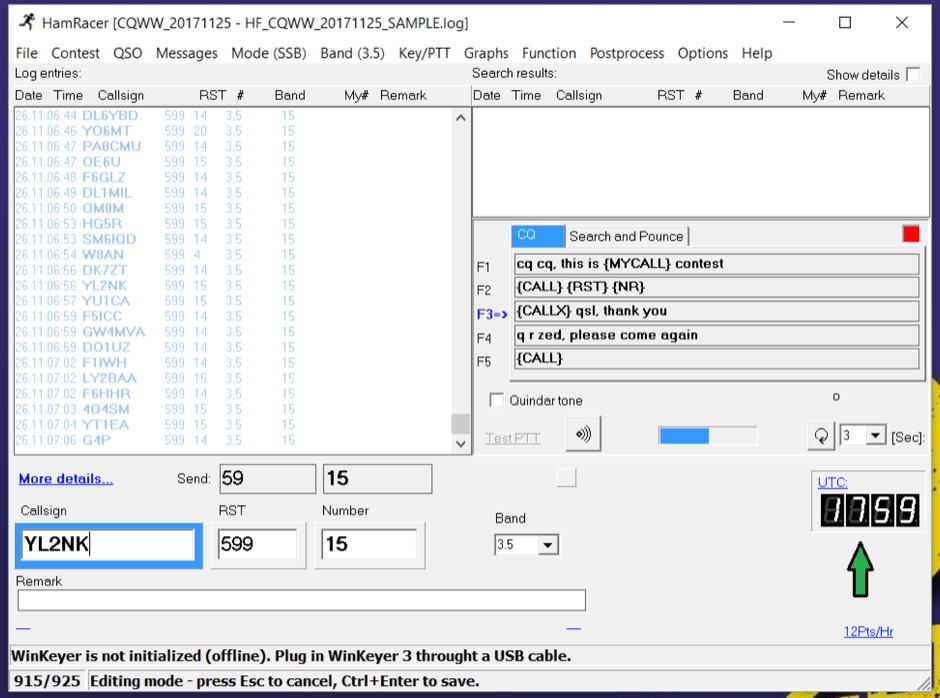 Easy to use logging and keying software for CW and SSB, for HF and VHF. Contains the unique synthesized voice keyer.
 -
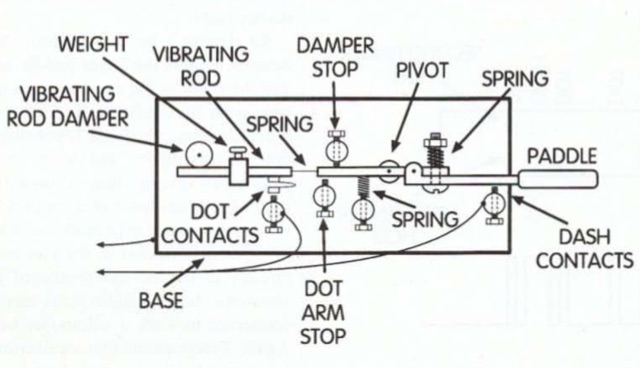 Article appeared on 73 amateur radio today in 1999 on how to unlock the secrets of sending precise Morse Code. Article contains hints on how use the stright key and the sideswiper key, but even the electronic keyers or the semiautomatic keys.
 -
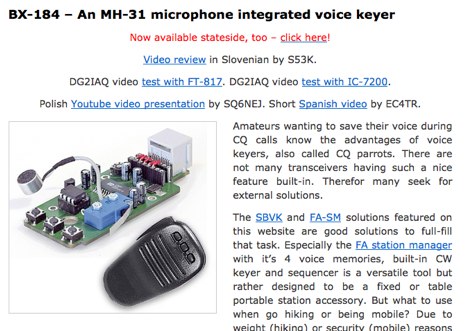 A voice keyer completely integrated into the standard Yaesu MH-31 amateur radio microphone
 -
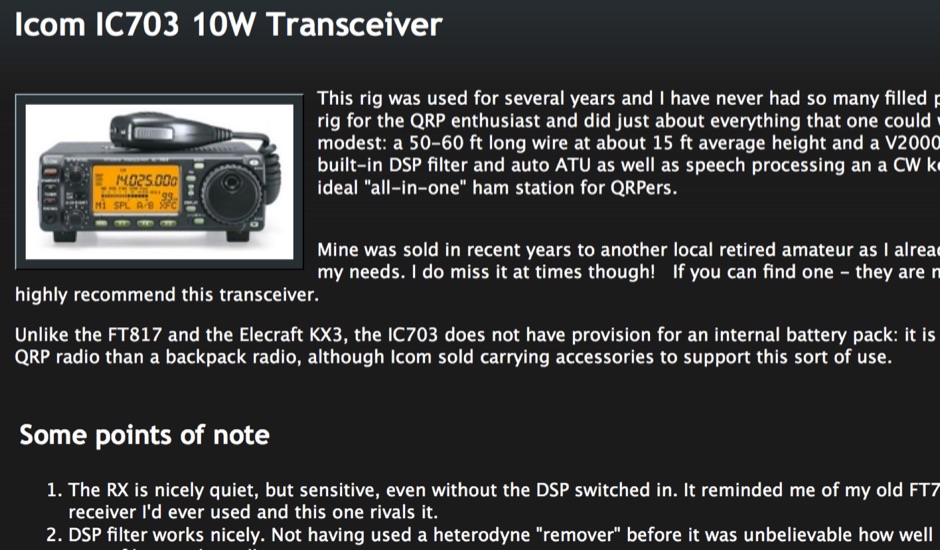 The IC703 features a built-in DSP filter and auto ATU as well as speech processing an a CW keyer with 3 message memories. It is an ideal all-in-one ham station for QRPers.
 -
 Electronic keyer by pressure sensor. SEN-09673 is used for detecting touch.
 -
 An improved version of the audio interface commonly used to connect a computer soundcard to a transceiver\'s receive and transmit audio circuits
 -
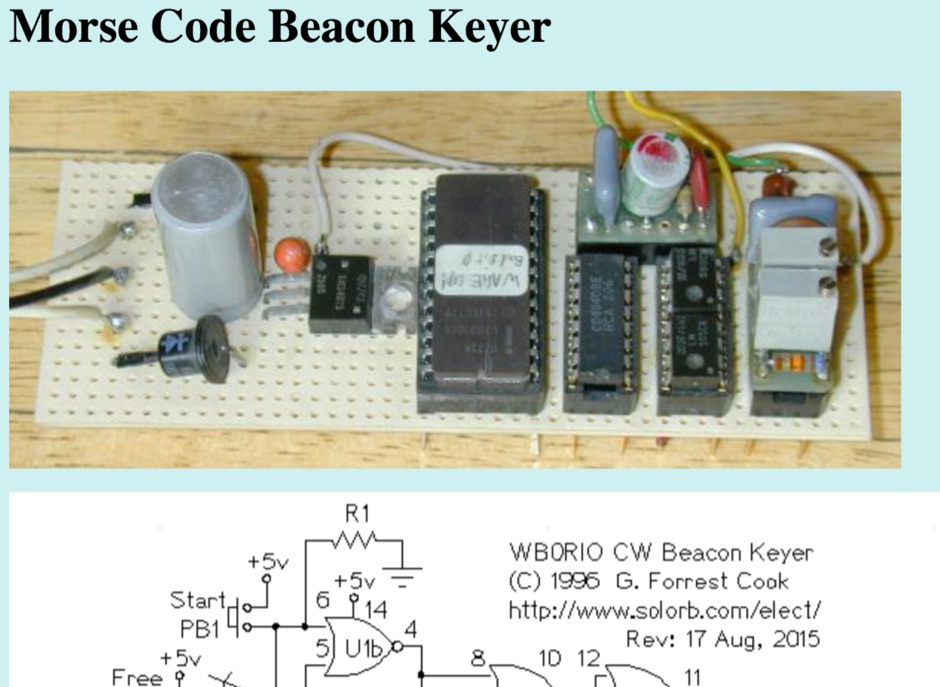 This circuit stores a morse code message as bits in an EPROM chip, the message controls a relay that keys a CW morse code transmitter. An Arduino processor can also be used in place of this circuit, that eliminates the need to build the circuit and program an EPROM.
 -
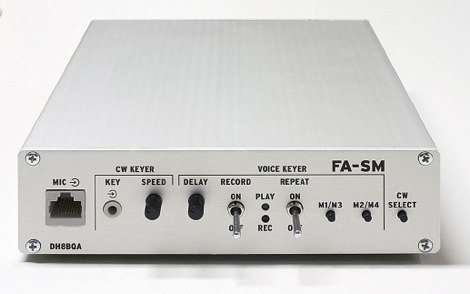 A voice keyer with up to 60 seconds memory in total, A CW keyer using the famous N0XAS design, aka Picokeyer and a 4 channel sequencer
 -
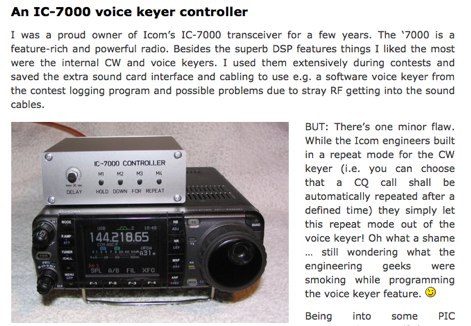 A compact voice keyer for Icom IC-7000
 -
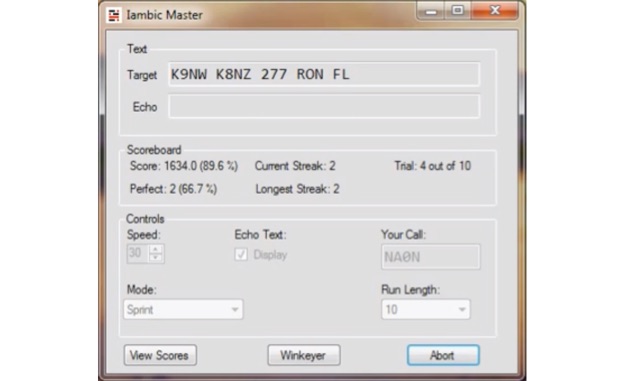 Free Windows program intended to be used as a training aid for sending CW using an iambic Winkeyer from K1EL Systems. Iambic Master operates as a game. The objective of the game is to send the text in the Target box as accurately as possible.
 -
 The ZS1J/B beacon operates on 28.2025 MHz with 5 Watts output to a half-wave, end-fed vertical antenna, initially installed in 1977 as ZS5VHF near Durban. The 10-meter transmitter is a modified 23-channel CB radio, and the identification keyer uses a diode matrix unit with TTL ICs from the same era. After relocation to Plettenberg Bay in 1993, the beacon has been in continuous service, with additional QRP transmitters later installed for other bands. In 1994, a single-transistor, 80-meter, 0.5-watt QRP transmitter with a half-wave dipole was added on 3586 kHz, followed by a 160-meter, 0.5-watt unit on 1817 kHz. A 30-meter, 0.5-watt transmitter was installed in 1996, operating on 10.124 MHz. In 2002, a 40-meter QRRP beacon on 7029 kHz, with an output of 100 microwatts, achieved DX reports up to 1100 km from ZS6UT in Pretoria. Best DX reports for the 80m and 160m beacons came from 9J2BO.
 -
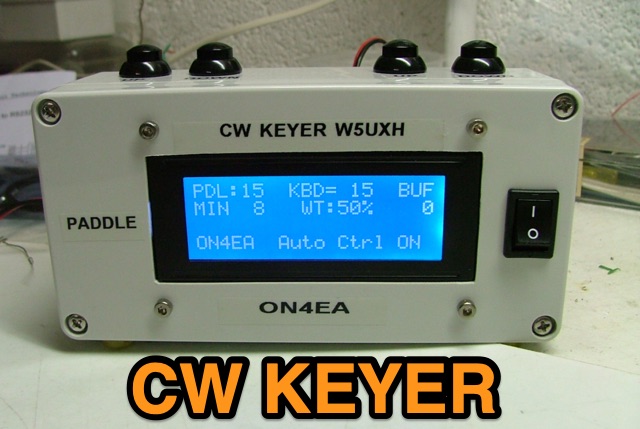
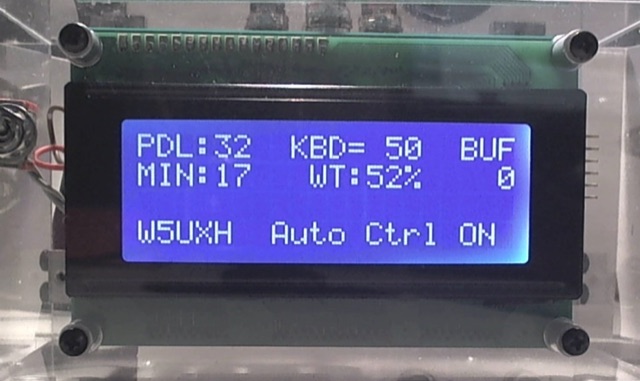 A Combination CW Keyboard and Paddle Keyer. It uses a single Atmel microprocessor, the ATmega328P from the AVR family, and a 4 row by 20 column LCD display module.
 -
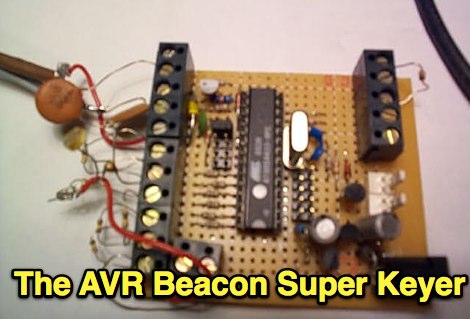 Description of an HF beacon keyer with telemetry. What makes the keyer rather different is its versatility - it is a multi-mode unit, with ASK and FSK modulation, sending Feld-Hell and Morse on command
 -
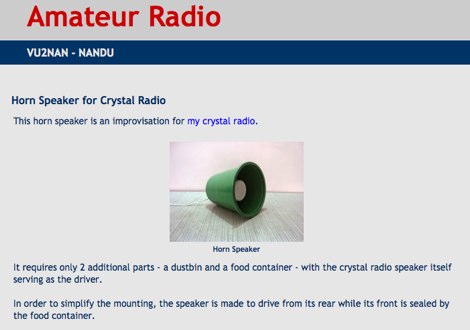 Homebrew Antennas, Transmitters, Receivers, Converters, Keyers and SWR/RF Current Indicators with photographs an excellent blog with many projects by VU2NAN
 -
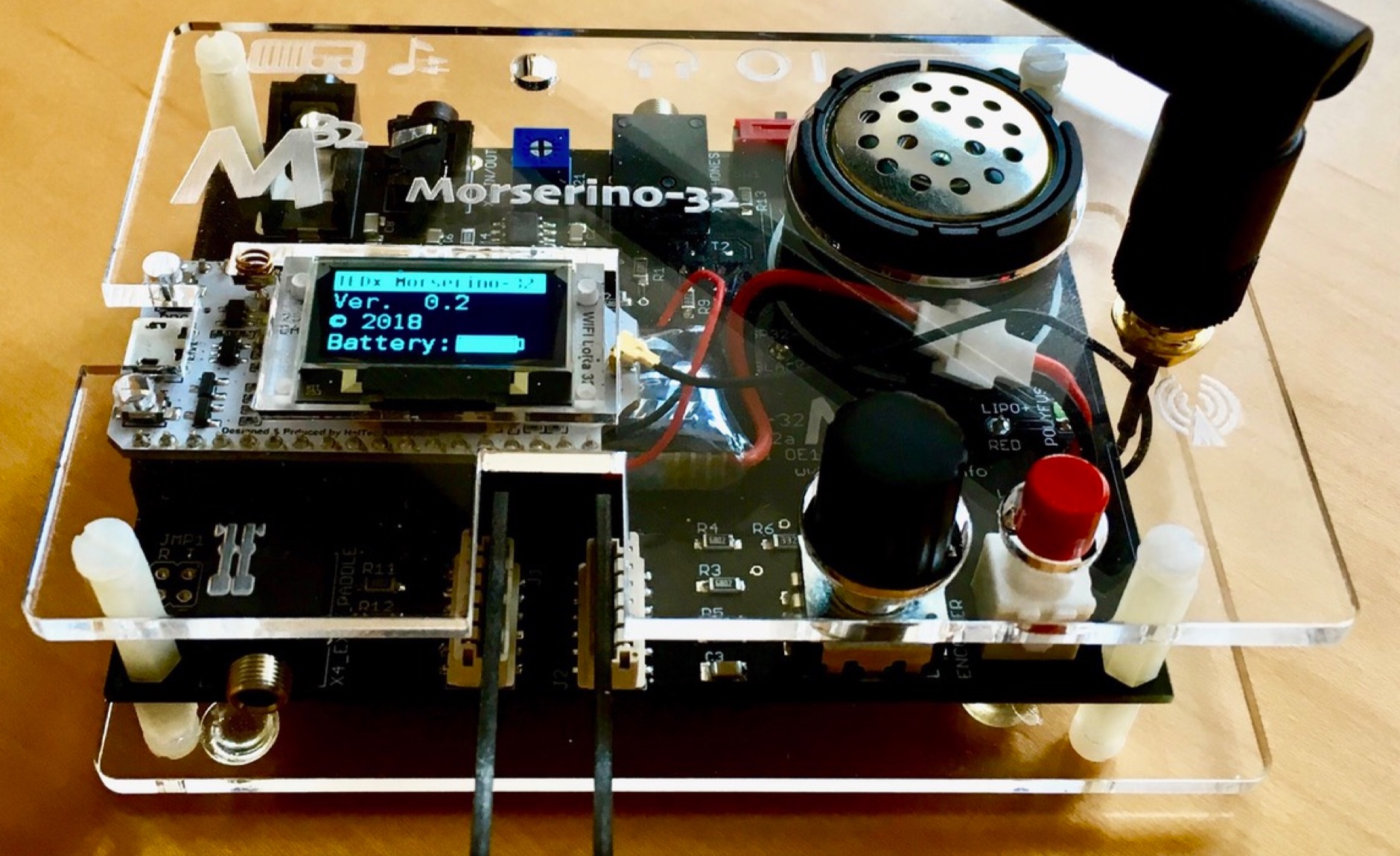 Successor to the Metamorserino, this is a multi-functional Morse code machine (Keyer, Generator, Trainer) that includes also a transceiver using LoRa on the 70cm band.
 -
 DecoDXLog is a station logbook application for Windows, designed to integrate seamlessly with the _Decodium_ family of software, as well as _WSJT-X_ and JTDX, by receiving QSOs via UDP. It operates around a local SQLite file, providing automatic callbook lookups from QRZ.com XML or HamQTH to complete log entries with name, QTH, and locator data. The software tracks 15 different awards, including DXCC, WAZ, WAS, WPX, IOTA, POTA, and SOTA, calculating progress in real-time and allowing confirmation via LoTW, paper cards, or eQSL. It also features comprehensive statistics, a world map displaying worked locators and cluster spots, and a built-in DX Cluster client that aggregates data from DX Spider/CC Cluster, Reverse Beacon Network, HamAlert, and POTA activations, providing alerts for new DXCC, band, or mode. The application includes a CW keyer/decoder, a contest mode with real-time scoring and Cabrillo export, and robust QSL management for LoTW, QRZ Logbook, eQSL, and Club Log. An optional DecoDXLog Cloud feature enables synchronization of QSOs, station profiles, and settings across multiple devices, ensuring a consistent operating environment. The software is open-source under the GPL-3.0 license, developed by IU8LMC and contributors, and supports lossless ADIF import/export, making it compatible with existing logs. It also integrates with _DecoRotor_ for antenna control, allowing operators to point their antenna directly from the logbook interface.
 -
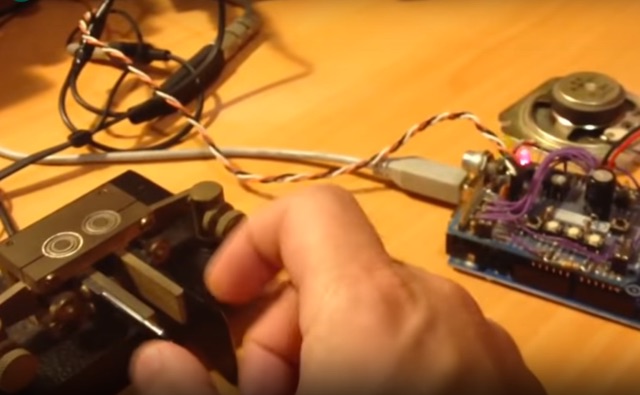 The K3NG Keyer is an open source Arduino based CW (Morse Code) keyer with a lot of features and flexibility, rivaling commercial keyers which often cost significantly more.
 -
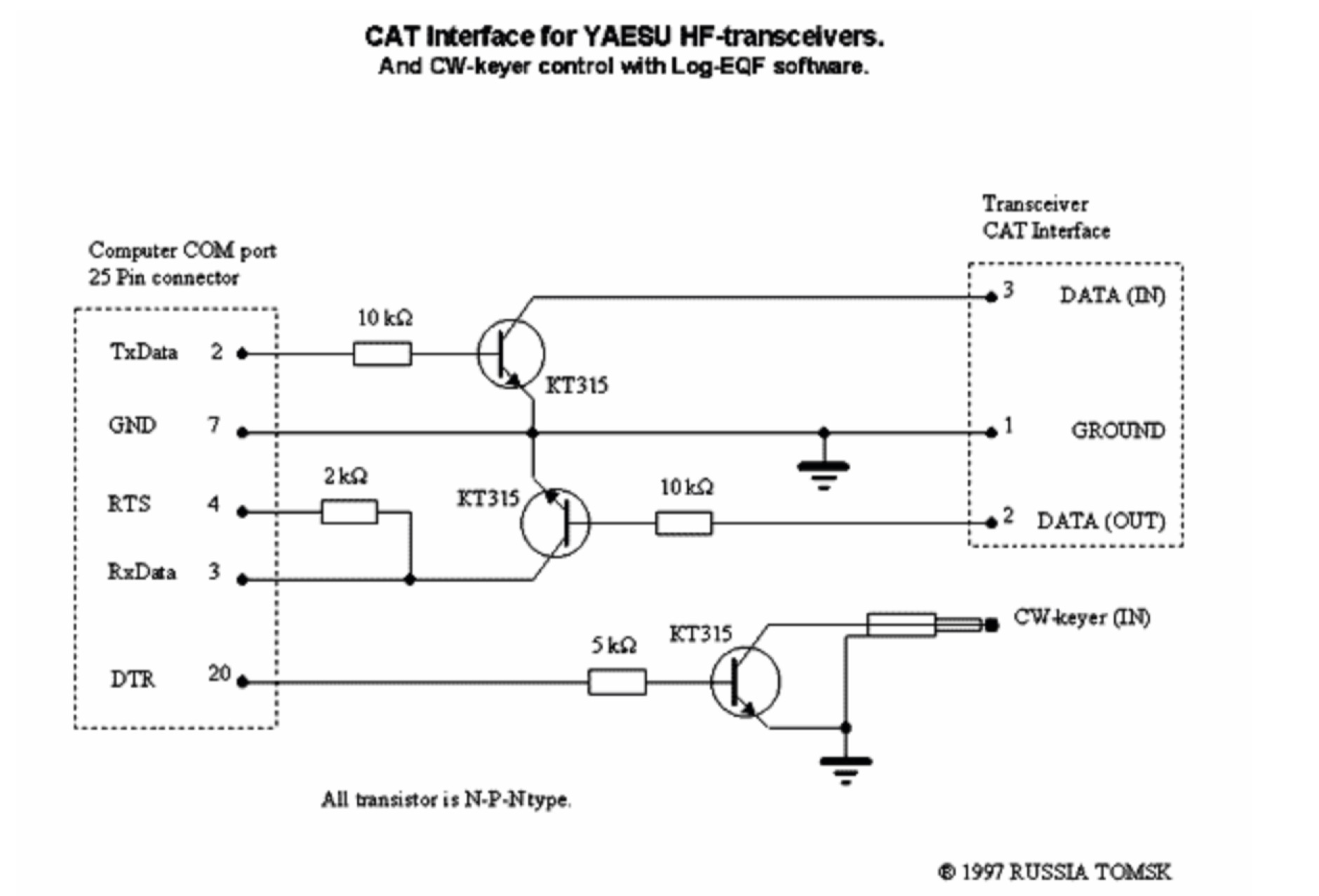 Schematic diagram circuit to build a RS232 serial interface for the Yaesu FT 1000D, works also as CW Keyer control with Log-EQF software. May be used with other Yaesu HF Transceivers.
 -
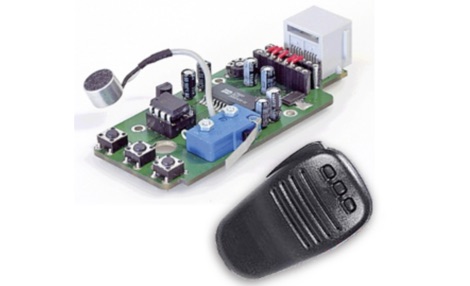 A voice keyer kit available on the marker in two models, BX-184 is the replacement PCB for those who already own an MH-31 microphone. Kit BX-184M includes an MH-31 besides the PCB for those not owning one yet.
 -
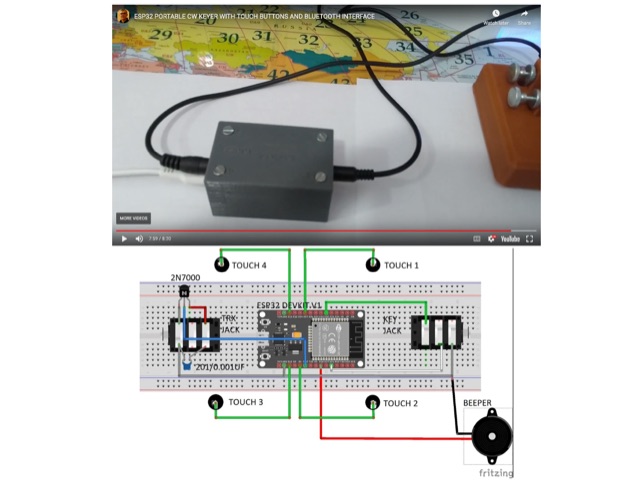 ESP32 portable CW Keyer with touch buttons and bluetooth interface, allows control from mobile phone and other devices, Up to 25 pre-saved messages, Variable speed from 5 to 70 wpm.
 -
 Win-Test Contest Logger scripts for VGS-1 Voice keyer module for the TS-590 by DK5TX
 -
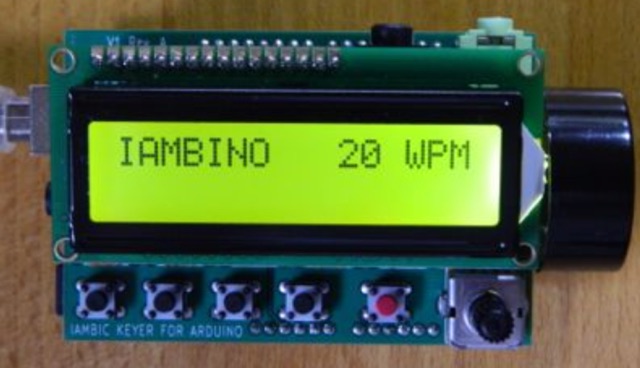 Iambino is a Iambic Keyer for Arduino running hardware containing an ATmega328 or ATmega32u
 -
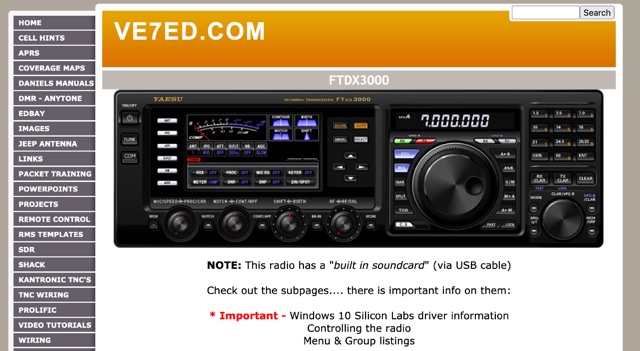 A complete set of pages about the Yaesu FTDX3000 Yaesu transceiver, including USB Driver informations, voice keyer details, complete menu group informations, remote control and CAT control program, SDR Play and FTDX3000 configuration, firmware links and manuals
 -
 This article introduces an Arduino-based QRP CW Transceiver designed for lower HF bands. The journey begins with the Wotduino, evolving from a keyer to a multi-mode beacon. The development includes a QRP transmitter and culminates in a receiver inspired by Roy Lewallen design. The transceiver, controlled through a control bus features a signal path, modulation, filtering, and adjustable frequency settings. Despite initial testing intentions, successful QSOs on 80 and 40 meters showcase its functional capabilities.
 -
 An overview of the development of the Morse key for sending the Morse Code, from the first camelback keys, through straight keys and sideswiper keys to the semi automatic keyers including the Vibroplex to the modern electronic keyer.
 -
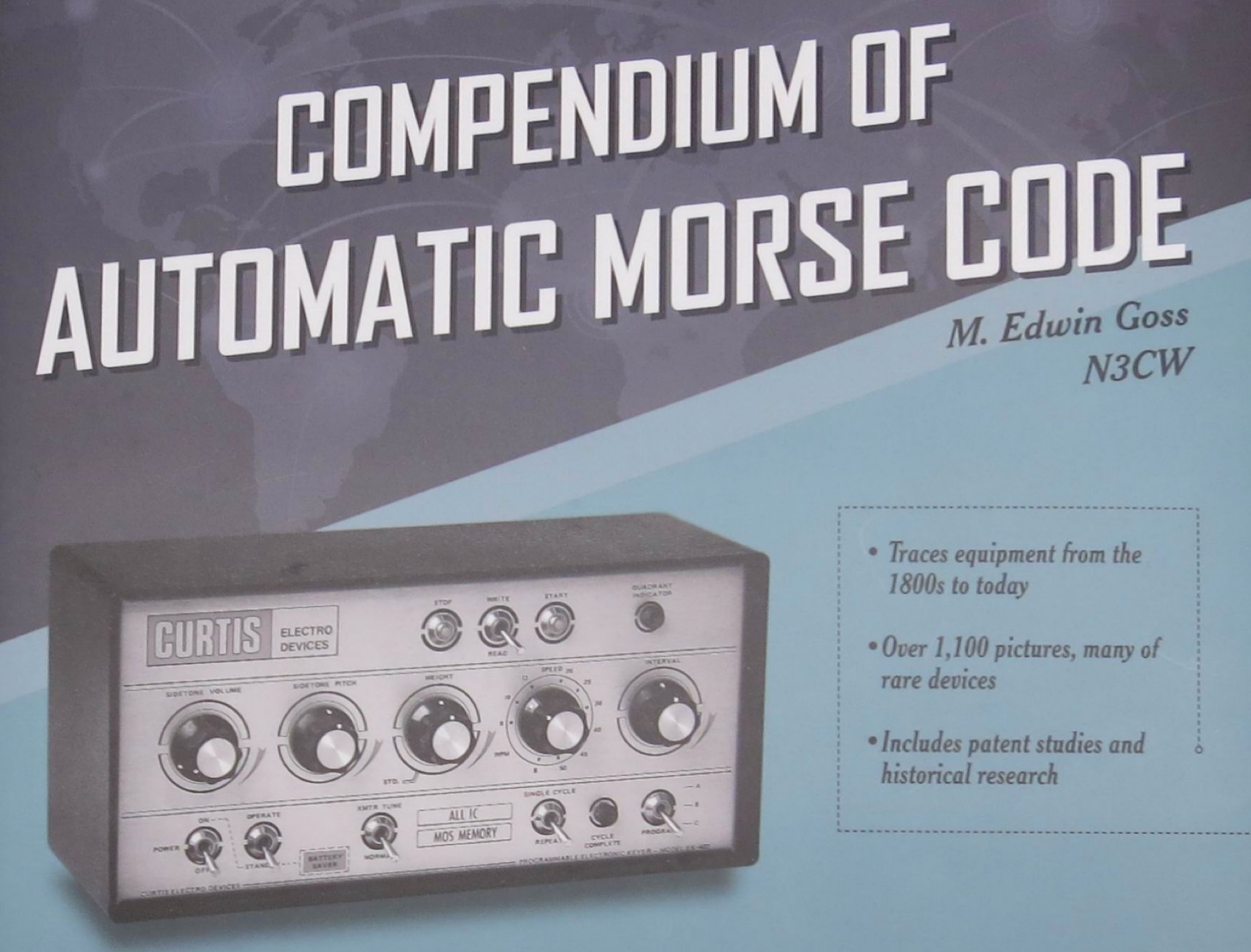 Book on CW paddles, history of keyers, keyboards, oscillators, and all things related to automatic Morse code.
 -
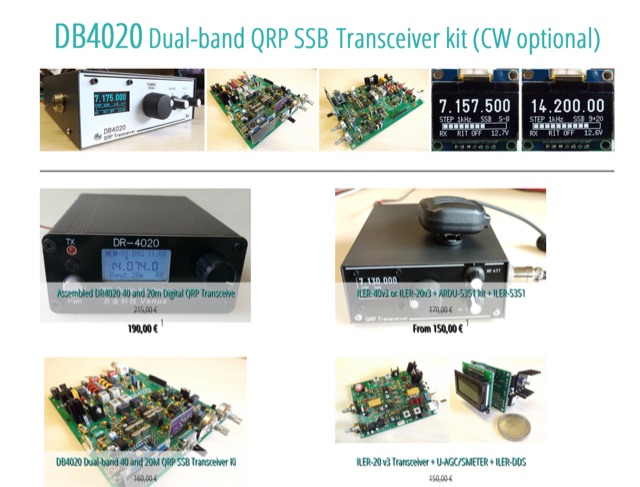 QRPhamradiokits is an online shop for custom amateur radio kits including QRP transceiver kits, tuners, cw keyers, VFO DDS, part and components
 -
-
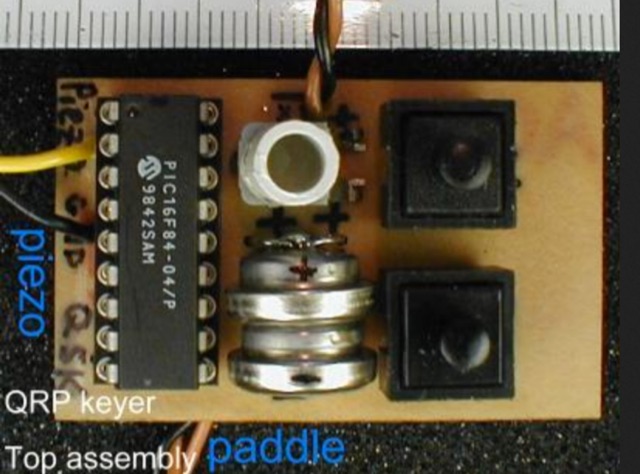 This page describes a printed circuit board that you may use to build a QRP keyer.
 -
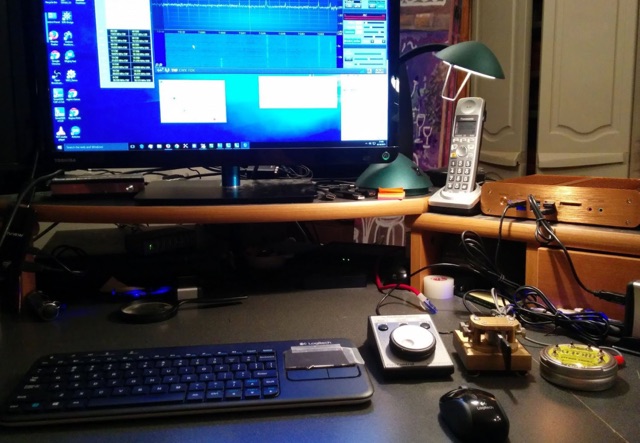 A simple DIY project for a remote cw key connected to your Flex Rig (actually it can be any other rig). On the remote side it uses and Arduino Uno board and a cheap HanRun Enc28J60 ethernet shield. On the local side it uses a key (better a keyer) connected to a serial port of your pc
 -
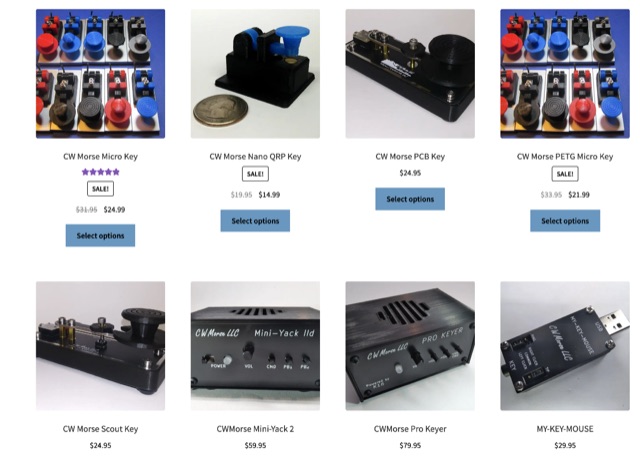 CW Morse Nano QRP and Micro Keys. CW Morse PCB Keys. Morse Keyers
 -
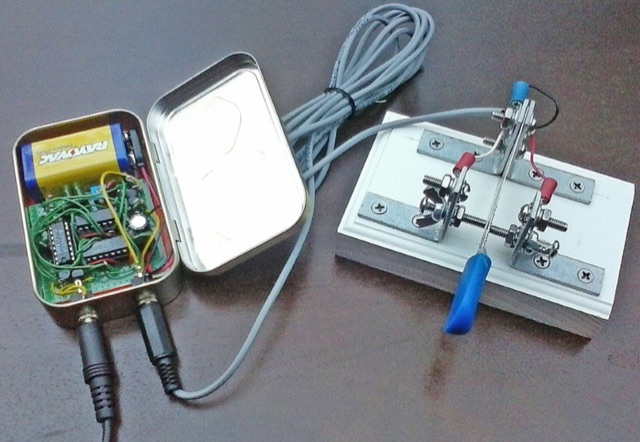 Build your own 3-IC Iambic Electronic Keyer. Here, you will find schematics and operation descriptions. Includes Dot/Dash Memory, Progressive Element Weighting
 -
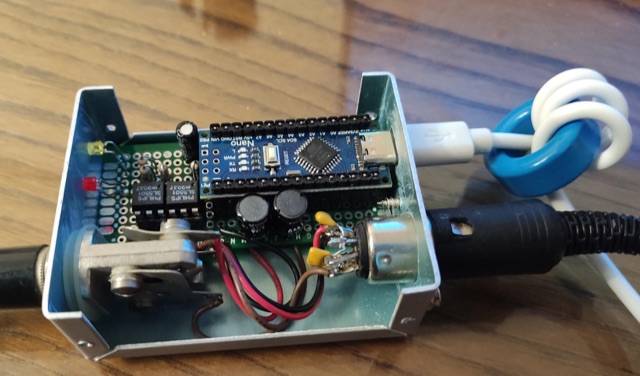 This keyer being intended to be used mainly in conjunction with contest software. This keyer is based on an Arduino Nano and the Keyer software by K3NG. It has been designed with very basic features, and it is intended to work with logging software.
 -
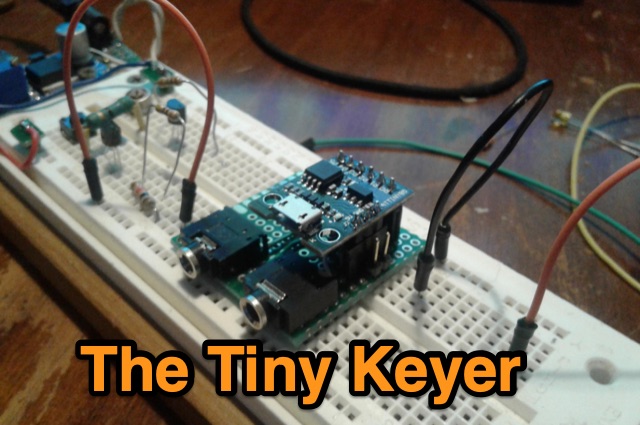 In his journey to improve Morse code skills, the author developed a straightforward device named the Tiny Keyer using Arduino. Tailored for Morse code enthusiasts and ham radio operators, this project utilized the budget-friendly Arduino ATTiny 85 Kickstarter board. With straightforward setup procedures in the Arduino IDE, the Tiny Keyer's small size and low cost make it accessible for beginners and hobbyist clubs interested in Morse code exploration.
 -
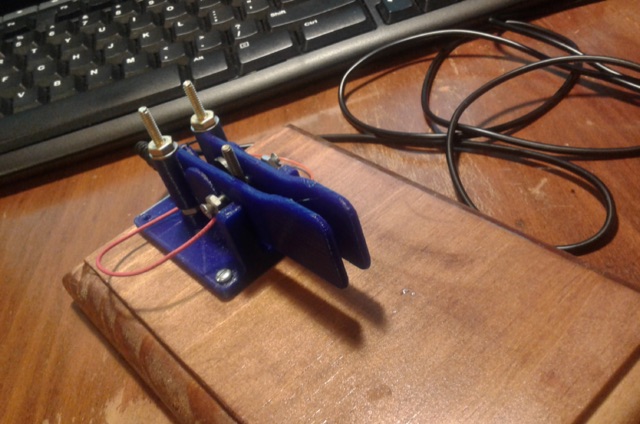 The author recounts their journey in ham radio, including the initial experience with Morse code. Now retired, he has rekindled his interest in ham radio and CW. Here share his project of constructing an Iambic Keyer with Arduino. The project includes a memory keyer and speed adjustment. Additionally, the author provides resources for an Arduino enclosure available on Thingiverse, enhancing the project aesthetics and functionality.
 -
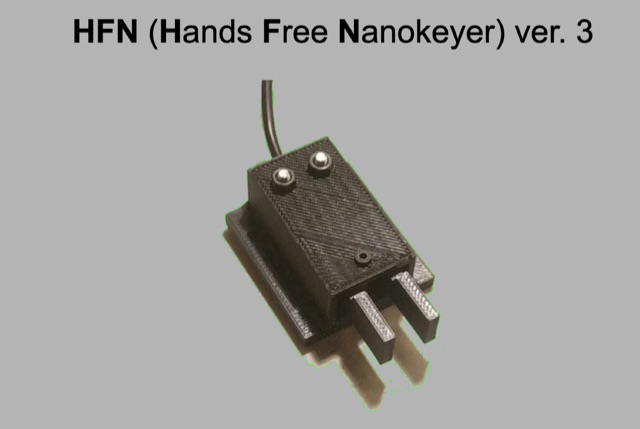 HFN (Hands Free Nanokeyer) is a 3D Printer made morse keyer. In this project the athor shares the STL printer model files for the 3 versions build.
 -
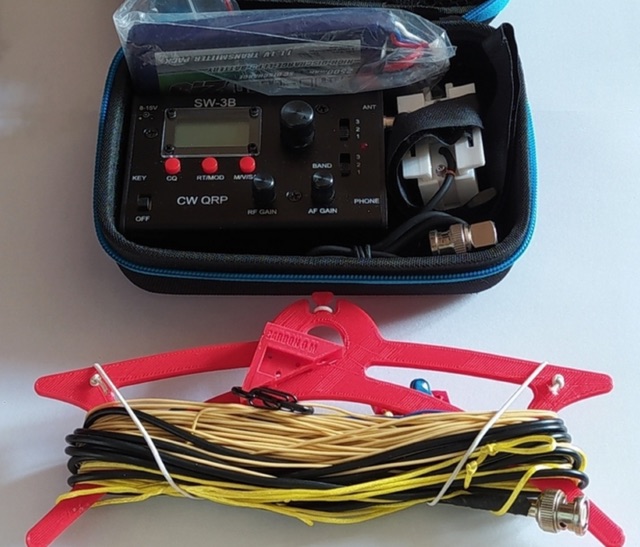 A portable QRP setup based on 20/30/40m QRP CW-only SW-3B transceiver, 2500mAh 5C LiPo battery (147g), Hands Free Nanokeyer
 -
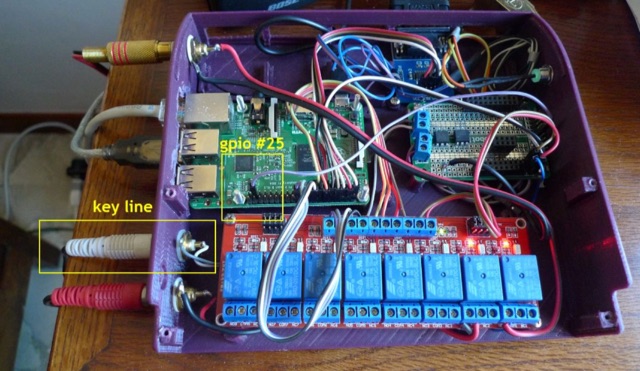 SW Keyer for remote operations. This is a simple tool based on the Morse Code Iambic and Semi-Automatic Keyer from the Morse-Code-Tools projects. You can use your key, bug or Iambic Paddle stright connected to your personal computer without a hardware morse keyer.
 -
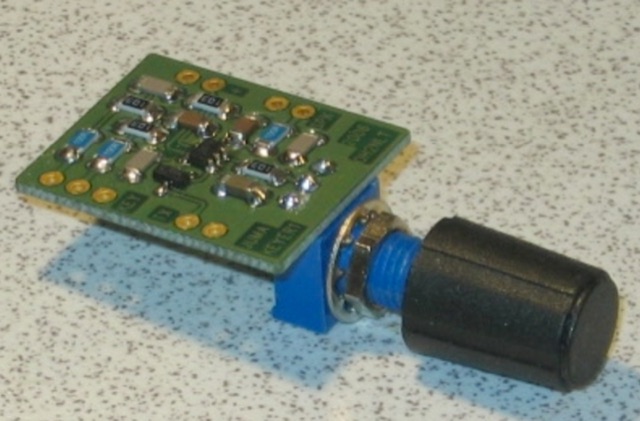 Miniature PIC microcontroller based keyer kit with convenient modes. The kit includes PCB, componets, knob and ready programmed PIC microcontroller. Author make available from his web site Circuit diagram, Component layout,List of components and downloadable Software
 -
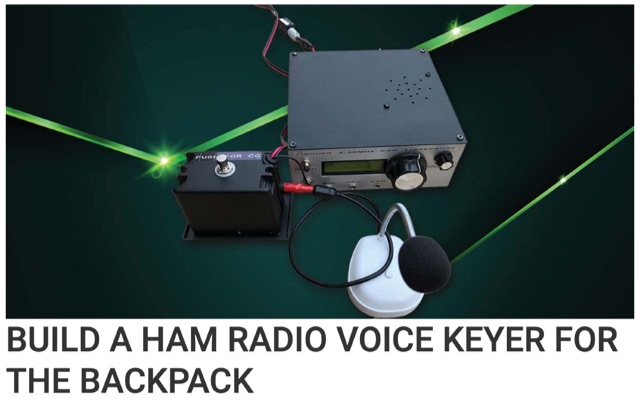 Build a Ham Radio Voice Keyer for the Backpack