Search results
Query: K3
Links: 394 | Categories: 4
-
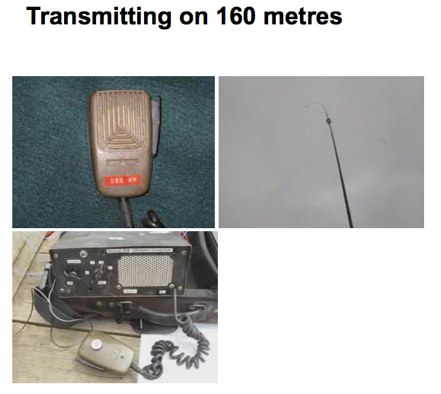 A page dedicated to top band transmitting equipment and operations by VK3YE
 -
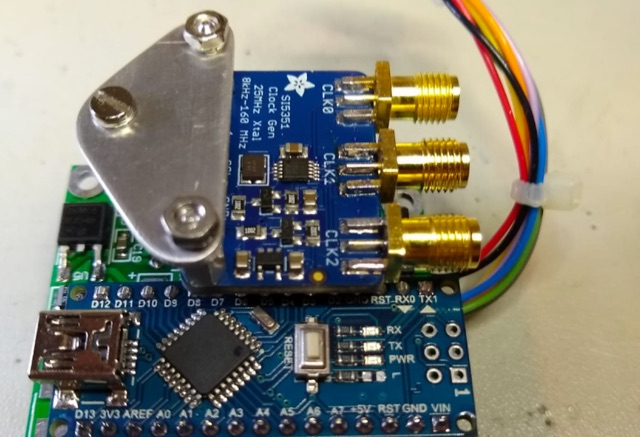 Sketch for an Arduino and si5351 to implement a VFO, BFO, CW, keyer, and control
 -
 Southern pennsylvania amateur radio club since 1992 Lancaster, Pa.
 -
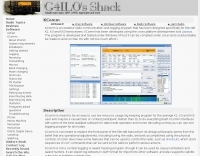 KComm, a logging and communication program, was specifically engineered for Elecraft K2, K3, and KX3 transceivers, leveraging the Lazarus cross-platform development tool. It operates natively on Windows XP and can be compiled for Linux, with potential for macOS, prioritizing low resource usage for casual DXers and contest participants. The software integrates with external applications like Fldigi for diverse digital modes and CW Skimmer for advanced Morse decoding, enhancing its functionality beyond basic logging. The design philosophy of KComm emphasizes utilizing the physical radio controls for operational adjustments, rather than replacing the transceiver's front panel. It facilitates keyboard CW operation via the Elecraft serial protocol and capitalizes on the K3 and KX3's built-in decoders for RTTY and PSK31. Additionally, KComm supports PSK31, PSK63, and PSK125 through the AE4JY PSK Core DLL on Windows and integrates with PSKReporter.info for spotting. While not a dedicated contest logging or award tracking program, KComm supports ADIF and Cabrillo export for casual use, allowing logs to be imported into other software. The author, G4ILO, ceased all software development, providing KComm "as is" without further support or updates; however, the source code is available under the GNU GPL for community continuation.
 -
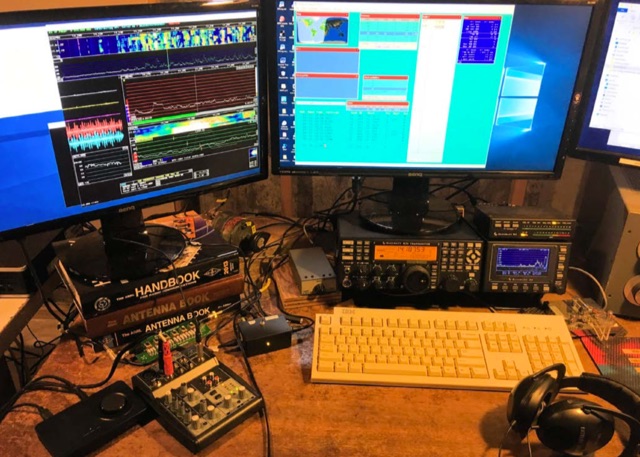 This article will explain a few of the ways author use an external SDR and Linrad to enhance his K3 experience. Linrad is one of many available SDR receiver programs. The same could be done with any radio that lets you access its IF frequency output. Article from NCJ Nov Dec 2019
 -
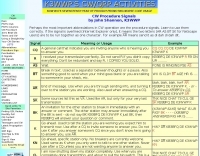 Abbreviations used in CW operation
 -
 KE7X Elecraft K3 operating manual
 -
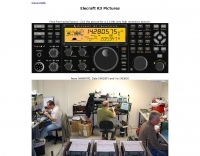 Elecraft K3 pictures, inside pictures, assembly and case.
 -
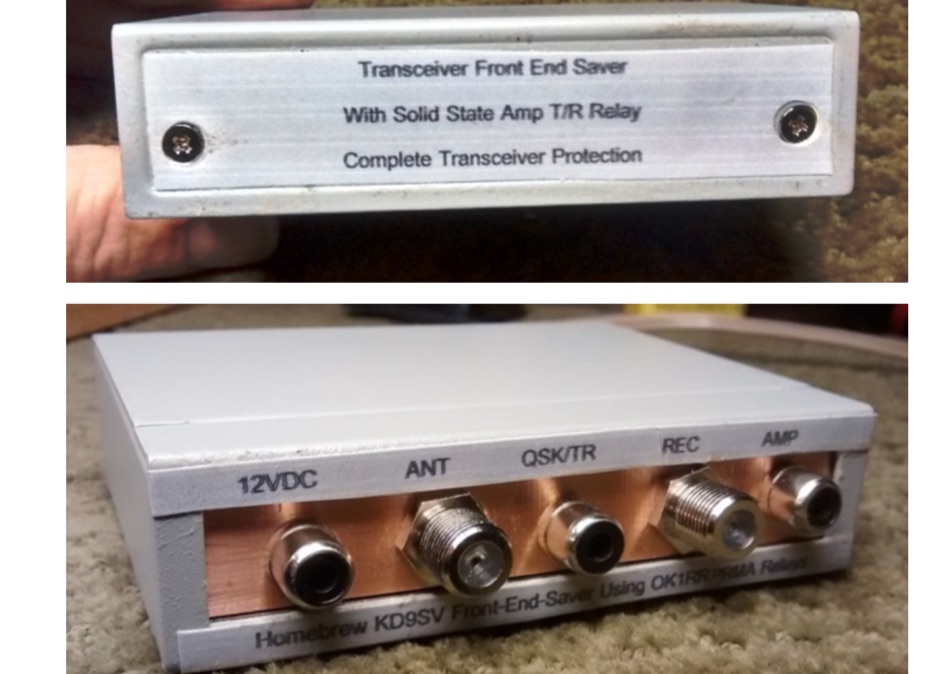 Homemade RF limiter project, to protect the K3 receiver front-end for high radiofrequency based on the original KD9SV project.
 -
 The Triangle ATV Association is an organization of hams in the Raleigh-Durham-Chapel Hill NC area who communicate by means of our own personal TV transmitters and receivers.
 -
 I2YSB MANAGER of 5U1A 5U2K 5U3T 5U4R 5U5A 5U6W 5U7B 5U7DW 5U7JK 5U7JW 5U7RW 5U8B 5U9C 5U0T 5W0SB 6O0CW 6O0N 9L1X J20MM J20RR FO/I2YSB HI9/IK2GNW TX4PG ZK1GNW ZK3SB
 -
 K3AS.com Home Page, Discover SSTV, See K3AS SSTV CAM, Live SSTV Images Received by my Station, View My Station Equipment.
 -
 QSL MANAGERS by IK3GER - Updated daily by ham fellows around the world interested in DX-ing
 -
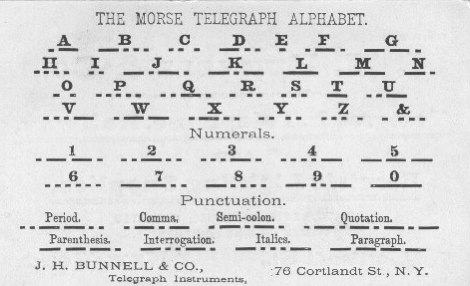 There are many many abbreviations used for words on CW, ranging from commonly used abbreviations like B4 for Before or TU for Thank You to very obscure abbreviations known only to the one using them.
 -
 Making a CW QSO by John Shannon, K3WWP
 -
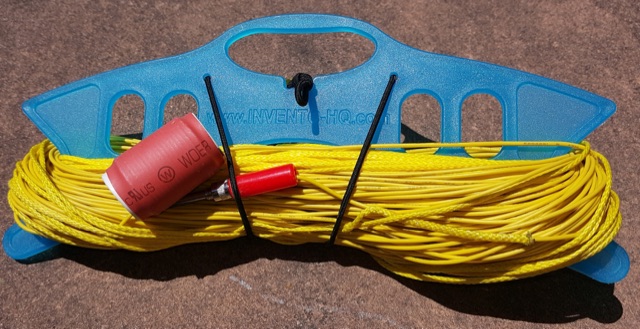 A multi band antenna for HF band capable to operate from 10 to 80 meters band depending on wire lenght loaded with a small inductance neat the feed end.
 -
 RTTY transmissions with audio boards, can be transmitted either in FSK or AFSK mode. Learn differences between this two different modes by IK3QAR
 -
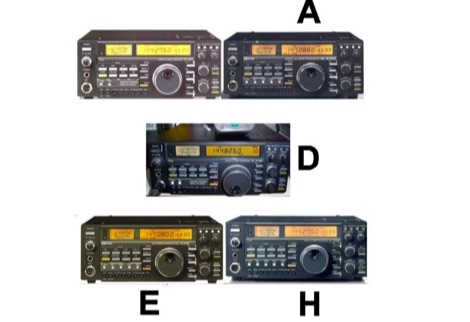 How to convert the ICOM VHD base station IC-275D to 275H 100W 144-148Mhz
 -
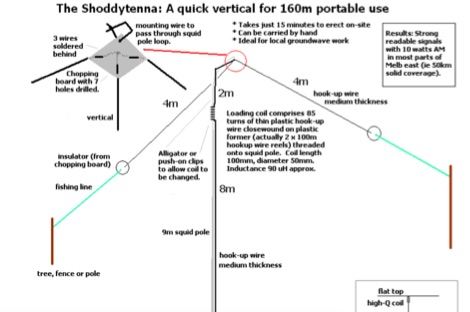 The Shoddytenna is a 160 meters band vertical antenna intended for portable use. This antenna takes just 15 minutes to erect on site, can be carried by hand and is ideal for local groundwave work.
 -
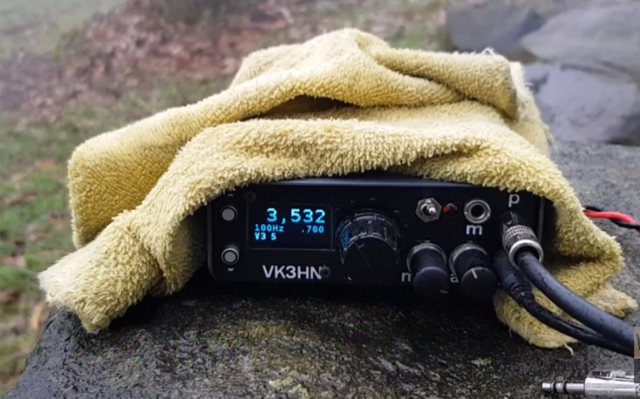 Summit Prowler 6 is a pocket-sized SSB/CW transceiver for 80, 40, 30 and 20m
 -
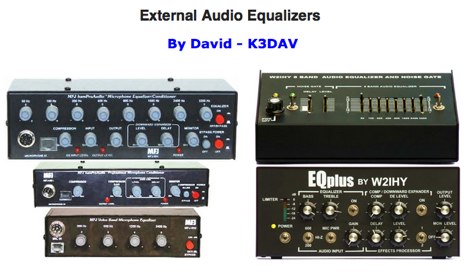 An excellent guide on choosing external audio equalizers by K3DAV
 -
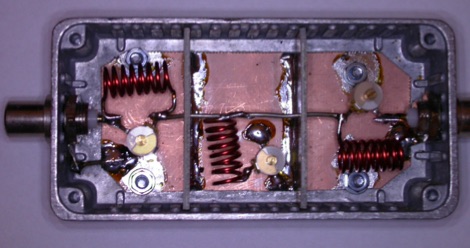 The TVI filters described in this page worked very well in curing a TVI problem on 2m abd 70cm
 -
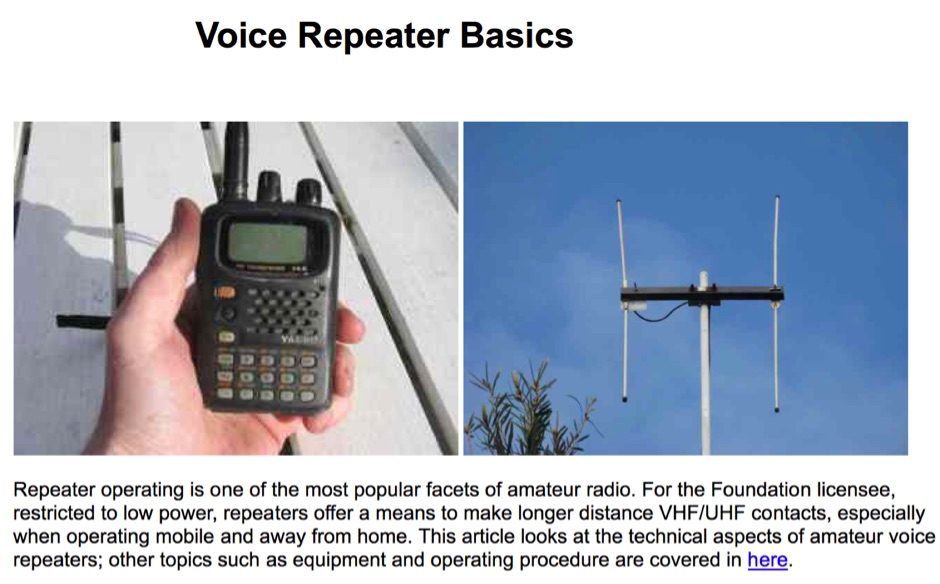 Sixty-meter repeaters typically use a 1 MHz frequency separation between input and output, while 2-meter repeaters commonly employ a **600 kHz** split and 70-centimeter repeaters use a **5 MHz** offset. This article details the fundamental technical principles of amateur voice repeaters, explaining how they extend VHF/UHF communication range by receiving on one frequency and simultaneously retransmitting on another. It covers essential components such as receivers, transmitters, filters, and antennas, often situated on elevated locations for optimal coverage. The resource delves into the critical challenge of _desensing_—where the repeater's strong transmit signal overpowers its own receiver—and the engineering solutions employed, including antenna separation and the use of high-Q cavity filters. It also explores various control and timing systems, from basic squelch activation to more sophisticated microcontroller-based boards that manage functions like voice identification, time-out timers, and fault protection. Different access methods are discussed, including open access, toneburst, CTCSS subtone, and DTMF, each offering distinct advantages for managing repeater usage and mitigating interference. Furthermore, the article examines repeater linking, both conventional RF methods and modern internet-based solutions, highlighting how linking expands coverage and promotes activity across multiple repeaters or bands. It introduces less common repeater types such as 'parrot' repeaters, which use a single frequency and digital voice recording, and linear translators, capable of relaying multiple signals and modes simultaneously across different bands, often found in amateur satellites.
 -
 Amateur radio, Technology, Towers, Land, Wilderness, real estate, Visalia DX Convention Report #1 Flexradio Antennas Dxpedition, Elecraft introduces K3, here are pictures of the radio from the outside and inside from the Visalia DX Convention
 -
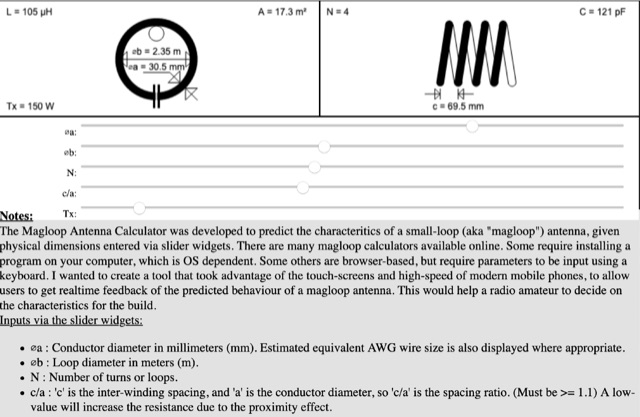 The Magloop Antenna Calculator was developed to predict the characteritics of a small-loop (aka magloop) antenna, given physical dimensions entered via slider widgets. This magnetic loop antenna calculator works also on most mobile devices, adjusting sliders and calculating dimensions in real time.
 -
 SACCW SACSSB Contest info and rules
 -
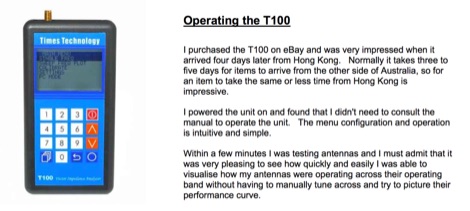 Times Technologies Vector Impedance Analyzer Review
 -
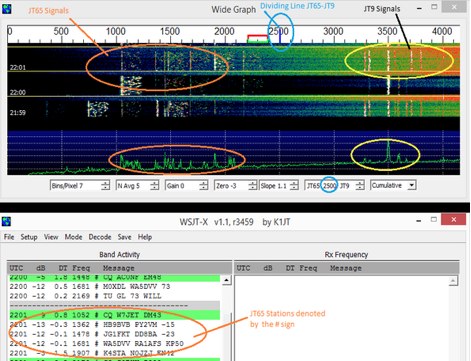 Guide to JT65A and JT9 via WSJT-X Software by Andy K3UK
 -
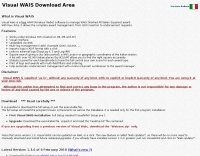 Visual Wais is a free HAM (Amateur Radio) software to manage WAIS (Worked All Italian Squares) award. With few clicks, it allows the complete award management, from QSO insertion to endorsement requests.
 -
 Temple University Amateur Radio Club
 -
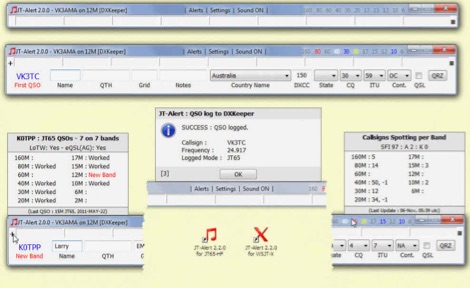 JTAlert provides several audio and Visual alerts for WSJT-X & JTDX software. JTAlert generate audio and visual alerts for several alert conditions, logs automatically to several ham radio log books software like hrd dxkeeper,log4om, interoperates with web services and it supports dxlab suite.
 -
 Schematic diagram of a two tone audio oscillator by VK3YE
 -
 VK3RGU 438.375 MHz Gippsland Repeater in Australia
 -
 An organization of Scouts and Scouters that provides program assistance to the Cradle of Liberty Council, BSA through amateur radio and other aspects of science and technology.
 -
 A nice blog about DXing, Shortwave Radio Listening (SWL) and Amateur (Ham) Radio by VK3BVW
 -
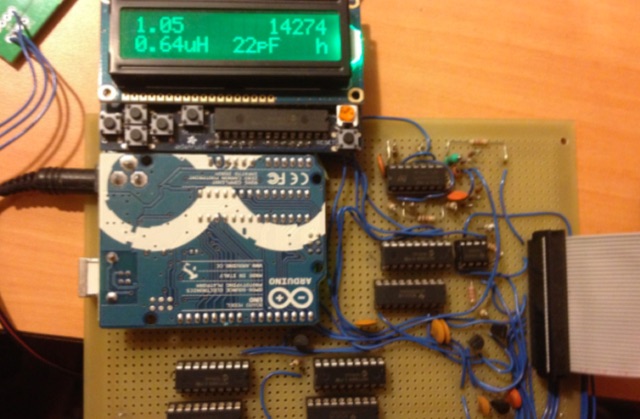 Arduino-based Automatic Amateur Radio Antenna Tuner
 -
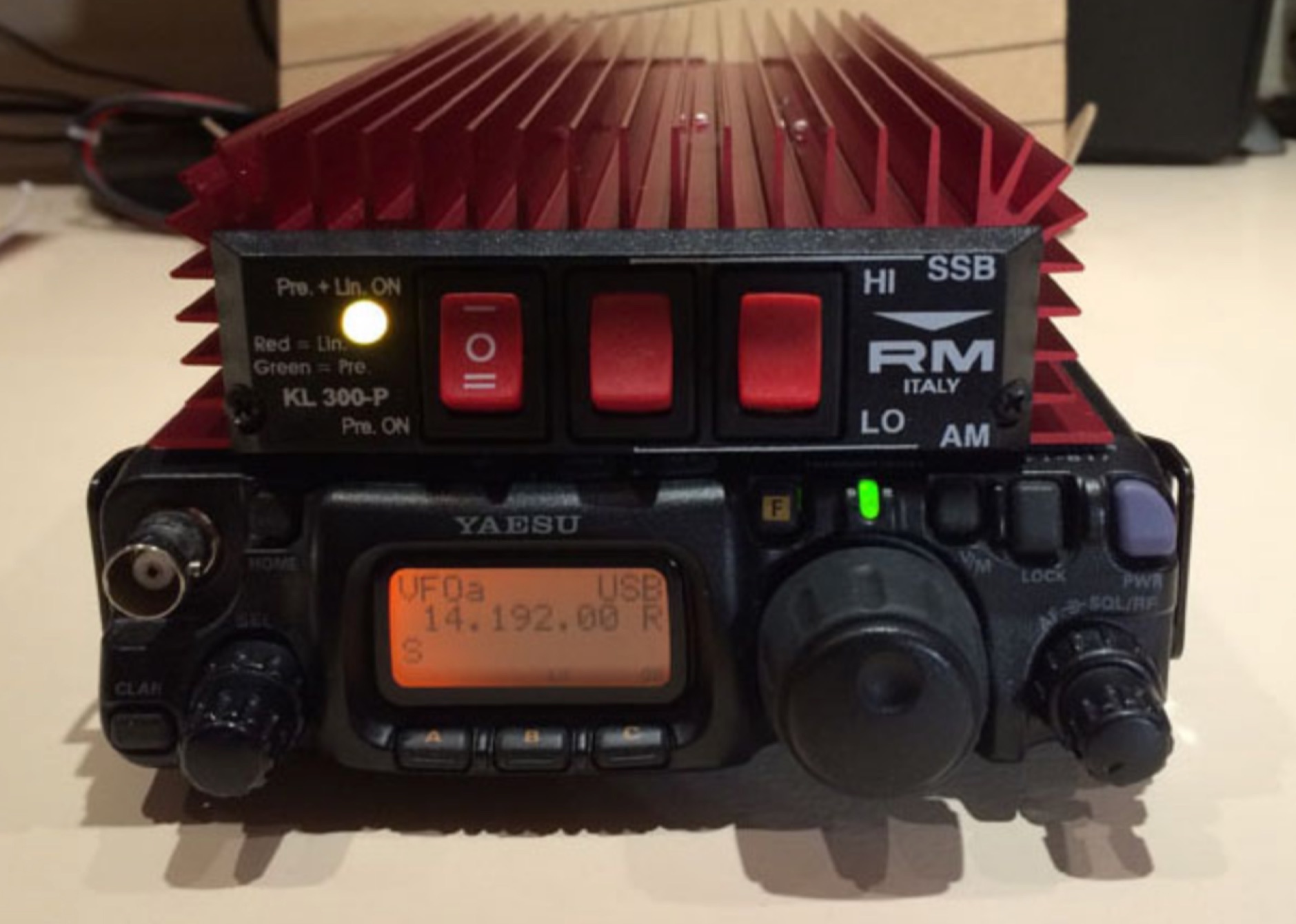 Direct experience of portable operations of the FT-817 transceiver by Yaesu and the small power amplifier by RM Italy with 300W output
 -
 eHam Reviews for Elecraft K3
 -

-

-
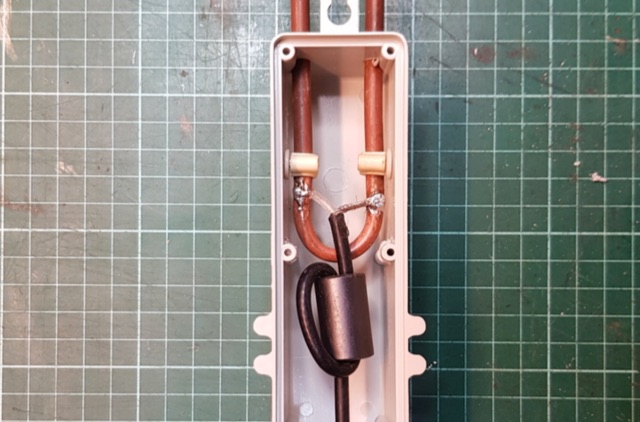 A homemade Jpole antenna for 70 cm band made with 6mm copper pipe
 -
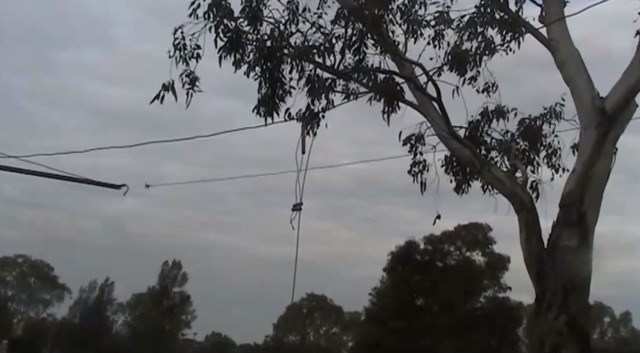 A page with an embedded video about a two elements yagi antenna for 28 MHz based on the original antenna design by VE7CA
 -
 Two Rivers Amateur Radio Club of McKeesport Pa
 -
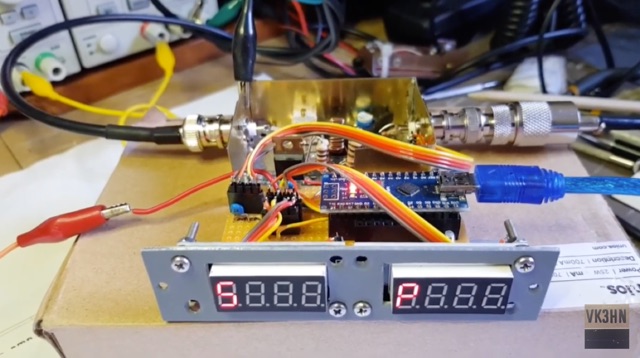 This module is an analogue and digital SWR and power meter/monitor, designed to replace analogue SWR and power metering in an AM Transmitter project.
 -
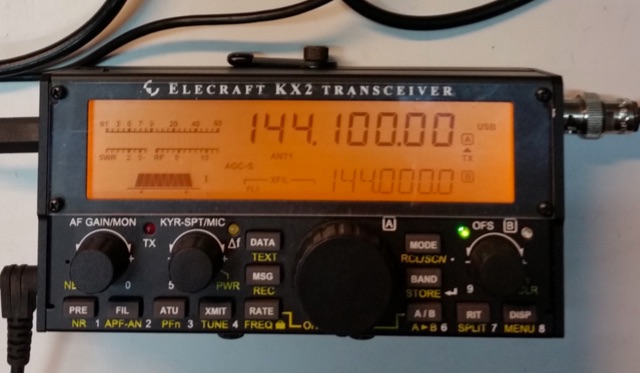 A 144 MHz transverter made by ur3lmz and connected to and Elecraft KX2 transceiver
 -
 You do not need an expensive or complicated interface to get started using psk31 and other data modes with an elecraft k2 transceiver.
 -
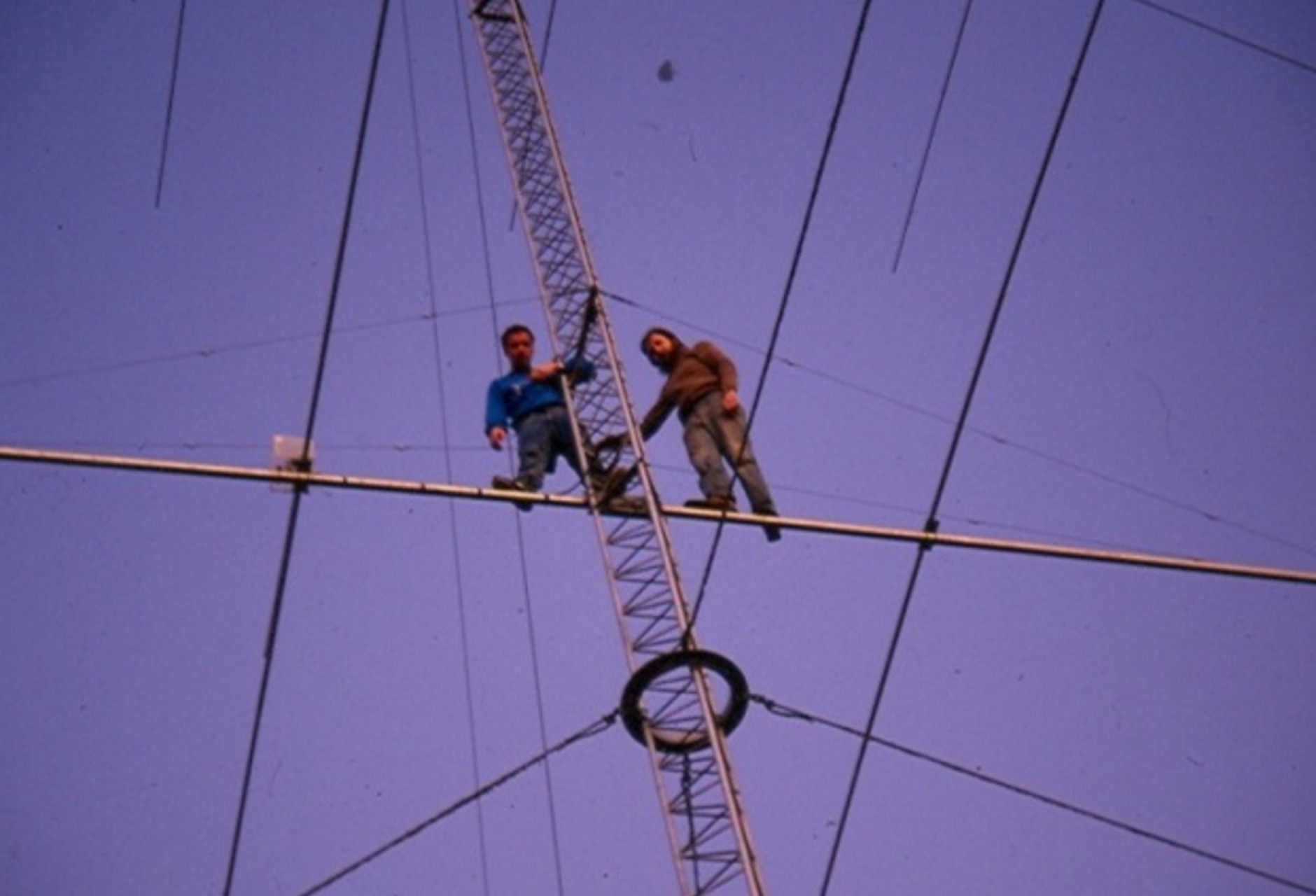 VK3MO, An inspiring Australian Amateur Radio operator