Receiver Front-End Protection Circuits and RF Limiters
Find schematics and projects for building circuits to safeguard your ham radio receiver from strong RF signals and damage.

Protecting a receiver's sensitive front-end is crucial for ham radio operators, especially when using separate receive antennas or operating in high-power environments. Strong signals from nearby transmitting antennas, or even from one's own station during transmit, can easily damage the delicate input stages of a receiver or transceiver. This protection ensures the longevity and performance of valuable amateur radio equipment.
Many operators build their own RF front-end protection circuits to safeguard their gear. These DIY projects often involve simple limiter designs using diodes and resistors, like the KD9SV Front End Saver, to shunt excessive RF energy away from the receiver input. Whether for SO2R contesting setups, beverage antennas, or general station use, these homemade RF clipper devices prevent damage and keep stations on the air for many QSOs.
-
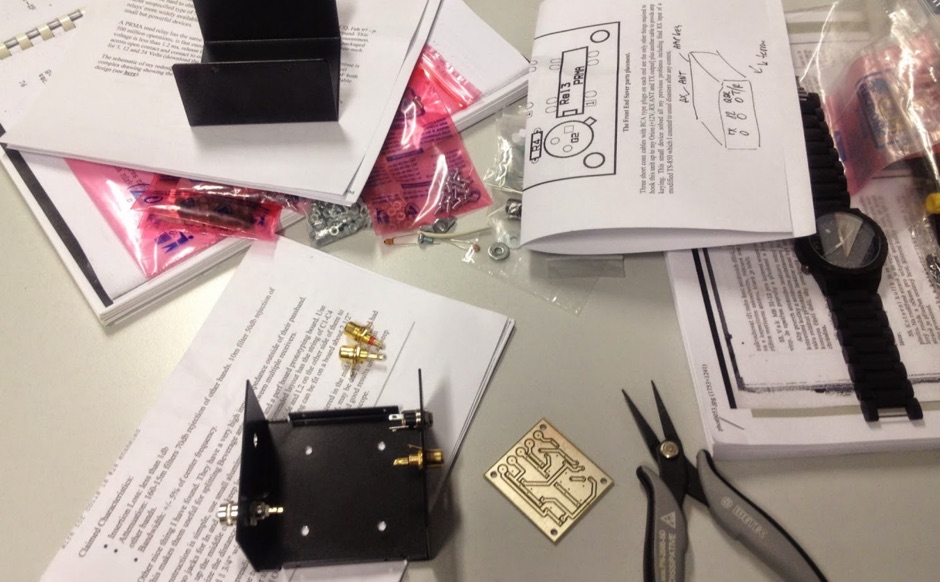 If You are using a separate receive antennas then you need a good protection circuit to eliminate the possibility of blowing out the receiver front-end while using these auxiliary receive antennas specially on low bands.
 -
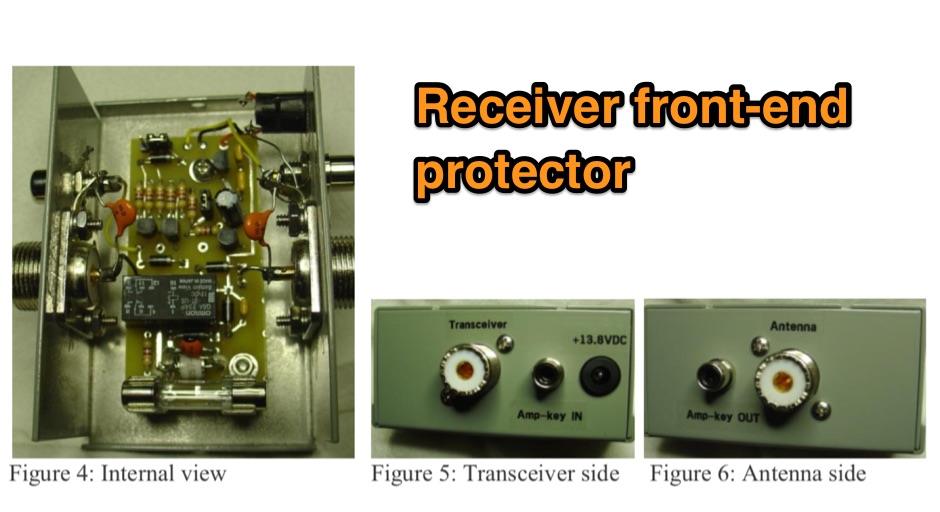 A transceiver front-end protector in high signal level environments. An homemade RF limiter to protect your receiver front-end from high radio frequency.
 -
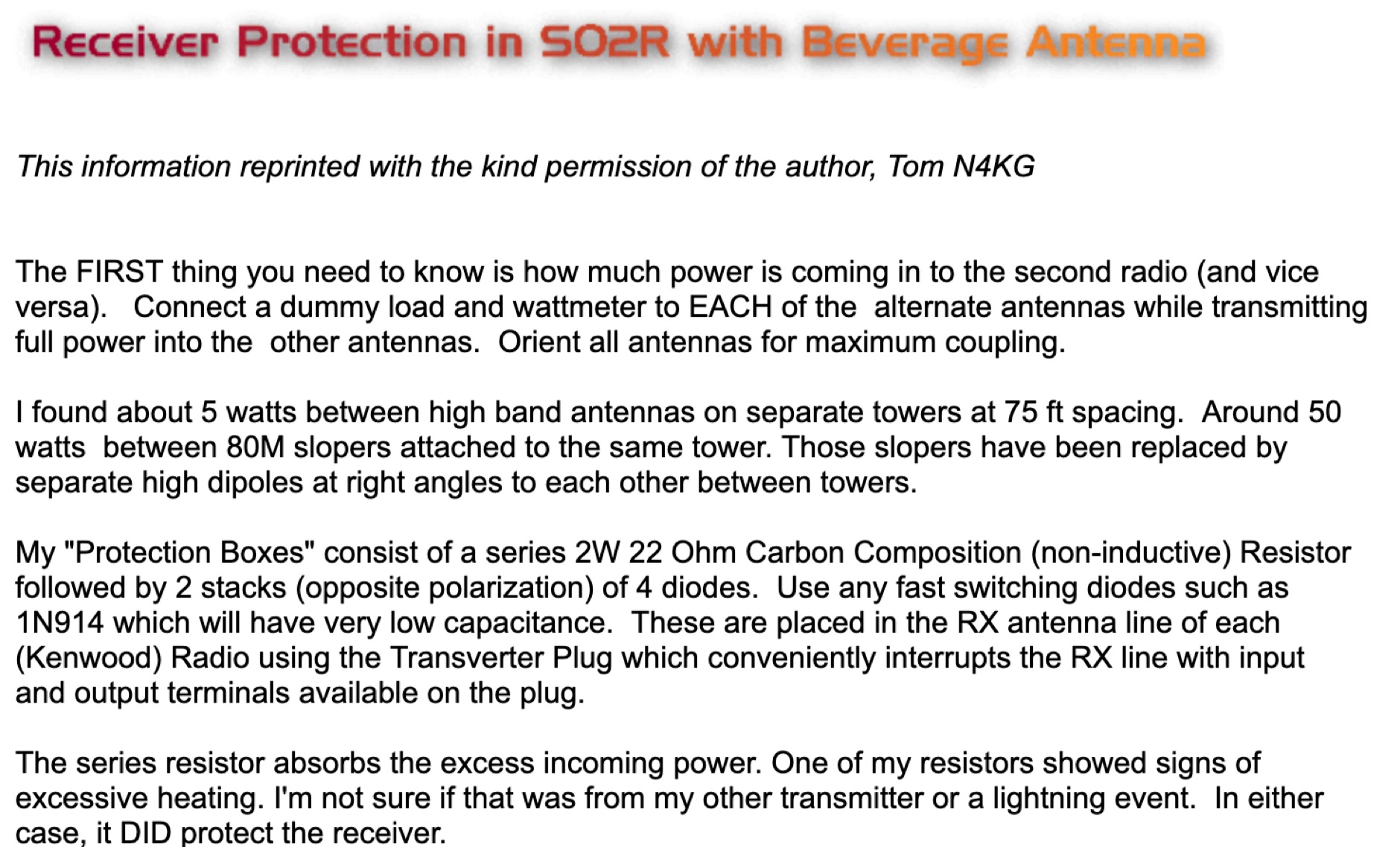 A DIY receiver protection circuit for SO2R operations using beverage antennas, featuring a series resistor and diode stacks to prevent front-end damage.
 -
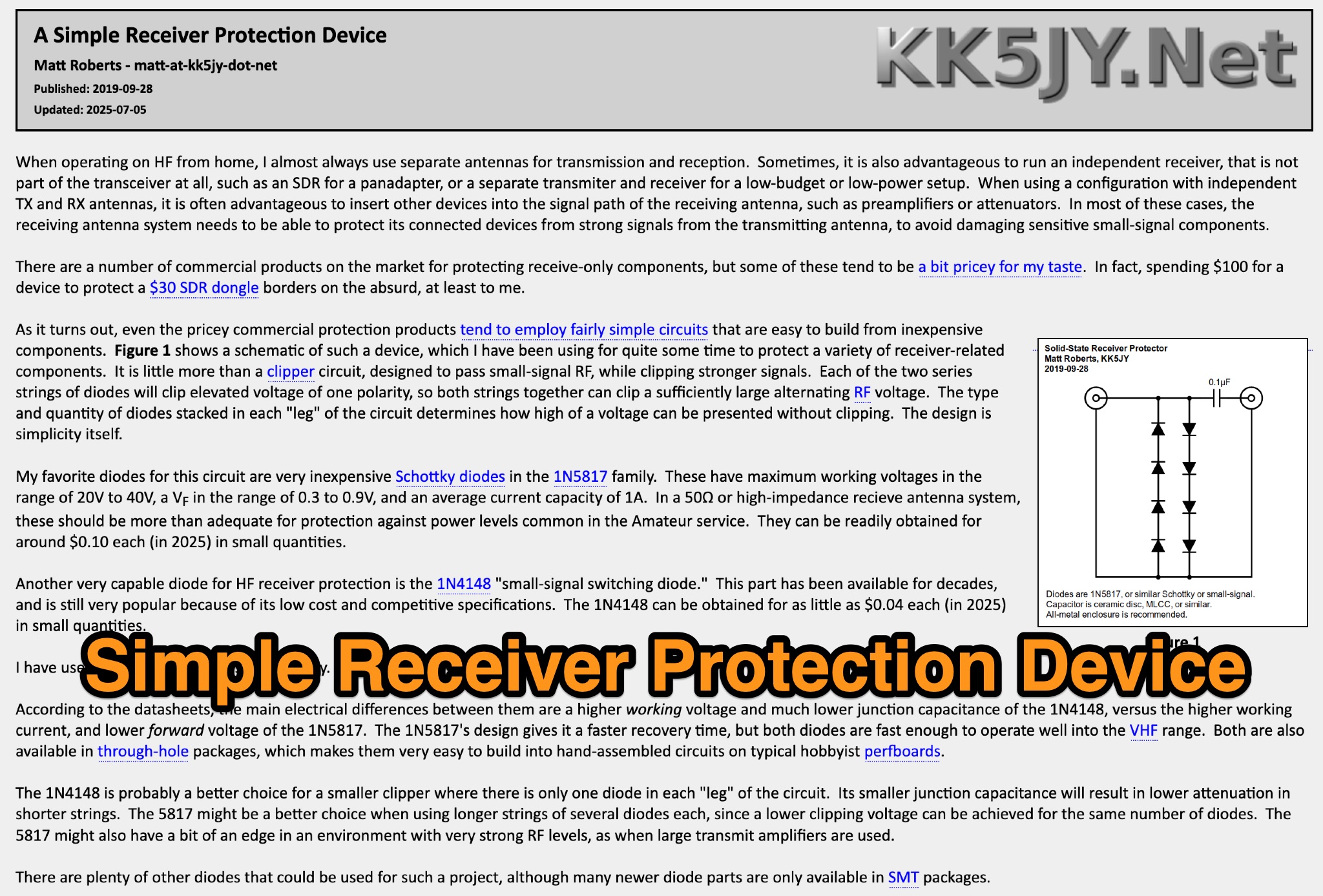 This page discusses a simple receiver protection device designed by Matt Roberts for hams. The article details the purpose, construction, and usage of the RF clipper, providing useful information for ham radio operators looking to protect their equipment from RF overload. The content is practical and informative, offering a solution to a common issue faced by hams.