Search results
Query: spot
Links: 704 | Categories: 7
-
 A blog dedicated to SDR and in particular to HPSDR experimentation and tests by John G0ORX
 -
 WebLog for Amateur Radio, Computers, Technology, not my personal life because...who really cares about my personal life? by Justin Kates Lewes, Delaware, United States
 -
-
 In italian language, ham radio tales
 -
 The life and times of development of a Linux D-Star repeater and dplus node.
 -
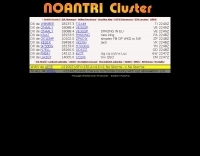 The Noantri WebCLX presents real-time DX spots, including frequency, DX callsign, country, and comments, facilitating active DXing and contesting. It operates as a web-based cluster, offering an alternative to traditional Telnet clusters for accessing spotting data. The interface displays current UTC, allowing operators to track propagation and activity across various amateur bands. This service is maintained by the _Noantri DX Group ARI Roma_, indicating its origin within the Italian amateur radio community. It supports the dynamic exchange of DX information, crucial for operators seeking new entities or participating in competitive events. Key features include the display of spots for modes like FT8, and it functions as a DXSpider-based system, providing a robust platform for **DX spotting** and **propagation analysis**.
 -
 Article on Phase-cancellation of noise on 2m band
 -
 Simple QRP projects, 10m, 6m, WSPR beaconing, sub-9kHz and other random stuff
 -
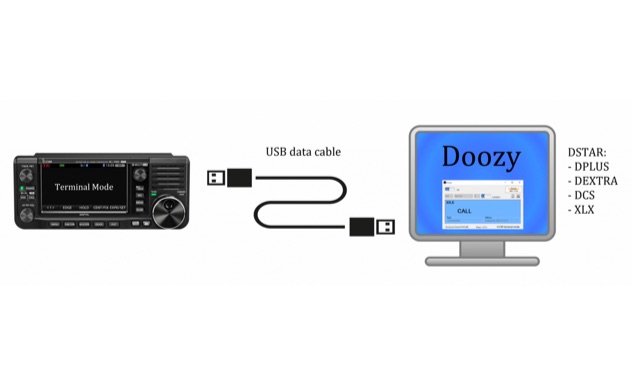 With Doozy for Windows you can make QSO’s via your Windows PC on DSTAR ( DPLUS, DEXTRA, DCS and XLX ). There is no need for a hotspot. Just connect your ICOM IC-705 to your Windows PC with an USB datacable and connect it to your favorite DSTAR reflector/repeater.
 -
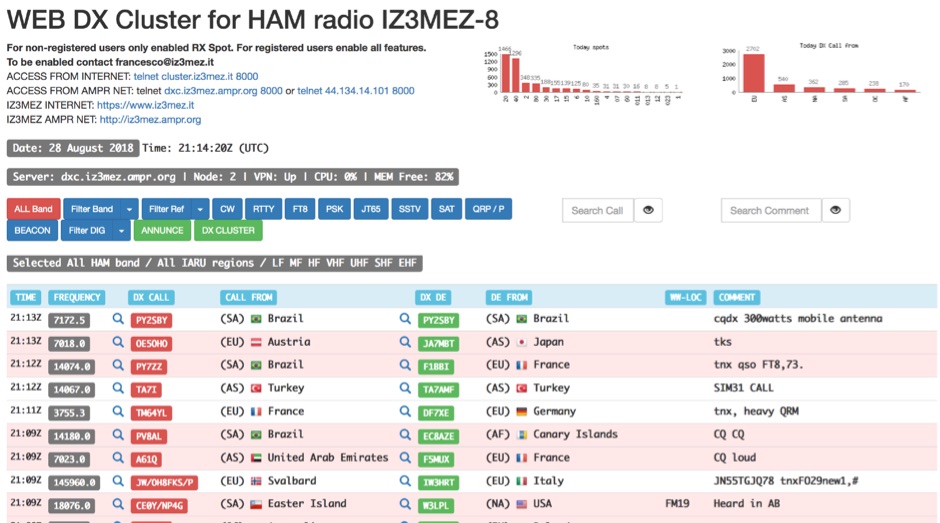 The IZ3MEZ Web DX Cluster presents real-time amateur radio DX spots across 20 distinct frequency bands, spanning from **LF (2190m)** at 135.7 kHz up to **SHF (QO-100)** at 10499 MHz. It displays the DX callsign, frequency, DXCC entity, spotter callsign, and spotter DXCC entity, along with any accompanying comments. The cluster also lists various operating modes such as CW, RTTY, FT8, FT4, FT2, PSK, and SSTV, and supports special operating activities like QRP/P and specific award programs including IOTA, POTA, SOTA, WCA, and JOTA. The cluster's interface provides a dynamic feed of the latest 50 spots, continuously updated with precise timestamps. It offers direct **Telnet protocol** access for users preferring a command-line interface, with configuration instructions provided. The resource also integrates with other spotting networks like RBN and PSK Reporter, enhancing its utility for DXers and contesters seeking propagation information and activity monitoring across a broad spectrum of amateur radio frequencies.
 -
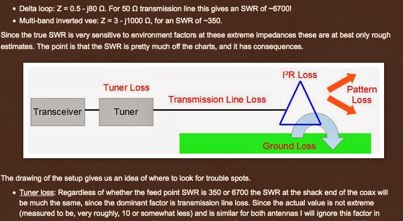 Tuning non-resonant antennas and usage of such technique during contests.
 -
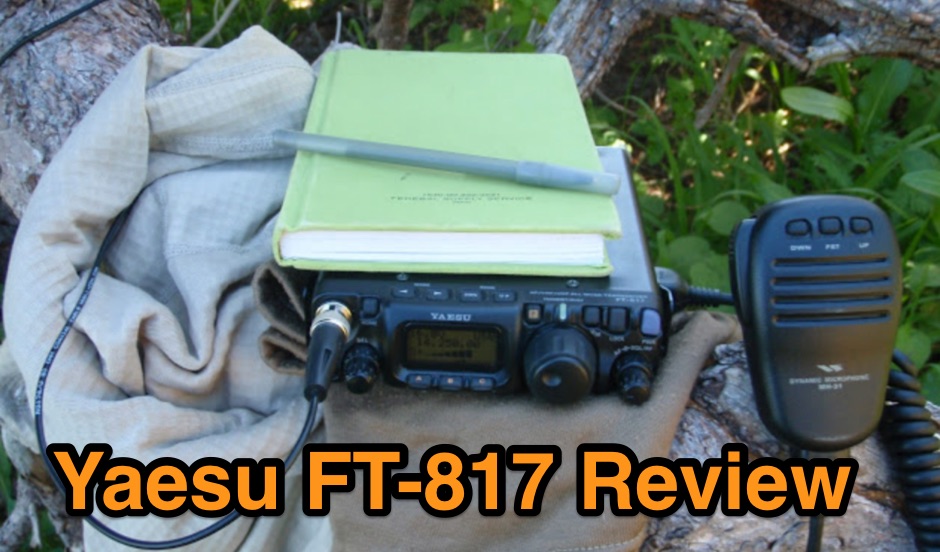 Some observations on the Yaesu FT-817 5W portable HF VHF UHF transceiver with some pictures and movies
 -
 Things on the occasion of amateur radio activity only
 -
 Amateur radio makes the world a much smaller place.
 -
 Radio 2 Radio broadcasts amateur & HAM radio news and current events from around the world.
 -
-
 Projects in ham radio, programming, and robotics. Specializing in amateur satellite operations.
 -
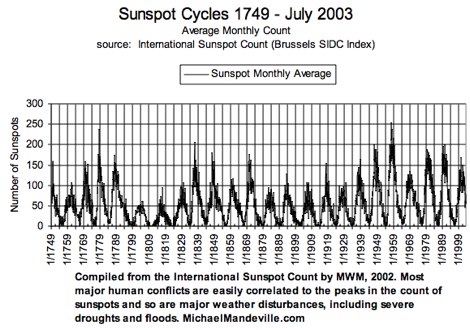 An article edited and published by Michael Mandeville on correlation of sunspot peaks and global events, like recessions or human conflicts. This document include solar cycle charts since Solar Cycle 1749-1751
 -
 Diary of a small contest group
 -
 Configure the Kenwood TS-590S for Digital Voice Keying DVK, a must for contesting.
 -
 A blog devoted to the hobby of Amateur Radio (Ham Radio). The radio amateurs of the world contribute to public service and emergency communications. This blog hopefully will reflect that fact!
 -
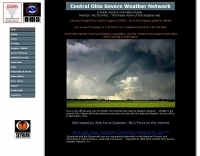 Providing real-time weather spotter reports for the following counties: Delaware, Fairfield, Fayette, Franklin, Hocking, Licking, Madison, Pickaway, Ross and Union.
 -
 Blog site for various home brew projects including antennas, power dividers etc
 -
 DXWatch provide live spots for FT5GA Glorioso dxpedition 2009
 -
 J49I operated from Crete Island (EU-015, KM25PH) during the 2008 _CQ WW DX CW Contest_, focusing on multi-operator category participation. The station's activity centered on maximizing contacts and multiplier acquisition across various HF bands during the competitive event. Operators aimed to achieve a high score by leveraging the island's DXCC entity status. The team, comprising Greek and Italian amateur radio operators, utilized the J49I callsign for this specific contest operation. Their efforts contributed to the overall contest results for the 2008 CW segment, with logs submitted reflecting their performance from the European continent.
 -
-
 PS8RF beacon tx in 7.035 Mhz with 3 W
 -
 Jules Verne's "Around the World in 80 days" is old fashion way. Be an amateur radio I'll bet you'll rounding the world just on a flash!
 -
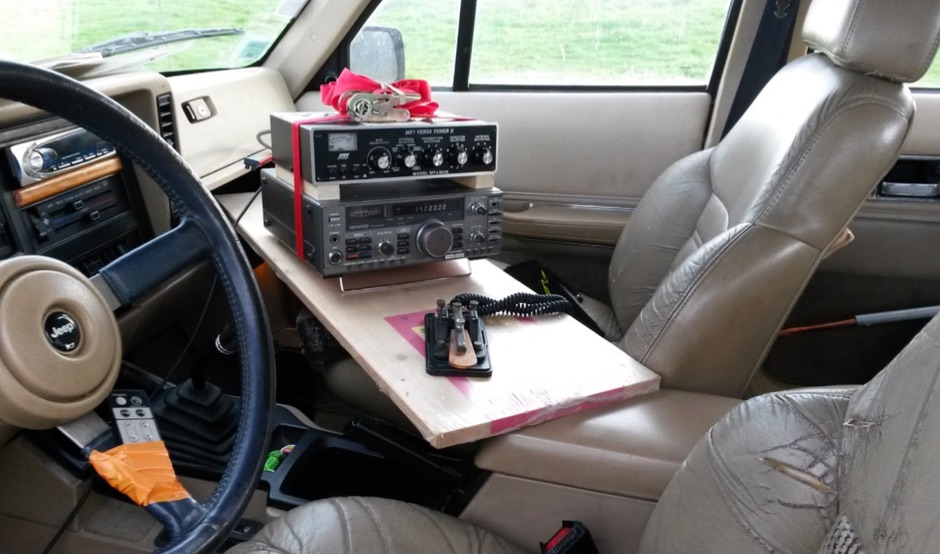 This blog is devoted to my station and all of my radio activities
 -
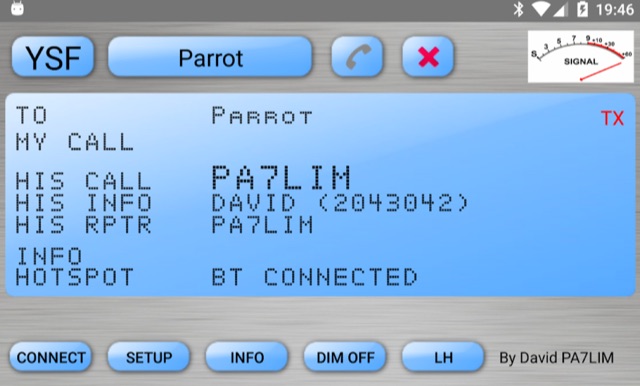 BlueDV Android is DMR/DSTAR and Fusion hotspot software for Android 4.x and higher. It supports DSTAR (DEXTRA, DPLUS, DCS), FUSION (YSF, FCS), DMR ( Brandmeister, DMR+)
 -
 CT1FUI - Amateur Radio from Portugal , QSL card collection from 90's
 -
 Homebrew, QRP, Beacons & Diplomatic / Spy Radio
 -
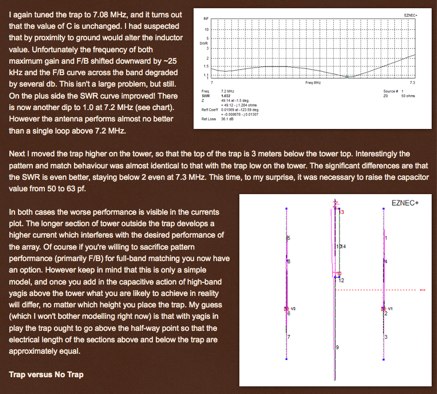 It is possible to detune the tower so that, at least on one band, the tower can be made to effectively disappear. That is, become non-resonant on the band of interest. This allows the vertically-polarized low-bands antenna to meet its potential.
 -
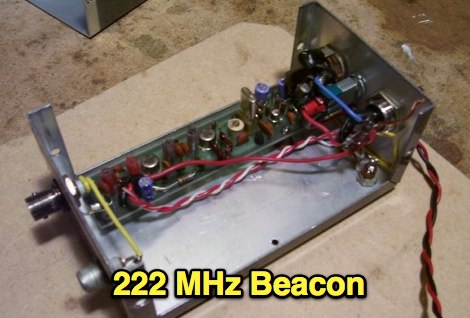 A CW beacon keyer for 222 MHz by VA3NFA
 -
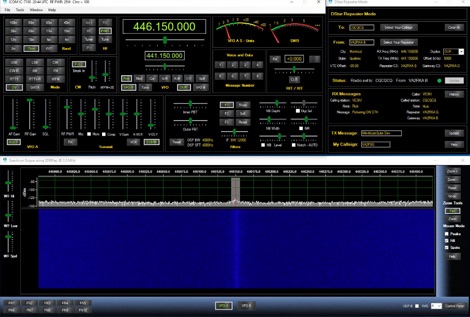 The Ultimate Control Software for the IC-7300, IC-7610, IC-7600, IC-7850, IC-7851 and Others is a control software suite that includes additional interesting features such as support for the built in Spectrum Scope, Audio monitors, Shortwave DB, CW Terminal, Clublog Spotting, Memory management, interface to Ham Radio Deluxe Logbook, DM780, n1mm+, log4om, DXLab and other. Runs on Windows OS, commercial licence.
 -
 This blog is a space devoted to primarily, but not limited to, my experiences with and ideas about Amateur Radio, QRPing and Morse Code.
 -
 LA6EIA Ole's DX-blog details shortwave listening (SWL) and amateur radio DX operations from Norway, providing insights into propagation conditions and station reception. The blog frequently features specific reception reports, often including details such as frequency, mode, and signal strength, alongside observations of various broadcast and utility stations. It documents the author's personal experiences in chasing DX, offering a practical perspective on radio propagation and equipment performance. The content includes logs of received stations, sometimes accompanied by audio clips or screenshots of waterfall displays, illustrating successful decodes or strong signal captures. This resource presents a chronological record of DX achievements and challenges, reflecting the dynamic nature of radio propagation across different bands and times. The blog distinguishes itself by its focus on real-world SWL and amateur radio DXing from a Nordic QTH, offering a unique regional perspective on global radio phenomena. It serves as a personal journal of radio exploration, highlighting specific callsigns, frequencies, and operational details encountered during DX sessions.
 -
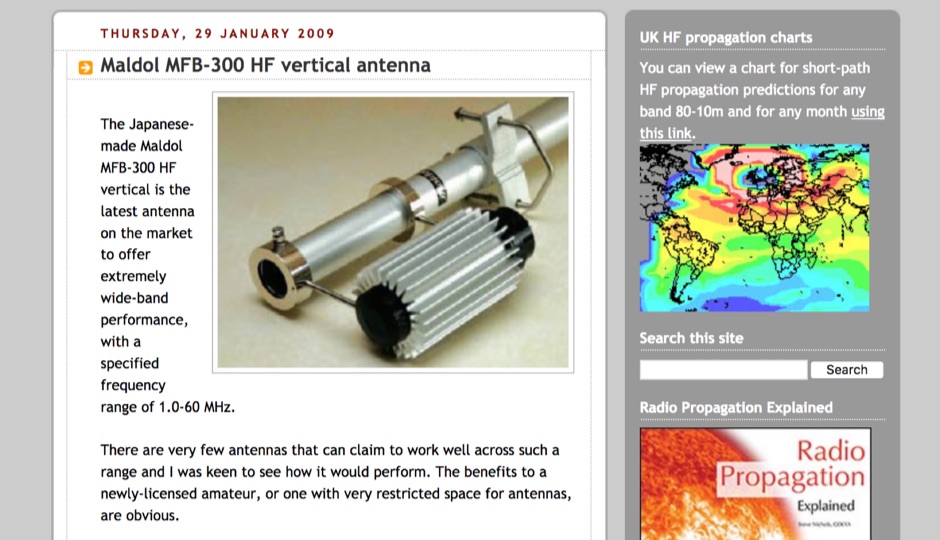 The Japanese-made Maldol MFB-300 HF vertical antenna offer extremely wide-band performance, with a specified frequency range of 1.0-60 MHz.
 -
 Modern DX Club Not-for-profit organization serving the radio monitoring community founded in 1990 muzaffargarh Pakistan. The main interest of the club is shortwave dxing.
 -
 An Amateur Radio enthusiast living in the North of England. A keen DXer and Contester.CoSysop GB7MBC DXCluster. Member of Sands Contest Group MX0SCG/M0SCG
 -
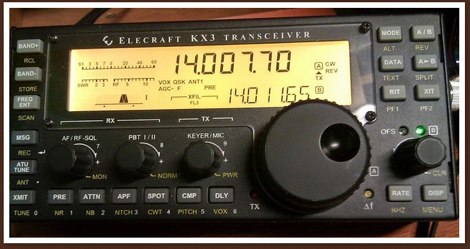 Elecraft KX3 Review by a QRP DXer and Contester
 -
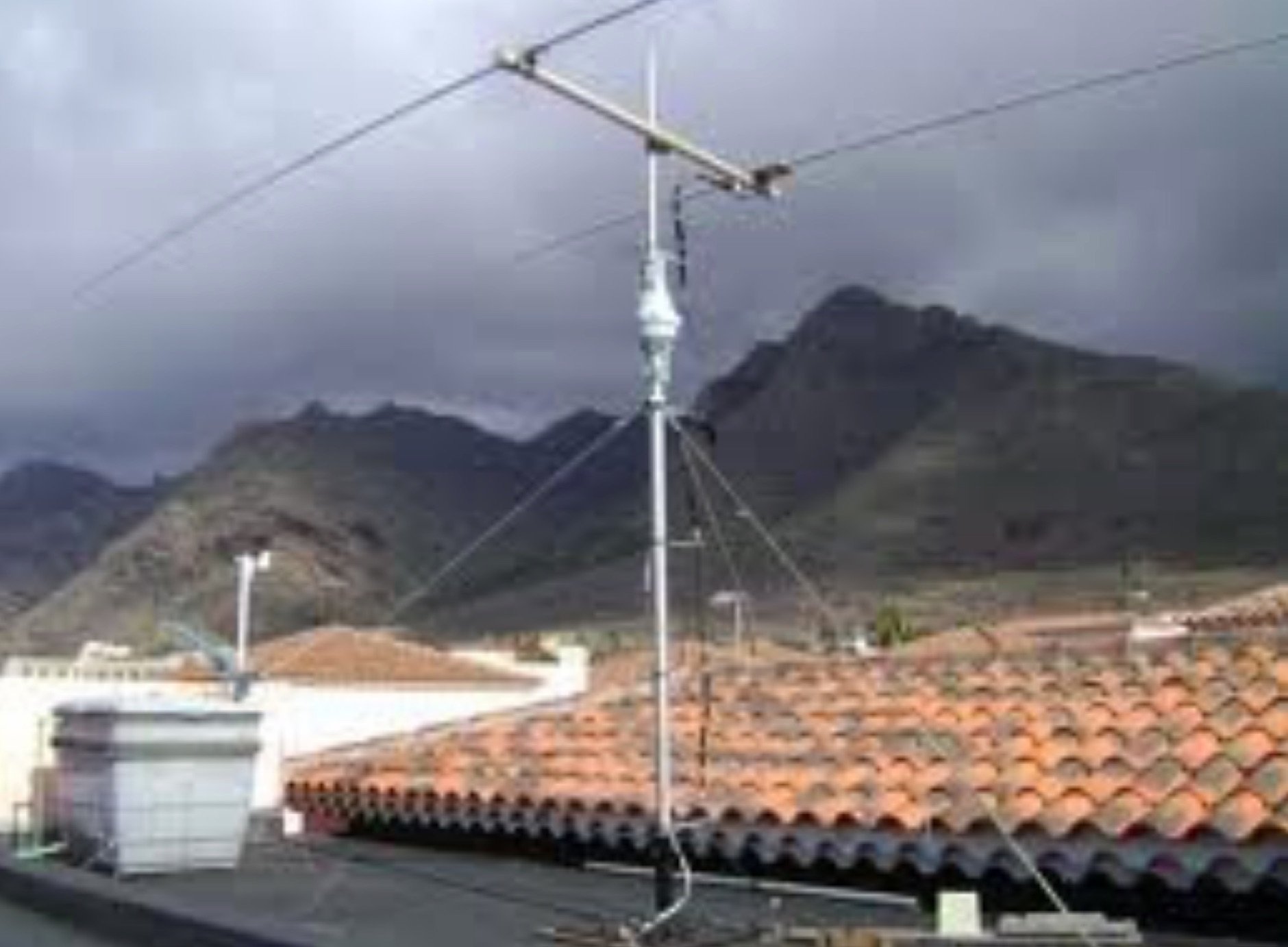 The Maria Maluca HF multiband antenna as designed in 1957 by PY2BBP is a directive antenna for 15 meter and a passive element that works as director and reflector in different bands
 -
 Dx on Hf specially on low bands from Zante island Greece
 -
 KComm, a logging and communication program, was specifically engineered for Elecraft K2, K3, and KX3 transceivers, leveraging the Lazarus cross-platform development tool. It operates natively on Windows XP and can be compiled for Linux, with potential for macOS, prioritizing low resource usage for casual DXers and contest participants. The software integrates with external applications like Fldigi for diverse digital modes and CW Skimmer for advanced Morse decoding, enhancing its functionality beyond basic logging. The design philosophy of KComm emphasizes utilizing the physical radio controls for operational adjustments, rather than replacing the transceiver's front panel. It facilitates keyboard CW operation via the Elecraft serial protocol and capitalizes on the K3 and KX3's built-in decoders for RTTY and PSK31. Additionally, KComm supports PSK31, PSK63, and PSK125 through the AE4JY PSK Core DLL on Windows and integrates with PSKReporter.info for spotting. While not a dedicated contest logging or award tracking program, KComm supports ADIF and Cabrillo export for casual use, allowing logs to be imported into other software. The author, G4ILO, ceased all software development, providing KComm "as is" without further support or updates; however, the source code is available under the GNU GPL for community continuation.
 -
 Ham radio for people with disabilities. A weekly podcast from the Courage Handiham System
 -
 Ham Radio News, Information, and Operating Activities of Ron, WD4AHZ
 -
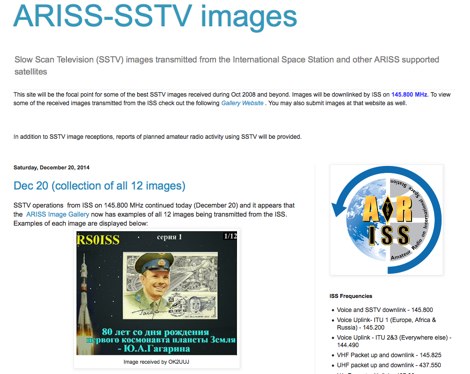 A blog site dedicated to SSTV Slow Scan Television images transmitted from the International Space Station
 -
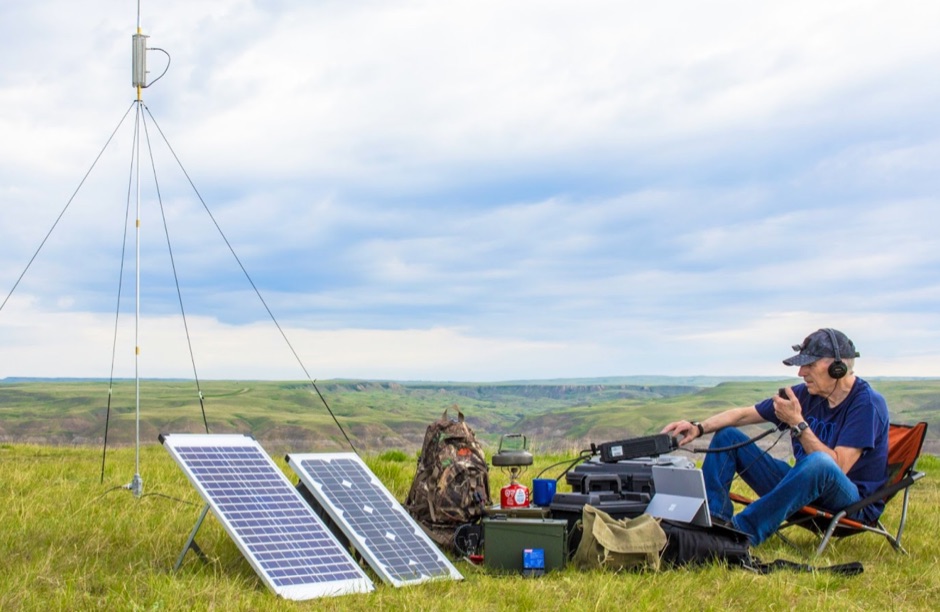 An interesting article about amateur radio portable operations with excellent pictures. Setup includes a 60 watts of portable solar power being controlled by a charge controller, and a batteries powering an FT-897D.