Search results
Query: personal page
Links: 64 | Categories: 5
-
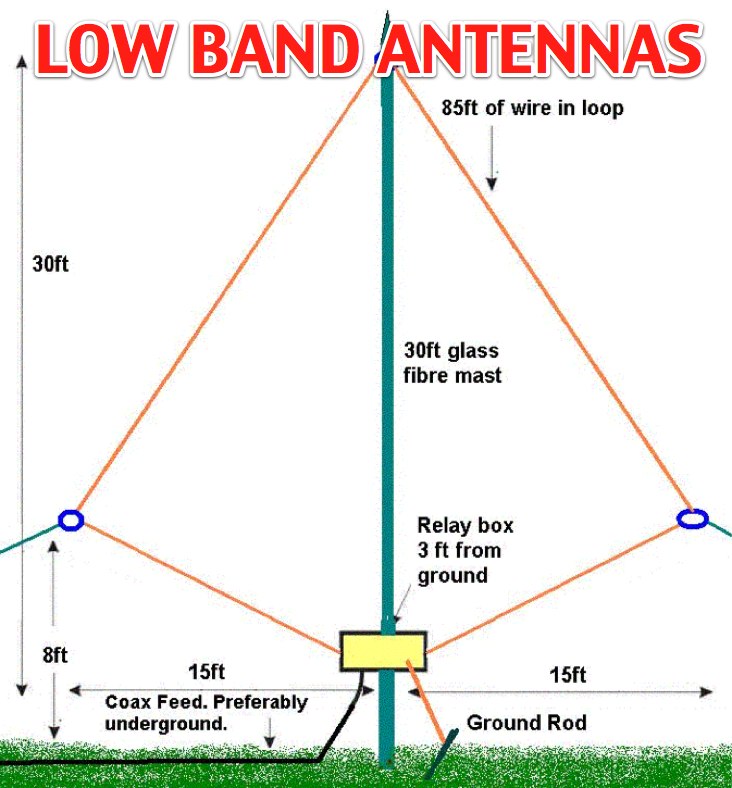 The page provides detailed plans and pictures of 80m and 160m antennas for both transmission and reception, emphasizing the importance of antenna farm on low bands. It discusses the differences between TX and RX antennas, the significance of signal-to-noise ratio, and the benefits of directional antennae. The author shares personal experiences and recommendations for successful operation on low bands.
 -
 This resource, last modified in August 2000, provides a personal amateur radio web presence for N3LS Larry, focusing on homebrew project announcements and a curated list of amateur radio links. It mentions plans for 10 to 15 new homebrew projects, indicating a focus on DIY electronics construction. The page also offers guidance for aspiring amateur radio operators, including tips for obtaining study guides and links to testing practice sites, suggesting an educational component for newcomers to the hobby. The content primarily serves as a personal hub, with a strong emphasis on sharing homebrew endeavors and supporting new licensees. While specific project details are not present, the intent to add numerous homebrew projects highlights a practical application of electronics knowledge. The inclusion of study resources aims to assist individuals in preparing for amateur radio license examinations, making it relevant for those seeking to enter the hobby.
 -
 ON4VT SSTV and personal page, includes a large software review, introduction for beginners and webcams showing sstv on the net
 -
 Presents the detailed construction of the _FLA25HV_ antenna, a specialized array optimized for Earth-Moon-Earth (EME) communications on the 2-meter band. This resource provides schematics and practical insights into building a high-gain antenna system capable of reflecting signals off the lunar surface, a challenging but rewarding aspect of amateur radio. It covers the mechanical and electrical considerations essential for achieving the precise pointing and signal strength required for successful moonbounce contacts, often yielding **20 dB** or more gain. Amateur radio operators pursuing EME operations require robust antenna systems and precise tracking capabilities. The FLA25HV design addresses these needs by focusing on element spacing, impedance matching, and structural integrity to withstand environmental factors while maintaining critical alignment for lunar reflections. Such systems are crucial for making contacts over distances exceeding **768,000 km**. This personal page serves as a practical guide for hams interested in constructing their own EME arrays, offering a glimpse into the technical dedication involved in pushing the boundaries of VHF/UHF propagation.
 -
 Presents the amateur radio activities and interests of Kote, operating as 4L4KW. The page features a collection of external links relevant to the ham radio community, including references to other callsigns such as 4L1BR, 4L1W, 4L4MM, and 4L/ZL1RS, indicating potential connections or shared interests within the Georgian amateur radio scene. It also lists several well-known ham radio resources like QRZ.com, DXzone.com, and Contesting.com, suggesting an active engagement with DXing and contesting. The resource includes links to major amateur radio equipment manufacturers such as Icom, Yaesu, and Kenwood, which implies an interest in modern transceivers and station setup. The mention of DX-Summit and "fixed activity on Ham bands" further reinforces a focus on making contacts and participating in on-air operations. The page serves as a digital hub for 4L4KW's ham radio presence.
 -
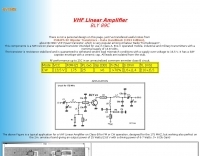 There is not a personal design on this page, just I've transfered useful notes from PHILIPS RF Bipolar Transistors - Data HandBook about BLY89C VHF Power transistor, which is very popular among Amateur Radio homebrewers
 -
 Controlling amateur radio transceivers remotely often requires dedicated software to interface with the radio's CAT (Computer Aided Transceiver) system. CATSPAW is a software utility specifically developed by N2OHZ for the Yaesu FT-100, facilitating computer-based control over various radio functions. The software provides an interface for adjusting parameters such as frequency, mode, and other operational settings, which can be particularly useful for remote station operation or automated tasks. While the specific features and user interface details are not extensively documented on the download page, the primary function centers on providing a digital control layer for the _FT-100_. This allows operators to integrate the transceiver into a larger station setup that might include logging programs or digital mode applications, enhancing the overall operational flexibility. The utility's design focuses on direct control, leveraging the radio's internal command set. As a downloadable executable, _CATSPAW_ represents a common approach to radio control software from its era, offering a direct link between a personal computer and a specific transceiver model.
 -
-
 Personal pages on CB radio in the SE of UK and my involvment with the Tango Echo DX group
 -
 VE3BDB's personal page serves as a dedicated resource for members of the Radio Amateurs of Canada (RAC) residing in the Ontario South Region. Bob Cooke, VE3BDB, previously held the position of Director for this region, offering localized support and information pertinent to the RAC's activities and initiatives within Ontario South. The page likely covered regional news, events, and specific guidance for local hams, reflecting his role in facilitating communication and engagement among the amateur radio community in that area. While the page is no longer active and Bob Cooke has transitioned from his regional director role to RAC Vice President for Field Services, its original purpose was to centralize information for Ontario South hams. The content would have been tailored to address regional concerns, promote local ham radio activities, and provide updates relevant to RAC members in that specific geographic area, directing users to the main RAC website for current information.
 -
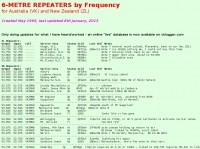 Presents a detailed compilation of **6-meter** voice repeaters operating within the 53-54 MHz segment across Australia (VK) and New Zealand (ZL), providing essential data for local and visiting radio amateurs. Each entry specifies the repeater's output and input frequencies, its assigned callsign (where applicable), the primary service area, current operational status (e.g., operational, under construction, scrapped), and a **Maidenhead grid locator**. The resource also includes the date the repeater was last heard or updated, offering insights into its recent activity. This listing is meticulously maintained by VK2KFJ, who updates entries based on personal observations and confirmed reports from other operators. It serves as a practical reference for hams seeking to utilize the 6-meter band for local communication via repeaters, particularly for those engaged in mobile or portable operations within the specified regions. The data helps operators configure their transceivers correctly for accessing these vital communication hubs. Beyond the repeater details, the page also notes common 6-meter FM voice simplex frequencies, such as the 52.525 MHz international call frequency, and lists historical packet simplex frequencies, though their current operational status is uncertain. This comprehensive approach ensures that operators have a broad overview of 6-meter activity in VK and ZL.
 -
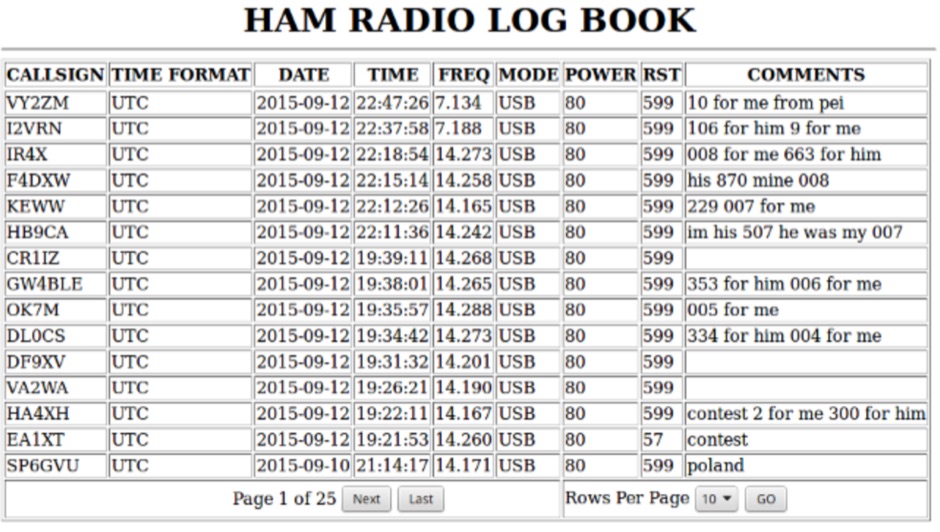 Call Book Log 3.0 is a web-based logging solution for amateur radio operators, designed for self-hosting on a web server with MySQL/MariaDB and PHP 7+ support. It provides a mobile-friendly interface for viewing, adding, editing, deleting, backing up, and restoring QSO logs. The software features a streamlined setup process, allowing users to quickly deploy a personal logging system accessible via any web browser. Key functionalities include displaying the last **5** contact dates for previously worked stations, enhancing log management by providing immediate historical context during QSO entry. The system also includes a central administrative section for authenticated users to manage log entries. The 3.0 version represents a significant code overhaul, focusing on improved performance and a more *visually appealing* user experience compared to earlier iterations. Enhancements include better pagination, a redesigned menu with icons, and color-changing rows for improved readability. The add log page now incorporates a one-click time update feature, addressing user feedback regarding time synchronization during rapid QSO entry. This iteration builds upon previous versions like 2.1, which corrected an automatic _UTC date_ bug, and 2.0, which featured a full rewrite to resolve browser quirks and optimize search functions. The software's evolution demonstrates a commitment to functional stability and user interface refinement.
 -
 My Ham Shack - Personal Ham Shack Web Pages - At MyHamShack you get a free personal web page for your shack - Your Shack. Your Ham Shack Pictures, Blogs and Projects.
 -
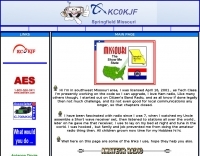 The **KC0KJF** personal amateur radio page provides a collection of resources for fellow hams, particularly those interested in operations within southwest Missouri. It offers detailed listings for **Missouri repeaters** on both 2 meters and 70 centimeters, serving as a practical reference for local VHF/UHF communication. The site also includes information about the operator's station setup and antenna projects, such as a dipole and a bazooka antenna, which can offer insights into basic antenna construction and deployment. Beyond local repeater data, the page features links to the FCC Part 97 rules, essential for understanding amateur radio regulations. The operator, licensed as a Technician Class since April 16, 2001, shares his journey from Citizen's Band Radio to amateur radio, driven by a lifelong fascination with shortwave listening. This narrative provides context for the resource's focus on practical operating information and foundational regulatory knowledge. Additional content covers specific equipment like the 2-meter/70-centimeter Arrow Antenna, useful for hams considering portable or fixed station VHF/UHF setups.
 -

-
 Personal web page of Gerardo Pe?a. From Cuenca, in the South Center of Ecuador.
 -
 My personal page with a lot of INDIA FOX QSL Cards over 100.
 -
-
 Personal home pages of John g4xgt Ten FM,DRM,sporadic "E" and Ham links
 -
-
 Personal web pages with logs, information on learning cw and operating in CT-land.
 -

-
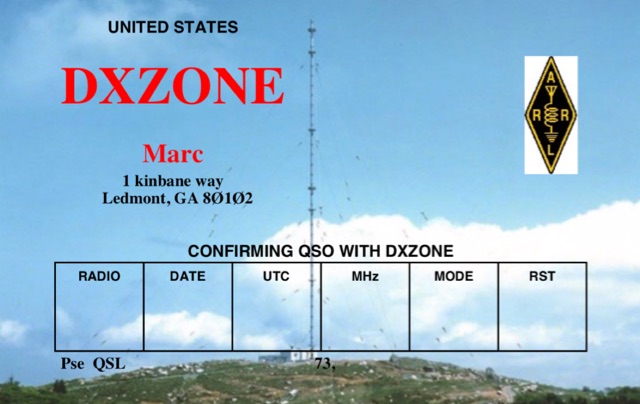 This webpage allows you to create custom QSL cards (confirmation of radio contact) as PDFs for printing. You can personalize them with images and information. The cards are standard size (5.5" x 3.5") but can be adjusted slightly for easier printing on regular paper. You'll need Adobe Acrobat Reader to view the PDFs. There's also an option to create a free account to save your information for future cards.
 -
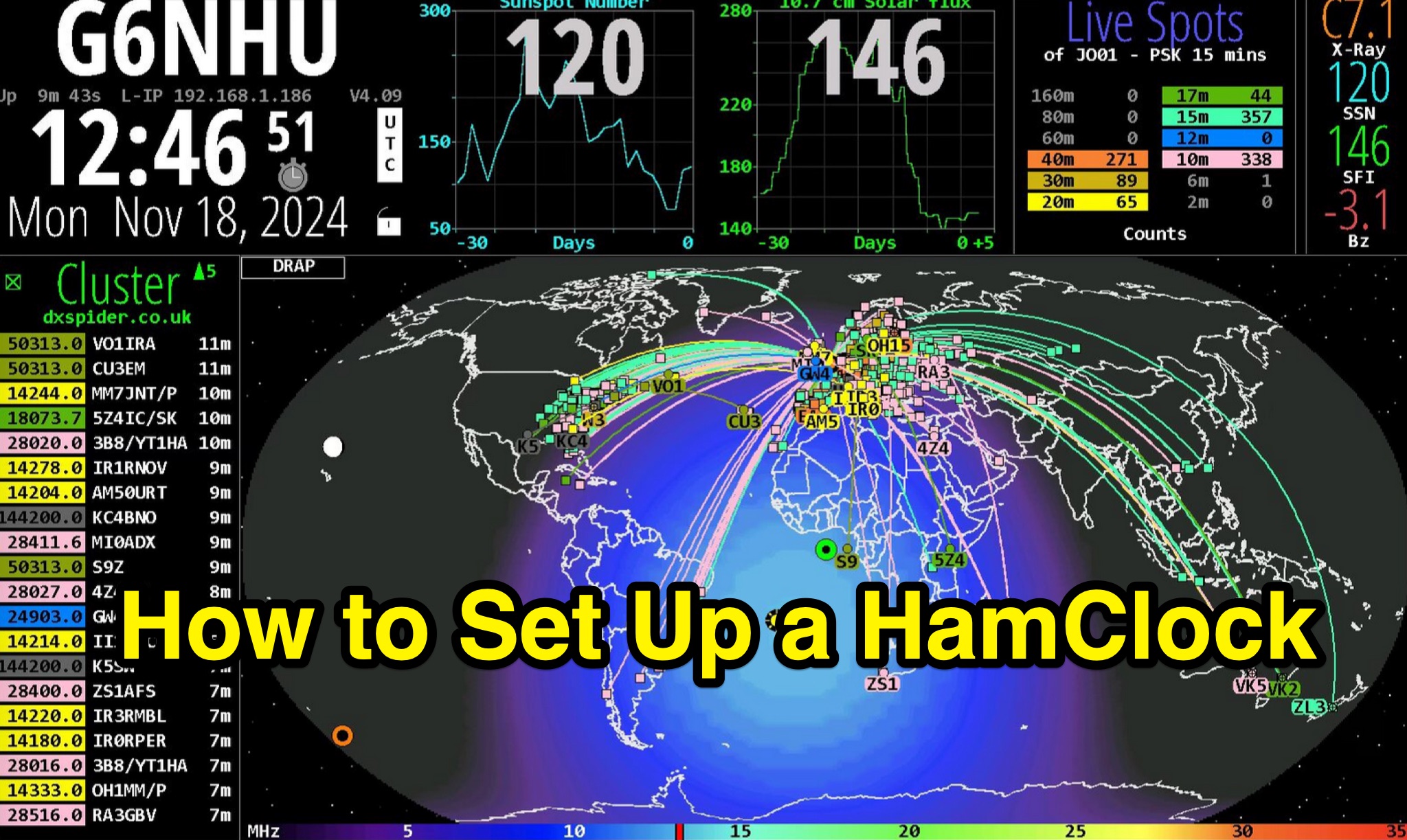 Demonstrates the complete process of setting up a _HamClock_ for an amateur radio shack, utilizing a Raspberry Pi and the HamClock 4.21 software. The guide meticulously covers hardware recommendations, including specific Raspberry Pi models like the Pi 4, suitable SD cards, power supplies, and display options. It provides step-by-step instructions for preparing the SD card with Raspberry Pi OS, performing initial system updates, and executing the HamClock installation script. Detailed configuration steps are outlined for HamClock's seven setup pages, addressing callsign, grid square, DX Cluster settings (e.g., `dxspider.co.uk` port **7300**), map centering, and crucial features like automatic space weather map rotation and auto-upgrades. The resource further explains how to customize HamClock's display panels, such as replacing default panels with a large DX Cluster display or a dedicated Space Weather panel. It illustrates configuring the Live Spots panel to show _PSKReporter_ data, filtering spots by grid square and time (e.g., **15 minutes**), and selecting specific bands for monitoring. The author, G6NHU, shares personal preferences for map types, recommending the DRAP style with Robinson projection for optimal amateur radio utility. Additionally, the guide provides specific DX Cluster filtering commands to manage spot overload, including methods to exclude data modes like FT8 and FT4, ensuring a cleaner display of relevant DX activity.
 -
 Personal page with photos and info on used equipment
 -
 Personal page with meeting photos and eleven meter maps too
 -
 Bienvenue sur ma page personnel ! Welcome to my personal web pages !
 -
 Featuring Eddystone, Classic British receivers (a history from 1898 - 1973) and Hubble-Bubble a personal web page
 -
 Personal web page with links
 -
 KC0DMH's **amateur radio homepage** provides a personal insight into the station and activities of Jonathan and Sara Imberi. The resource details the relocation of their online presence from QSL.net to a privately funded server, citing increasing site size and traffic volume as the primary reasons for the move. This transition indicates a commitment to maintaining a robust online presence for their ham radio endeavors. The site's move to **ham-shack.com** reflects a common progression for popular amateur radio personal pages, where growth necessitates dedicated hosting beyond free services. The call for donations suggests an effort to sustain the operational costs associated with a private server, ensuring continued availability of their content. This evolution highlights the dynamic nature of personal ham radio web presences and the community support often involved.
 -
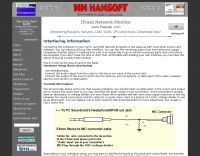 Demonstrates the fundamental principles for connecting a personal computer to a ham radio transceiver, specifically for utilizing sound card-based digital mode software like those in the MM Hamsoft suite. It details the basic hardware setup, emphasizing the use of shielded leads and proper audio routing from the radio's output to the sound card's input, and from the sound card's output to the radio's microphone or data input. The resource highlights the critical need for transmit attenuation, suggesting a 100:1 voltage divider to prevent overdriving the transmitter's audio stage, and mentions the optional addition of ferrite beads and decoupling capacitors for RFI mitigation. The guide also points to external resources for more detailed pin-outs and interface schematics, such as a specific QSL.net page, and recommends consulting the help files within MM Hamsoft programs for interfacing specifics. It underscores that while the process is straightforward, understanding the audio level management and proper cabling is key to successful operation. The author, VE5KC, provides practical advice drawn from common issues encountered by operators setting up digital mode stations.
 -
 Ham radio site with personal info, search facilities and some links pages
 -
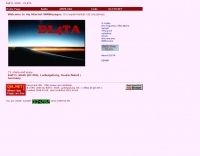 Personal homepage of DL4TA Ralf D. Kloth
 -
 Personal web page with some electronic projects like rotator controler AVROT, SWR Mega meter and personal amateur radio information
 -
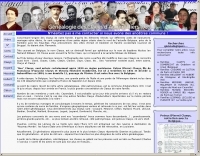 Displays a placeholder page indicating the upcoming launch of a personal website for F5MSU Bruno. The content briefly notes the operator's interests, including amateur radio, genealogy, and motorcycling. While the site is not yet active, it provides contact information for inquiries regarding the future content. The page is presented in French, catering to a European audience interested in personal profiles of ham radio operators and their diverse hobbies. The resource is categorized under Ham Radio/Personal Pages/Europe, suggesting an intent to share DXing, contesting, and general operator profiles.
 -
 Amateur Radio I0QM personal page with station and QSO information. Includes homebrew projects
 -
 The IK7IMP personal page provides details on the _Ham Portal_ software, an Italian-language application designed for managing amateur radio websites, including an online logbook feature. The resource also mentions the development of a J-pole antenna project, indicating a focus on practical radio construction and design. Content on the site covers general amateur radio topics, with specific mentions of equipment from manufacturers like Yaesu, Icom, and Kenwood, alongside antenna brands such as KLM and Tonna. The page serves as a hub for Icilio Carlino's amateur radio activities, offering insights into his interests in DXing, contesting (CW), and general radio operation. It also includes information relevant to the local amateur radio community in Lecce and Salento, Italy, referencing the Associazione Italiana Radioamatori (ARI) and the IQ7AF project.
 -
 SV2BXC Personal Amateur radio Web Page
 -
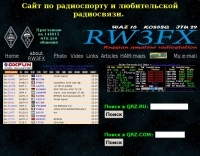 Personal page from Russian amateur radio station RW3FX
 -
 Presents the personal amateur radio presence of W2CZ Efrem, offering a glimpse into their engagement with the hobby. The page serves as a digital QSL card, affirming participation in the global amateur radio community. It provides a direct connection to the operator, typical of early personal web pages in amateur radio. This resource functions as a static online identifier for the callsign holder.
 -
 Personal webpage of AE7XQ with information for those starting out in amateur radio and those who are interested in CW and QRP.
 -
 The EA8ALP personal page, hosted on QSL.net, is currently inaccessible, presenting a 404 "Page Cannot Be Found" error. This resource was intended to feature Adelto, an amateur radio operator from the Canary Islands, likely detailing his station, operating activities, or other personal ham radio interests. The QSL.net platform, which hosts over 30,000 amateur radio websites, provides free web and email services to operators and organizations, relying on donations for support. While the specific content of EA8ALP's page is unavailable, the platform's structure suggests it would typically include information relevant to **DXing** and **contesting**, common interests for operators in geographically desirable locations like the Canary Islands. Users encountering this error are advised to contact the website owner directly or use an internet search to locate the intended content, as QSL.net cannot assist with individual site content issues.
 -
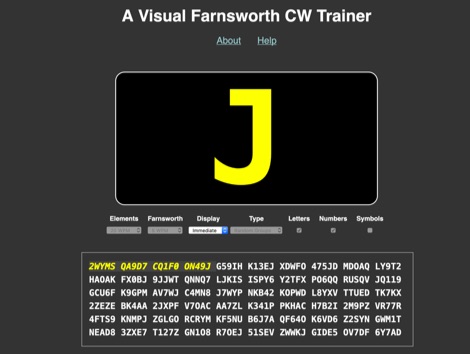 This trainer is a small personal project designed to play with learning morse code through the Farnsworth method. The main difference between this trainer and others is that I am experimenting with visual reinforcement by displaying the character currently being sent. It is my hope that this will help form a stronger link between the sound of CW and the meaning of the sound. This page should work in any modern desktop or mobile browser,
 -
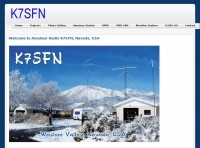 K7SFN personal page with some projects and pictures of his aerials
 -
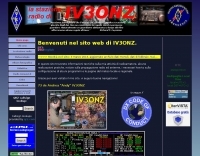
-
 There are quite a few variants of the design accompanied with many opinions on the effectiveness of the antenna. This page features links to some similar projects and a homebrewed personalized version of this portable antenna tuner
 -
-
 Personal Page UR4IOR from Ukraine, with some nice personal photos.
 -
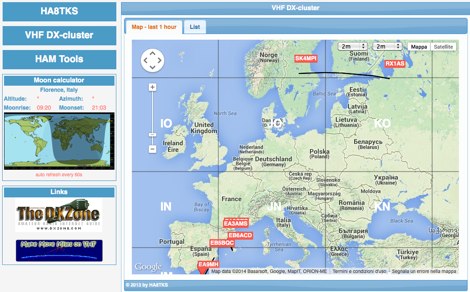 Home page with nice DX Tools, VHF DX Cluster map, QRB calculator and personal online log-book
 -
 Personal page with homebrewing articles by Y05OYR