Search results
Query: operator
Links: 998 | Categories: 118
Categories
- DX Resources > Beacons > 10 GHz Beacons
- Antennas > 70cm
- Operating Modes > Aircraft scatter
- Ham Radio > Clubs > North America > USA > Alabama
- Operating Modes > AM
- Antennas
- Operating Modes > APRS
- Operating Modes > APRS > APRS in USA
- Ham Radio > ARES RACES
- Ham Radio > Clubs > ARRL
- Ham Radio > Blogs > Asia
- Radio Equipment > Antenna Tuners > AT-Auto
- Operating Aids > Awards
- Operating Aids > Beginner's Guides
- Technical Reference > Software Defined Radio > Beginner's Guides to SDR
- Ham Radio > Blogs
- Ham Radio > Personal Pages > Brazil
- Ham Radio > Clubs > North America > Canada > British Columbia
- Radio Equipment > HF Portable Antenna > Buddipole
- Ham Radio > Clubs > North America > USA > California
- Ham Radio > Clubs > North America > Canada
- Ham Radio > Blogs > Canada
- DX Resources > Ham Radio Awards > Castle Awards
- Operating Modes > Morse code > Clubs
- Ham Radio > Clubs > North America > USA > Connecticut
- Ham Radio > Clubs > Contest Clubs
- DX Resources > Contest > Contest Stations
- Operating Modes > Satellites > CubeSats
- Operating Modes > D-STAR
- Software > Decoders
-
 Ham radio operators serving the Greater Fox Valley Area since 1924
 -
 The Michigan Radio Amateur Youth Network (MRAYN) aims to centralize resources for young operators across Michigan, fostering engagement in amateur radio. This initiative brings together various youth-related clubs and activities, providing a dedicated platform for information exchange and participation. The network supports educational efforts and promotes the hobby among younger generations, ensuring continuity and growth within the amateur radio community. Corey Bulock, KD8BOQ, is listed as a key contact for MRAYN, indicating active leadership in coordinating these youth-centric endeavors. The network's focus includes organizing events and sharing relevant content to keep young hams informed and active. By consolidating information, MRAYN simplifies access to opportunities for youth interested in two-way radio communication, from basic licensing to advanced operating techniques.
 -
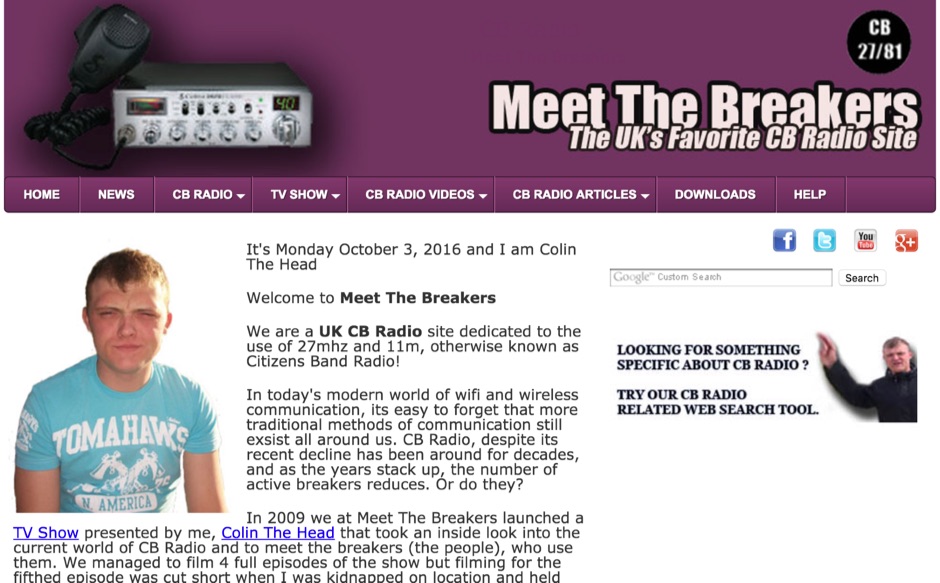 Meet The Breakers is a unique exploration of the CB radio culture in the United Kingdom, hosted by Colin The Head. This series delves into the lives of various CB radio enthusiasts, showcasing their setups, stories, and the vibrant community surrounding this hobby. Each episode features interviews with notable figures in the CB world, providing insights into their experiences and the equipment they use. The program not only highlights the technical aspects of CB radio, such as antennas and signal checks, but also captures the personal stories that make this hobby special. From collectors of rare equipment to modern-day users navigating the airwaves, Meet The Breakers offers a comprehensive look at the diverse personalities that contribute to the CB radio landscape in the UK. Whether you're a seasoned operator or new to the scene, this series is a valuable resource for anyone interested in the world of CB radio.
 -
 The Guelph Amateur Radio Club is an organization of like-minded men and women, most of whom are licensed amateur radio operators.
 -
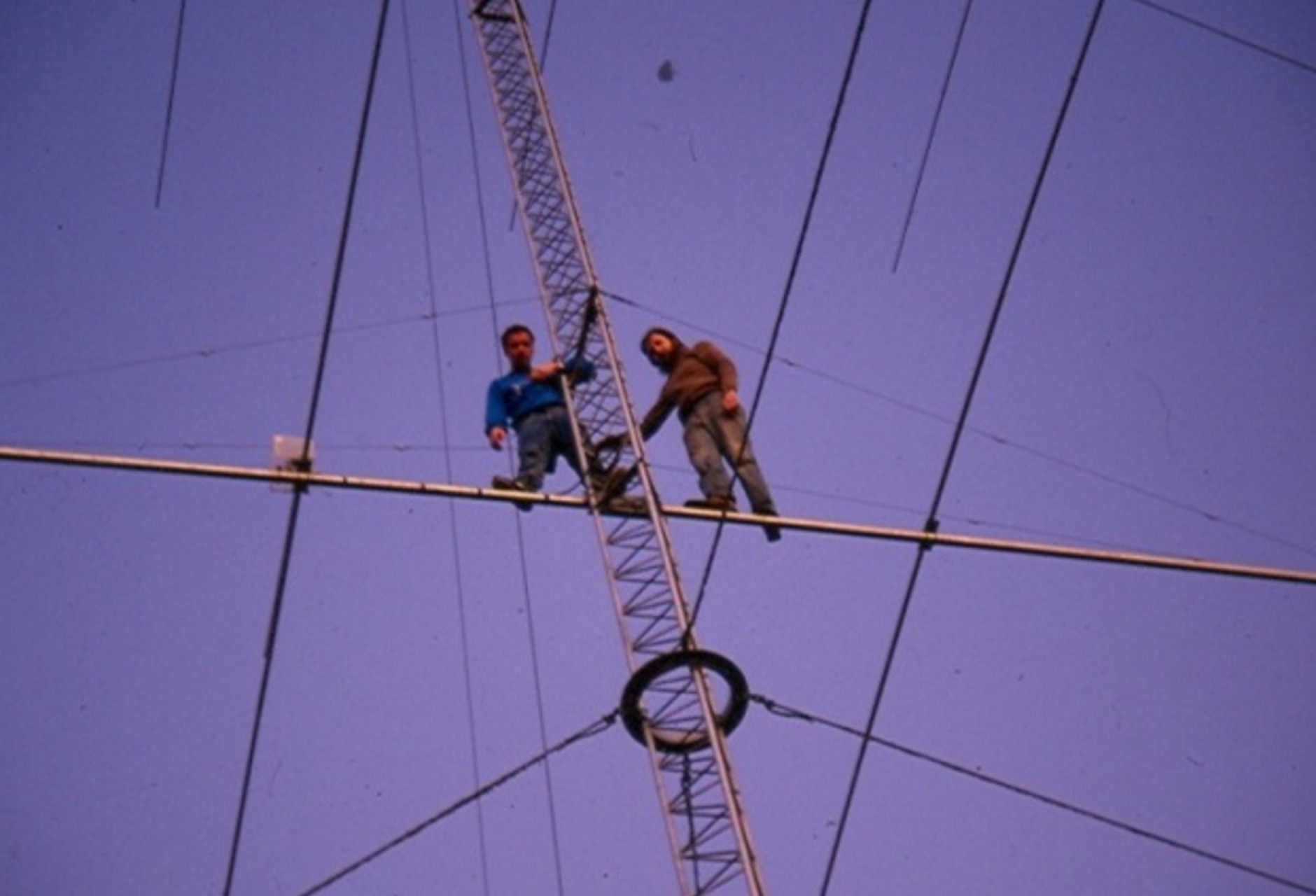 VK3MO, An inspiring Australian Amateur Radio operator
 -
 A close up of Doppler Shift, a phenomenon which is commonly observed by the lay person, yet still confuses many amateur satellite operators.
 -
 I am an EMT-B,an Incident Commander for NM Search and Rescue and an Amateur Radio Operator - KD5KTY Dedicated to the Preservation of Life through Search, Rescue and Education services.
 -
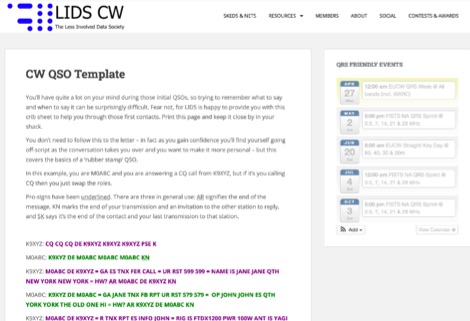 A sample morse code QSO template. In this page you can find a standard QSO message protocol between two operators.
 -
 The Metropolitan Amateur Repeater System's KJ6TQ repeater serves Los Angeles Area ham radio operators on 447.820 MHz
 -
 The original intent of this resource was to serve as the online presence for the Heart of Texas Ham Operators Group, identified by the callsign **WA5HOT**. This amateur radio club, based in Texas, would typically engage in local ham radio activities, potentially including field days, emergency communications support, and fostering camaraderie among its members. Such organizations often provide a platform for hams to share technical knowledge, organize **QSO parties**, and participate in community service events, contributing to the growth and public image of amateur radio. However, the current content of the page has completely diverged from its original purpose. It now features multiple articles in Indonesian discussing online gambling platforms like "Kawan Slot" and "Kuda Togel." These articles detail strategies for winning, managing finances in online gaming, and the features of these platforms, including AI recommendations, diverse game themes, and bonus programs. The shift in content indicates a complete repurposing of the domain, moving from a ham radio club site to a gambling-related information portal.
 -
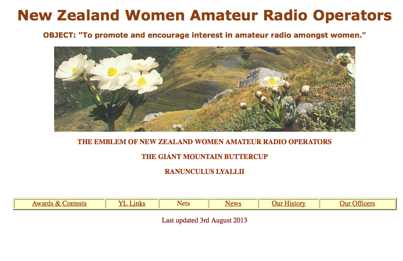 New Zealand Women Amateur Radio Operators, to promote and encourage interest in amateur radio amongst women.
 -
 Amateur Radio operators from the area around the town of South Lyon in Southeastern Michigan
 -
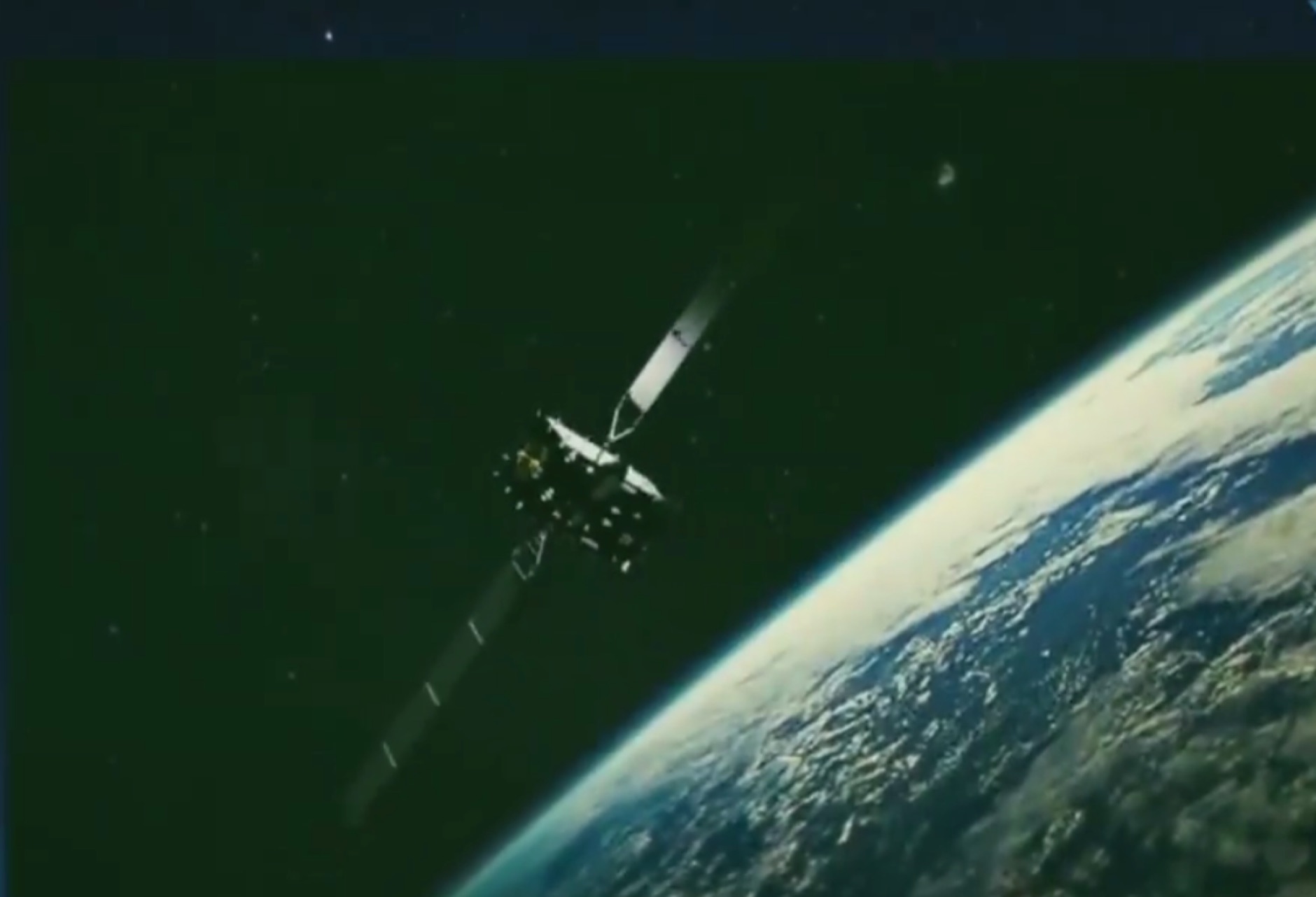 An exaustive article on how to receive the QO-100 geostationary satellite, that carries transponders usable by amateur radio operators
 -
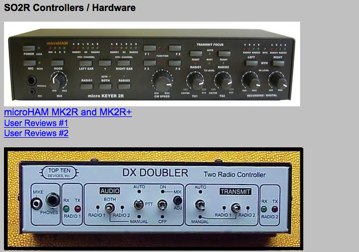 Single operator two radios, resources controllers and products
 -
 NJ2X is a licensed amateur radio operator (FCC Amateur Extra) who enjoys casting electromagnetic waves into the ether. NJ2X pursues many aspects of the hobby including chasing DX, participating in mini-DX expeditions, building equipment and antennas, and papering his shack walls with ARRL awards. NJ2X dedicates this amateur radio oriented site to helping others who also enjoy the greatest of scientific hobbies. The site is suitable for all readers - families, the young, and the young at heart.
 -
 Replica of David Sarnoff\'s Key, Marconi operator at Station WHI
 -
 The AA4F Key Contact Cleaner is designed for maintaining key contacts, ensuring reliable operation in 2-way radio communications. **Regular use** of this cleaner can significantly improve contact performance, reducing the risk of intermittent signals. It is particularly effective for cleaning contacts on various key types, including _straight keys_ and _paddles_. Proper maintenance extends the lifespan of your equipment, ensuring consistent operation during contests and DXing activities. Users report improved key responsiveness and reduced key chatter, which is crucial during high-pressure operating conditions. Regular cleaning can prevent oxidation and buildup, which can lead to erratic key performance. This product is essential for serious operators who rely on their equipment for successful communication.
 -
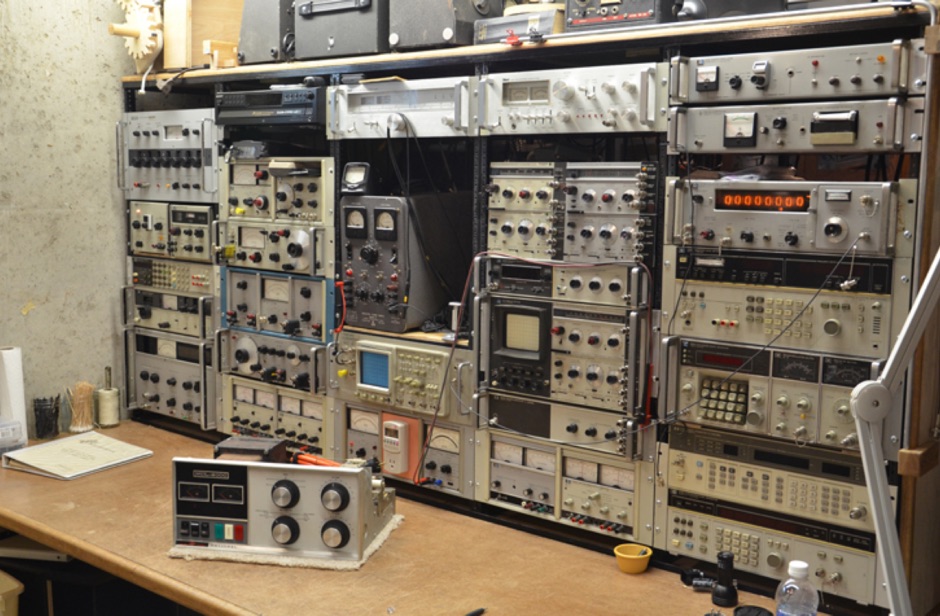 A page with several testing and measurement resources usefull for those ham radio operators who needs to align or repair their own radio equipment.
 -
 Here you will find information on how to become a HAM Radio operator, how to use your radio, and how to get involved here in the Nacogdoches area
 -
 Czech Castles Award is given to any amateur radio operator who can provide confirmation of contacts with radiostations from castles and fortresses in Czech Republic.
 -
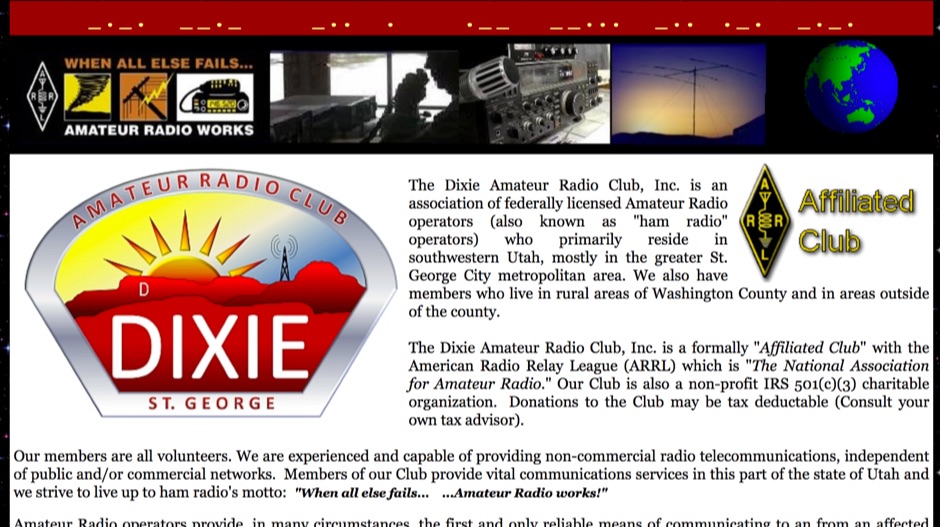 The Dixie Amateur Radio Club, Inc. is an association of federally licensed Amateur Radio operators (also known as "ham radio" operators) who primarily reside in southwestern Utah, mostly in the greater St. George City metropolitan area.
 -
 The Poole Amateur Radio Society (G4PRS) conducts weekly meetings every Thursday from 19:30 to 22:00 at St Aldhelms Church Hall in Branksome, Poole. The society provides comprehensive training courses for all levels of amateur radio licensing, including Foundation, Intermediate, and Advanced qualifications, supporting new entrants and experienced operators in their progression through the UK licensing structure. Members engage in diverse aspects of the hobby, fostering a vibrant community for local hams. Key activities include participation in various contests and events, reflecting a broad interest in radio communications. The society's commitment to education is evident through its structured _licence training_ programs, which prepare candidates for RCF examinations. The club maintains an active presence, with interests spanning general amateur radio operation, contests, and technical experimentation, as indicated by its historical association with figures like _Marconi_ and its support for events such as JOTA.
 -
 The Lake Country Amateur Radio Service consists of interested amateur radio (Ham Radio) operators from the Virginia and North Carolina counties that surround Kerr Lake and Lake Gaston. Our members have a variety of interests and backgrounds, bringing rich and varied experiences to the club membership.
 -
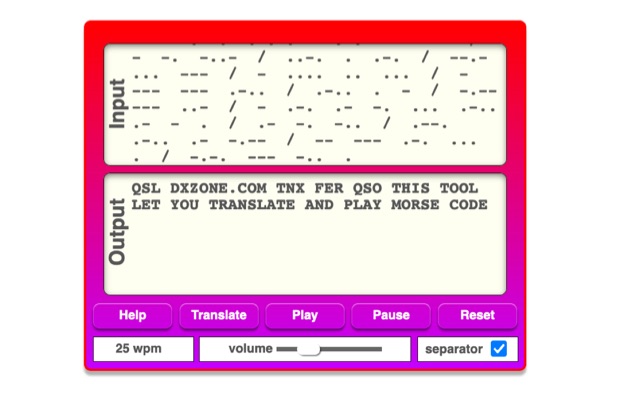 The online Morse code translator and decoder provides functionality for converting plain text into Morse code and decoding Morse code back into text. Users can input text directly into a designated box for translation to Morse, with the tool ignoring characters that lack a Morse equivalent. Conversely, Morse code can be entered using periods for dots and minus signs for dashes, requiring a single space to separate letters and a forward slash to delineate words. The interface also supports direct Morse input via a button, where a half-second pause separates letters and a 1.5-second pause separates words. The resource details the historical context of Morse code, noting its invention by _Samuel F.B. Morse_ in the 1830s for telegraphy, and its continued use by amateur radio operators for recreational purposes and emergency signaling, such as the **SOS distress signal**. Guidance on learning Morse code suggests using online translators for practice and listening to amateur radio transmissions. The tool offers an audio playback feature for translated Morse, allowing users to hear the code at various words per minute (WPM) settings. It also includes a visual chart to aid in memorizing the dot and dash sequences for the alphabet.
 -
 he State Of Jefferson Operators' United Relay Network and Emergency Radio Society
 -
 The G5O Contest Group blog documents contest operations and related activities of the Stockport Radio Society. It covers various **HF** and **VHF** contests, providing insights into station setup, antenna configurations, and operational strategies employed during events. The content frequently includes post-contest analyses, discussing scores, propagation conditions, and technical challenges encountered. The blog entries detail specific contest participations, often featuring photographs of the operating environment and equipment used. It serves as a chronicle of the group's contesting history, offering practical examples of multi-operator station management and logistical planning for competitive amateur radio events. The group's focus on both local and international contests is evident through the range of events covered. Regular updates provide a continuous record of the group's engagement in the amateur radio contesting community.
 -
-
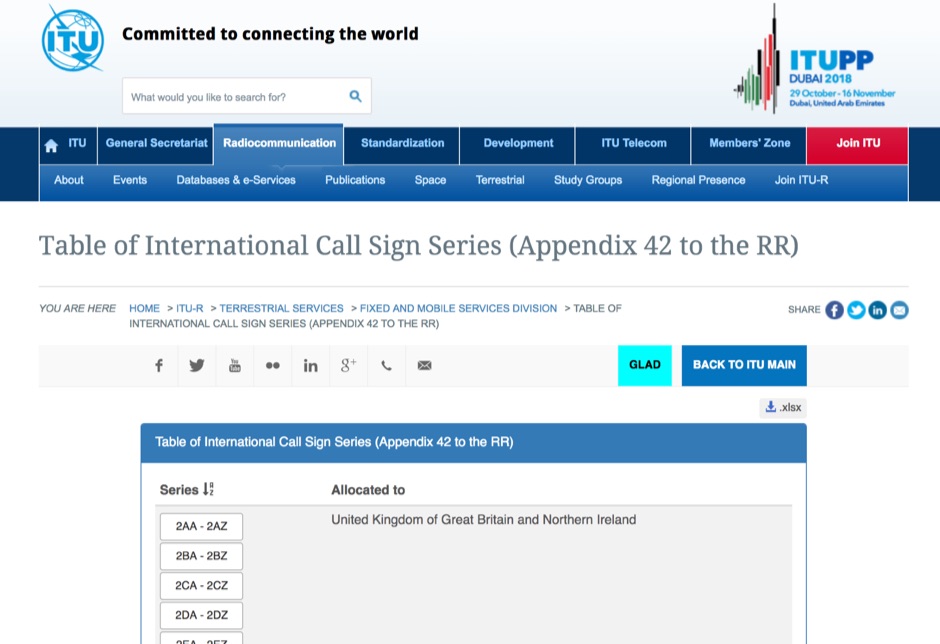 Appendix 42 to the Radio Regulations, published by the International Telecommunication Union (ITU), serves as the authoritative global reference for assigning call sign series to countries. This essential resource allows radio operators, including those in the amateur service, to accurately identify the national origin of a station based on its callsign prefix. It is fundamental for DXers, contesters, and anyone involved in international two-way radio communication, ensuring correct country identification for awards like _DXCC_. The table details the specific blocks of call signs allocated to each administration, facilitating the unambiguous determination of a station's geographical location. For instance, prefixes like K, W, N, and AA-AL are assigned to the United States, while G and M series denote the United Kingdom. Understanding these allocations is crucial for logging contacts and verifying QSLs. This ITU publication is regularly updated to reflect changes in national assignments and new allocations, maintaining its accuracy as the definitive source for call sign series worldwide. It underpins the global framework of radio communication.
 -
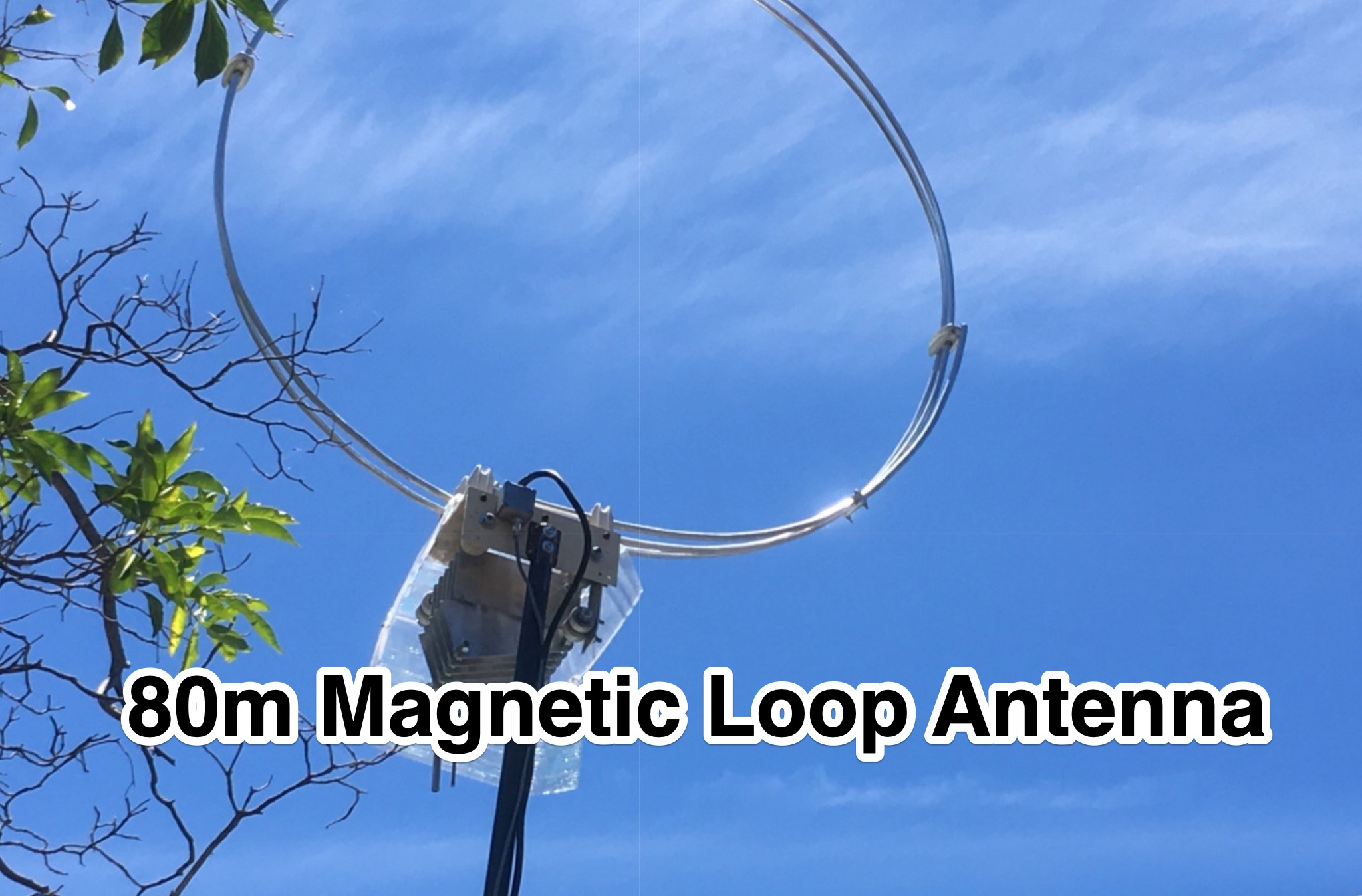 This PDF document provides a detailed guide on designing an 80m loop antenna. The content covers the construction, setup, and tuning of the loop antenna, offering practical tips and considerations for optimal performance. Whether you are a beginner looking to enhance your radio communication capabilities or an experienced operator seeking to improve your antenna system, this resource serves as a valuable reference for building an effective 80m loop antenna.
 -
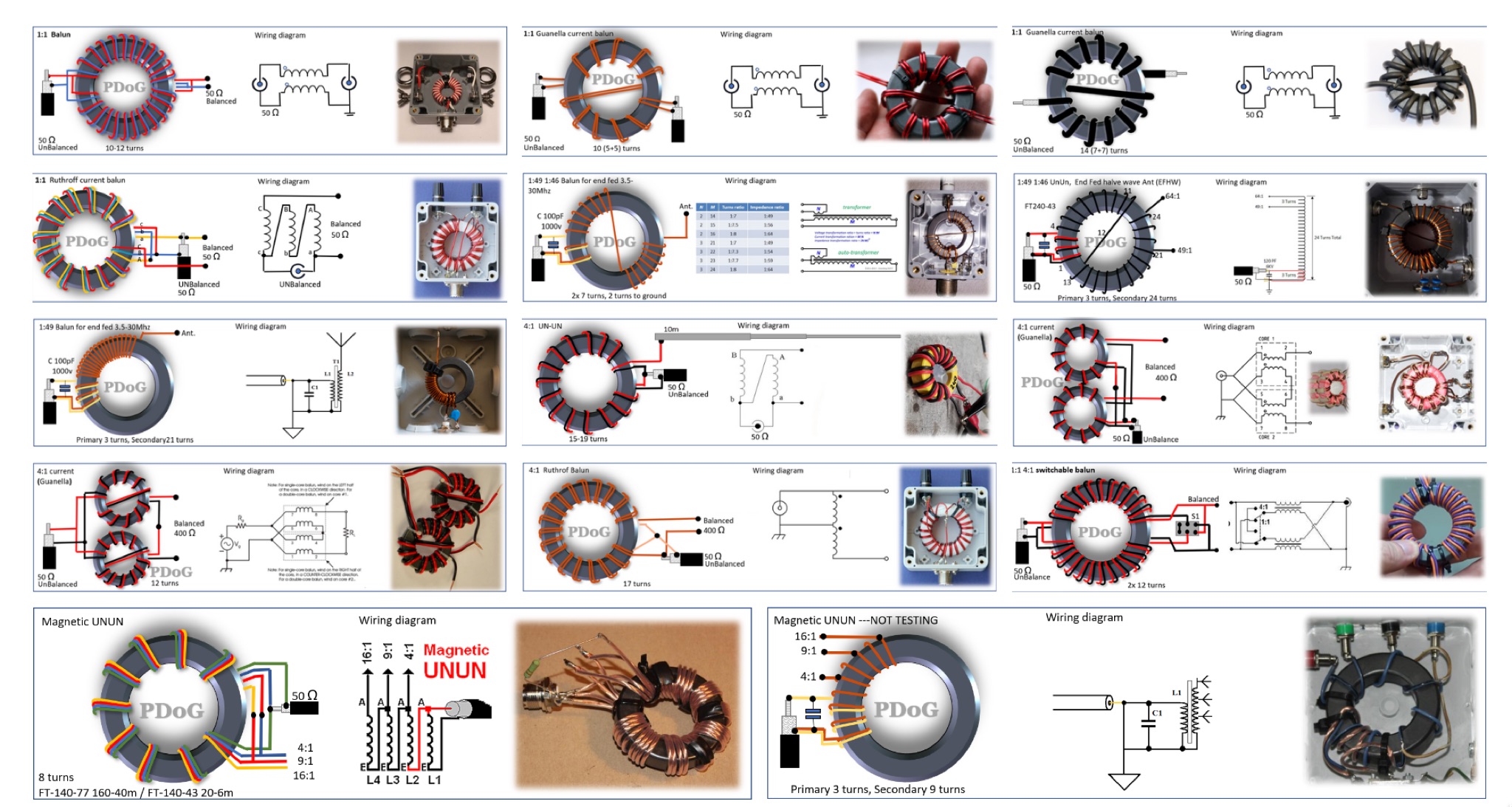 This page provides a detailed guide on the Guanella Current Balun for ham radio operators. The author shares very nice schematics, photos, and explanations on the construction and use of this type of balun. The content explains when a balun is needed and how it can help with common-mode currents in antenna systems. It also discusses the construction process, including winding the balun around a ferrite core. This resource is useful for hams looking to improve their antenna systems and reduce common-mode currents for better performance. This article is in Dutch.
 -
 Northern Michigian Amateur Radio Club Inc. was founded on the principles of providing services to the local area Amateur Radio Service Groups and to public.This group of license amateur radio operator provide Emergency Communication during the time of weather related,disasters and man made emergencies.
 -
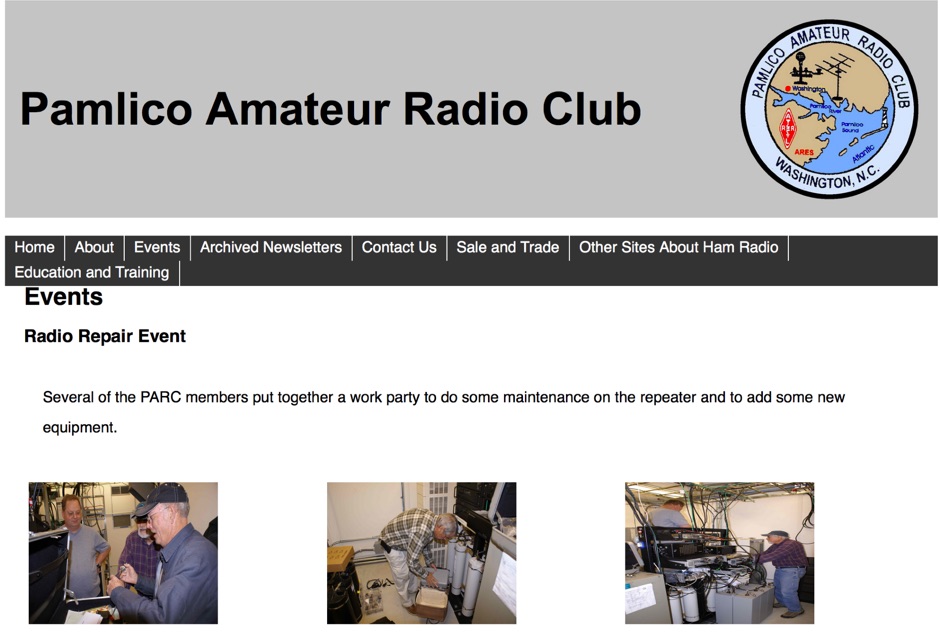 The Pamlico Amateur Radio Club (PARC), founded in 1994 and incorporated as a 501(c)(3) non-profit, provides a community hub for amateur radio operators in the Inner Banks region of North Carolina. Affiliated with the _ARRL_ since 2011, PARC supports local ham radio activities and offers resources for those living or traveling near the Pamlico River. The club maintains an active presence, participating in events like Field Day and offering various operating opportunities. Members engage in diverse aspects of the hobby, from DXing to emergency communications, fostering skill development and camaraderie. The club's focus extends to public service, providing communication support when needed within its operational area. PARC's commitment to the amateur radio community is evident through its long-standing presence and continuous engagement, reflecting over **30 years** of service since its establishment.
 -
 The Northwest Amateur Radio Society was established in 1985 and serves amateur radio operators in the suburban FM 1960 area NW of Houston.
 -
 A ham radio blog primarily focused on newbies and those interested in the hobby. Covers a wide area of subjects that might be of interest to Amateur Radio operators, and material that can be used to study for the Amateur Radio tests.
 -
 The Nechako Radio Club was formed in the summer of '93 to provide a common meeting point for the local area amateur radio operators.
 -
 Offers a range of high-performance RF interconnect solutions, addressing the critical need for reliable signal integrity across diverse radio frequency applications. Their product line includes custom cable assemblies, various **RF connectors** (such as SMA), adapters, and terminators, designed to meet stringent specifications from DC up to 40 GHz. These components are essential for maintaining low insertion loss and excellent VSWR in demanding environments, from test benches to operational communication systems. The company specializes in providing tailored solutions for both commercial and government sectors, emphasizing precision manufacturing in Warner Robins, Georgia. Their offerings are crucial for engineers and operators requiring specific lengths, connector types, and performance characteristics for their radio equipment and test setups. Ensuring robust connections and protection against transient voltage events, their **surge protectors** are integrated into systems to safeguard sensitive electronics from damage, a common concern in outdoor or high-power installations.
 -
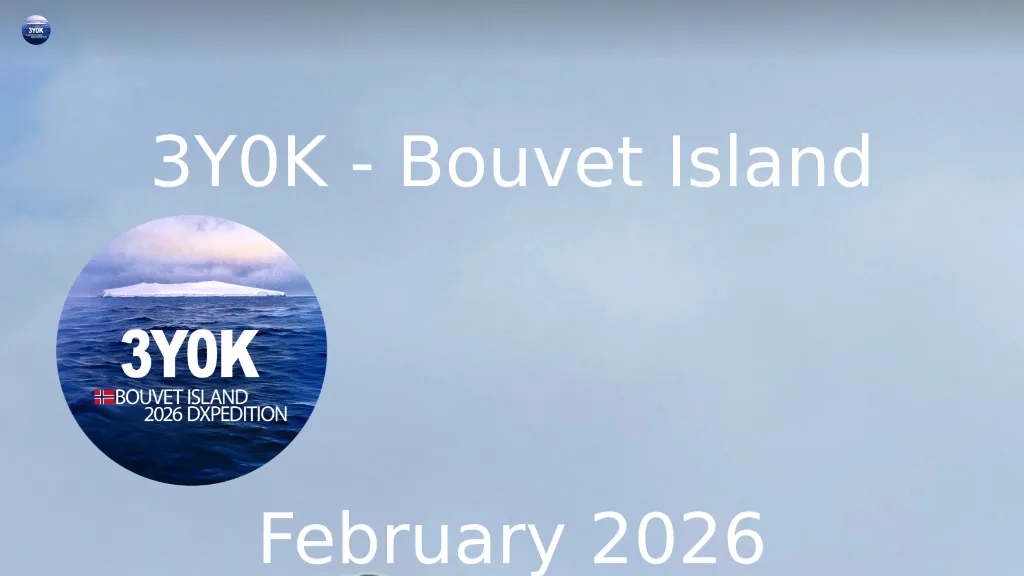 The 3Y0K website is the official platform for the Bouvet Island DXpedition scheduled for February 2026. It serves as a comprehensive resource for amateur radio operators, providing essential information about the expedition, including updates on operations, band availability, and communication modes such as FT8 and CW. The site aims to keep the amateur radio community informed about the expedition's progress and activities, encouraging participation and support. Users can find details on how to donate to the expedition and contact information for inquiries, as well as links to social media for real-time updates and community engagement. In addition to operational details, the 3Y0K site offers various resources for those interested in DXpeditions. It highlights the significance of Bouvet Island as a rare DXCC entity and outlines the logistical challenges faced by the team. The website is designed to be user-friendly, featuring a clear layout that allows visitors to navigate easily through the information. Overall, the 3Y0K website is a valuable resource for amateur radio operators looking to engage with the Bouvet Island DXpedition and enhance their understanding of amateur radio operations.
 -
 Over 25 years of experience in custom brass casting informs the production of personalized amateur radio call sign belt buckles. These solid brass buckles are crafted using traditional sand casting methods, ensuring a unique, durable product for radio operators. Each piece is hand-poured and polished in Washington State, reflecting a commitment to quality craftsmanship. The manufacturing process begins with a customer's idea, which is then translated into a graphic proposal. Upon approval, patterns are created for the custom edition. An antique foundry press compresses specially formulated sand around these patterns, followed by hand-pouring molten brass into the molds. After cooling, the castings are sandblasted, inspected, and meticulously polished by skilled craftsmen. Northwest Brass Works provides a lifetime guarantee on the buckle hardware, offering repair or replacement for any breakage. They also offer guidance on maintaining the polished luster of the brass using products like _Nevr-Dull_, ensuring the buckle's longevity and appearance for many years of wear.
 -
 The Itchen Valley Amateur Radio Club (IVARC) provides a local hub for radio amateurs in the Southampton and Winchester areas of the UK. This club actively participates in various UK contesting events, including the weekly _RSGB VHF UKAC_ contests, _RSGB AFS club contests_, and _BERU contests_, alongside annual UK field days. As a _Brickworks Accredited_ club, IVARC is committed to supporting both new licensees and experienced operators in exploring diverse aspects of the hobby, fostering skill development and operational experience. Meetings are held on the 2nd and 4th Friday of each month at the Bianchi Suite, Otterbourne Village Hall, offering a consistent schedule for members and visitors. The club's recent activities include supporting _Jamboree On The Air_ (JOTA) for local Scout groups (e.g., GB1ESG), activating special event stations like _GB0SR_ from Solent Rescue Lifeboat Station, and organizing club visits to significant historical sites such as Bletchley Park. IVARC also hosts events like QRP Day and National Field Day, providing practical operating opportunities and fostering camaraderie among members.
 -
-
 The Tennessee Contest Group (a.k.a. TCG) is a group of Amateur Radio operators (hams) who enjoy operating in competitive radio sporting events or contests.
 -
 The Gippsland Gate Radio and Electronics Club Inc. (GGREC) is a group of amateur radio operators and electronics enthusiasts who promote all aspects of hobby telecommunications, computers and electronics
 -
 This page delves into the Inverted V antenna, a source of myths among ham radio operators. The author explores the behavior of this antenna type with a focus on a 20m half-wave dipole positioned 10m above the ground. From Pythagoras to high school math, the article simplifies the calculation of dimensions and angles for setting up an Inverted V antenna. It includes a spreadsheet for calculating hypotenuse length and angles, crucial for antenna setup. Additionally, it provides insight into the radiation pattern of a 'flat' half-wave dipole at 10m height. Useful for hams planning to optimize their antenna setup. In Norwegian.
 -
 Operating in the Caribbean, the Jamaica Amateur Radio Association (JARA) provides a central hub for amateur radio enthusiasts on the island. The association details its **repeater network**, including IRLP node 7673 and ECHOLINK access, alongside information on band activity and packet radio operations. Members can access specific documents like the JARA Membership Form and the JARA Disaster Plan, while general visitors can review the full JARA Regulations and learn about the club's history. The site features a photo album and outlines various radio activities, including what constitutes a JARA Field Day. It also provides essential resources such as the Reciprocal License Form and Jamaica Amateur Radio Regulations, crucial for visiting operators. The **WINLINK Project** and Radio Voice Procedure are also covered, offering practical guidance for communications. JARA maintains affiliations with international bodies like **IARU Region II**, ARRL, and RSGB, and lists important organizations such as SATERN 14.265, Jamaica Red Cross, and the National Hurricane Center. The website also includes links to other amateur radio clubs across North America, the Caribbean, and Central and South America, fostering regional and international connections.
 -
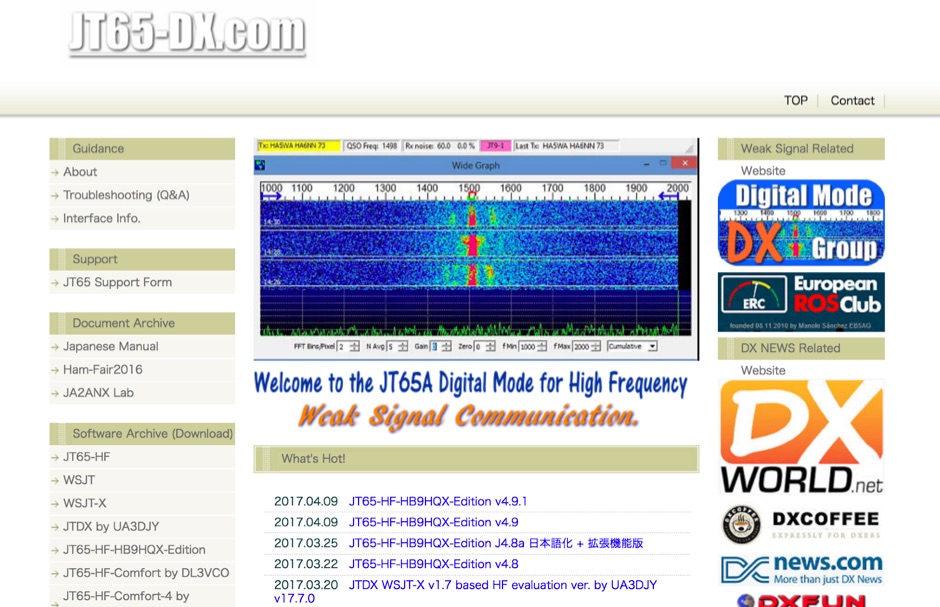 JT65 software download archive for all JT65 editions, includes a JT95 and JT9 operating mode informations, JT65 reference website for Japanese operators.
 -
 Amateur radido station KB1HNZ operator Tim Watson, Gorham, Maine.
 -
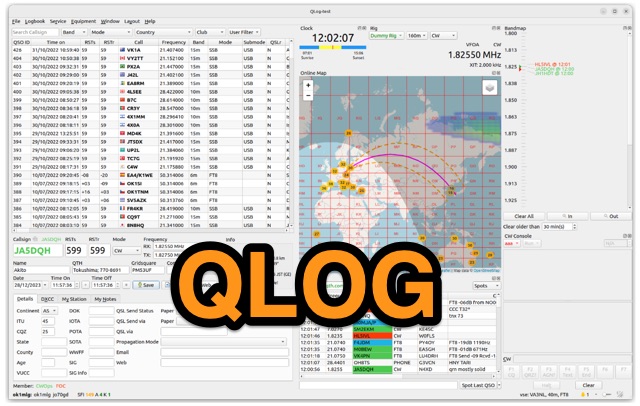 Provides a robust logging solution for amateur radio operators across multiple operating systems, QLog simplifies the process of recording contacts and managing station data. It leverages the _Qt framework_ for its graphical user interface and stores all QSO information efficiently in a local SQLite database, ensuring data integrity and accessibility. This design choice supports a streamlined user experience for daily logging activities. QLog supports essential logbook functionalities, enabling hams to accurately document their two-way radio contacts. While not specifically designed for high-speed contest operation, it serves as a reliable tool for general amateur radio logging, allowing operators to maintain detailed records of their on-air achievements and station activities. Its cross-platform compatibility, including Linux, Windows, and macOS, makes it a versatile option for a wide range of amateur radio enthusiasts seeking a free and functional logging application. The project is a fork from _7h0ma5/QLog_, indicating a continued development path.
 -
 Presents an online callbook specifically for amateur radio operators within Serbia, offering a searchable database of YU callsigns. The resource allows users to query individual callsigns to retrieve associated station information, including operator details and licensing status. It also features a complete list of callsigns registered with the Amateur Radio Union of Serbia, providing a comprehensive directory for the region. The platform includes statistical summaries related to Serbian amateur radio, such as the total number of active licenses and distribution patterns. It displays the last modification date for the underlying data, indicating the currency of the information provided. The web interface is version 1.1.7, developed by YT9TP, ensuring a consistent user experience for accessing Serbian amateur radio data.
 -
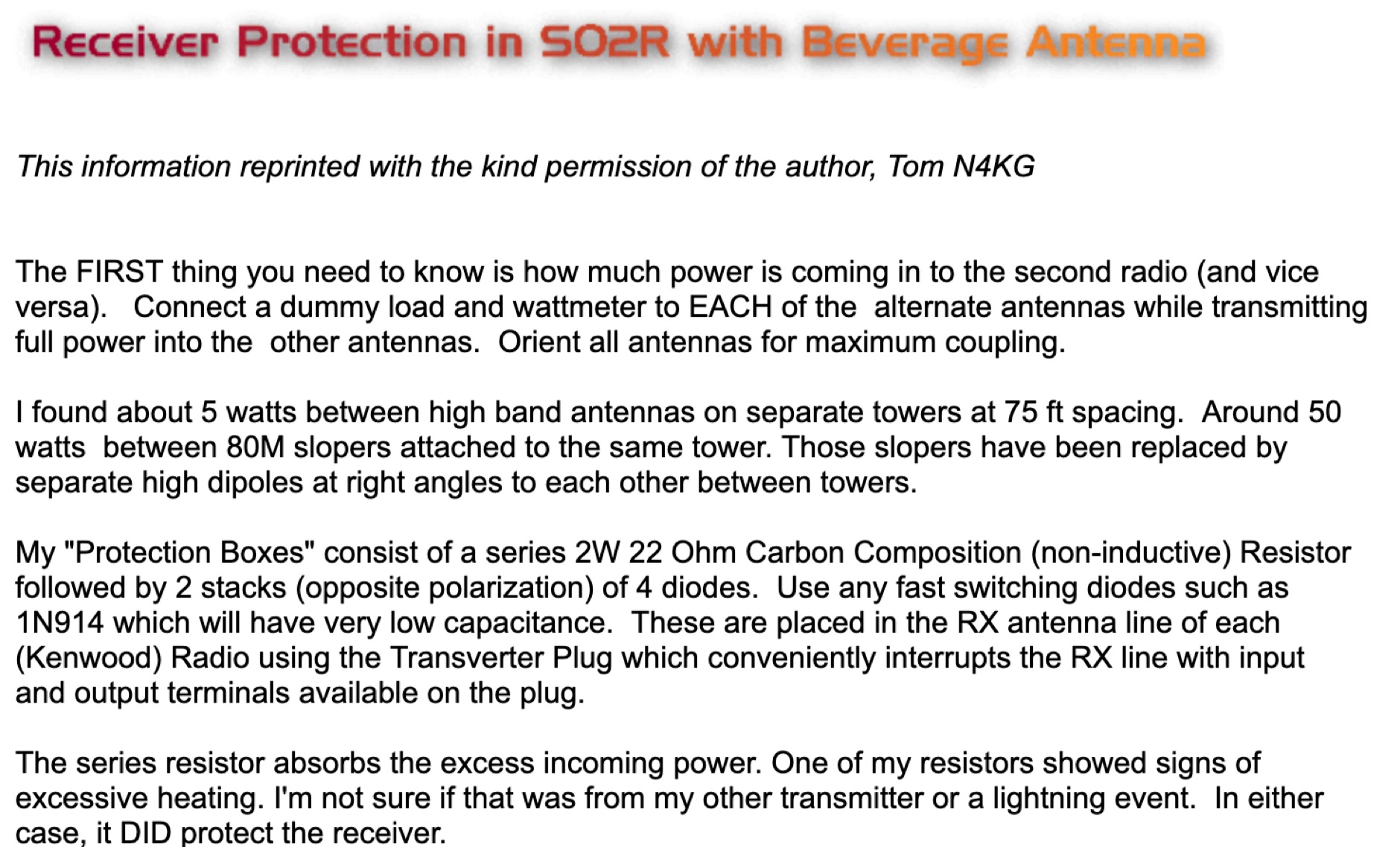 Operating in a Single Operator Two Radios (SO2R) setup, especially with beverage antennas, often exposes the receiving radio's front-end to significant RF energy from the transmitting radio. This resource details a practical, homebrew receiver protection circuit designed to mitigate this risk. The core of the design involves a non-inductive 2W 22 Ohm carbon composition resistor in series with the RX antenna line, followed by two stacks of four fast-switching diodes (e.g., _1N914_) configured in opposite polarizations. This arrangement effectively clamps the incoming voltage to approximately 2.8 V peak-to-peak, safeguarding sensitive receiver input components. The series resistor plays a crucial role by absorbing excess power, preventing the diodes from exceeding their current ratings and potentially failing open, which would leave the receiver unprotected. The author, _N4KG_, measured up to 50 watts of coupled power between 80M slopers on the same tower, highlighting the necessity of such protection. The design is presented as a cost-effective solution to prevent damage to receiver input transformers, with the author noting successful protection of a receiver even after a resistor showed signs of overheating. This simple circuit can be integrated via a transverter plug, offering a robust defense against high RF input.
 -
 The RACES ARES Disaster Assistance Repeaters (RADAR) group was formed by a team of amateur radio operators dedicated to providing high quality repeater communications for amateurs involved in public service communications or response to emergency/disaster situations.