Search results
Query: http:
Links: 15302 | Categories: 0
This query is too generic. Please try adding an additional term to focus your research.
-
-
-
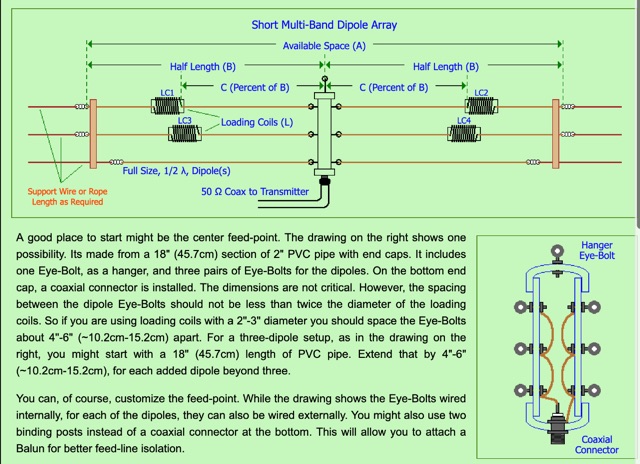 A 60-foot available space, for example, might necessitate a shortened multiband dipole array to cover 80, 40, and 15 meters effectively. This resource details the construction of such an antenna, combining full-size and coil-loaded dipoles on a single feedline. It addresses the common challenge of fitting multiple HF bands into restricted physical footprints, providing practical guidance for hams with smaller backyards or portable operations. The core of the offering is an interactive calculator that determines required loading coil inductance and dipole lengths for various amateur bands from 160m to 10m. Users input their available space, and the tool provides dimensions, coil turns, and an efficiency rating (Good or Fair) based on the antenna's electrical length relative to a quarter-wavelength. It also suggests suitable _PVC_ pipe diameters for coil forms. The article further illustrates a center feed-point assembly using an 18-inch section of 2-inch _PVC_ pipe, detailing eye-bolt spacing and coaxial connector installation. It emphasizes the importance of adequate spacing between parallel dipoles and offers customization options for the feed-point, including the addition of a _Balun_ for improved feedline isolation.
 -
 The Sutton & Cheam Radio Society has a 60 year history. We are an Affiliated Society of the Radio Society of Great Britain (RSGB) and are based in the London Borough of Sutton.
 -
 Palau T8GM (OC009) September 6-7 and 15-19 This is solo DXpedition and CW only. Station will be Elecraft K3 and ECO R7+ vertical for 40-10 meters.
 -
 Mali DX Pedition by Italian DXPedition Team 2012
 -
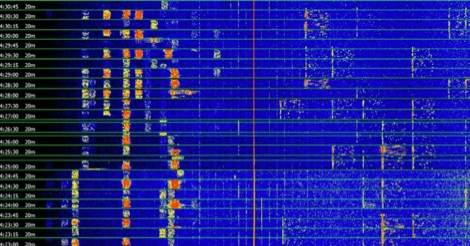 This article discusses how volume reduction can help in the reception of weak signals by reducing the noise level. It is commonly known that reducing the volume also reduces the background noise, and especially in the reception of weak digital signals it can be beneficial
 -
 By CE2NTT; 40-6m; SSB QSL via CE2NTT Direct
 -
-
 Documents the _5W0M_ DXpedition to Samoa (IOTA OC-097) conducted by a German team from April 4th to 18th, 2013. The resource provides operational details and insights into activating this Pacific entity. It covers the planning, execution, and on-air activities of the multi-operator team, focusing on maximizing contacts across various HF bands. The expedition successfully logged over **30,000 QSOs**, providing DXCC credit for many operators worldwide. The site serves as a historical record, allowing hams to review the expedition's progress and understand the logistical challenges of operating from a remote island. It highlights the strategic band choices and operating techniques employed to achieve a high QSO rate and reach diverse geographical areas.
 -
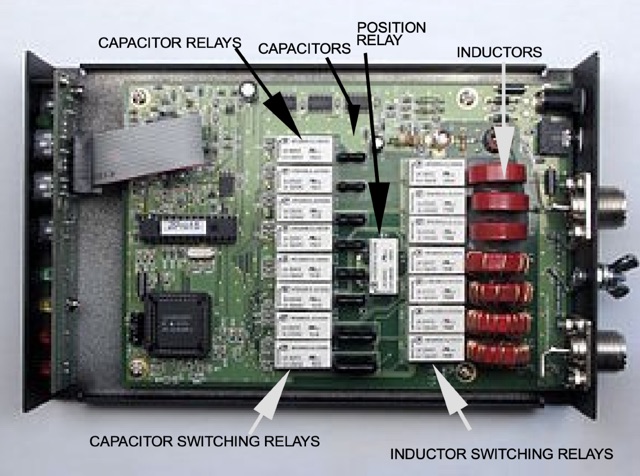 Collection of several topics on antenna tuners and their performance. Why use an antenna tuner? How does an antenna tuner…tune Does an antenna tuner fool the radio? Will an antenna tuner waste power? Can an antenna tuner help get more power to the antenna?
 -
 The Black River Amateur Radio Club (K8BRC) operates as a central hub for amateur radio enthusiasts within Van Buren County, Michigan, and its adjacent regions. This organization facilitates various activities, including local nets, educational initiatives, and community service events, all aimed at promoting the hobby and enhancing operational skills among its members. The club's focus on local engagement ensures a strong sense of camaraderie and mutual support among hams, from those just earning their _Technician_ license to seasoned DXers. Members frequently participate in field operations and emergency communications drills, applying practical skills in real-world scenarios. The club also maintains resources for new operators, offering guidance on station setup, antenna theory, and operating procedures. Their commitment to public service is evident through participation in events requiring reliable communication. K8BRC provides a platform for hams to share knowledge, collaborate on projects, and engage in on-air activities, strengthening the local amateur radio community. Many members have achieved **100** DXCC entities.
 -
 Microwaves101 provides an extensive repository of information covering fundamental principles of microwave design, targeting engineers and radio amateurs interested in the higher frequency spectrum. The site features a detailed _encyclopedia_ of microwave terms and concepts, alongside practical design considerations for various components and systems. It serves as a foundational reference for understanding RF propagation, transmission lines, and active/passive microwave circuits. The resource includes numerous calculators for impedance matching, filter design, and other critical RF parameters, facilitating hands-on project development. Discussions on **10 GHz** equipment and **24 GHz** projects highlight practical amateur radio applications, extending to operations up to 134 GHz. Content spans from basic theory to advanced topics like MMIC design and antenna characteristics, supporting both educational and practical endeavors in microwave technology.
 -
 The Radio Society of Tucson (RST) is a 501(c)(3) charitable organization that focuses on Communications For All by actively supporting a variety of Amateur Radio activities which are of interest by its members.
 -
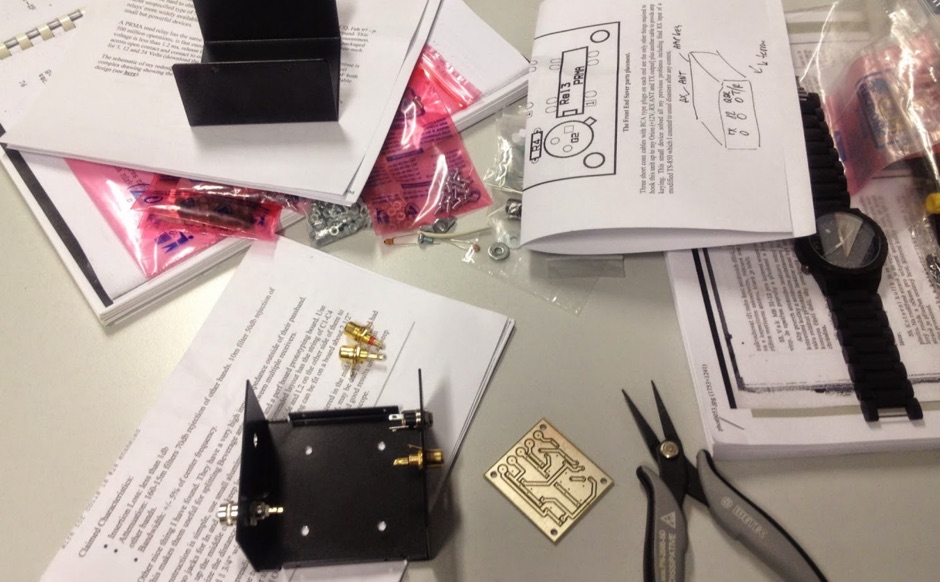 If You are using a separate receive antennas then you need a good protection circuit to eliminate the possibility of blowing out the receiver front-end while using these auxiliary receive antennas specially on low bands.
 -
 The Texas Slow Net (TSN) operates daily at 7:45 PM local time on 3570 KHz, serving as a dedicated traffic handling training net within the National Traffic System. It specifically caters to operators aiming to enhance their **International Morse Code** skills and learn proper CW traffic net procedures. Each session incorporates a traffic handling lesson delivered as a radiogram to all participants, reinforcing practical application. The resource provides guidance on effective Morse Code learning, emphasizing sound recognition over visual dot/dash counting, suggesting characters be sent at 15 words per minute with adjusted spacing. It recommends listening to W1AW code practice transmissions, setting goals with ARRL's Code Proficiency Program qualifying runs, and regular participation in NTS traffic nets. The content also references the ARRL's Public Service Communications Manual, particularly Section 2, which details the **National Traffic System**.
 -
 Useful Function for the Drake TR-7(A) \"Store\" Switch Add A Transmit Key Function
 -
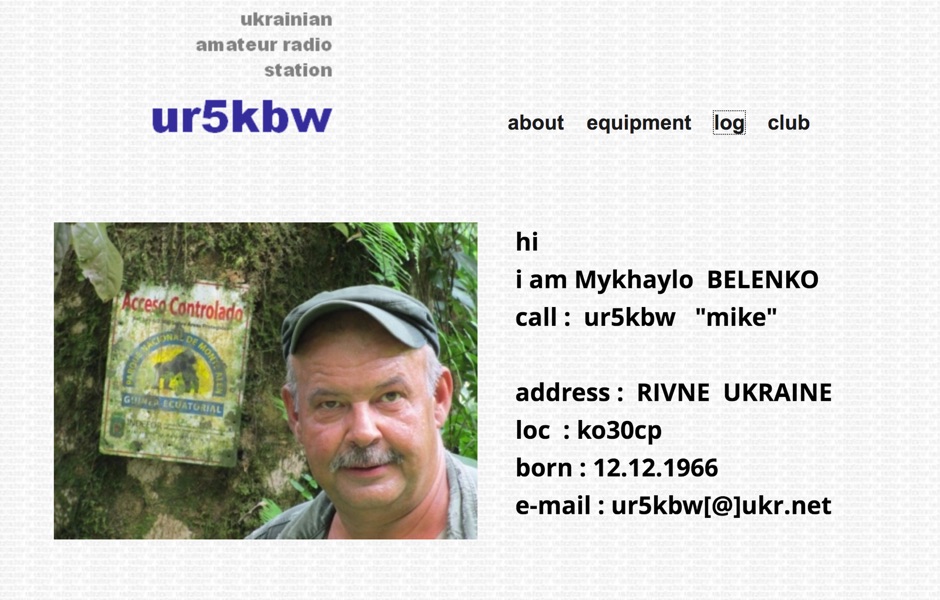 ur5kbw personal page with log, station info
 -
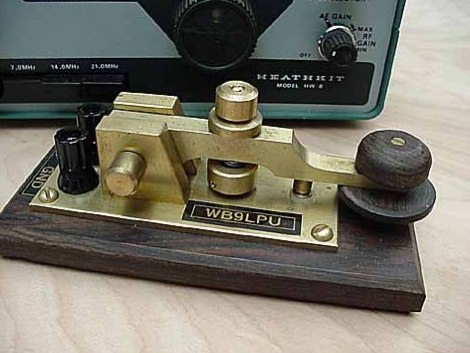 A collection of several morse keys and paddles
 -
-
 The Coulsdon Amateur Transmitting Society (CATS) website provides information on meeting schedules and an informational flyer. The content is concise and objective, catering to radio amateurs and technical users.
 -
 Worked DL Flora & Fauna award Germany
 -
 DXLook is a free, web-based propagation platform that delivers comprehensive, real-time insight into HF and VHF conditions directly from any modern browser. It aggregates live spots from PSK Reporter, WSPRnet, RBN, and DX Cluster, complemented by NOAA space-weather metrics such as SFI, K/A indices, and geomagnetic alerts. Integrated VOACAP predictions allow practical "theory versus reality" comparisons, while the interactive world map with filters, gray line, and grid overlays enhances situational awareness. With no installation or maintenance required, DXLook provides a convenient, accurate, and accessible solution for everyday operating and propagation analysis.
 -
 A news site focused on DXing and contesting, DXNews.com provides daily updates on upcoming **DXpeditions**, contest announcements, and general **amateur radio news**. The site features a continuously updated feed of articles detailing call signs, operating dates, IOTA references, and specific contest participation plans for various DX operations. Content includes detailed reports on planned activities from rare and semi-rare DX entities, often with information on operators, bands, modes, and QSL routes. It also covers major amateur radio contests, offering insights into rules, participating stations, and results. The archive depth extends back many years, providing a comprehensive historical record of DX activity. This resource is ideal for experienced DXers and contesters seeking timely information to plan their operating schedules, track rare DX entities, and stay informed about the global DX scene. It also serves general amateur radio operators interested in following significant events and operations within the DX community.
 -
 F5NPV introduces a variant of the W8JK antenna design, employing the MOXON principle. With extended monopoles, it outperforms the Open-Folded W8JK, yielding a 1dbd gain improvement, enhanced performance on 30m and 10m bands, bi-directionality, and lower side attenuation. The design's focus on higher radiation impedance results in increased antenna efficiency and reduced losses. Despite these improvements, the bill of materials remains unchanged.
 -
 HARIG is the radio club for people in and around the Harwich area in NE Essex on the east coast of the United Kingdom.
 -

-
 Experimental Methods in DSP design. The author explains how a software defined radio works to help other amateurs with their learning. This set of tutorials takes you from how to write a single component to a fully working SDR.
 -
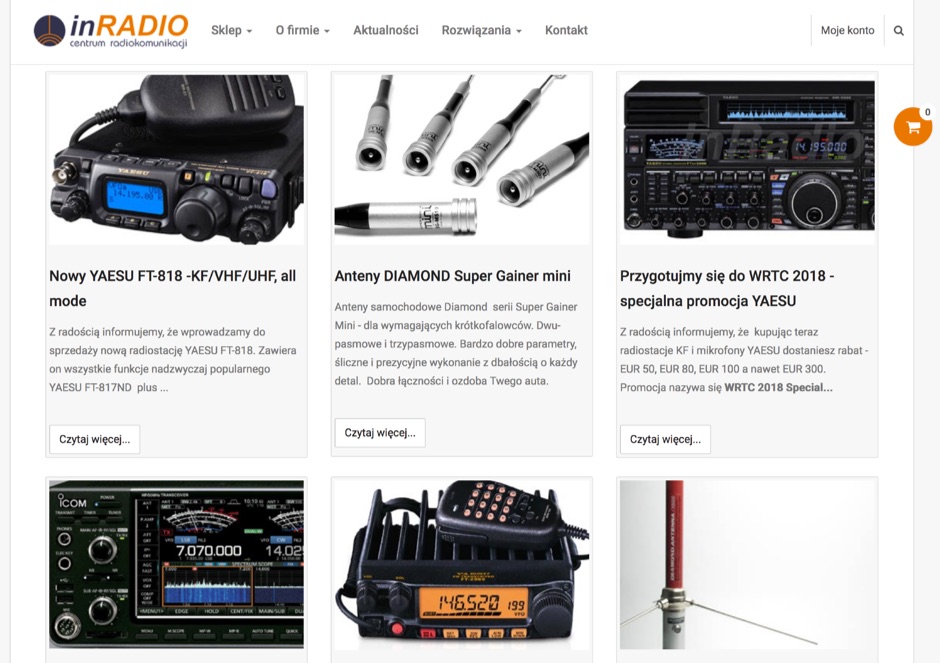 Amateur radio dealer and on-line shop of major ham radio market brands, established in 1990, based in Poland.
 -
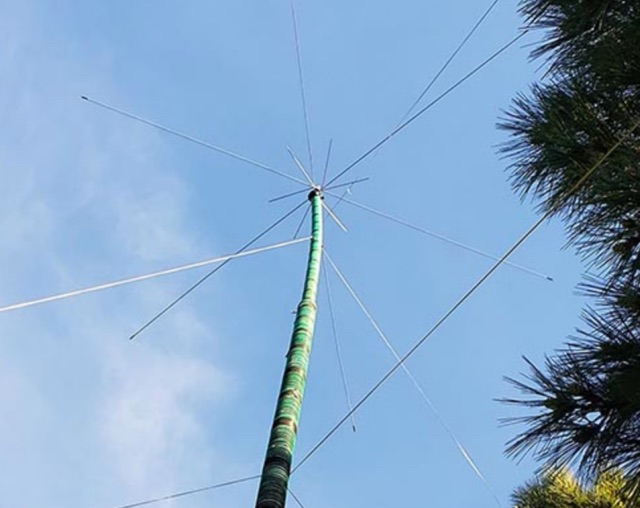 A vertical antenna for 160 meters band based on the K6MM vertical with some enhancements and modifications on the main capacitance hat
 -
 The Ford Amateur Radio League, the Tin Lizzy Club
 -
 Liberland Amateur Radio Association (LARA)
 -
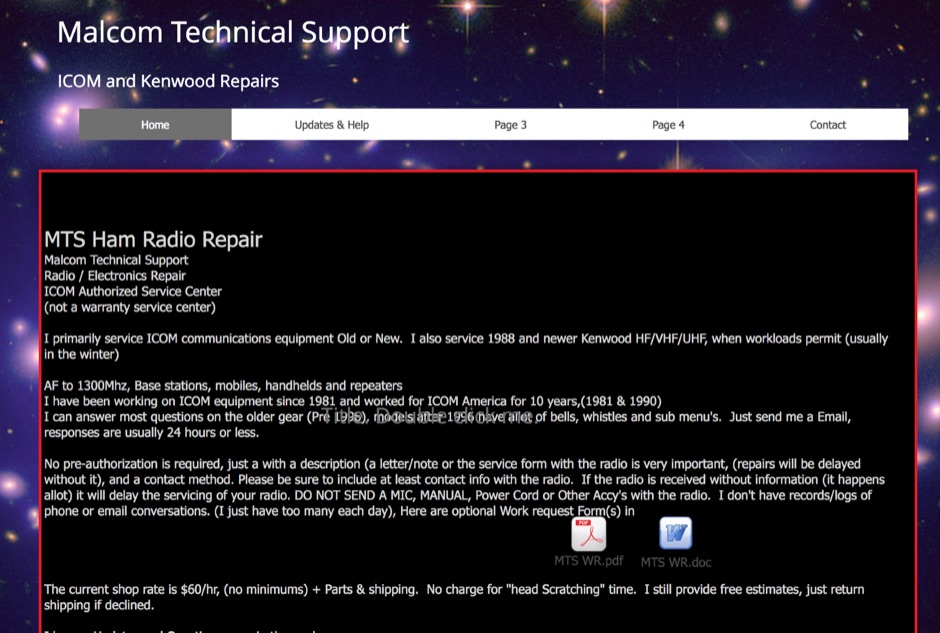 Malcom Technical Support Radio Electronics Repair, ICOM Authorized Service Center, also service 1988 and newer Kenwood HF/VHF/UHF transceivers based in Toledo, WA USA
 -
 The Radio Club of the Watchung Hills Area - New Providence NJ
 -
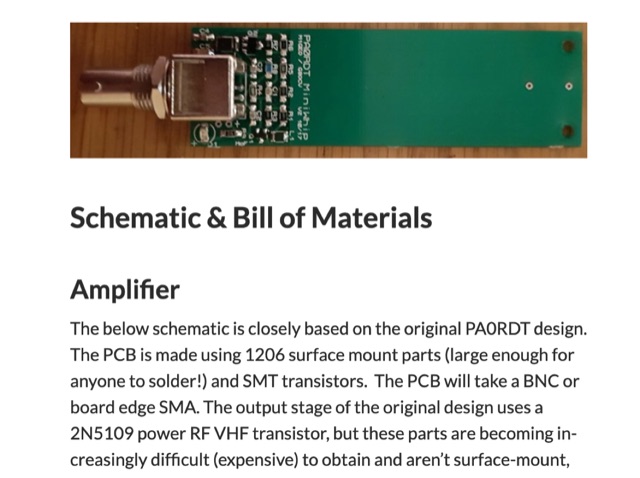 When experimenting with the WellGood Loop antenna, I came across the PA0RDT MiniWhip design referenced in several places. The construction of the PA0RDT MiniWhip is simpler than the WellGood Loop since there are no inductors to wind, but during my testing, I have found the loop to have slightly better performance.
 -
 Holiday style dx pedition to Curacao 28 June untill 7 July 2013
 -
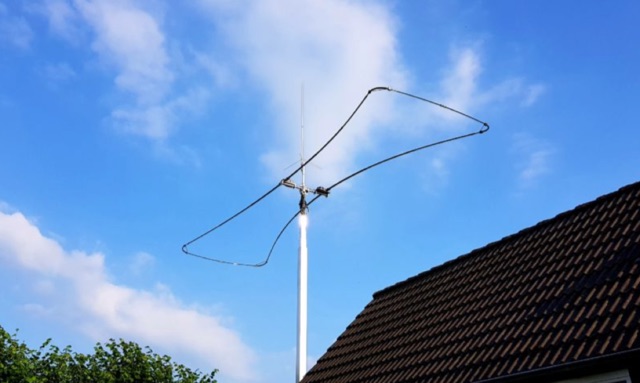 A review of the SteppIR UrbanBeam antenna a two element Yagi antenna working 40-6 meters. The UrbanBeam is a good choice for those thare are limited by lot size, regulations, city regulations.
 -
 TRS RenTelco provides new or used electronic test equipment for rent, lease or purchase. Solutions are provided for various type of equipment such as spectrum analyzers, network analyzers, oscilloscopes etc from leading manufacturers. Our products are widely used in communications, R&D, semiconductor, and wireless industries.
 -
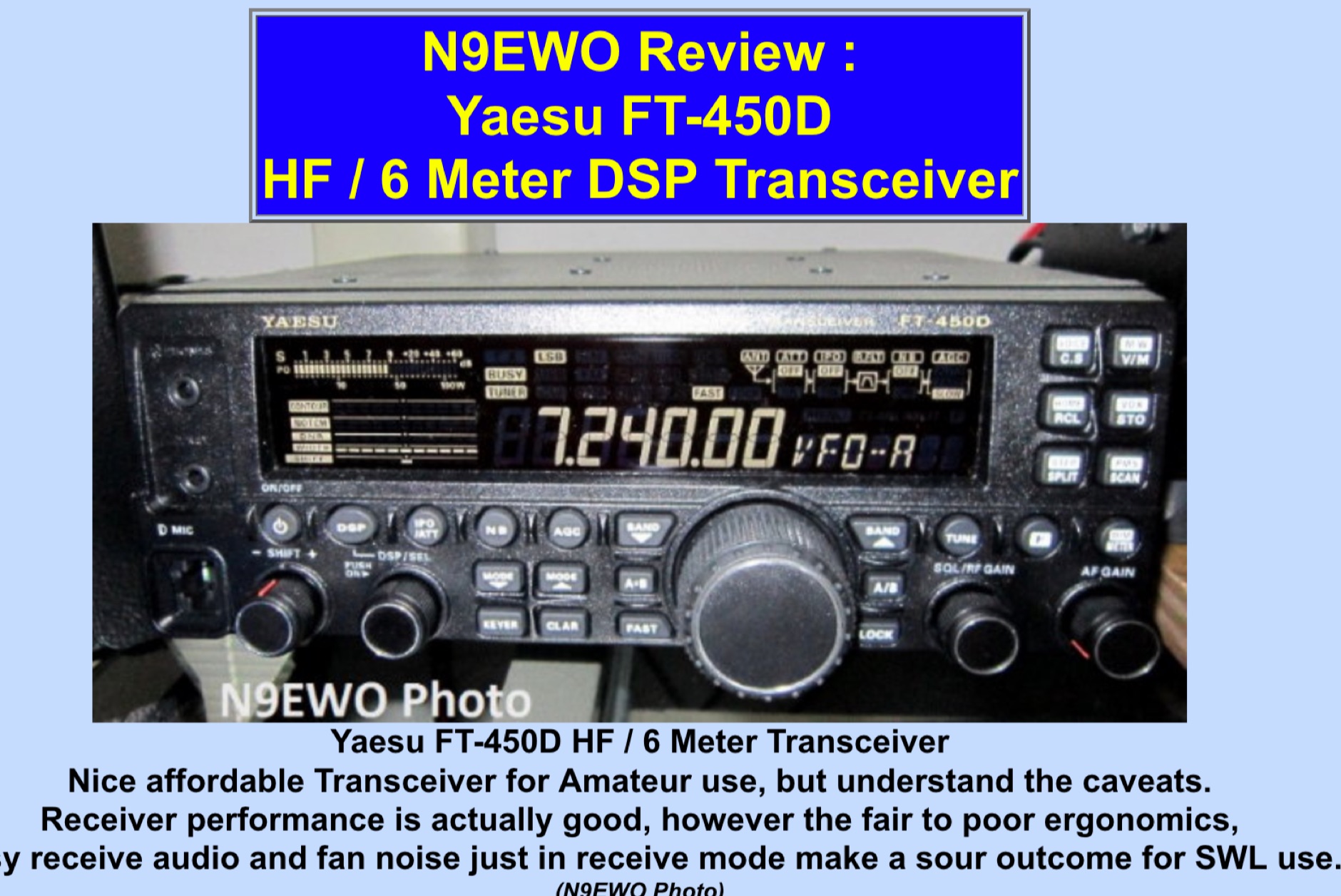 Yaesu FT-450D HF / 6 Meter DSP Transceiver, a nice affordable transceiver for amateur radio use, but understand the caveats.
 -
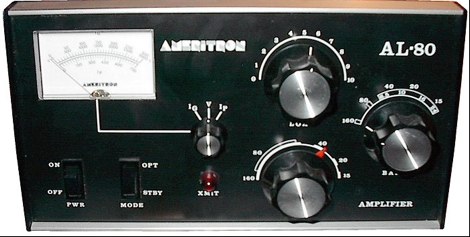 An article on popular AL80 HF power amplifier manufactured by Ameritron since 1980
 -
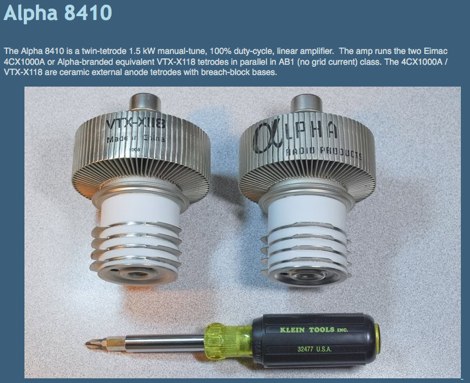 Alpha 8410 power amplifier software monitor anc control functionalities description by AE9K
 -
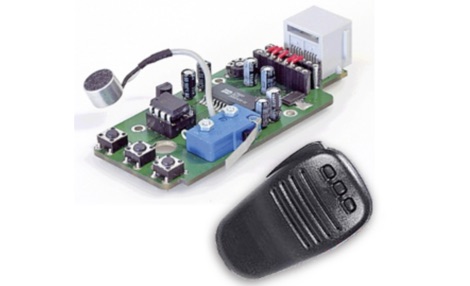 A voice keyer kit available on the marker in two models, BX-184 is the replacement PCB for those who already own an MH-31 microphone. Kit BX-184M includes an MH-31 besides the PCB for those not owning one yet.
 -
 Showcasing college amateur radio club activities, events, and projects. Informs visitors of up to date news items pertaining to ham radio technology used on campuses by students, faculty, and staff. A way for alumni to be informed of their clubs activities.
 -
 Ham Radio & technology for people with disabilities
 -

-
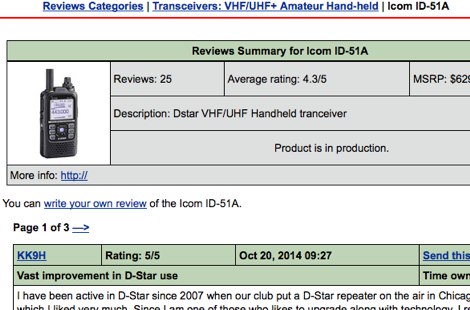 Reviews of the Icom ID-51A handheld dual band transceiver
 -
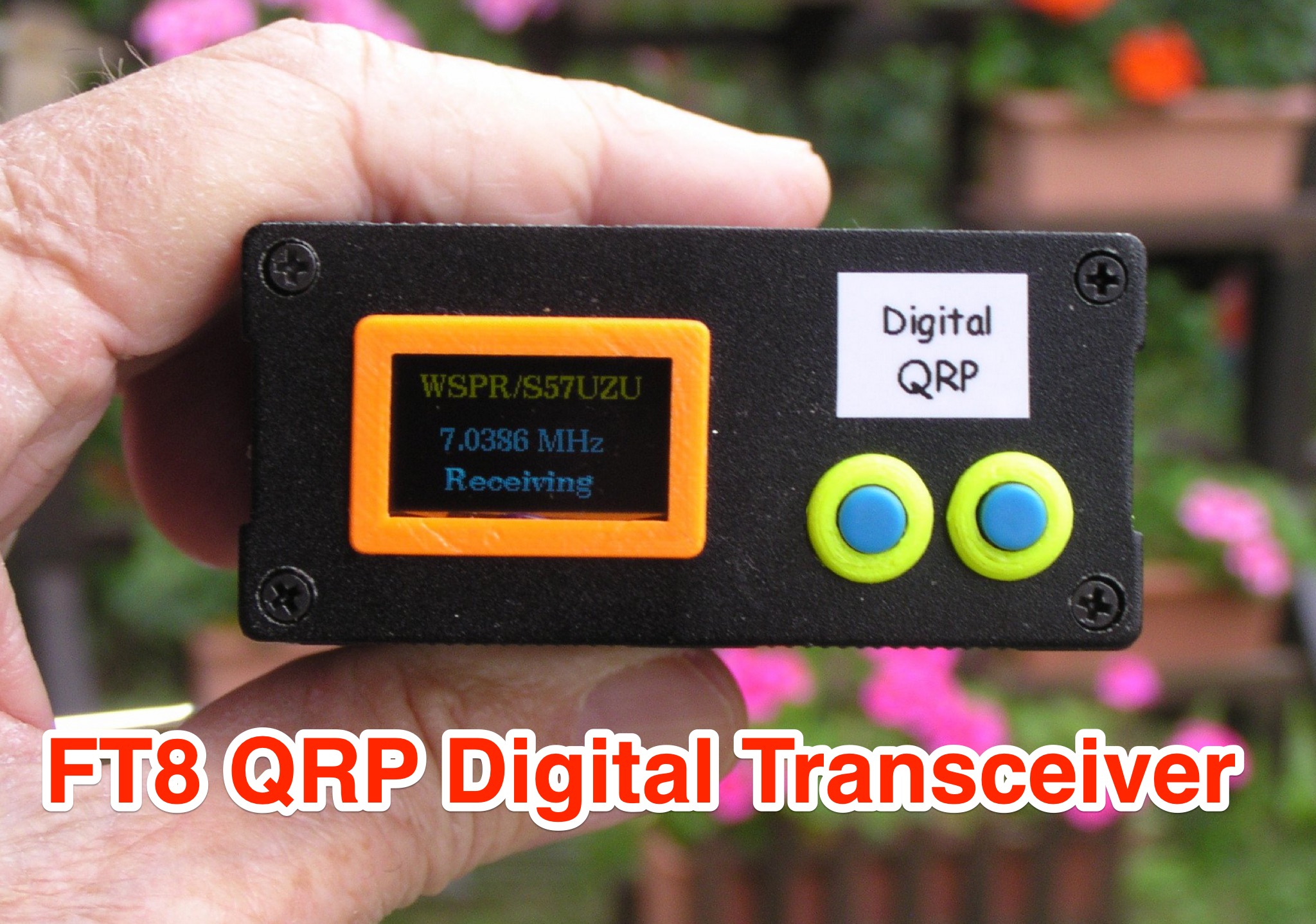 Learn how to build a QRP digital transceiver with Arduino, based on a project by Burkhard Kainka. This article covers the development process, including the source code, modifications made, and the addition of an OLED display for a more professional look. Discover the inner workings of the transceiver, from the receiver to the oscillator, and how components like the CD2003 are utilized. Explore the schematic design, the use of a PLL module Si5351A controlled by Arduino nano, and more. Ideal for hams looking to create their own digital transceiver for amateur radio operations.
 -
 Jim, G3RTE and I will be QRV as H44KW from Honiara, Guadalcanal in the Solomon Islands from the 18th to the 28th February 2013.
 -
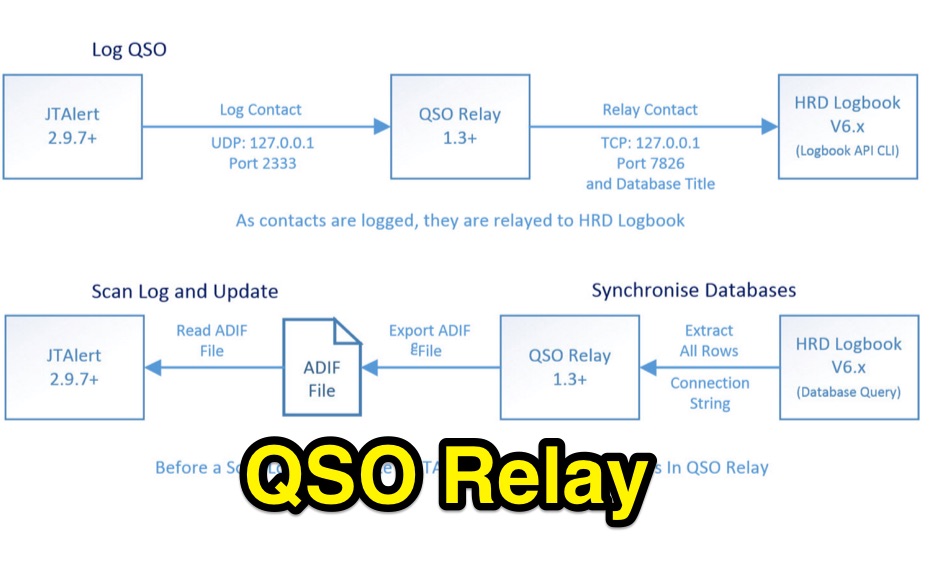 QSO Relay is a Windows desktop application that listens for contacts being forwarded from WSJT-X/JT65-HF and JTAlertX and write to Ham Radio Deluxe Logbook v6.x database
 -
 Riviera Amateur Radio Club was formed in 2012 in Torbay, Devon, England.