Active Antennas
Receiving antennas for improved signal reception

Active antennas are a practical solution for hams with limited space, especially for receiving on lower frequency bands. These compact designs often use a short whip or small loop element coupled with an integrated amplifier to achieve good reception without requiring large wire arrays. They are particularly useful for listening to VLF, LF, and MF signals, where full-sized antennas would be impractical or impossible to install.
Operators frequently build active antennas for their receiving stations, with many projects focusing on wideband coverage from 10 KHz up to 30 MHz. Common designs include the popular PA0RDT Mini-Whip and various active loop antenna circuits. These projects often provide schematics and construction details for homebrew equipment, allowing hams to experiment with different amplifier stages and antenna elements to optimize performance for specific bands or to reduce local noise.
-
 A presentation and FAQ document detailing the FVR Spitfire Array, a phased vertical antenna system for 80m and 160m.
 -
 An active HF receiving antenna circuit by G7BCJ
 -
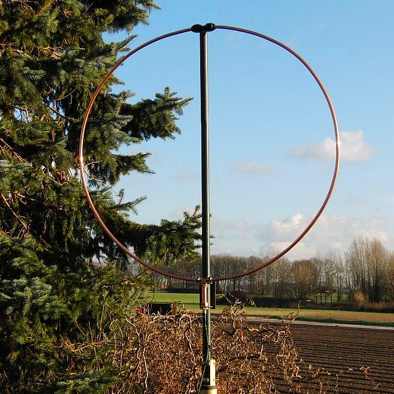 A wide band active loop receiving antenna project
 -
 DF9CY Active Magnetic Antenna project
 -
 The AMRAD Active LF Antenna. You can tune into LF activity with this easy-tobuild and erect active antenna. As a bonus, you get MF and HF coverage, to not to mention world-class performance
 -
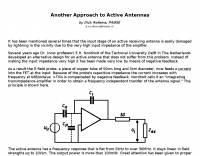 Active antenna with a frequency response that is flat from 5kHz to over 30MHz
 -
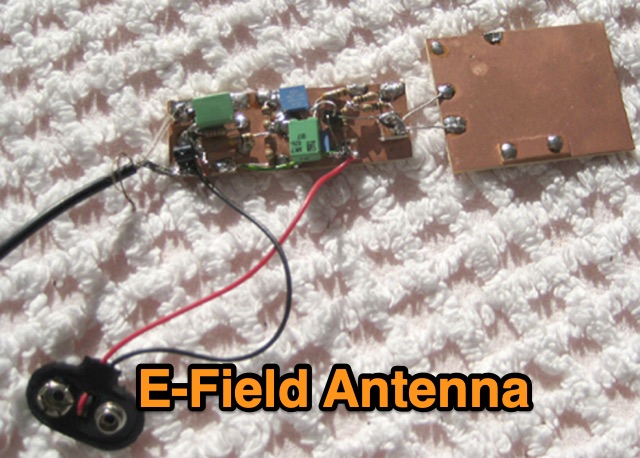 A small active voltage probe antenna to aid reception on the LF bands
 -
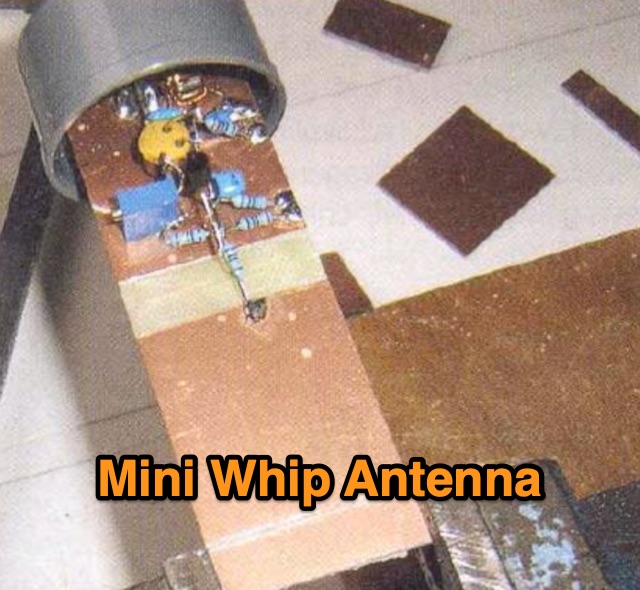 An active receiving antenna for 10 KHz to 20 MHz, a very small sized antenna with excellent performances in noise to signal ratio.
 -
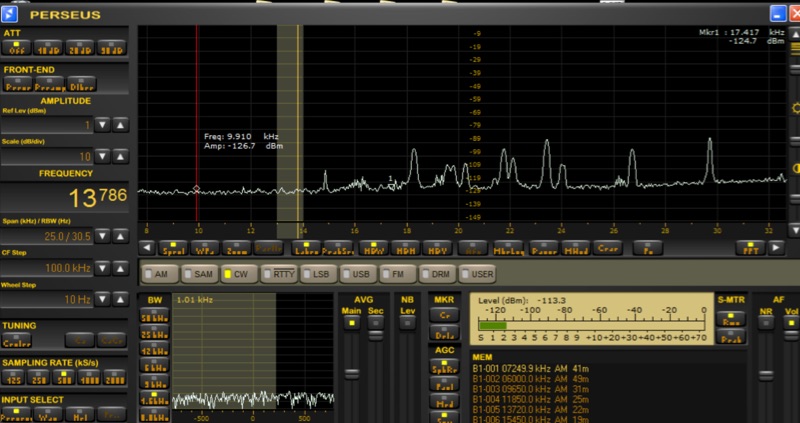 Analyzes the LZ1AQ AAA-1 active loop antenna's performance at VLF and LF, presenting measurement setups, frequency response plots, and noise floor
 -
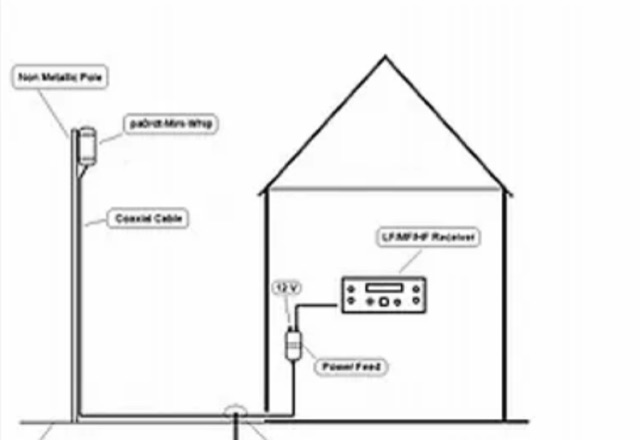 The author investigated electric field antennas and achieved promising results with a shortened active whip antenna (30 cm). The findings suggest that at LF, active whips function primarily through electric field capacitance coupling.
 -
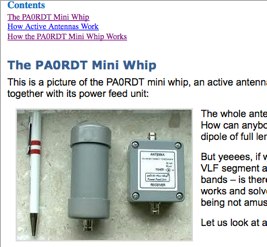 An Active antenna designed for VLF and shortwave radio reception. A small antenna capable of excellent performances on low bands, made on a copper plate and introductio to active antennas.
 -
 This HF active antenna is a build of the PA0RDT Mini-Whip from a kit, it covers the entire HF band (3 to 30 MHz) and below (supposedly down to 10 kHz). It is powered by an external 12-15V supply, consuming about 50 mA.
 -
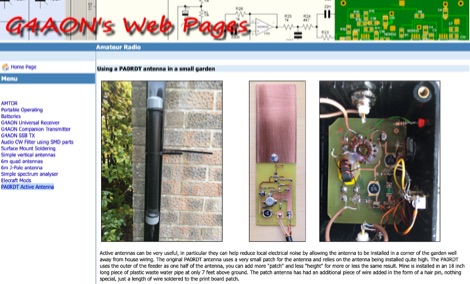 Active antennas can be very useful, in particular they can help reduce local electrical noise by allowing the antenna to be installed in a corner of the garden well away from house wiring. The original PA0RDT antenna uses a very small patch for the antenna and relies on the antenna being installed quite high.
 -
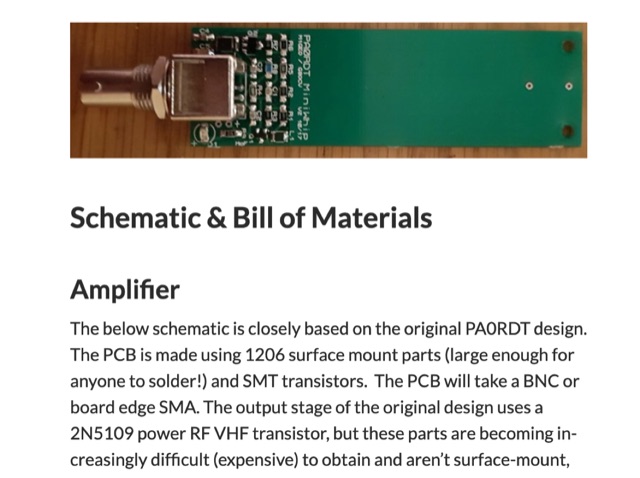 When experimenting with the WellGood Loop antenna, I came across the PA0RDT MiniWhip design referenced in several places. The construction of the PA0RDT MiniWhip is simpler than the WellGood Loop since there are no inductors to wind, but during my testing, I have found the loop to have slightly better performance.