Search results
Query: QRP
Links: 454 | Categories: 16
Categories
- Operating Modes > QRP
- Ham Radio > Clubs > Technical Specialty > QRP Clubs
- Manufacturers > QRP Kits
- Technical Reference > QRP Projects
- Technical Reference > QRP Projects > QRP CW Transceiver
- Technical Reference > Dummy Loads
- Radio Equipment > HF Transceivers > Elecraft KX2
- Radio Equipment > HF Transceivers > Icom IC-703
- Radio Equipment > HF Transceivers > Icom IC-705
- Ham Radio > Regional > Italy
- Ham Radio > Blogs > Asia > Japan
- Ham Radio > Clubs > Technical Specialty
- Ham Radio > Blogs > USA
- Radio Equipment > HF Transceivers > X1M
- Radio Equipment > HF Transceivers > Yaesu FT-817
- Radio Equipment > HF Transceivers > Yaesu FT-818
-
 Explains the fundamental concepts of **PSK-31** digital mode, detailing its origins from phase shift keying and how it achieves a narrow 31 Hz bandwidth. George Rothbart, KF6VSG, demonstrates the signal's behavior on an oscilloscope, illustrating the 180-degree phase shifts that define its bit stream. The resource highlights PSK-31's superior signal-to-noise ratio compared to FSK, noting its 20 dB advantage over SSB, which enables reliable cross-country contacts with QRP power levels. It also delves into the unique **vericode** character encoding, which uses variable-length bit patterns to optimize data rate by assigning shorter codes to common characters, resulting in an average of 6.5 bits per character versus 10 for ASCII. The presentation concludes with practical guidance on assembling a PSK-31 station, outlining the necessary computer hardware, sound card, stable HF transceiver, and cabling, along with methods for PTT control via a COM port.
-
 Taking the venerable SMK-1 design to 20m and adding an RF amp, audio filter, and a TiCK Keyer ... by Wayne McFee, NB6M
-
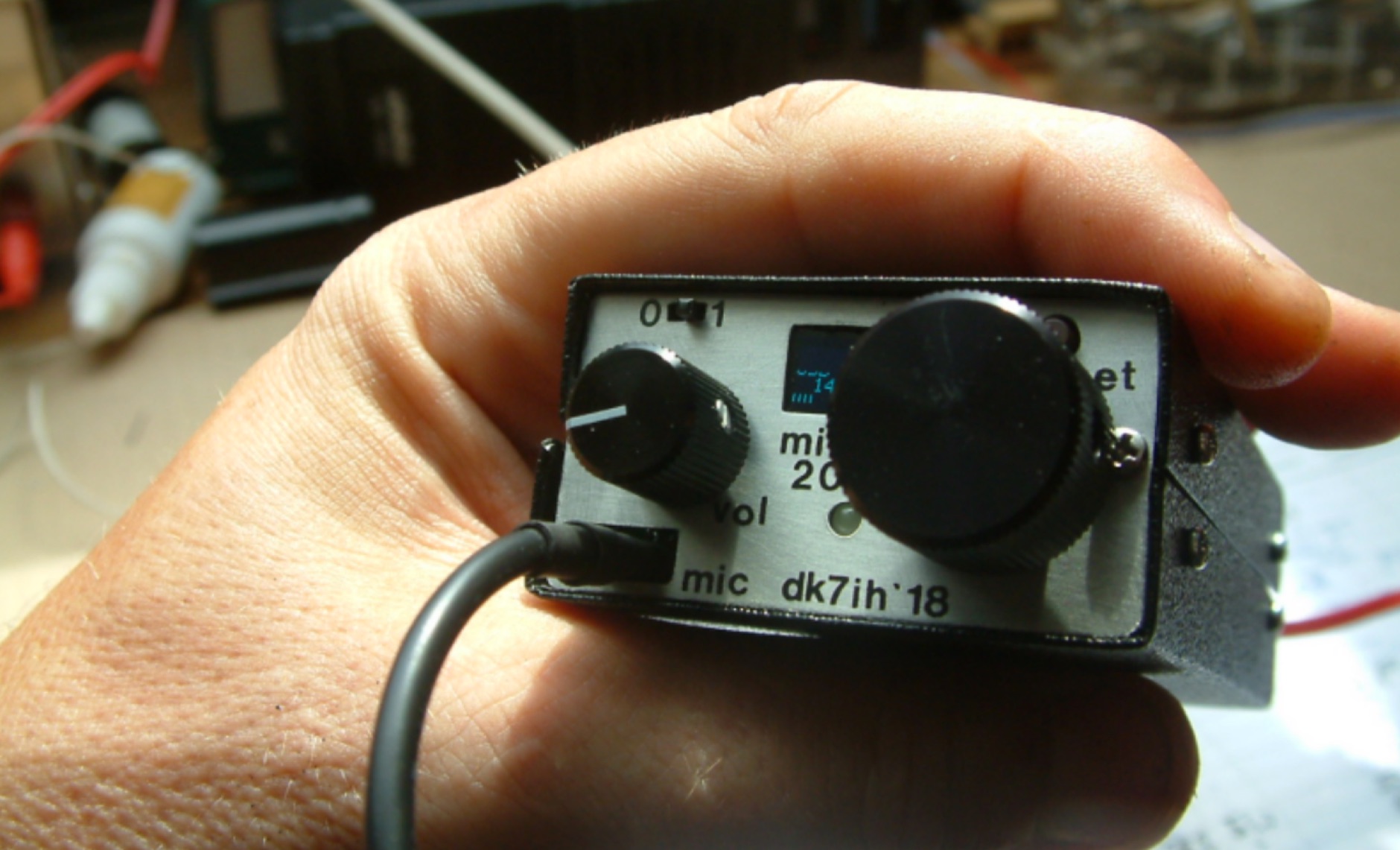 A family of small size QRP SSB transceivers for the 15 MHz. Includes a cigarette pocket size QRP transceiver and a larger shirt-pocket transceiver.
-
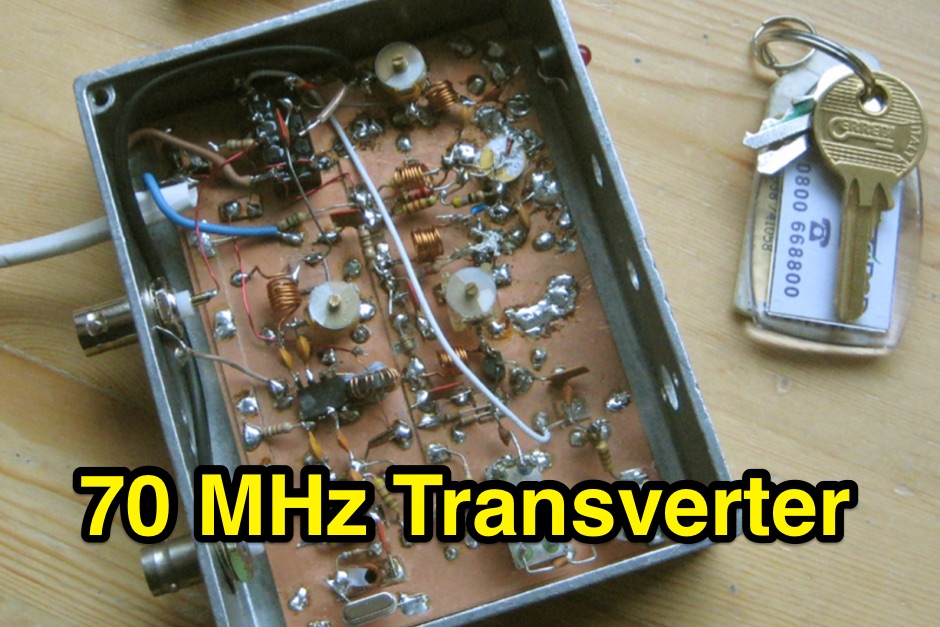
 70 MHz transverter, 4m band, by G3XBM
-

-
 Schematic of a homebrew receiver and keying
-
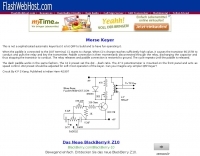 This is not a sophisticated automatic keyer but it is lot QRP to build and to have fun operatin
-
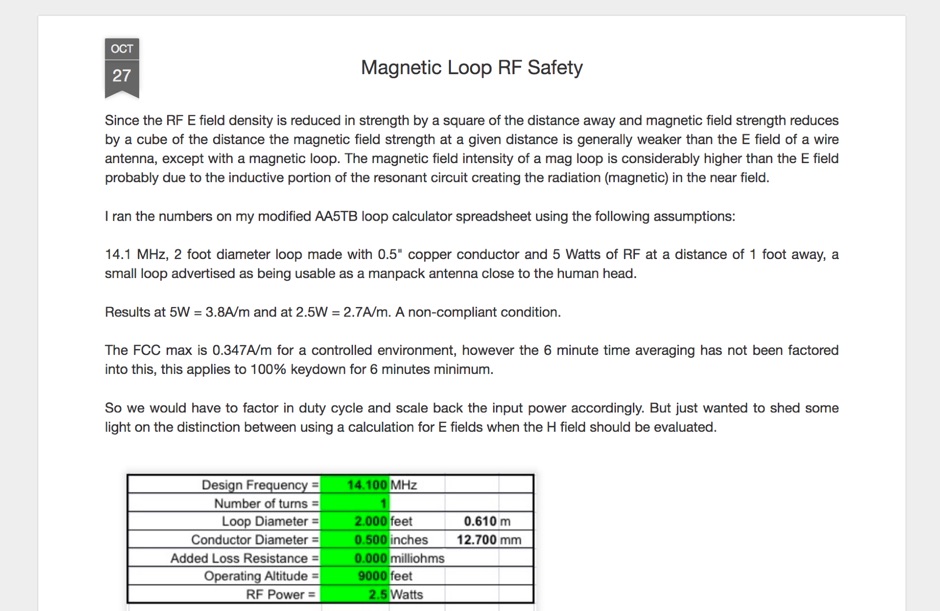 Operating magnetic loop antennas requires careful consideration of RF safety, particularly regarding near-field magnetic field intensity. This resource presents calculations for magnetic field strength (H-field) at various distances from a magnetic loop, emphasizing that the H-field is significantly higher than the E-field in the near-field region due to the inductive nature of the radiating element. It provides specific formulas and examples for determining safe operating distances based on power levels and loop dimensions, crucial for compliance with RF exposure limits. The analysis compares calculated H-field values against FCC and ICNIRP maximum permissible exposure (MPE) limits for controlled and uncontrolled environments. It demonstrates that even at QRP power levels (e.g., 5W), the H-field can exceed MPE limits within a few feet of the antenna, necessitating greater separation distances than often assumed for electric field considerations. The practical application of these calculations helps amateur radio operators configure their stations to ensure personnel safety and regulatory compliance when deploying compact, high-Q magnetic loop antennas.
-
 Small, but growing, group of amateur radio enthusiasts, most of whom are within 90 miles (and more) of Atlanta
-
 A workbench instrument capable of testing transistors, diodes, FETs, usefull constructing QRP circuitry.
-
 The FieldComm Association, based in Central Virginia, operates as a specialized amateur radio club with a primary interest in emergency communications. Members engage in various technical aspects of radio, including digital modes, QRP operations, and DXing. The association provides a platform for hams to develop skills in field deployment and reliable communication under challenging conditions, often leveraging modern digital protocols. This organization's activities support the practical application of amateur radio for public service, emphasizing readiness and operational proficiency. Members collaborate on projects and share knowledge, fostering expertise in areas like portable station setup and efficient data transmission. The focus on emergency communications distinguishes its operational priorities from general interest clubs, aligning its efforts with community preparedness.
-
 Building the MFJ Cub QRP transceiver kit for 20 meters band by G4ILO
-
 Supplying Toroids, Electronic Parts and Kits to Engineers, Schools and Hobbyists. Capacitos, filters, inductors, qrp products
-
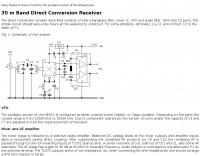 The direct conversion receiver described consists of only a bandpass filter, mixer IC, VFO and audio filter. With only 22 parts, this simple circuit should take a few hours at the weekend to construct.
-
 The following are the opinions expressed by various amateurs.
-
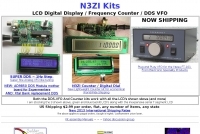 Low Cost frequency counters and DDS VFO's for QRP and Vintage Radio's. LCD Digital Display, Frequency Counter or DDS VFO
-
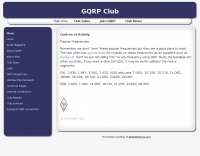 QRP Popular Frequencies, where to operate in QRP mode
-
 by Jim Stafford, W4QO appeared in QRP Quarterly, Fall, 2006
-
 An economical dipole for simple QRP HF homebrew rigs
-
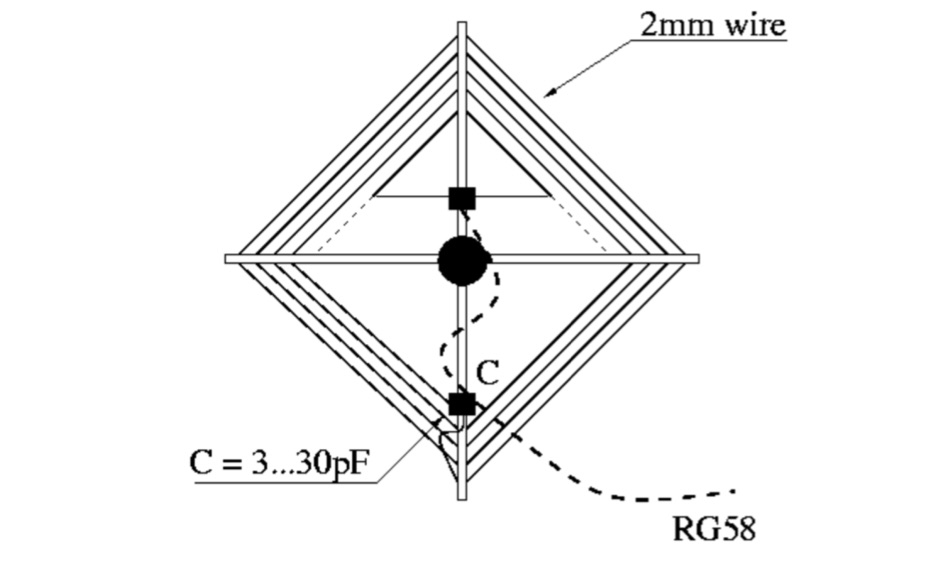 A frame antenna for the 80 meters band, built to be folded and to be easy to be mounted and dismounted. This antenna is suitable for indoor and QRP use, bandwidth is just 10kHz and should be observed a proper distance while transmitting due to high voltage.
-
 Download the official IC-705 RF direct sampling VHF, UHF, HF, D-Star all mode 10W QRP portable transceiver. Pre-release information in a PDF file all in English.
-
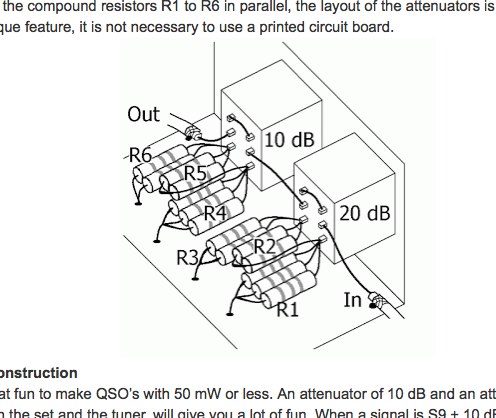 Attenuating output power to Yaesu FT-817 and interesting article for really QRP operations by PA1B
-
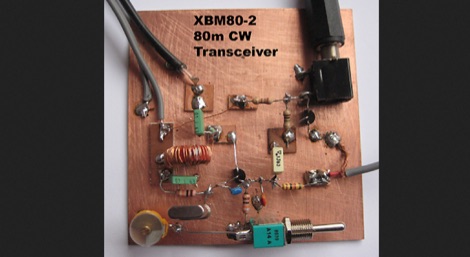 An 80m transceiver using just 14 parts plus crystal and earpiece
-
 This Magnetic Longwire Balun (MLB) makes it possible to efficiently use a coaxial lead-in cable with all forms of longwires, T-forms or other types of wire antennas, without the need for an antenna tuner.
-
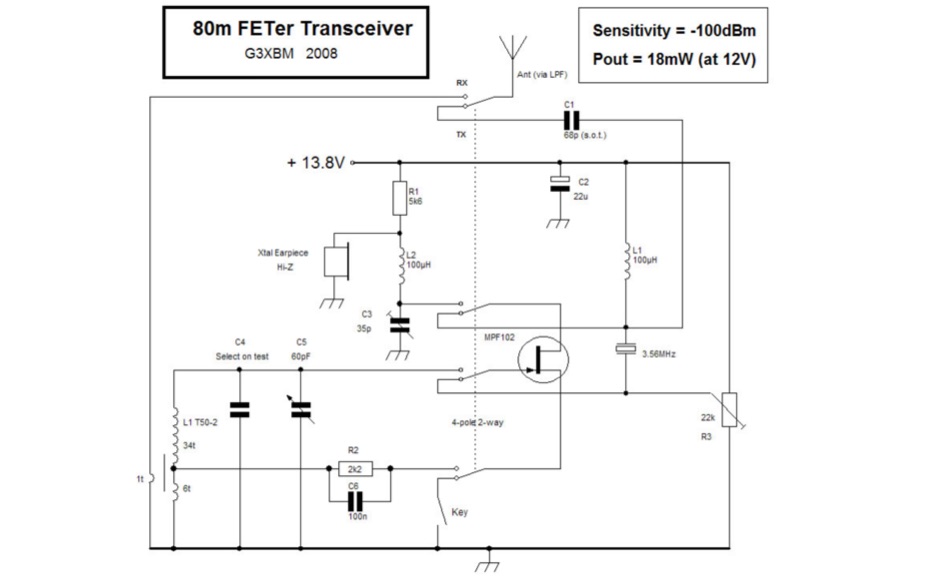 An home made FETer QRP transceiver for the 80 meters band
-
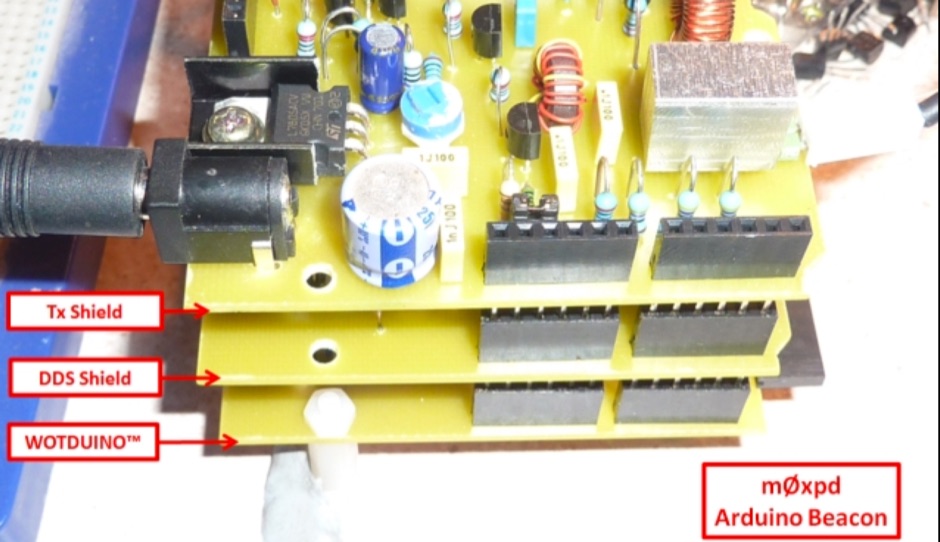 A new multi-mode QRP radio beacon built around the Arduino. The beacon started with the usual lash-up on the bench, hooking the previously reported Wotduino and DDS Shield up to a driver and a transmitter module, as previously used for the Raspberry Pi beacon
-
 This is a collection of emails collected over time which indicate how to put some mods into your Sierra transceiver. Most of the mods have to do with improving the power output.
-
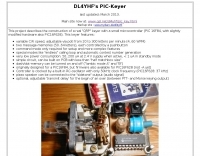 This project describes the construction of a real CW QRP keyer with a small microcontrolle
-
 The A QRP Club is a small group of Amateur Radio enthusiasts who enjoy building, operating and (mostly) talking about Low Power radio communications, equipment and systems.
-
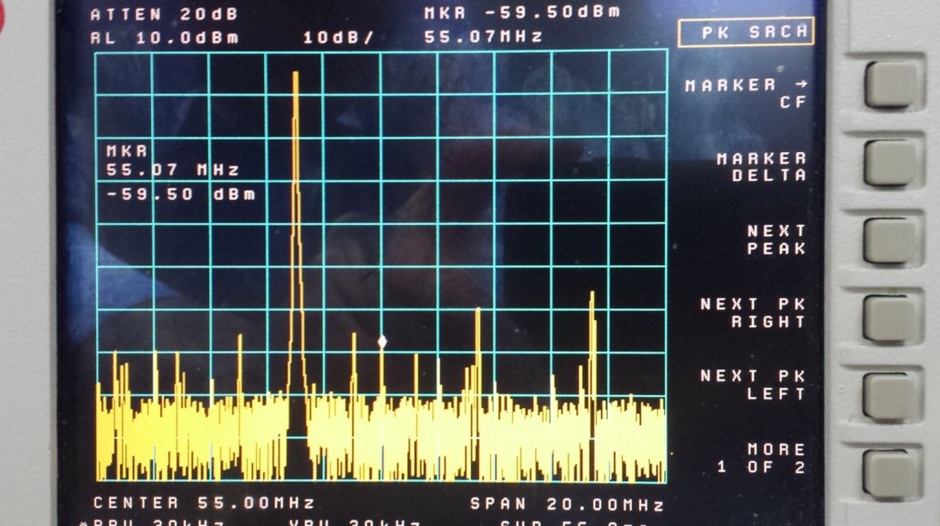 This project is based around the recent HF1 QRP transceiver by Ashhar Farhan, VU2ESE. The transceiver is an interesting SSB design with wide tuning range from 0-30MHz and should cover several amateur bands. The schematic for the transceiver can be found on the Minima mail list in this post with a PDF attachment
-
 The KnightLites QRP Association is a world wide fellowship of low power (QRP) amateur radio communications enthusiasts founded in 1996, and is coordinated through the efforts of a small group of radio amateurs located in the Research Triangle region of North Carolina in the United States.
-
-
 KD5FX, 20 through 6 meters, QRP to full legal power, lightweight, easy to carry
-
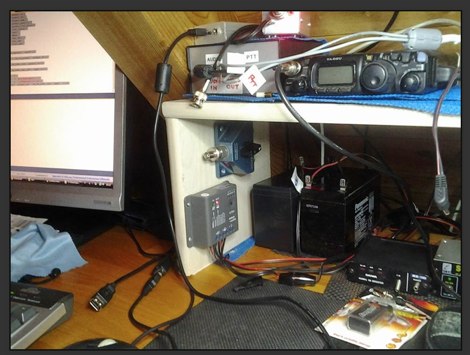 A solar powered station by IN3AQK using a 10W solar panel charging a 12v Pb sealed battery.
-
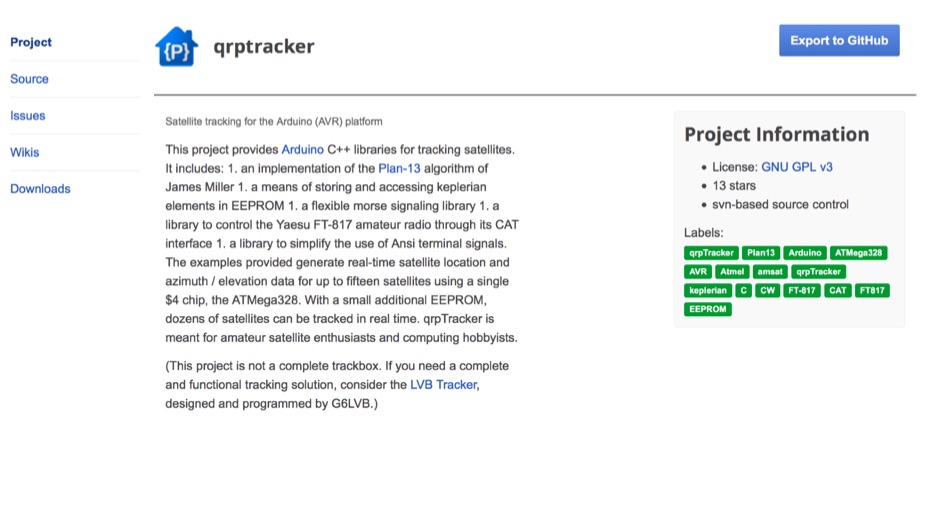 qrpTracker is a satellite tracking program that works on the popular and easy-to-program Arduino platform qrpTracker is meant for amateur satellite enthusiasts and computing hobbyists
-
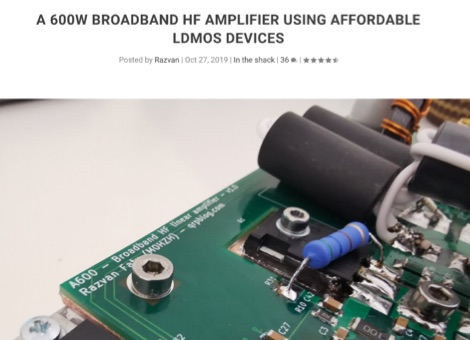 A 600W 1.8 MHz to 54 MHz power linear amplifier made using rugged MRF300 transistors featuring output power between 580W and 750W depending on band, power supply: 48V, 18A typical, 20A max
-
-
-
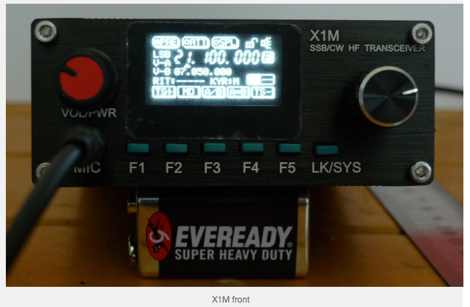 A review of the chinese QRP HF transceiver X1M SSB/CW RTX
-
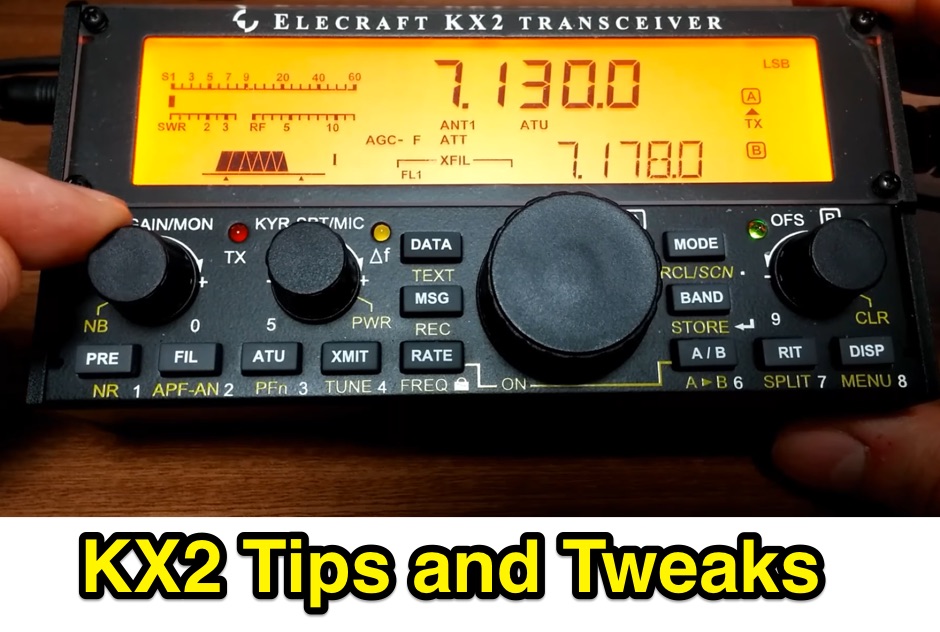 The 7-minute, 52-second video, published on December 31, 2016, by TheStingyHam, details several methods for optimizing receive audio on the **Elecraft KX2** QRP transceiver. It specifically addresses challenges encountered on the 40-meter band, a common haunt for QRP operators, while also noting that 15m and 20m operations might benefit from different settings, such as combining the preamp with receive EQ and RF gain adjustments. Key moments highlighted in the video include specific adjustments for noise reduction, filter settings, signal attenuation, and receive equalization. These techniques are demonstrated to help operators extract clearer signals from a noisy band, a critical skill for successful portable operations and DXing with low power. The author, drawing from field experience, suggests that while the tips are primarily aimed at 40m, the underlying principles of careful audio and RF gain management are broadly applicable across the HF spectrum, enhancing the overall QRP operating experience.
-
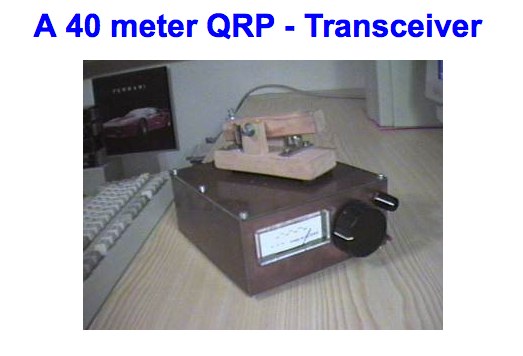 A 40 meter QRP - Transceiver by DL5NEG
-
 Operational mode QRPp QRSS Running as an MEPT Manned Experimental Propagation Transmitter
-
 The New England QRP Club is where "The excitement is building...."
-
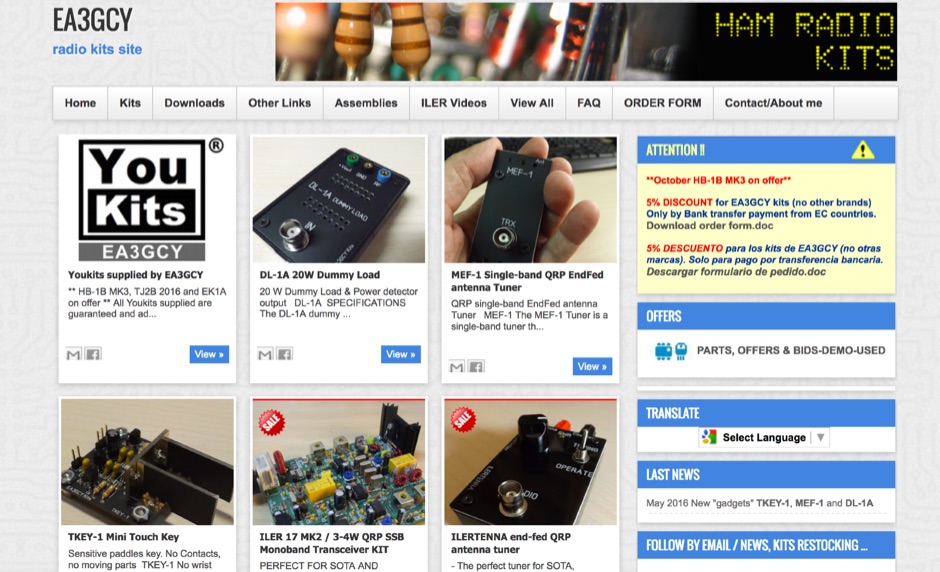 Amateur radio kits online shop, includes Mini Touch Key, QRP HF SSB and CW transceiver kits
-
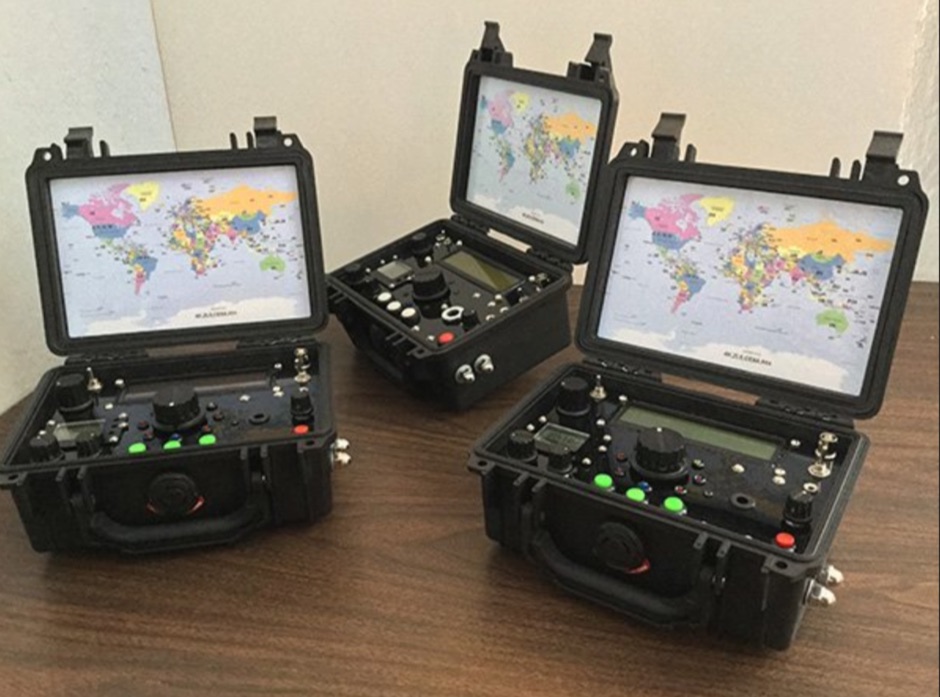 Portable, outdoor, trail friendly, low power HAM radio transceivers and kits for sale
-
 Vasantha VU2VWN VFO controlled 40m Tansmitter schematics
-
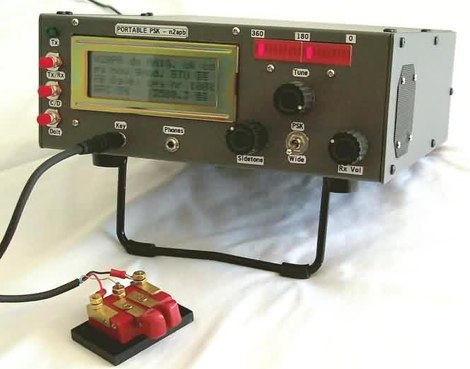 Integrated PSK station for 80 & 20 meters without using a PC Pictures and diagrams by N2APB
-
 A Short Guide to Harmonic Filters for QRP Transmitter Output. - George Dobbs G3RJV
-