Search results
Query: ari
Links: 630 | Categories: 208
This query is too generic. Please try adding an additional term to focus your research.
Categories
- Ham Radio > Clubs > North America > USA > Arizona
- Software > Grid Bearing and Maps
- Antennas > Maria Maluca
- Manufacturers > Antennas > Marine
- Shopping and Services > Marine Radio
- Radio Scanning > Maritime
- Operating Modes > Mobile > Maritime Mobile
- Ham Radio > Clubs > North America > Canada > Ontario
- Operating Aids > Distance & Bearing
- Radio Equipment > Reviews and Comparisons
- Antennas > Baluns > 1 to 1 Balun
- Antennas > 15M
- Antennas > 20M > 20 meter Yagi antennas
- DX Resources > DX Peditions > 2010 DXpeditions
- DX Resources > DX Peditions > 2012 DXpeditions
- DX Resources > DX Peditions > 2013 DXpeditions
- DX Resources > DX Peditions > 2017 DXpeditions
- DX Resources > DX Peditions > 2021 DXpeditions
- Antennas > 20M
- Antennas > 23cm
- Antennas > Baluns > 4 to 1 balun
- Antennas > 40M > 40 meter Loop Antennas
- Antennas > 40M
- Antennas > 6M > 6 meter Yagi Antennas
- Antennas > 70cm
- Radio Equipment > HF Amplifiers > Alpha 9500
- Radio Equipment > Amateur Radio Accessories
- Radio Equipment > HF Amplifiers > Ameritron ALS-600
- Software > Antenna analysis
- Manufacturers > Antenna Analyzers
-

-
-
 Maritime Mobile Service Net for disaster help on high seas on foreign lands
-
 Amateur Radio on the International Space Station european web site
-
 DXpedition by Rene/DL2JRM, Bodo/DL3OCH, Dan/DL5SE, Daniel/DL5YWM & Anett/DO6XX
-
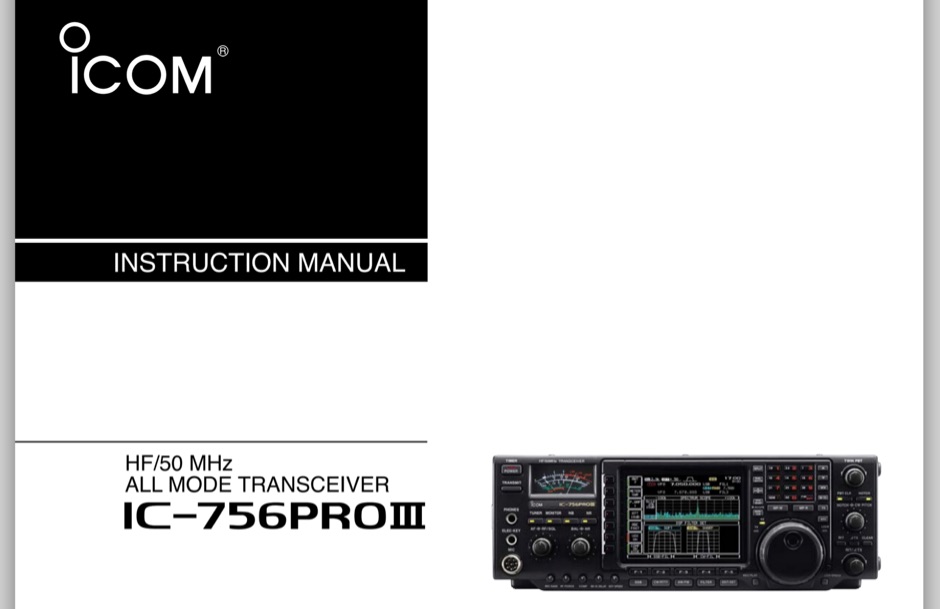 Icom IC 756 Pro 3 English User Manual in a PDF file
-
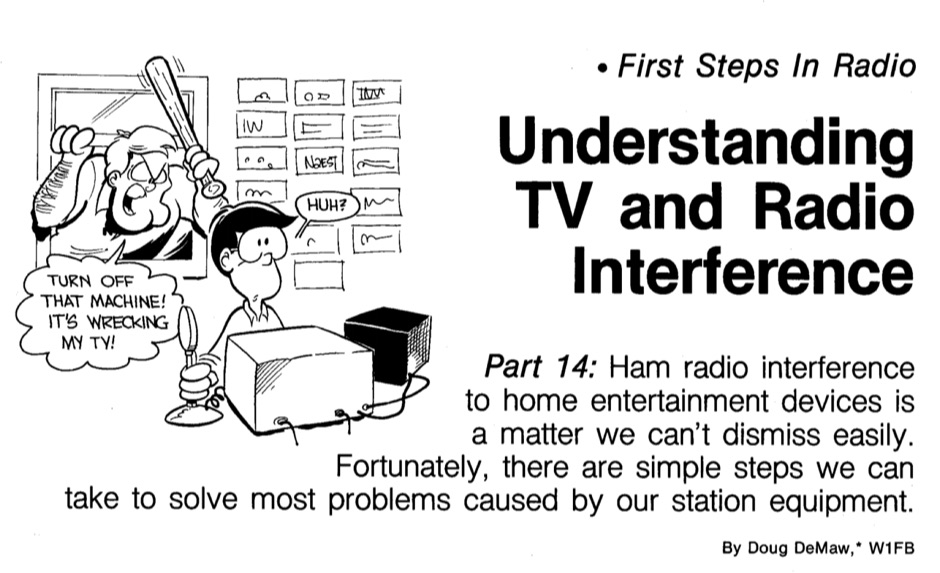 Simple steps you can take to solve most problems caused by station equipment
-
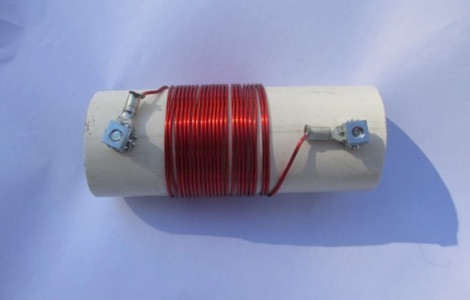 How to home made antenna traps with material you can easily find, and how to properly tune it.
-
-
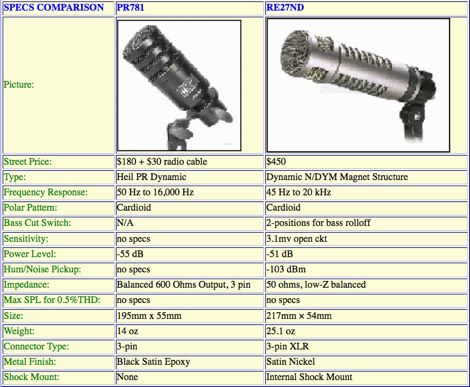 This Microphone comparison article summarizes the test results of two popular ham radio microphones the ElectroVoice RE27 and Heil PR781
-
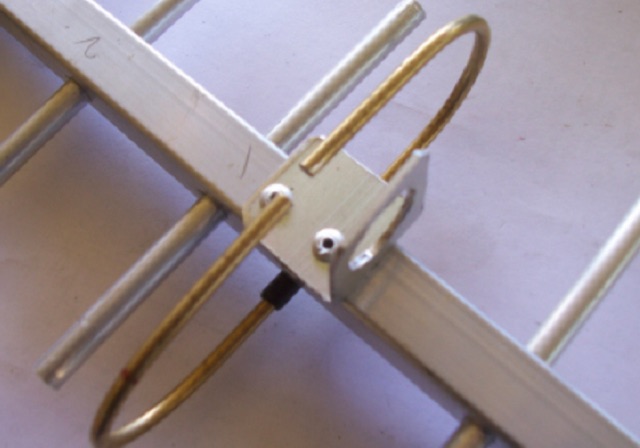 23cm 1296 MHz Field Day Yagi Construction, a 26 element conventional-style design. Article with several pictures and detailed homebrewing instructions
-
 Associazione Radioamatori Italiani Sezione di Trieste
-
-
 While polarisation may seem insignificant compared with other considerations in setting up a communications system, choosing the right type can make significant improvement in performance.
-
-
 Constructing a dip oscillator provides radio amateurs with a fundamental piece of test equipment for resonant circuit analysis. This particular design, adapted by VK3YE from a concept by _Drew Diamond VK3XU_, details a practical build using readily available components. The unit incorporates four plug-in coils, covering a frequency range from **2.6 MHz to 55 MHz**, mounted on 5-pin DIN plugs for versatility. A salvaged two-gang air dielectric variable capacitor, fitted with a vernier reduction drive, serves as the tuning mechanism, with the smaller gang optimizing bandspread at higher frequencies. In practical application, the dip oscillator is used by setting the meter needle to approximately two-thirds scale. When the instrument's coil is brought near a tuned circuit under test, a noticeable dip in the meter reading indicates resonance. This allows for precise measurement of resonant frequencies in antennas, filters, and other RF circuitry, proving invaluable for homebrewing and troubleshooting. The design emphasizes short wire runs for stable operation, particularly at the higher end of its operational range.
-
 The official web site for the santa clarita amateur radio club.
-
 Arizona contest club for big guns, little pistols and cap guns, from experienced to new contesters.
-
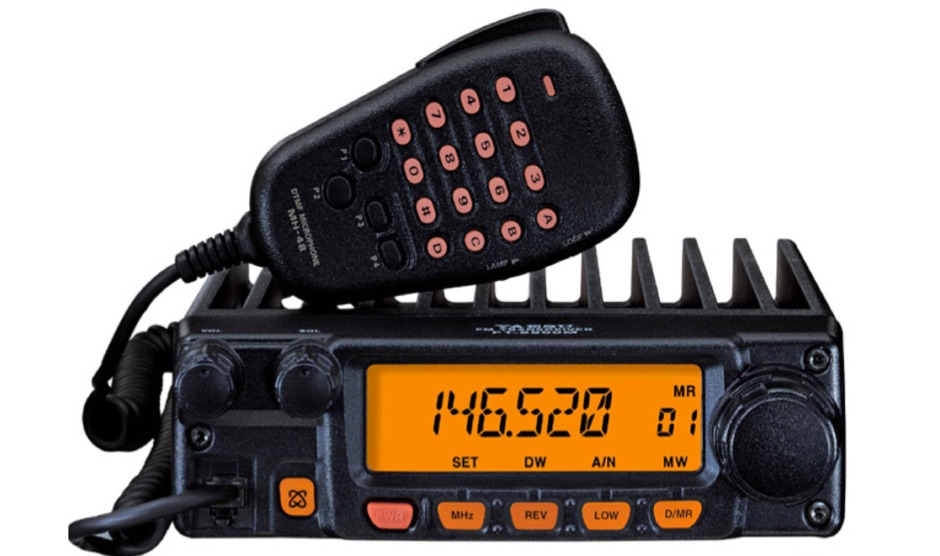 English operating manual of the Yaesu FT-2800M transceiver
-
 Jose B Rivera, N2LRB, shares his initial experiences with the Icom IC-7300, recounting a shift from skepticism to appreciation for the transceiver. He details how the radio's impressive Sherwood Engineering test results, ranking it #12, significantly influenced his decision, especially considering its competitive price point against higher-end options like the Elecraft K3s. The review highlights the IC-7300's strong receive capabilities, a key factor in N2LRB's purchasing decision, and notes the advantages of its SDR architecture for future updates. He describes the straightforward setup process, from unboxing and connecting PowerPole connectors to making a first contact with N0HQ, a special event station. N2LRB expresses satisfaction with the radio's clear audio and ease of tuning, even if the pan-adapter's utility for his operating style remains to be fully explored. He concludes that the IC-7300 offers exceptional value, providing SDR features and receive performance comparable to more expensive rigs at half the cost.
-
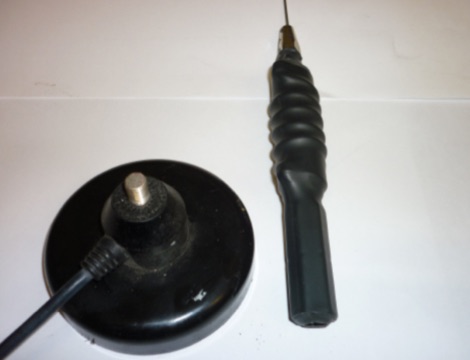 This article is about a home made project of a whip antenna for 2 meters band. Includes lenght of whip for all frequencies from 140 MHz to 151 MHz both in mm and inches
-
 This resource is currently a redirect page, indicating the original content is no longer directly accessible at this URL. The page title and description suggest it previously contained a technical comparison of DXpedition antennas, specifically evaluating a 20m Yagi at 25 feet versus vertical antennas on a saltwater beach. The original content likely presented _performance data_ or theoretical analysis for these antenna configurations. Such a comparison would typically involve examining radiation patterns, takeoff angles, and gain figures relevant for long-haul DX from island locations. The resource would have been useful for operators planning DXpeditions to optimize their station setup for maximum signal propagation over saltwater paths, potentially highlighting the **advantages of low-angle radiation** from verticals near conductive ground versus elevated Yagis.
-
 Explains the proper formatting of international addresses on postal items, a critical aspect for ensuring successful delivery of QSL cards. It details how the country of origin dictates the destination country's name format, while the destination country's postal authority governs the remainder of the address. The resource highlights _Universal Postal Union_ (UPU) regulations, specifically Article RL 123.3.3, which mandates the use of roman letters and Arabic numerals for clarity. It provides practical examples, such as an item from Great Britain to the United Arab Emirates, illustrating the need for dual-language addressing. The guide also clarifies the separation of elements for proper transmission versus local delivery, ensuring that the destination country name is clearly marked in capital letters and preferably in an internationally recognized language to facilitate transit, preventing misdirection and ensuring a **99%** delivery rate for QSLs.
-
 The Caribbean Contesting Consortium is a contest club dedicated to fun, international friendship, and advancement of the contesting art through superior operating technique and maximum application of technology.
-
-
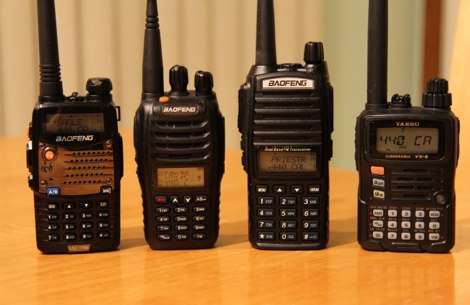 BaoFeng UV-5RA, UV-B5, UV-82, and Yaesu VX-6R Comparison
-
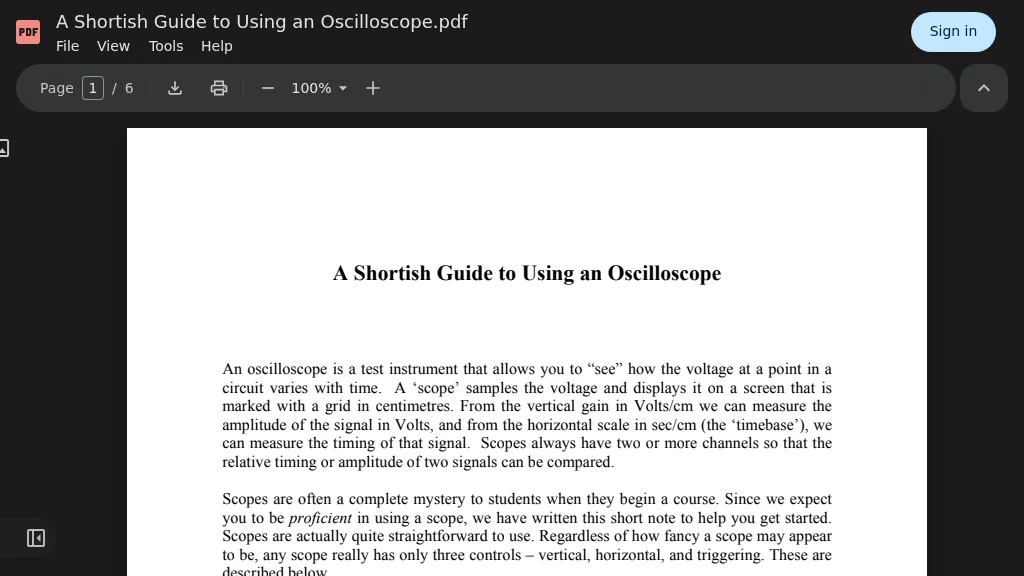 The "Shortish Guide to Using an Oscilloscope" elucidates the fundamental operation of oscilloscopes, detailing the purpose and function of vertical, horizontal, and triggering controls. It explains how vertical gain in Volts/cm and horizontal scale in sec/cm enable measurement of signal amplitude and timing, respectively. The resource differentiates between analog and digital scopes, noting that digital scopes often feature "soft" controls and are inherently storage scopes capable of capturing non-repetitive events. The guide dedicates a significant section to the critical role of oscilloscope probes, emphasizing their design to transmit waveforms without distortion or added noise. It explains the concept of a 10x passive scope probe, which reduces circuit loading by a factor of ten and eliminates waveform distortion through probe compensation, typically adjusted using a 1kHz square wave reference output. The document also provides practical advice on probe care and compensation procedures. Further sections address grounding considerations, explaining how a scope measures voltage relative to its chassis ground, which is tied to the protective earth. It offers troubleshooting steps for a blank screen and outlines essential good practices, such as checking input gain and probe attenuation, while explicitly warning against misusing probes or connecting the ground clip to mains voltage.
-
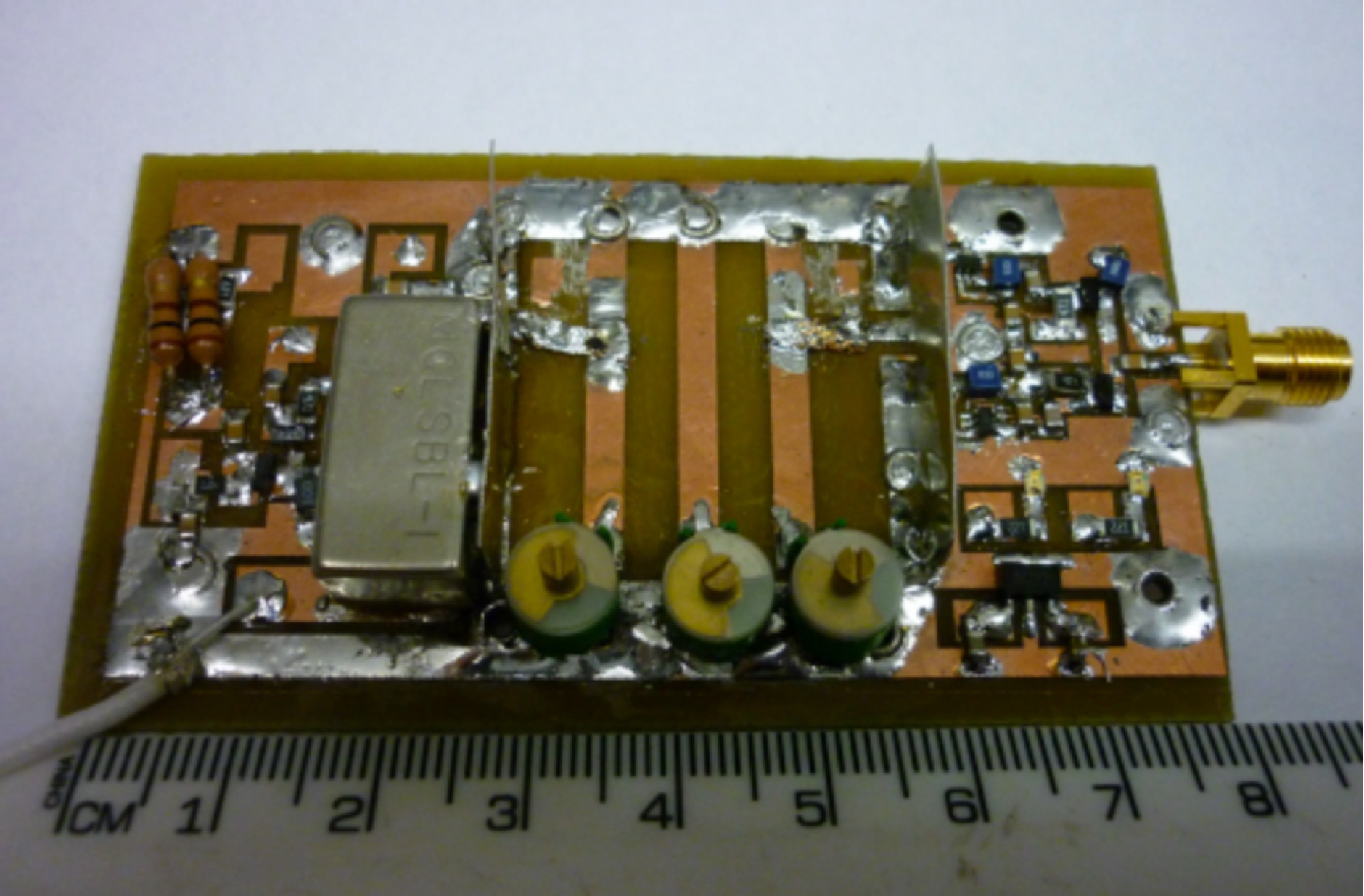 A low cost, low power microwave transverter so that you can operate easily on 70cm band even with a HF or VHF transceiver
-
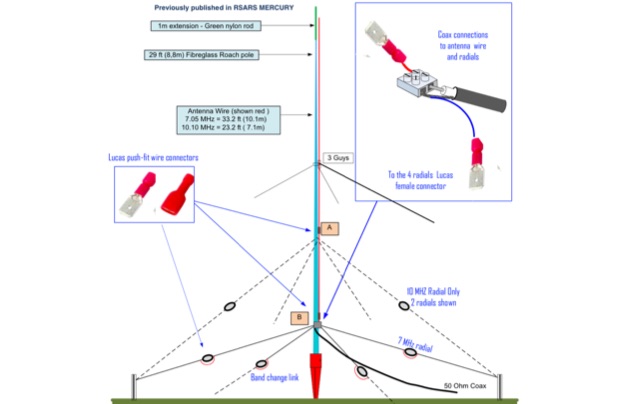 Roach pole vertical antenna for 40 and 30 meters band featuring good performance on short skips contacts compared to wire dipole
-
 Read more about the purpose, policies, and procedures of The National Traffic System in this 48 pages PDF File
-
 Relevance of a proper ground systems on short HF vertical antennas, with an analysis on a vertical antenna for 160 meter band
-
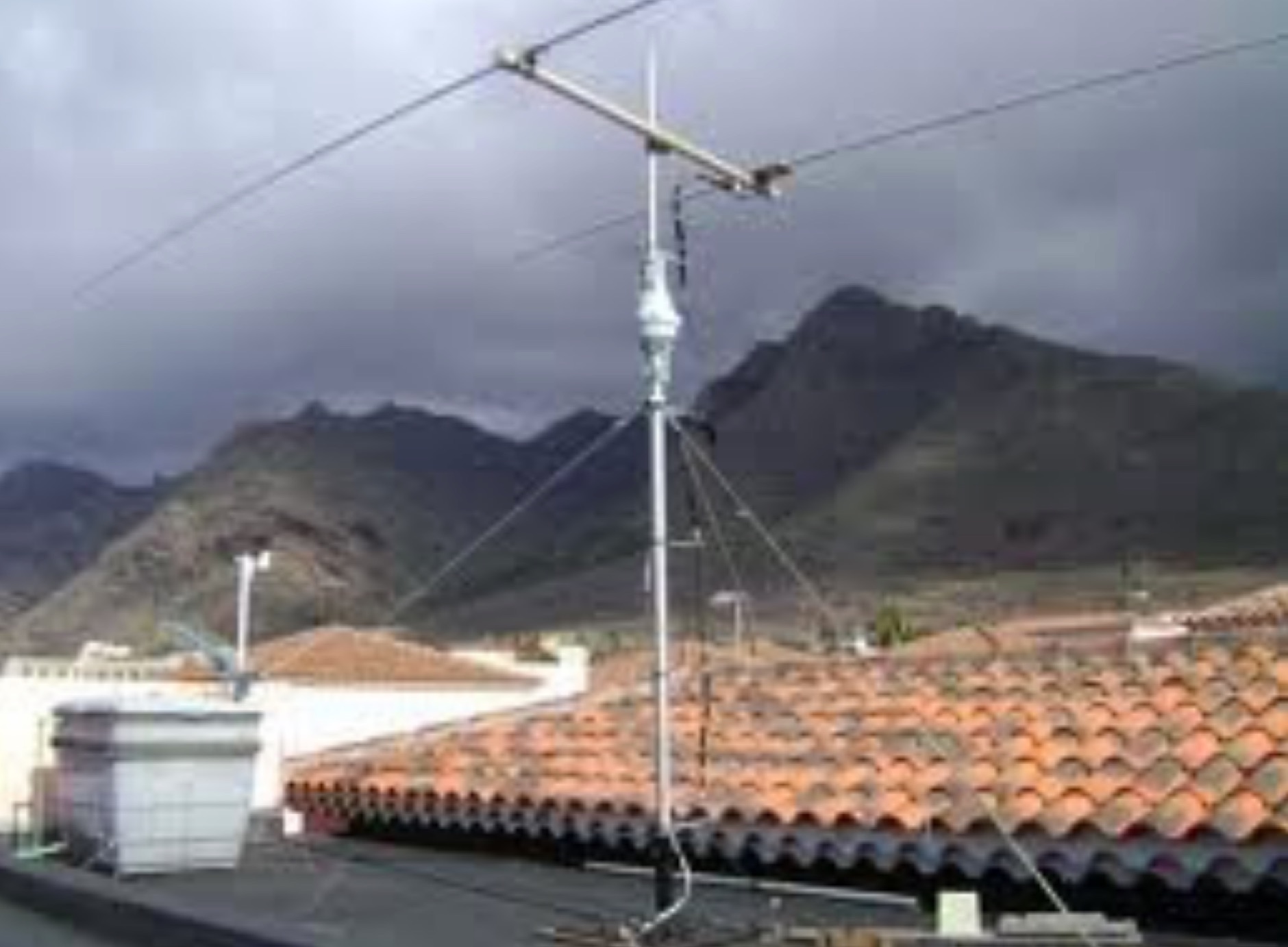 The Maria Maluca HF multiband antenna as designed in 1957 by PY2BBP is a directive antenna for 15 meter and a passive element that works as director and reflector in different bands
-
 The Icom IC-7600 compared to other Icom HF radios , like IC-756Pro III, IC-7700 and IC-7800 by VA7OJ/AB4OJ
-
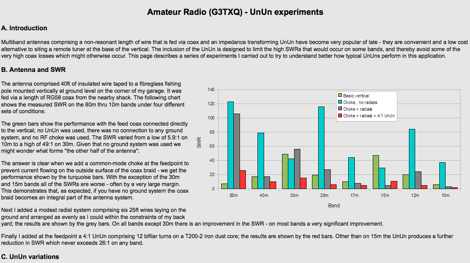 This article describes a series of experiments to understand better how typical UnUns perform
-
 The Northern Arizona DX Association exists to help hams enjoy the fun of radio contests and DXing.
-
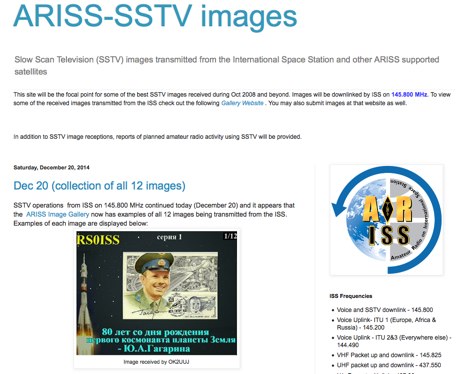 A blog site dedicated to SSTV Slow Scan Television images transmitted from the International Space Station
-
 Supporting wire antennas with squid poles
-
 Official site of ARI Comitato Regionale Friuli Venezia Giulia
-
 Licensed since February 1991, IK1QBT Tony Gallo shares insights into his extensive amateur radio journey, highlighting his involvement in **DXpeditioning** and contesting. His page lists several callsigns he has operated under, including 3A/IK1QBT, TK/IK1QBT, IA5/IK1QBT, and as an operator for 4U9ITU and 4U0ITU, showcasing a broad range of international activity. Tony's background as an ex-Radio Officer in the Merchant Navy and a Radio Operator for the Italian Maritime Coast Radio Station "ICB/GenoaRadio" provides a unique perspective on radio communications. He is an active member of ARI, INORC, and HSC, and serves as secretary for the Marconi Club ARI LOANO, underscoring his deep engagement within the amateur radio community. His participation in multi-multi operator contest teams like IH9P in the CQWW-CW 2006 and the HQ Italian ARI Contest Team in the IARU HF (2004-05-06) demonstrates a strong commitment to competitive operating, primarily on **CW** and HF bands.
-
 Over 1900 ARISS school events have been conducted since 2000, facilitating amateur radio contacts between students and ISS crew members. This resource details the Amateur Radio on the International Space Station (ARISS) program, outlining scheduled contacts, operational procedures, and application processes for educational institutions worldwide. It lists specific upcoming contacts, such as those with Lewis Center for Educational Research in California and Vauban, Ecole et Lycée français de Luxembourg, typically operating on a 145.800 MHz downlink frequency. The content also provides crucial guidelines for radio amateurs, emphasizing the importance of not interfering with scheduled school contacts and utilizing the crossband repeater for general QSOs when available. It clarifies crew availability for casual contacts, noting that astronauts are usually free during personal time, approximately one hour after waking and one hour before sleeping, and often on weekends. Constraints on scheduling, such as avoiding EVA weeks and specific crew rest periods, are also detailed. Furthermore, the resource includes historical statistics on direct versus telebridge contacts, QSL information, and links to related ARISS, AMSAT, ARRL, and NASA websites. It also provides information on applying to host an ARISS contact for schools and youth organizations in various regions, including the United States, Europe, Africa, the Middle East, Canada, Central and South America, Asia, and Australia.
-
 The Kitchener Waterloo Amateur Radio Club (KWARC) website provides a central hub for its members and the broader amateur radio community, detailing club activities, meeting schedules, and special events. It features a monthly newsletter, the _Kilowatter_, which archives club news and technical articles, offering insights into local amateur radio operations and projects. The site also includes information on the club's repeaters, operating on various bands, and details about the annual _Central Ontario Hamfest_. Content covers diverse aspects of the hobby, from general interest articles to specific technical discussions. The resource serves as a primary communication channel for KWARC, facilitating member engagement and disseminating information about club-sponsored activities like field days and public service events. It also lists contact information for club executives and provides resources for new licensees.
-
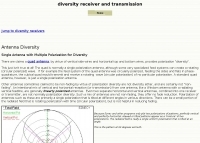 Single antenna with multiple polarization for diversity, diveristy receivers and propagation effects on signal polarization
-
 6 Elements on 50 MHz / 6 metres
-
-
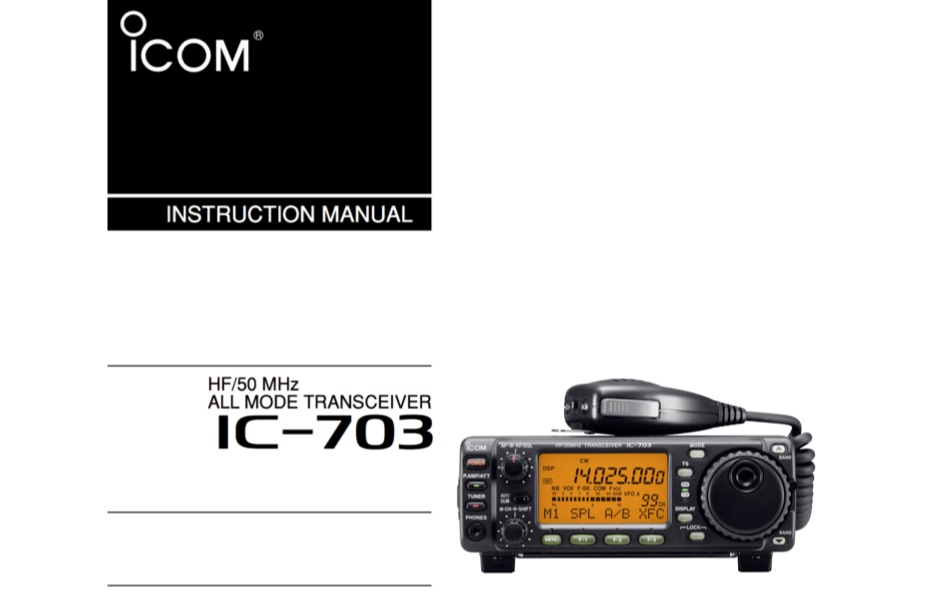 Icom IC-703 HF + 50 MHz transceiver, english official instruction manual available in PDF File to download.
-
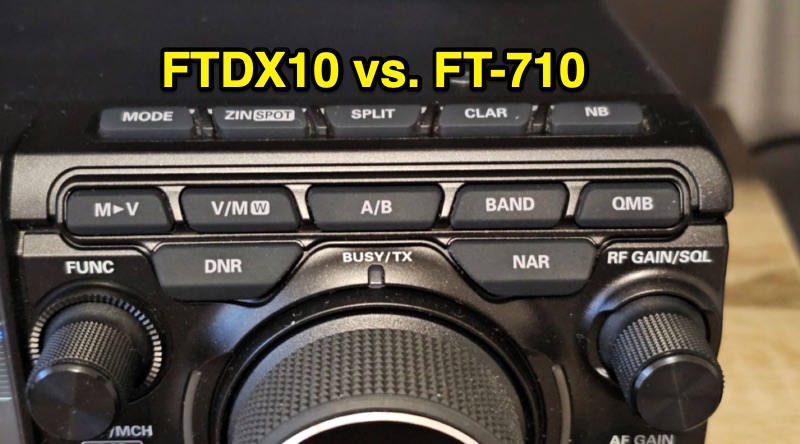 The Yaesu FTDX10 and FT-710 HF transceivers underwent three weeks of side-by-side operational testing, revealing marginal differences in CW selectivity. At a 500Hz bandwidth, the FTDX10 allowed approximately 40Hz closer signal approach before audio detection compared to the FT-710. No discernible performance variations were observed in SSB mode or the efficacy of Noise Blanker (NB), Digital Noise Reduction (DNR), or Digital Notch Filter (DNF features. Physical dimensions differentiate the units: the FTDX10 measures 266 x 91 x 263 mm and weighs 5.9 kg, while the FT-710 is 239 x 80 x 247 mm and 4.5 kg. The FTDX10 incorporates a larger, brighter display with a cooler blue tone, contrasting with the FT-710's warmer screen hue. Ergonomic considerations include the FTDX10's bottom-left AF/RF knob placement versus the FT-710's right-side arrangement, which separates AF and RF into distinct controls. Further distinctions include the FTDX10's dedicated Shift, Width, Notch, Contour, and APF knobs, which are menu-driven on the FT-710. The FTDX10 also features a customizable C.S. key and separate CLAR TX/RX keys controlled by the outer VFO dial, a more intuitive implementation than the FT-710's single Clarifier key. Amplifier integration also varies, with the FTDX10 supporting simultaneous amplifier and FH-2 keypad use, a capability absent in the FT-710 when an ALC connection occupies the REMOTE jack.
-
 Identifying The Drake TR-7 Differences and Versions
-
 Contest Club Ontario (CCO) is Ontario's entry into International Club competitions in the 21st Century, providing one vehicle to highlight Canadian participation in these contests.
-
 Over 10% of deaths on cruising sailing boats alone at sea are caused by lightning.