Search results
Query: radio dx
Links: 647 | Categories: 59
Categories
- DX Resources > DX Peditions > 2010 DXpeditions
- DX Resources > DX Peditions > 2011 DXpeditions
- DX Resources > DX Peditions > 2012 DXpeditions
- DX Resources > DX Peditions > 2013 DXpeditions
- DX Resources > DX Peditions > 2014 DXpeditions
- DX Resources > DX Peditions > 2015 DXpeditions
- DX Resources > DX Peditions > 2016 DXpeditions
- DX Resources > DX Peditions > 2017 DXpeditions
- DX Resources > DX Peditions > 2018 DXpeditions
- DX Resources > DX Peditions > 2019 DXpeditions
- DX Resources > DX Peditions > 2020 DXpeditions
- DX Resources > DX Peditions > 2021 DXpeditions
- DX Resources > DX Peditions > 2022 DXpeditions
- DX Resources > DX Peditions > 2023 DXpeditions
- DX Resources > DX Peditions > 2024 DXpeditions
- DX Resources > DX Peditions > 2025 DXpeditions
- DX Resources > DX Peditions > 2026 DXpeditions
- DX Resources > DX Calendars
- Software > DX Cluster
- Software > iPhone > DX Cluster
- Software > Linux > DX Cluster Clients
- Software > Macintosh > DX Cluster Clients
- DX Resources > DX Maps
- DX Resources > DXCC
- DX Resources > Ham Radio Awards
- DX Resources > Clusters > Mobile DX Cluster
- Radio Equipment > HF Transceivers > Yaesu FTDX-3000
- DX Resources > Beacons > 10 meter beacons
- DX Resources > DX Peditions > Announcements
- Internet and Radio > Chat
-
 Almaty Amateur Radio League (ARL) is organizing activation of special amateur radio stations including UN2011G and 8 stations with UP2011 prefix.
 -
 HA8TKS website dedicated to amateur radio VHF DXing include a dx-cluster map & list, HAM tools, QRB calculator and personal statistics
 -
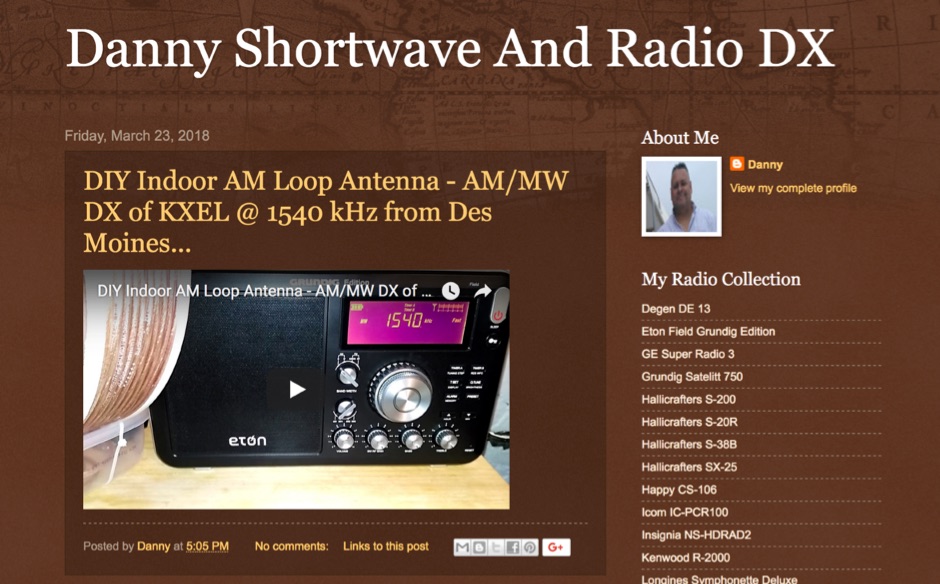 This channel is all about radio listening and dxing. I will be covering frequency bands like longwave, AM/MW and shortwave. I'm embarking on my renew interest in this hobby since my childhood.
 -
 The Metro Detroit area's largest Amateur Radio club presents it's annual Hamfest. Prizes, ARRL reps, DXCC Card checker, VE Exams, Chef Paul's Café, test bench, Vendors galore..
 -
 The 3Y0K website is the official platform for the Bouvet Island DXpedition scheduled for February 2026. It serves as a comprehensive resource for amateur radio operators, providing essential information about the expedition, including updates on operations, band availability, and communication modes such as FT8 and CW. The site aims to keep the amateur radio community informed about the expedition's progress and activities, encouraging participation and support. Users can find details on how to donate to the expedition and contact information for inquiries, as well as links to social media for real-time updates and community engagement. In addition to operational details, the 3Y0K site offers various resources for those interested in DXpeditions. It highlights the significance of Bouvet Island as a rare DXCC entity and outlines the logistical challenges faced by the team. The website is designed to be user-friendly, featuring a clear layout that allows visitors to navigate easily through the information. Overall, the 3Y0K website is a valuable resource for amateur radio operators looking to engage with the Bouvet Island DXpedition and enhance their understanding of amateur radio operations.
 -
 Presents amateur radio activities and experiences from JJ0LUU and JJ0LXF, two operators based in Japan. The weblog, hosted on shinshu.fm, documents their on-air operations, equipment setups, and general ham radio interests. Content often includes details about specific contacts, antenna configurations, and local operating conditions within the Japanese amateur radio community. The resource primarily focuses on personal operating logs and occasional technical discussions relevant to their station. It offers a glimpse into the daily life and pursuits of Japanese **amateur radio** operators, detailing their engagement with various bands and modes. JJ0LUU and JJ0LXF share their passion for radio communication, contributing to the broader online repository of individual ham radio narratives. The site serves as a digital logbook and informal platform for sharing their **DXing** and contesting endeavors.
 -
 Voldatech, a manufacturer based in China, produces a range of RF feeder cables and site components essential for amateur radio installations and telecommunication infrastructure. Their product line includes various types of coaxial cables, such as **50 Ohm** and 75 Ohm options, along with a comprehensive selection of connectors like N-type, UHF, and BNC. These components are critical for maintaining signal integrity and minimizing loss in antenna systems, whether for a home shack or a remote DXpedition setup. The company's focus on _RF Coax cables_ and connectors directly supports the needs of radio amateurs seeking reliable transmission lines for their transceivers and antennas. Amateurs often compare Voldatech's offerings to established brands, evaluating factors such as impedance matching, shielding effectiveness, and durability under various environmental conditions. The availability of diverse cable types allows operators to select optimal solutions for different frequency bands and power levels, from QRP to high-power amplifier setups. Their products are particularly relevant for those constructing new antenna arrays or upgrading existing feedline systems, aiming to achieve maximum power transfer and reduce standing wave ratio (SWR) for efficient signal propagation.
 -
 MARCA, Inc. operates approximately 24 repeaters across Arizona mountaintops and Phoenix-area rooftops, supporting modes like D-STAR and Fusion. The club, holding the **W7MOT** callsign, engages in diverse activities including ARRL Field Day events near Forest Lakes, AZ, ARRL FMT contests, and antenna experimentation. Members actively participate in HF operations such as voice, digital, CW, DXing, and various digital HF modes, alongside MESH and EOC operations within the valley. The club's interests span a broad technical spectrum, from SDR radio building to antique radio restoration, and include modern digital modes like WSPR, WSJT, FT8, and FT4. They also explore computer-based operations such as Echolink, fostering a dedicated Single Board Computer (SBC) and Raspberry Pi group. Monthly VE testing sessions for Technician, General, and Extra Class licenses are conducted by Ray Vasquez, K4RMV. Meetings are held on the third Tuesday of each month, typically lasting two hours, with a business segment followed by a technical presentation. These gatherings occur in-person at IHop in Mesa, AZ, and concurrently via Zoom, accommodating both local members and winter visitors. Informal chat groups often form post-meeting to discuss specialized topics like D-STAR, SDR, APRS, MESH, and Fusion.
 -
 Amarteur Radio Society Of India, the national society, is issuing Worked Republic of India (WRI) Award to VU and Dx operators.
 -
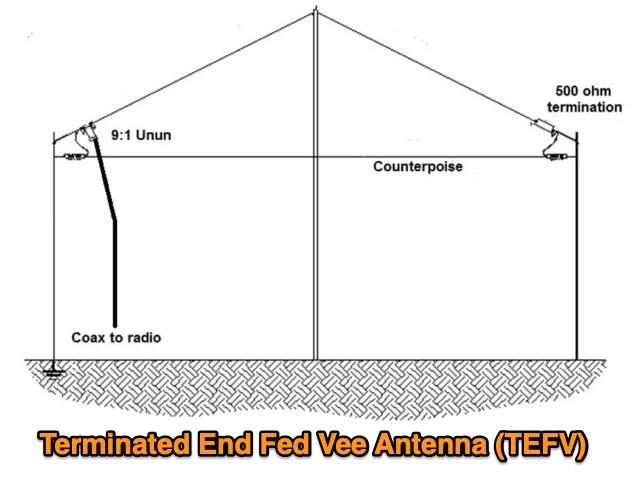 The Terminated End Fed Vee Antenna (TEFV) is a travelling wave antenna with constant current distribution. Unlike traditional resonant antennas, TEFV operates without standing waves, using a terminating resistor for broadband efficiency. With a combination of vertical and horizontal polarization, it offers wide bandwidth from 1.8 MHz to 30 MHz, eliminating the need for a tuner. Key components include a 9:1 unun transformer and a 500-ohm terminating resistor. Grounding and counterpoise enhance performance, and it can handle power losses of up to 30%. TEFV provides an effective, versatile antenna solution for amateur radio and broadcast applications.
 -
 Documents S21RC's construction of an impedance transformer harness for a VHF/UHF cross yagi, utilizing 20m of _RG179_ cable. Details the creation of a DIY RF sampler with a -50dB sampling output, primarily for measuring HF radio PA section output with a Spectrum Analyzer, also applicable for _Pure Signal_ transmission. Chronicles the deployment of a 200m long beverage antenna for the _S21DX IOTA_ operation in 2022, positioned 2m above ground. Discusses the construction of a 3-element short beam for 10m to replace a previous 2-element antenna, with assistance from S21DW. Provides guidance on operating cheap _PA-70_ and _PA-100_ type Chinese SSPAs using IRF530 MOSFETs, emphasizing the necessity of a final LPF. Outlines the design and construction of a fully isolated interface for radio-to-computer connections, supporting various digital modes with isolated ground, audio transformers for IN/OUT, optical isolation for CAT/CIV, and isolated PTT/COS lines. Includes a log of software updates, such as the _HMI/TFT for NX8048K070_ and _2.1.14 Lite_ release with bug fixes for PEP hold and gradual watt decay.
 -
 The club was founded in 1987 when a group of ham operators hauled radio gear, antennas, and a generator to the island by boat to operate portable during ARRL Field Day
 -
 The Northern California DX Foundation is a private foundation established in 1972 to assist worthwhile amateur radio and scientific projects with funding and equipment.
 -
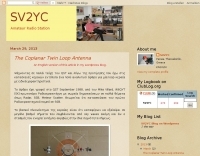 Presents various amateur radio topics through blog posts, detailing operational experiences and technical insights from the perspective of SV2YC. The content frequently discusses antenna projects, such as a **portable 20m/40m dipole** designed for rapid deployment, and explores the performance characteristics of different wire configurations in varied field conditions. Observations on propagation and band activity across the HF spectrum are also regularly documented, providing practical context for fellow operators. Specific entries often include detailed accounts of **DX contacts** and participation in minor contests, outlining station setup, power levels, and antenna choices. The blog also covers modifications to commercial transceivers and homebrew accessory construction, offering practical advice on improving station efficiency and functionality. Further posts delve into software applications for logging and digital modes, sharing configurations and operational tips for maximizing their utility in daily amateur radio activities.
 -
 The YM2XBU Bilkent University Amateur Radio Club website details the club's activities and operational focus within the amateur radio community. It serves as the primary online presence for the university's ham radio enthusiasts, showcasing their involvement in various aspects of the hobby. The site provides insights into the club's station setup, operational modes, and participation in local and international amateur radio events. Club members engage in DXing, contesting, and educational initiatives, fostering practical skills in radio communication and electronics. The _YM2XBU_ club callsign is actively used for on-air operations, contributing to the global amateur radio network. Information regarding membership, meeting schedules, and contact details for _Kagan SIRDAR_ are available, facilitating engagement for students and faculty interested in amateur radio.
 -
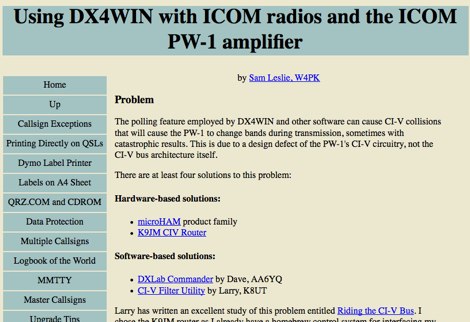 Using DX4WIN with ICOM radios and the ICOM PW-1 RF power amplifier
 -
 The Burlington Amateur Radio Club (BARC) provides a community hub for amateur radio operators in Burlington, Ontario, Canada, offering regular meetings, educational programs, and a dedicated hackspace for electronics and radio experimentation. The club operates several repeaters, including a 2m repeater (VE3RSB) on 147.210 MHz with a +600 kHz offset and 131.8 Hz tone, which supports AllStar node 542490. Additionally, BARC maintains a UHF repeater on 444.825 MHz with a +5 MHz offset and 131.8 Hz tone, and a 1.25m (220 MHz) repeater, facilitating local communication and digital mode access. BARC hosts multiple nets, including a Fusion Net on Mondays at 8:00 p.m. via VE3RSB-Room 61272, a Regular Wednesday Night Net on the VE3RSB system at 7:30 PM, and a 220 Net on Thursdays at 7:00 p.m. The club also runs a CW/SSB HF Net every Thursday at 7:00 p.m. local time on 40m, utilizing 7.125 MHz for LSB and 7.124.3 MHz for CW check-ins. These activities promote on-air participation, technical skill development, and social interaction among members, supporting both VHF/UHF local operations and HF DXing.
 -
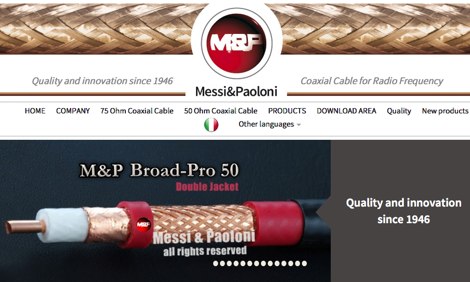 Messi & Paoloni offers a range of RF coaxial cables, including the _Ultraflex_ series, specifically engineered for amateur radio applications. These cables feature advanced dielectric materials and high-density braiding, resulting in significantly reduced attenuation across HF, VHF, and UHF bands. For instance, the Ultraflex 7 exhibits a loss of only **2.5 dB per 100 feet** at 144 MHz, making it suitable for demanding DX and contesting operations. The company's product line also includes specialized connectors, such as N-type and PL-259, designed to maintain optimal impedance matching and minimize signal reflections. Each connector is precision-machined to ensure a secure, weather-resistant termination, crucial for outdoor antenna installations and long-term reliability. Messi & Paoloni emphasizes rigorous quality control, with all cables undergoing testing to ensure consistent performance and durability, supporting effective two-way radio communication.
 -
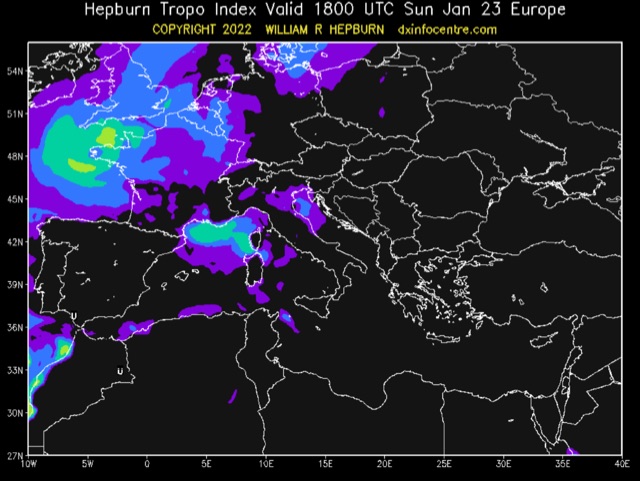 The areas noted in the forecast have the necessary atmospheric conditions to produce tropospheric bending of VHF, UHF and/or microwave radio waves. Tropospheric bending extends the range of radio & TV stations well beyond their normal limit and thus increases interference amongst stations as well.
 -
-
 Radioaficion,satelites,APRS,DX,scanner,radioaficionado,PSK31,by EA1URO Union de radioaficionados de Ourense Espana
 -
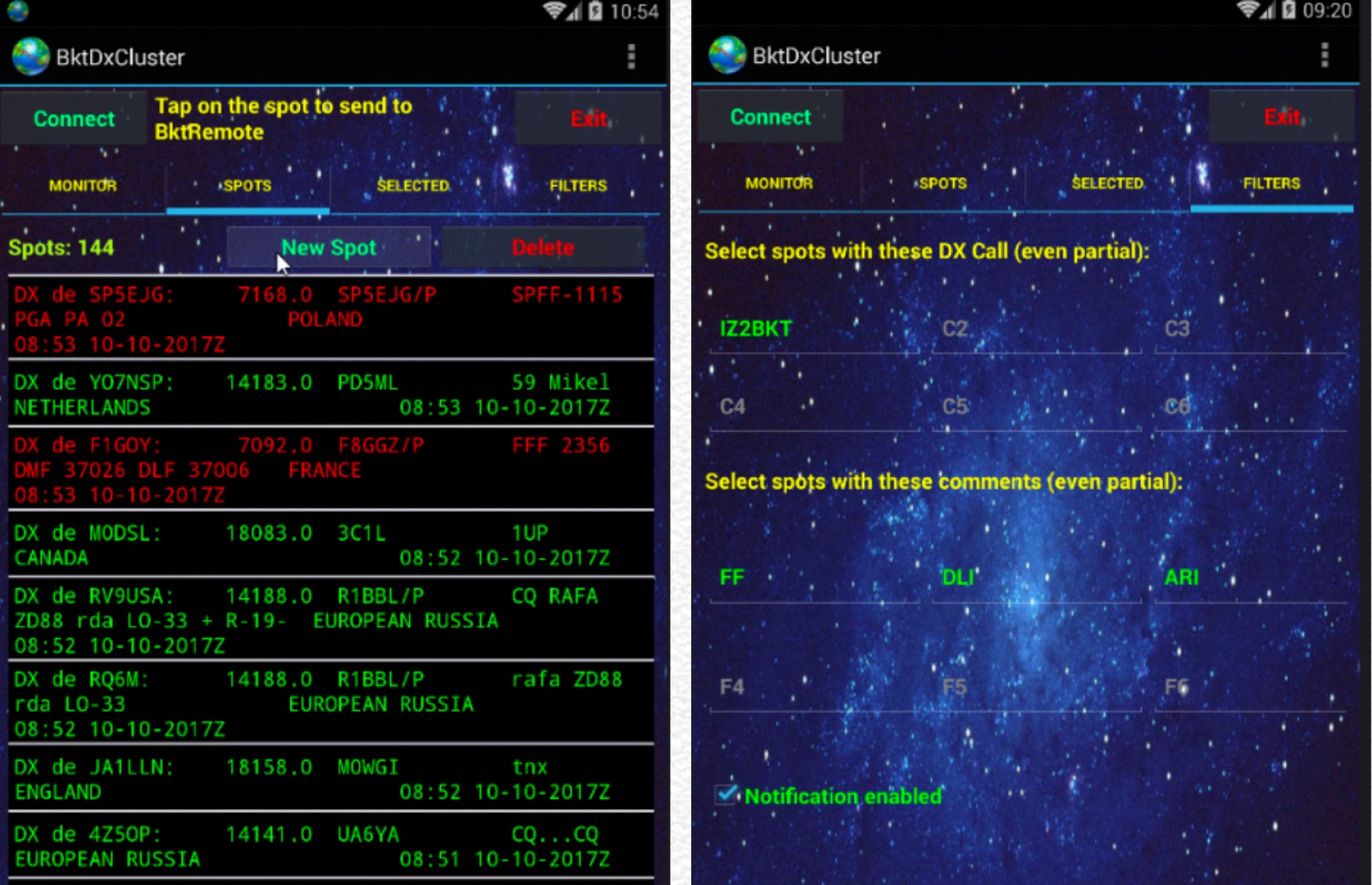 With BktDxCluster you can connect to all DX Cluster with DXSpider Protocol and telnet connection, filter the spots, send new spots, send commands to the cluster, set the radio to the frequency of the spot through BktRemote. Adroid App
 -
 Documents the _5W0M_ DXpedition to Samoa (IOTA OC-097) conducted by a German team from April 4th to 18th, 2013. The resource provides operational details and insights into activating this Pacific entity. It covers the planning, execution, and on-air activities of the multi-operator team, focusing on maximizing contacts across various HF bands. The expedition successfully logged over **30,000 QSOs**, providing DXCC credit for many operators worldwide. The site serves as a historical record, allowing hams to review the expedition's progress and understand the logistical challenges of operating from a remote island. It highlights the strategic band choices and operating techniques employed to achieve a high QSO rate and reach diverse geographical areas.
 -
 The Black River Amateur Radio Club (K8BRC) operates as a central hub for amateur radio enthusiasts within Van Buren County, Michigan, and its adjacent regions. This organization facilitates various activities, including local nets, educational initiatives, and community service events, all aimed at promoting the hobby and enhancing operational skills among its members. The club's focus on local engagement ensures a strong sense of camaraderie and mutual support among hams, from those just earning their _Technician_ license to seasoned DXers. Members frequently participate in field operations and emergency communications drills, applying practical skills in real-world scenarios. The club also maintains resources for new operators, offering guidance on station setup, antenna theory, and operating procedures. Their commitment to public service is evident through participation in events requiring reliable communication. K8BRC provides a platform for hams to share knowledge, collaborate on projects, and engage in on-air activities, strengthening the local amateur radio community. Many members have achieved **100** DXCC entities.
 -
 A news site focused on DXing and contesting, DXNews.com provides daily updates on upcoming **DXpeditions**, contest announcements, and general **amateur radio news**. The site features a continuously updated feed of articles detailing call signs, operating dates, IOTA references, and specific contest participation plans for various DX operations. Content includes detailed reports on planned activities from rare and semi-rare DX entities, often with information on operators, bands, modes, and QSL routes. It also covers major amateur radio contests, offering insights into rules, participating stations, and results. The archive depth extends back many years, providing a comprehensive historical record of DX activity. This resource is ideal for experienced DXers and contesters seeking timely information to plan their operating schedules, track rare DX entities, and stay informed about the global DX scene. It also serves general amateur radio operators interested in following significant events and operations within the DX community.
 -
 Riviera Amateur Radio Club was formed in 2012 in Torbay, Devon, England.
 -
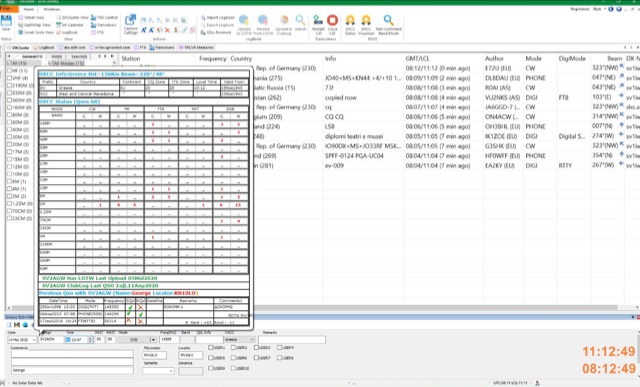 DxDozer is a Windows-based amateur radio logbook designed for both new and experienced DXers, featuring a robust logging system with extensive search capabilities. It offers seamless integration with FT8, displaying received stations from WSJT-X in a DX Cluster-like view, indicating LoTW status and prior contacts, and initiating QSOs directly. The software supports an unlimited number of callsign logbooks and allows multiple operators to log simultaneously to a single database, enhancing its utility for multi-operator stations or contest operations. The application includes a sophisticated DX Cluster with highly configurable filters based on band, mode, continent, worked/confirmed status, and LoTW participation, enabling users to monitor specific calls or countries. DxDozer simplifies QSL management by facilitating one-button uploads to LoTW and ClubLog, and downloads of new confirmed QSOs, with a dedicated field for QSL medium. The software provides both 'Easy' and 'Expert' modes to cater to different user proficiency levels, and is available via a yearly subscription after an initial free trial period.
 -
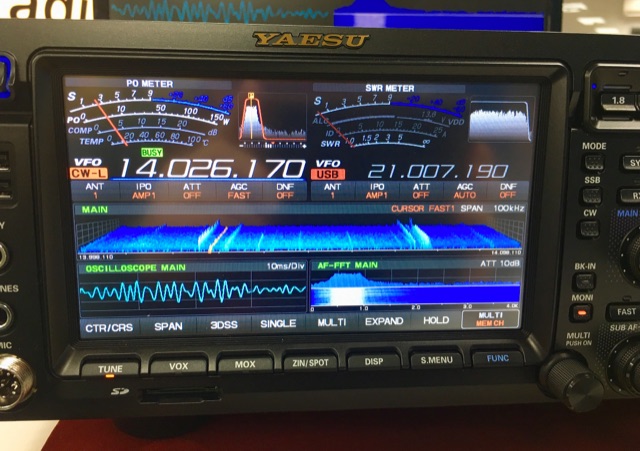 Tim Kirby G4VXE gets a first look at the much-heralded FTdx101 from Yaesu.
 -
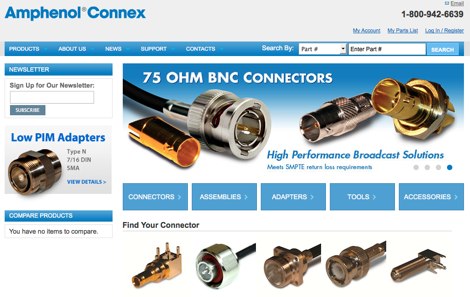 Details Amphenol Connex's product range, focusing on RF connectors, adapters, and cable assemblies. The company produces common radio frequency interfaces such as _BNC_, _SMA_, and _TNC_ connectors, alongside numerous other specialized designs. These components are critical for establishing reliable signal paths in amateur radio stations, ensuring proper impedance matching and minimal signal loss across various frequency bands. The manufacturing process emphasizes precision engineering to meet the demanding specifications of RF applications, from HF to microwave frequencies. Product lines support diverse coaxial cable types, facilitating custom cable assembly for specific station configurations. The extensive catalog provides solutions for both fixed station installations and portable operations, addressing the needs of contesters, DXers, and general amateur radio operators.
 -
 Documents the XR0ZR DXpedition to Juan Fernandez Island (SA-005) in November 2013, providing insights into activating a highly sought-after DXCC entity. The team's efforts focused on maximizing QSO opportunities across various bands and modes, a critical aspect for stations aiming to complete their DXCC or IOTA awards. Operating from a remote location like Juan Fernandez presents unique logistical and technical challenges, which the expedition successfully navigated to put this entity on the air for thousands of eager DXers worldwide. The resource outlines the operational period, the callsign XR0ZR, and the specific island group activated. Such DXpeditions are vital for the global amateur radio community, enabling hams in less accessible regions to achieve their award goals and fostering international communication. The detailed account serves as a historical record of a significant activation.
 -
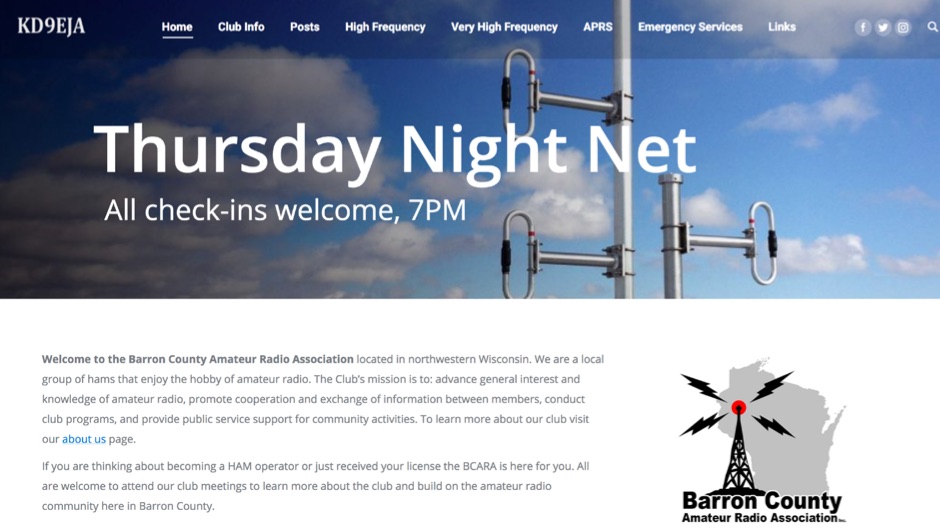 Amateur radio operators in northwestern Wisconsin often seek local community and technical support, which the Barron County Amateur Radio Association (BCARA) provides. This organization facilitates regular meetings, nets, and events, connecting hams across the region for shared learning and operational experiences. Members engage in various aspects of the hobby, from contesting and DXing to emergency communications and technical projects, reinforcing local Elmering traditions. The BCARA maintains a presence on social media, including a Facebook group with over **100** members, enabling real-time communication and event coordination. The club also supports local public service events, demonstrating the practical utility of amateur radio. Their activities encompass both VHF/UHF operations and _HF bands_, ensuring a broad appeal to operators with diverse interests and equipment setups.
 -
 Since January 1, 1982, 1A contacts have been eligible for **DXCC** credit, making the prefix highly sought after by the amateur radio community for over 41 years. The 1A0C station, operated by the Order of Malta's Italian Relief Corps (CISOM), engages in DXpedition activities with a dual purpose beyond simply providing a rare "new one" for DXers. For instance, the July 26 - August 2, 2023, operation specifically channeled received donations towards reconstruction efforts for flood victims in Romagna, aligning with CISOM's humanitarian mission. The site outlines CISOM's broader scope, which includes impartial humanitarian relief, medical assistance, and emergency support for natural disaster victims, emphasizing respect for diverse beliefs. This approach integrates high-profile amateur radio operations with significant charitable outcomes.
 -
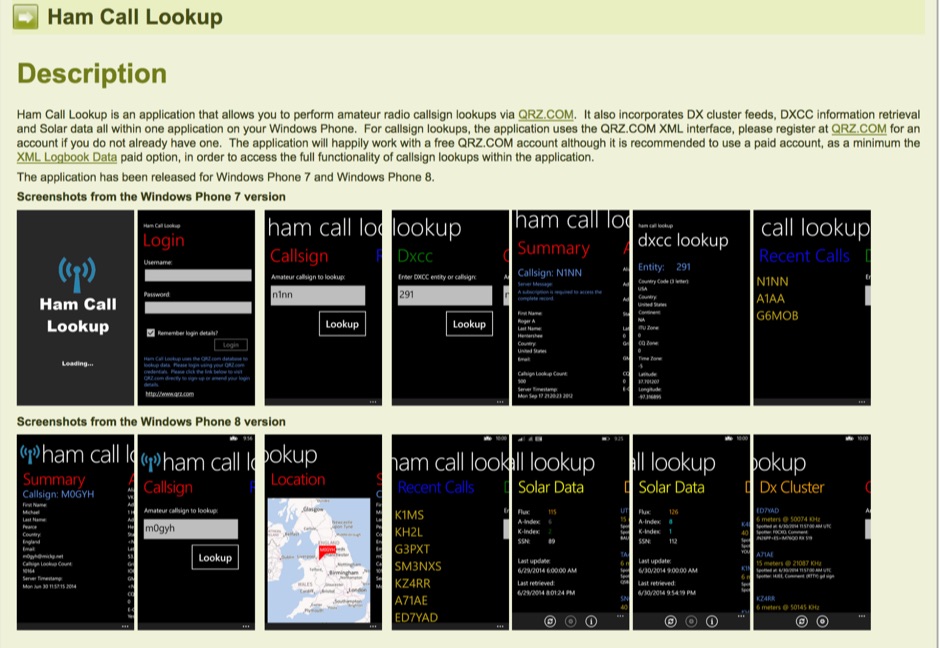 Ham Call Lookup is an windows phone app that allows you to perform amateur radio callsign lookups via QRZ.COM. It also incorporates DX cluster feeds, DXCC information retrieval and Solar data all within one application on your Windows Phone. For callsign lookups, the application uses the QRZ.COM XML interface, please register at QRZ.COM for an account if you do not already have one. The application will happily work with a free QRZ.COM account although it is recommended to use a paid account, as a minimum the XML Logbook Data paid option, in order to access the full functionality of callsign lookups within the application.
 -
 Operating as FY/F5UII, Christian F5UII conducted a DXpedition to French Guiana (FY) from January 13 to 30, 2013. The primary operation utilized the FY5KE radio club station in Kourou, with activity focused on voice modes during specific weekday hours. The resource details the operator's intent to transmit before 12:00z and after 22:00z, or as availability permitted, from the mainland. A significant aspect of this operation involved a dedicated weekend activation of the Salut Islands, specifically **IOTA SA-020**, from January 19-20, 2013. This segment of the DXpedition was conducted from Royal Island (Ile Royale), part of a group including Devil's Island (Ile du Diable) and St. Joseph Island (Ile Saint Joseph), located 14 km offshore from Kourou. The station setup for the IOTA activation included 100 Watts of power, a GPA-030 vertical antenna for 10m, 15m, and 20m, and dipole antennas for 17m and 40m, with antenna deployment contingent on site conditions and propagation. The operator anticipated strong interest for the SA-020 entity.
 -
 SX5F DX-PLUS Hellenic Amateur Radio Team FARMAKONISI rocky Islet EU-001, 14 to 22 May 2011 & Lighthouse Farmakonisi,
 -
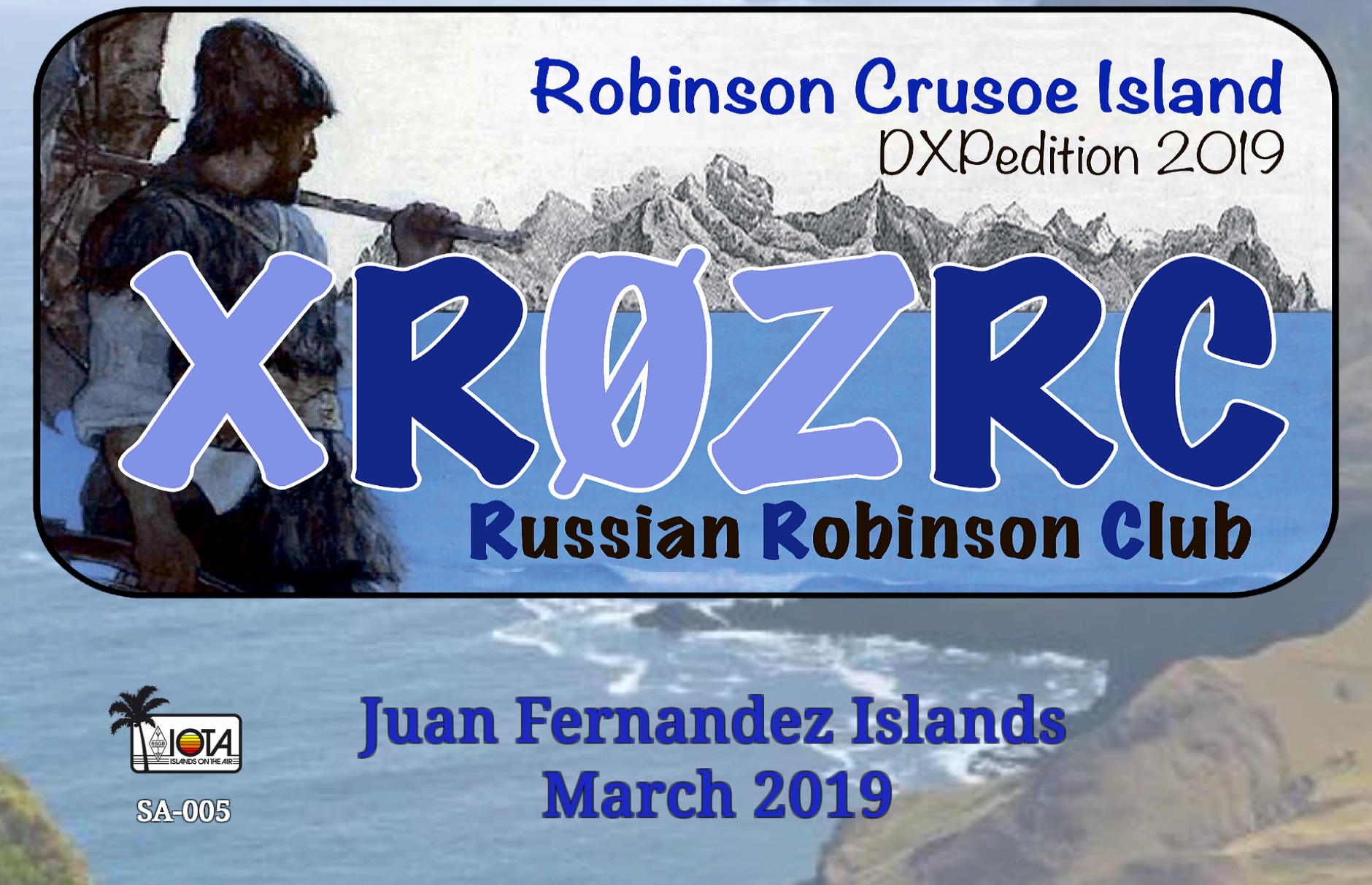 Enables operators to search the XR0ZRC DXpedition log online, a service facilitated by **Club Log**. This tool allows for rapid **QSO verification**, confirming contacts made with the XR0ZRC entity. Users can input their callsign and other contact details to ascertain if their signal report and time match the DXpedition's records, a critical step for award applications like DXCC. The platform offers a straightforward interface for checking log entries, which is particularly useful for those chasing new entities or band slots. It integrates seamlessly with the broader Club Log ecosystem, providing a reliable method for operators worldwide to confirm their DX contacts without requiring a login, reflecting the utility of real-time log updates in the amateur radio community.
 -
 The TVDXA is a general interest and DX Amateur Radio Club serving the Chattanooga, TN and North Georgia area of the Tennessee Valley
 -
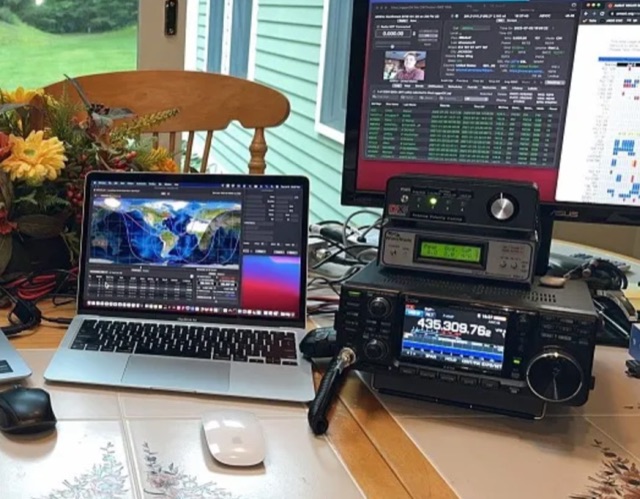 Explore the detailed setup, essential software, and operational nuances for Greencube (IO-117), a Medium Earth Orbit (MEO) satellite with a 70cm digipeater, offering DX possibilities for amateur radio enthusiasts. From antenna configurations to software choices, this guide covers everything for a successful Greencube experience.
 -
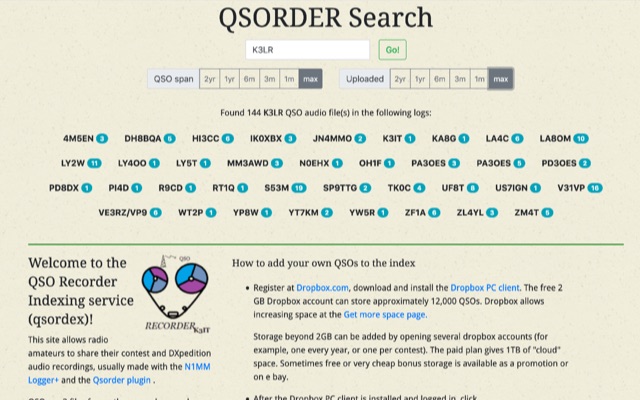 QSO Recorder Indexing service. This site allows radio amateurs to share their contest and DXpedition audio recordings, usually made with the N1MM Logger+ and the Qsorder plugin
 -
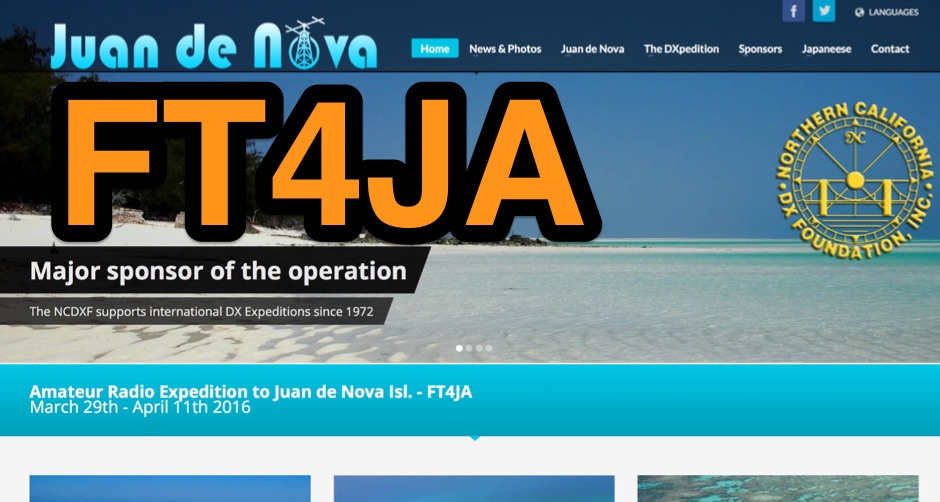 Amateur Radio Expedition to Juan de Nova Isl. FT4JA March 29th - April 11th 2016
 -
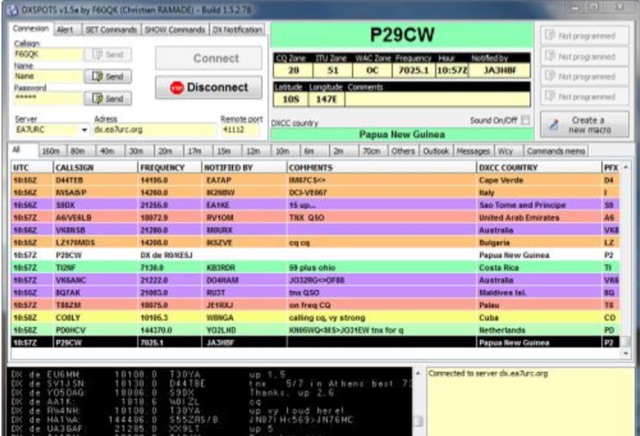 DXSPOTS is a Telnet connection program. It allows radio amateurs with a lot of DX traffic to know instantly the status of the bands and to know which DX are currently on the air. Following the Packet-Clusters where data was transmitted on VHF/UHF via dedicated relays and sometimes on HF at a very low speed (300Bds on HF), the Internet has taken over and is now transmitting DX information via the computers in most shacks. Translated with www.DeepL.com/Translator (free version)
 -
 First released in 1988, _SWLog_ is a comprehensive suite of applications providing logging and remote control for both amateur radio and shortwave, utility, and broadcast listening. It integrates program schedules from sources like _HFCC_, _ILGRadio_, and _EiBi_ for broadcast reception, while also linking with amateur radio logbooks such as _ClubLog_, _eQSL_, _QRZ_, and _LoTW_. The software supports radio control for various transceivers, including _Flex_, Icom, Yaesu, and Kenwood, alongside interfaces like _FLRig_, _OmniRig_, and _HamLib_. Mobile applications for Android and iOS facilitate on-the-go logging and remote control, seamlessly transferring logs without manual ADIF export. _SWLog_ leverages an enterprise-grade relational database (SQL Server) for robust data management and analytics, enabling features like mapping QSOs by band or state. It offers specific integrations for _POTA_ monitoring, displaying active spots with real-time propagation and automatic radio tuning. The application's scalability allows multiple users to log to a centralized database, suitable for Field Day or DXpeditions. The user interface features modern aesthetics with light, dark, and gray themes, the latter optimized for outdoor visibility during activities like _POTA_ or _SOTA_. The Plus Edition, available for an annual fee, expands capabilities with advanced QSL integration, additional map providers, and enhanced propagation calculations using _VOACAP_.
 -
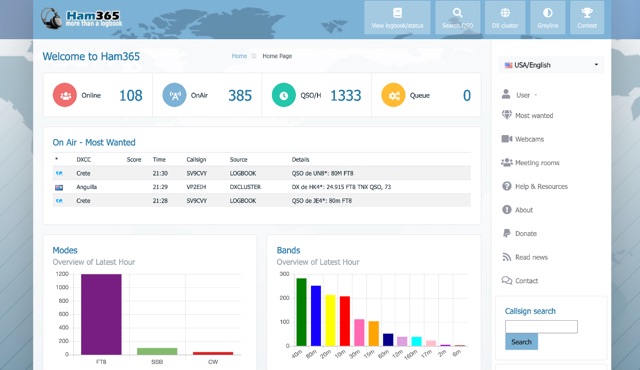 Over 15 years of continuous operation, Ham365 provides a web-based logging solution for Amateur Radio Operators, allowing them to maintain and share their QSO records online. Originally launched as the online logbook component of Ham Radio Deluxe, it has since evolved into an independent platform, now integrating with numerous other logging applications. The platform shares its database with HRDLOG.net, ensuring that operations performed on one site are reflected on the other, maintaining data consistency for users. Key features include an overview of the latest hour's activity, a display of the most recent QSOs, and a map visualizing recent contacts. It also highlights "Most Wanted" entities and ongoing DXpeditions, providing a dynamic view of current amateur radio activity. The logbook supports various operating modes, including SSB, RTTY, PSK31, and FT8, and handles ADIF data for interoperability. Users can manage their logbooks, track DX activity, and utilize features like OQRS (Online QSL Request System) through its integrated functionalities. The system is designed to be accessible to a wide range of operators, from casual ragchewers to avid DXers and contesters.
 -
 An original amateur radio blog in Esperanto lenguage, all about ham radio, DX, antenna.
 -
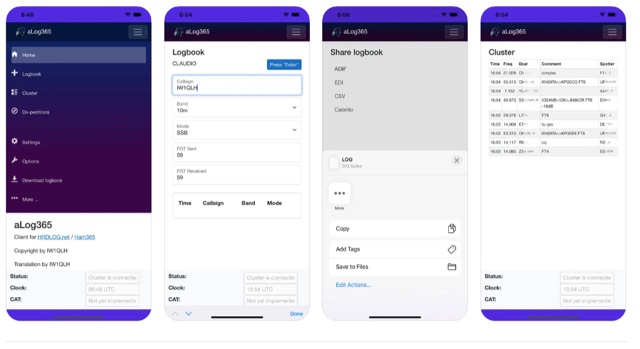 Over 500 downloads indicate _aLog365_ is a widely adopted mobile logbook for amateur radio operators, specifically designed for portable operations. It facilitates callsign lookup, real-time QSO uploads to _HRDLOG.net_ / _Ham365_, and offers CAT control via Bluetooth for radio integration. The application supports various export formats, including ADIF, EDI, CSV, and Cabrillo, ensuring compatibility with other logging software and contest submissions. Key features include an integrated DX Cluster and a DXpedition plan, providing operators with current propagation information and upcoming rare entity activations. A unique Instant QSL (iQSL) viewing capability allows for immediate confirmation of successful radio contacts. The app also supports SOTA, POTA, and WWFF operations, making it a versatile tool for activators and hunters alike. Developed by IW1QLH, the application is regularly updated, with the latest version improving performance and stability, and adding Spanish, French, and German language support.
 -
 This web page is part of a self-help program for licensed amateur radio operators and radio pirates.
 -
 DXFile is a Windows shareware application designed for amateur radio operators, providing comprehensive log management capabilities. The software, developed in Pascal, facilitates real-time and deferred QSO entry, automatically populating fields like frequency, mode, and DXCC country based on user input and system time. It includes features for searching, modifying, and deleting QSO records, with options to sort logs by date, callsign, or entry order. The program offers various printing functions, including QSL card labels in multiple formats, and can generate standard logbook printouts. Beyond basic logging, DXFile integrates modules for tracking progress towards major operating awards such as DXCC, _IOTA_, WAZ, WAS, DDFM, and DIFM. It provides detailed summaries of contacts by band and mode, including graphical representations of HF traffic. A dedicated QSL Manager module assists in processing received QSLs, allowing users to mark confirmations and print multi-line QSL labels. The application also incorporates a DXCC list viewer, which can be updated to ensure accurate country and zone data for logging and award tracking. A distinctive feature is its HF propagation prediction module, which calculates optimal frequencies and signal levels for paths between **250 km** and **6000 km**, considering both E and F layer ionospheric conditions. This module helps operators determine the best times for long-distance contacts. Additionally, DXFile includes a _Web-Cluster_ interface, enabling connection to various DX cluster servers like DXLITE, DXSCAPE, and NC7J for real-time spot information.
 -
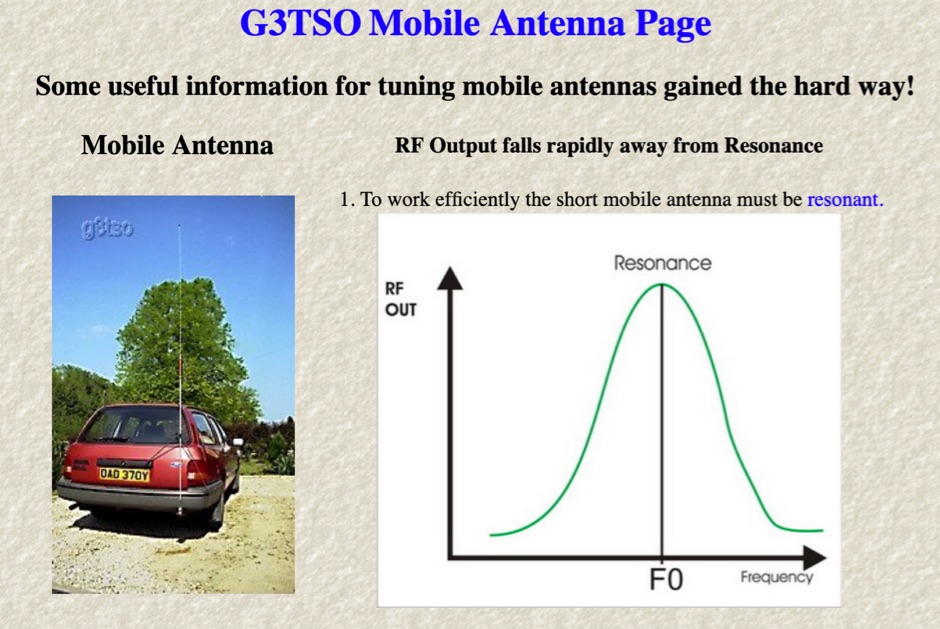 The _G3TSO_ Mobile Antenna Page details construction and tuning methods for mobile antennas operating across **10 to 160 metres**. The content describes a Hustler-based design, optimized for RF performance and vehicle speeds, featuring centre loading. For optimal operation on various bands, the loading coil placement requires clearance from the vehicle body. Antenna resonance is critical for efficient mobile operation. A mobile antenna's base impedance may be as low as 27 ohms, requiring specific matching to achieve maximum radiation, as a minimum SWR at the transmitter does not always indicate resonance or maximum output. Tuning involves physical adjustment of antenna length to achieve resonance at the operating frequency. The _G3TSO_ page outlines a tuning procedure utilizing a low-power signal source and a field strength meter to identify maximum radiation before impedance matching. Loading coil placement, either at the base, center, or top of the antenna, influences radiation efficiency and mechanical stability for mobile installations. Centre-loaded whips, such as the Hustler design, offer a compromise between efficiency and stability, often for single-band operation. Helically wound antennas, including those for **28 MHz**, may present base impedances around 17 ohms, resulting in a 3:1 SWR at resonance. Low resistance grounding at the antenna base is also specified for optimizing performance and minimizing RFI during mobile operation. DXZone Focus: Mobile | Any | Antenna Tuning | HF
 -
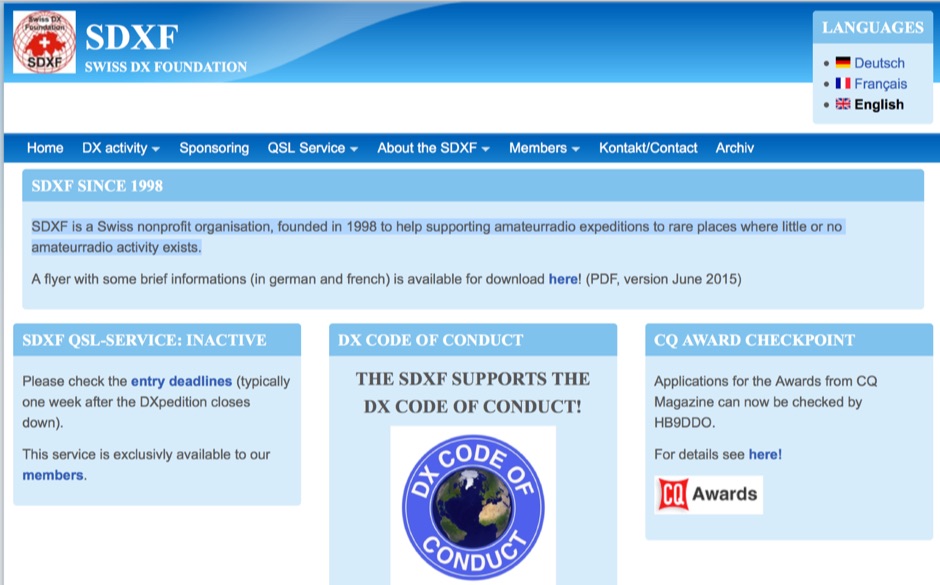 SDXF is a Swiss nonprofit organisation, founded in 1998 to help supporting amateurradio expeditions to rare places where little or no amateurradio activity exists.
 -
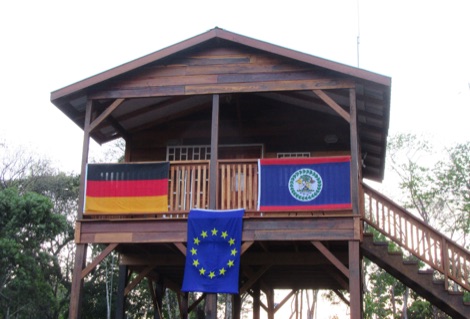 Home of Club Station V31HQ, The Maya Hill Lodge, is ideal DXing from Central America. The shack is located outside the house as separate house and it is air conditioned. Offer HF VHF UHF equipment and EME setup.