Search results
Query: review
Links: 666 | Categories: 104
Categories
- Radio Equipment > Reviews and Comparisons
- Radio Equipment > HF Amplifiers > Acom 1000
- Radio Equipment > HF Amplifiers > Acom 1010
- Radio Equipment > HF Amplifiers > Alpha 8410
- Radio Equipment > HF Amplifiers > Alpha 87A
- Radio Equipment > HF Amplifiers > Ameritron AL-80B
- Radio Equipment > HF Amplifiers > Ameritron AL-811
- Radio Equipment > HF Amplifiers > Ameritron AL-811H
- Radio Equipment > HF Amplifiers > Ameritron ALS-600
- Radio Equipment > Antenna Tuners
- Radio Equipment > Antenna Analyzers > Array Solutions AIM 4170D
- Radio Equipment > Antenna Tuners > AT-Auto
- Radio Equipment > VHF-UHF Handhelds > Baofeng UV-3R
- Radio Equipment > HF Portable Antenna > Buddipole
- Radio Equipment > HF YAGI Antennas > Cushcraft MA5B
- Radio Equipment > HF Vertical Antenna > Cushcraft R5
- Radio Equipment > HF Vertical Antenna > Cushcraft R7
- Radio Equipment > HF Vertical Antenna > Cushcraft R8
- Radio Equipment > HF YAGI Antennas > Cushcraft X7
- Operating Modes > Digital Modes
- Radio Equipment > Receivers > Drake R-4C
- Radio Equipment > HF Transceivers > Drake TR7
- Radio Equipment > HF Transceivers > Elecraft K3
- Radio Equipment > HF Transceivers > Elecraft K4
- Radio Equipment > HF Transceivers > Elecraft KX3
- Radio Equipment > Microphones > Heil PR-781
- Radio Equipment > HF Amplifiers
- Radio Equipment > HF Transceivers
- Radio Equipment > HF Vertical Antenna
- Radio Equipment > HF YAGI Antennas
-
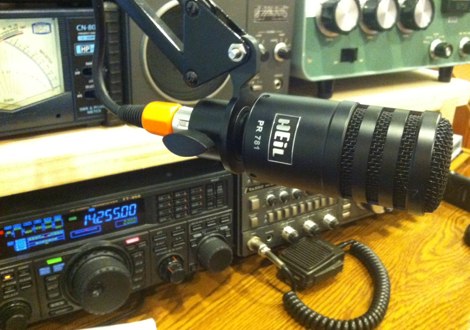 Review of the Heil PR-781 with a Yaesu FT-950 includes youtube movies and a nice product review
 -
 Review of the ICOM IC-7100 by M0ZZM owner of a IC 7400 and IC 7000
 -
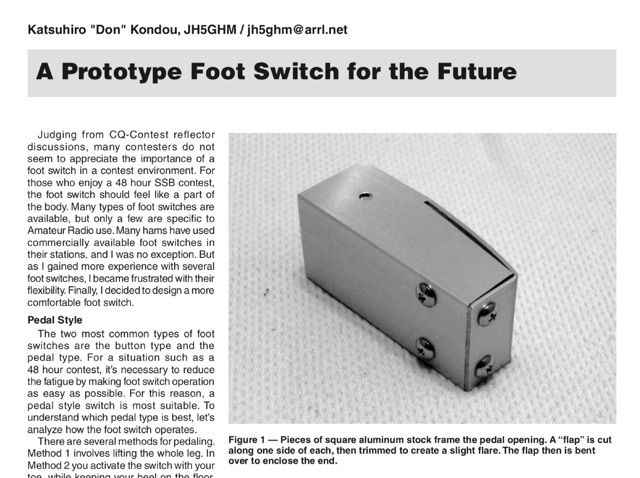 A prototype of a switch foot made on a square aluminium stock frame
 -
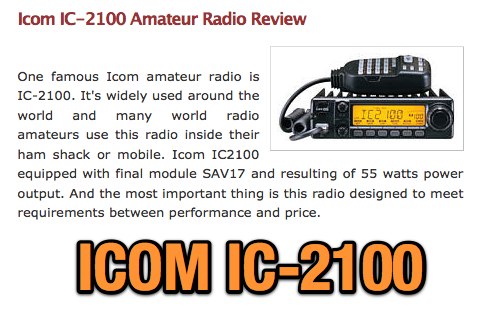 Review of the popular Icom IC-2100 VHF ham radio transceiver by YB3TD
 -
 This paper discusses the sources of feed line currents and the methods used to control them.
 -
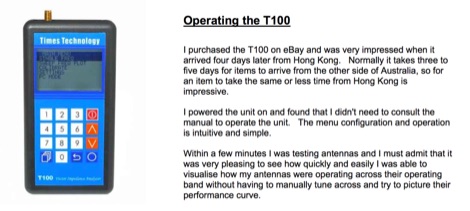 Times Technologies Vector Impedance Analyzer Review
 -
 eHam reviews of the popular HF Transceiver Drake TR7
 -
 eHam Reviews for Elecraft K3
 -
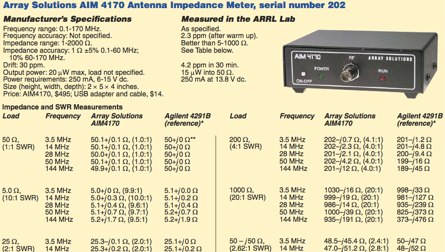 Array Solutions AIM 4170 Antenna Impedance Meter, QST Review
 -
 Reviews of Acom 1010 KW 160 - 10 m PA at eham.net
 -
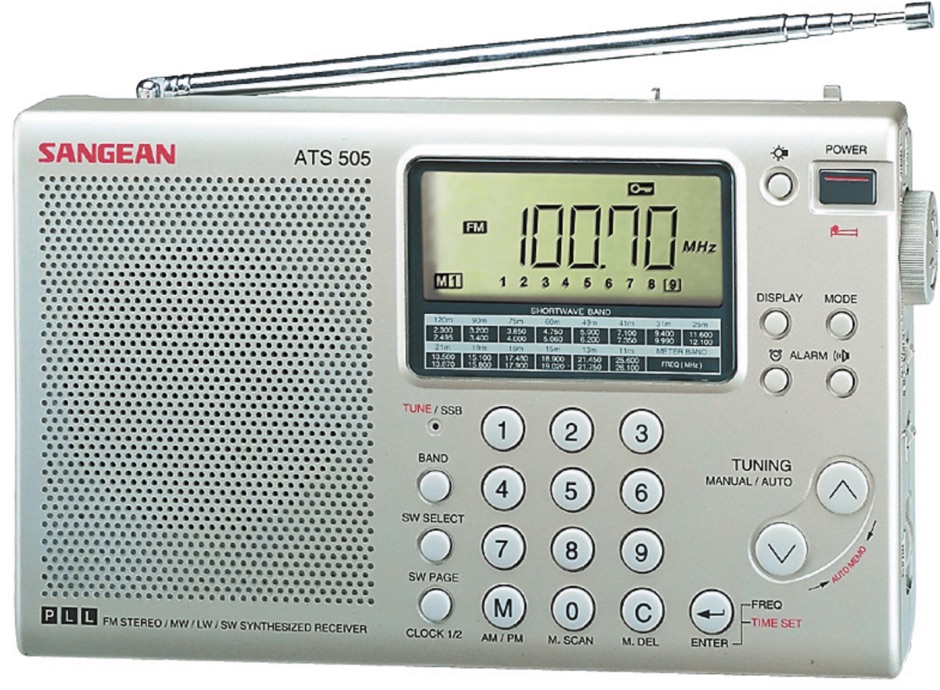 An inexpensive portable radio that you can travel with. ATS-505 would be a good choice for a first-time purchaser of a shortwave radio.
 -
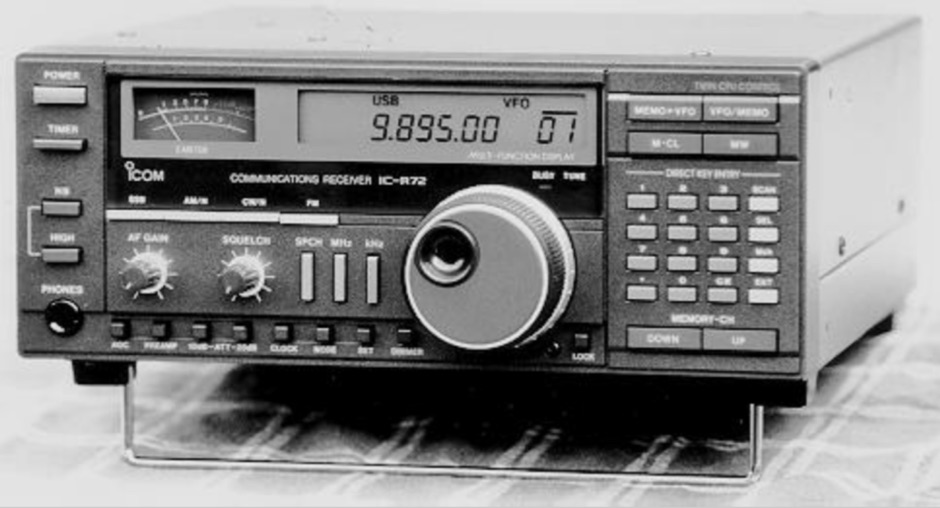 The ICOM IC-R72E a neat compact communications receiver. Coverage: LW, MW, SW (0.1- 30.0 MHz continuous) discontinued in 1998
 -
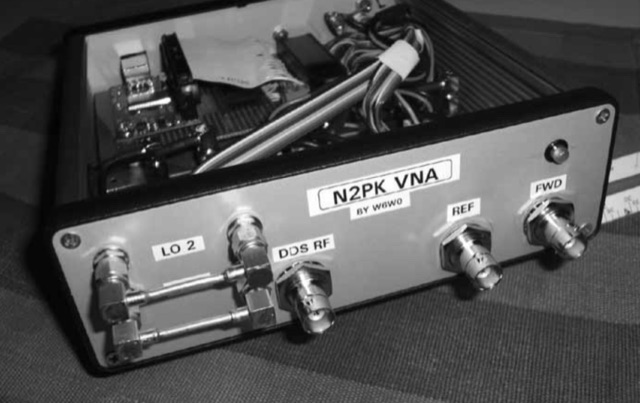 If you thought you knew everything about balun performance characteristics, there is an important figure of merit you may have neglected
 -
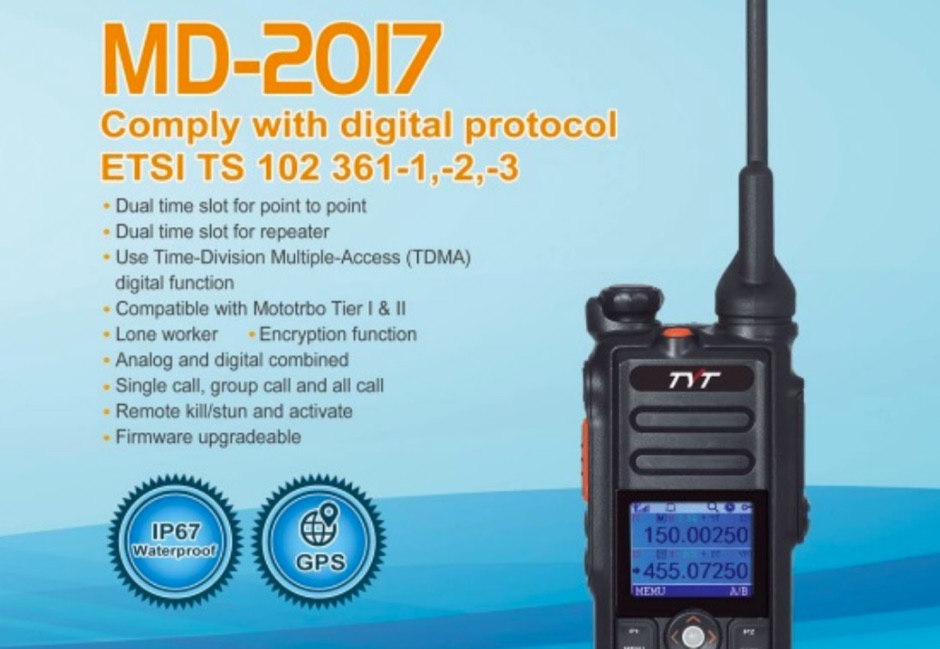 The MD-2017 is a dual band DMR and Analog handheld transceiver with a frequency range on VHF 136-174 MHz and on UHF 400-480 MHz
 -
 The ICOM IC-7600 is an improved version of the IC-756 Pro and Pro II review by N9EWO
 -
 Article on operating aids and band usage during solar minimun periods. Author tries to explain what can we expect on the HF bands during a solar minimum period and which approach to be used to understand band openings.
 -
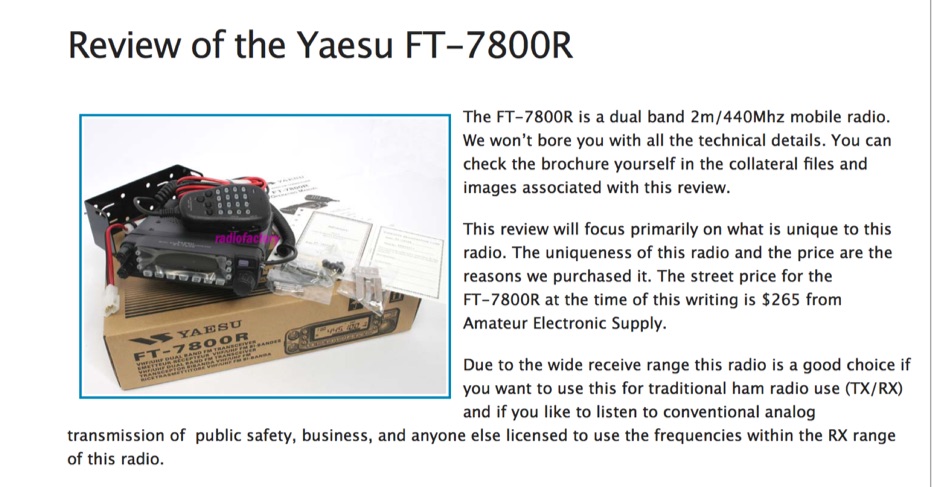 Yaesu FT-7800R dual band 2m/440Mhz mobile radio review
 -
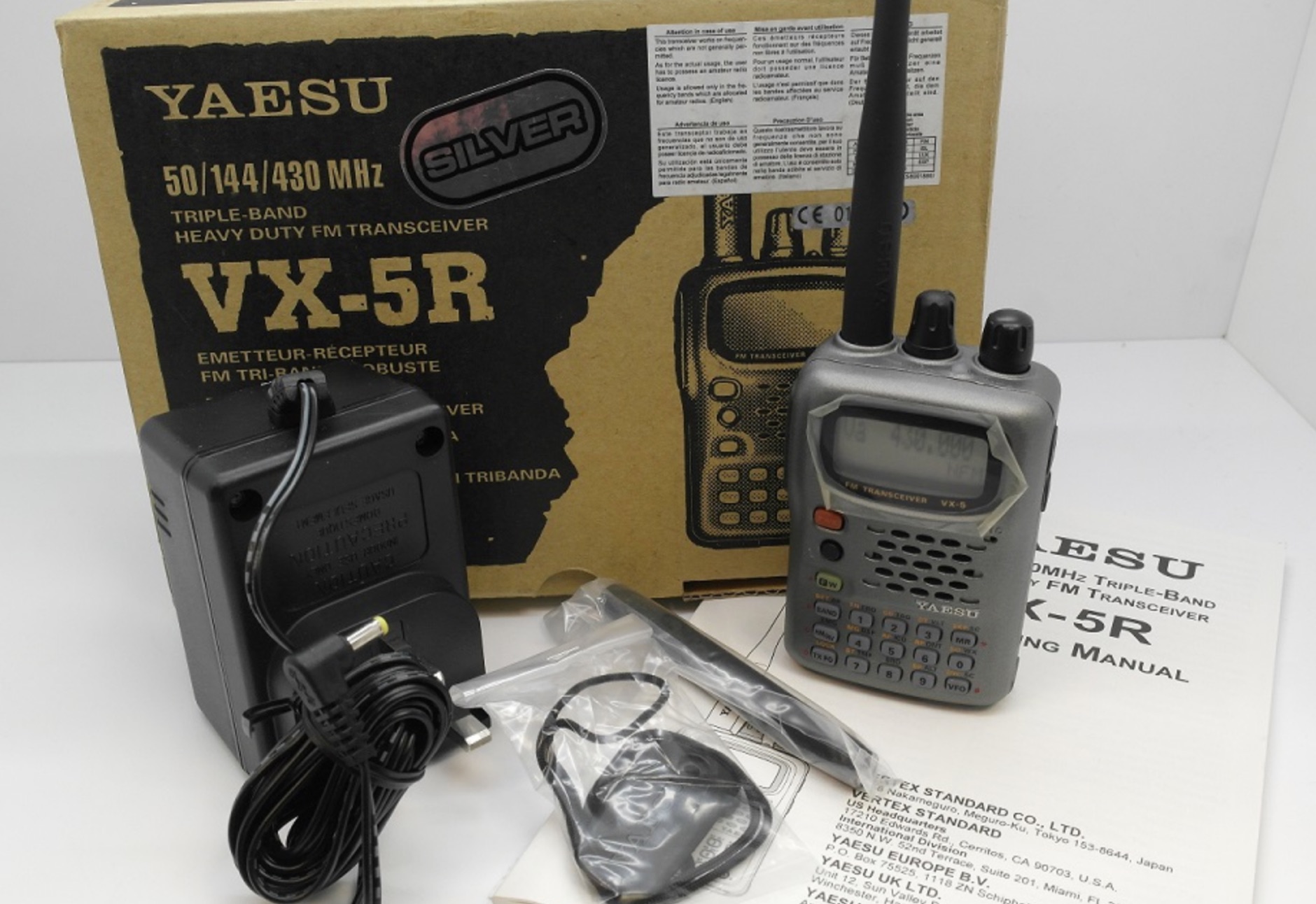 Guide to the Yaseu VX5r, Modes, Memory Banks, Buttons, SET commands, How to save a memory, Tricks and Memory Channel Listing
 -
 Presents the official results for the _CQ World Wide 160-Meter Contest_, a premier event for Top Band enthusiasts. The resource details final scores for both CW and SSB segments, offering links to comprehensive articles, plaque winner lists, and club score breakdowns. It also includes access to score databases for individual modes and years, along with "Soapbox/QRM Comments" from participants, providing insights into operating conditions and experiences. This archive spans results from 2010 through 2025, with a forward-looking note regarding the 2026 SSB contest date adjustment due to a conflict with the _ARRL DX CW Contest_. The site provides specific links for each year, allowing operators to review detailed outcomes, including top scores, errata, and all-time records, such as the _SX5R_ 2017 SSB performance. The structured presentation facilitates easy navigation through historical contest data.
 -
 Amateur / HAM / CB Radio Resources and Information including reviews, projects, licensing and FCC Enforcement.
 -
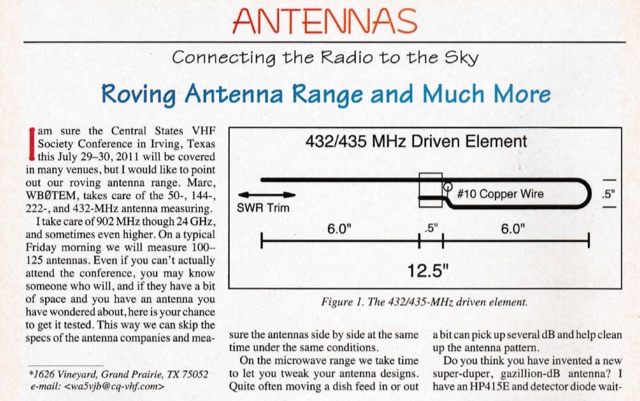 A 18 elements Yagi antenna for 432/435 MHz as published on 2011 CQ VHF magazine
 -
 Internal Bluetooth interface for miniVNA, Bluetooth connection to the PC allow Full cordless operation with ao external components
 -
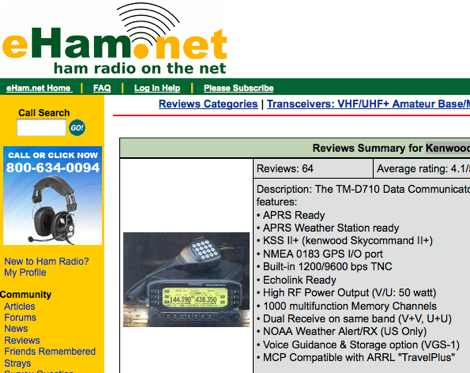 Kenwood TM D710A reviews at eham.net
 -
 This resource provides a historical analysis of amateur radio call sign assignment policies in the United States, detailing regulatory shifts from the Department of Commerce to the Federal Radio Commission (FRC) and subsequently the Federal Communications Commission (FCC). It documents the evolution of call sign issuance, from early reissuance practices in the 1920s to the implementation of the Group Call Sign Assignment System on March 24, 1978. This system categorized call signs (e.g., 1x2, 2x1, 1x3, 2x3 formats) into groups A, B, C, and D, correlating with license classes such as Extra, Advanced, General, and Novice, and specifying prefixes for contiguous U.S. and territorial areas (e.g., _AH_, _KP_, _KL_). The document further details the legislative process leading to the modern Vanity Call Sign program, initiated by a petition in June 1990 and formalized by the Omnibus Budget Reconciliation Act of August 10, 1993. It outlines the FCC's adoption of final rules on December 23, 1994, and the subsequent fee structure, with the first vanity call sign issued on May 31, 1996, at a cost of **$30.00** for a ten-year term. The ARRL's proposed "starting gates" implementation strategy is also described, which phased in eligibility for vanity call signs based on license class and prior holder status. DXZone Focus: Historical Document | Regulatory Analysis | Call Sign Formats | Fee Structure
 -
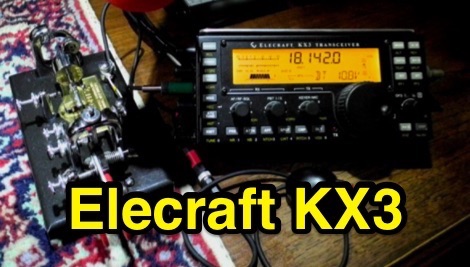 Software Defined, User Assembled, an Adventure a personal review by W5TOM
 -
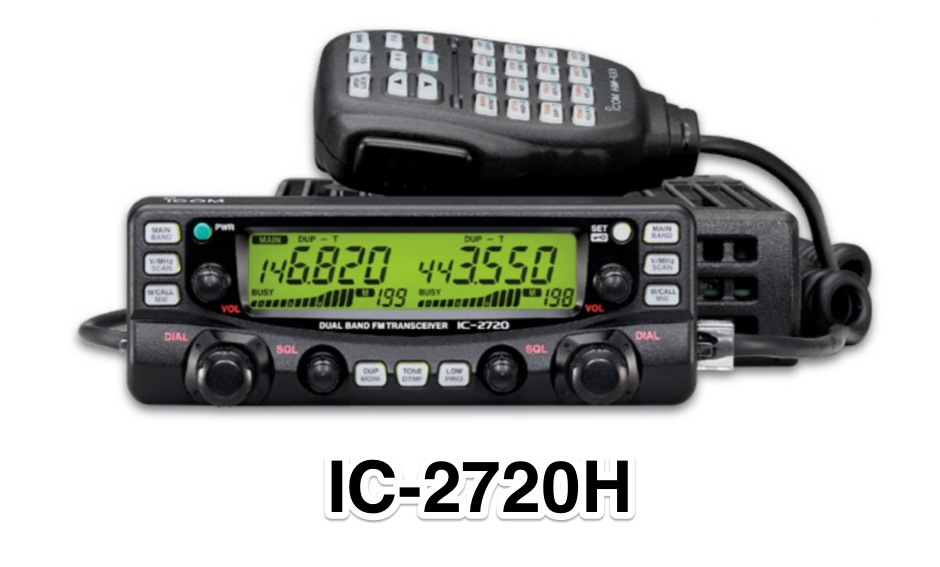 An interesting review of the Icom 2720H VHF UHF amateur radio mobile transceiver with pros and cons
 -
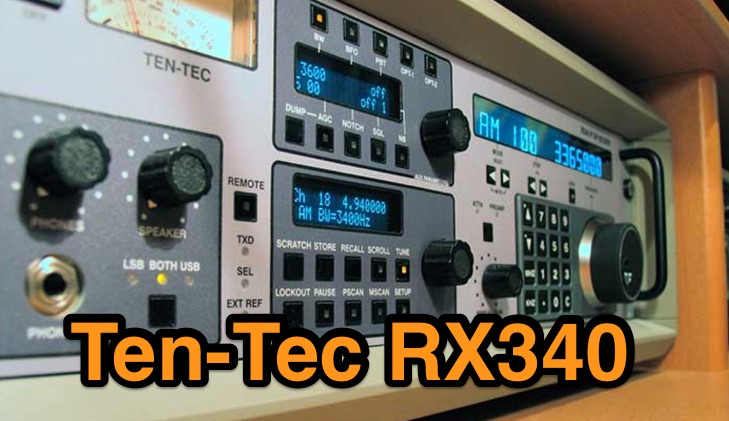 A complete review of the Ten-Tec RX340 all mode HF receiver
 -
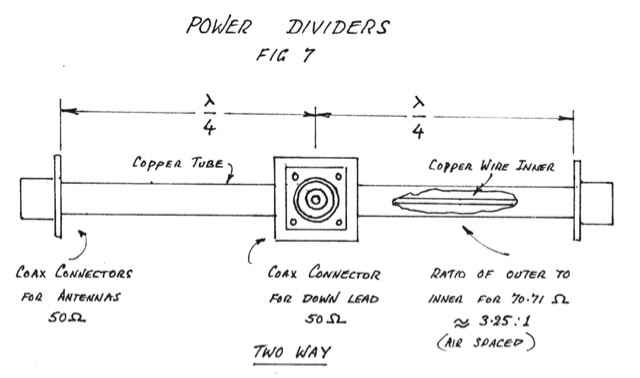 This is a synopsis of a talk presented to the Sydney VHF DX GROUP by VK2ZAB on how, when and why is convenient to build a Yagi antenna stack.
 -
 Reivews of the Icom IC 7100 HF VHF UHF transceiver
 -
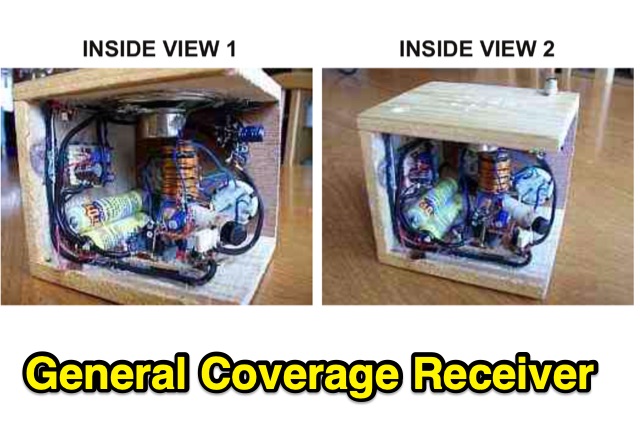 This is a compact three transistor regenerative general coverage receiver with fixed feedback. The sensitivity and selectivity is relative good, especially on the LF and MW bands, as can be expected with this simple design.
 -
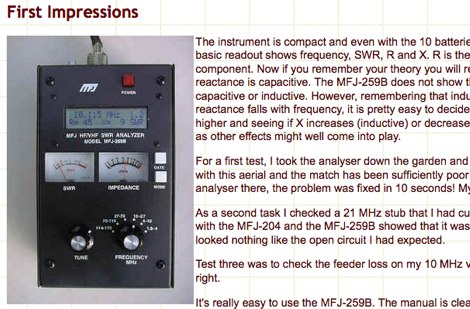 A review of the MFJ-259B Antenna Analyser writtten by G3CWI
 -
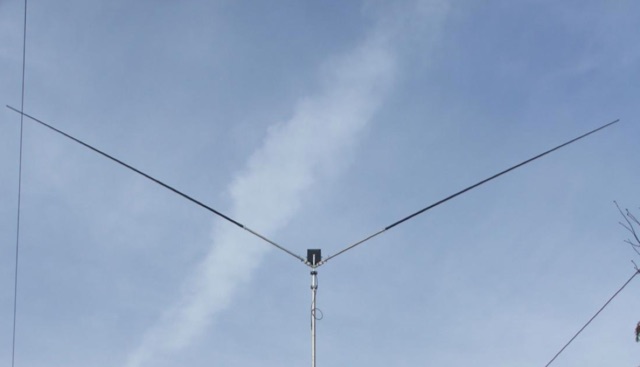 A rotary dipole antenna for 30 meters band. Each arm is about 12.5 ft and is constructed from telescoping fibreglass flag/fishing poles and short lengths of aluminium tubing. Two short lengths of glass-fibre rod were used to insulate the arms from the supporting hardware.
 -
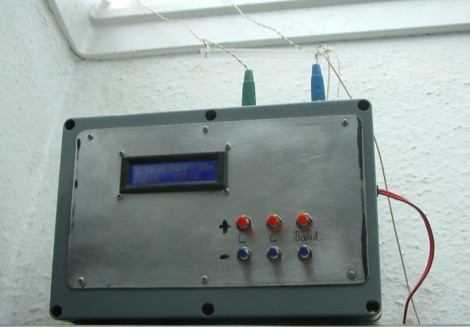 Thsi article describes a microcontroller driven semi-automatic antenna tuner capable of handling power levels up to 150 watts. The device is a low pass filter tuner manually tuned by setting the optimized L/C combination by hand and then storing the values into the EEPROM of the mictrocontroller to recall them later (seperately for each band from 80 to 10 meters including WARC bands)
 -
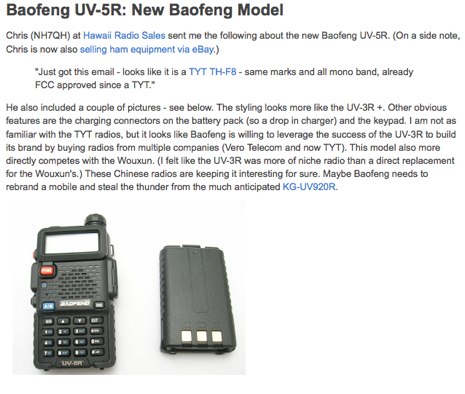 The Baofeng UV-5R handheld transceiver, introduced around 2012, operates across the 2-meter (144-148 MHz) and 70-centimeter (420-450 MHz) amateur bands, offering dual-band receive and transmit capabilities. This review provides an early assessment of the radio's form factor, user interface, and general performance, noting its compact size and the inclusion of a **VFO/Memory mode** button for frequency management. The device supports both FM and narrow FM modes, with a reported power output of 4 watts on VHF and 3 watts on UHF, making it suitable for local simplex and repeater operations. Key features discussed include its 128-channel memory capacity, a built-in VOX function, and a **DTMF keypad** for tone dialing and repeater access. The review highlights the radio's ability to scan frequencies and memories, along with a dual-watch function allowing simultaneous monitoring of two frequencies. Battery life is addressed, with the standard 1800 mAh Li-ion pack providing several hours of operation depending on transmit usage. Initial impressions cover the radio's construction and the clarity of its LCD display, which shows both A and B band frequencies.
 -
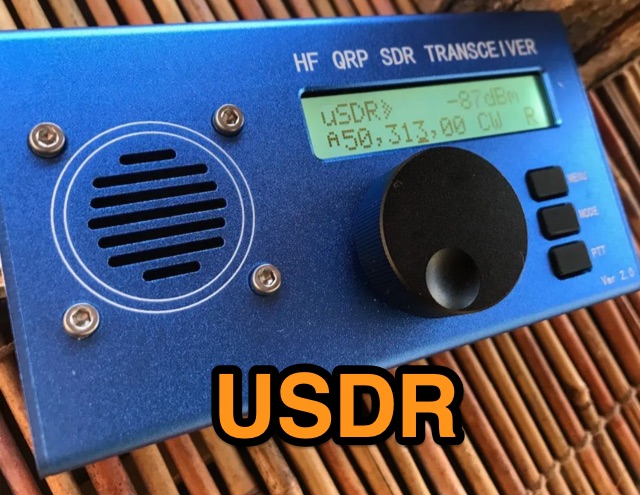 A review of the Chinese version of uSDX USDR HF QRP Transceiver. Author made an extensive review of receiver and transmitter features.
 -
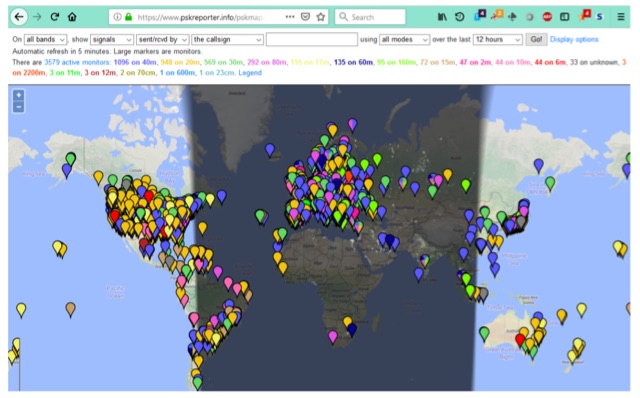 PSK Reporter,is a powerful tool for monitoring your FT8, JT65 or PSK signals around the world. But, even if you are not transmitting on any of these modes it can still be a great propagation tool for determining which bands are open and to where in the world signals from your area are being heard.
 -
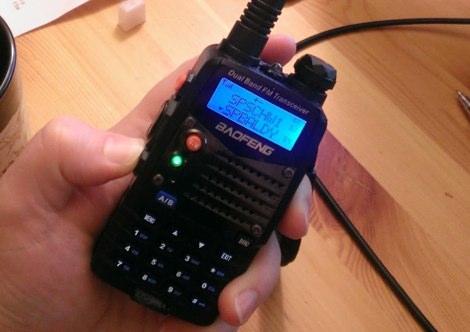 A review of the baofeng dualband handheld transceiver
 -
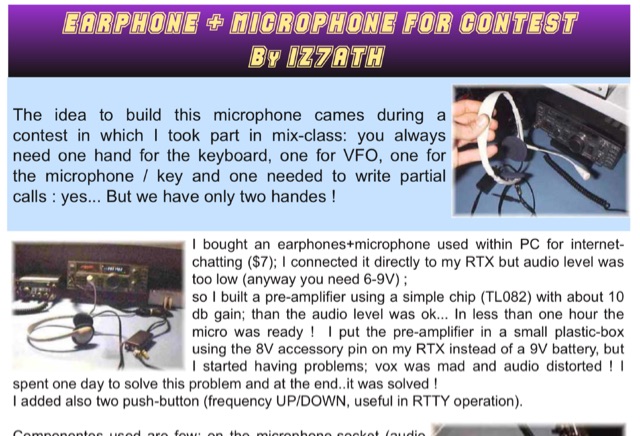 Adapting a common PC earphone with microphone to connect to a transceiver via a homemade pre-amplifier, using a simple chip with aprox 10 db gain. Includes a schematic diagram
 -
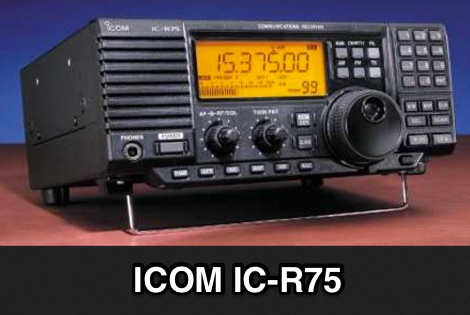 A detailed review of the Icom IC-R75 30 kHz -6 0 MHz Receiver first introduced in 1999
 -
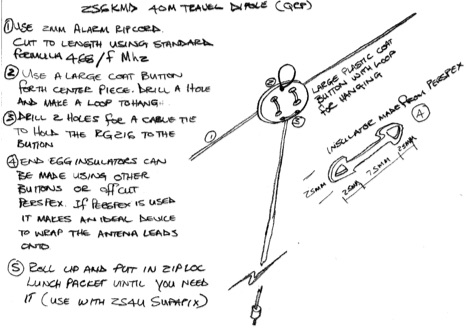 Schematic drawing and instructions for the construction of a simple portable dipole for use in low power and portable operations
 -
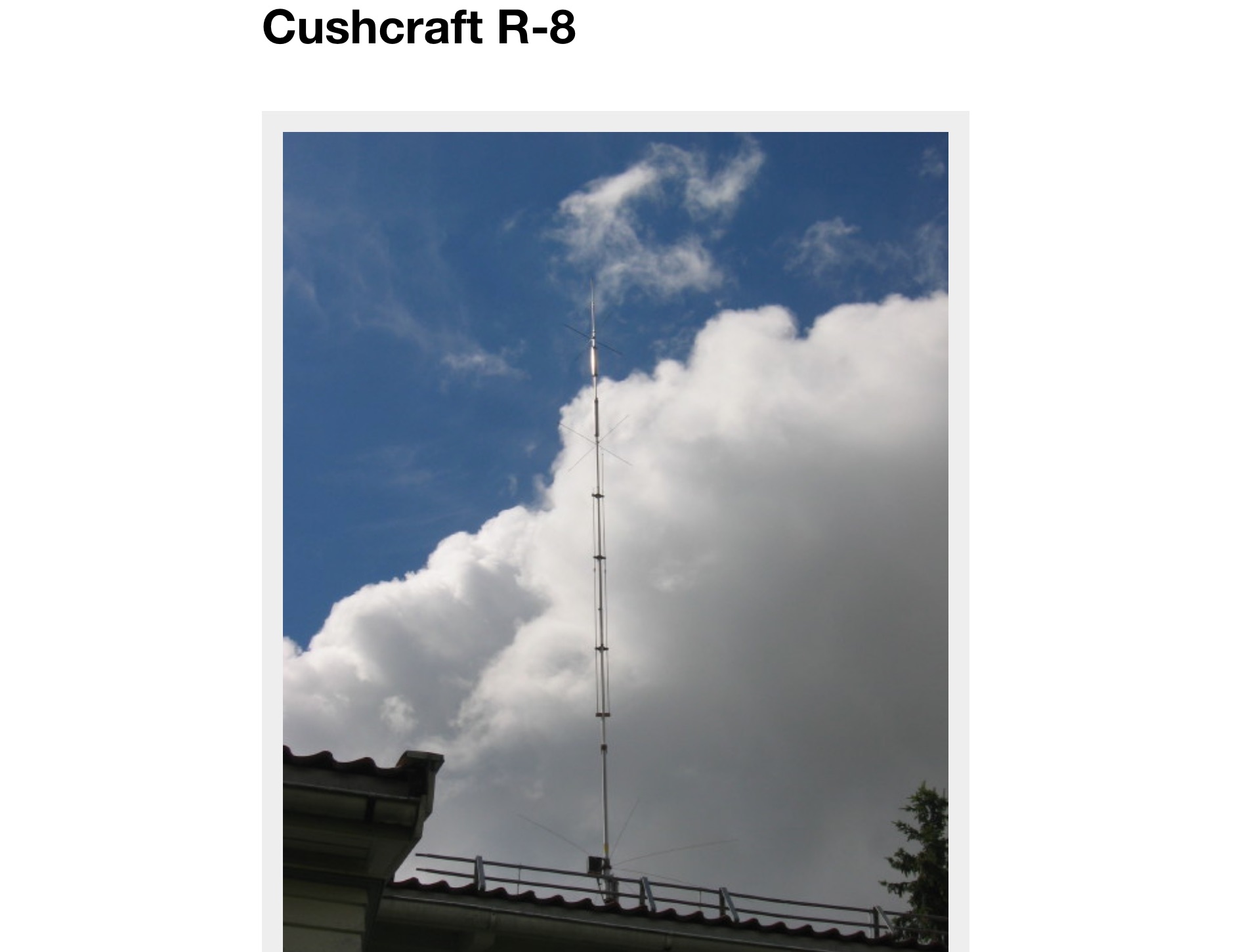 With my present QTH a beam antenna is no option, but I wanted a multiband antenna which covered as many bands as possible. After some investigations I decided to put my money in the Cushcraft R-8.
 -
 Eham user reviews for Radio Shack PRO-94 1000 channel Dual Trunking Scanner
 -
 Operating in the Caribbean, the Jamaica Amateur Radio Association (JARA) provides a central hub for amateur radio enthusiasts on the island. The association details its **repeater network**, including IRLP node 7673 and ECHOLINK access, alongside information on band activity and packet radio operations. Members can access specific documents like the JARA Membership Form and the JARA Disaster Plan, while general visitors can review the full JARA Regulations and learn about the club's history. The site features a photo album and outlines various radio activities, including what constitutes a JARA Field Day. It also provides essential resources such as the Reciprocal License Form and Jamaica Amateur Radio Regulations, crucial for visiting operators. The **WINLINK Project** and Radio Voice Procedure are also covered, offering practical guidance for communications. JARA maintains affiliations with international bodies like **IARU Region II**, ARRL, and RSGB, and lists important organizations such as SATERN 14.265, Jamaica Red Cross, and the National Hurricane Center. The website also includes links to other amateur radio clubs across North America, the Caribbean, and Central and South America, fostering regional and international connections.
 -
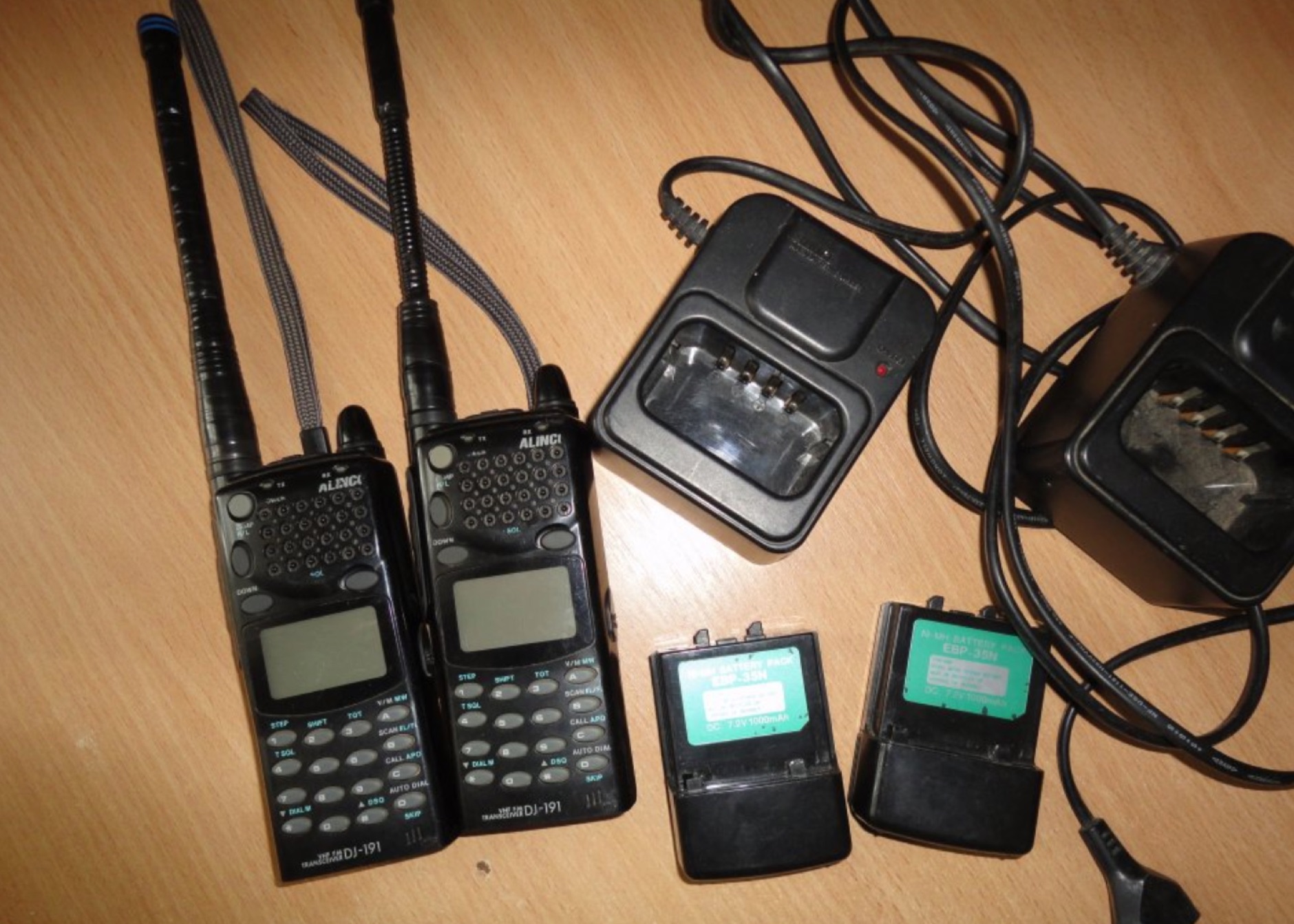 CERT Communications Team Procedures Alinco DJ-191 quick reference in a four pages PDF file
 -
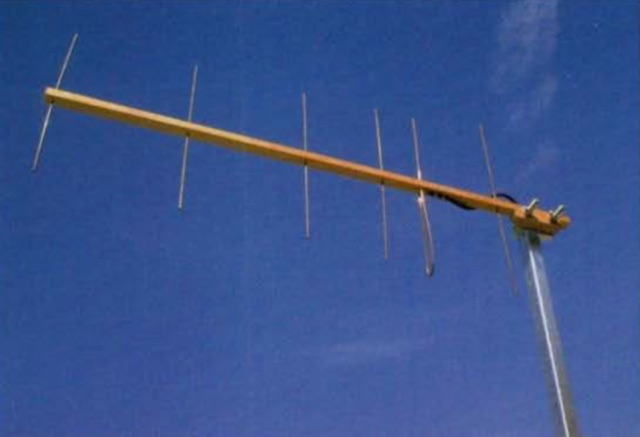 A collection of 450 MHz Cheap Yagis that have proven great portable operations, back-packing and transmitter hunts, and are something inexpensive you can throw up in the attic for that weak repeater
 -
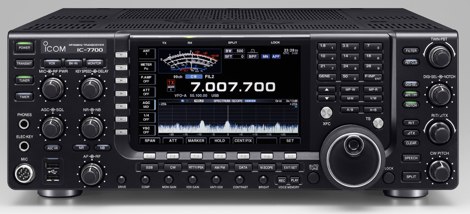 Exaustive review of the self-contained, top-performance HF/6m transceiver Icom IC-7700
 -
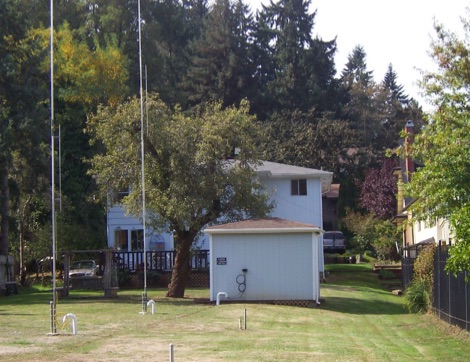 A review of the 30 meter MonoGap Antenna. This review covers from the unboxing go the Gap product, the assembly of the elements, the test and tuning phase and a performance report during the years
 -
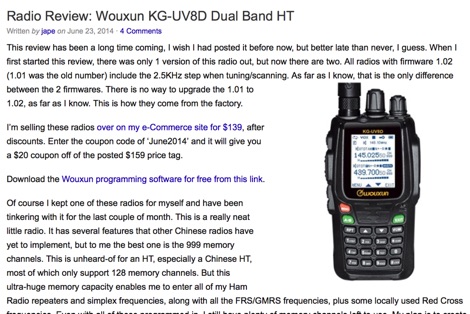 A review of the Wouxun VHF UHF handheld transceiver KG-UV8D
 -
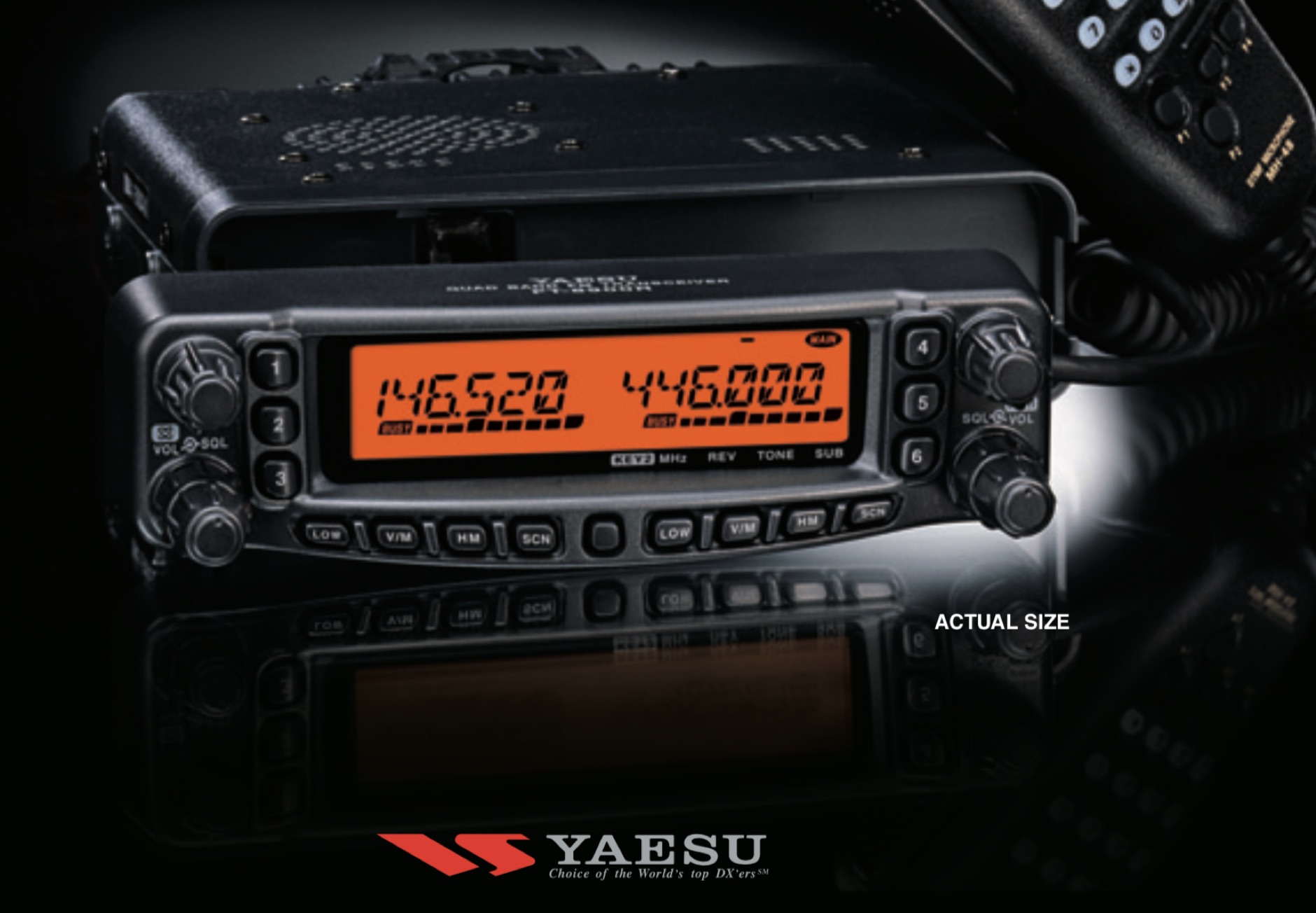 A review of the Yaesu FT-8900r 29/50/144/430 MHz FM Transceiver, providing 50 Watts of power output on the 29/50/144 MHz Amateur bands, and 35 Watts on the 430 MHz band.
 -
 Mini-Operating Guide includes useful hints on Using the HM-133 Microphone, Basic Operation, Operating through a Repeater, Programming a Memory Channel and Assigning a Memory Channel to a Memory Bank