Search results
Query: comm
Links: 307 | Categories: 158
This query is too generic. Please try adding an additional term to focus your research.
Categories
- Radio Scanning > Aeronautical
- Shopping and Services > Aeronautical
- Ham Radio > Clubs > North America > USA > Alabama
- Operating Modes > Internet Linking > AllStarLink
- Operating Modes > Satellites > Analog Satellites
- Manufacturers > Antenna Launcher
- Manufacturers > Antennas
- Operating Modes > APRS > APRS in USA
- Ham Radio > ARES RACES
- Ham Radio > Clubs > North America > USA > Arizona
- Ham Radio > Clubs > North America > USA > Arkansas
- Radio Scanning > Regional > Australia
- Technical Reference > Batteries
- Shortwave Radio > BCL Resources
- Propagation > Beginner's Guide
- DX Resources > IOTA > Blogs & Personal homepages
- Ham Radio > Clubs > North America > Canada > British Columbia
- Manufacturers > Transceivers > CB Radio
- Shopping and Services > CB Radio Stores
- Internet and Radio > Chat
- Operating Modes > Chip64
- Antennas > Feed Lines > Choke
- Antique Radios > Clubs
- DX Resources > Clubs
- Operating Modes > Morse code > Clubs
- Ham Radio > Clubs > North America > USA > Colorado
- Ham Radio > Clubs > North America > USA > Connecticut
- Operating Modes > D-STAR
- Software > D-STAR
- Ham Radio > Clubs > North America > USA > Delaware
-
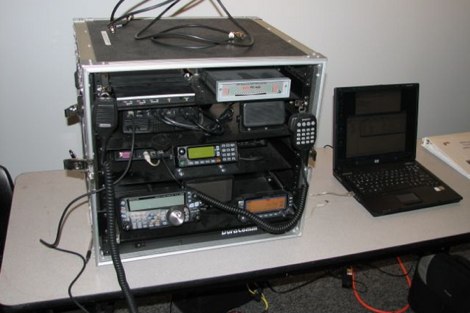 This is a page designed to help the EMCOMM operator thinking of going portable. It will describe a way of having VHF UHF HF voice and digital in one box
 -
 A general article on CMC, common mode choke include a description and tipical usage.
 -
 XLT Communications two way radio accessory manufacturer, microphones, headsets, belt clips, earpieces, radio cases
 -
 The FieldComm Association, based in Central Virginia, operates as a specialized amateur radio club with a primary interest in emergency communications. Members engage in various technical aspects of radio, including digital modes, QRP operations, and DXing. The association provides a platform for hams to develop skills in field deployment and reliable communication under challenging conditions, often leveraging modern digital protocols. This organization's activities support the practical application of amateur radio for public service, emphasizing readiness and operational proficiency. Members collaborate on projects and share knowledge, fostering expertise in areas like portable station setup and efficient data transmission. The focus on emergency communications distinguishes its operational priorities from general interest clubs, aligning its efforts with community preparedness.
 -
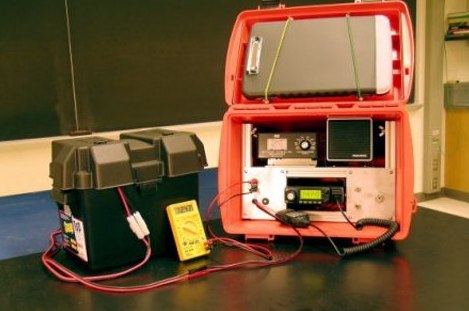 A complete EmComm portable station article on eham.net by K9RFZ
 -
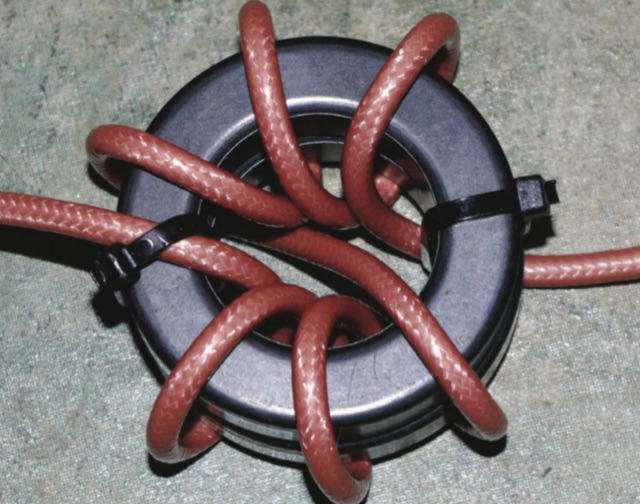 May 2015 Radcom Article on common-mode chokes that can be used for control cables, phone lines, but mostly on typical HF antenna systems. This article explain what common mode chokes does, why you meay need one, properties common mode chokes should have, how to build and measure performances.
 -
 A fully equipped amateur radio mobile radio shack by VE6AB
 -
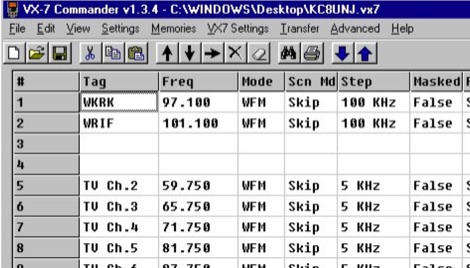 Free programming software for the Yaesu VX-7 and VX-7R.
 -
 Trained amateur radio communicators under ARES, RACES and Skywarn serving Harford County, Maryland communities
 -
 CREST Communications REACT Team #4252 has been an active member of the community for almost 30 years and is one of the largest REACT Teams in the United States.
 -
 The following are the opinions expressed by various amateurs.
 -
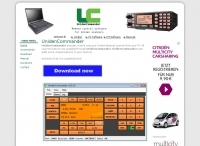 UnidenCommander, Uniden Commander provides full control over your Uniden Bearcat scanner from your PC and even adds functionality which is not normally available on your Uniden Bearcat scanner.
 -
 Yaesu FT817 all band, all mode handheld transceiver article.
 -
 cq-contest reflector comments about the performance of the EWE receive antennna collected by KA9FOX
 -
 Amateur Radio organization specializing in VHF, UHF, and microwave communications.
 -
 Our goal is to provide the Highest Quality Products and Competent Technical Services at very competitive rates to the Telecommunications and Recreational Industries.
 -
 Examines JPS Communications' product offerings, focusing on their contributions to Radio over IP (RoIP) and Push-to-Talk over Cellular (PoC) technologies. The resource details how JPS solutions enhance Land Mobile Radio (LMR) capabilities by providing secure and cost-effective methods for communication expansion and interoperability. It highlights the company's 30-year history in developing infrastructure to make communication systems more versatile, secure, and robust, addressing critical needs in various operational environments. The content specifically outlines JPS gateways that bridge traditional radio systems with PoC solutions, facilitating seamless communication across disparate technologies. It also describes multiple approaches for expanding LMR coverage beyond conventional system limitations. The information presented underscores the practical application of these technologies in achieving communications interoperability, irrespective of the underlying systems or protocols, aiming to improve operational efficiency and safety.
 -
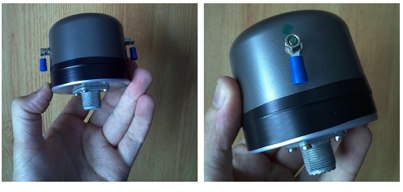 Presents a construction project for a 1:1 current balun, specifically detailing the _Sorbie Balun and Bottle Choke_ design. The resource outlines the winding technique, employing 4+4 turns of mini coaxial cable on a large ferrite core, and provides insights into the physical assembly. It includes specific material recommendations, such as the type of ferrite and coaxial cable, crucial for achieving the desired impedance transformation and common-mode current suppression. The content covers the practical steps involved in building the balun, from preparing the coaxial cable to securing the windings on the ferrite toroid. It also discusses the integration of the balun into an antenna system, emphasizing its role in maintaining pattern integrity and reducing RF interference in the shack. The resource offers a clear, step-by-step approach, making the project accessible for homebrewers. Illustrations and photographs accompany the text, visually guiding the builder through each stage of construction. The article concludes with performance expectations and considerations for deployment, ensuring the constructed balun functions effectively across the intended frequency range.
 -
 Meetings Schedule, study groups, circulars from the radio communication division at ITU
 -
 Wondering whether to spend a fine day with the YL or with the antenna? This article may help you decide by W1GV
 -
 High Speed Multimedia Radio Introduction by ARRL Working Group Chairman. Report of the High Speed Multimedia (HSMM) Working Group ARRL Board of Directors 2006 Annual Meeting January 22, 2004
 -
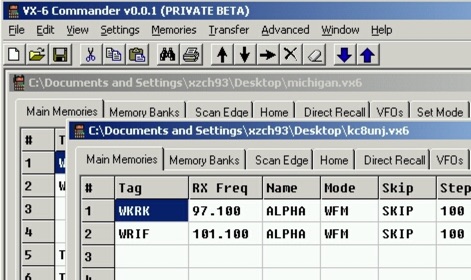 Free programming software for the Yaesu VX-6 and VX-6R.
 -
 The Rocky Mount Amateur Telecommunications Assn. is an amateur radio society based in Rocky Mount, NC.
 -
-
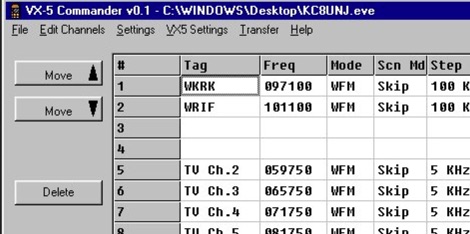 Free programming software for the Yaesu VX-5 and VX-5R
 -
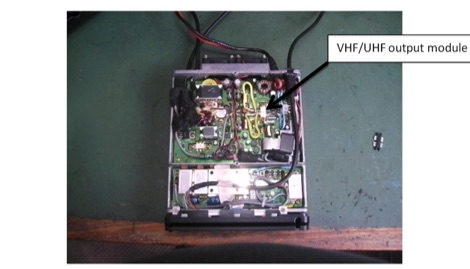 Replacing the Yaesu FT100D SRF7043 VHF/UHF RF MOSFET Power Amplifier
 -
 Ham radio activities, from satellite operations, eme communications, dxing and contesting, qsling and direction findings, are just some of ham radio exciting activities
 -
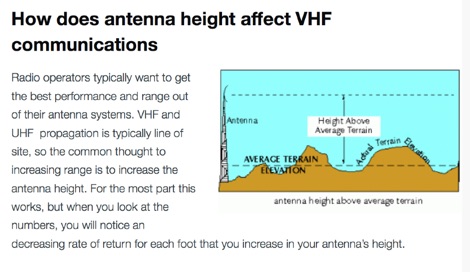 How to calculate range for a VHF antenna with a simple formula and how to increase VHF coverage.
 -
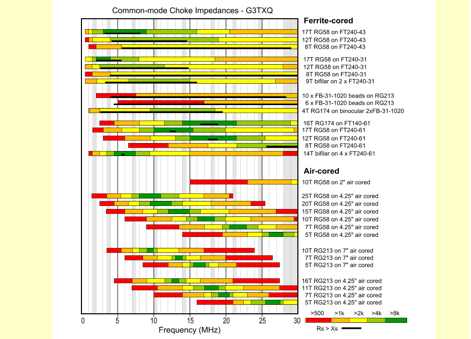 Chart that present results of impedance measurements made on a variety of common-mode choke implementations across the frequency range 1MHz to 30MHz by G3TXQ
 -
 Operating a ham station often involves encountering radio frequency interference (RFI), RF feedback, or RF burns, which are frequently misattributed to poor equipment grounding. This resource meticulously dissects these assumptions, asserting that RF grounds on the operating desk often merely mask more significant system flaws. It identifies five primary causes for RF problems, including antenna system design flaws, proximity of the antenna to the operating position, DC power supply ground loops, equipment design defects, and poorly installed connectors or defective cables. The content emphasizes that issues like "hot cabinets" or changes in SWR when connecting a ground indicate substantial RF flowing over wiring or cabinets, a phenomenon known as common-mode current. The article provides detailed explanations of common-mode current generation, particularly from single-wire fed antennas like longwires, random wires, and OCF dipoles, which inherently present high levels of RF in the shack. It also illustrates how vertical antennas, lacking a perfect ground system, can excite feed lines with significant common-mode current. Through simulations, the author demonstrates how a dipole without a proper _balun_ can cause RF problems at the operating desk, showing current patterns and voltage distributions on feed line shields. The discussion extends to the proper application of _RF isolators_ and _ferrite beads_, clarifying their role in modifying common-mode impedance on cable shields and cautioning against their use as a band-aid for fundamental system defects. The resource advocates for correcting the actual source of RF problems, such as antenna system issues or poor connector mounting, rather than relying on internal shack grounding or isolators. It highlights that properly functioning two-conductor feed lines, like coaxial or open-wire lines, should result in minimal RF levels at the operating position, even without a desk RF ground. The author shares personal experience, noting that his stations since the late 1970s have operated without RF grounds at the desks, relying instead on proper antenna system design and feed line integrity.
 -
 The Indianapolis Police Scanner on Broadcastify allows users to listen to live police radio transmissions from Indianapolis. The website provides access to emergency communications and public safety broadcasts.
 -
 The Dilawri Cardiovascular Institute (DCI) is a prominent Canadian organization dedicated to advancing cardiovascular health through cutting-edge research, equitable patient care, and medical innovation. It integrates 16 core centers, including specialized units like the Centre for AI, Data Science, and Imaging, and the Centre for Heart Rhythm, to bridge research findings directly into clinical practice. Their mission emphasizes providing world-class cardiac care accessible to all patients, regardless of their geographic location, by employing disruptive innovation and creative strategies to reach individuals faster. The institute focuses on a team-based approach, ensuring patients receive the correct therapy at the optimal time for long-term well-being. DCI's commitment extends to continuous growth through education, pushing boundaries beyond standard care, and fostering a respectful, inclusive environment for both staff and patients. They lead industry collaborations to shape the detection, treatment, and management of heart disease.
 -
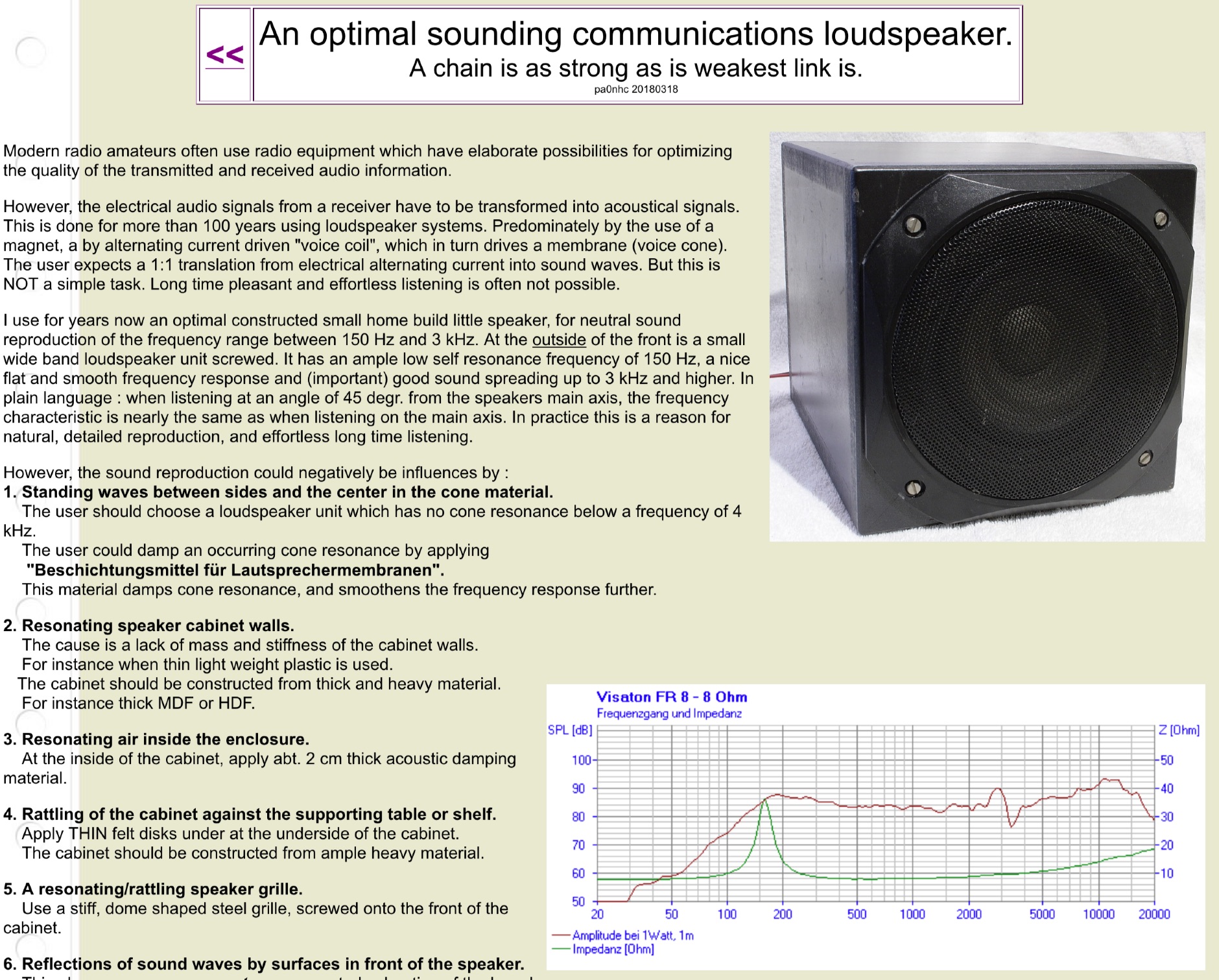 An interesting article on how build an optimal sounding communications loudspeaker capable to optimize sound reproduction at the frequency range from 150 Hz to 3 kHz.
 -
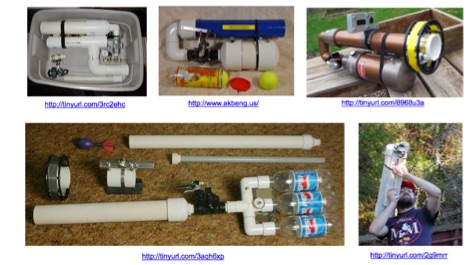 Investigates the legal framework surrounding **pneumatic antenna launchers** in Victoria, Australia, specifically their classification under the Firearms Act 1996. The author, VK3KBC, details how these devices, designed to discharge a projectile by compressed air, are defined as 'firearms' and subsequently categorized as **Category E Longarms**. This classification carries significant penalties for unregistered possession or use, with the author noting the lack of provisions for amateur radio operators to legally possess and use such devices for antenna deployment. The author shares personal experiences needing such devices for portable HF radio operations, contrasting them with previously legal slingshots and current alternatives like kites or bow and arrow. VK3KBC outlines efforts to advocate for legislative change, including submissions to the Wireless Institute of Australia (WIA) and the Victorian Department of Justice, proposing an amendment to Section 3(i) of the Firearms Act 1996 to include amateur radio field operations as an exempted use. The resource also reviews the original intent of the Category E firearm classification, suggesting that pneumatic antenna launchers may have been assigned this category in the absence of a more suitable alternative.
 -
 The document explains the technical aspects of how the Internet Radio Linking Project (IRLP) works, focusing on the use of VoIP streaming software under the Linux operating system. It details the audio sampling, compression, transmission, reception, and playback processes involved in IRLP communication.
 -
 Kenwood TS-590S QST review comments and table comparison vs Elecraft K3
 -
 AO-51 Operating guidelines and introduction
 -
 Commsaudit uk, i/q quadrature , hf receivers, rf, multicoupler, multicouplers, switch matrix, antenna matrices, masthead amplifier,, vhf receiver, uhf,
 -
 Homepage of the OS/2 and eComStation enabled Radio Amateurs, the HAM/2s. Reference site for OS/2 ham radio users,
 -
 An amateur radio organization dedicated to furthering the amateur radio hobby. It consists of members from Oakland, Alameda, Piedmont and other cities in the immediate area.
 -
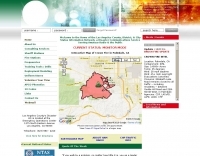 Here you will be able to access all of the information regarding our amateur radio disaster relief communications organization, its divisions and volunteer members
 -
 Amateur radio operators seeking local community and emergency communications involvement often look for active clubs. The Rock River Radio Club (RRRC) provides a platform for hams in Wisconsin to participate in weekly nets and monthly meetings, fostering camaraderie and operational readiness. Their activities include regular ARES/RACES nets, which are crucial for maintaining proficiency in emergency communication protocols and equipment. The club hosts weekly nets on both VHF/UHF and HF bands, allowing members to practice various modes and frequencies. These include a Monday evening net on the Juneau Repeater at _146.64 MHz_ (PL 123.0) and a Thursday evening net on the Knowles Repeater at _442.975 MHz_ (PL 123.0). An HF net operates on Saturdays at **3.947 MHz**, with an additional ARES/RACES net on Sundays at **3.967 MHz**. Monthly club meetings are held on the first Tuesday of each month at 7 PM in Randolph, Wisconsin, providing a consistent gathering point for members and prospective hams. The club also engages in public demonstrations, such as those at the Experimental Aircraft Association (EAA) Dodge County Chapter Fly-In, showcasing amateur radio to a broader audience.
 -
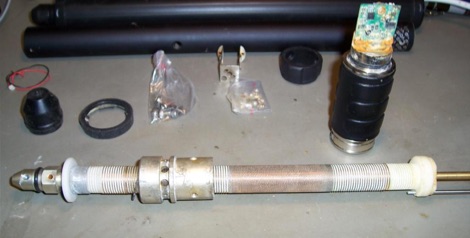 Yaesu ATAS 120 Autotune Antenna Repair
 -
-
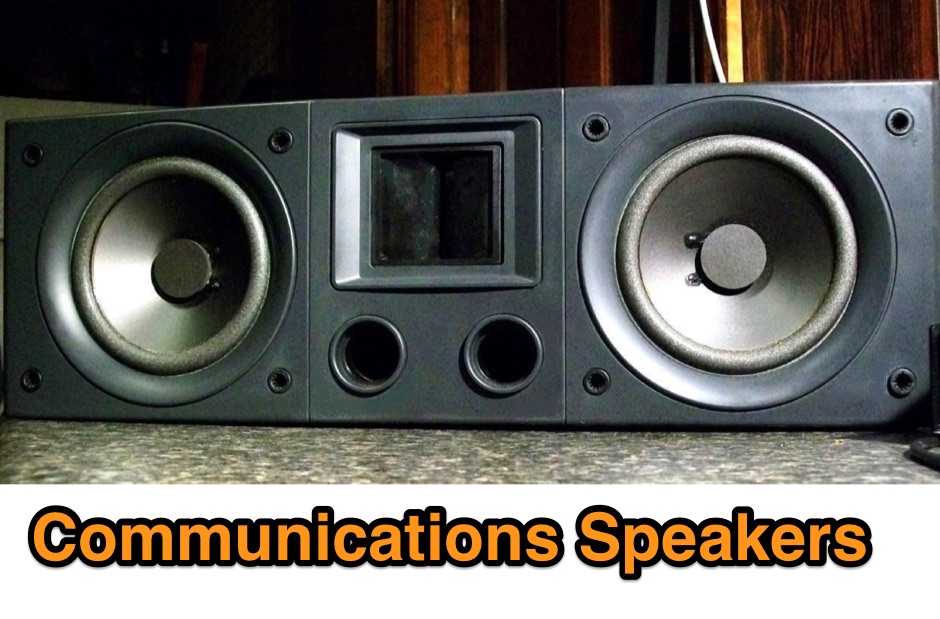 Have you searched and searched for a good speaker for your ham radio? That perfect speaker that would let you hear voices through the noise and static without hiss?
 -
 UK distributor for AEA Technolgy Inc products and ICOM commercial transceivers
 -
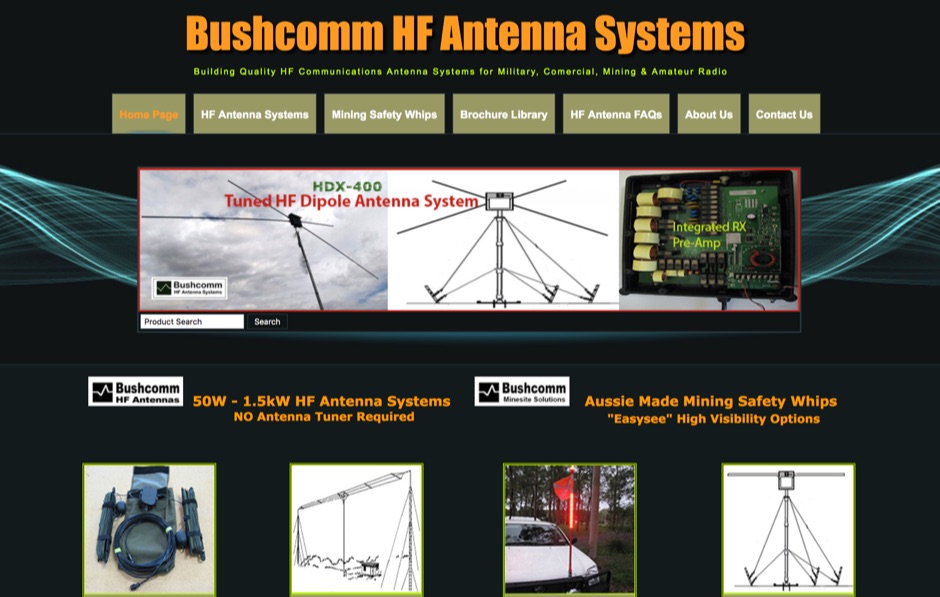 Australian manufacturer of HF Communications Antenna Systems for Military, Comercial, Mining & Amateur Radio
 -
 For over 50 years, Communications Specialists Inc. has been a cornerstone in specialized radio frequency solutions, initially gaining prominence with their **CTCSS** and **DTMF** tone signaling products widely used in amateur radio repeaters and commercial two-way radio systems. My own experience with their tone boards in various repeater builds confirms their reliability and ease of integration, a testament to their engineering. The company's legacy in tone encoding and decoding is well-established, providing robust solutions for access control and selective calling. Beyond tone signaling, Com-Spec has diversified into niche markets, including wildlife telemetry, pet tracking collars, and specialized tracking systems for model aircraft and rocketry. Their product line features compact transmitters and receivers designed for specific tracking applications, demonstrating a commitment to precision and durability in challenging environments. While some legacy products are no longer available, Com-Spec continues to innovate, as evidenced by the new R-30M receiver, which ships within five days. This focus on specialized RF applications, from tracking Alzheimer's patients to law enforcement, highlights their unique position in the radio communications industry.