Search results
Query: html
Links: 2646 | Categories: 0
This query is too generic. Please try adding an additional term to focus your research.
-
 This graphics-intensive program reveals the load on the output of a matching-network, based on measurements of the components in that network. Adjust the network (tuner) for a flat input, measure or look up the network component values and you will immmediately see the R and jX values of the load on the network, presented as both a schematic with the component values and as a Smith Chart normalized to the specified system impedance.
 -
 Home Brew a 4-1000A RF power amplifier project by W4NFR
 -
 Map of VHF UHF repeaters in australia
 -
 A MacOSX antenna design and electronics/electrical tool package. It is a multipourpose application that allow antenna design and comomn calculations
 -
 Automatic 144MHz E-skip Alerts for North America
 -
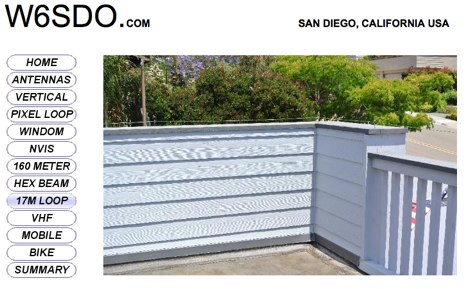 An almost invisible wire antenna for the 17 meters band
 -
 CQHAM.ru page about the Kenwood TM-241
 -

-
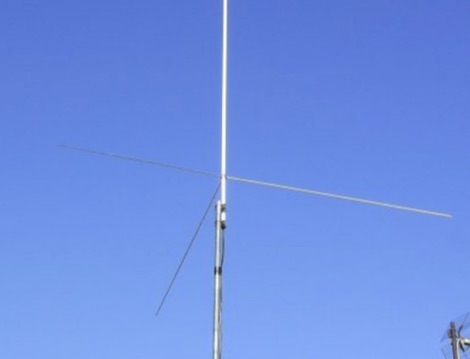 This kind of antenna has grown in popularity over the last years because it gives you a decent performance and triband capabilities. But its 50 MHz design is far from optimal. Here you can learn how to improve its 50 MHz performance in a very easy way.
 -
 Maintained by Larry Tree Tyree N6TR
 -
 A small collection of bash scripts for pulling QTH info, grid square info, propagation charts, and monitoring prop logger postings.
 -
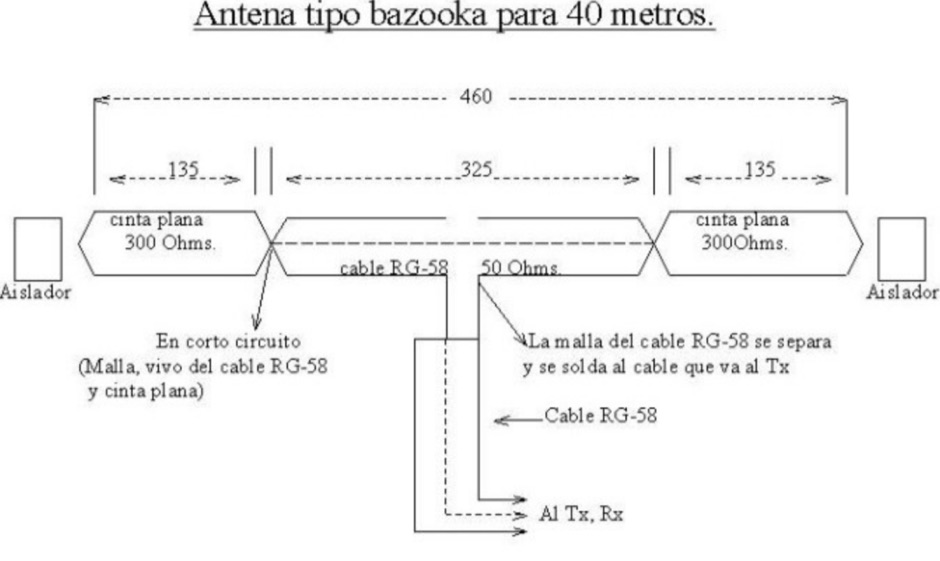 A bazooka coax antenna for 40 meters band design by CA6TYS
 -
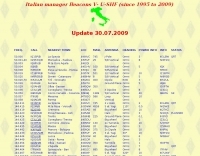 A list mantained by I5WBE of all beacons based in italy
 -
 About the Cushcraft A3S with A743 add-on for 30 an 40 meters
 -
-
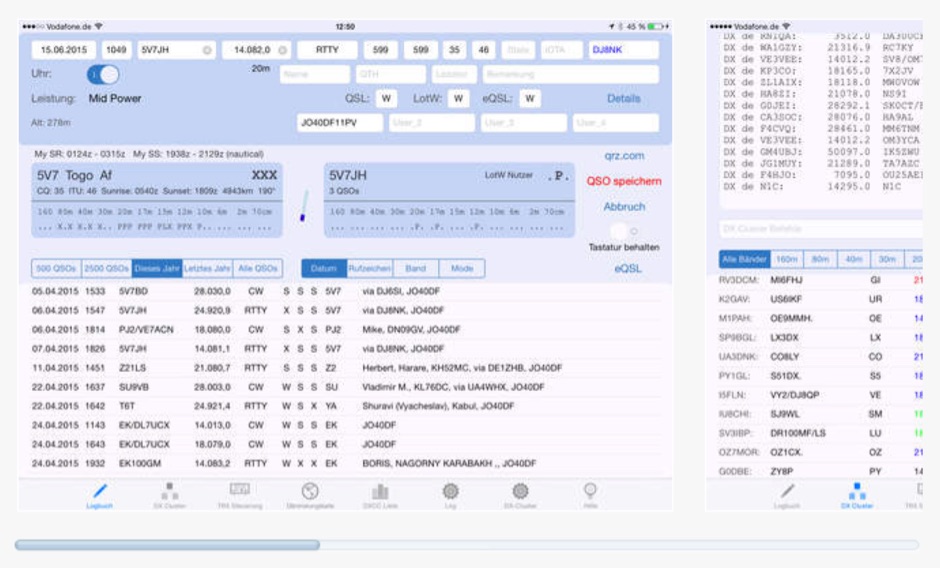 Amateur radio log book for iOS devices, including iPad and iPhone. Featuring several advanced logging functions, including export to ADIF, DX Cluster access, LoTW eQSL interface and more
 -
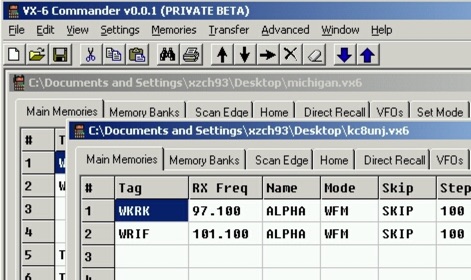 Free programming software for the Yaesu VX-6 and VX-6R.
 -
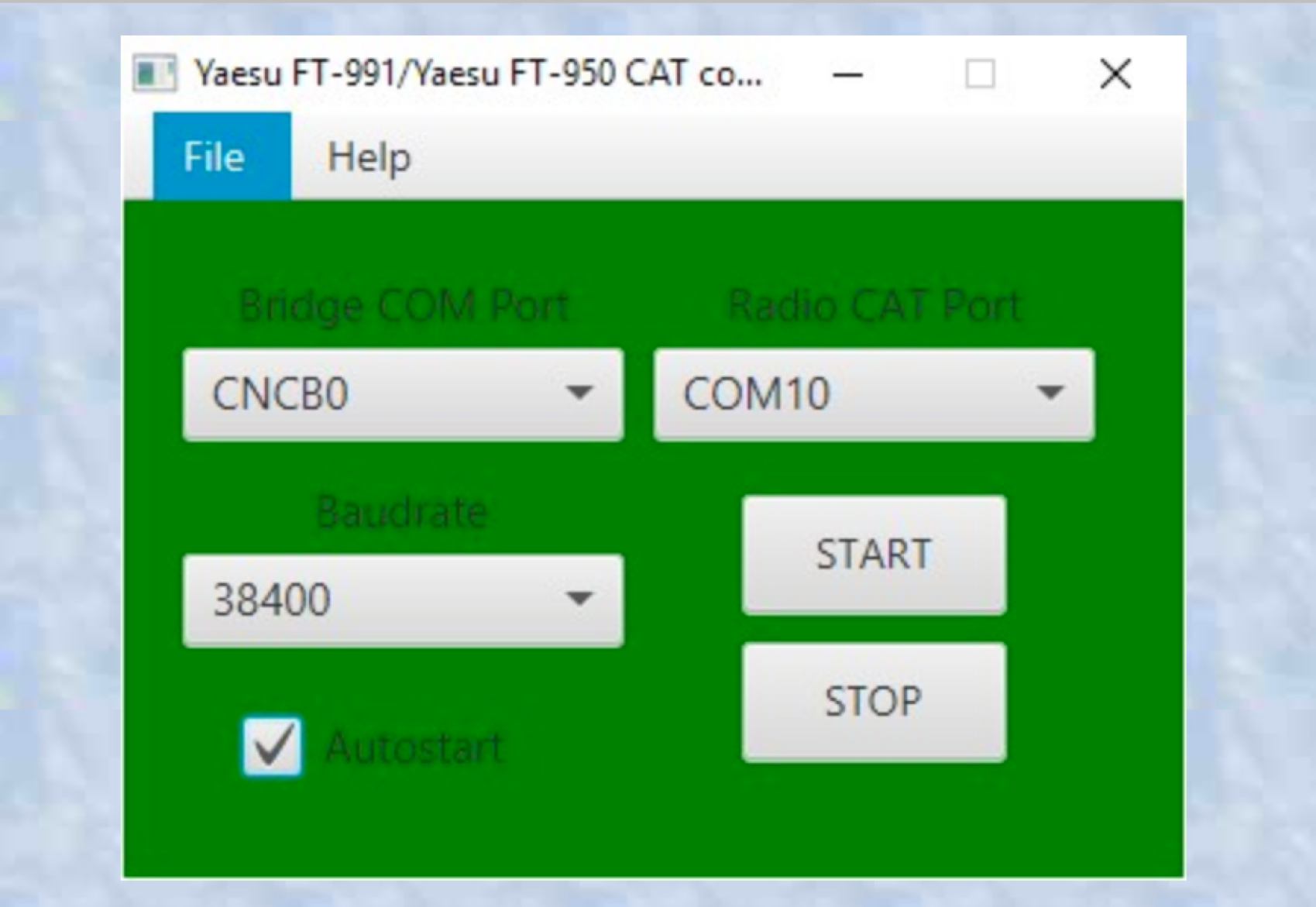 This app permit to work in DigiModes using the latest free version of HamRadio Deluxe Suite 5.24.0.38 with the new Yaesu FT-991 (which is not supported in that version of the application) using the Yaesu FT-950 model in HRD
 -
 Modify a KPC-9612 to give a total of four analog input for remote monitoring and telemetry.
 -
 Pictures and detailed instructions on installation of the LightningBolt Quad antenna
 -
 The Vocal Keyer is a stand-alone voice keyer for your radio. It can be built with two 16-second or four 10-second recordable messages by KG4JJH
 -
-
 Originally eveloped by I1FLC, uses seven plug in coils covering 3.0 to 30Mhz in a Colpitts oscillator circuit.
 -
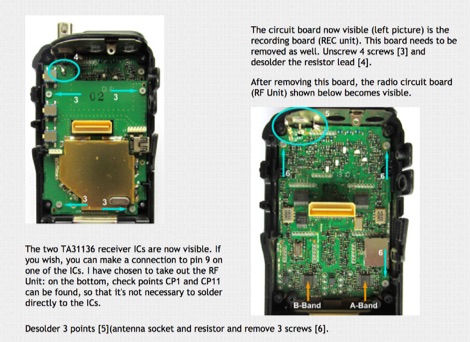 An illustrated modification for the Icom IC-R20 receiver to locate and use the unfiltered audio.
 -
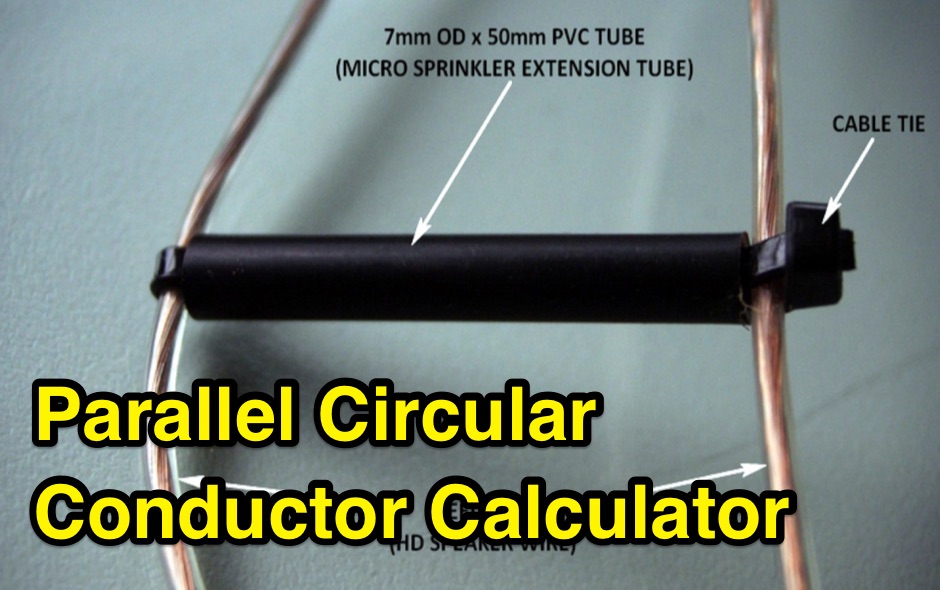 Design a parallel circular wire balanced transmission line with this online calculator. This calculator is a tool for designing balanced transmission lines with a specific desired characteristic impedance Zc and made of parallel circular conductors of a given diameter d.
 -
 DK8KW laboratory tests to get some indication about the ability to communicate with signals below noise level using Slow-CW.
 -
 An introduction to RDF contesting in southern California, updated from a paper originally submitted for Proceedings of the 1992 West Coast VHF/UHF Conference.
 -
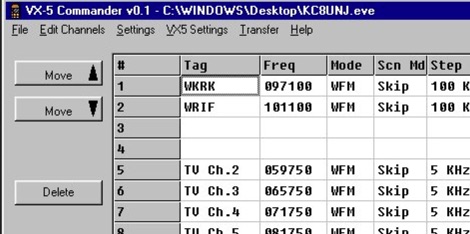 Free programming software for the Yaesu VX-5 and VX-5R
 -
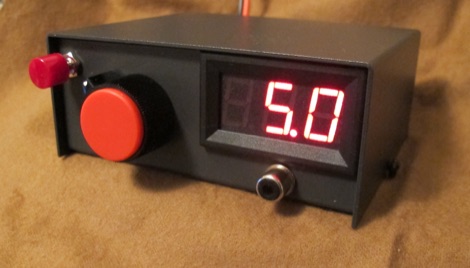 Variable Power Supply for the bench
 -
 PACTOR can be viewed as a combination of two earlier digital modes, packet radio and AMateur Teleprinting Over Radio (AMTOR). PACTOR provides improved throughput because its transmission speed adapts to the quality of the link and it uses Huffman compressed characters.
 -
 Two cheap CMOS ICs and a few transistors was all that was required to rebuild an elderly TTL automatic morse keyer into a low current lightweight battery powered iambic morse keyer.
 -
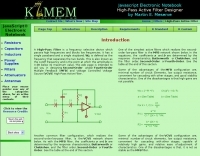 Online high pass filter design page with introduction to high-pass filters by K7MEM
 -
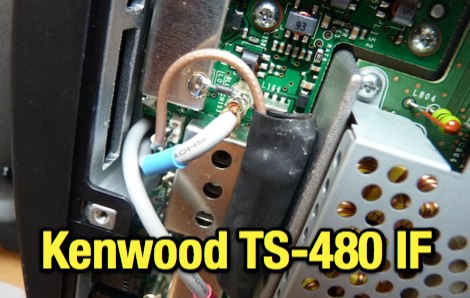 How to take the IF from a Kenwood TS-480
 -
 Getting squeaks and squawks from your H-T? Are pagers crunching your mobile rig's front end? Here's how intermod happens--and how to fight back!
 -
 Kenwood TS-2000 Transmit / Receiver eSSB Modifications by N3GX
 -
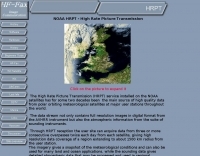 NOAA HRPT - High Rate Picture Transmission, the main source of high quality data from polar orbiting meteorological satellites
 -
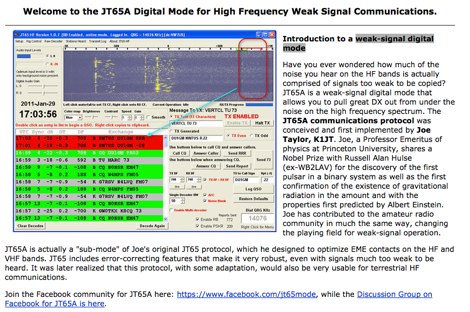 A very exaustive and complete article on JT65A and JT65-HF operating mode, including software download links, installation notes, how to make JT65A QSO and videos to correctly work with weak signals by NW7US
 -
-
 RSGB World Prefix Map - Radio Amateur's Map of the World
 -
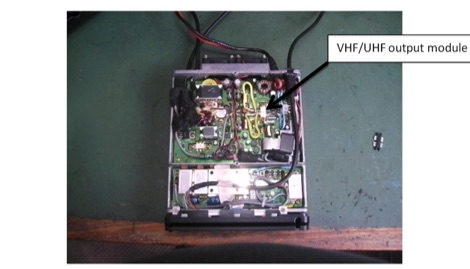 Replacing the Yaesu FT100D SRF7043 VHF/UHF RF MOSFET Power Amplifier
 -
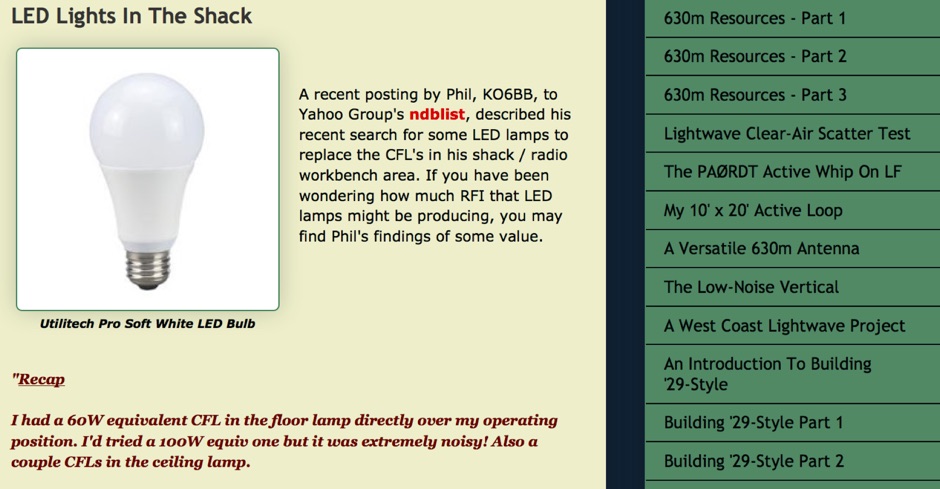 Effects and intereferences caused by LED lights in the shack
 -
-
 VHF UHF Microwave EME Standings, a Who's Who on top in USA
 -
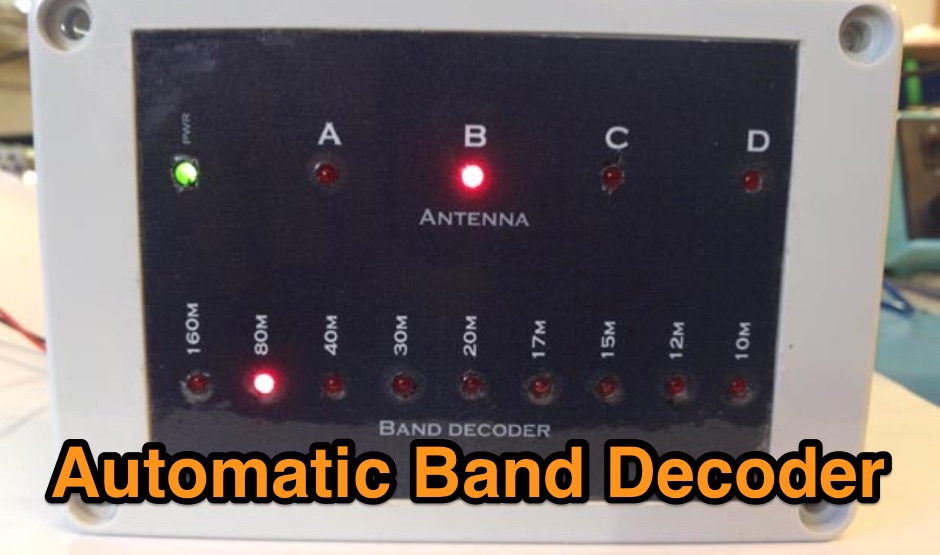 An automatic band decoder made into a nice enclosure with LED indicators for the chosen band
 -
 Setting up RTL-SDR, Zadig and SDR# on Windows
 -
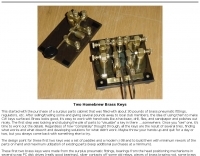 Collection of morse keys
 -
-
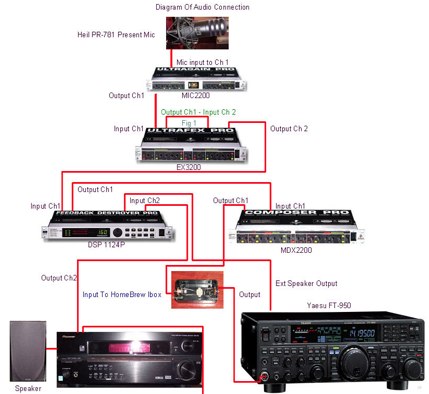 Audio setup at N2RIT built around the Yaesu FT-950 abd the Heil Sound PR-781 an ultraflex PRO EX3200
 -
 Yaesu FT-817 noise blanker improvement
 -
 The _Sci.Electronics FAQ: Repair: RFI/EMI Info_ document, authored by Daniel 9V1ZV, provides a detailed analysis of computer-generated RFI/EMI, focusing on its impact on radio reception. It identifies common RFI sources such as CPU clock rates (e.g., 4.77 MHz to 80 MHz), video card oscillators (e.g., 14.316 MHz), and even keyboard microprocessors, all of which generate square-wave harmonics across HF and L-VHF regions. The resource outlines a systematic procedure for pinpointing RFI origins, including disconnecting peripherals and using a portable AM/SW receiver with a ferrite rod antenna to localize strong interference sources. The document categorizes RFI mitigation into shielding, filtering, and design problems, offering practical solutions for each. It recommends applying conductive sprays like _EMI-LAC_ or _EMV-LACK_ to plastic casings of radios, monitors, and CPUs to create effective Faraday cages, emphasizing proper grounding and avoiding short circuits. For filtering, the guide suggests using line filters, ferrite beads, and toroids on power and data lines, and small value capacitors (e.g., 0.01 uF for serial/parallel, 100 pF for video) to shunt RFI to ground. It also discusses the use of bandpass, high-pass, low-pass, and notch filters on the receiver front-end or antenna feed to combat specific in-band noise.