Search results
Query: call
Links: 948 | Categories: 21
Categories
- DX Resources > Callsigns
- DX Resources > Callsigns > Vanity Call Signs
- Antennas > 17M
- DX Resources > DX Peditions > 2015 DXpeditions
- DX Resources > DX Peditions > 2016 DXpeditions
- DX Resources > DX Peditions > 2017 DXpeditions
- DX Resources > DX Peditions > 2018 DXpeditions
- DX Resources > DX Peditions > 2019 DXpeditions
- DX Resources > DX Peditions > 2020 DXpeditions
- DX Resources > DX Peditions > 2025 DXpeditions
- Antennas > 20M
- Antennas > 30M
- Antennas > 6M > 6 meter J-Pole Antenna
- Ham Radio > Regional > Brazil
- Software > Browser extensions
- Software > Databases
- Software > Developer Resources
- Internet and Radio > Directories
- Ham Radio > Licensing
- DX Resources > Prefixes
- Shopping and Services > T-shirts
-
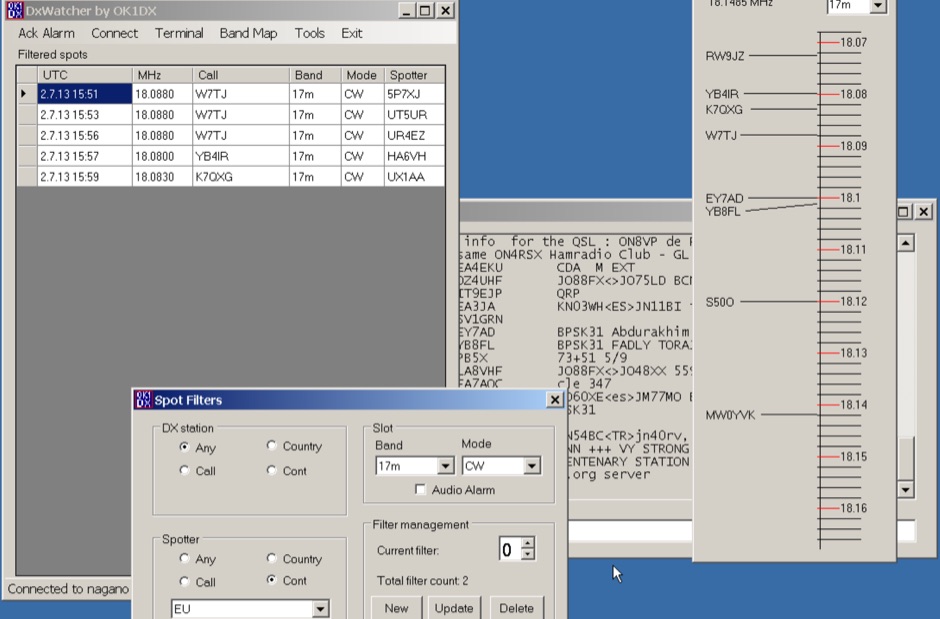 Demonstrates a specialized DX cluster monitoring application, _DxWatcher_, designed for Windows environments. It processes DX spots received via Telnet/Internet, presenting them in a filtered table and a dynamic bandmap. The software integrates with transceivers, specifically the FT-2000, to read VFO frequency and enable one-click tuning to spotted stations. _DxWatcher_ version 1.0.3.0, released on 13 June 2020, includes minor bugfixes and improvements such as enhanced recovery from suspend mode. Key features include configurable bandmap position and size, automatic opening, and bolding of spots received within the last **10 minutes**. The application utilizes the standard _ctry.dat_ file for DXCC country analysis, allowing users to update it for current DXCC status. Source code, developed in C# with MS Visual Studio 2008, is freely available, encouraging modification and sharing while requesting retention of the original author's callsign.
 -
 Almost everything on the Italian ham-radio callsign assignment system
 -
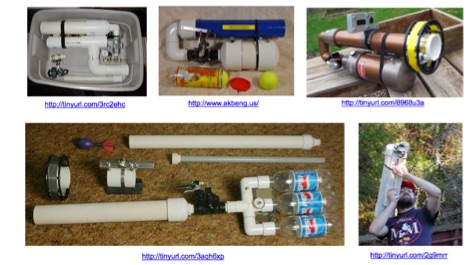 Investigates the legal framework surrounding **pneumatic antenna launchers** in Victoria, Australia, specifically their classification under the Firearms Act 1996. The author, VK3KBC, details how these devices, designed to discharge a projectile by compressed air, are defined as 'firearms' and subsequently categorized as **Category E Longarms**. This classification carries significant penalties for unregistered possession or use, with the author noting the lack of provisions for amateur radio operators to legally possess and use such devices for antenna deployment. The author shares personal experiences needing such devices for portable HF radio operations, contrasting them with previously legal slingshots and current alternatives like kites or bow and arrow. VK3KBC outlines efforts to advocate for legislative change, including submissions to the Wireless Institute of Australia (WIA) and the Victorian Department of Justice, proposing an amendment to Section 3(i) of the Firearms Act 1996 to include amateur radio field operations as an exempted use. The resource also reviews the original intent of the Category E firearm classification, suggesting that pneumatic antenna launchers may have been assigned this category in the absence of a more suitable alternative.
 -
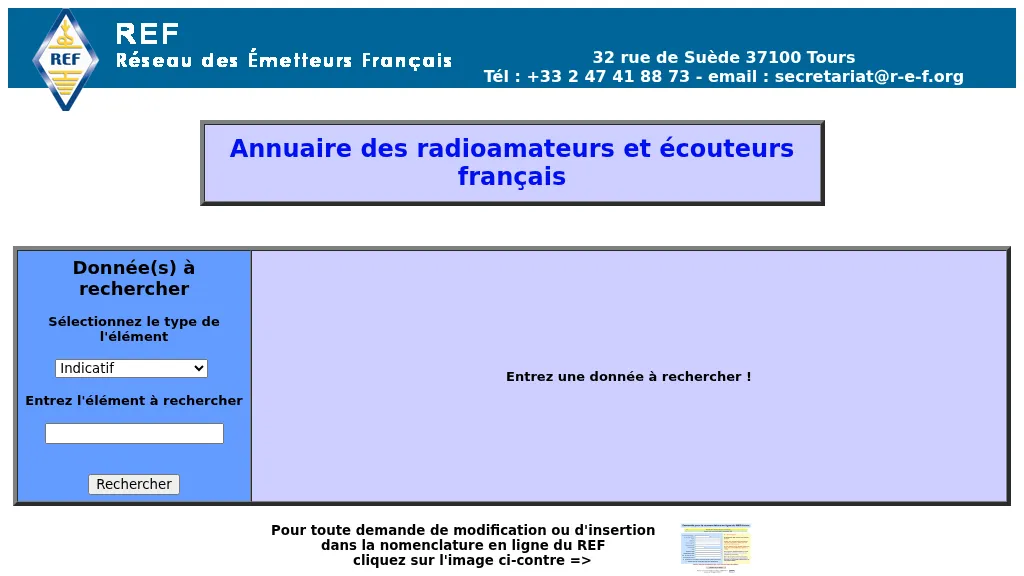 The _Nomenclature Française_ offers an online callbook service specifically for French amateur radio operators and SWLs. This resource facilitates searching for stations by various criteria, including callsign, operator name, city, and postal code. Search results typically display the operator's identity, full address, email contact, and personal website link, if available and publicly listed. The platform serves as a central database for the French amateur radio community, maintained by the _REF Union_. It provides a direct mechanism for operators to request modifications or new insertions of their data into the online nomenclature, ensuring current and accurate listings. The service is a fundamental tool for QSLing, locating fellow hams, and verifying contact information within France. Authored by _F6BIG_, the callbook is a key utility for French hams.
 -
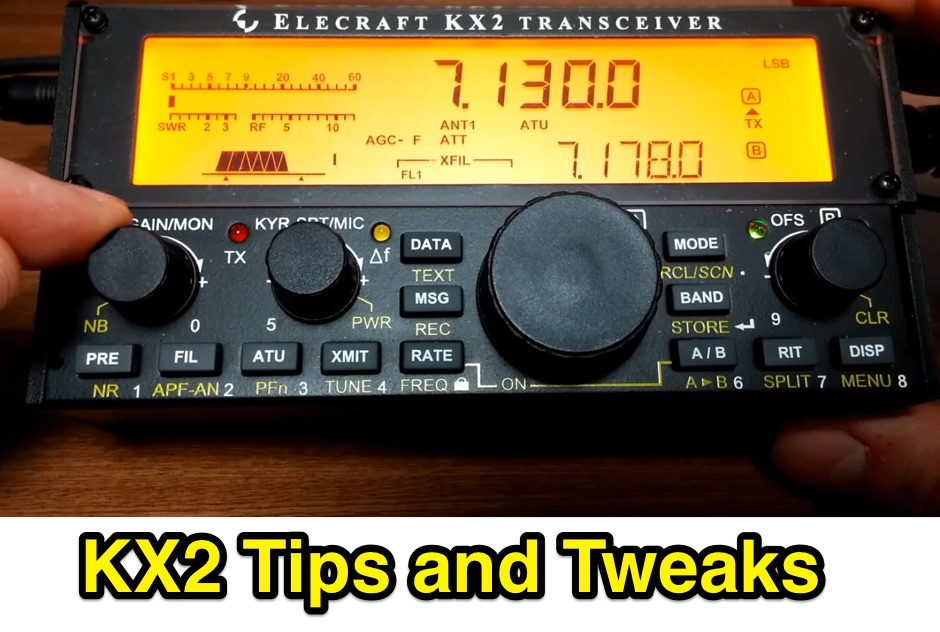 The 7-minute, 52-second video, published on December 31, 2016, by TheStingyHam, details several methods for optimizing receive audio on the **Elecraft KX2** QRP transceiver. It specifically addresses challenges encountered on the 40-meter band, a common haunt for QRP operators, while also noting that 15m and 20m operations might benefit from different settings, such as combining the preamp with receive EQ and RF gain adjustments. Key moments highlighted in the video include specific adjustments for noise reduction, filter settings, signal attenuation, and receive equalization. These techniques are demonstrated to help operators extract clearer signals from a noisy band, a critical skill for successful portable operations and DXing with low power. The author, drawing from field experience, suggests that while the tips are primarily aimed at 40m, the underlying principles of careful audio and RF gain management are broadly applicable across the HF spectrum, enhancing the overall QRP operating experience.
 -
 BeaconSpot.uk provides an accurate, real-time picture of microwave and VHF/UHF beacons operating across Europe, alongside a worldwide listing of 6-meter beacons. The platform allows users to retrieve detailed data for individual beacons, facilitating in-depth analysis of signal characteristics and propagation paths. Interactive maps visualize beacon distribution by frequency band and display spot coverage for each station, offering a clear geographical overview of active beacons. The system integrates real-time DXCluster spots, sourced from contributors like Alain, ON4KST, and Pascal, F5LEN, and enables users to submit outgoing spots directly to the DXCluster. Beacon keepers can manage their beacon data, receive email alerts upon being spotted, and track their station's ODX (Outstanding DX) records. For every received spot, the distance to the beacon is automatically calculated and displayed, aiding propagation studies.
 -
 The 160-meter amateur radio band, spanning 1.8 to 2 MHz, was historically the lowest frequency amateur allocation until the introduction of the 630-meter and 2200-meter bands. ITU Region 1 allocates 1.81–2 MHz, while other regions use 1.8–2 MHz. This band, often called "Top Band" or "Gentleman's Band," was established by the International Radiotelegraph Conference in Washington, D.C., on October 4, 1927, with an initial allocation of 1.715–2 MHz. Effective operation on 160 meters presents significant challenges due to the large antenna sizes required; a quarter-wavelength monopole is over 130 feet, and horizontal dipoles need similar heights. Propagation is typically local during the day, but long-distance contacts are common at night, especially around sunrise and sunset, and during solar minimums. The band experienced a resurgence after the LORAN-A system was phased out in North America in December 1980, leading to the removal of power restrictions.
 -
 Win32 command line utility, that allows you to create Master Callsign Database file (DTA), used in many contesting programs, from different logs in ADIF, Cabrillo, and plain text formats.
 -
 The LU2EE Radio Club Tandil maintains a minimal web presence, primarily serving as a directory listing under the `qsl.net` domain. The resource itself offers no direct content, instead presenting an "Index of /l/lu2ee" page with a link to the "Parent Directory." This structure suggests a placeholder or an outdated web address rather than an active information hub, providing only the club's callsign and location. Without specific content, the resource does not offer technical details, operational results, or practical applications. It functions solely as a basic identifier for the _LU2EE_ club in _Tandil_, Argentina, without further elaboration on activities, membership, or technical contributions to the amateur radio community.
 -
 715 days, 6 hours, 58 minutes, and 29 seconds of uptime are reported for the YSFReflector-Dashboard by DG9VH, which monitors the IT C4FM SUD / ITALY-SUD reflector. This dashboard, compiled on December 1, 2017, provides real-time operational statistics for the reflector, including system information, disk usage, and connected YSFGateways. The dashboard also features a "Last Heard List" and an "All Heard List," displaying callsigns, durations, and timestamps (Europe/Rome) of stations active on the reflector. These lists offer a quick overview of recent activity, which can be useful for tracking **C4FM** traffic. While the resource is titled "IZ7AUH-6 DX Web Cluster," the primary content displayed is a **YSFReflector** dashboard. This suggests the platform might serve a dual purpose, offering both traditional DX cluster services and monitoring for Yaesu System Fusion reflectors.
 -
 This resource, intended to present historical score records for the _ARRL International DX Contest_, currently displays a "Page not found" error. The page's original purpose was to document top scores and records for both Phone and CW segments of the contest, offering a historical perspective on competitive amateur radio operating. Without the content, no specific technical details regarding past contest results, callsigns of record holders, or score breakdowns can be extracted. The resource's current state prevents any analysis of score comparisons, operational strategies of top stations, or the evolution of contest performance over time.
 -
 AO-51 Operating guidelines and introduction
 -
 A Linux Smith charting program. You can enter either discrete components or transmission lines, see the results on screen and/or generate Postscript output. Component values can be changed numerically or using scrollbar
 -
 Understanding power measurements in RF systems is crucial for amateur radio operators, particularly when evaluating antenna performance or transmitter output. This online resource provides a _dBm calculator_ and a comprehensive reference table specifically tailored for 50 Ohm impedance environments. The calculator allows users to convert between dBm, milliwatts (mW), and volts (V), facilitating quick power level assessments. It clarifies that dBm represents a logarithmic ratio with a reference power of **1.000 milliwatt**, equating to 0 dBm. The accompanying reference table extends this utility by presenting a range of pre-calculated values, which can be particularly useful for field operations or rapid design checks without needing to perform manual calculations. The resource distinctly focuses on the practical application of dBm in amateur radio contexts.
 -
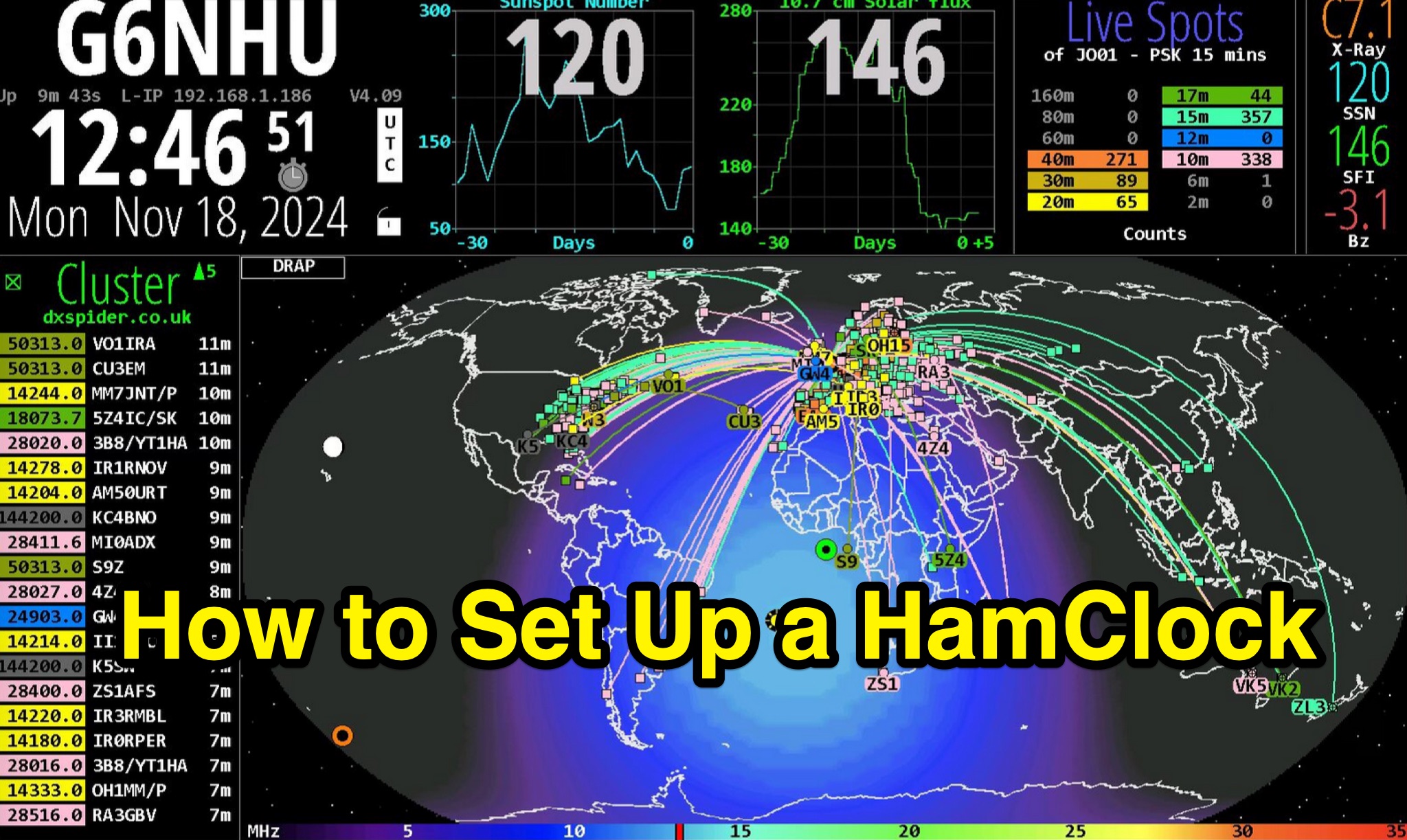 Demonstrates the complete process of setting up a _HamClock_ for an amateur radio shack, utilizing a Raspberry Pi and the HamClock 4.21 software. The guide meticulously covers hardware recommendations, including specific Raspberry Pi models like the Pi 4, suitable SD cards, power supplies, and display options. It provides step-by-step instructions for preparing the SD card with Raspberry Pi OS, performing initial system updates, and executing the HamClock installation script. Detailed configuration steps are outlined for HamClock's seven setup pages, addressing callsign, grid square, DX Cluster settings (e.g., `dxspider.co.uk` port **7300**), map centering, and crucial features like automatic space weather map rotation and auto-upgrades. The resource further explains how to customize HamClock's display panels, such as replacing default panels with a large DX Cluster display or a dedicated Space Weather panel. It illustrates configuring the Live Spots panel to show _PSKReporter_ data, filtering spots by grid square and time (e.g., **15 minutes**), and selecting specific bands for monitoring. The author, G6NHU, shares personal preferences for map types, recommending the DRAP style with Robinson projection for optimal amateur radio utility. Additionally, the guide provides specific DX Cluster filtering commands to manage spot overload, including methods to exclude data modes like FT8 and FT4, ensuring a cleaner display of relevant DX activity.
 -
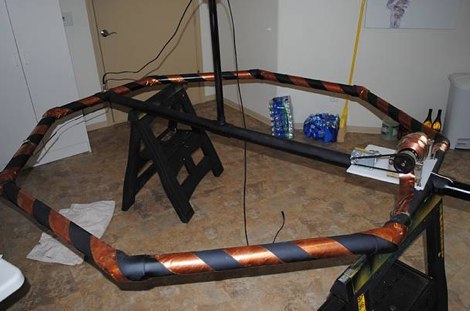 A considerably shortened Magnetic Loop antenna with performance of a single conductor text book magnetic loop.
 -
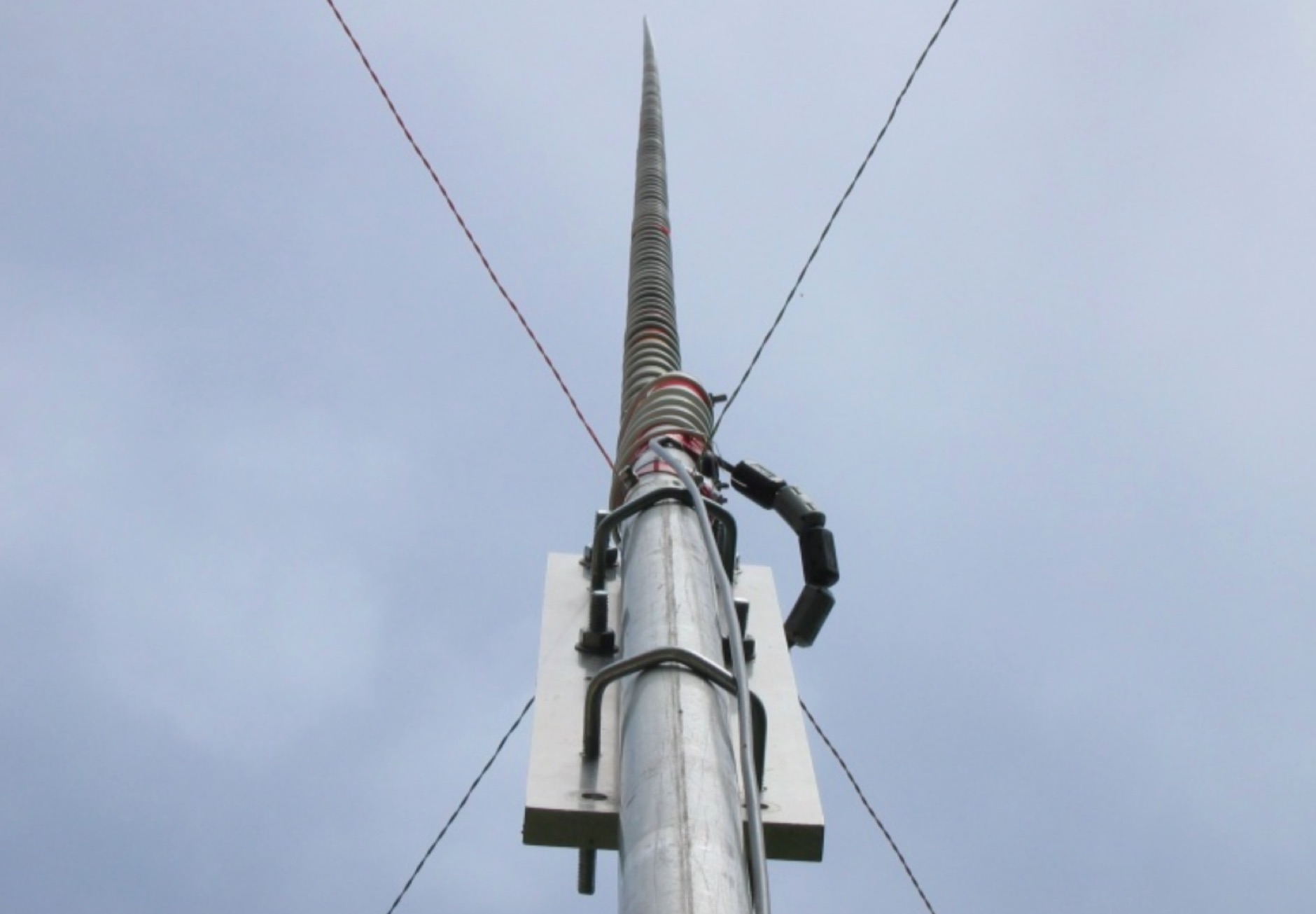 A helically wound vertical antenna experiment. 14 meter of wire wounded on a 8 meter fishing pole with 4 elevated radials
 -
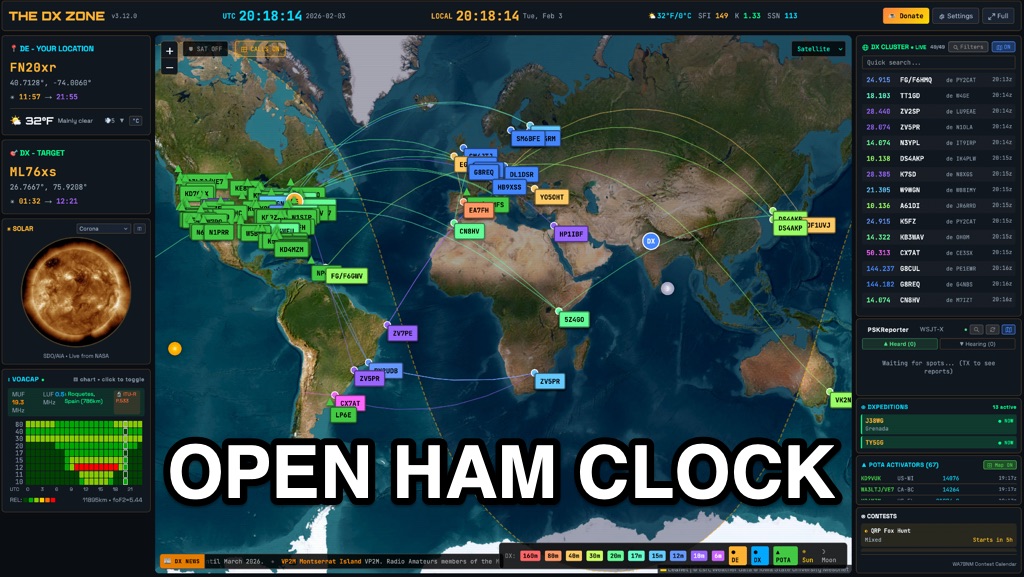 OpenHamClock is a modern, open-source dashboard for amateur radio operators, designed as a web-based successor to the original HamClock. Deployable locally on a Raspberry Pi or via the cloud, it centralizes essential DX operations into a single, intuitive interface. At its core is an interactive world map that visualizes real-time DX spots, signal paths, satellite tracking, and POTA activators. The software seamlessly integrates critical tools like WSJT-X, DX Cluster, and PSKReporter for monitoring digital traffic. Additionally, it provides vital environmental data, including real-time space weather indices, solar activity, and personalized HF propagation predictions. With customizable themes and a modular architecture, OpenHamClock offers modern operators comprehensive, at-a-glance situational awareness of global radio conditions
 -
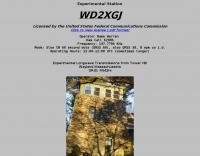 Experimental Longwave Transmissions from Tower Hill wayland Massachusetts Operator Name Warren, Ham Call K2ORS, Frequency: 137.7796 KHz
 -
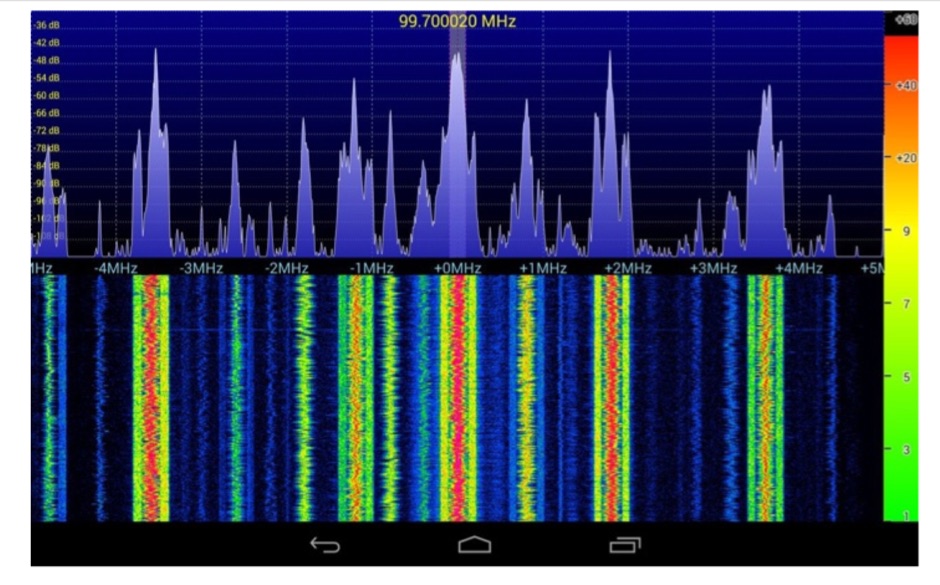 The SDRanywhere application facilitates remote control of RFSPACE SDR hardware, specifically the SDR-IQ, NetSDR, SDR-IP, and Cloud-IQ models, from any location worldwide. This Android app compresses and transmits both demodulated audio and waterfall spectrum information to the client over a low-bandwidth internet connection, making it practical for mobile or remote operations. The system is designed to allow users to monitor and operate their SDRs without being physically present at the radio's location. This capability is particularly useful for DXers and contesters who need to monitor band conditions or operate a remote station. The application's ability to function with limited bandwidth ensures reliable performance even in challenging network environments. The associated web page displays a live monitor of active SDR nodes, detailing their status, port, and geographical coordinates, such as the "Smola 315 deg ant #2" node operating on port **8021** or the "Karelia MW DX, Finland" node on port **50000**.
 -
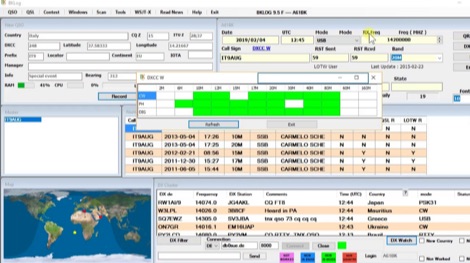 BKLog is a versatile log book and contest program designed specifically for amateur radio operators. Developed in VB.NET, it offers a user-friendly interface and a range of features that cater to both casual and competitive hams. Users can log their contacts, manage contest entries, and utilize automatic CW sending, making it a valuable tool for any operator. One of the standout features of BKLog is its integration with DX Cluster access, allowing users to stay updated on DX spots and enhance their operating experience. Additionally, it supports uploads to popular online QSL services such as QRZ, LoTW, and Club Log, streamlining the QSL process for users. With regular updates and improvements, BKLog continues to evolve, ensuring it meets the needs of the amateur radio community. Whether you're a seasoned contester or a newcomer to logging, BKLog provides the essential tools to enhance your ham radio experience. Its compatibility with Windows makes it accessible to a wide range of users, and its ongoing development ensures that it remains relevant in the ever-changing landscape of amateur radio.
 -
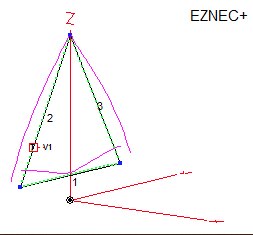 How manage and quantify ground loss in vertically-polarized antennas by VE3VN
 -
 The article, "Using 75 Ohm CATV Coaxial Cable," details methods for employing readily available 75-ohm CATV hardline in standard 50-ohm amateur radio setups. It addresses the inherent impedance mismatch and practical considerations, such as connector compatibility, for hams seeking cost-effective, low-loss feedline solutions. The resource specifically contrasts common 50-ohm cables like RG-8, RG213, and _LMR-400_ with 75-ohm hardline, highlighting the latter's lower loss characteristics, particularly at VHF and UHF frequencies. It explores two primary approaches to manage the impedance difference: direct connection with an acceptable SWR compromise and precise impedance transformation. The direct connection method acknowledges that a perfect 1:1 SWR is not always critical, especially when using low-loss coax. For impedance transformation, the article explains the use of half-wavelength sections of coax to reflect the antenna's 50-ohm impedance back to the transmitter, noting its single-frequency effectiveness. It also briefly mentions transformer designs using toroid cores and a technique involving two 1/12 wavelength sections of feedline for broader bandwidth. The content further clarifies the concept of _velocity factor_ for calculating electrical versus physical cable lengths, providing a generic formula for precise length determination. It notes that while half-wave matching is practical for 10 meters and above, it can result in excessively long runs for lower bands like 160 meters, potentially adding **250 feet** of cable. The article also mentions achieving a usable bandwidth of 28.000 MHz up to at least **28.8 MHz** on 10 meters with specific transformation techniques.
 -
 Presents the Sacramento Amateur Radio Club (W6AK), detailing its long-standing presence in the amateur radio community since 1914. The club's affiliation with the **ARRL** is highlighted, indicating its adherence to national amateur radio standards and participation in broader organizational activities. Content includes recent operational activities, such as participation at the Yolo County Fairgrounds, and social gatherings like meet-and-greets at East Portal Park, fostering member engagement. The resource also provides insights into the club's governance, listing current board members and their **call signs**, including the President Mike McDermott (KF6RUQ) and Vice President Jay Ballinger (N6SAC). Information on past elections and board position fillings offers transparency into the club's operational structure. The site functions as a central hub for club news and event announcements, reflecting its role in coordinating local amateur radio endeavors.
 -
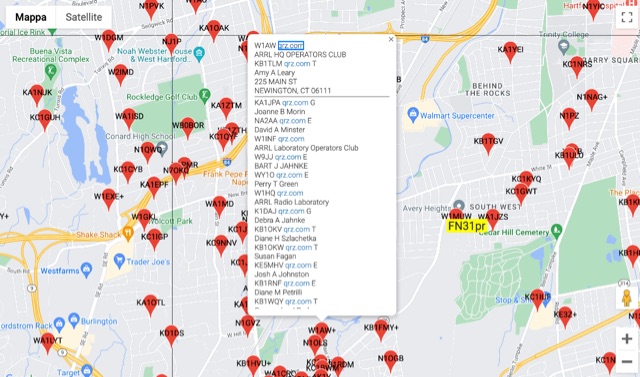 The resource provides an interactive map interface for locating amateur radio license holders across the United States. Users can input a _callsign_, _gridsquare_, zip code, or street address to center the map, which then dynamically populates with station markers. This functionality allows for precise geographical searches, revealing the distribution of hams within specific areas. Upon initial search, the map renders with adjustable zoom and pan capabilities. A key feature is its automatic reload mechanism: after two seconds of inactivity, the map updates to display stations within the newly viewed area. This ensures that the displayed data remains relevant to the user's current focus, whether exploring a densely populated urban center or a more remote region. Further interactive elements include clickable gridsquare labels, which re-center the map, and a "Show gridsquares" checkbox for toggling grid line visibility. Clicking on individual station markers reveals a popup containing the licensee's name and address information, making it a practical tool for geographical station identification.
 -
 L50W-Special callsign for the 50?anniversary of LU1WP-Radio Club Trelew
 -
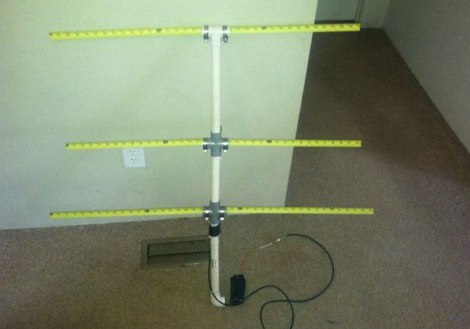 A 7 dB directional gain is reported for this portable VHF Yagi antenna design, which utilizes cut metal tape measure sections for its elements. The resource details the construction process for a 2-meter band antenna, emphasizing its ease of build and portability. It specifically mentions the design's suitability for radio direction finding (RDF), fox hunting, and communication with satellites and the International Space Station (ISS), highlighting its practical applications for amateur radio operators. The construction cost is estimated at under $20, with potential for even lower expense if salvaged materials like old tape measures and PVC pipes are used. The article references _Joe Leggio's_ (WB2HOL) original design, noting specific alterations made by the author. It also compares this design to other DIY Yagi antennas, including _FN64's_ 2-meter band and _manuka's_ 70-cm band tape measure Yagis, underscoring its unique combination of simplicity, portability, and effective performance with a 1:1 SWR achievable on the 2-meter band.
 -
 If you find yourself in London then please do visit. The club operates a HF station with the call sign GX0MIN, Friday evenings. We have held the contest call sign M2W since 2000, and regularly participate in HF contests. CQWW SSB is a favourite and the group has operated the October event from Whitton using M2W and from DX locations during the years, with the calls 9H0WW, ZC4DX, C56DX, A45ZN.
 -
 Announces the retirement of Brand Electronics, a manufacturer specializing in **power meters** and various ham radio accessories, effective 2025. The company has served the amateur radio community for over 35 years, providing equipment for station setup and operation. The product line historically included accessories compatible with major transceivers from Icom, Yaesu, and Kenwood, alongside components and technical references for homebrew projects. Their offerings supported accurate RF power measurement, crucial for optimizing antenna systems and ensuring legal limit compliance. This notice serves as a final update regarding the company's operational status, marking the cessation of manufacturing and sales activities. The site provides no further details on product support or inventory liquidation.
 -
 The MMMonVHF database, curated by DL8EBW, currently lists 63,455 entries for VHF operators, providing a searchable resource for locating stations active on 144 MHz and higher bands. Operators can register their callsigns to be included, with specific criteria such as participation in _MS_ (Meteor Scatter), _WSJT_ modes, or _EME_ (Earth-Moon-Earth) operations required for inclusion in the `call3.txt` file. This resource facilitates VHF DX expeditions and contest planning by allowing users to identify potential contacts within a geographical area. The database supports various VHF/UHF operating modes, including those focused on weak signal propagation. Statistical data regarding the database entries is also presented, offering insights into the distribution of registered VHF activity.
 -
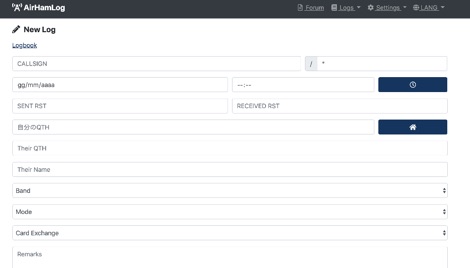 Facilitates logging of amateur radio contacts directly within a web browser, enabling seamless operation across various devices including Windows, macOS, Linux, iOS, and Android. This web-based application stores all log data securely in the cloud, providing accessibility from any internet-connected location. It supports importing existing log data via CSV files, with future plans for _ADIF_ file import, and offers a robust QSL card generation feature, producing print-ready PDF files in standard 148mm x 100mm dimensions. The platform integrates with Japanese government databases to automatically populate callsign-related information such as station location and license issue dates, streamlining data entry. It also assists with JCC/JCG searches for accurate QTH logging. The service leverages SSL encryption for all communications and benefits from security oversight by certified information security professionals. Users can register using email/password or existing Facebook/Google accounts, and the beta version is currently available for free. The system has processed over **5,297,881** logs, with **28,369** logs recorded in the past 24 hours.
 -
 For amateur radio operators focused on **county hunting** awards, WD8LQB CountyLog offers a specialized logging solution for Windows. This software facilitates the logging of contacts specifically by county, a critical feature for those pursuing awards like the USA Counties Award. It includes functionality to export log data in **ADIF** format, ensuring compatibility with other logging programs and award submission systems. The program also provides access to the "Who's on the Air Database," a valuable resource for identifying active stations and planning county-specific operations. WD8LQB CountyLog is available in both a free limited version and a commercial version, allowing operators to choose based on their operational needs and budget. Its design prioritizes ease of use for county-focused logging, streamlining the process of recording contacts and managing the necessary data for award applications. The software's ability to integrate with external databases enhances its utility for real-time operational planning and post-contact verification.
 -

-
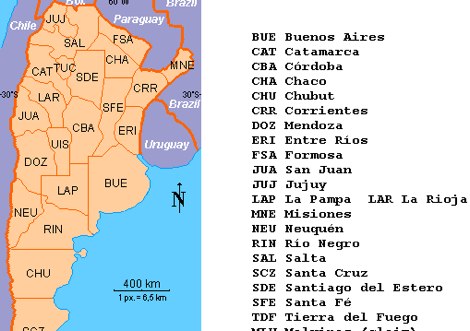 LU Argentina Country CALL division Antarctic and South Atlantic prefixes and sufixes
 -
 Clark county amateur radio club serving sw washington for 75 years! come find out how our local ham club offers programs that cover everything from the history of morse code and call signs to ham radio antennas
 -
 Demonstrates the product line of CAIG Laboratories, focusing on specialized contact cleaners and lubricants essential for maintaining electronic components. Key products include **DeoxIT**, designed for deoxidizing and protecting electrical connections, and **DeoxIT Gold (ProGold)**, formulated to enhance conductivity and provide long-lasting protection on plated surfaces. Details the application of these solutions across various electronic devices, from audio equipment to critical ham radio gear, ensuring optimal signal integrity and component longevity. The product range also features **DeoxIT Faderlube (CaiLube MCL)**, specifically engineered for conductive plastic and carbon-based controls, mitigating wear and improving tactile feel. Explains how proper contact maintenance with these products can prevent intermittent connections, reduce noise, and extend the operational life of switches, potentiometers, and connectors in both commercial and amateur radio applications.
 -
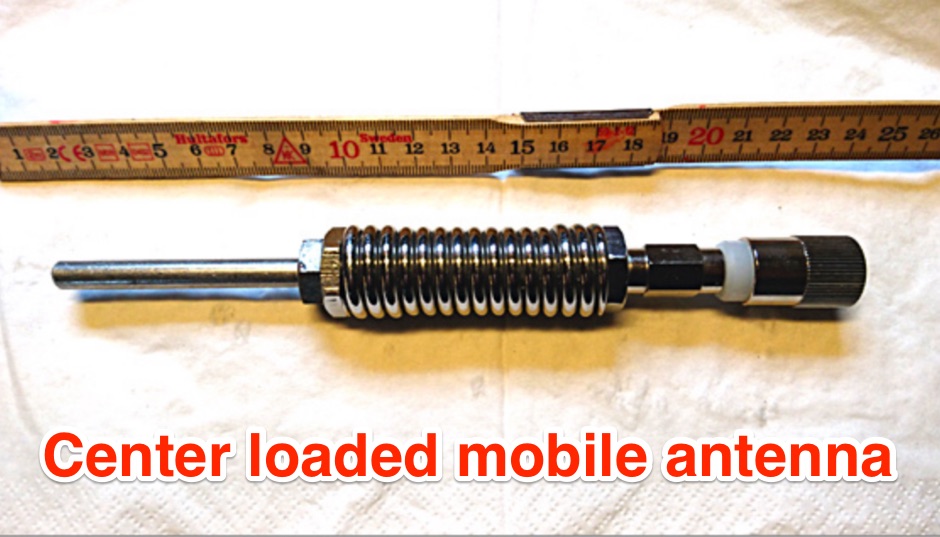 The OZ1CX center-loaded mobile antenna project details the construction of a compact **80-meter** antenna, specifically designed for mobile, portable, and stationary operations. It features a loading coil wound on a 50 mm PVC pipe with 1.5 mm copper wire, comprising 100 turns over 150 mm length, resulting in an inductance of 150 µH. The design incorporates a 1.5-meter whip and a 1.5-meter base section, with the coil positioned at the center for optimal performance on the 3.5 MHz band. Performance measurements indicate a **VSWR** of 1:1.2 at 3.7 MHz when mounted on a vehicle, achieving a bandwidth of 30 kHz for VSWR below 1:2. The antenna's efficiency is compared to a full-size dipole, showing a signal strength reduction of 3-4 S-units, which is typical for compact mobile HF antennas. Practical application notes cover tuning adjustments by varying the whip length and coil tap points, emphasizing the importance of a good ground plane for effective operation.
 -
 The Guernsey Amateur Radio Society (GARS) provides a central hub for amateur radio operators in the Bailiwick of Guernsey, offering resources like a local _GU Callbook_ and specific notes tailored for visiting operators. The society maintains an active presence, holding regular meetings on Friday evenings from 7:30 to 9:00 PM in a unique World War II bunker located within the grounds of the Beau Sejour Leisure Centre. Beyond in-person gatherings, GARS facilitates on-air activity with a 2-meter net operating on 145.525 MHz every Tuesday night at 8:00 PM. Additionally, a DMR net is hosted on Thursday nights at 8:00 PM via the _GB7GY_ repeater, catering to digital mode enthusiasts. These nets provide opportunities for local members and visitors to connect and exchange information. Phil Cooper, GU0SUP, serves as a key contact for the society, managing inquiries and web content. The club's location is precisely described as being down a concrete staircase to the left of the road when approaching the Concourse entrance, making it straightforward for newcomers to find their way to the club's distinctive meeting place.
 -
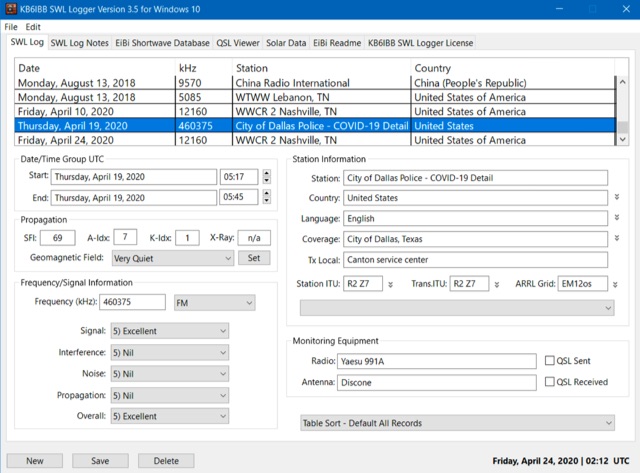 A shortwave radio listeners log book runs on Windows and MacOS Catalina and above. The KB6IBB SWL Logger is a program designed for the shortwave radio listener. It offers shortwave specific logging of stations, with most tasks handled automatically. The program also incorporates the use of EiBi shortwave database for logging and looking up various known shortwave stations world wide.
 -
 FCC_Call is a program that allows you to create a database from the FCC license records and to look-up the FCC records by call, name or city. It requires TRX-Manager or VB5 runtime installed.
 -
 For over 50 years, Communications Specialists Inc. has been a cornerstone in specialized radio frequency solutions, initially gaining prominence with their **CTCSS** and **DTMF** tone signaling products widely used in amateur radio repeaters and commercial two-way radio systems. My own experience with their tone boards in various repeater builds confirms their reliability and ease of integration, a testament to their engineering. The company's legacy in tone encoding and decoding is well-established, providing robust solutions for access control and selective calling. Beyond tone signaling, Com-Spec has diversified into niche markets, including wildlife telemetry, pet tracking collars, and specialized tracking systems for model aircraft and rocketry. Their product line features compact transmitters and receivers designed for specific tracking applications, demonstrating a commitment to precision and durability in challenging environments. While some legacy products are no longer available, Com-Spec continues to innovate, as evidenced by the new R-30M receiver, which ships within five days. This focus on specialized RF applications, from tracking Alzheimer's patients to law enforcement, highlights their unique position in the radio communications industry.
 -
 Valley of the Moon Amateur Radio Club website provides information on club events, history, officers, licensing, and how to join. Users can download newsletters, hamfest flyers, and net scripts. The club serves the Sonoma Valley wine country, holding monthly meetings, weekly nets, and breakfast gatherings. The club call sign, W6AJF, honors Frank Jones, an Amateur Radio pioneer. Various events are listed on the site, including picnics, VE testing, and breakfast nets.
 -
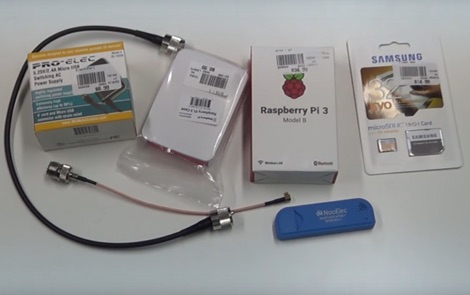 How to receive automatically NOAA wather satellite images with a Raspberry Pi and a RTL SDR. This project requires a Raspberry Pi 3 Model B a common NooElec SDR Dongle and a QFH Antenna in the attic. Article explains how to setup and configure software but no instructions on antenna.
 -
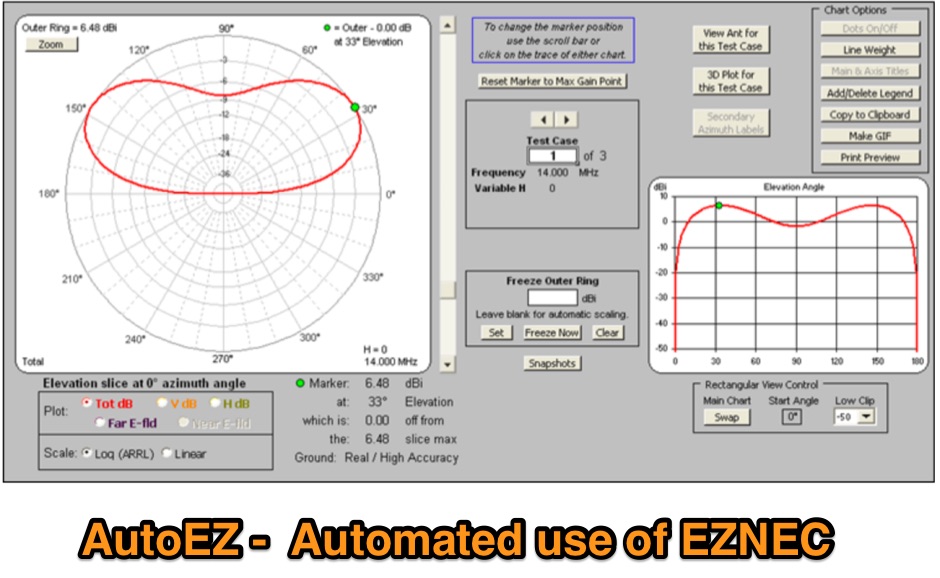 Automated use of EZNEC. AutoEZ is an Excel application that works in conjunction with the EZNEC antenna modeling programs and allows you to use variables to control diverse aspects of the model. You can then run multiple EZNEC test cases while AutoEZ automatically changes one or more variables between runs. Commercial version and free demo available for download.
 -
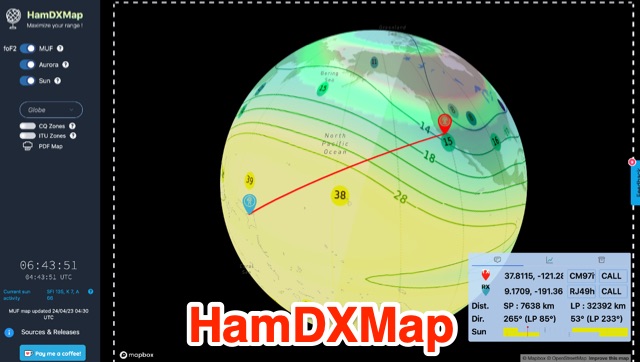 _HamDXMap_ provides propagation analysis and operational aids, integrating real-time data with historical logging capabilities. The platform displays Maximum Usable Frequency (MUF) and foF2 response curves, with a horizontal bar indicating live VFO frequency from _Win-Test_ via Gateway software. It supports _VOACAP_ 24-hour propagation predictions for Short Path (SP) and Long Path (LP) tabs, factoring in monthly smoothed sunspot numbers. The minimum bounce altitude for propagation calculations is **50 km**. The tool features a _ClubLog_-sourced DXCC Most Wanted ranking in voice, telegraphy, and digital categories, displayed in callsign pop-ups and DXpedition lists. Users can import contest logs in ADIF format, visualizing QSOs on the map with adjustable line and point parameters. A playback function allows contest replay at speeds from **1x to 100x**. An _IOTA_ (Islands on the Air) layer displays island group definitions and confirmation percentages, indicating RSGB activation evidence requirements. _HamDXMap_ integrates over 1100 online SDR receivers from three networks, updated daily, with access links and a favorites function. It tracks current and future DXpeditions planned over the next 45 days, sourced from _The Daily DX_, _DX 425 News_, _DX World_, _Les Nouvelles DX_, and _NG3K_. Real-time weather information, including temperature, wind, and pressure, is displayed in DXCC country and RX/TX position pop-ups.
 -
 Evaluates the **LDG Z100 autotuner**, a device designed to automatically match antenna impedance for optimal transmission efficiency. The review discusses its performance in comparison to the MFJ-902, noting that while the Z100 is a reliable autotuner, it does not match the range of impedances that the MFJ-902 can handle. The Z100 is suitable for operators seeking a 100-watt autotuner that covers HF bands, providing a practical solution for those who require automatic tuning without manual adjustments. The review highlights the Z100's operational context, focusing on its use in HF bands and its practical application in amateur radio setups. While it offers a straightforward tuning process, the Z100's limitations in impedance matching are noted, making it less versatile than some competitors. This comparison provides valuable insights for operators considering an upgrade or replacement for their current autotuner. The Z100's performance is positioned within the broader market of autotuners, offering a clear perspective on its strengths and weaknesses in real-world amateur radio operations.
 -
 The F5GIT blog documents the amateur radio pursuits of Tony, F5GIT, offering insights into his DXpedition experiences and contest operations. It presents detailed accounts of his participation in events like the _CQ WW DX Contest_ and the _IARU HF Championship_, often including specific callsigns worked and operational strategies employed. The resource covers various aspects of station setup, antenna configurations, and radio equipment used for achieving contacts across different bands. Content includes discussions on antenna performance, such as a **2-element Yagi** for 10/15/20 meters, and operational challenges encountered during remote or portable setups. The blog also serves as a personal log, chronicling significant QSOs and providing a historical record of his amateur radio journey. It details specific locations operated from, like _Île de Ré_, and the unique challenges presented by such environments. Furthermore, the blog provides practical information on optimizing station efficiency and maximizing contact rates during high-intensity operating periods. It reflects a dedicated approach to improving radio skills and contributing to the global amateur radio community through active participation and sharing experiences.
 -
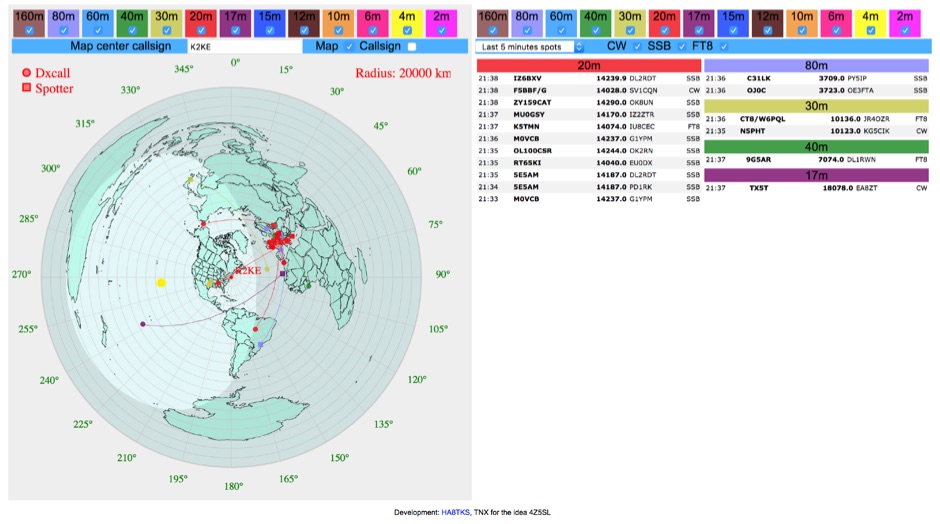 DXCluster spots rendered on a Real-Time Azimuthmal Map centered on a custom callsign
 -
 The AT-AUTO automatic antenna tuner handles 1.5kW CW operation, employing stepper motors under microprocessor control to precisely position a roller inductor and air-dielectric variable capacitor, avoiding relay-switched discrete components. This design choice prevents loud relay clacking and burning contacts, a common issue with competing products. The tuner features auto-retuning capabilities and receives periodic firmware updates, ensuring continuous improvement and added user-requested features. Its companion product, the _CX-AUTO_ coaxial switch, also features an embedded microprocessor controller. It enables selection of 1-of-8 coaxial outputs via a serial data interface. When integrated with the _AT-AUTO_, the tuner can associate specific coaxial outputs with amateur radio bands, automatically commanding the _CX-AUTO_ to select the correct antenna when the operator QSYs to a different band. Don Kessler began designing the AT-AUTO in 2005, with its debut at the 2006 Dayton Hamvention. Kessler Engineering also offers custom RF product design and electrical engineering consulting, specializing in Class-E RF amplifiers.
 -
 KNLS English Service, this Is Alaska Calling! World Christian Broadcasting, Station KNLS, Anchor Point, AK USA