Search results
Query: tp radio
Links: 6287 | Categories: 4
-
 Picture and features of the Kenwood TS-520S amateur radio transceiver
 -
 This page provides a calculator to determine the total line loss and additional line loss in your transmission line based on the level of SWR. It helps hams understand the impact of high SWR on transmission line losses. The calculator allows users to input their SWR level and get accurate calculations of total losses. This tool is useful for ham radio operators looking to optimize their transmission setups and improve overall efficiency.
 -
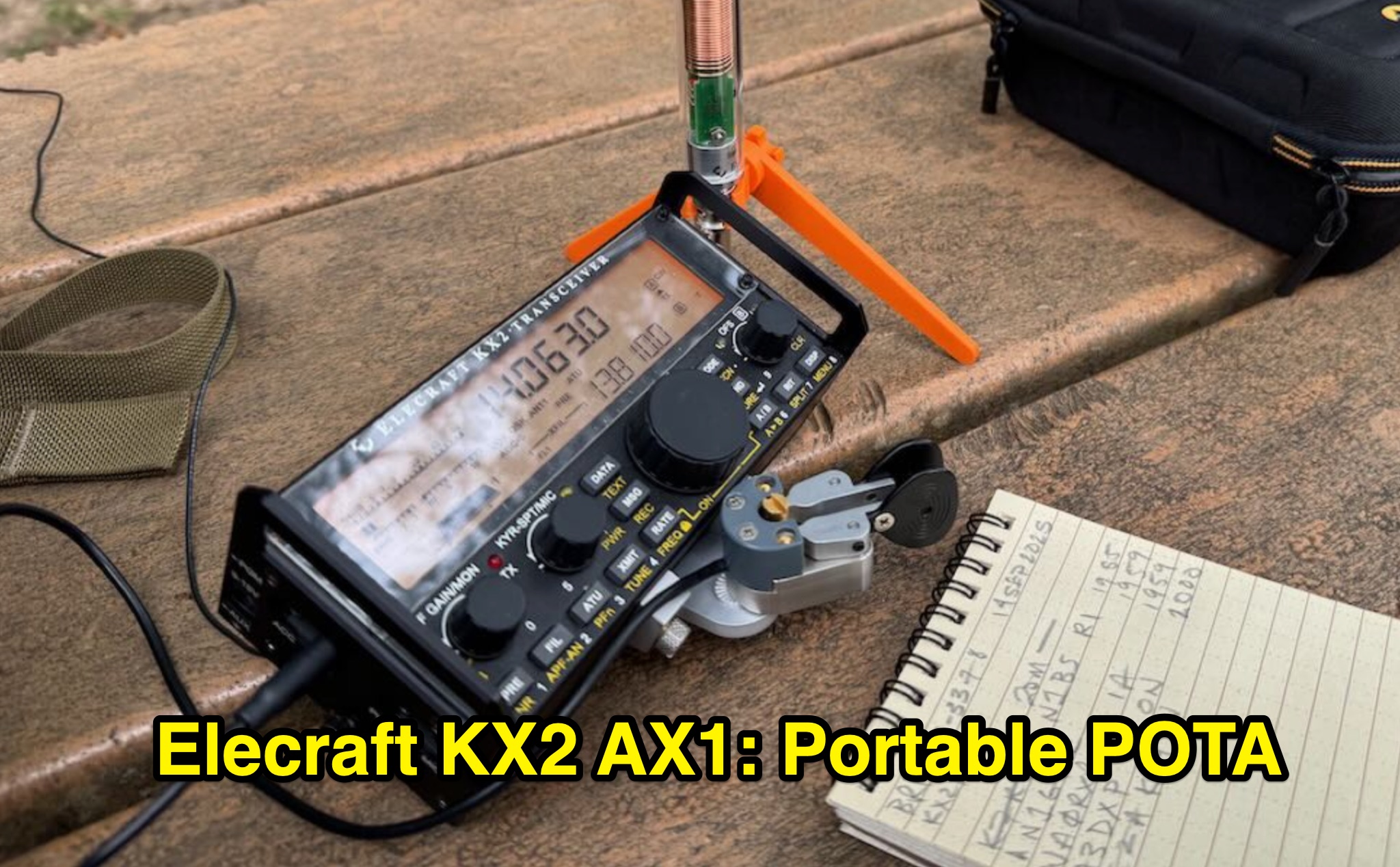 Join Thomas (K4SWL) as he shares his experience activating a POTA site using the Elecraft KX2 AX1 combo. Follow along on his journey from a podcast recording session to a quick POTA activation, showcasing the ease and efficiency of this portable setup. Discover the joy of getting on the air with minimal setup time and maximum enjoyment, perfect for hams looking for a grab-and-go solution. Learn about the benefits of using the AX1 antenna and how it can enhance your portable operations, all while supporting QRPer.com through affiliate links.
 -
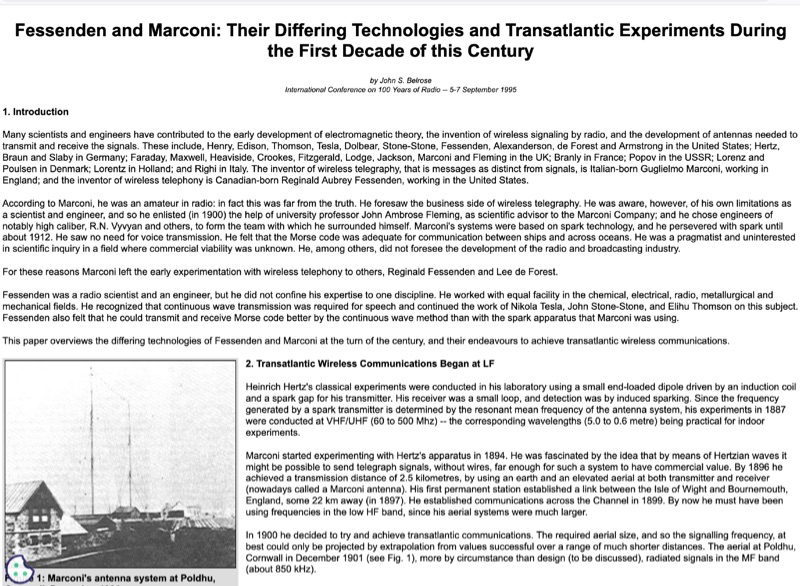 Early 20th-century transatlantic wireless communication efforts involved distinct technical approaches by Reginald Fessenden and Guglielmo Marconi. Marconi's systems, operational until approximately 1912, primarily utilized _spark technology_ for wireless telegraphy, facilitating Morse code communication between ships and across oceans. His Poldhu station in December 1901 radiated signals in the MF band around 850 kHz, later evolving to 272 kHz in October 1902, and eventually 45 kHz by late 1907 with increasingly larger antenna structures like the pyramidal monopole and capacitive top-loaded arrays. Fessenden, conversely, focused on _continuous wave transmission_ for wireless telephony, recognizing its necessity for speech. His transatlantic experiments in 1906 employed synchronous rotary-spark-gap transmitters and 420-foot umbrella top-loaded antennas at Brant Rock, MA, and Machrihanish, Scotland, tuned to approximately 80 kHz. Fessenden later utilized the _Alexanderson HF alternator_ at 75 kHz by late 1906 for pure CW transmission, integrating a carbon microphone for amplitude modulation. Receiver technology also differed, with Marconi initially relying on untuned coherer-type detectors, later developing the magnetic detector in 1902, while Fessenden's CW approach necessitated more advanced detection methods.
 -
 A podcast dedicated to the technical aspects of amateur radio, featuring in-depth discussions on homebrewing, test equipment, and project building.
 -
 The HD8G DXpedition will take place in the stunning Galapagos Islands from April 18 to April 26, 2025. This operation will involve 26 dedicated amateur radio operators activating the islands, which are designated as IOTA SA-004. The team aims to make a significant number of contacts, providing an exciting opportunity for DXers and enthusiasts to work this unique location. With a rich history and diverse wildlife, the Galapagos Islands offer a picturesque backdrop for this event. Participants can expect to engage in various modes of operation, including SSB and CW, as the team works to log as many QSOs as possible. The DXpedition is anticipated to generate a high volume of activity, with operators from multiple countries contributing to the effort. This is a prime opportunity for those looking to add a rare entity to their DXCC list or simply enjoy the thrill of working a special event from a remote location.
 -
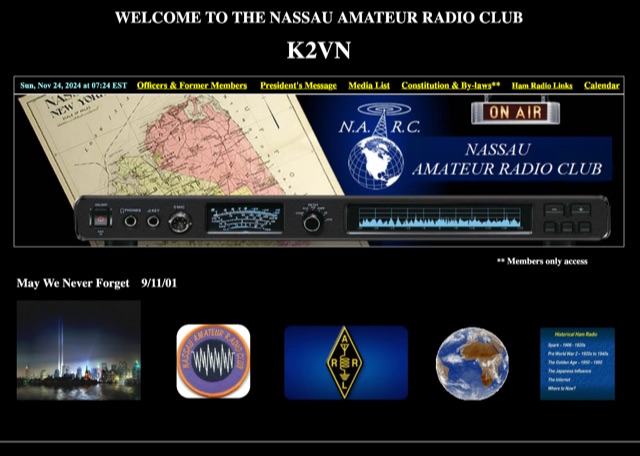 The Nassau Amateur Radio Club (NARC), a Special Service Club of the ARRL, focuses on Ham Radio education to train skilled radio operators for emergency communications, foster international goodwill, and advance the radio art. Based in Nassau County on Long Island, the club is affiliated with the New York City-Long Island Section of the ARRL Hudson Division.
 -
 This study analyzes the antenna pattern of the Utah Amateur Radio Club's 146.760 MHz repeater following antenna relocation in 1997. Noting degraded transmission toward the north, a customized signal mapping system using a Yaesu FT-817, GPS, and software was developed to log real-time signal data. Calibration techniques extended the radio's signal range, enabling precise field measurements. The method allowed continuous signal strength monitoring while driving, revealing anomalies in coverage likely due to tower modifications. Findings helped assess and visualize the antenna’s actual radiation pattern and highlighted environmental impact on signal distribution.
 -
 This page discusses the construction and use of a low pass filter for MF/LF reception, specifically for the 630 meter and 2200 meter bands. The author, KA7OEI, shares technical insights and practical advice related to amateur radio, with a focus on improving reception in the low-frequency bands. This resource is useful for hams interested in building their own filters to enhance their MF/LF reception capabilities.
 -
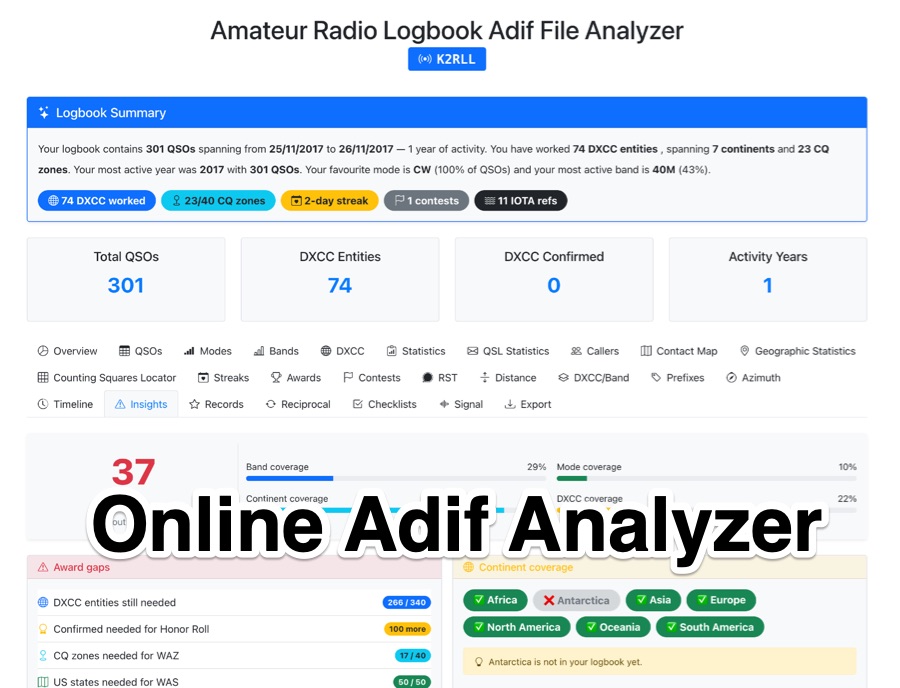 The _Amateur Radio Logbook ADIF File Analyzer_ processes ADIF files locally within the user's browser, ensuring no QSO data is uploaded to a server. It generates a visual map of contacts and detailed statistics across various parameters, including band, mode, time, grid squares, and DXCC entities. The tool offers insights into operating patterns and station performance without requiring any software installation. Users upload their ADIF log files directly, and the analysis is performed client-side, providing immediate results. The output includes charts and graphs that visualize QSO distribution and activity. This approach prioritizes user privacy and data security, as logbook information remains on the user's computer throughout the analysis process. The analyzer supports standard ADIF formats, enabling hams to quickly review their log data for trends and achievements. It is a free, open-source utility designed for general amateur radio log analysis.
 -
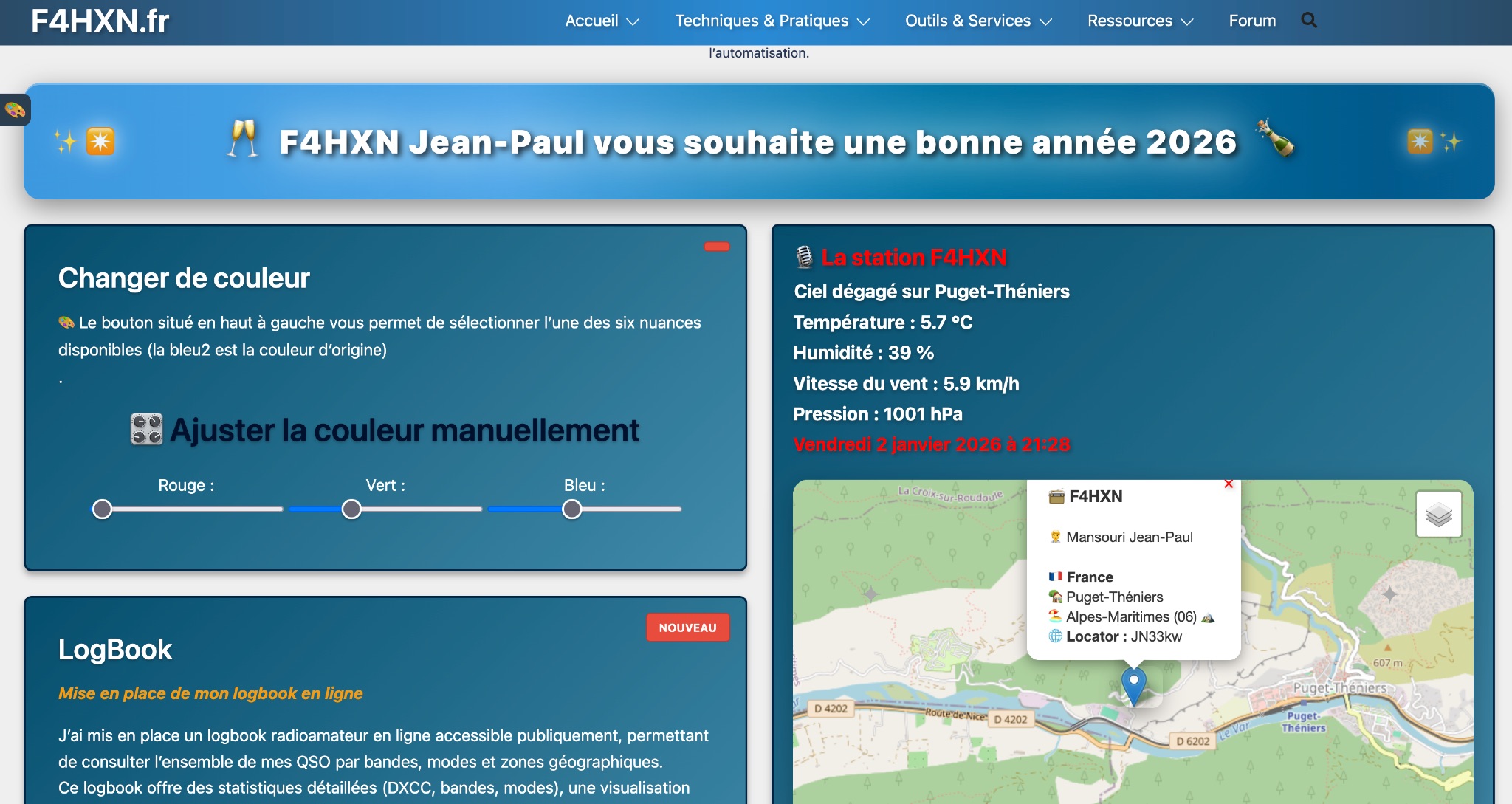 Demonstrates various technical projects and tutorials for amateur radio operators, focusing on digital modes, monitoring, and station setup. It covers topics such as implementing a _WSPR_ station, setting up ADS-B reception, configuring a _DXSpider_ cluster, and utilizing monitoring tools like Prometheus and Grafana. The resource provides practical guides for integrating modern IT solutions with ham radio activities, including Docker and Linux environments for radio applications. This site also features a publicly accessible online logbook, offering detailed statistics on QSOs by band, mode, and geographical zone, with visual mapping of contacts. It includes a comprehensive amateur radio lexicon, explaining hundreds of terms, and provides a real-time display of the F4HXN station's local weather conditions. The resource also aggregates information on upcoming ham radio events and offers a **SWR simulator** for antenna analysis, allowing users to visualize ROS changes based on frequency and antenna parameters.
 -
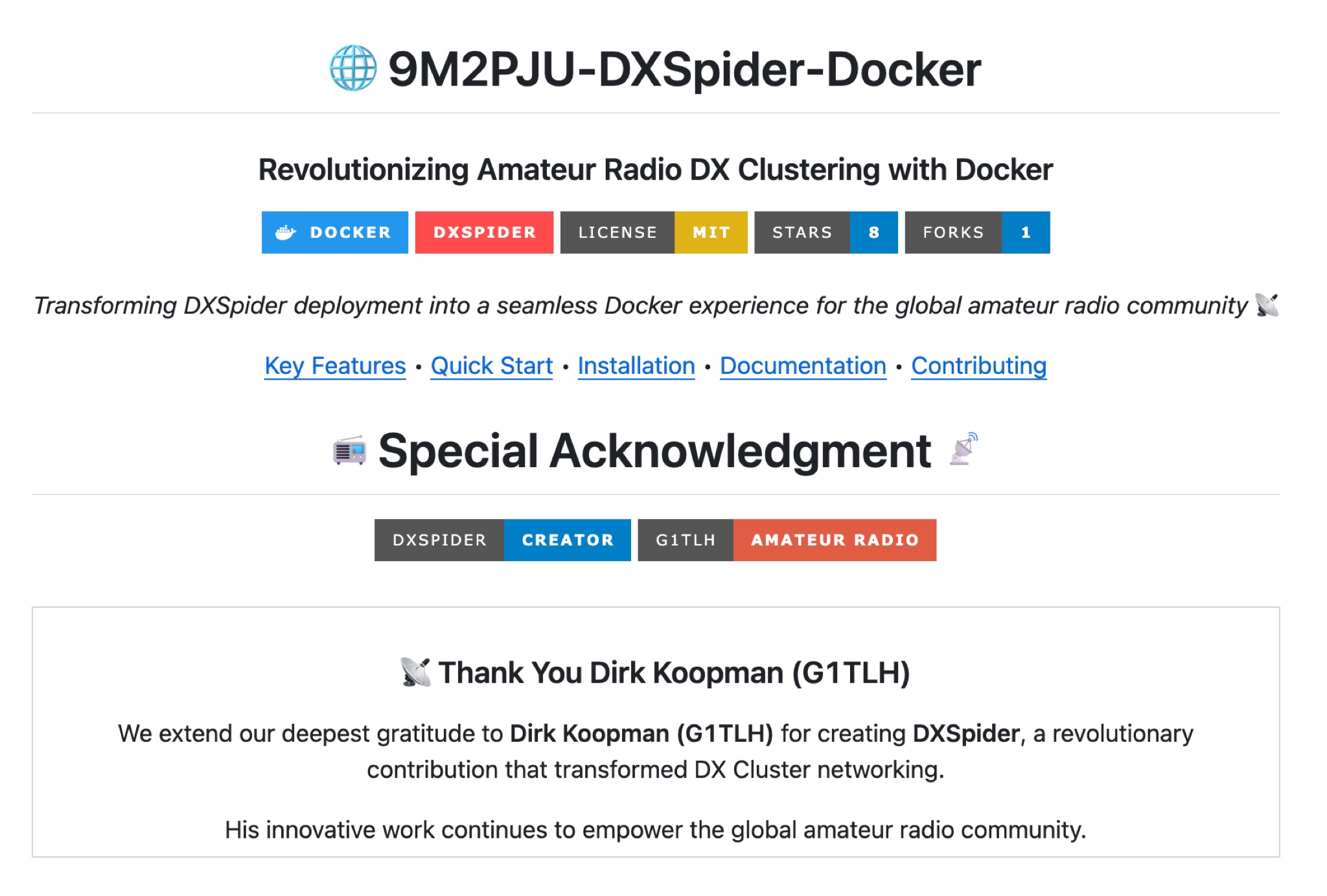 This project focuses on the transformation of DXSpider deployment into a seamless Docker experience for the global amateur radio community. It highlights the key features, installation process, and documentation, while acknowledging Dirk Koopman (G1TLH) for creating DXSpider. The project aims to simplify the deployment and management of DX Cluster nodes for amateur radio operators by containerizing the software. With a Docker-native architecture and intelligent defaults, the project offers an easier setup process without compromising on the powerful features of DXSpider.
 -
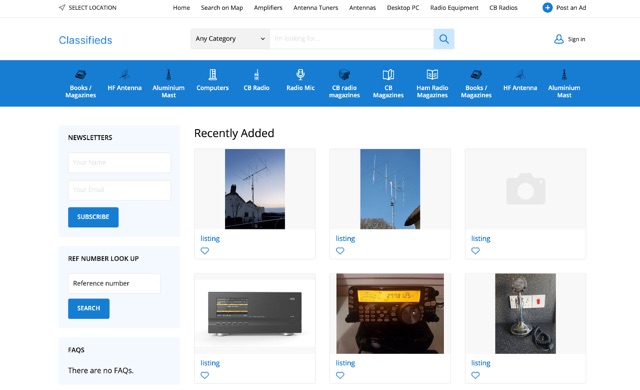 For sale used unwanted HAM and CB Radios for sale in your area. Post your unwanted radio items to others for free.
 -
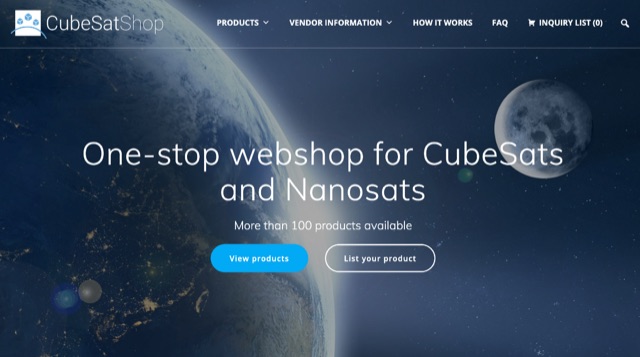 This is a website that sells CubeSat components and kits, including solar panels, batteries, and radios.
 -
 This page provides information about the upcoming DXpedition to Manihiki in the North Cook Islands by a team of Western Washington DX Club hams. It includes details about the dates of the operation, financial support options, QSL policy, and how hams can get involved. The page is aimed at ham radio operators interested in working the E51MWA station during the DXpedition and supporting the team financially.
 -
 Gordon West Radio School provides comprehensive study materials including books, audio courses, and practice exams. "Gordo" is renowned for his ability to explain complex concepts in memorable ways, often using humor and mnemonics. His materials include insider tips from his decades of teaching experience and administering exams. The audio courses are especially popular among commuters who can study while driving. The site offers package deals combining different media formats for various learning styles.
 -
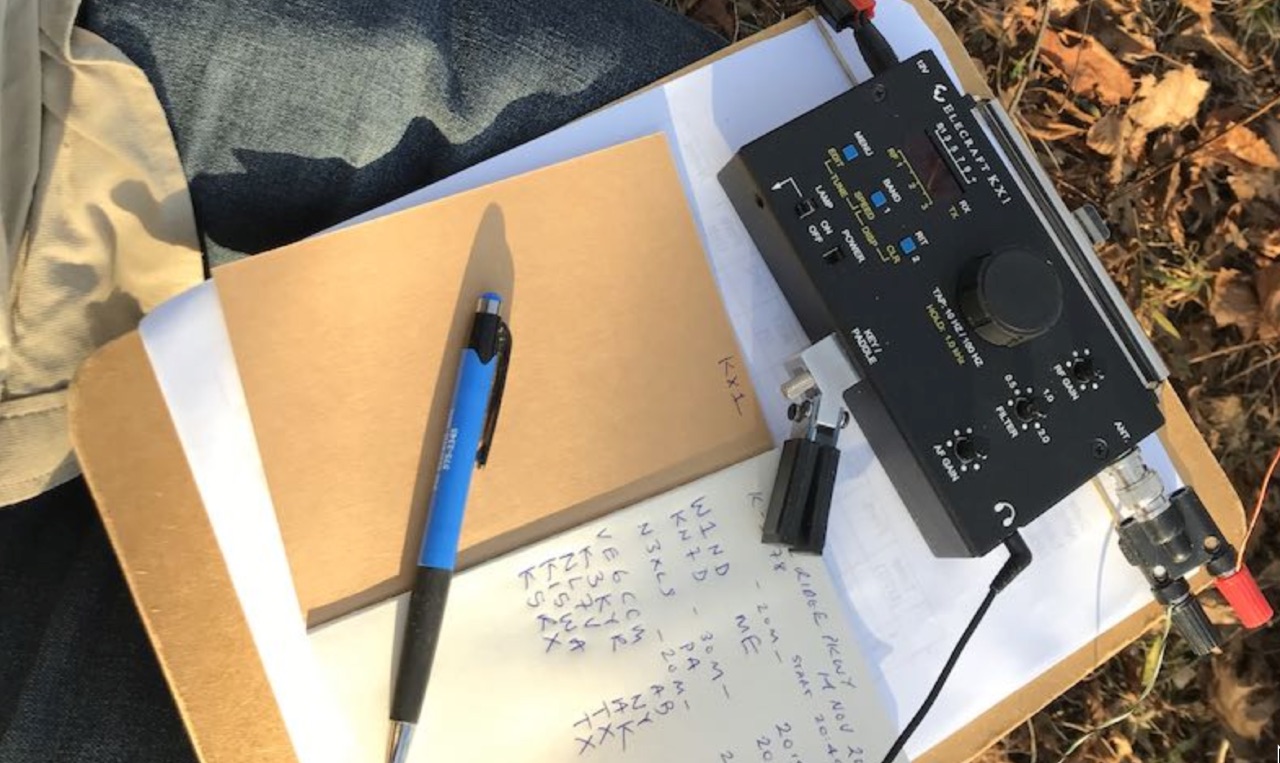 This page provides tips and advice for ham radio operators interested in activating park sites for the Parks On The Air (POTA) program. The author shares insights on how to find accessible parks in Western PA and beyond, emphasizing the importance of starting with historic sites and national parks. The content offers guidance on setting up equipment and getting on the air for POTA activations, making it a useful resource for beginners and experienced POTA operators looking to expand their park options.
 -
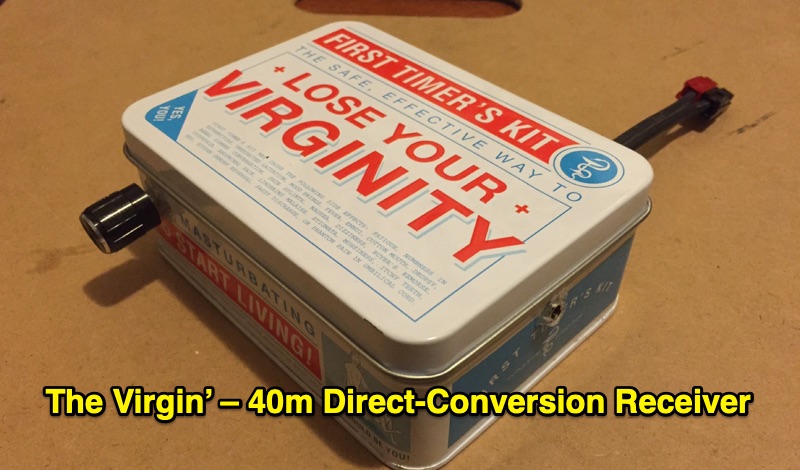 Demonstrates the construction of 'The Virgin', a **direct-conversion receiver** specifically designed for the 40m amateur radio band. This project, completed in February 2016, features a fixed operating frequency determined by a crystal oscillator, requiring a physical crystal change to alter the reception frequency. The design incorporates two integrated circuits and a power regulator, emphasizing simplicity with a single control knob. The author details the initial design, subsequent modifications to the front end, and troubleshooting steps addressing common issues like audio motorboating and power supply instability. The resource presents the final design of the receiver, reflecting the author's first experience building such a unit between December 2015 and February 2016. It offers practical insights into basic circuit construction and the iterative process of refining a homebrew radio project. The content is particularly relevant for those interested in fundamental receiver principles and hands-on **QRP** transceiver building.
 -
 Learn about Amateur Television (ATV) on the 23 cm band (1240-1300 MHz) in this article from the September and October 2000 issue of Mégahertz magazine. Discover how ATV adds a new dimension to QSOs by allowing hams to visit stations, transmit real reports on antenna installations, follow signal paths on camera, and have simultaneous sound transmission. Explore the world of ATV experimentation, comparison, and innovation, made easier by existing equipment in many ham radio operators' homes. Find out about the ATV bands, bandwidth requirements, and the 23 cm band as a starting point for ATV activities.
 -
 The **CubeSat** standard, developed by California Polytechnic State University (Cal Poly) and Stanford University, facilitates frequent and affordable access to space for small satellites. This resource serves as a central hub for the CubeSat community, offering a comprehensive directory of active and past CubeSat projects, technical specifications, and educational materials. It details the standardized dimensions and mass constraints for these pico-satellites, which typically range from 1U (10x10x10 cm, 1.33 kg) to 12U configurations, enabling their deployment as secondary payloads on various launch vehicles. The site also provides insights into mission planning, component selection, and regulatory considerations for amateur radio satellite operations. Operators and developers can utilize the project directory to research existing CubeSat missions, understand their communication protocols, and identify potential collaboration opportunities. The platform's forum section allows for direct engagement with other enthusiasts and experts, fostering knowledge exchange on topics such as **AMSAT** frequency coordination, telemetry decoding, and ground station setup. This collaborative environment supports the development of new CubeSat projects, promoting innovation in amateur radio satellite communication and space exploration.
 -
 The Easton Amateur Radio Society (EARS), founded in January 1965, supports Amateur Radio operators on Maryland's Eastern Shore by promoting knowledge sharing, training, community service, and fellowship.
 -
 The Playground Amateur Radio Club has be in service to the Northwest Florida Panhandle since 1951. The team in Fort Walton Beach Florida sponsors and hosts multiple events, contests, Hamfests, Swapmeets, meetings, nets and technical instruction and assistance.
 -
 MeshCom 4.0 facilitates off-grid text messaging and data exchange via _LoRa_ radio modules, operating on low-power, low-cost hardware to establish networked communication capabilities. The system transmits messages, GPS positions, sensor values, and telecontrol data over significant distances with minimal power consumption. MeshCom modules can autonomously form a mesh network or integrate into a broader message network through MeshCom gateways, which ideally connect via _HAMNET_ to link disparate radio networks. Recent updates include MCMAP features, support for Lilygo T-Connect-Pro, and new firmware for T-ECHO, enhancing the system's versatility. The project provides basic specifications, detailed protocol information, and installation instructions for MeshCom 4.0, including guides for RAK WisBlock and HELTEC V3 hardware. Firmware and companion Android/iPhone applications are available for download, supporting a range of **10-20 km** line-of-sight communication.
 -
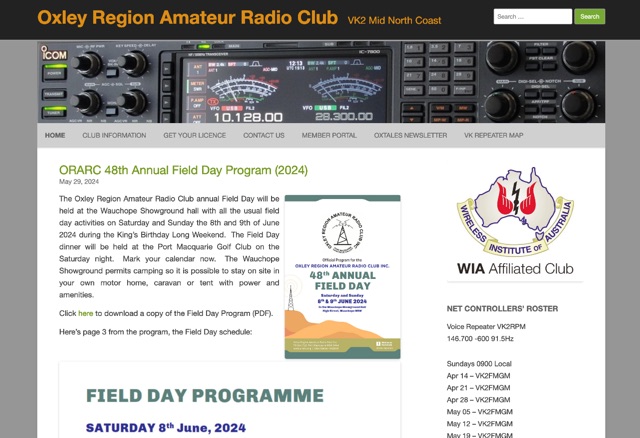 The Oxley Region Amateur Radio Club (ORARC) provides encouragement for those interested in the scientific development of radio communications and associated electronics. VK2 Mid North Coast Australia
 -
 This presentation explores the practice of QRP (low-power) amateur radio operation in outdoor settings. It guides operators to identify their specific objectives for portable operations, which inform equipment and antenna choices. The discussion covers considerations including portability, operating modes, power requirements, and weather resistance. Various antenna designs are examined, from vertical configurations to dipoles and end-fed options, with emphasis on deployment practicality in public spaces. The presentation concludes with practical advice on selecting operating locations, RF safety, and resources for equipment and community support for QRP enthusiasts.
 -
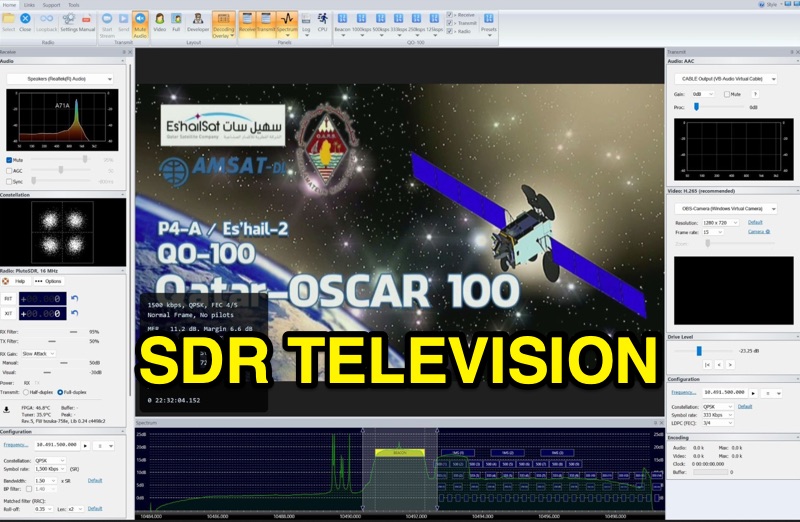 SDR Television v1.0 operates as a DVB-S2 / AAC / H264 / H265 program, specifically engineered for QO-100 satellite Digital Amateur Television (DATV) operations. It provides a full-duplex solution on modern x86 computers running Windows 10 or 11 (64-bit, 8+ cores, AVX2 support recommended), leveraging DLLs from _SDR Console_ for control of devices like _Pluto_ and _LibreSDR.TV_. The software requires installation of the SDR Radio kit for wideband mode support. Initial development focused on a proof-of-concept for QO-100, with future enhancements planned to include H266 / AV1 / Opus codecs and an improved cross-band user interface. The current stable release functions reliably for QO-100 DATV. Users must install the SDR Radio kit, followed by the SDR Television kit, into the same directory. Support inquiries are handled via the SDR-Radio.com mailing list, ensuring direct assistance for operational questions.
 -
 Accessing the official Estonian amateur radio call sign database is facilitated through this resource, which offers a direct search utility for **ERAU** registered licensees. Users can input a call sign to retrieve associated public information, ensuring accurate identification of Estonian stations. The system directly queries the national amateur radio society's records, providing real-time data on active **ES-prefix** operators. This utility is distinct from global callbook services, focusing exclusively on Estonian amateur radio operators. It serves as a primary source for verifying call sign authenticity and operator details within the country's regulatory framework. The interface is streamlined for quick lookups, making it efficient for DXers and contesters targeting Estonian entities. The resource's direct integration with the Estonian Radio Amateurs Union (ERAU) database ensures the presented information is current and authoritative, reflecting the latest licensing status and operator details for the amateur radio community.
 -
 Learn about noise blankers in the FT-817 transceiver, why they may not work, and how to repair them. Follow the repair guide provided to improve your radio's performance, especially for activities like Meteor Scatter. Written by EA4EOZ, an amateur radio electronic enthusiast, this page offers valuable insights for hams looking to enhance their equipment.
 -
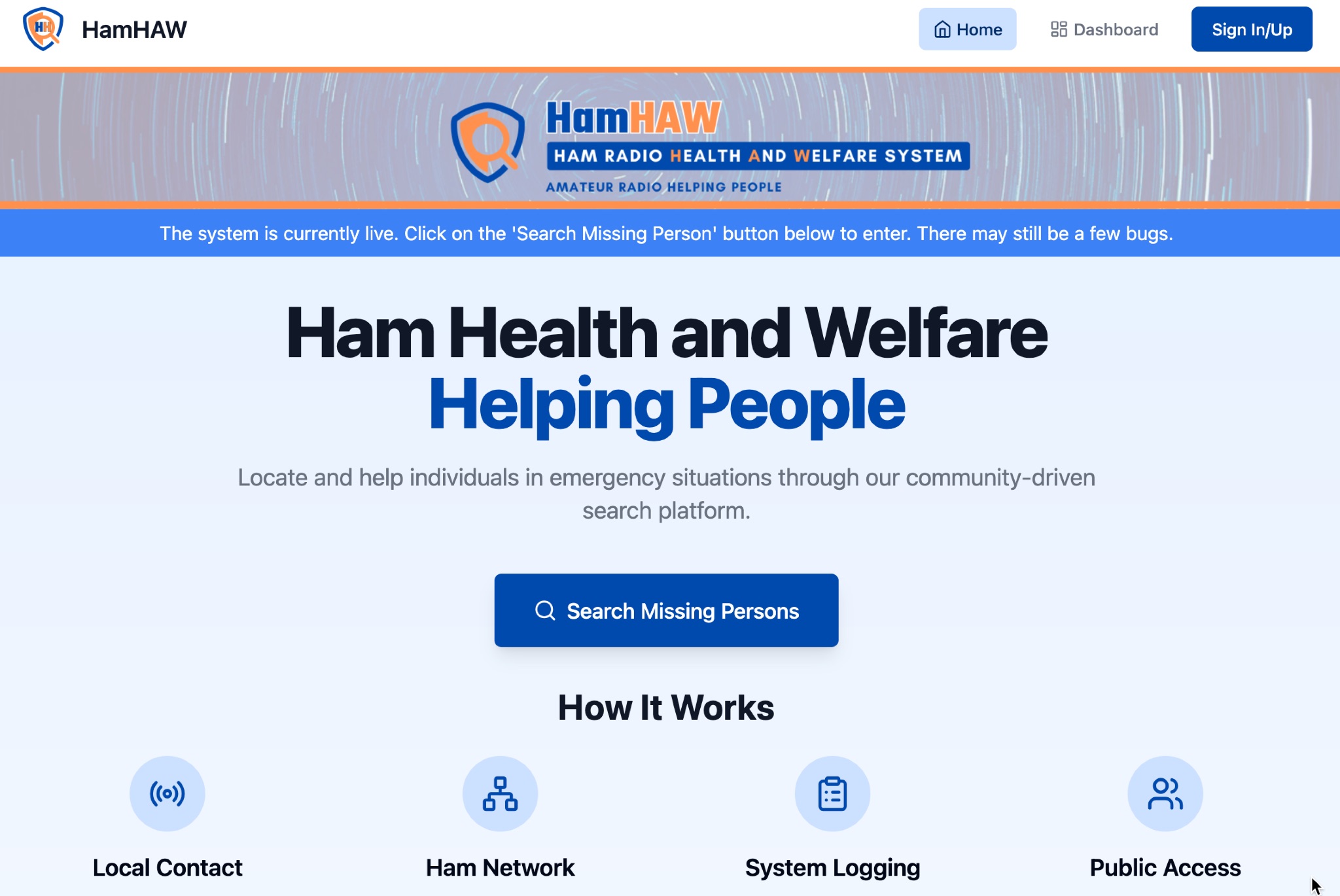 HamHAW (Ham Health and Welfare) is a pioneering platform that bridges the gap between emergency communication and community welfare. By leveraging the extensive ham radio network, we help locate missing persons and coordinate welfare checks during disasters when traditional communication infrastructure fails. Hamhaw mission is to provide emergency communications support to the public so those inside an emergency area can communicate their status and needs to authorities and the public at large.
 -
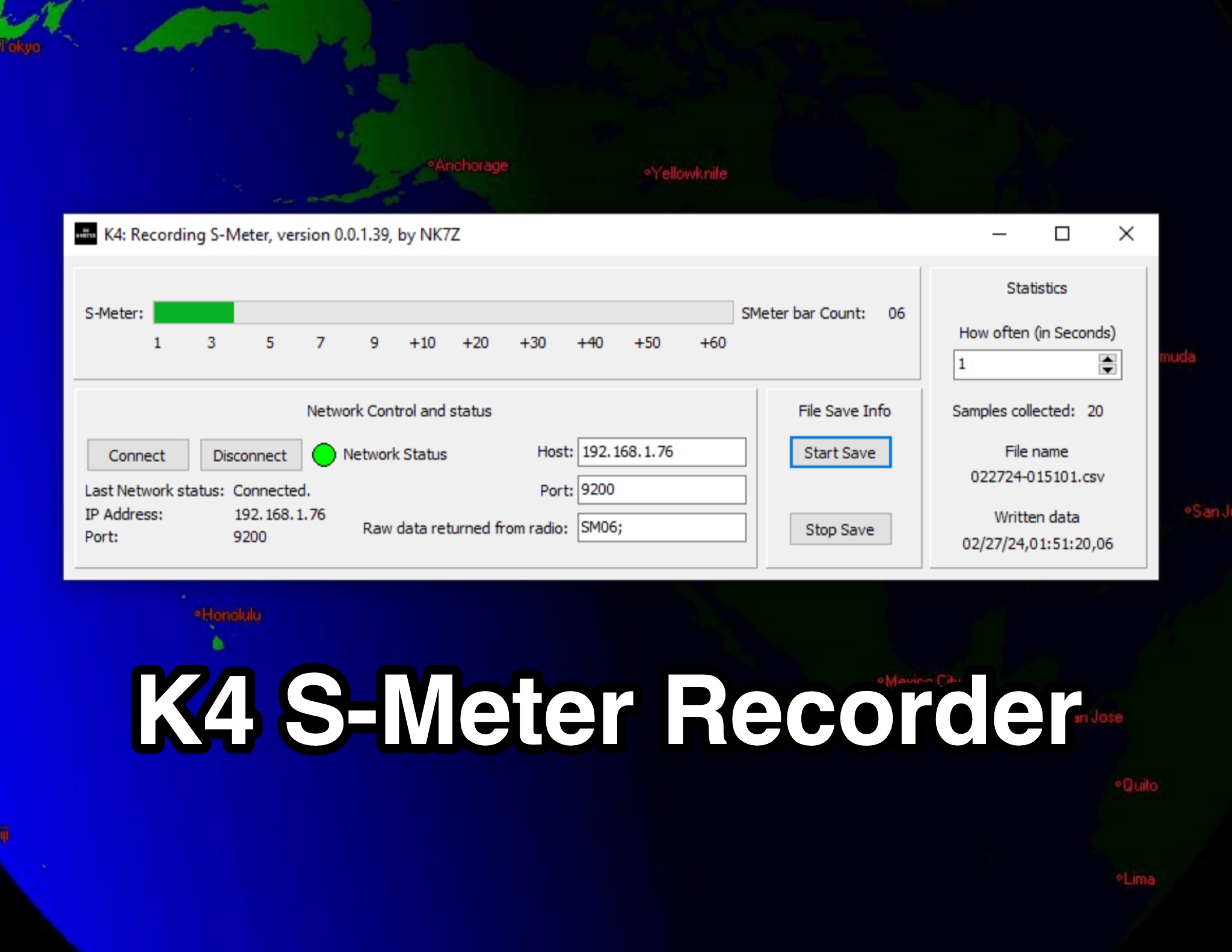 This page presents the K4 S-Meter Recorder, a tool designed for the Elecraft K4 radio by hams. The tool collects S-Meter readings and saves them to a CSV file, allowing users to create graphs of RFI over time. These graphs are valuable during RFI hunting, aiding in pinpointing the source. Visitors can view the program's interface, download it at their own risk, and subscribe to the blog for updates. The page provides insights into the K4 S-Meter Recorder's functionality and usage for ham radio operators seeking to manage RFI effectively.
 -
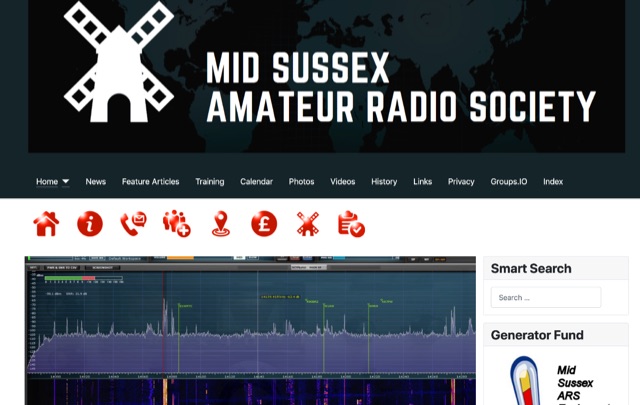 Mid Sussex ARS is an RSGB-affiliated club and meets at its headquarters in Burgess Hill on the 2nd and 4th Friday of each month. They organize various activities ranging from talks by members or guest speakers, evenings on the air using their shack's latest SDR equipment, training evenings and used equipment sales. As well as scheduled club nights, they run many outdoor activities throughout the year, including direction-finding contests, town days, social evenings and Special Event Stations. They even have their own free online training academy!
 -
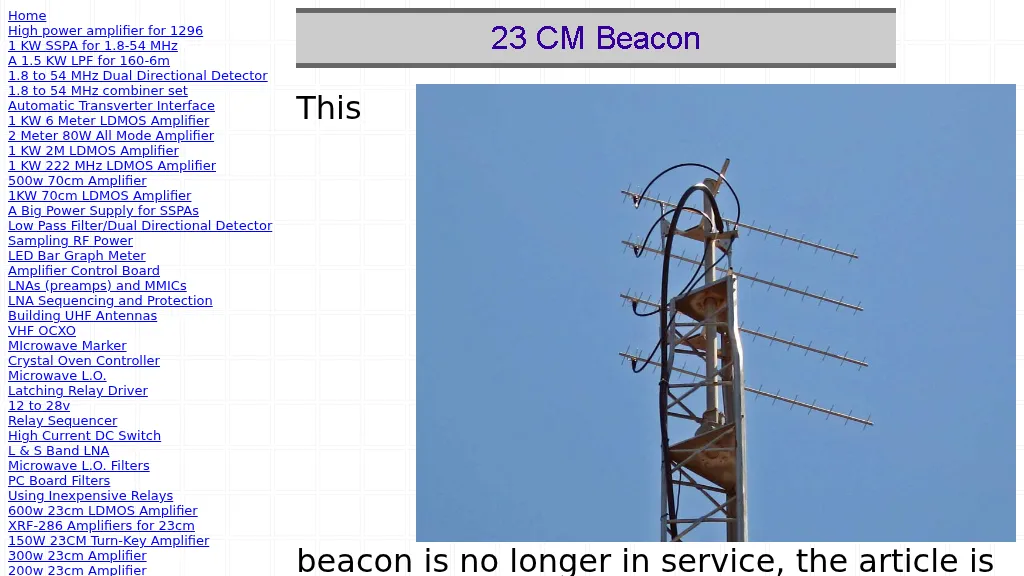 The W6PQL 23cm Beacon Project describes a **1296 MHz** beacon designed for microwave propagation studies and equipment testing, capable of 30 watts output. It utilizes a PIC 16F628A microcontroller to generate CW and FSK keying for a crystal oscillator, followed by a series of frequency doublers and triplers to reach the target frequency. The final power amplification stage employs a Mitsubishi M57762 module, providing a robust 10-watt RF output. The design emphasizes stability and reliability for continuous operation, with the microcontroller code, written in assembly, provided for customization of the beacon's callsign and message. Originally located in CM97am and aimed at 140 true, the beacon used four 4-foot Yagis stacked vertically for a total ERP of 3kW. The article includes schematics, parts lists, and construction notes to guide builders, along with antenna pattern measurements. Although the beacon itself is no longer in service as of August 2010, the detailed documentation remains a valuable reference for amateur radio operators interested in building similar **microwave** projects or understanding beacon operation.
 -
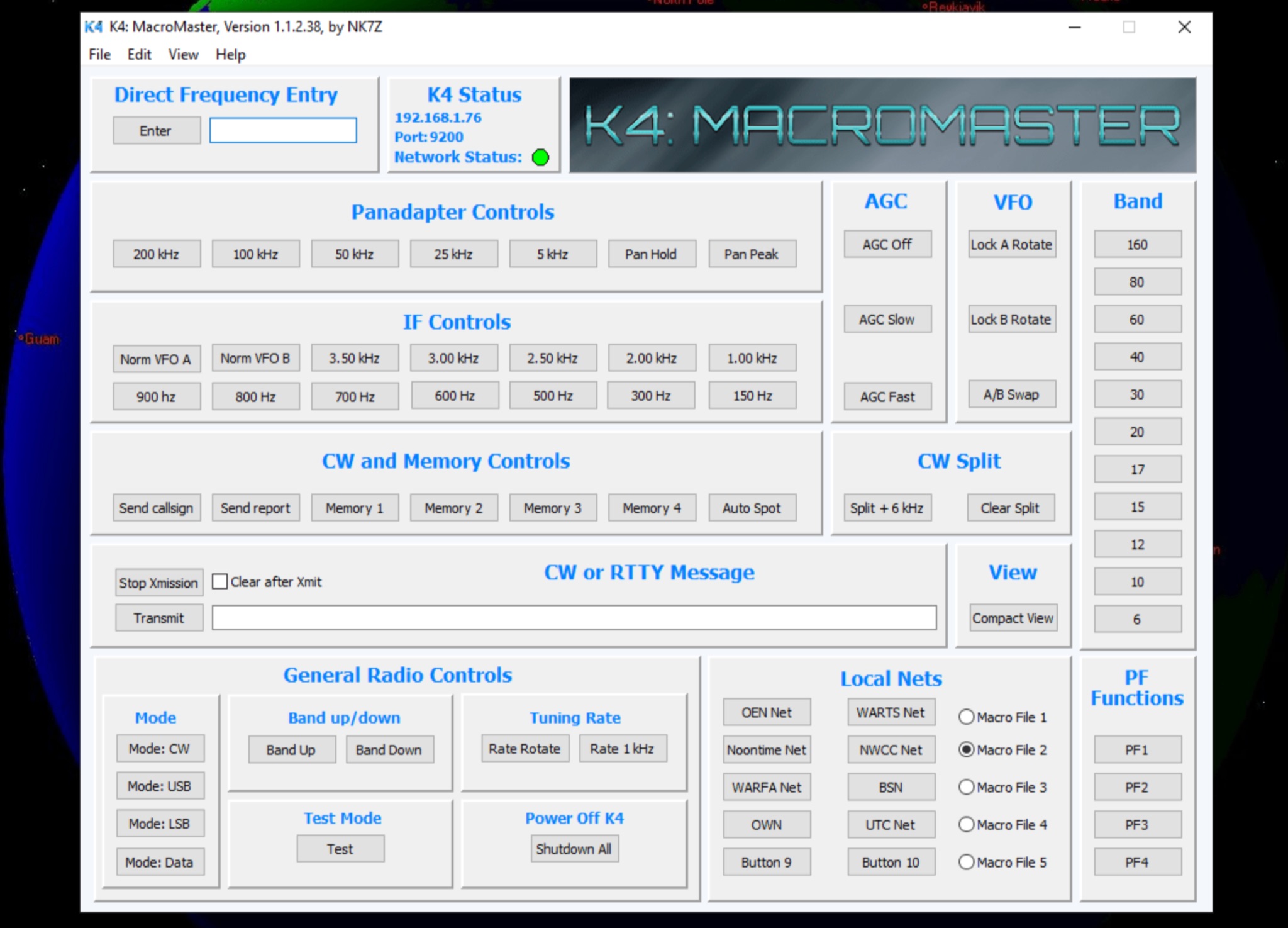 This page provides a detailed review and setup guide for the K4 MacroMaster program, designed for Elecraft K4 and K4D radio users. The program allows users to easily program, test, and implement macro commands through Ethernet or Wifi connection. Users can create up to fifty user programmable macros in groups of 10, called Macro Clusters. The software includes an editor for creating, storing, and naming clusters by function, as well as a hint feature for quick reference. This resource is valuable for hams looking to streamline their radio operations with customized macro commands.
 -
 Parks on the Air Canada page provides information about the popular Amateur Radio activity that involves operating portable radios from designated parks and nature reserves worldwide. The page presents the objectives of the program, lists over 400 national/provincial/territorial parks, and offers insights from Tracy McKim, VE3TWM, on low power communications and outdoor ham radio operation. It also includes links to YouTube channels with how-to videos on setting up portable stations, Field Day deployment, and POTA activation. Amateur radio operators interested in combining their love for radio with outdoor adventures will find valuable resources and learning opportunities on this page.
 -
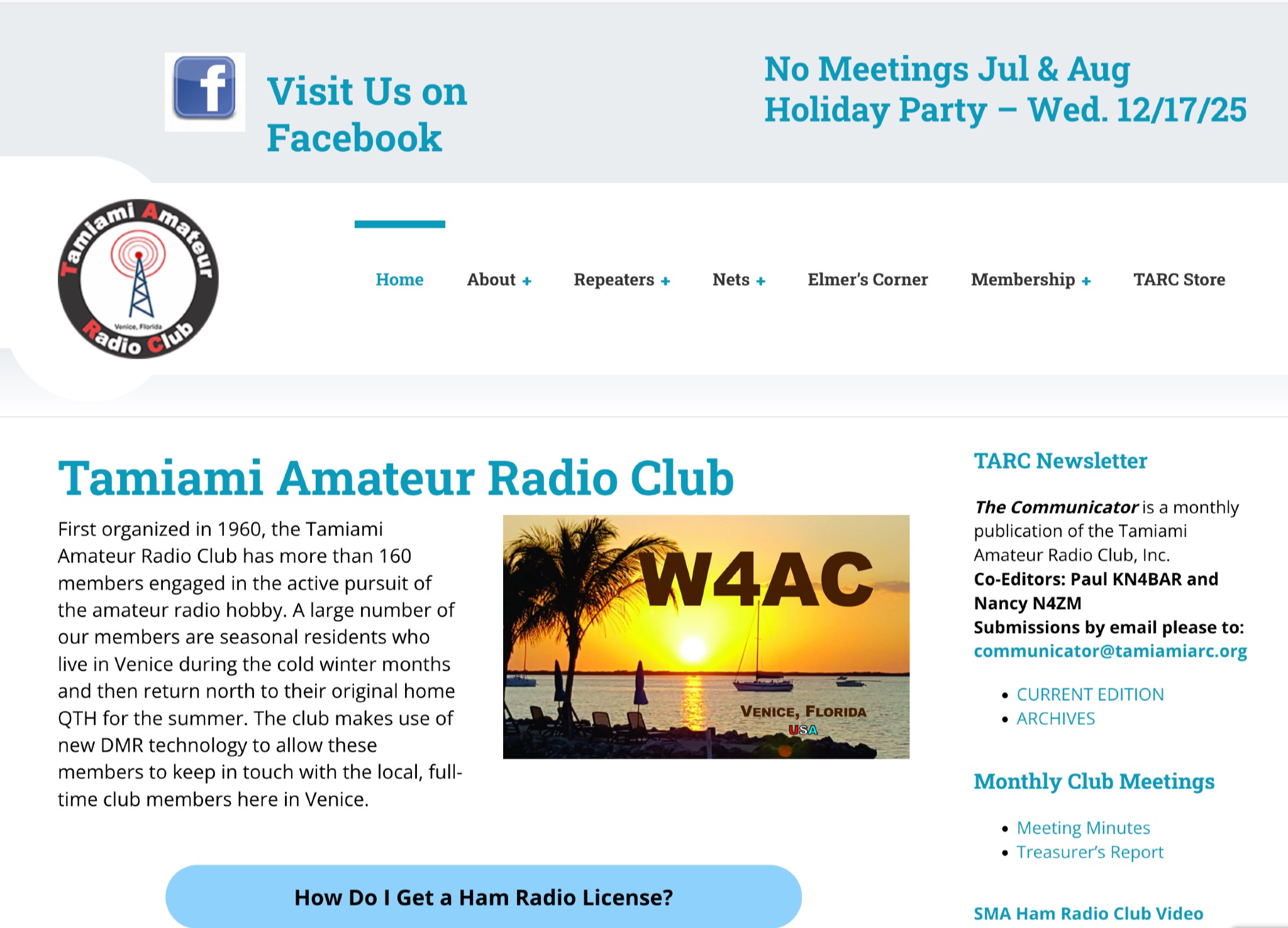 Tamiami Amateur Radio Club website provides information on club activities, membership, FCC license testing, special events, and participation in ARRL Field Day and Florida QSO Party. It also includes details on DMR technology and VE testing sessions. The club has been affiliated with ARRL since 1963 and operates a special event station at the Venice Shark's Tooth Festival annually.
 -
 The CB Radio Club is a large community site with a forum, groups, reviews, free classifieds, and more.
 -
 Bear Bait Radio Club is dedicated to educating new ham radio enthusiasts while having fun. We emphasize emergency preparedness, community service, storm watching/reporting, and wilderness search and rescue.
 -
 With the reputation of being the most active amateur radio club in Hampshire, we support enthusiasts, experienced and new, with monthly meetings and summer field events. Free to visit!
 -
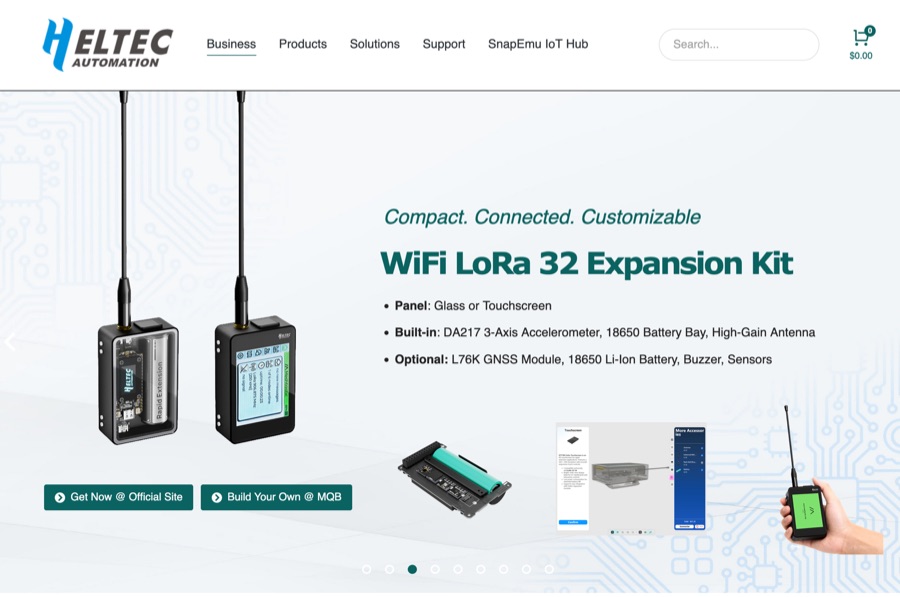 Heltec Automation specializes in the production of _ESP32-based_ LoRa development boards, wireless modules, and gateways, catering to various amateur radio applications. The product line includes devices suitable for _APRS LoRa trackers_, Meshtastic nodes, and general long-range, low-power RF projects, providing hardware solutions for digital communication experimentation. The company's offerings support diverse wireless protocols such as LoRa, LoRaWAN, Meshtastic, and Wi-Fi HaLow, enabling users to build custom communication systems. Specific products like the _Wireless Stick Lite_ and various Heltec LoRa boards are designed for integration into DIY projects, facilitating rapid prototyping and deployment of wireless solutions. Heltec provides detailed product specifications, documentation, and community support, which assists hams in leveraging their hardware for packet radio, digital modes, and IoT applications within the amateur bands. The focus remains on versatile, programmable modules that bridge traditional amateur radio interests with modern wireless technology.
 -
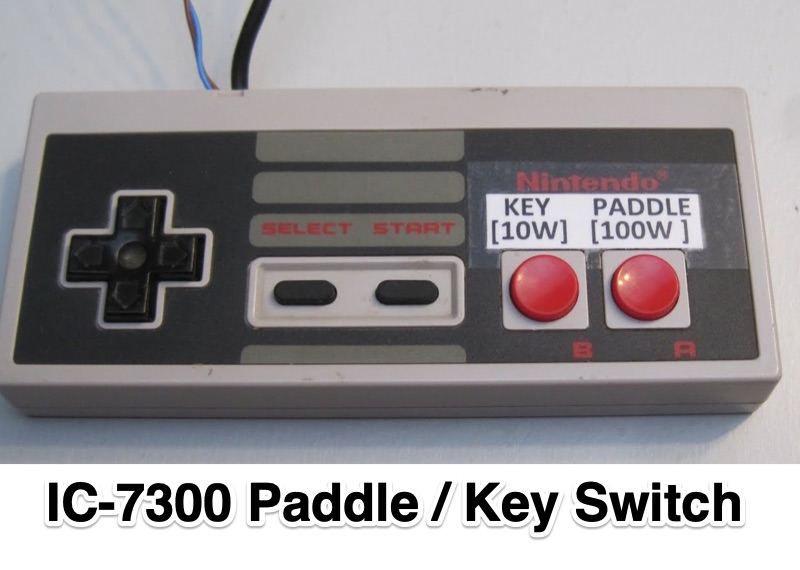 Demonstrates an **Arduino-based** solution for the Icom IC-7300 transceiver, specifically addressing the operational inconvenience of switching between a CW paddle and a straight key. The project leverages the IC-7300's **CI-V bus** (Computer Interface 5) to provide instant keyer type selection and two preset power levels, bypassing the rig's menu system which otherwise requires eight button presses. This implementation utilizes the 3.5mm CI-V connector, leaving the USB port free for CAT control and the internal soundcard, a critical design choice for integrated station setups. The system's utility is particularly evident for CW operators who frequently alternate between keying methods during contesting or general operating. The article details the hardware setup, including an Arduino Nano, a 3.5mm jack for CI-V, and pushbuttons for control. An update in 2023 expanded the project to incorporate an 8-button Nintendo controller, enhancing user interface flexibility and demonstrating the adaptability of the initial design for further customization and feature integration.
 -
 We are a non-profit amateur ham radio association located in the rural Lakes Region of New Hampshire. We actively promote 2 way radio, also known as ham radio. Our members are friendly and knowledgeable. If you are a first time visitor and are curious about this great hobby, we provide testing for ham licenses, have fun get-togethers, and are ARES affiliated for emergency communications. We also are home to 6 repeaters. Three are located on Bennett Hill in Ossipee, one on Mt. Rowe in Gilford and two on New Durham Ridge, New Hampshire.
 -
 The XW4DX DXpedition website documents the amateur radio operation from Laos, a country ranked #98 on Clublog's Most Wanted list. This resource provides insights into the planning and execution of a significant DXpedition, including antenna choices like _Hexbeams_ at 14m, a 4-square for 40m, and a top-loaded vertical for 160m. The team, comprising operators such as _F4BKV Vincent_ and _F2DX Patrick_, focused on challenging paths, particularly towards the North American East Coast, where Laos is #41 most wanted. Operational constraints included prohibitions on 6m, 30m, 60m, and 80m bands within Laos, necessitating a focus on other HF frequencies, especially 160m and 40m. The expedition utilized up to five stations simultaneously, with equipment transportation being a major logistical challenge, partially mitigated by direct shipments from _Spiderbeam_ and donor support. The expedition ran from November 16th to 27th, 2023, with the complete XW4DX log uploaded to LoTW by December 23rd, 2023. This site serves as a historical record of their efforts to put Laos on the air for DXers worldwide.
 -
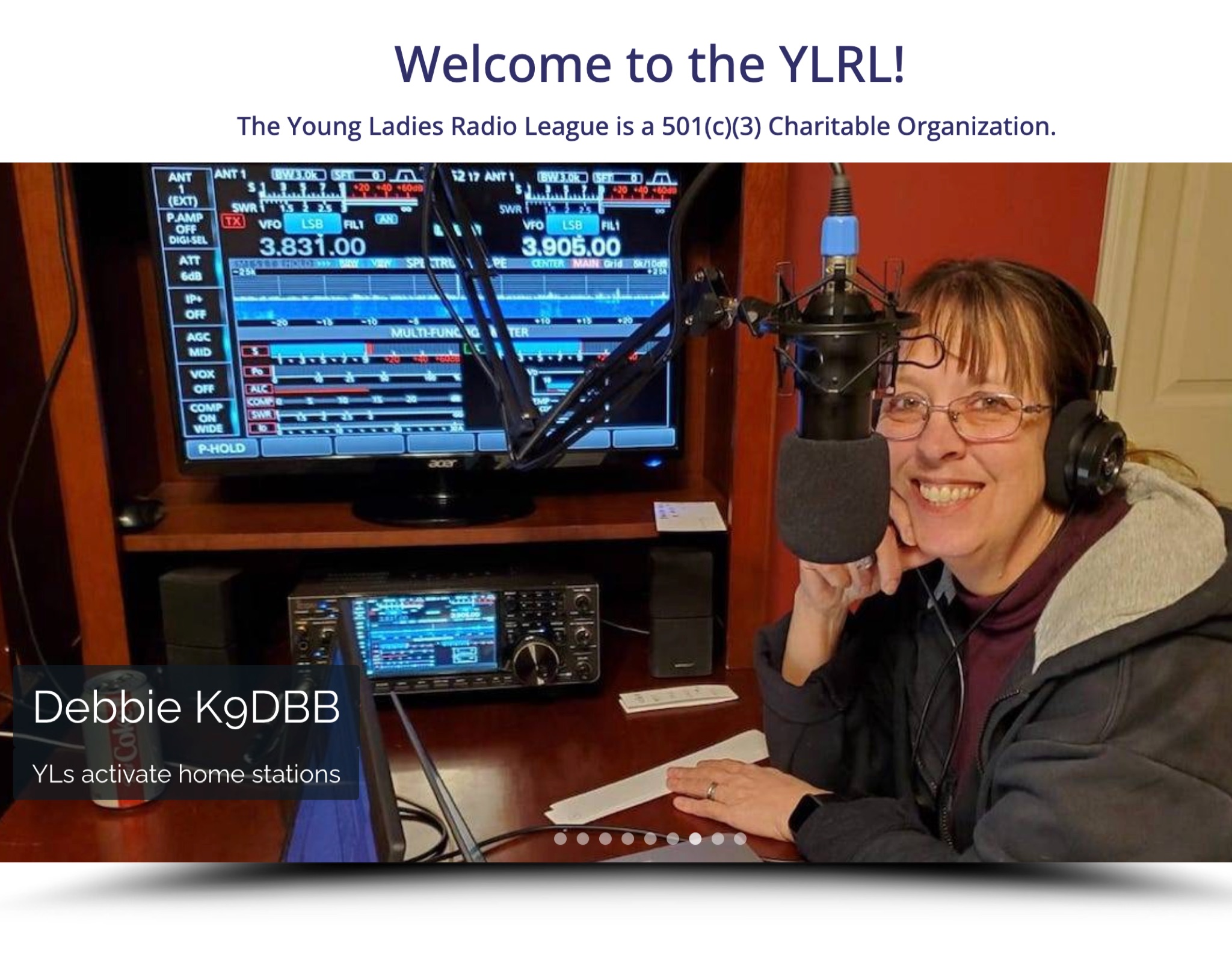 The Young Ladies' Radio League, also known as YLRL, is an organization founded by women in 1939 with the goal of connecting and supporting female ham radio operators worldwide. From beginner classes to scholarships, YLRL offers resources and a community for women of all ages and backgrounds interested in ham radio. The website provides information on membership, upcoming events, and helpful tips for renewing licenses and getting on the air. Whether you're a seasoned ham or just starting out, YLRL is dedicated to empowering and supporting women in the world of amateur radio.
 -
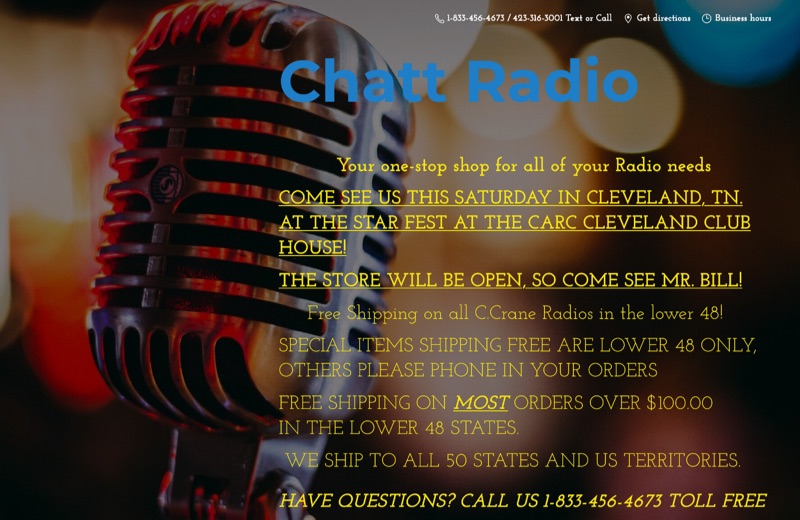 Presents an online retail platform for amateur radio operators, showcasing a diverse inventory of equipment and accessories. The site lists popular transceivers such as the _Icom IC-7300_ and _Icom IC-7610_, alongside various antenna solutions including base, HT, mobile, and end-fed designs. Operators can find coaxial cable, including bulk options and products from "The Wire Man," essential for shack setup. The platform also stocks crimping and stripping tools, adapters, and power supplies, crucial for station maintenance and construction. Test equipment like _RigExpert Analyzers_ and accessories such as Daiwa meters and _West Mountain Radio_ Power Poles are available. Additionally, the site offers software from _Ham Radio Deluxe_ and _RT Systems_, catering to logging and radio programming needs. Shipping policies include free shipping on C.Crane Radios and most orders over $100.00 within the lower 48 states, providing clear purchasing incentives.
 -
 The East Pasco Amateur Radio Society is located in Dade City, Florida and also serves the eastern Pasco communities of Lacoochee, Saint Leo, San Antonio, Wesley Chapel, Zephyrhills as well as communities outside Pasco County like Brooksville and North Tampa.
 -
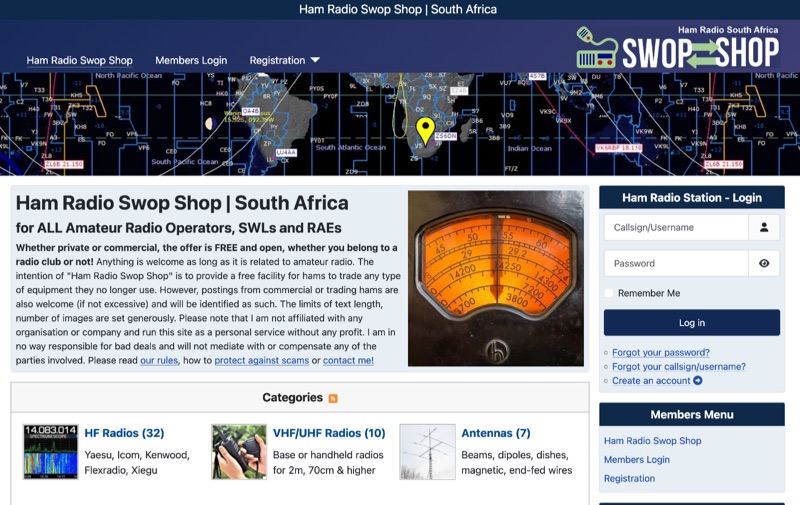 In the realm of amateur radio, the need for a reliable platform to exchange equipment is crucial. _Ham Radio Swop Shop_ addresses this by providing a dedicated online classifieds service for South African amateur radio operators, SWLs, and RAE holders. The platform allows users to list a wide range of items, including _HF_ and _UKW_ transceivers, antennas, and surplus parts. Each listing can include detailed descriptions and multiple images, facilitating informed transactions. The service operates with a clear policy that commercial entities may participate, provided their postings are not excessive and are clearly marked. This ensures transparency and maintains the platform's focus on individual users. Importantly, the administrator, ZS1AI, does not mediate disputes or assume responsibility for transaction outcomes, emphasizing the need for users to conduct their own due diligence. Distinctively, the Swop Shop functions independently, unaffiliated with any external organizations, fostering a self-regulated marketplace. This independence ensures a neutral environment where the South African amateur radio community can freely buy, sell, and swap equipment. The platform's commitment to neutrality and user responsibility makes it a unique resource for radio enthusiasts in the region.
 -
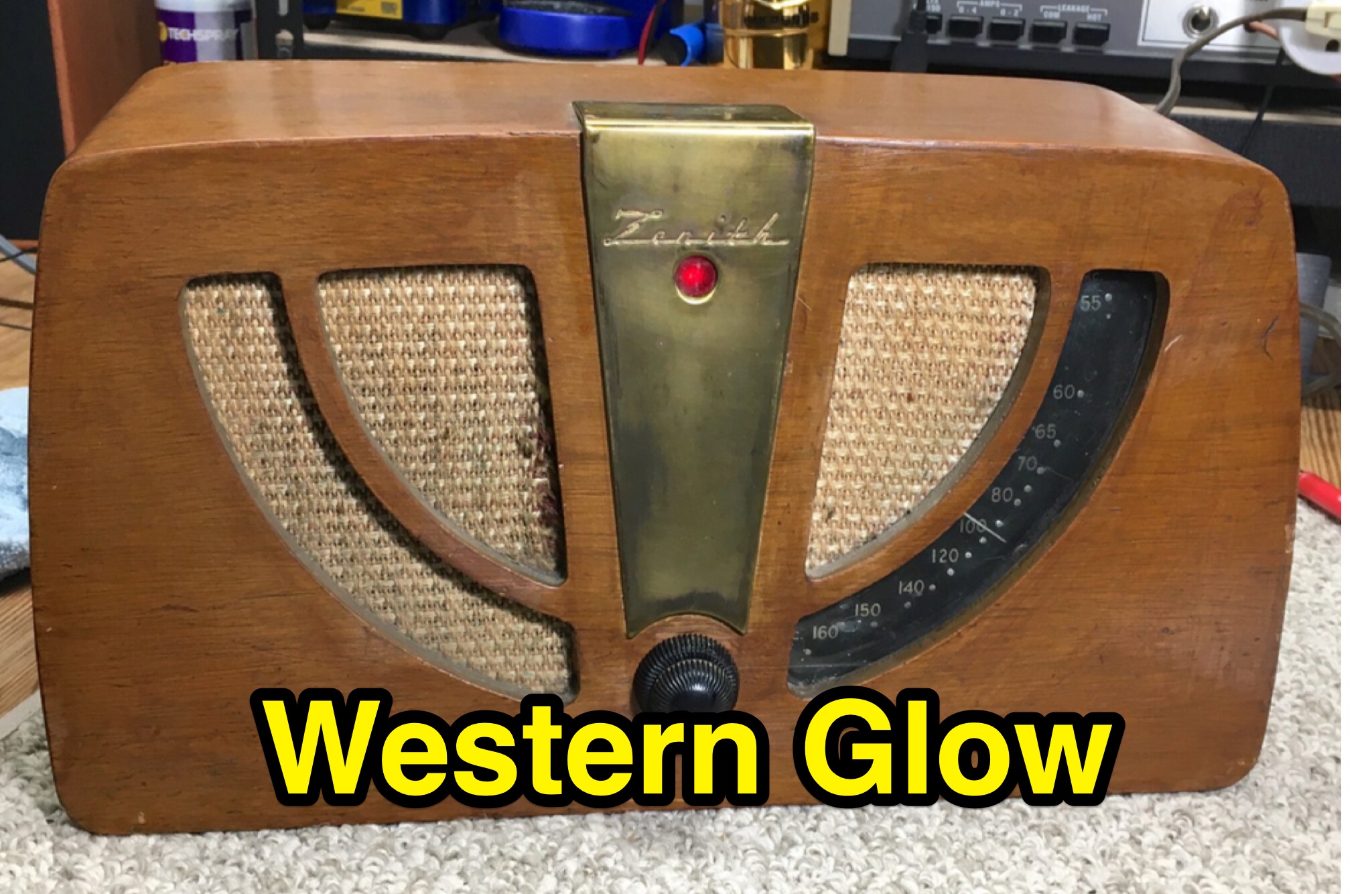 Service devoted to vacuum tube testing for HIFI, guitar, and vintage radio applications. Western Glow Tube Service offer a vintage radio repair service, they consider radio services more as a kind of tune-up, not a tradional repair service or restoration, although Level 3 is a nearly full restoration. Our services are geared toward radios that are mostly functional and not missing any significant parts except tubes.
 -
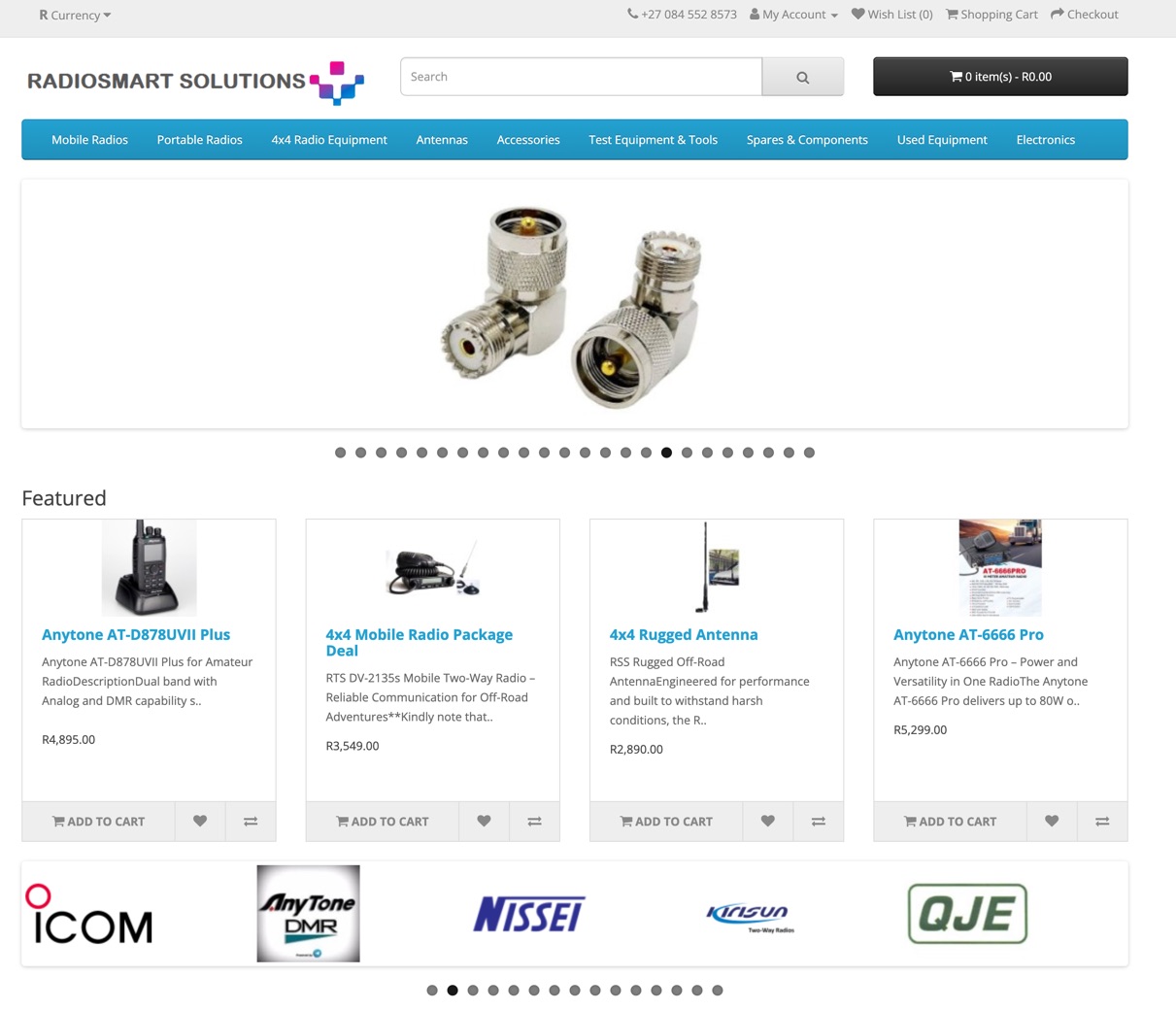 The Anytone AT-D878UVII Plus, a dual-band transceiver, supports both Analog and DMR modes, providing versatile communication options for amateur radio operators. This model is complemented by the Anytone AT-6666 Pro, which delivers a substantial 80W output, catering to users requiring higher power for their radio operations. For mobile and off-road applications, RadioSmart Solutions features a 4x4 Mobile Radio Package Deal, which includes the RTS DV-2135s Mobile Two-Way Radio. This package is specifically designed for reliable communication in challenging environments, often encountered during off-road adventures. An _RSS Rugged Off-Road Antenna_ is also available, engineered to withstand harsh conditions and ensure robust performance. The product range addresses the needs of individuals seeking durable and functional communication solutions for both general amateur radio use and specialized mobile deployments.
 -
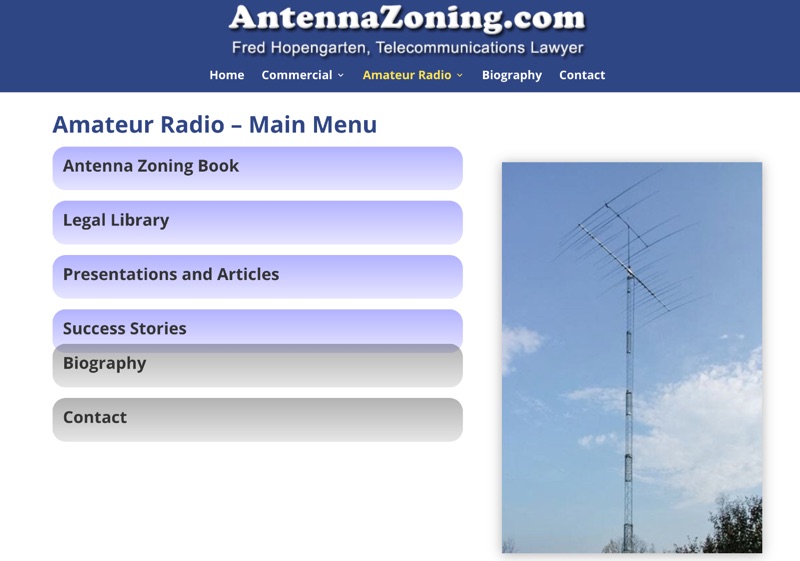 Navigating the complex legal landscape of **antenna zoning** and permit acquisition for amateur radio installations requires specific knowledge, which Fred Hopengarten, K1VR, provides through his resource. This content details the essential steps and regulatory considerations for securing permits for antenna support systems and towers. It focuses on the legal and procedural requirements, offering insights into local ordinances and federal regulations that impact amateur radio operators seeking to erect significant antenna structures. K1VR's expertise as a telecommunications lawyer is evident in the practical advice offered, drawing from real-world scenarios in permit applications. The resource equips hams and their legal counsel with the information needed to successfully navigate municipal zoning boards and secure necessary approvals, contrasting with purely technical antenna design guides by emphasizing the administrative and legal pathways to installation.
 -
 Kilo Lima Radio Club is a global amateur radio community uniting operators across bands and borders.