Search results
Query: Images
Links: 93 | Categories: 9
-
 Vapex Tech offers over **150 different battery products** tailored for diverse applications, including specific models for Icom, Kenwood, and Yaesu handheld transceivers. The product catalog details specifications for NiMH, LiPo, and LiFePO4 chemistries, providing crucial data on voltage, capacity, and discharge rates. Customers can browse by application, such as _Airsoft Batteries_ or _Model Control Batteries_, or directly by consumer battery types like AA and AAA cells. The resource presents a structured e-commerce platform where users can filter products by category, view detailed item descriptions, and proceed with online purchases. Each product listing includes high-resolution images and key technical parameters, enabling informed selection for specific radio equipment. Operational hours are clearly stated as 9am-5pm Mon-Fri and 9am-12pm Sat, with contact information including a sales email and phone number for direct inquiries. The site also features a "Latest News" section, indicating ongoing updates regarding product availability or company information.
 -
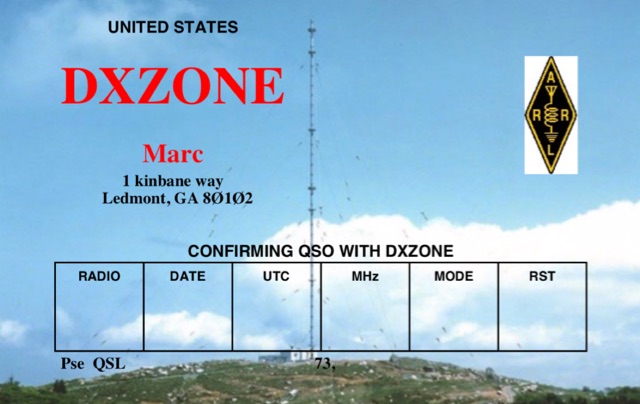 This webpage allows you to create custom QSL cards (confirmation of radio contact) as PDFs for printing. You can personalize them with images and information. The cards are standard size (5.5" x 3.5") but can be adjusted slightly for easier printing on regular paper. You'll need Adobe Acrobat Reader to view the PDFs. There's also an option to create a free account to save your information for future cards.
 -
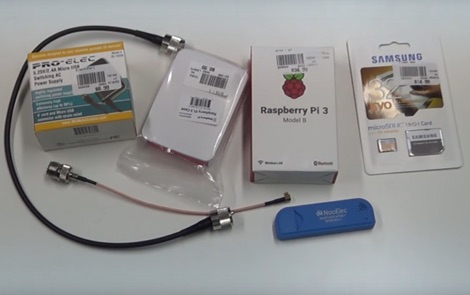 How to receive automatically NOAA wather satellite images with a Raspberry Pi and a RTL SDR. This project requires a Raspberry Pi 3 Model B a common NooElec SDR Dongle and a QFH Antenna in the attic. Article explains how to setup and configure software but no instructions on antenna.
 -
 SSTV images on this page are taken live from other SSTV sites round the world.
 -
 G0HWC details and HTML files with images to build yourself a Ham Radio website. Get your Ham Web Site on the internet for free
 -
 A nice presentation for beginners by Radio Club of Tacoma
 -
 Setting up the necessary Software for the Softrock 6.1 is a bit tricky, images and screenshots hopefully bring some light into the dark
 -
-
 The Horn reflector antenna at Bell Telephone Laboratories
 -
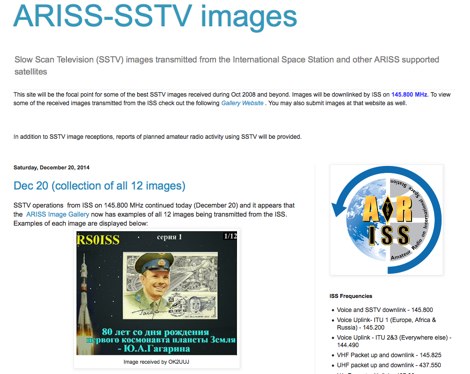 A blog site dedicated to SSTV Slow Scan Television images transmitted from the International Space Station
 -
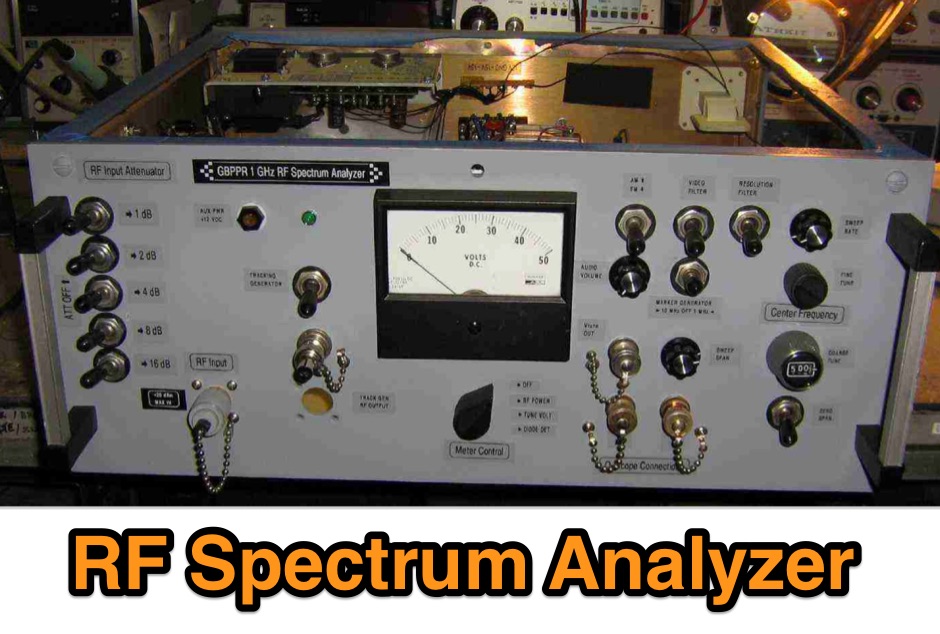 Constructing a high-performance RF spectrum analyzer up to 1000 MHz requires careful attention to component selection, shielding, and circuit isolation. This resource details a project that improves upon the _Spectrum Analyzer for the Radio Amateur_ design by Wes Hayward (W7ZOI) and Terry White (K7TAU), incorporating ideas from Scotty Sprowls' project, particularly his 1013.3 MHz IF bandpass cavity filter. The analyzer utilizes a Mini-Circuits SRA-11 mixer with a sweeping local oscillator from 1013 to 2013 MHz, feeding into a 4-pole copper pipe cavity filter. The design employs a second SRA-11 mixer with a fixed 1024 MHz LO to produce a 10.7 MHz final IF. This signal then passes through narrowband resolution filters and is processed by Analog Devices AD603 and AD8307 ICs for IF amplification and logarithmic detection, driving an oscilloscope in X/Y mode. The project emphasizes modular construction, using salvaged components and double-sided FR4 material for PCBs, with critical notes on minimizing spurious images through effective shielding and proper voltage regulation for each module. Key components include a Z-Communications V585ME48 VCO for the first LO and a Z-Comm V583ME01 VCO controlled by a Motorola MC145151 PLL for the second LO. An optional Hittite HMC307 step attenuator and K&L 5L121-1000/T5000-O/O low-pass filter manage RF input. Tuning procedures for the 10.7 MHz IF resolution filter are also detailed, showing before-and-after spectrum views.
 -
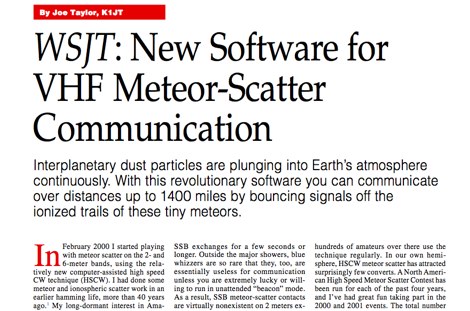 WSJT New Software for VHF Meteor-Scatter Communication QST Article December 2001 by K1JT
 -
 K3AS.com Home Page, Discover SSTV, See K3AS SSTV CAM, Live SSTV Images Received by my Station, View My Station Equipment.
 -

-
 This website was originally inspired by the discovery of a number of QSL (radio reception report) cards dating from the 1920s and is intended to make images of the cards available to as many people as possible.
 -
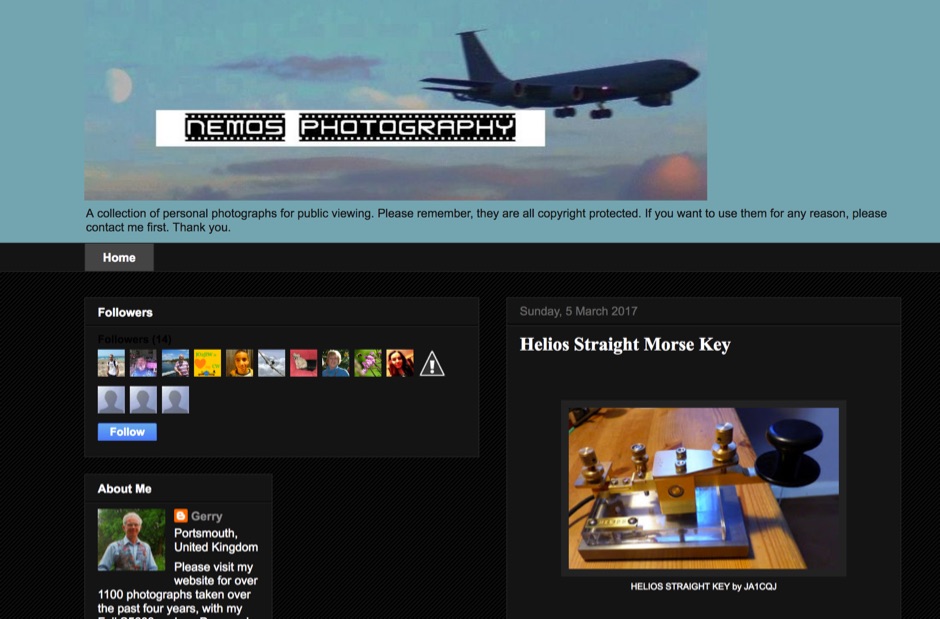 The _Nemos Photography_ blog presents a curated visual gallery focusing on _Morse keys_, offering a detailed photographic exploration of various telegraphy instruments. Each entry typically features high-resolution images of specific keys, highlighting their design, construction, and historical context. The content serves as a visual reference for collectors and enthusiasts interested in the aesthetics and mechanics of CW sending devices, often including close-ups of key components and unique features. This resource allows for comparative study of different key types, from vintage straight keys to modern paddles, without delving into technical specifications or operational performance. The emphasis is purely on the visual documentation of these artifacts, providing a unique perspective on the evolution and diversity of Morse key designs. It is a specialized collection for those who appreciate the craftsmanship and historical significance of telegraphy hardware.
 -
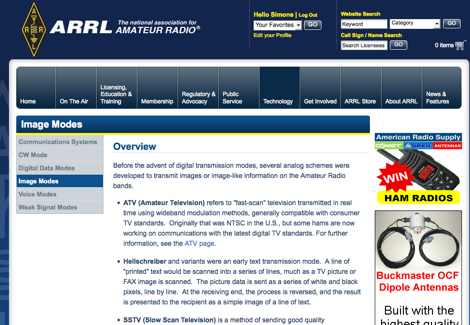 Before the advent of digital transmission modes, several analog schemes were developed to transmit images or image-like information on the Amateur Radio bands.
 -
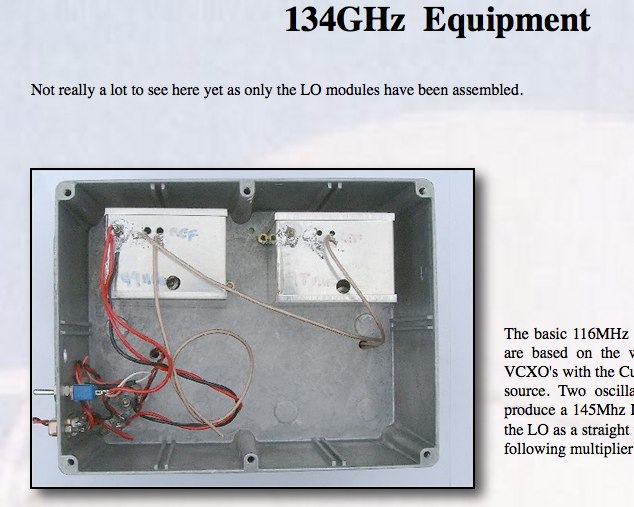 Developing operational amateur radio equipment for the 134 GHz band presents significant technical challenges, particularly in frequency generation and stability. This resource details the construction of a 134 GHz system, outlining its architecture with separate transmit (Tx) and receive (Rx) modules, each employing a local oscillator (LO) and RF head units. The system utilizes a dual Flann 50 GHz lens-type horn antenna configuration for optimal signal coupling. The transmit path incorporates an LMX2541 synthesizer chip operating at approximately 2.8 GHz, referenced by a 10 MHz double-oven Morion OCXO for exceptional stability. This signal is multiplied through a series of stages (X4, then X2) to generate a 22.4 GHz signal, which subsequently drives a dual series diode multiplier to produce the final X6 signal for 134 GHz operation. The receive side features an anti-parallel diode mixer coupled to a 144 MHz transceiver via a preamplifier, ensuring effective downconversion. Operational mode is CW, achieved by keying a multiplier stage. The project includes images of the Tx and Rx head units and describes a successful 3.5 km test with G8ACE, demonstrating stable signal tones due to PLLs locked to OCXOs at both ends, confirming the system's robust performance.
 -
 Picture gallery of SSTV images received by DU1IVT Thelma
 -
 WT4Y Amateur Radio, stealth antennas, computerized logs, QSL card images
 -
 A source for Information, links and images about the "Northern Lights" on-line since the Web began
 -
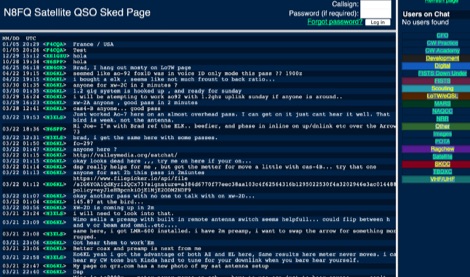 A multi sked portal offering sked spots grouped by CFO CW Practice CW Academy Development Digital FISTS Down Under FISTS Scouting LoTW/eQSL MARS NAQCC NRR Other Images POTA Ragchew Satellite SKCC TBDXC VHF/UHF
 -
 HAMDRM pictures received on 80 meters band at 3733 KHz
 -
-
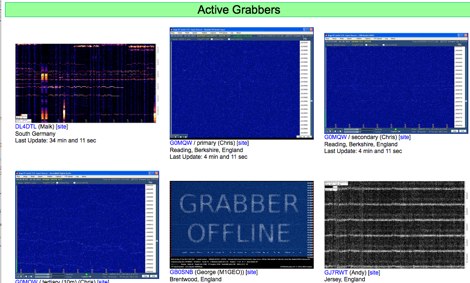 A portal of QRSS images, automatically Updated with Active QRSS Grabberers
 -
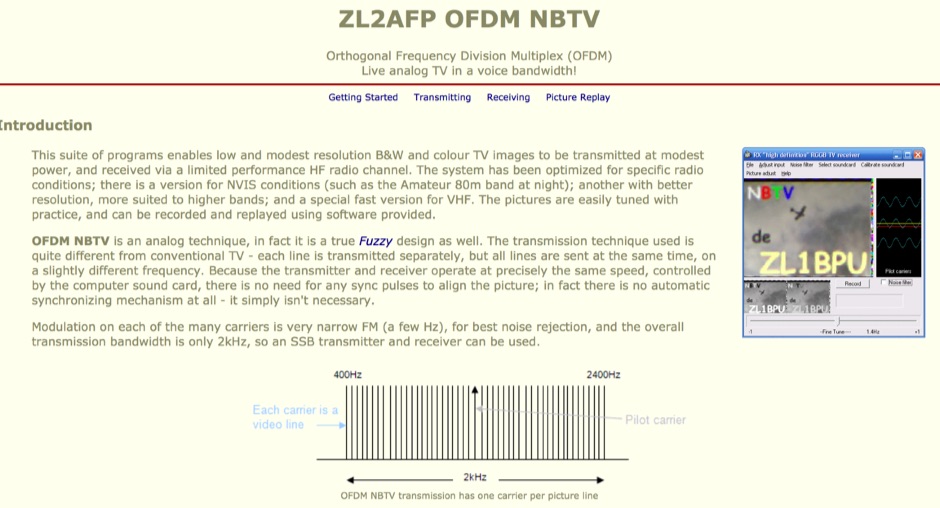 Live webcam images, still pictures and movie clips over an HF SSB channel. NBTV (Narrow Band Television) is a technique with some similarity to SSTV, and some to conventional FSTV
 -
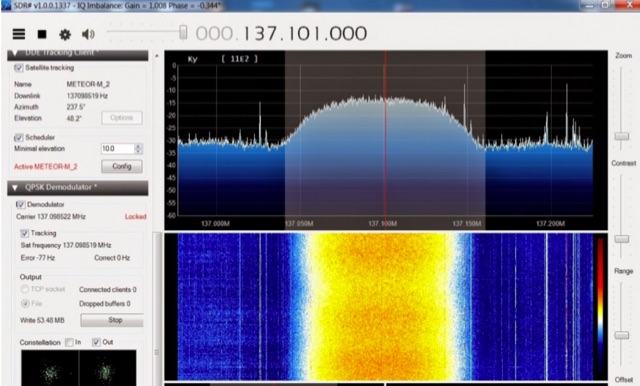 The Meteor-M N2 is a polar orbiting Russian weather satellite that was launched on July 8, 2014. Its main missions are weather forecasting, climate change monitoring, sea water monitoring/forecasting and space weather analysis/prediction. Meteor-M N2 transmits images using the digital LRPT protocol at around 137.1 MHz with can be received with an RTL-SDR.
 -
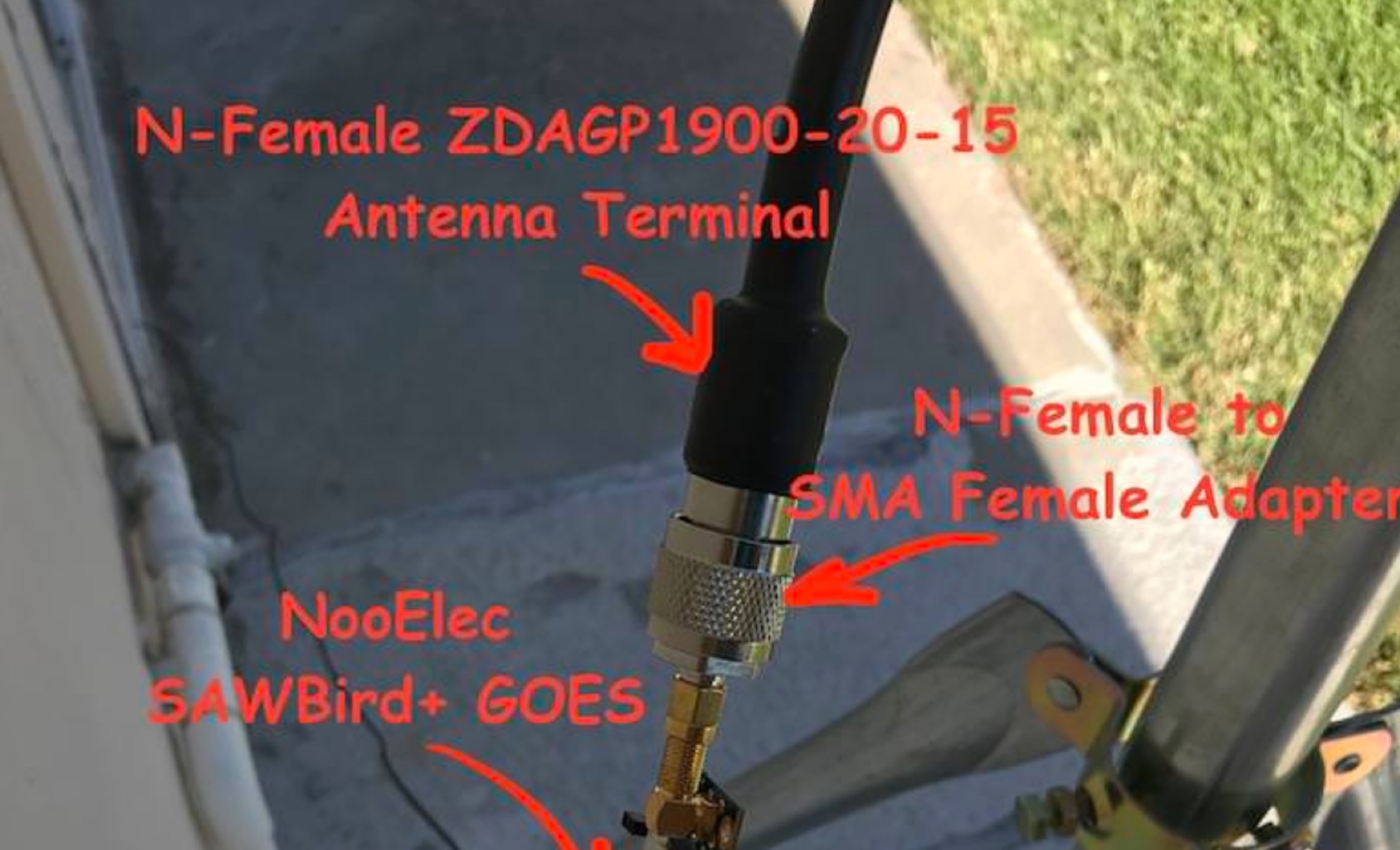 Receiving **GOES-16** and **GOES-17** weather satellite imagery requires a specific hardware and software configuration, detailed in this practical guide. The author outlines the necessary components, including a Raspberry Pi, an RTL-SDR dongle, a suitable LNA with SAW filter for 1.69 GHz, and a parabolic grid antenna. This setup enables direct reception of high-resolution weather data, a fascinating aspect of amateur radio satellite operations. The installation process begins with preparing the Raspberry Pi, followed by updating the system and installing essential dependencies like `git`, `build-essential`, and `cmake`. A critical step involves compiling and installing `librtlsdr` from source, ensuring proper driver setup and blacklisting conflicting DVB drivers. The guide then walks through testing the RTL-SDR dongle to confirm device recognition and troubleshoot common issues like USB power or driver installation problems. Finally, the instructions cover cloning and building `goestools`, a software suite essential for processing the satellite signals. This compilation, while time-consuming on a Raspberry Pi, is crucial for decoding the raw data into usable imagery. The guide concludes with the initial steps for creating the `goesrecv.conf` configuration file, preparing the system for active satellite reception.
 -
 Ham racio clip art collection with free to use images. Additional amateur radio clip art can be found by changing the search term
 -
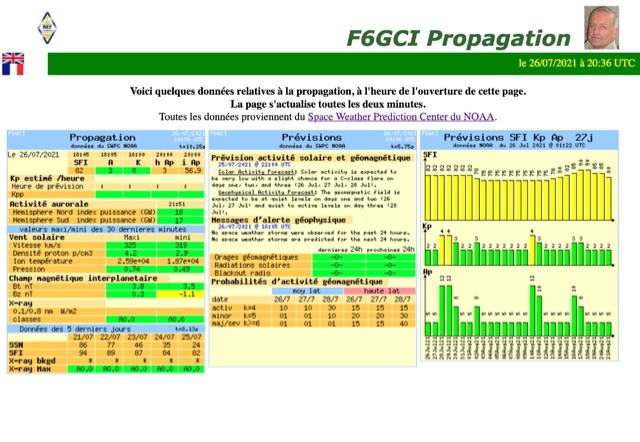 A collection of dynamically produced images based on the daily data of the NOAA Space Weather Prediction Center
 -
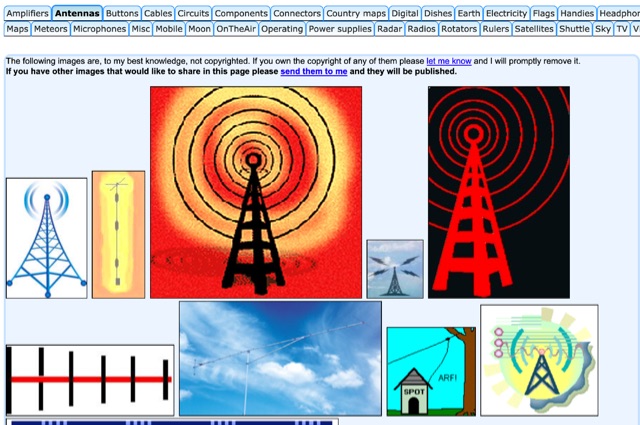 HAM radio related clipart gallery, is a large collection of amateur radio gifs and jpeg images classified in several categories
 -
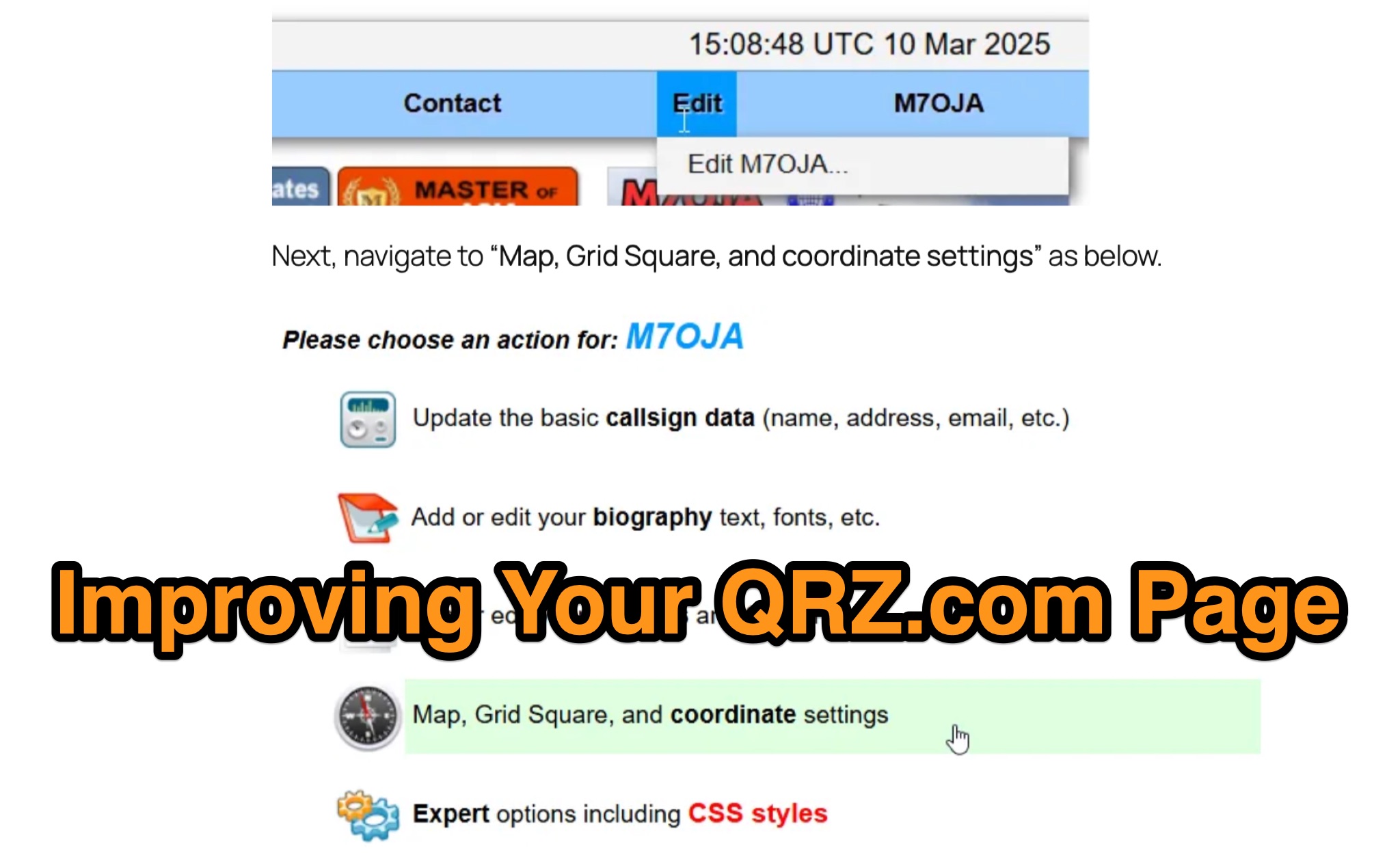 Optimizing a QRZ.com page involves adding essential callsign data, ensuring correct _Maidenhead Gridsquare_ and DXCC information in the Detail tab, and populating the Biography section with relevant station details. Operators should include their operating conditions, specific country references like WAB square, club affiliations, and detailed QSL information, specifying preferences for electronic confirmations (e.g., _LoTW_, Clublog) and paper QSLs (direct, bureau, SASE). The guide emphasizes the importance of accurate data for electronic logging software integration, which fetches Gridsquare, DXCC, and CQ/ITU zones to populate contact logs correctly. Further enhancements include leveraging the QRZ.com photo gallery for images and setting a primary image that logging software like _Log4OM_ can display. Advanced customization involves embedding external services via HTML source code. Examples include integrating HamAlert for DX Cluster spots, Clublog for log searches and Online QSL Requesting (OQRS), and Parks on the Air (POTA) statistics widgets from WD4DAN. Additionally, live weather information from Weather&Radar and solar data banners from HamQSL can be embedded, providing real-time environmental context for visitors to the QRZ page. These embedded tools require creating accounts on respective platforms and often involve copying specific source code snippets into the QRZ biography's HTML editor, ensuring callsign placeholders are updated.
 -
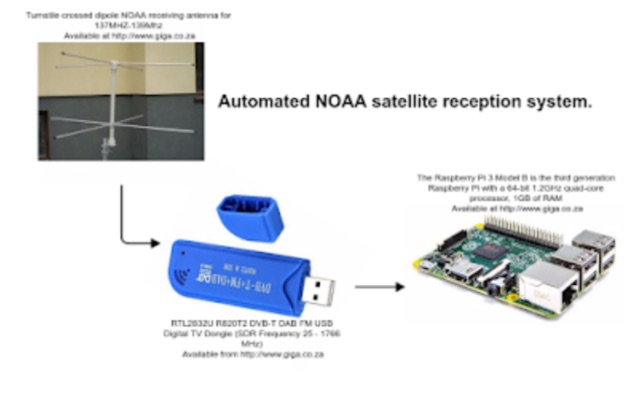 Receiving NOAA weather satellite images using a Raspberry PI with a RTL dongle and a Turnstile crossed dipole automatically.
 -
 Bergendorffs Radiomuseum Radio Collection, images and technical data on various devices that are in the collections.
 -
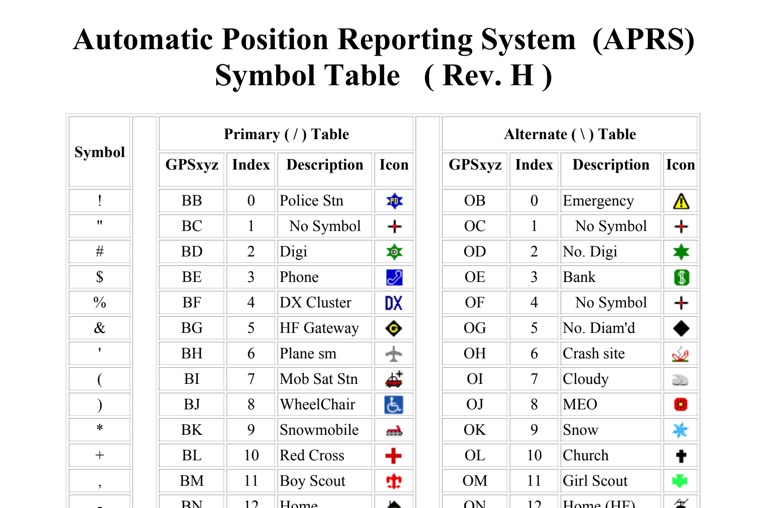 The four-page _APRS Symbol Table_ (Revision H) systematically lists 96 primary and 96 alternate Automatic Packet Reporting System symbols, each with its corresponding GPSxyz Index, a concise description, and a visual icon. For instance, the primary symbol '!' (GPSxyz BB) represents a "Police Stn," while its alternate counterpart '!' (GPSxyz OB) signifies "Emergency." The resource clearly delineates how specific ASCII characters map to distinct graphical representations on APRS displays, crucial for accurate situational awareness. It presents a direct, tabular format, making it an efficient reference for operators needing to quickly identify or interpret the myriad of icons used in APRS mapping applications. The table covers a broad spectrum of common APRS entities, from fixed stations like "Digi" (#) and "Home" (-) to mobile units such as "Car" (>) and "Plane sm" ('), alongside various weather phenomena and emergency services. Compiled by VK4KTP and featuring images by WA8LMF, the document serves as a definitive guide for understanding the visual language of APRS. It is particularly useful for those involved in tactical communications, public service events, or general APRS tracking, ensuring consistent symbol interpretation across different platforms and user interfaces.
 -
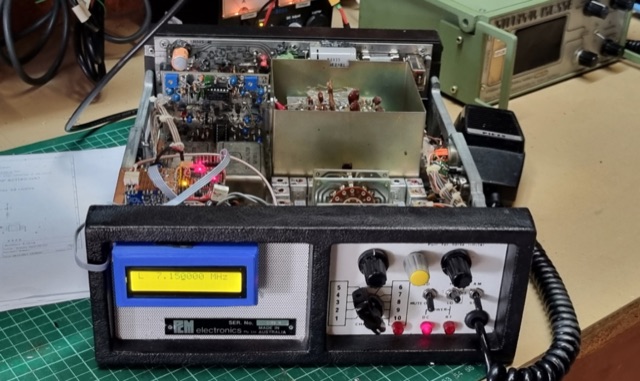 This article describes an upgrade to the Kestrel transceiver, replacing its LCD display with a 0.91-inch OLED screen for improved sound quality. VFO boards from Denys VK3ZYZ were integrated, particularly a Nano VFO board. The author shares details about the setup and the resulting enhancements, along with images of the modified components. The transceiver is now optimized for various frequencies and operates at a power output of approximately 120 W pep. More information about the boards can be found on the provided website.
 -
 The Weather Fax plugin for OpenCPN allows you to directly open image files or decode audio faxes into images. With easy calibration, these images can be overlaid on charts. It supports image conversion in Mercator, polar, conic, and uniform coordinates and can transform any image into a raster chart. Additionally, it includes a built-in database for HF radio fax stations via SSB and another for retrieving data from meteorological websites.
 -
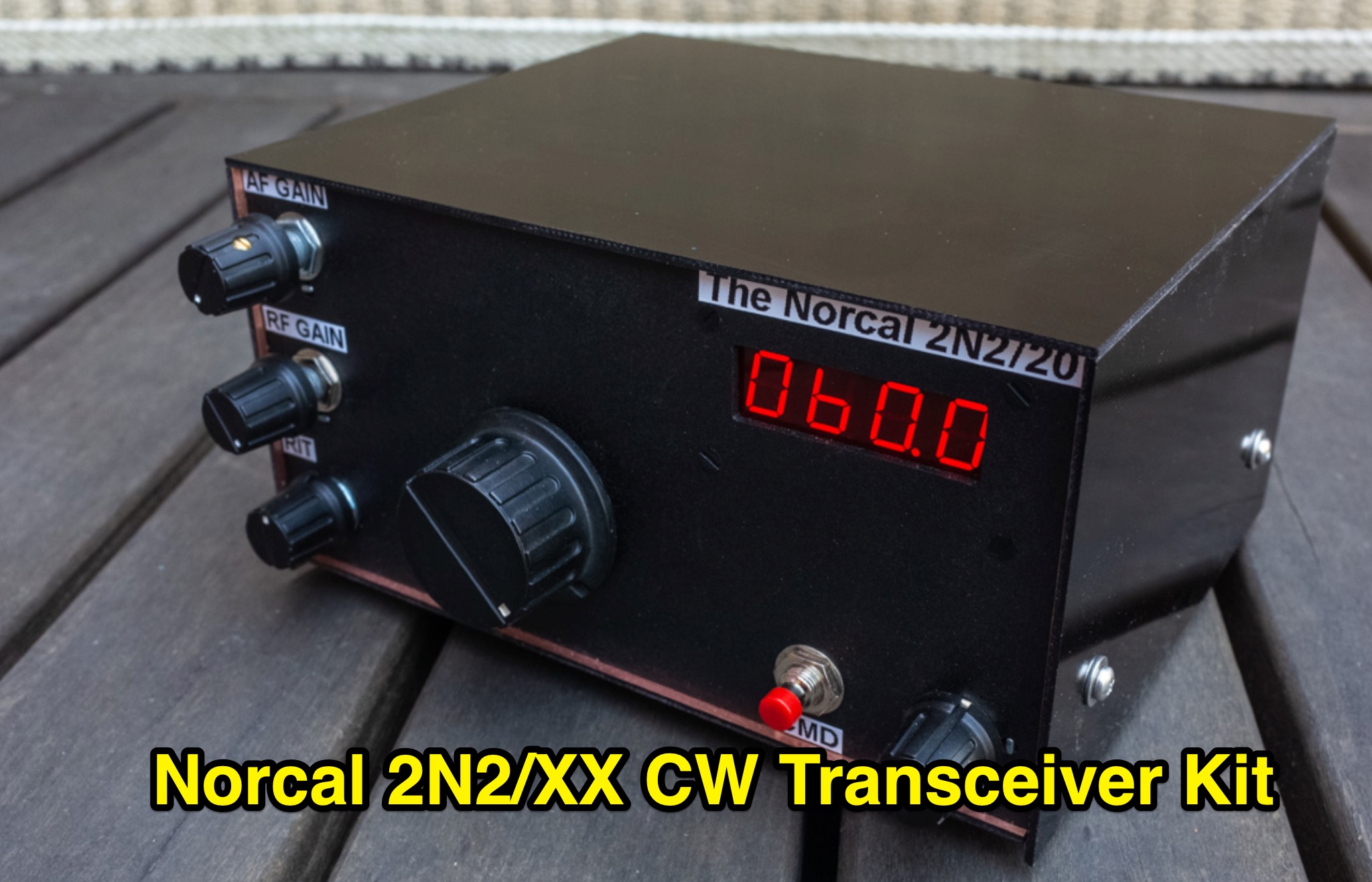 This post discusses the Norcal 2N2/XX CW transceiver kit and provides suggestions for minor mods and parts substitutions. The author shares their experience assembling the kit and highlights the simplicity and joy of operating a QRP CW transceiver. The post also includes images and a list of recommended modifications towards the end. If you own or are interested in acquiring a Norcal 2N2/XX kit, this post offers valuable insights and recommendations to enhance your experience as a ham radio operator.
 -
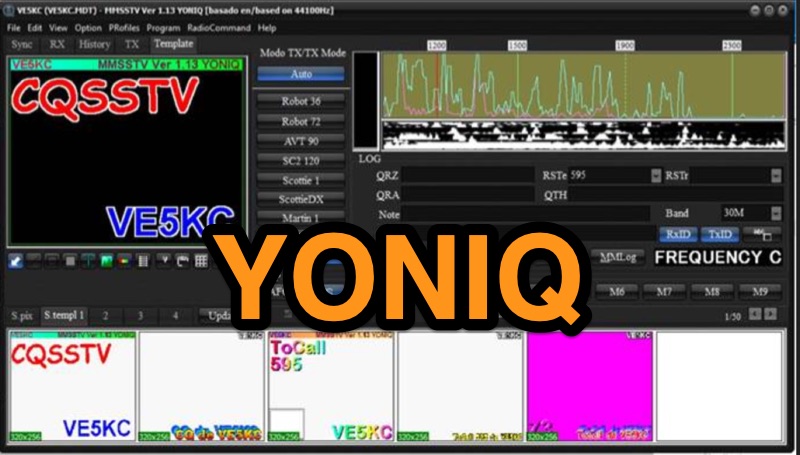 Operating Slow Scan Television (SSTV) often requires specialized software to encode and decode images for transmission over amateur radio frequencies. The _MMSSTV_YONIQ_ project provides an updated iteration of the widely used _MMSSTV_ software, originally developed by JE3HHT, incorporating modern functionalities requested by the SSTV community. This version integrates the _Omni-Rig_ system for seamless transceiver control, supports both Spanish and English interfaces, and enables direct data downloads from QRZ.com, streamlining logging and contact management for operators. The software also includes practical enhancements such as frequency memory storage, compatibility with various digital logbooks, and a visual indicator for image transmission and reception progress. Significant improvements have been made to image reception settings, allowing for more effective decoding even on systems with limited PC resources, though it can be configured for higher performance on modern machines. The development involved new code and modifications to existing source code, released under a GNU license. Installation instructions are provided, noting that the initial setup defaults to Spanish but can be easily switched to English. The project emphasizes its role as a continuation of JE3HHT's original work, aiming to keep SSTV operations current with 21st-century amateur radio practices. Support for new features is available through the MMSSTV forum on Groups.io.
 -
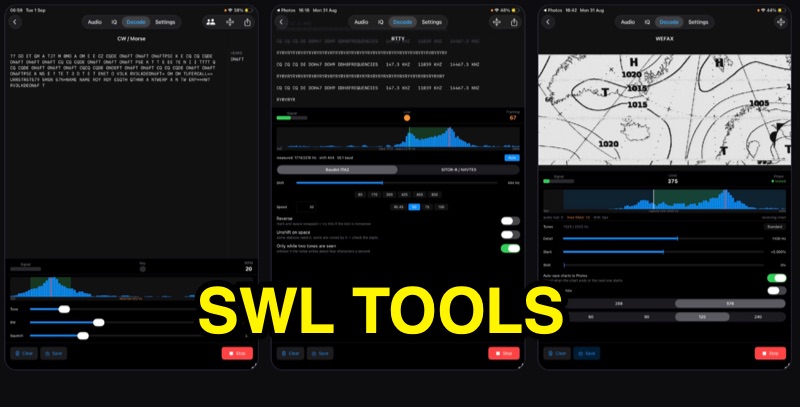 SWLTools, an iOS application for iPhone and iPad running iOS 17+, provides real-time decoding of various digital modes. It automatically locks onto CW tones, measures sending speed, and collects callsigns, distinguishing valid entries from misreads for a reliable log. For RTTY and SITOR-B, the app allows users to set shift and speed, then automatically tunes to the two tones for text reception, supporting marine bulletins, press agencies, and NAVTEX. The application also decodes WEFAX, building charts line by line for direct saving to the photo library, and processes ACARS aircraft messages, including CRC checks for data integrity and mapping of position reports. Beyond decoding, SWLTools integrates a GPU-accelerated FFT spectrum analyzer, a scrolling waterfall display with frequency cursors, and an adjustable FIR bandpass filter to isolate signals. It supports IQ signal analysis from receivers via two-channel audio interfaces, correcting mirror images. Flexible audio input options include the built-in microphone, USB audio dongles, and Bluetooth sources, with diagnostics for audio routing and buffer status. The app records audio, plays it back, and converts recordings into shareable videos, while decoded texts and charts are also savable and shareable, with all timestamps in UTC.
 -
 Fram2, the first human spaceflight in polar orbit, launches spring 2025 aboard SpaceX's Falcon 9. Inspired by the polar exploration ship Fram, the mission highlights innovation and exploration. Four astronauts from Europe and Australia will orbit Earth for 3–5 days, including ham radio operator Rabea Rogge, who will transmit SSTV images for an educational competition. Open to students aged 16–25, the contest challenges teams to identify polar-related sites. Fram2 collaborates with ARISS to inspire STEAM learning through space communications.
 -
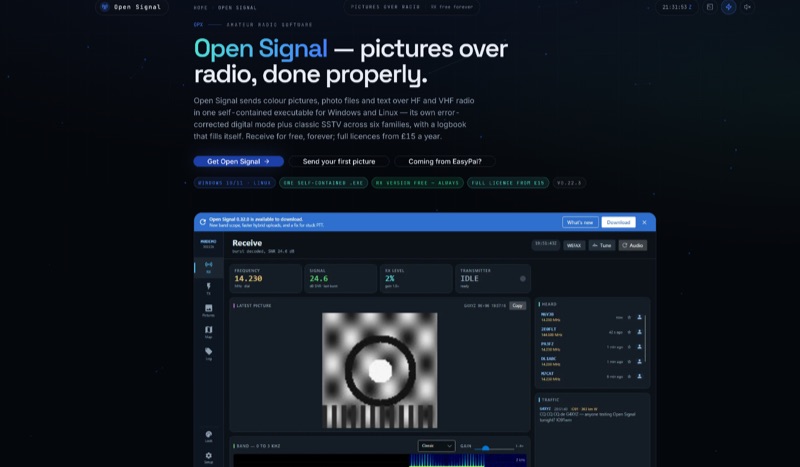 Open Signal, a software application for Windows 10/11 and 64-bit Linux, facilitates the transmission of color pictures, photo files, and text over HF and VHF amateur radio bands. It integrates its own error-corrected OFDM digital picture mode, delivering pixel-exact images in under a minute, with classic analog SSTV across six families: Martin, Scottie, Robot, Wraase, PD, and MMSSTV's MP/MR, featuring automatic VIS mode detection on receive. The application offers four distinct sending methods, including byte-exact JPEG transfer, a hybrid mode utilizing internet for full quality with a short RF link, and its proprietary digital waveform. This self-contained executable eliminates the need for external software like FLDIGI, Hamlib, or virtual audio cables, simplifying setup. It includes a self-filling logbook that integrates with Wavelog/Cloudlog, eQSL, and provides UDP ADIF broadcast. Built-in spotting features include PSK Reporter, DX cluster announcements, and APRS-IS position beacons. The receive-only version is permanently free, while a full license, enabling transmit capabilities and access to the live network, is available for an annual or lifetime fee. The software is actively maintained, unlike EasyPal, which has not seen updates since 2014.
 -
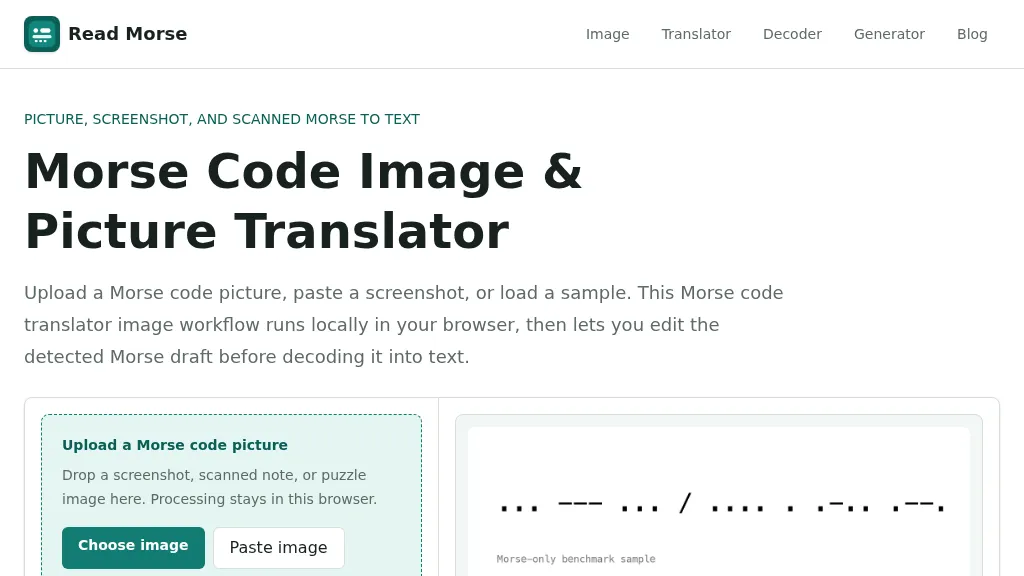 Decoding Morse code from visual sources like screenshots, scanned documents, or photographs presents unique challenges compared to audio-based reception. This web-based utility addresses these by allowing users to upload or paste images containing Morse code, which is then processed entirely within the user's browser, ensuring privacy. The tool identifies individual marks, classifying them as dots or dashes, and estimates letter and word spacing to generate an editable Morse draft. Users can refine the detection by utilizing controls for cropping, rotation, contrast boosting, and manual threshold adjustment, which are crucial for overcoming issues like low contrast, skewed baselines, or extraneous graphics. After the initial detection, the generated Morse draft, such as _... --- ... / .... . .-.. .--?_, can be manually corrected before being translated into plain text. The system provides confidence indicators and warnings to highlight potential ambiguities in the decoded output, prompting users to review and make necessary edits. This specialized approach differs from general OCR engines by focusing on the distinct patterns of Morse marks and gaps, rather than attempting to read standard alphanumeric characters. The tool supports common image formats like PNG, JPG, JPEG, and WebP, and includes sample images for benchmarking its performance, demonstrating its capability to handle various image qualities and complexities.