Search results
Query: hp 2 radio
Links: 257 | Categories: 0
-
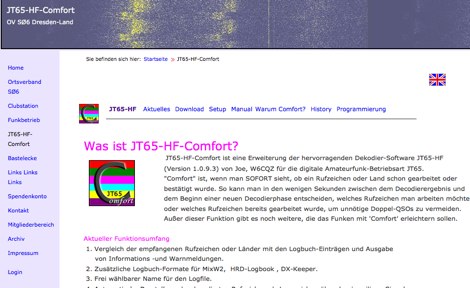 An extension of the excellent decoding software JT65 HF by Joe W6CQZ for amateur radio digital mode JT65
 -
 Amateur radio open source log program written in PHP. Put your log online for visitors to browse in real time. Access your log from any web browse, can run under windows linux and macos with apache, mysql and php
 -
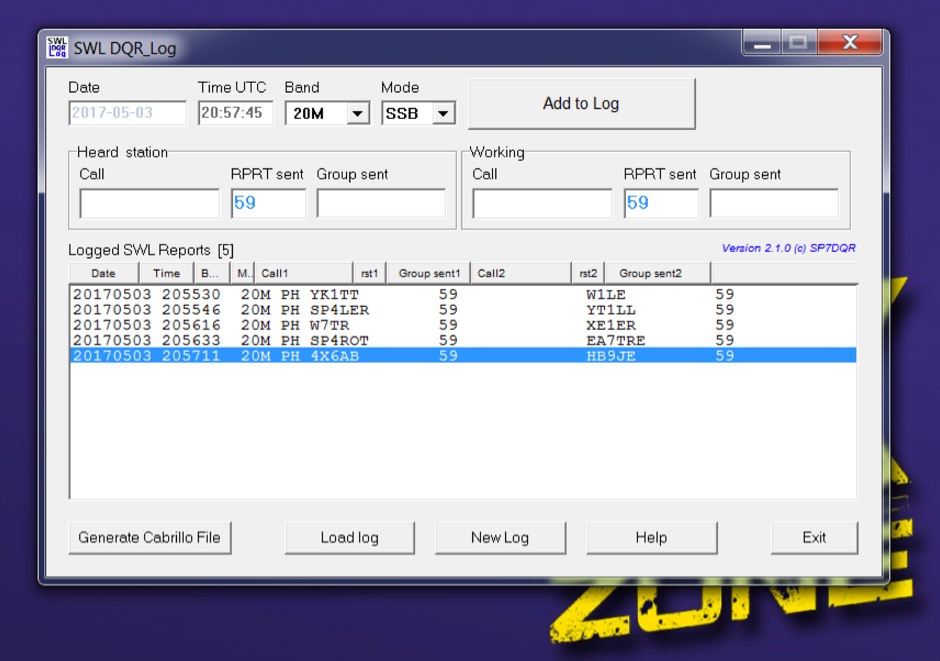 Free windows logbook program for SWLs, allow a quick and fast SWL logging during ham radio contests. Dupe check, utc time, partial check, cabrillo file export, multi language support
 -
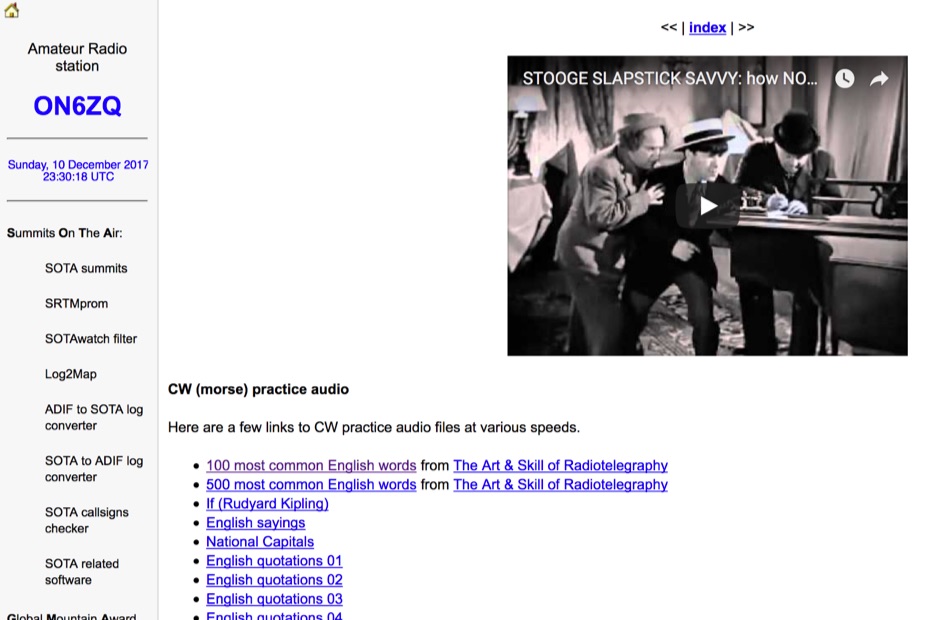 Demonstrates a practical approach to improving Morse code proficiency through a curated selection of audio files. The resource offers downloadable MP3 files designed for CW practice, catering to operators aiming to increase their copying speed and accuracy. Content includes both standard words and specific amateur radio callsign groups, which are crucial for effective on-air communication. The files are organized to facilitate progressive learning, allowing users to select material appropriate for their current skill level. This collection supports the development of essential CW operating skills, particularly for those preparing for contests, DXing, or general ragchewing on HF bands. The _ON6ZQ_ site, maintained by _Christophe David_, also features information on his _Reverse Beacon Network_ skimmer and _SOTA2APRS_ feed, indicating a strong focus on active operating modes and digital integration.
 -
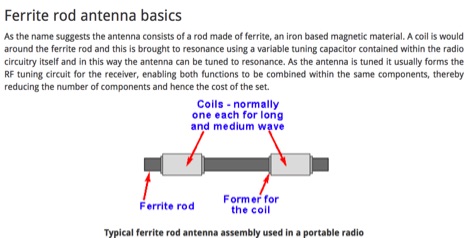 Ferrite rod antenna or aerial, a form of RF antenna that is widely used in RFID and transistor radio applications.
 -
-
 The basics of what is a discone antenna for wide band or bandwidth omnidirectional applications.
 -
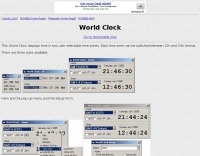 This World Clock displays time in two user selectable time zones. Each time zone can be switched between 12h and 24h format.
 -
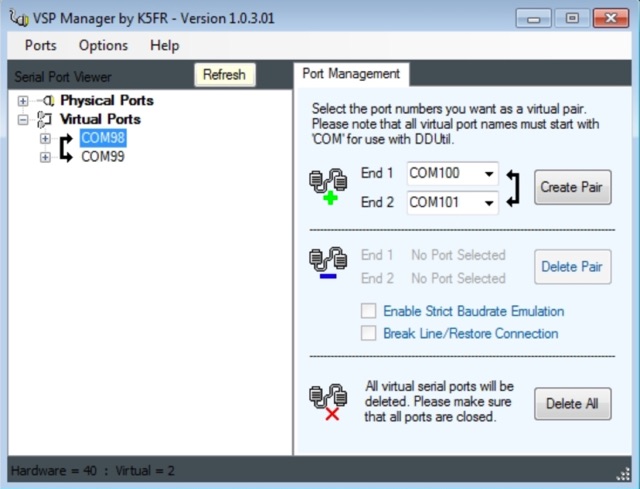 VSP Manager is a software program that creates serial port pairs which allows software programs to talk to each other using Cat commands. This virtual com port emulator is offered FREE to Ham Radio Operators.
 -
 Filter design software. A program designed to expedite the design and analysis of lowpass (and highpass) filters with nearest 5% component values. SVCfilter is 32-bit Windows electrical filter design software nicely written to help the radio amateur, technician or engineer design and analyze lumped-element lowpass and highpass filters.
 -
 List of european vhf uhf beacons by G4URH
 -
-
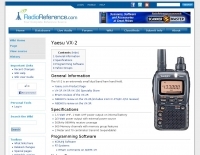 Yet another wiki page about the yaesu VX-2 hand-held transceiver.
 -
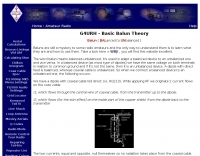 Baluns are still a mystery to some radio amateurs and the only way to understand them is to learn what they are and how to use them.
 -
 The essentials of the parabolic reflector or dish antenna and its theory and design for high performance applications such as satellite transmission and reception as well as microwave links.
 -
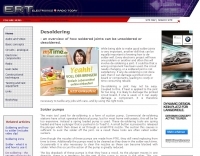 An overview of some of the ways, and the key tips on how electronics soldered joints can be unsoldered or desoldered.
 -
 Ferrite rod antenna or aerial, a form of RF antenna that is widely used in RFID and transistor radio applications.
 -
 A google map of the UK amateur radio repeaters with clickable information
 -
 Dish antenna and its theory and design for high performance applications such as satellite transmission and reception as well as microwave links. Parabolic Reflector Antenna: Dish Antenna The parabolic reflector antenna which is often called the dish antenna provides an antenna solution applicable for VHF and above where high gain and directivity are needed for all type of radio communications and radio reception.
 -
 Cloudlog is a web-based amateur radio logging application built with PHP and MySQL, supporting station logging activities from HF to microwave. It integrates with companion tools for CAT control and automation, offering a flexible solution for managing QSO data. The application provides a self-hosted platform for amateur radio operators to maintain their logbooks, facilitating interaction with various ham radio operations. Its open-source nature allows for community contributions and customization, enhancing its utility for diverse operating preferences. Originally started by Peter, **2E0SQL**, Cloudlog was designed to enable simple interaction with the Ham Radio Deluxe logbook using MySQL.
 -
 PalmProp is a software for PalmOs dedicated to the forcast of HF radiowave propagation by f5hla
 -
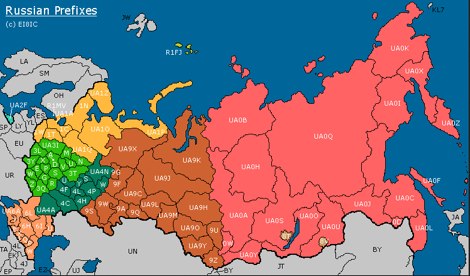 This page contains a map of Amateur Radio Russian Prefixes.
 -
 Radio Budapest is the external service of Hungarian Radio Company Limited, the public service broadcasting organisation.
 -
 Collection of radio mods for Kenwood TS-870
 -
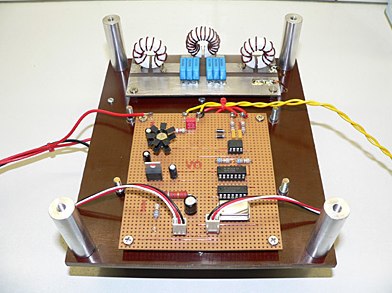 Demonstrates the operational status and reception reports for the SK6RUD/SA6RR QRPP beacons, which transmit on 478.9 kHz, 1995 kHz, 10.131 MHz, and 40.673 MHz. These beacons utilize extremely low power, with the 630-meter beacon operating at approximately 0.1 watt ERP into an L-antenna, showcasing the potential for long-distance contacts under favorable propagation conditions. The site details the specific frequencies and antenna types employed, such as a vertical at 500 kHz and a 1/4 vertical for higher bands. The resource compiles over 10,530 reception reports from amateur radio operators worldwide, logging details such as date, time, band, RST signal report, locator, distance, and receiver setup. Notable long-distance reports include a 500 kHz reception by AA1A-Dave from 5832 km in 2008 and a 10.133 MHz reception by ZL2FT-Jason from 17680 km in 2010, illustrating the global reach of these low-power transmissions. Each log entry provides specific equipment used by the reporting station, including transceivers like the Yaesu FT817, ICOM IC-7300, and various antenna configurations such as coaxial mag loops, inverted Ls, and end-fed wires. The primary objective of the SK6RUD beacons is to challenge conventional notions of power requirements for effective two-way communication, proving that contacts over significant distances are achievable with minimal output. The site also includes a submission form for new reception reports, fostering community engagement and continuous data collection on propagation phenomena across different bands. The detailed logs offer practical insights into real-world propagation characteristics and the efficacy of QRPP operations.
 -
 About the basics of what is a discone antenna for wide band or bandwidth omnidirectional applications
 -
 Articles for amateur radio newsletters aimed at new hams by WD4BIS
 -
 The MEL PICBASIC Forum serves as a community hub for users of Micro Engineering Labs PICBASIC compilers, facilitating discussions related to PIC microcontroller programming. It features dedicated sections for various compiler versions, including mel PIC BASIC, mel PIC BASIC Pro, and PBP3, each containing numerous threads and posts detailing specific programming challenges and solutions. The forum also provides areas for frequently asked questions, general PIC BASIC discussions, and commercial assistance requests. Specific sub-forums address advanced topics such as PBP Extensions, Code Examples, and AI and PICBASIC, offering insights into extending compiler functionality and integrating artificial intelligence concepts. Furthermore, the platform includes sections for Data Communications, covering USB, I2C, 1-Wire, GSM, and serial communications, which are critical for interfacing PIC microcontrollers with external devices. A dedicated area for PIC Programmers allows for discussions on programming hardware and techniques. The forum's utility is enhanced by its extensive archives of user-contributed solutions and examples, which can assist hams in developing microcontroller-based projects for radio applications. The platform's structure supports knowledge exchange among hobbyists and professionals working with PIC microcontrollers.
 -
 This resource, originally intended to detail the technical specifications of the **Clover** digital communications mode, currently presents a "Page not found" error. The _Clover_ mode was designed for conveying 8-bit digital data over narrow-band high-frequency radio channels, offering robust performance under challenging propagation conditions. Its design focused on efficient data transfer and error correction, making it suitable for amateur radio operators seeking reliable digital links. The absence of the page prevents analysis of specific technical parameters, such as modulation schemes, data rates, or error correction codes that would have been presented. Historically, Clover offered significant advantages in throughput and reliability compared to earlier digital modes over HF, often achieving higher effective data rates than modes like PACTOR or AMTOR under similar signal-to-noise ratios. Without the content, a direct comparison of its performance metrics or practical application scenarios is not possible.
 -
 Aspiring radio amateurs in the United Kingdom preparing for their licensing examinations can utilize this resource, which offers mock exam questions covering the Foundation, Intermediate, and Advanced license levels. The site provides access to question pools, including associated images, designed for use with _Moodle_ learning management systems requiring PHP and MySQL. These question sets are available for non-commercial deployment by UK amateur radio clubs and organizations, facilitating local training initiatives. The original online mock test service ceased operations in August 2018 due to maintenance overhead. The current iteration serves as a repository, allowing other organizations to download the question databases. This approach enables broader access to the exam preparation material, supporting the UK amateur radio community in achieving licensing qualifications. The resource does not offer direct online testing but directs users to other sites, such as _Radio Tutor_, that implement these question banks.
 -
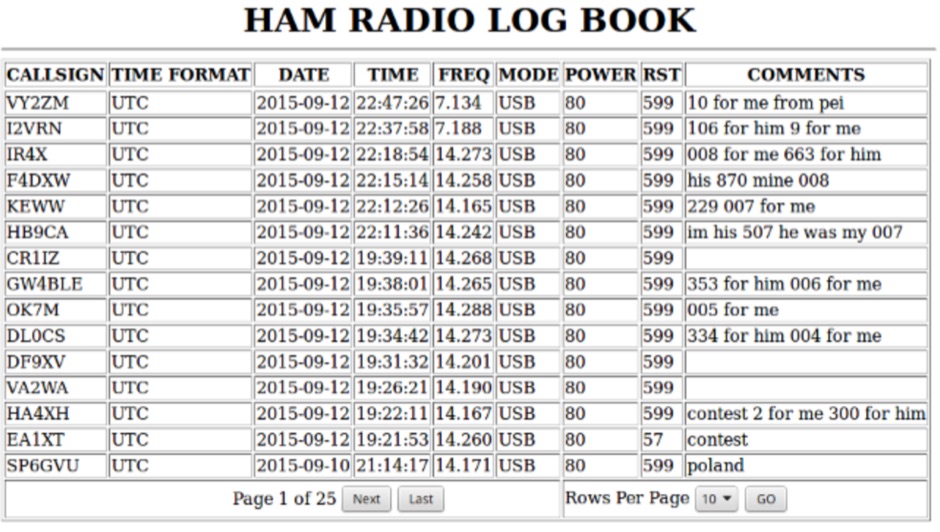 Call Book Log 3.0 is a web-based logging solution for amateur radio operators, designed for self-hosting on a web server with MySQL/MariaDB and PHP 7+ support. It provides a mobile-friendly interface for viewing, adding, editing, deleting, backing up, and restoring QSO logs. The software features a streamlined setup process, allowing users to quickly deploy a personal logging system accessible via any web browser. Key functionalities include displaying the last **5** contact dates for previously worked stations, enhancing log management by providing immediate historical context during QSO entry. The system also includes a central administrative section for authenticated users to manage log entries. The 3.0 version represents a significant code overhaul, focusing on improved performance and a more *visually appealing* user experience compared to earlier iterations. Enhancements include better pagination, a redesigned menu with icons, and color-changing rows for improved readability. The add log page now incorporates a one-click time update feature, addressing user feedback regarding time synchronization during rapid QSO entry. This iteration builds upon previous versions like 2.1, which corrected an automatic _UTC date_ bug, and 2.0, which featured a full rewrite to resolve browser quirks and optimize search functions. The software's evolution demonstrates a commitment to functional stability and user interface refinement.
 -
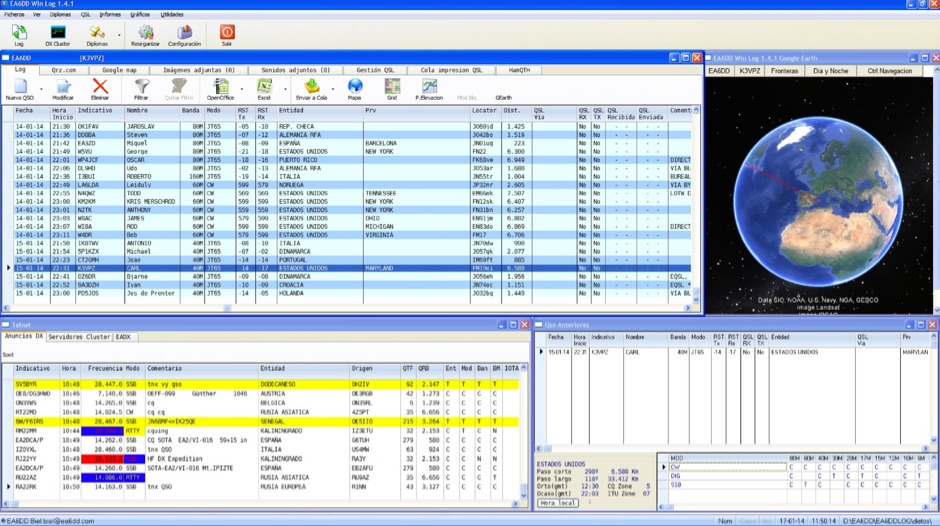 Win EA6DDlog is a freeware logging application for Windows, developed by EA6DD Biel. It integrates features from existing software like Swislog, Urelib, Logger, and HamRadio Deluxe, presenting a Multi-Document Interface (MDI) similar to Logger. The program prioritizes simplicity, practicality, and operational speed, allowing functionality even on less powerful PCs. It does not require a formal installation; users can run it directly from a portable drive or any directory. This logging utility supports CAT control through Omnirig by Alex Shovkoplyas, VE3NEA, which is automatically installed if not already present on the system. It also offers QSL printing capabilities and connections to online callbook services such as QRZ and HamQTH for contact information. EA6DDlog includes an automatic update mechanism that checks for new versions upon startup, requiring internet access. For Windows Vista users, disabling User Account Control (UAC) is recommended for proper update functionality. The software is part of a broader development effort aiming for cross-platform compatibility, with future versions planned for Windows Mobile, Linux, and macOS.
 -
 Live feed for NHP rural areas of Moapa Laughlin Primm Alamo Indian Springs
 -
 Throughput improvement for the FT726R - Tapr PSK modem
 -
 Operating a modern amateur radio station often involves integrating various software tools, and LogHX aims to provide a unified environment for Windows users. The software facilitates comprehensive QSO accounting, allowing operators to track contacts and manage both e-QSL and traditional paper QSL exchanges, including via QSL managers or direct methods. It also offers real-time QSO preview and integrates with popular callbook data for quick lookups. LogHX supports various logbook database searches and maintains statistics for numerous awards, a critical feature for serious DXers and contesters. The program handles logbook import and export in widely used formats such as _ADIF_ and _Cabrillo_, ensuring compatibility with other logging applications. Furthermore, it interoperates with Telnet clusters and third-party ham radio software, enhancing its utility in a networked shack environment. Key functionalities include antenna rotator control, editable macros for PSK, RTTY, CW, and SSB operations, and CAT control via _OmniRig_ or direct interfaces. Embedded modules like MMVari, MMTTY, and CWServer streamline digital mode operations, while its multi-window structure allows users to customize their screen layout, preserving valuable monitor space.
 -
-
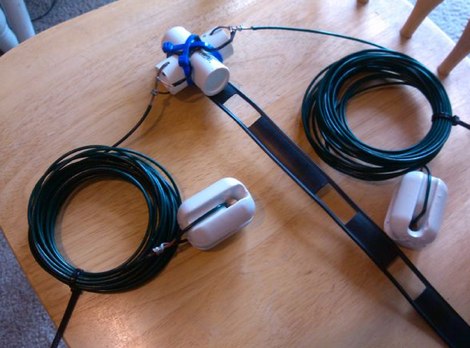
 About basics of the horn antenna used for many rf microwave antenna applications.
 -
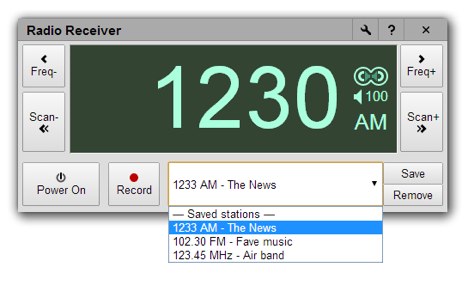 Receive and listen to FM and AM radio broadcasts on your browser or ChromeBook using an RTL2832U-based USB digital TV tuner.
 -
 Demonstrates a specialized **DX cluster** designed to support the annual Jamboree On The Air (JOTA) event, facilitating real-time spotting for participating Scout stations. While its web interface has been discontinued due to security concerns, the cluster remains fully operational and accessible through standard cluster software. Operators can connect to the JOTA cluster by pointing their client to www.pi4raz.nl on port 7300. This setup allows for the exchange of **DX spots** and other operational information relevant to JOTA participants, ensuring that Scouts and their amateur radio mentors can continue to make contacts and log stations during the event.
 -
 Key facts about how to solder, how to solder wire, how to solder pcb's, and including general soldering techniques and the best ways of making good solder joints for electronic circuits and construction. Includes video
 -
 G4URH - Coax cable types, specifications and data
 -
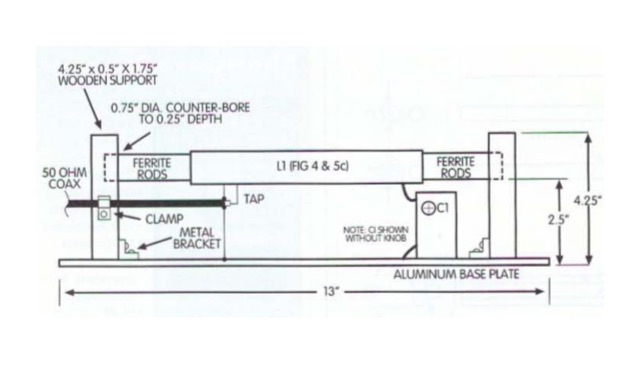 Article from 73 Amateur Radio Today about experimenting on ferrite loops transmitting loop antennas for 80 and 160 meters bands.
 -
-
 A DIY Automatic Band Decoder (ABD) project, designed for dual-radio operation, addresses the common challenge of integrating band data with older transceivers lacking dedicated outputs. This particular build utilizes an AVR AT90S8515 microcontroller and a 16x2 Liquid Crystal Display (LCD) to provide band information, specifically targeting Kenwood rigs via a computer's LPT port. The design aims for cost-effectiveness while maintaining functionality, offering a solution for hams seeking to add automatic band switching capabilities to their station without significant expense. The project outlines the core components required, including the microcontroller, LCD, and an enclosure, noting that the Printed Circuit Board (PCB) fabrication and AVR programming might present challenges for some builders. It details the input requirements, such as a four-pin input and PTT for each radio, along with a 13.8V DC power supply. The decoder provides 2x6 outputs capable of sinking 500mA, suitable for controlling external devices like antenna switches or filters. Despite the original unit being damaged by a lightning strike in 2004, the author confirms its successful operation prior to the incident and mentions plans for a revised version. The resource includes a schematic in PDF format and images of the finished PCB and assembled unit, demonstrating the practical implementation of the design.
 -
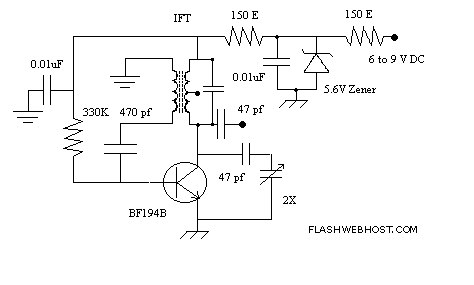 A simple free running oscillator oscillating at the receiver\'s IF (intermediate frequency) beats with the incoming signals in either CW or SSB and the resultant audio frequency goes to the AF amplifier.
 -
 Online calculator, to convert dbWatts to Watts and vice-versa, or ERP and EIRP by G4URH
 -
 How to measure the characteristic impedance of a unknown transmission line using MiniVNA
 -
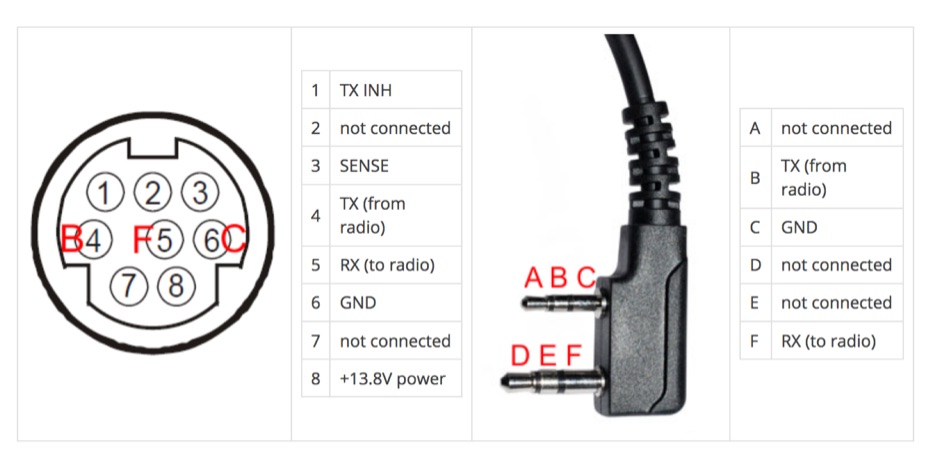 Adapting a Wouxun/Kenwood USB cable as a Yaesu FT-817 FT-857 FT-897 CAT connection
 -
 The Northwest Amateur Radio Society serves amateur radio operators in the suburban FM 1960 area NW of Houston, Tx. NARS is active in community and public service events.
 -
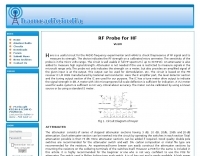 A RF Probe circuit for the RADIO frequency experimenter to check the presence of a RF signal and also to measure its strength