Search results
Query: train
Links: 149 | Categories: 8
Categories
- Software > Morse Code Training
- Operating Modes > Morse code > High Speed CW
- Ham Radio > Clubs > North America > USA > Kansas
- Ham Radio > Clubs > North America > USA > Maryland
- Technical Reference > Arduino > Morse Code
- Software > Legacy Systems > MS DOS
- Software > Legacy Systems > PalmOS
- Software > Legacy Systems > Pocket PC
-
 Examines the historical role of telegraphy within Canadian railway operations, detailing the evolution of communication systems crucial for train dispatch and coordination. It covers the technical substance of railway telegraphy, including equipment, operational procedures, and the personnel involved, such as agents and operators. The resource provides insights into the **F59PH locomotive** history, development, and components, alongside diagrams of various parts like antennae and traction motors. The content also explores the practical application of these systems by documenting specific railway events, such as the CPR Galt Sub operations from 1895-1971 and GO Transit's operational history. It includes photo galleries, schematics, and diagrams of locomotives and cab cars, offering a visual and technical comparison of different railway equipment. The site also features information on **GO Transit** rolling stock, including MP40s and commuter coaches, providing a historical context for railway communication and transportation.
 -
 Designing and constructing portable wire antennas for HF operations, this resource explores several configurations including the _foldback dipole_ for space-constrained setups and an inductively shortened dual-band dipole for 20m and 40m. It details the calculation of inductance for shortened elements, providing a Visual Basic 6.0 program screenshot that illustrates determining coil parameters like turns and length for a **25.5 uH** inductor. The document emphasizes practical considerations such as adjusting wire lengths for optimal SWR, noting that a dual-band dipole achieved SWR below 2:1 on both 20m and 40m, with careful adjustment bringing it under 1.5:1. Further, the resource describes a half-wave antenna matched with a coaxial stub, a method often referred to as the _Fuchskreis_ in German amateur radio circles, to transform the high feedpoint impedance to 50 Ohms. This monoband solution, for a 20m application, uses a stub length of **2.98m** (0.216 lambda multiplied by coax velocity factor) and a shorted stub of approximately 48cm. The coaxial stub design is highlighted for its resilience to ground proximity, allowing it to be rolled up or laid on the ground with minimal SWR impact, making it highly suitable for portable QRP operations.
 -
 Aspiring radio amateurs in the United Kingdom preparing for their licensing examinations can utilize this resource, which offers mock exam questions covering the Foundation, Intermediate, and Advanced license levels. The site provides access to question pools, including associated images, designed for use with _Moodle_ learning management systems requiring PHP and MySQL. These question sets are available for non-commercial deployment by UK amateur radio clubs and organizations, facilitating local training initiatives. The original online mock test service ceased operations in August 2018 due to maintenance overhead. The current iteration serves as a repository, allowing other organizations to download the question databases. This approach enables broader access to the exam preparation material, supporting the UK amateur radio community in achieving licensing qualifications. The resource does not offer direct online testing but directs users to other sites, such as _Radio Tutor_, that implement these question banks.
 -
 Conductor is a training tracking software that can organize any type of education, training, certification or license. It generates a multitude of reports perfect for regualtory bodies, free demo.
 -
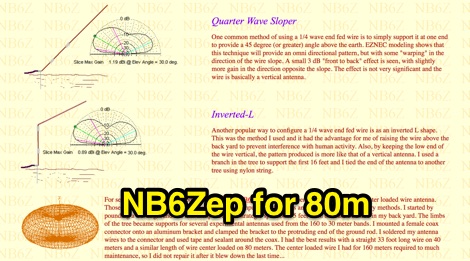 The NB6Zep Antenna, an electrically shortened 80-meter end-fed wire, addresses space constraints for low-band operation by integrating two loading coils into a 37-foot wire. This design, modeled with _EZNEC_, explores configurations like the quarter-wave sloper and inverted-L, with the latter providing a more vertical radiation pattern and practical backyard deployment. The resource details specific coil construction, recommending 21 uH coils made from _BW coil stock #3026_ or similar, and outlines wire segment lengths for optimal tuning. Performance analysis indicates a radiating efficiency of approximately 27% with good ground conductivity, resulting in a signal typically 3-4 dB down compared to a full-size quarter-wave vertical. The antenna exhibits a narrow bandwidth, around 50 kHz, due to its high Q, necessitating a tuner for broader band operation. Feedpoint impedance is low, with ground resistance playing a critical role in achieving a usable SWR. The article emphasizes the importance of an effective ground rod at the feedpoint for proper operation and tuning, suggesting an antenna analyzer for precise adjustments. It confirms the antenna's suitability for DX, citing successful contacts from Oregon to the East Coast and Hawaii on a 160-meter variant, making it a viable option for urban operators seeking low-angle radiation on 80 meters.
 -
 Trained amateur radio communicators under ARES, RACES and Skywarn serving Harford County, Maryland communities
 -
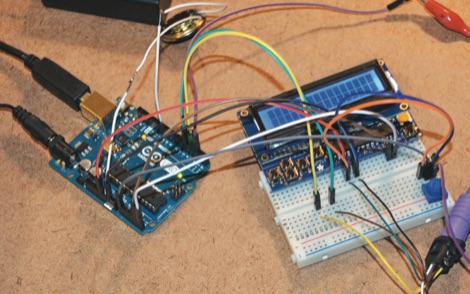 Hone your Morse code skills with this entry-level project. Article includes the full schematic of the CW Trainer, describes the sketch and how to operate the morse code trainer.
 -
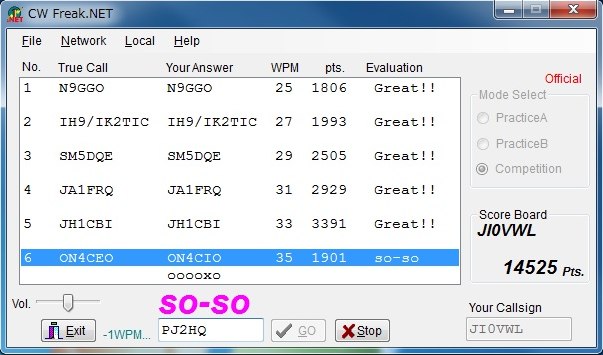 The free CW Speed Training Software for Windows by JI0VWL
 -
 Forum thread about the Yaesu VX-170 at trainorders.com
 -
 Ekins offers an fc preparatory training class for grol and for all commercial licenses, permits and endorsements, including gmdss, stcw and the 70-hour coast-guard approved course.
 -
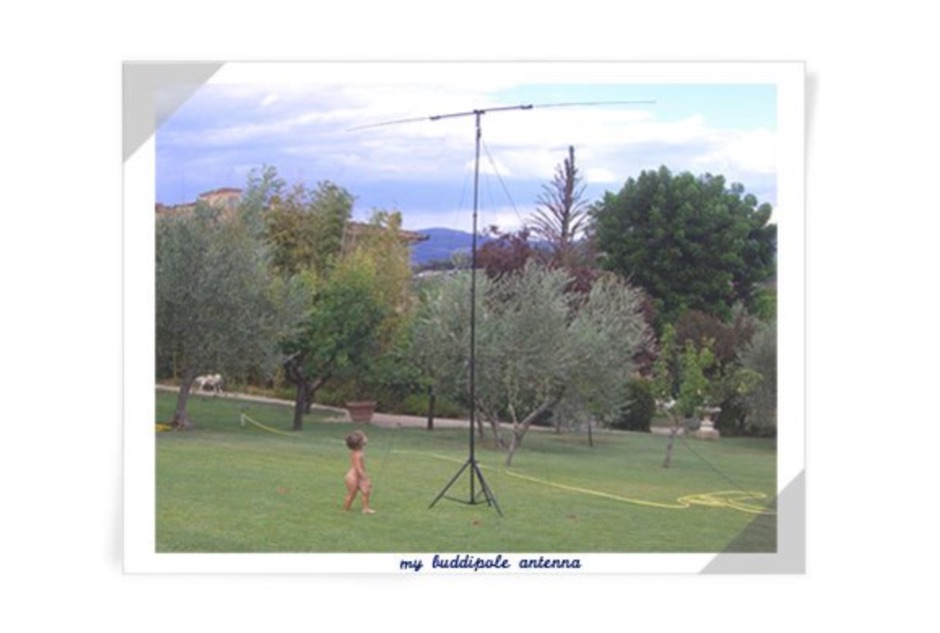 The Buddipole Deluxe, a portable HF/VHF antenna system, receives a practical assessment from IW5EDI after a month of field use. The author, constrained by antenna restrictions, highlights the system's crucial role in enabling portable operations, even managing sporadic digital activity from a balcony. Direct comparisons to a fixed 3-band dipole reveal surprisingly comparable signal reports on 15, 17, and 20 meters, underscoring the Buddipole's effectiveness in real-world scenarios. Tuning the Buddipole proves straightforward on bands down to 20 meters, though the review notes significant challenges with SWR on lower bands like 40 meters, where achieving better than 3:1 SWR was problematic. Observations also include SWR variations with dipole rotation and mast height, suggesting environmental factors play a role. The overall manufacturing quality of the antenna and its accessories, including the tripod and carry bag, is deemed good, despite a minor issue with a pole connector. Looking ahead, the author plans to construct a homemade Buddipole version, possibly optimized for the 30-meter band, specifically for PSK31 operations from an apartment. This personal project reflects a common amateur radio practice of adapting commercial designs for specific needs, further extending the utility of portable antenna concepts.
 -
 This is the downloads area for slides, plans and handouts for CARS Amateur Radio Licence Training Courses
 -
 The M0PLK multiband delta loop antenna project details the construction of a non-resonant, bidirectional antenna designed for 20-10m operation, requiring an external antenna tuner. The design utilizes two 5.65m aluminum tubes arranged at right angles, with 2x 2.80m antenna wires converging into a 2.30m ladder line, feeding a 1:4 balun. The resource provides a comprehensive parts list, including specific dimensions for aluminum tubes (25mm, 20mm, 16mm outer diameter), DX-Wire FS2, and custom 3D-printed components like a middle insulator, tube end caps, and ladder line spacers, with STL files provided. Construction steps cover base plate fabrication from a 300x300x4mm aluminum sheet, balun assembly, tube preparation with slits and threaded holes, and wire attachment with strain relief. Initial VSWR measurements are presented, indicating performance in line with expectations across the target bands. The author reports successful SSB test QSOs to the USA on 10, 12, 15, 17, and 20m immediately after completion. The project highlights the antenna's bidirectional pattern, noting the need for a lightweight, remote-controlled rotator to fully utilize its directional capabilities. Comparisons are drawn to the Cobweb antenna, with the M0PLK design cited for its reduced local QRM pickup. The article references external sources, including M0AWS's detailed report and PC modeling, along with other construction variants and commercial assembly instructions, providing a robust foundation for replication.
 -
 This online project guide details the construction of a homebrew boom microphone system. It details the assembly of a microphone shell from a 3/4" PVC pipe section and an end cap, requiring a drilled hole for a snug fit of the electret or condenser mic element. The internal wiring schematic specifies a **2.2 K** resistor and a **47 uF** polar capacitor for signal conditioning, with a circuit diagram provided for integration with IC-706 series transceivers. The guide outlines the use of CAT-5 cable for internal connections, incorporating strain relief at the rear of the mic shell, and an inline 3.5 mm jack to facilitate an external _PTT_ line, designed for a foot-mounted switch. Further construction involves fabricating a microphone shock mount from a 2-inch PVC connector, detailing the creation of four "fingers" and the insertion of screw-eyes for attaching elastic bands, which are twisted 180 degrees for tensioning and vibration isolation. A foam wind screen is also incorporated into the microphone assembly, secured with adhesive. The boom arm itself is repurposed from an articulated architect lamp, with the original lamp assembly converted into a **60 watt** resistive load for testing power sources. Microphone cabling is secured to the boom arm using wire ties, ensuring sufficient slack at hinge points to maintain articulation. The boom base is mounted to a bookshelf, requiring specific positioning to achieve proper microphone placement in front of the operator. Performance evaluation of the microphone system is conducted through on-air audio signal reports from other amateur radio operators. DXZone Focus: Online Project Guide | Boom Microphone Construction | Electret Mic Element | PTT Line
 -
 100-watt UHF repeater (444.500+ PL100) and a 6-meter repeater (53.68- PL114.8) are owned and maintained by South County ARES to support emergency communications for Belmont, East Palo Alto, Foster City, Menlo Park/Atherton, Redwood City, San Carlos, San Mateo, and Woodside/Portola Valley. The organization emphasizes training, including weekly nets and practice sessions, to improve message passing accuracy and brevity, crucial skills for **emergency communication**. Resources like the San Mateo County Sheriff's Office Ham Radio Frequency Plan Recommendation and **Chirp-compatible CSV files** for Baofeng radios are provided. Participation in community events is encouraged to build skills and connections among members. The group operates without collecting dues, relying on donations and member contributions of time and expertise. Training pages are available for new hams and those seeking license upgrades, along with a "Tips for New Hams" section. The site also features a monthly calendar of events, including board meetings, general meetings, and hospital nets, alongside a newsletter, the "South County Communicator," and various operational documents like the Net Control Manual and SCARES Handbook.
 -
 The Broadcast Employees Amateur Radio Society, Inc. (BEARS) operates an extensive network of **VHF and UHF repeaters** across New York, the Hudson Valley, Long Island, and New Jersey, accessible to all licensed amateur radio operators. This resource details the club's structure as a 501c3 tax-exempt non-profit, emphasizing its role in providing ham radio training, testing, and critical communications support to various public and private emergency response agencies. Key repeaters include W2ABC/RPT on 147.27 MHz with a 141.3 PL tone, serving as a central point for club activities and broader network access. BEARS is also a founding member of the **Disney Amateur Radio Interconnect (DARI)**, a consortium of open, linked VHF and UHF repeaters spanning major metropolitan areas such as Philadelphia, Baltimore/Washington DC, Orlando, Bristol, Los Angeles, and Boston. This interconnected system facilitates wide-area communication for members and supports emergency preparedness efforts across multiple regions. The club's focus extends beyond Disney employees, welcoming aspiring and current hams from outside the company to participate in its activities and utilize its robust repeater infrastructure.
 -
 Friendly Club that offers club nights, full licence training and social events for Radiop fans in the South London area
 -
-
 TACLog offers a distinct approach to contest logging for **VHF/UHF/SHF** operations, diverging from the rigid input formats often found in other logging applications. This software prioritizes operational freedom, allowing contesters to input data in a sequence that suits their workflow during a fast-paced event, rather than being constrained by predefined field orders. It's particularly tailored for those participating in contests governed by **Region 1 rules**, ensuring compliance with established regulations. The program's design focuses on practicality for serious contesters, providing a robust platform for managing contacts. Its support for the EDI format is a significant advantage, streamlining the process of submitting logs to contest committees and facilitating data exchange within the amateur radio community. My experience with various logging tools confirms that flexibility in data entry can dramatically improve efficiency during multi-operator or high-rate single-operator contests, where every second counts.
 -
 Over 100 trained amateur radio operators comprise the New York City Amateur Radio Emergency Communications Service (_NYC-ARECS_), an auxiliary communications service dedicated to providing vital radio links during local, regional, or national civil emergencies. This organization supports governments, civil-preparedness, and relief agencies in situations such as power failures, explosions, fires, floods, earthquakes, or terrorist activities. Their operational readiness is critical for maintaining communications when conventional infrastructure fails, leveraging the resilience and adaptability of amateur radio. NYC-ARECS actively participates in the NYC Office of Emergency Management (_OEM_) Partners in Preparedness program and is a member of DHS FEMA's National Preparedness Coalition, demonstrating its integration into broader emergency response frameworks. The group's activities include regular training, maintaining operational readiness, and deploying communication assets across the five boroughs of New York City. Their efforts ensure robust, independent communication channels are available to support disaster relief and public safety operations.
 -
 The Club Radio Amateur de Québec (CRAQ) is a prominent amateur radio club based in Québec, Canada, dedicated to fostering interest and participation in amateur radio. It provides a platform for local hams to connect, share knowledge, and engage in various radio-related activities, including **DXing**, contesting, and technical experimentation. The club supports its members through regular meetings, technical presentations, and organized operating events, aiming to enhance their skills and enjoyment of the hobby. CRAQ also plays a role in public service communications, often collaborating with local authorities for emergency preparedness and response. CRAQ's activities include operating club stations, organizing **field day** events, and offering training sessions for new licensees. Members frequently participate in provincial and national contests, contributing to the club's competitive standing. The club maintains a network of repeaters, providing reliable local communication infrastructure for its members and the broader amateur radio community in the Québec area. These resources facilitate daily QSO traffic and serve as critical links during community service operations.
 -
 The **Arlington Amateur Radio Club** (K5SLD) website details club activities, including a weekly Taco Tuesday net on their 147.140 MHz repeater with a 110.9 Hz PL tone. The club, organized in July 1955 by 22 hams, also hosts monthly dining events and promotes Community Emergency Response Team (CERT) training through the Arlington Fire Department. Membership renewal information for 2026 dues is prominently featured, with an online payment option and a donation button available on the "Pay Dues" page. Club communications extend to a dedicated Facebook page for members and the wider amateur radio community. The site lists upcoming contests and encourages participation in local events. The 2-meter repeater net is open to all, fostering local camaraderie and technical exchange among hams in the Arlington, Texas area, regardless of club affiliation.
 -
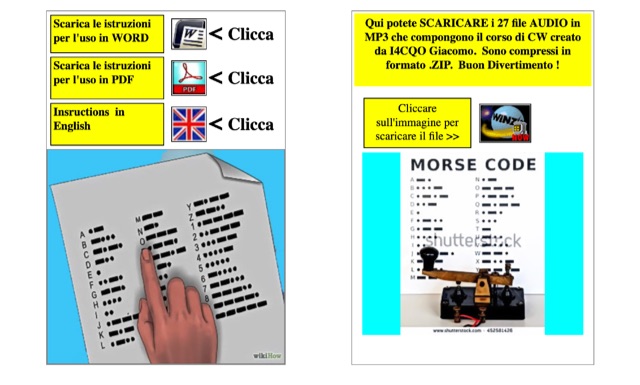 In his page the author includes 27 mp3 audio files that compose the whole CW training course, instructions and whole lessons transcript are available in Italian and English.
 -
 Maintenance of Antenna Tower Systems, Antenna tower foundation analysis and repair, Tower troubleshooting and repairing
 -
 The Alcorn County ARES group provides crucial **emergency communications** support within Alcorn County, Mississippi, operating under the Amateur Radio Emergency Service framework. This organization mobilizes licensed amateur radio operators to assist public safety agencies during emergencies, natural disasters, and other critical events when conventional communication infrastructure fails or becomes overloaded. Their activities include regular training exercises, participation in local drills, and maintaining readiness to deploy communication assets. Members engage in various aspects of amateur radio, including voice, digital modes, and message handling, ensuring a robust and redundant communication network. The group's focus on preparedness and community service aligns with the core principles of ARES, emphasizing rapid response and effective information relay during crises. They often collaborate with local emergency management agencies, such as the Alcorn County Emergency Management Agency, to integrate amateur radio capabilities into broader disaster response plans. Dustin Brumfield, KD5LAP, serves as the Public Information Officer, facilitating outreach and coordination. The club's operational area is specifically Alcorn County, Mississippi, contributing to local resilience.
 -
 Demonstrates the community-driven mission of the McKinney Amateur Radio Club (MARC), a North Texas organization dedicated to advancing amateur radio. The club actively promotes continuous learning, encouraging technical innovation among its members, and provides avenues for public service engagement, skill enhancement, and global connectivity with fellow operators. MARC hosts weekly breakfast discussions every Saturday at 7:30 AM at IHOP in McKinney, Texas, covering diverse topics and offering a Q&A forum. The club emphasizes emergency communication preparedness, antenna design and tuning, and the science of global radio wave propagation, crucial for clear amateur radio contacts. Furthermore, MARC explores modern radio technologies, including digital modes and _Software-Defined Radio_ (SDR), blending traditional amateur radio with cutting-edge advancements. The club also facilitates license testing sessions, hands-on training, and participates in events like _Field Day_ to hone emergency communication skills.
 -
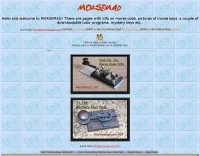 Operating Morse code (CW) relies on a diverse array of **telegraph keys**, each with unique characteristics and historical significance. This resource presents a personal collection of such keys, offering visual documentation and details on various models. It features early Marconi keys from the 1900s, including specific models like the Marconi Air Ministry Key and Marconi Coastal Station Keys, alongside **Vibroplex** bugs and JRC keys. The collection also highlights rare items such as the Brown Brothers Magnetic Twin Paddle Key, the Eddystone Bug Key, and Swedish SRA Ericsson Keys. Enthusiasts can view examples of GPO Double Current & Single Current Keys, Navy NATO Keys, and specialized aircraft and maritime keys. The site includes information on historical training devices like the OMNIGRAPH and a Morse Inker from 1900, providing context for the evolution of telegraphy equipment. Additionally, the resource showcases unique items like the B2 Spy Set SOE Agents Key and a WW2 Junker U-BOAT KEY, illustrating the varied applications of Morse keys throughout history. The author, G0RDO, also shares details on a home-made paddle key and invites inquiries for acquiring interesting Morse keys.
 -
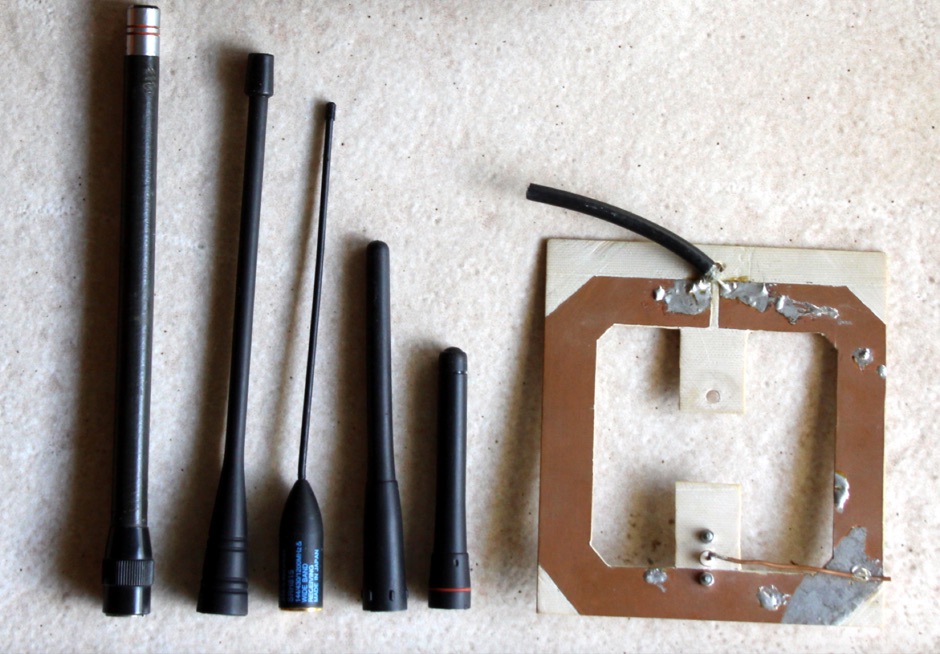 In this article the author analyze six different type of VHF handheld antennas and as result of his self training on his new vector network analyzer published this interesting report
 -
 Over 1900 ARISS school events have been conducted since 2000, facilitating amateur radio contacts between students and ISS crew members. This resource details the Amateur Radio on the International Space Station (ARISS) program, outlining scheduled contacts, operational procedures, and application processes for educational institutions worldwide. It lists specific upcoming contacts, such as those with Lewis Center for Educational Research in California and Vauban, Ecole et Lycée français de Luxembourg, typically operating on a 145.800 MHz downlink frequency. The content also provides crucial guidelines for radio amateurs, emphasizing the importance of not interfering with scheduled school contacts and utilizing the crossband repeater for general QSOs when available. It clarifies crew availability for casual contacts, noting that astronauts are usually free during personal time, approximately one hour after waking and one hour before sleeping, and often on weekends. Constraints on scheduling, such as avoiding EVA weeks and specific crew rest periods, are also detailed. Furthermore, the resource includes historical statistics on direct versus telebridge contacts, QSL information, and links to related ARISS, AMSAT, ARRL, and NASA websites. It also provides information on applying to host an ARISS contact for schools and youth organizations in various regions, including the United States, Europe, Africa, the Middle East, Canada, Central and South America, Asia, and Australia.
 -
 Silvercomet ARS is located in Paulding County Georgia. We are a ARRL Special Service Club. We hold Training Classes, do many Special Events Stations. We are also very involved in Digital Modes.
 -
 Listing of North American Class 1, industrial,short line, tourist and transit lines. Includes a listing of all the frequencies sorted numerically.
 -
 Manufacturing Precision Products Since 1969. Rotary Switches, Strain Reliefs, Ground Fault Units
 -
 Comprod Communications specializes in the design and manufacturing of RF communication solutions, including a comprehensive range of antennas, duplexers, multicouplers, and combiners. The resource details their product categories, which encompass base station antennas, mobile antennas, transit antennas, and disguised antennas, alongside mounting solutions and in-building systems. It highlights the company's 40-year history in adapting offerings to client needs and anticipating industry trends, emphasizing product durability and low maintenance for harsh environments. The company's offerings are presented as high-quality, designed to withstand extreme conditions from Arctic cold to equatorial heat and humidity. The site mentions solutions and technical sales support, training, and site analysis and system design as part of their service portfolio. It also references being a market leader trusted by over 1,000 customers worldwide, positioning itself as a partner for RF communication needs.
 -
 The Barrow Amateur Radio Emergency Service Club (BARES) serves as a local hub for amateur radio operators in Barrow County, Georgia, focusing on community engagement and emergency preparedness. Established in 2007, the club provides a platform for hams to connect, share knowledge, and participate in various radio activities. Members often engage in public service events, offering communications support, and conduct regular meetings to discuss technical topics and operational procedures. BARES emphasizes the importance of emergency communications, with members frequently training for and participating in simulated emergency tests (SETs) and real-world disaster response scenarios. The club maintains a focus on local area coverage, ensuring reliable communication infrastructure is available when traditional systems fail. Their activities often involve operating on _VHF_ and _UHF_ bands for local nets and _HF_ for longer-distance emergency coordination. Key activities include field day operations, technical workshops, and supporting local events with radio communications.
 -
 Operating as a hub for its members, the Club Radioamateur Sorel-Tracy VE2CBS Inc. website provides essential information regarding club activities, membership management, and technical resources. It features articles on topics such as **D-STAR** digital voice mode training, offering a multi-capsule course for members to understand, configure, and effectively use D-STAR with ICOM equipment, including callsign routing and reflector connections. The site also details access to member cards, renewal processes, and upcoming events like the annual HAMFEST, which serves as a significant gathering for local radio amateurs. Beyond club-specific news, the site curates information on useful amateur radio tools and technologies, exemplified by articles on **HamClock** for propagation and satellite tracking, and a quick guide to Meshtastic for LoRa-based mesh networking. These resources aim to support members in exploring modern digital modes and enhancing their station operations, reflecting the club's commitment to fostering technical knowledge and community engagement within the Sorel-Tracy amateur radio scene.
 -
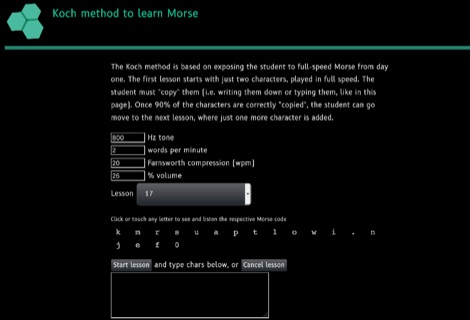 Learn Morse Online in 40 lessons with this web based morse code learning program, based on the Koch method. Choose the lesson, adjust the wanted parameters, and start the transmission of a set of random characters based on chosen lesson. Recognize the code and verify it at the end of the lesson.
 -
 MaraOnline.org, the online home of the Mid-South Amateur Radio Association, which has provided service and training since 1939
 -
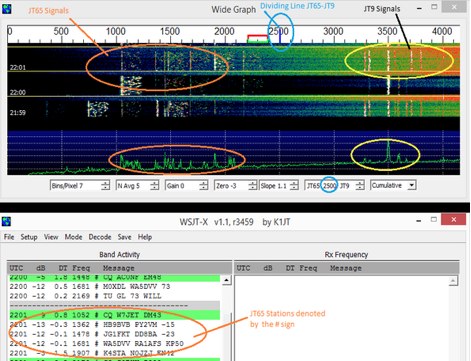 Guide to JT65A and JT9 via WSJT-X Software by Andy K3UK
 -
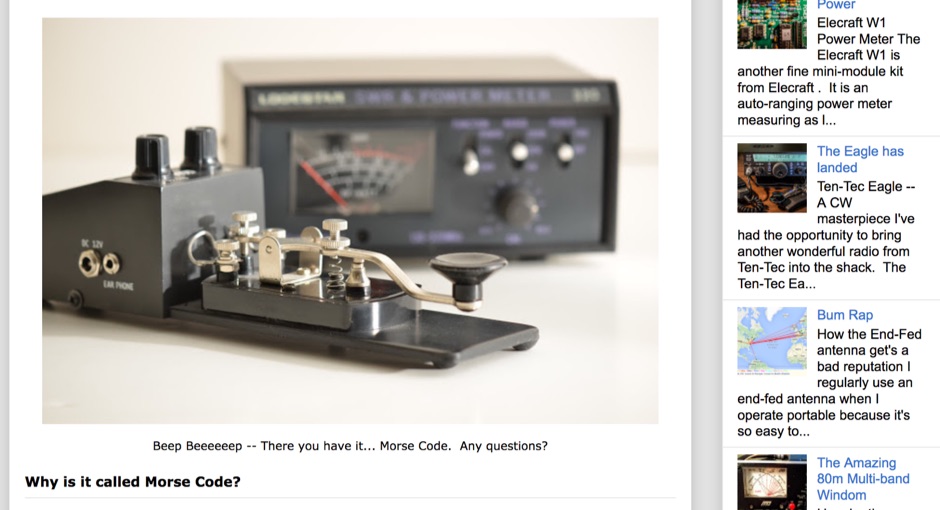 An interesting article dedicated to hams that want to start learning morse code, including notes on Methodology, online training tools, and a guide to Morse Keys
 -
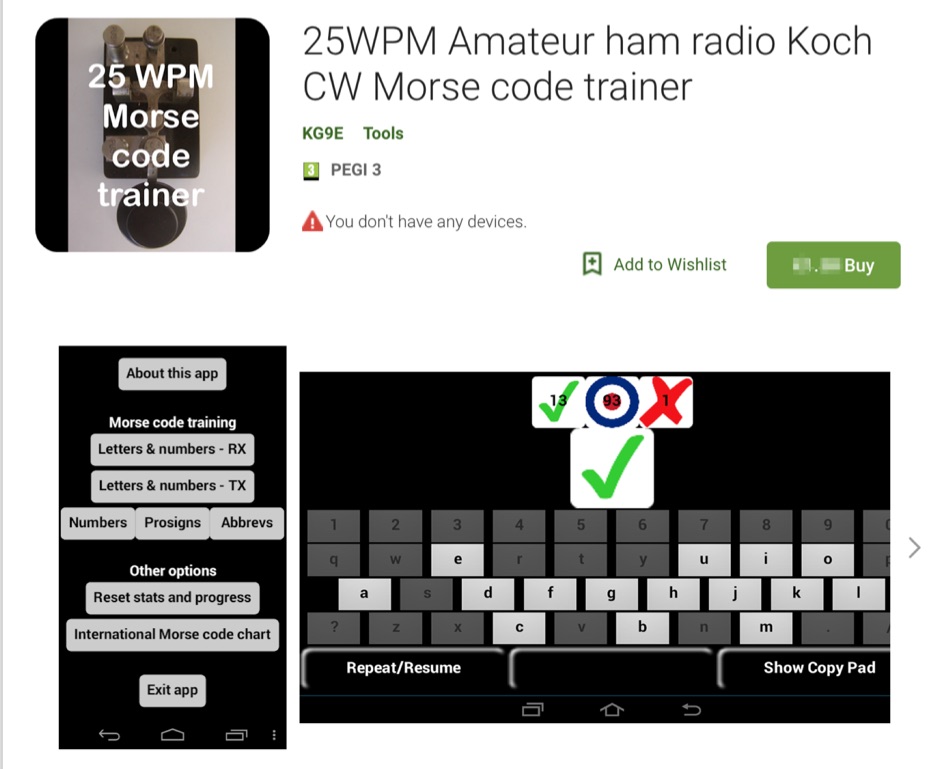 Learn to recognize Morse code at 25 WPM and not memorize DITs and DAHs at 5 WPM. This app will train you to hear and send Morse code at 25 WPM using an approach very similar to the Koch method.
 -
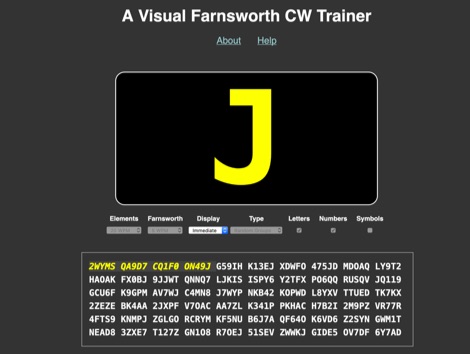 This trainer is a small personal project designed to play with learning morse code through the Farnsworth method. The main difference between this trainer and others is that I am experimenting with visual reinforcement by displaying the character currently being sent. It is my hope that this will help form a stronger link between the sound of CW and the meaning of the sound. This page should work in any modern desktop or mobile browser,
 -
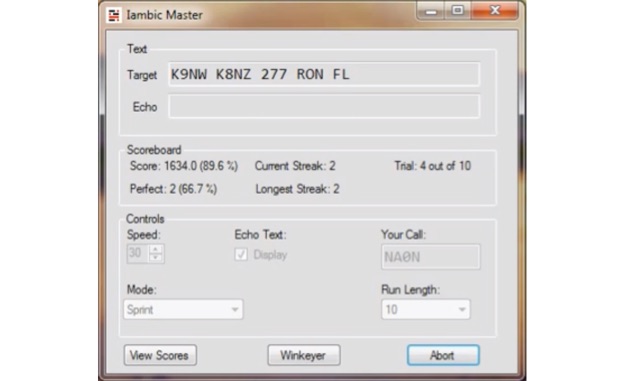 Free Windows program intended to be used as a training aid for sending CW using an iambic Winkeyer from K1EL Systems. Iambic Master operates as a game. The objective of the game is to send the text in the Target box as accurately as possible.
 -
 Le radio club de la Cote Basque, amateur radio pages about HF / VHF / UHF / digital modes, Projets with arduino and raspberry , training classes.
 -
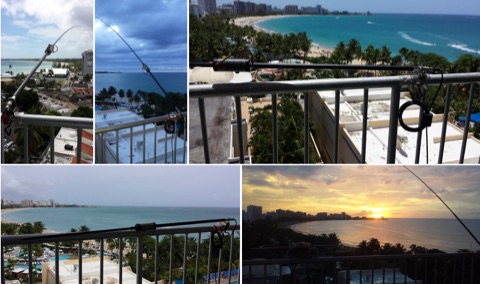 The Buddistick antenna, as demonstrated by KP4MD, effectively handles up to **250 watts** and provides coverage from 40 through 10 meters, with an optional coil extending operation to 80 and 60 meters. KP4MD's video presentation meticulously describes the antenna setup, emphasizing the critical role of the _shunting coil_ for achieving resonance on lower bands like 40 and 80 meters. This practical approach highlights how a compact antenna can deliver solid performance from a constrained location. SWR curve diagrams are included, clearly illustrating the impact of the shunting coil on the antenna's resonating frequency. These visual aids provide concrete evidence of the adjustments needed for optimal operation across different bands, particularly when space is at a premium. KP4MD's insights are particularly valuable for hams operating from apartments or other limited spaces, showcasing real-world results from a balcony installation.
 -
 The Poole Amateur Radio Society (G4PRS) conducts weekly meetings every Thursday from 19:30 to 22:00 at St Aldhelms Church Hall in Branksome, Poole. The society provides comprehensive training courses for all levels of amateur radio licensing, including Foundation, Intermediate, and Advanced qualifications, supporting new entrants and experienced operators in their progression through the UK licensing structure. Members engage in diverse aspects of the hobby, fostering a vibrant community for local hams. Key activities include participation in various contests and events, reflecting a broad interest in radio communications. The society's commitment to education is evident through its structured _licence training_ programs, which prepare candidates for RCF examinations. The club maintains an active presence, with interests spanning general amateur radio operation, contests, and technical experimentation, as indicated by its historical association with figures like _Marconi_ and its support for events such as JOTA.
 -
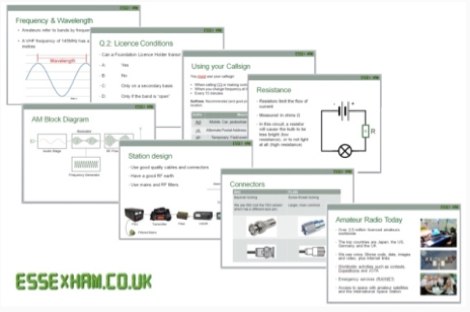 A series of slides, videos and handouts to help people get started in amateur radio in the UK.
 -
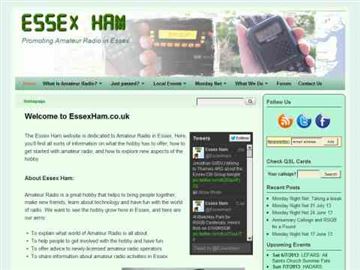 Essex Ham offers news of amateur events in Essex, details of training, helpful advice, a discussion forum and lots of useful information.
 -
 The Reno County Kansas Amateur Radio Assocation is based in Hutchinson, KS, providing Ham radio activites, repeaters, and training to local residents.
 -
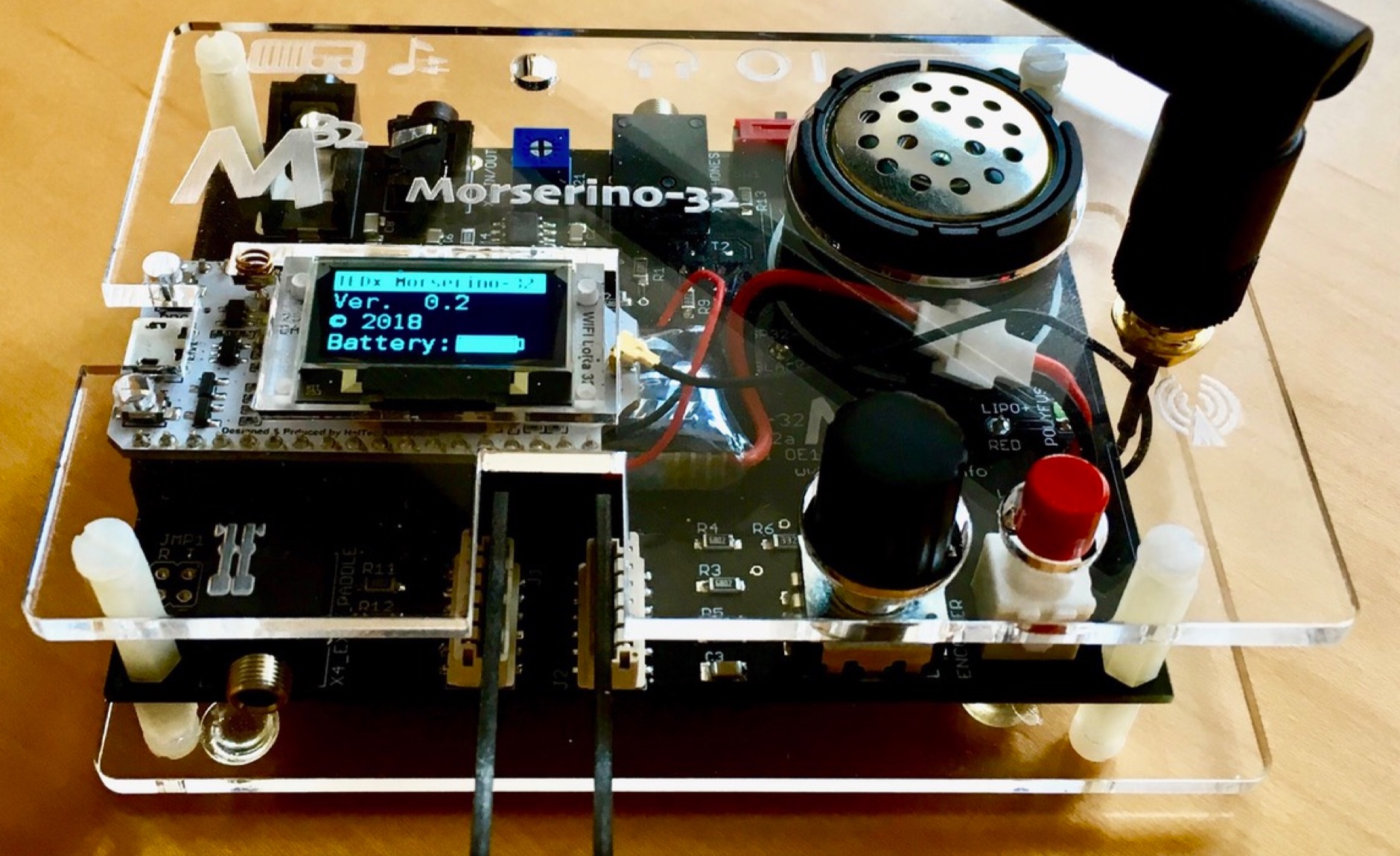 Successor to the Metamorserino, this is a multi-functional Morse code machine (Keyer, Generator, Trainer) that includes also a transceiver using LoRa on the 70cm band.
 -
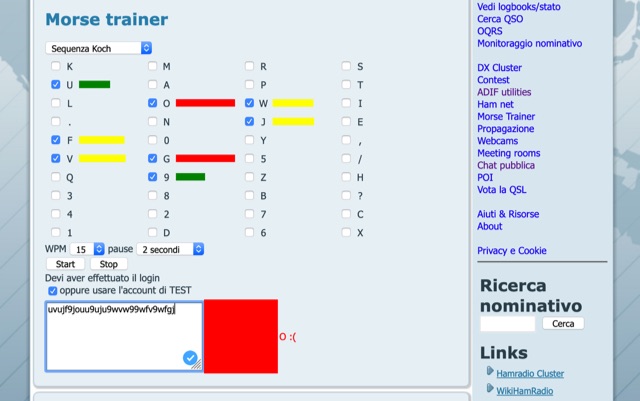 An online morse code trainer application that allows to select the digits and play them at the wpm speed you desire. While decoding will evaluate the results and will indicate your proficiency level