Search results
Query: card
Links: 309 | Categories: 13
Categories
- Technical Reference > Sound Card Radio Interfacing
- Technical Reference > Programming Radio > Cheat Sheets
- Software > Digital SSTV
- Internet and Radio > Humor
- Ham Radio > Blogs > Asia > India
- Manufacturers > Interfaces
- DX Resources > QSLing > International reply coupons
- Software > QSL
- DX Resources > QSL Bureaus
- DX Resources > QSLing > QSL Galleries
- Shopping and Services > QSL Printing
- DX Resources > QSLing
- Software > Signal Generator
-
 Electro-Voice Model 664 (EV 664) cardioid microphone, wiring diagram, pictures and data sheet
 -
 Amatuer Radio QSL Cards. Full Color QSL and Eyeball Cards
 -
 Includes W1BB Stew Perry letters, and a sample QSL cards of dated 1963
 -
 Interfacing ICOM radios with PC soundcard by W8WWV
 -
-
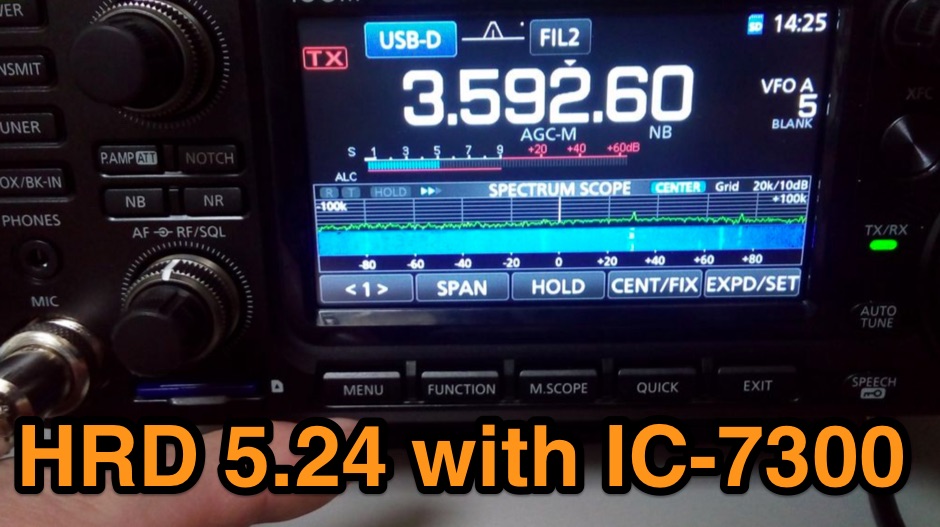 The Icom IC-7300 is a popular HF transceiver among amateur radio operators, known for its advanced features and ease of use. However, integrating it with software like Ham Radio Deluxe (HRD) can be challenging due to compatibility issues. This guide provides step-by-step instructions on how to configure the IC-7300 to work seamlessly with HRD 5.24, the last freeware version available. It covers the installation of necessary drivers, setting up virtual COM ports, and configuring audio settings for digital modes. To begin, users must download and install the Icom USB driver, which creates a virtual serial COM port for communication between the radio and the computer. The guide details how to check for this new port and adjust the CI-V address settings to ensure proper communication. It also explains how to set up the soundcard settings in HRD for digital modes, allowing operators to transmit and receive audio effectively. Following these instructions will enable IC-7300 owners to maximize their radio's capabilities with HRD.
 -
 Polish Callbook with search engine, QSL cards, photos and map generator.
 -
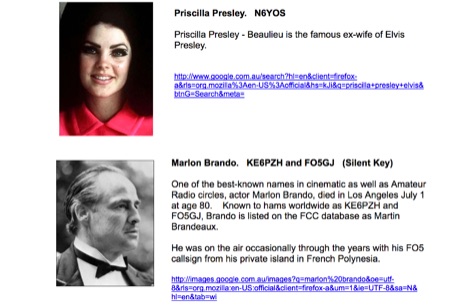 This page presents a curated list of individuals who have made significant contributions across various fields while also being active amateur radio operators. For instance, Dr. Joseph H. Taylor, co-winner of the 1993 Nobel Prize in Physics for the discovery of binary pulsars, is recognized for developing the _WSPR_ and _WSJT_ weak signal mode software. Similarly, Wilson Greatbatch, inventor of the cardiac pacemaker with over **150 patents**, is featured. The resource details the diverse backgrounds of these hams, from Professor Donald H. Menzel, an astrophysicist at Harvard, to Hiram Percy Maxim, often called "The Father of Amateur Radio," who also pioneered in the automobile and aviation industries. King Hussein of Jordan, JY1, is noted for his active participation on 20 meters, engaging with fellow amateurs like Pat Kilroy, WD8LAQ. Other entries include Arthur M. Young, designer of Bell Helicopter's first model, and Marlon Brando, KE6PZH/FO5GJ, known for operating from his private island in French Polynesia. Peggy Sue Gerron-Rackham, K5PSG, gained her license after a special event station, demonstrating the hobby's broad appeal.
 -
 The resource provides specific information regarding amateur radio operations from various French islands, focusing on geographical and visual data. It includes photographic documentation of locations and detailed maps, which are crucial for operators planning DXpeditions or seeking to understand the unique challenges and opportunities presented by island activations. The content aims to support enthusiasts interested in rare grid squares and IOTA (Islands On The Air) awards. While currently under maintenance, the site's stated future enhancements include QSL card examples, which would offer practical insights into confirmation processes for these specific entities. The emphasis on French islands distinguishes it from more general DX resources, providing a concentrated body of information for a niche but active segment of the amateur radio community, particularly those pursuing island-specific operating awards.
 -
 Educational software for Palm Pilot and Windows that quickly teaches Signal Flags and Morse Code using mnemonic techniques and a well designed flashcard program
 -
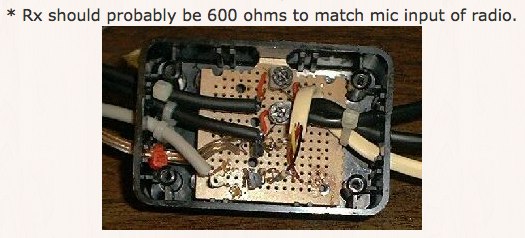 Computer Control and Soundcard Interface for the Icom IC 706
 -
 The Speaky HF SSB transceiver and other homebrew projects Homebrew of radio equipment, antennas, tuner, etc.
 -
 Explains the fundamental concepts of **PSK-31** digital mode, detailing its origins from phase shift keying and how it achieves a narrow 31 Hz bandwidth. George Rothbart, KF6VSG, demonstrates the signal's behavior on an oscilloscope, illustrating the 180-degree phase shifts that define its bit stream. The resource highlights PSK-31's superior signal-to-noise ratio compared to FSK, noting its 20 dB advantage over SSB, which enables reliable cross-country contacts with QRP power levels. It also delves into the unique **vericode** character encoding, which uses variable-length bit patterns to optimize data rate by assigning shorter codes to common characters, resulting in an average of 6.5 bits per character versus 10 for ASCII. The presentation concludes with practical guidance on assembling a PSK-31 station, outlining the necessary computer hardware, sound card, stable HF transceiver, and cabling, along with methods for PTT control via a COM port.
 -

-
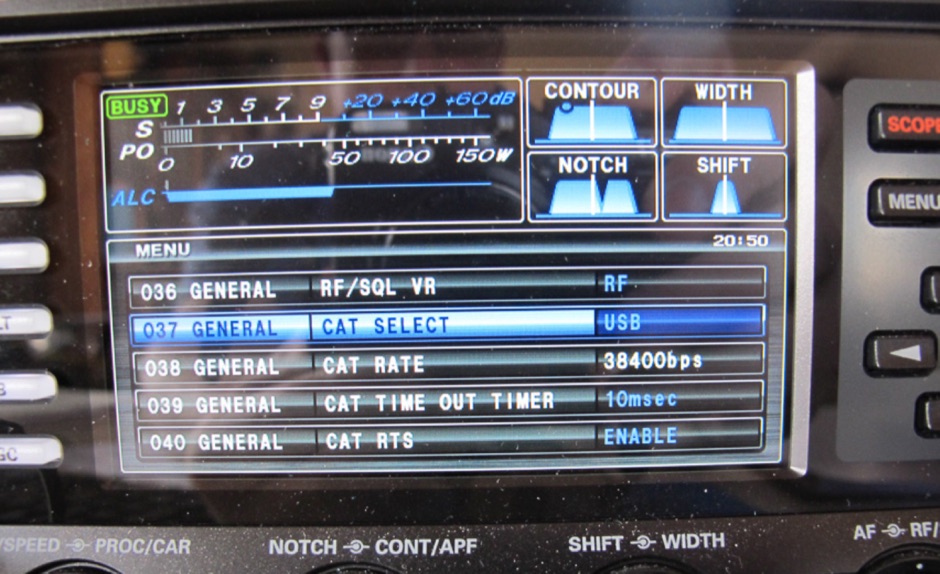 Yaesu FTDX3000 Sound card digital modes setup using internal USB interface
 -
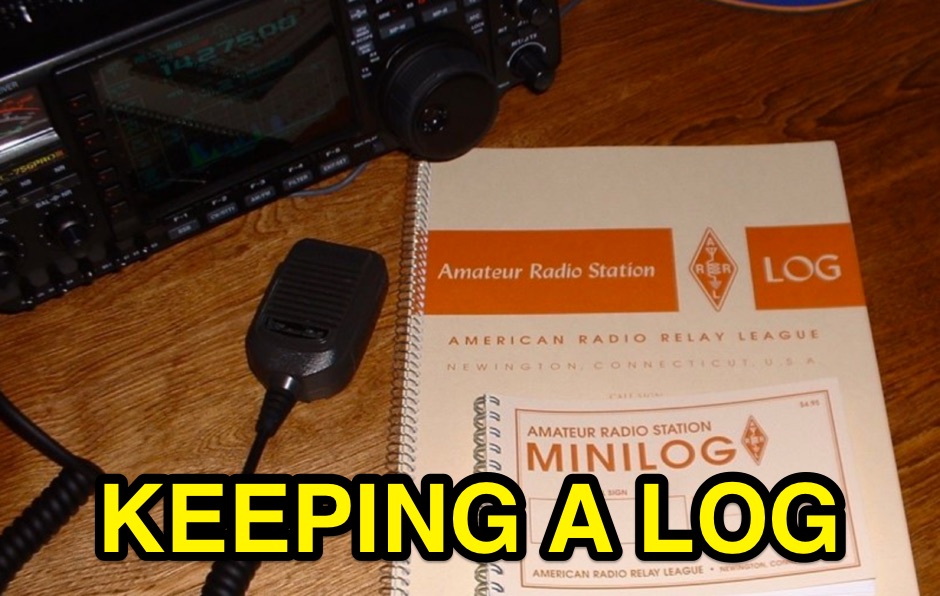 The reasons for logging your amateur activity fall into three categories: legal, operational and personal. Legally, a log of your transmissions would be invaluable in proving your innocence in an interference complaint. Operationally, having a log of past contacts is a resource when filling out that DX QSL card that may have taken months to arrive
 -
 slowrx is a Linux shortwave listener tool for receiving SSTV using a sound card by OH2EIQ.
 -
 Accurate calibration of your receiver and sound card is necessary for good results with the weak signal modes in use at LF. Modern receivers with master oscillators that are synthesized to provide all conversion frequencies greatly simplify the process. This article describes a method of making the necessary measurements and adjustments to an ICOM R75 receiver and a sound card, using the ARGO software
 -
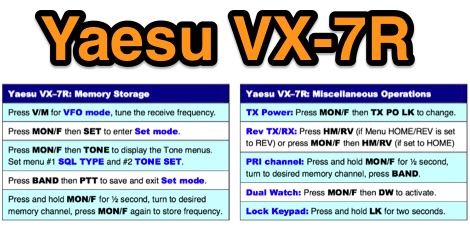 Printable Quick Reference Card for Yaesu VX-7R
 -
 Using a PC with soundcard as a VLF receiver, how to use your PC as a receiver for narrow-band signals in the VLF radio spectrum by DL4YHF
 -
 A simple PSK31/digital interface which can connect your transceiver to a PC soundcard for digital modes.
 -
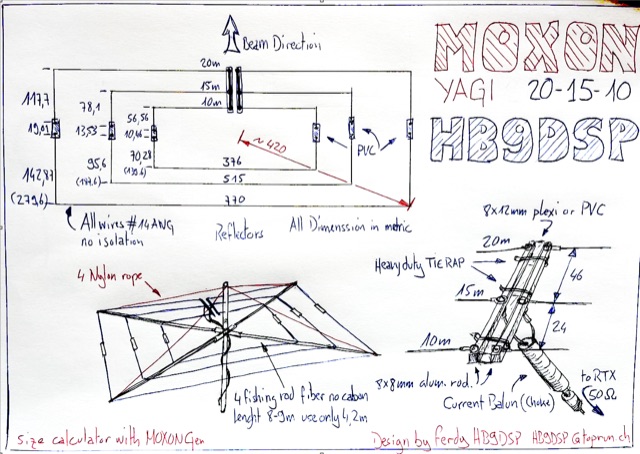 The QRZ.com callsign database serves as a fundamental resource for amateur radio operators worldwide, enabling rapid lookup of station information. Each entry, such as the one for _HB9DSP_, typically includes essential details for making and confirming contacts. Operators can find QSL routes, often indicating preferences like "via bureau or direct," which streamlines the exchange of QSL cards for award credit. Beyond basic contact data, these pages frequently offer insights into an operator's activities, including their participation in contests or DXpeditions. The platform also tracks metrics like "XML Subscriber Lookups," showing how often a callsign's data has been programmatically accessed, totaling **77670** for this specific entry. This functionality is crucial for logging software and other automated systems that rely on accurate, up-to-the-minute amateur radio data. While the page title mentions a "Home made multiband MOXON" antenna, the actual content primarily focuses on the callsign's biographical data within the _QRZ_ database.
 -
 A 200 kHz bandwidth digital transmission system for image transfer in the Amateur Service is under development, specifically targeting VHF allocations. John B. Stephensen, KD6OZH, leads this project under an FCC Special Temporary Authority (STA) valid until September 10, 2006, authorizing emissions up to 200 kHz bandwidth in the 50.3-50.8 MHz segment. Current regulations typically limit bandwidths to 20 kHz on VHF amateur bands, making this STA crucial for testing wideband digital modes. The modem, a modified **OFDM** (Orthogonal Frequency Division Multiplexed) unit, was initially tested on the 70-cm band. It splits a high-rate data stream into multiple low-rate subcarriers to mitigate multipath echoes. The system uses a DCP-1 card with a Xilinx XC3S400 FPGA and Oki Semiconductor ML67Q5003 microcontroller. The transmitter, located at 36d 46m 30s N, 119d 46m 22s W, generates 150 WPEP into an 8 dBi gain vertical antenna, while the mobile receiver uses a Ham-stick. Three data formats for 50, 100, and 200 kHz channels are being tested, with encoded data rates of 96, 192, and 384 kbps. Verilog code for the VHF OFDM modem is 95% simulated, with modifications from the UHF version including increased filter coefficient precision and a change from Ungerboeck **TCM** to BICM for improved performance over fading paths. Final tests will involve one-way over-the-air measurements of bit error rates and coverage area.
 -
 A small application that helps you to sort your outgoing QSL-card properly by UBA
 -
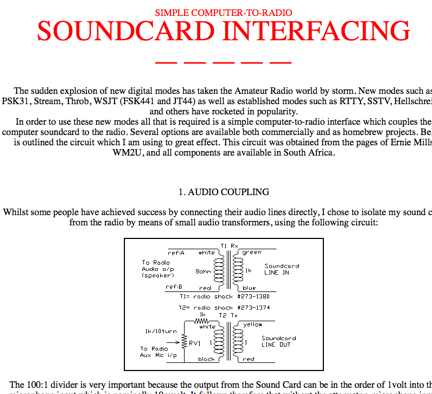 Homebrew your PC sound card to radio interface with this circuit obtained from the pages of Ernie Mills WM2U.
 -
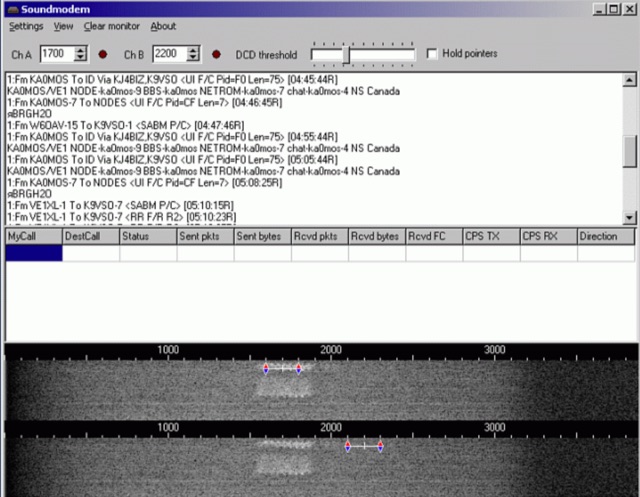 Soundmodem is a free software defined dual-port Packet-Radio TNC that implement a soundcard as a modem and supports AX.25 protocol. Soundmodem has been tested on Windows XP, Vista, 7, 8, 10 and has proved stable in operation. The Soundmodem may be used to build EMCOMM, APRS, BBS, Node station, for satellites
 -
 Custom QSL Cards, Full Color Custom QSL Cards, Offset Printing
 -
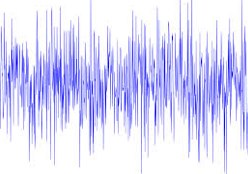 Noise Meter software for the noise meter tool by G8KBB that measure noise using a PC sound card and calculate noise figures by means of a calibrated noise source.
 -
 A little information about my equipment, qsl cards etc.
 -
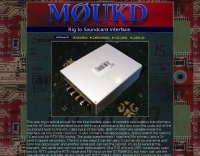 Practival project that contains two isolation transformers, one for AF from the tranciever to the line in on a soundcard, and one from the audio out of the soundcard back to the mic / data input of the radio. Both of which are variable inside the interface via two preset resistors.
 -
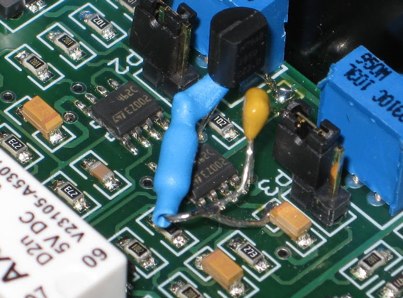 Modifications to the Tigertronics Signalink USB sound card
 -
 The 9W2VVH blog documents the amateur radio journey of Hussairy, focusing on his station setup and operational experiences from Malaysia. Content includes details about his _Yaesu FT-857D_ transceiver, which serves as the primary rig for HF, VHF, and UHF operations, often paired with a _G5RV_ antenna for HF bands. The site also features discussions on various aspects of ham radio, such as antenna experimentation and QSL card exchanges, reflecting a hands-on approach to the hobby. Operational updates frequently cover DX contacts and local ragchews, providing insights into propagation conditions and operating techniques from Southeast Asia. The blog serves as a personal log and sharing platform, showcasing the practical application of amateur radio equipment and fostering connections within the global ham community.
 -
 My personal page with a lot of INDIA FOX QSL Cards over 100.
 -
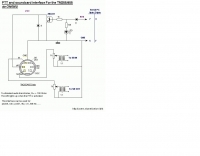 PTT and souncard interface for the kenwood TM255 and TM455
 -
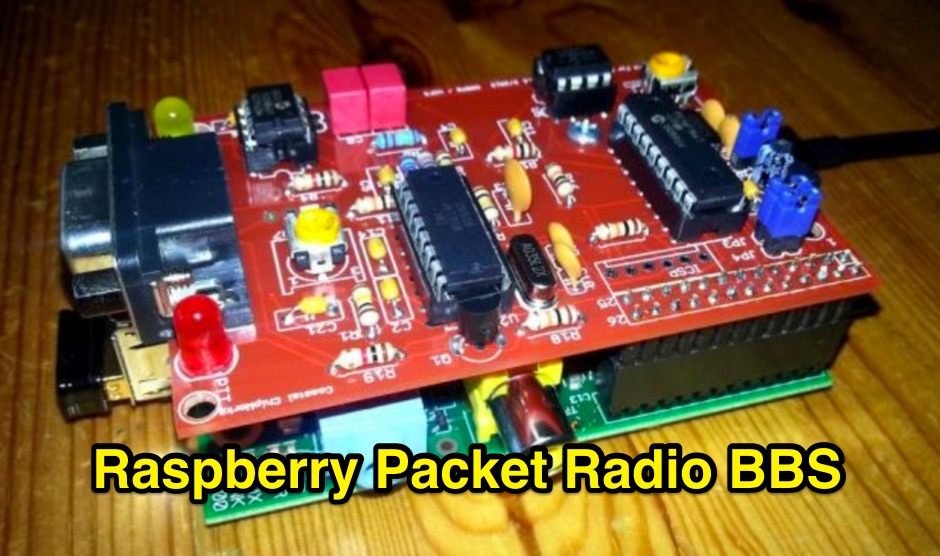 This page describes how to set up RaspBerry Pi Linux system with already configured AX.25 softwares on SD or micro SD cards
 -
 Qsl card printing, filling, distribution. complete qsl service from Bulgaria
 -
 QSL Cards from the past, ham radio QSL Card collection by W8JYZ
 -
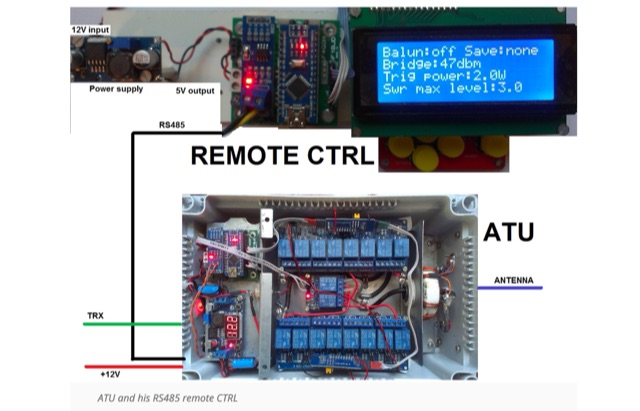 Make and automatic antenna tuner based on Arduino and using economic card. This ATU Project can be installed outdoors and controlled remotely by an rs485 link
 -
 October 2003 QST article on working digital mondes with sound card interfaces
 -
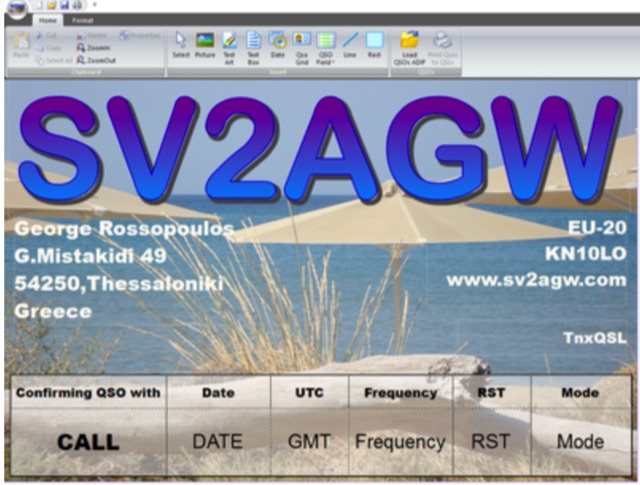 Designing your own QSL card is now easier than ever. This is a Program that helps you design and then Print your QSL cards filling them automatically with QSO data.
 -
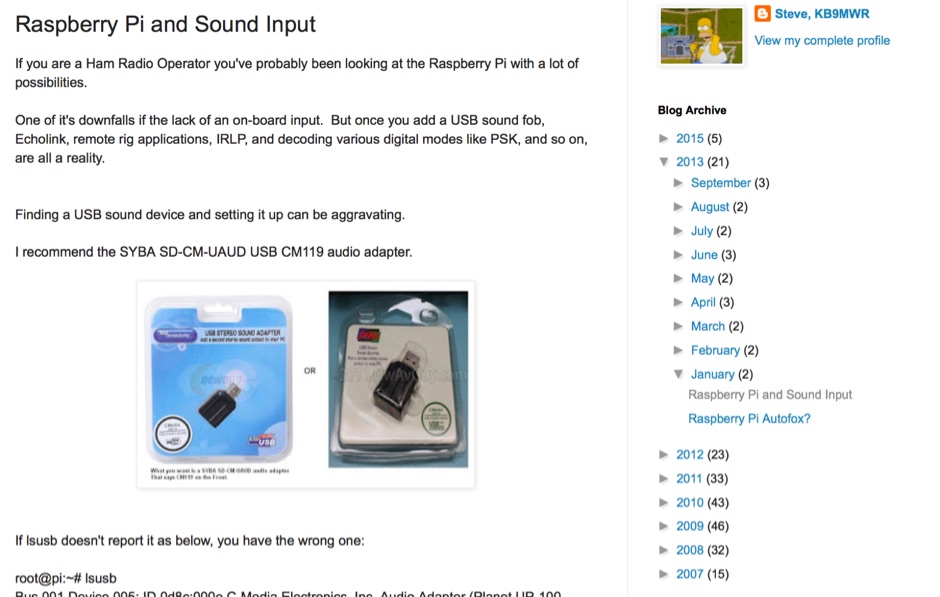 Connecting and configurig an USB Sound Card key to the raspberry Pi to allow digital mode decoding and remote rig applications
 -
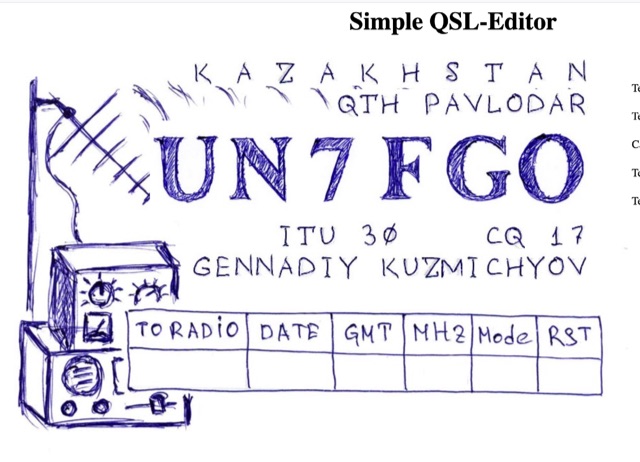 A funny online application that lets you build your own QSL cards based on templates. You can choose background text aligment and text to be printed on your card.
 -
 The _Sci.Electronics FAQ: Repair: RFI/EMI Info_ document, authored by Daniel 9V1ZV, provides a detailed analysis of computer-generated RFI/EMI, focusing on its impact on radio reception. It identifies common RFI sources such as CPU clock rates (e.g., 4.77 MHz to 80 MHz), video card oscillators (e.g., 14.316 MHz), and even keyboard microprocessors, all of which generate square-wave harmonics across HF and L-VHF regions. The resource outlines a systematic procedure for pinpointing RFI origins, including disconnecting peripherals and using a portable AM/SW receiver with a ferrite rod antenna to localize strong interference sources. The document categorizes RFI mitigation into shielding, filtering, and design problems, offering practical solutions for each. It recommends applying conductive sprays like _EMI-LAC_ or _EMV-LACK_ to plastic casings of radios, monitors, and CPUs to create effective Faraday cages, emphasizing proper grounding and avoiding short circuits. For filtering, the guide suggests using line filters, ferrite beads, and toroids on power and data lines, and small value capacitors (e.g., 0.01 uF for serial/parallel, 100 pF for video) to shunt RFI to ground. It also discusses the use of bandpass, high-pass, low-pass, and notch filters on the receiver front-end or antenna feed to combat specific in-band noise.
 -
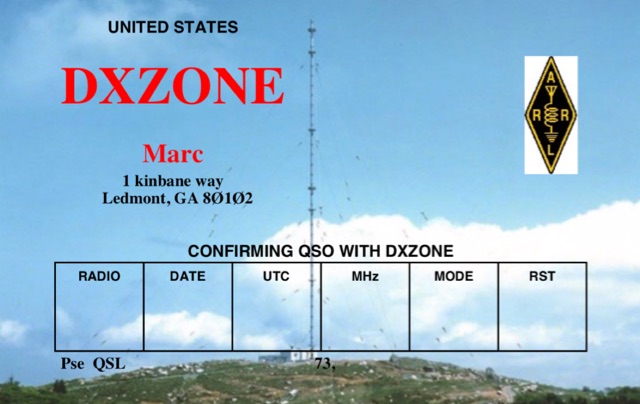 This webpage allows you to create custom QSL cards (confirmation of radio contact) as PDFs for printing. You can personalize them with images and information. The cards are standard size (5.5" x 3.5") but can be adjusted slightly for easier printing on regular paper. You'll need Adobe Acrobat Reader to view the PDFs. There's also an option to create a free account to save your information for future cards.
 -
 The Dilawri Cardiovascular Institute (DCI) is a prominent Canadian organization dedicated to advancing cardiovascular health through cutting-edge research, equitable patient care, and medical innovation. It integrates 16 core centers, including specialized units like the Centre for AI, Data Science, and Imaging, and the Centre for Heart Rhythm, to bridge research findings directly into clinical practice. Their mission emphasizes providing world-class cardiac care accessible to all patients, regardless of their geographic location, by employing disruptive innovation and creative strategies to reach individuals faster. The institute focuses on a team-based approach, ensuring patients receive the correct therapy at the optimal time for long-term well-being. DCI's commitment extends to continuous growth through education, pushing boundaries beyond standard care, and fostering a respectful, inclusive environment for both staff and patients. They lead industry collaborations to shape the detection, treatment, and management of heart disease.
 -
 The MT-63 modem, constructed around a high speed DSP processor, either in a dedicated external DSP unit like the Motorola EVM, or in PC software using the PC sound card, transmits 64 tones spaced 15.625 Hz apart, in the 1 kHz bandwidth.
 -
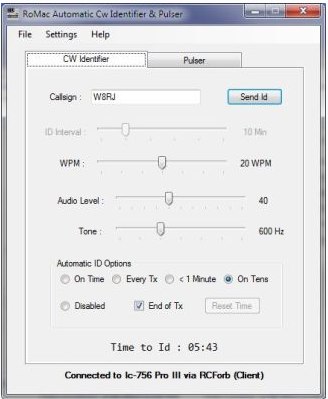 Demonstrates the _RoMac Automatic CW Identifier 2012_ software, a Windows application designed to automate station identification and provide a tuning pulser. It can send CW identification via a sound card's audio output or by keying a radio's manual CW jack using a serial port's DTR line. The software also supports CAT commands for various Kenwood, Yaesu, Flex, and Elecraft radios, enabling automatic mode and frequency changes for ID transmission. It integrates with USB audio-capable radios like the Icom 7300 and Yaesu FT-991, simplifying connectivity with a single USB cable. The application features a fully programmable interface, adjustable CW speed from **5 to 35 WPM**, and ID intervals from **5 to 30 minutes**. The integrated "Pulse Tuner" function allows for safe amplifier and antenna tuner adjustments by sending short audio tones or rapid CW keying, with an adjustable duty cycle from 1% to 100%. It offers compatibility with a wide range of transceivers and amplifiers, and a schematic for a basic sound card interface is included for users without existing setups.
 -
 Forget about spending expensive time and big money for QSL cards printing, filling out, sorting and sending. Exchange QSL information system.
 -
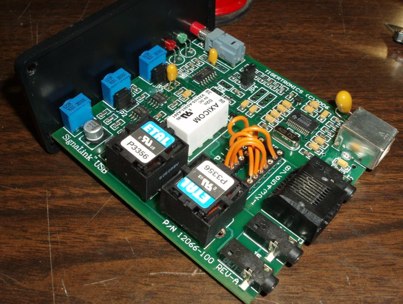 Some modifications for the Tigertronics Signalink USB sound card radio interface
 -
 MF TeleType is a program for amateur radio digital communication via sound card, ham radio chat program for extra reliable text transmissions over long distance