Propagation Resources: Comprehensive Guide & Theory Reference
Explore Radio Wave Propagation

Radio wave propagation is fundamental to understanding how signals travel through the atmosphere. This category provides extensive resources that cover the theoretical aspects of propagation, including the influence of solar activity on radio frequencies. Users can explore topics such as the ionosphere, solar flux, and geomagnetic conditions, which are critical for predicting propagation opportunities. The resources include articles, guides, and real-time data that help amateur radio operators and enthusiasts grasp the complexities of radio signal behavior across different frequencies and conditions.
Key concepts include understanding solar indices, analyzing UHF signals, and the effects of atmospheric layers on signal transmission. Resources such as the Radiowave Propagation Center and various propagation theory notes provide valuable insights into the science behind radio communications. Additionally, practical tools for analyzing propagation phenomena are available, aiding users in applying theoretical knowledge to real-world scenarios.
Related Categories
-
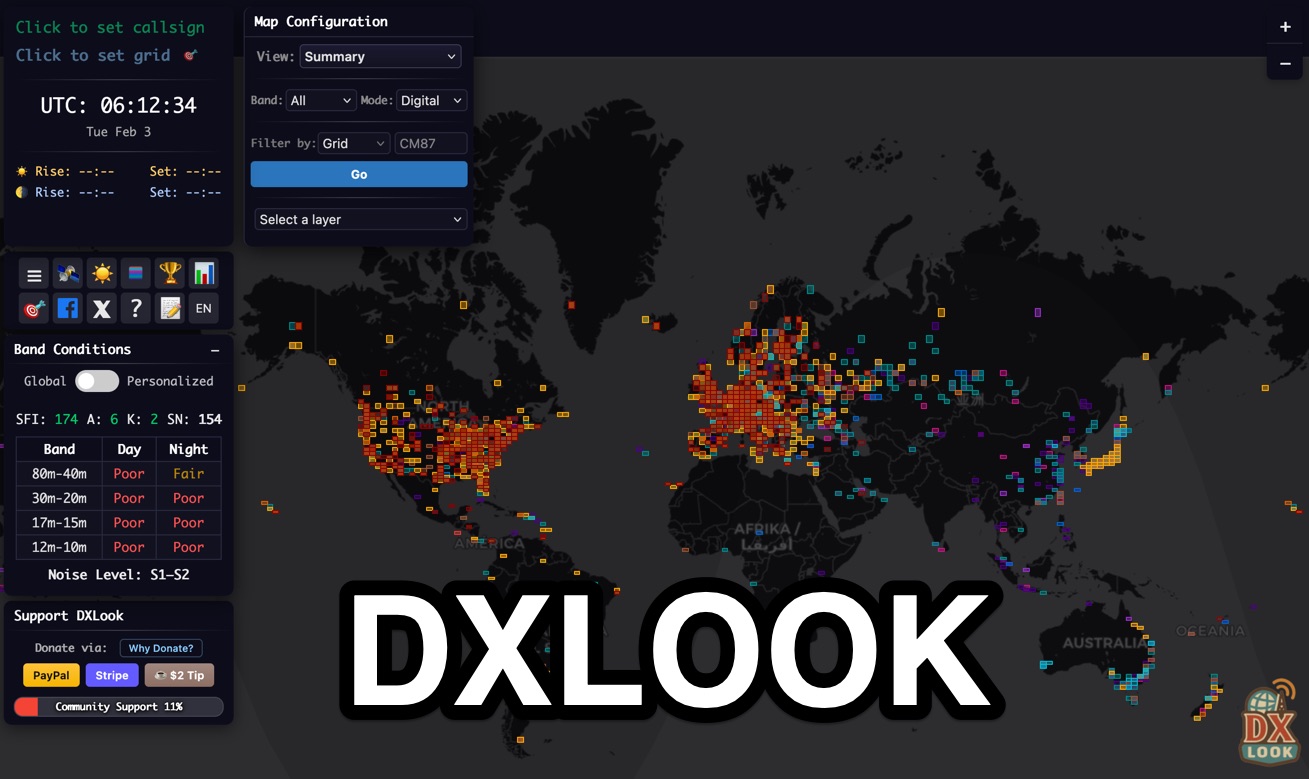 DXLook is a free, web-based propagation platform that delivers comprehensive, real-time insight into HF and VHF conditions directly from any modern browser. It aggregates live spots from PSK Reporter, WSPRnet, RBN, and DX Cluster, complemented by NOAA space-weather metrics such as SFI, K/A indices, and geomagnetic alerts. Integrated VOACAP predictions allow practical "theory versus reality" comparisons, while the interactive world map with filters, gray line, and grid overlays enhances situational awareness. With no installation or maintenance required, DXLook provides a convenient, accurate, and accessible solution for everyday operating and propagation analysis.
 -
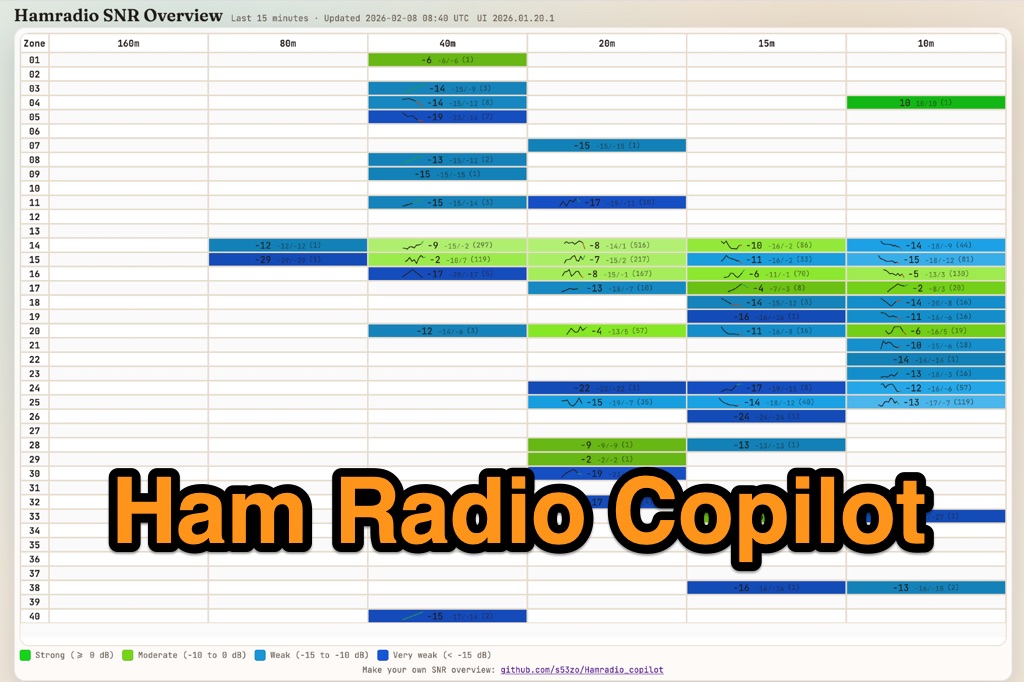 Hamradio_copilot is an open-source tool designed for DXers and contesters who need real-time situational awareness. It is ideal for operators who want to visualize propagation trends instantly rather than scrolling through raw text streams of cluster spots. Rally acting as a copilot for your station, this tool transforms raw data into actionable intelligence. By visualizing Signal-to-Noise Ratios (SNR) across different bands, it helps operators make quick decisions on which band to prioritize or where to point their antennas, effectively showing not just who is on air, but where the propagation is currently open from your location. This is a fantastic information for avid contesters. The software aggregates data from two primary services: - Reverse Beacon Network (RBN) via Telnet. - PSK Reporter via MQTT feeds. It processes this data to generate a comprehensive HTML report featuring SNR heatmaps and statistical breakdowns by ITU Zone. Users can filter data by specific zones or country codes (ADIF), analyze historic time ranges, and optionally integrate solar weather data. The complete source code is available on GitHub, allowing for community customization. It is written in Python and uses SQLite for data management.
 -
 Amateur projects to investigate radiowave propagation - G3PLX's chirp project, ionosonde database, and more
 -
 Live space weather and propagation data, in RSS (XML) format.
 -
 Amateur radio propagation studies (science, research, engineering, operating) and the BeamFinder propagation analysis software
 -
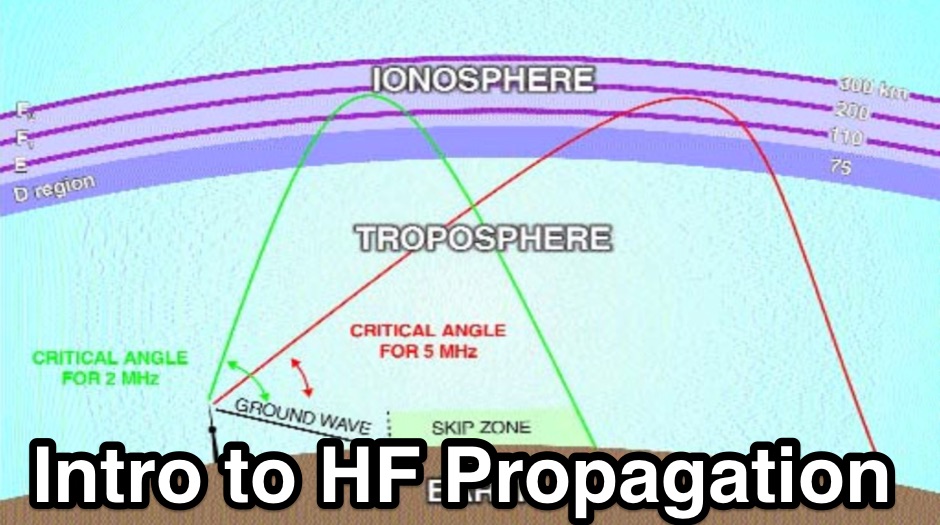 This article is designed to be an introduction to the terms and basic mechanics of propagation methods that are to be found on the HF and VHF bands.
 -
 With spectrum analysis of beacon signals, it's possible to see features relating to various propagation phenomonen.
 -
 Thierry LOMBRY, ON4SKY, develops in several long articles the bascis of propagation. His website includes also a French section dealing with auroras.
 -
 Exaustive introduction to radio wave propagation, includes a very detailed glossary on common propagation terms, composed by AE4TM.
 -
 W0RW article that guide you to using beacons to determine dead bands or upcoming propagation openings.
 -
 This page contains dynamically updated propagation information.
 -
 Article on propagation basics. The ground wave used for radio communications signal propagation on the long, and medium wave bands for local radio communications
 -
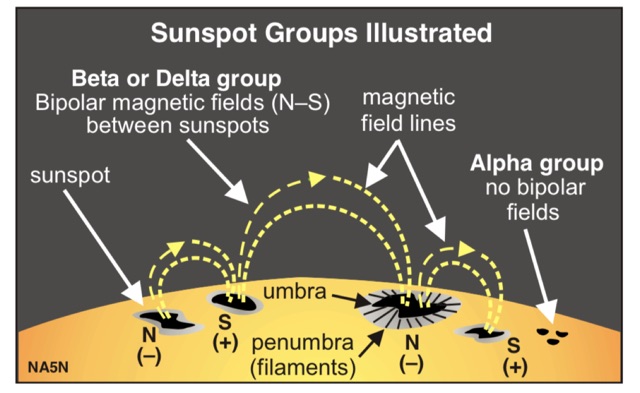 Paul Harden NA5N has produced a superb guide to solar activity and HF propagation for the QRPer
 -
 Solar activity can aid or hamper HF propagation beyond line-of-sight range, WA1SVF and N6BV answers to questions about Sun influence on radio signals propagation
 -
 Flash Movie describing HF (shortwave) radio propagation to beginners. Very helpful aid in understanding.
 -
 Create Online Maps, Check Forcasts and Conditions, more features being added each month, by hfradio.org
 -
 Radiowave propagation in the medium and high frequency spectrum in DOC format
 -
 Ionospheric Data Archived at NGDC
 -
 T index explained BY NOAA
 -
 Some test circuits using the ACE-HF System Simulation & Visualization software, about reciprocal propagation on HF bands by NW7US
 -
 Layman level explanations of "seemingly" mysterious LF MF and HF propagation occurrences.
 -
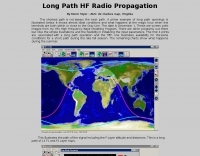 Long path hf radio propagation is sometimes the best path to work dx, since the shortest path is not always the best path.
 -
 Add Solar-Terrestrial data to your website, by adding a simple html code to your pages by Paul L Herrman
 -
 This page is about the RSGB's Propagation Studies Committee, its work, services and current projects, together with guides to where to find more about matters relating to propagation on the Internet at all levels from introductory to professional. Watch this space!
 -
 overview of radio signals and radiowave propagation and how different areas of the atmosphere affect radio communications.
 -
 11 Years of monthly propagation reports from February 1988 to January 1999 by AD5Q
 -
 Spread Spectrum Scene. Radio Propagation notes, with downloadable files.
 -
 This is about Small Antenna types and their properties which can help choosing proper antenna for high-frequency wireless communications as: two-way radio, microwave short links, repeaters, radio beacons or wireless telemetry
 -
 Providing solar on-line activity resources for the joy of solar science exploration
 -
 Lights on why 160 meters is so unpredictable and what is being done to reveal its secrets
 -
 The DXrobot provides automatic real-time E-skip and aurora alerts for VHF bands (50, 70, 144 MHz) via email or SMS, with separate systems for EU and NA
 -
 Influence of the ionosphere on the EME signals by EAVQ
 -
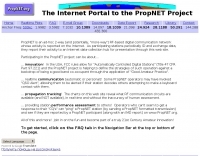 PropNET is an ad-hoc 2-way (and potentially, "more-way") RF-based digital communication network whose activity is reported on the Internet. As participating stations periodically ID and exchange data, they report their activity to an Internet data-collection hub for presentation through this web site.
 -
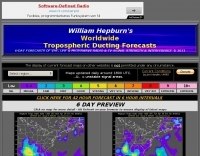 William Hepburn's Daily Tropospheric Ducting Forecast.
 -
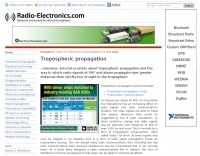 Article about tropospheric propagation and the way in which radio signals at VHF and above propagate over greater distances than strictly line of sight in the troposphere
 -
 Quick reference table on understanding A K SFI indexes and how can be translated in usable frequency opportunities
 -
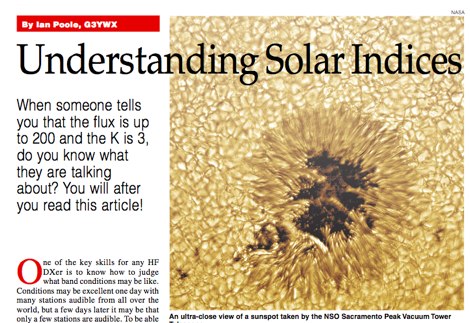 Solar Flux, Geomagnetic Activity indexes and interpreting their relation
 -
 Summary, tutorial about the basics of what is a waveguide and the basic waveguide theory.
 -
 Discover the key facts about what radio propagation is, the different types available and how they affect different frequencies.
 -
 Solar Flux reports, Current Alerts and Warnings from NOAA, 27 day forcast from NOAA, charts reflecting the past 7 years Solar cycle summary charts from NOAA
 -
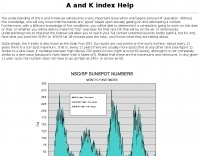 The understanding of the A and K indexes will become a very important issue when one begins serious HF operation.
 -
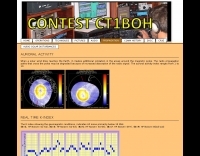 Collection of real time solar data by CT1BOH
 -
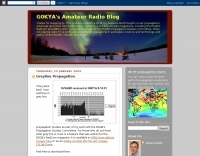 About greyline propagation in HF bands
 -
 Radio wave propagation describes how radio waves travel from one point to another, classified as ground waves, skywaves, and free space propagation. Ground waves propagate over the earth's surface in low/medium frequencies, bending around obstacles but limited to short ranges. They enable AM/FM broadcasting and military submarine communication.
 -
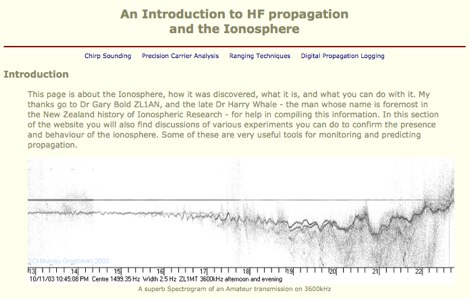 This page is about the Ionosphere, how it was discovered, what it is, and what you can do with it.
 -
 Detailed analysis of 137 kHz LF propagation, covering ground wave and sky wave mechanisms, field strength predictions, and solar activity effects.
 -
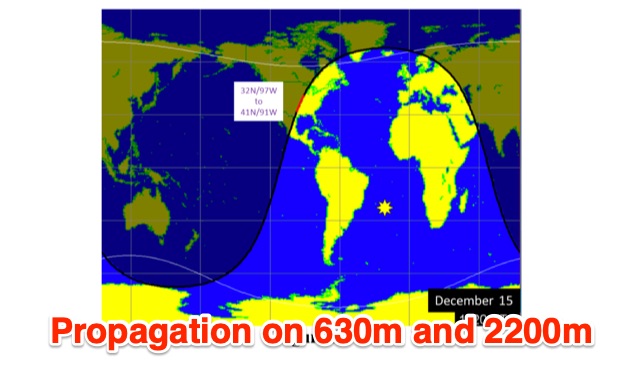 This is a theoretical look at propagation on 630-Meters and 2200-Meters using ray tracing software. It expands on the brief discussion in the ARRL Handbooks. The Earth's magnetic field affects 630-Meter and 2200-Meter band propagation. Lower ionization reduces absorption, aiding low-frequency propagation. Differences exist between bands, limited daytime sky-wave propagation. Sunrise/sunset show promise, yet mechanisms are unclear. Ducting possible at night in specific conditions. Negative ions enhance propagation. Inefficient antennas and high man-made noise are anticipated. Groundwave propagation is significant on 2200-Meters.
 -
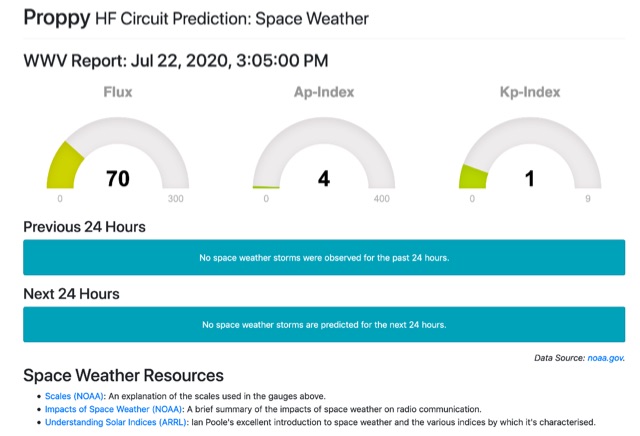 Current space weather condition gauges, with solar indices taken from the latest WWV report
 -
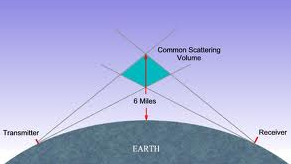 A collection of ad Hoc empirical comments on VHF radio waves propagation by Pete Heins N6ZE
 -
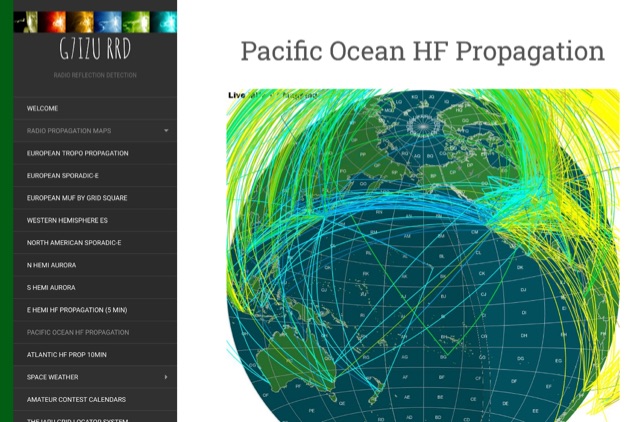 Welcome to the G7IZU Radio Reflection Detection website. This site provides also Live Solar Events, and propagation map
 -
 Article about the essentials of radio signal path loss, its causes and prediction, and its use in radio coverage and wireless survey tools
 -
 Introduction to shortwave propagation
 -
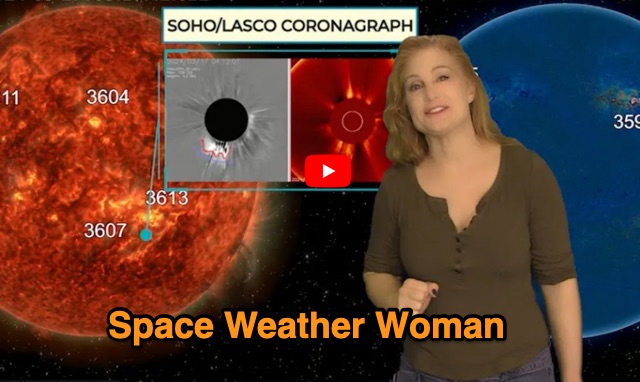 Website dedicated to weekly space weather forecast and updates on current solar activity. Dr Skov provides video forecasts and weekly audio forecasts
 -
 The Big Gun's Guide" is a comprehensive exploration of low-band propagation, aimed at serious Amateur Radio operators. It delves into the complex physics of the ionosphere at lower frequencies, contrasting it with HF propagation. The book covers essential topics like ionospheric fundamentals, propagation mechanisms, magneto-ionic effects, and disturbances. It also addresses the challenges of low-band DXing and provides insights for overcoming them. Brown's work is detailed and technical, offering valuable knowledge for those seeking to master the intricacies of low-band communication
 -
 Introduction to troposcatter or tropospheric scatter propagation using the troposphere
 -
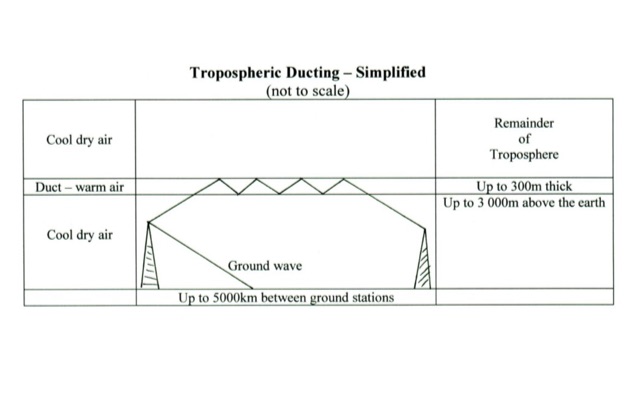 In the spring and during certain climatic events, radio waves can travel long distances due to an atmospheric phenomenon called Tropospheric Ducting.
 -
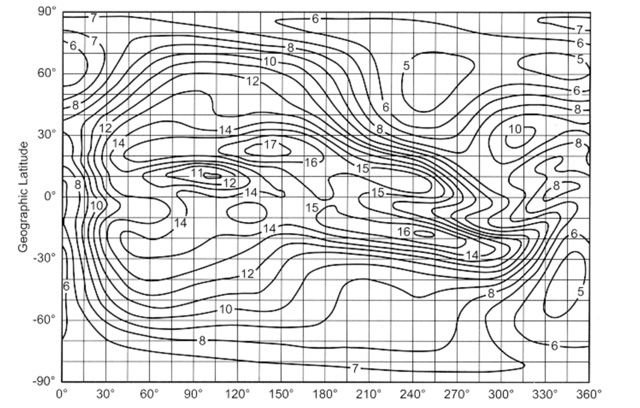 Come learn why it is very difficult to predict propagation on the top band. Ionospheric Variability, Time Variations of Ionospheric Parameters, Atmospheric Gravity Waves, Ionospheric Absorption and The Role of Negative Ions.
 -
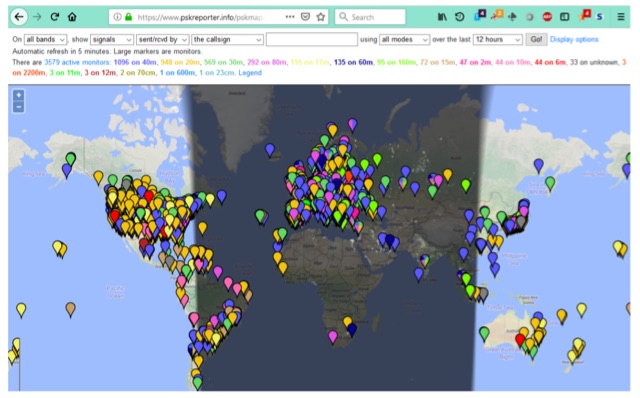 PSK Reporter,is a powerful tool for monitoring your FT8, JT65 or PSK signals around the world. But, even if you are not transmitting on any of these modes it can still be a great propagation tool for determining which bands are open and to where in the world signals from your area are being heard.
 -
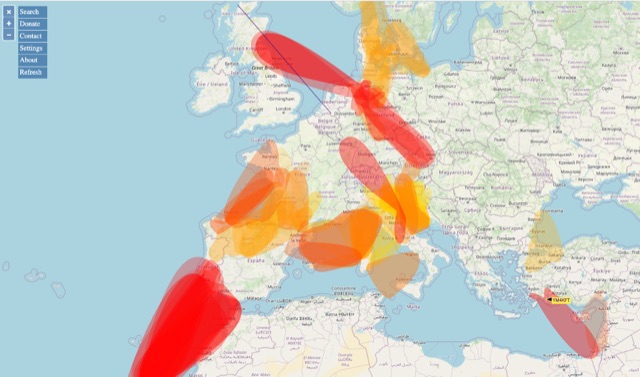 VHF – Based on realtime APRS reports. This map shows real-time radio propagation from stations operated near 144 MHz. It uses data gathered by Automatic Packet Reporting System-Internet Service (APRS-IS) from packet stations in the amateur radio service. The map shows activity from the past hour. Paths are smoothed to create a color-coded footprint indicating the distance VHF signals are likely to be traveling.
 -
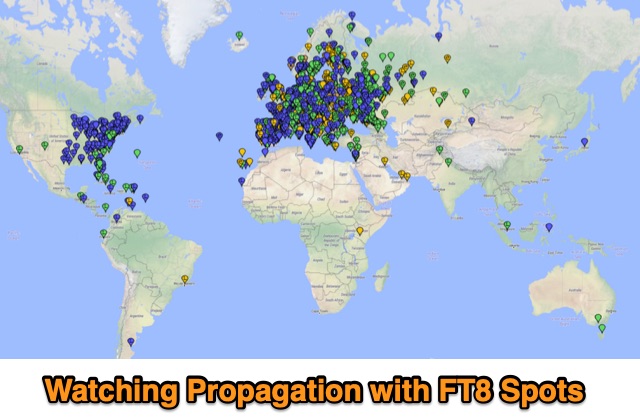 Monitoring propagarion during the day using FT8 reception reprts to determine openings and quality of propagation
 -
 What the Numbers Mean, and Propagation Predictions--a brief introduction to propagation and the major factors affecting it.
 -
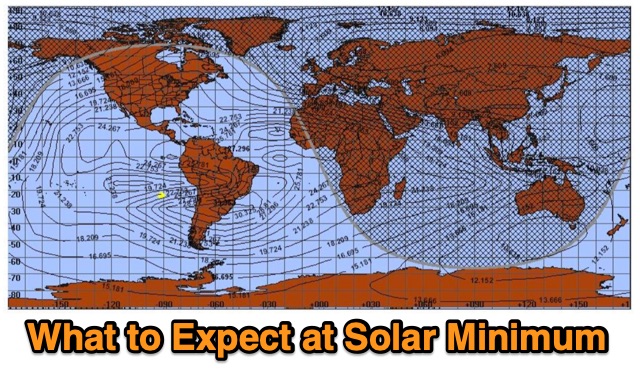 Article on operating aids and band usage during solar minimun periods. Author tries to explain what can we expect on the HF bands during a solar minimum period and which approach to be used to understand band openings.
 -
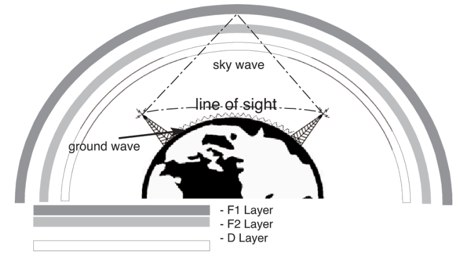 A nice article expleraing why during the sunset it's possible to listen to long distance radio broadcasting stations.