Search results
Query: http
Links: 15220 | Categories: 0
This query is too generic. Please try adding an additional term to focus your research.
-
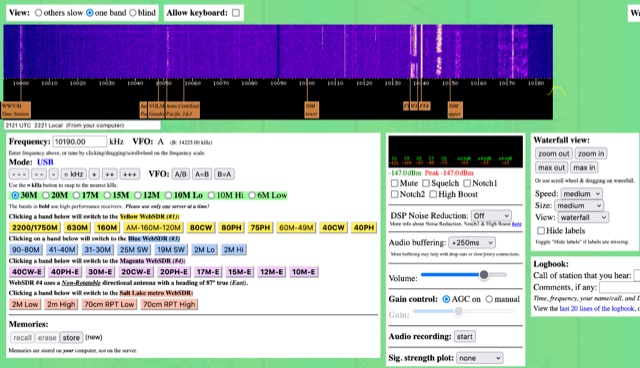 This online WebSDR is located near Corinne, Utah, has coverage on all U.S. amateur HF, MF and LF bands, 2 meters, the bottom 1 MHz of 6 meters, and several shortwave broadcast bands.
 -
 A QRP association of amateur radio operators based in Sardinia Island Italy
 -
-
 Design for a dual-band CW transceiver using the AD9834 Direct Digital Synthesizer
 -
-
 Fort Walton Beach FL
 -

-
 PACTOR-III is a software upgrade for existing PACTOR-II modems that provides a new data transmission mode for improved speed and robustness. PACTOR-III is not a new modem or hardware device. Most current PACTOR-II modems are upgradeable to use PACTOR-III via a software update since PACTOR-II firmware accommodates the new PACTOR-III software
 -
 This resource examines the appropriate use of /M (mobile) and /P (portable) suffixes in amateur radio callsigns, specifically within the context of the UK Amateur Radio Licence. It addresses common ambiguities and challenges in determining operational status, such as operating from a summit or while walking. The discussion references the licence version in force before February 21, 2024, noting that while current regulations recommend but do not specify suffix use, the prior definitions remain relevant for understanding common practice. The content dissects key sections of the licence, including "Notes to the licence" (d)(i-iii) which outlines /A, /P, and /M usage based on location, and "Temporary Location" (jj) which defines /P operations. It also clarifies "Mobile" (17(1)(x)) as operating in or on a vehicle, on a pedestrian, or on a vessel on inland waters. The author provides examples and recommendations for choosing between /M and /P when both might apply, such as when operating from a parked car with a deployed mast or using a handheld on a summit. Historical notes from M1MAJ, G8ADD, and G6MZX are included, tracing the evolution of suffix rules from pre-BR68 days to the 1977 licence version. These historical perspectives highlight how past regulations have influenced current interpretations and persistent myths regarding /M usage. The resource emphasizes making an informed choice based on the licence and communicating the station's operational circumstances clearly.
 -
 Alternate means of raising your tower with readily available boat and engine hoists. Examples of working tower hoists with links to manufacturers.
 -
 Logging program for Manchester Mineira contest CWJF
 -
-
 Computers, TV's, and Switching Systems can cause noises to your receiver
 -
 The Pecker is a software application that emulates an existing hardware amplifier tuning aid operated in SSB mode as apposed to CW or AM. As such no carrier is used by G7EIX
 -
 A new, simple way to build the Eggbeater Antenna. This document introduces a new, simpler way to build the Eggbeater antenna. It also introduces a technically proper way to construct the Eggbeater antenna in order to achieve the best result.
 -
 A 38-foot Tristao Tower, similar to the U.S. Tower HDX538, was installed twice by the author, first in 1980 and then reinstalled in 1989. The resource details the challenges of self-performing heavy construction tasks like breaking concrete and digging a 3' x 3' x 6' deep footing, contrasting it with hiring professionals for the second installation. It highlights the financial and physical costs associated with DIY tower foundation work, noting a rebar cage cost of $65 in 1980 versus $150-$175 today, and the expense of tools for bending rebar. The content emphasizes the critical importance of obtaining building permits, recounting how a permit in Buena Park, California, nullified a neighbor's complaint about TVI. It also discusses the necessity of adhering to local building codes, such as the 1975 UBC and the subsequent 1985 UBC recertification requirement, which reduced the allowed antenna wind loading from 30 square feet to 20 square feet for the author's _KT34A_ Yagi. The footing depth also increased from 6 feet to 6.5 feet under the newer code. Practical advice includes hiring licensed contractors for specialized work, delaying antenna installation for a month after raising the tower, and verifying buried utilities before any excavation. The author provides specific examples of utility location services like _DigAlert_ in California, underscoring the legal and safety implications of neglecting this step. The narrative is grounded in personal experience, offering a realistic perspective on tower projects.
 -
 This circuit came out of some work done for two antenna analysers
 -
-
 Since they were first described by the French mathematician Benoit Mandelbrot in the mid-1970s, repeating geometric figures known as fractals have fascinated computer scientists, mathematicians and graphic artists.
 -
 Manufacturer & distributor of vacuum tubes for all applications, we guarantee best service,pricing & delivery and we also guarantee sameday shipping.
 -
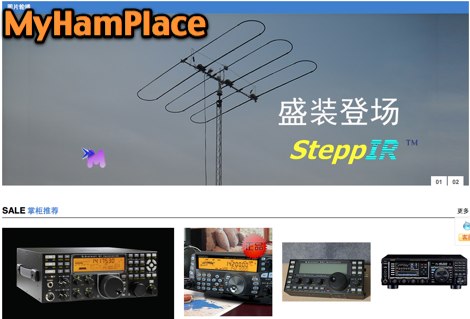 MyHamPlace is a online amateur radio shop based in China dealer for Heilsound, Elecraft, MFJ, Yaesu , Kenwood and other popula ham radio brands
 -
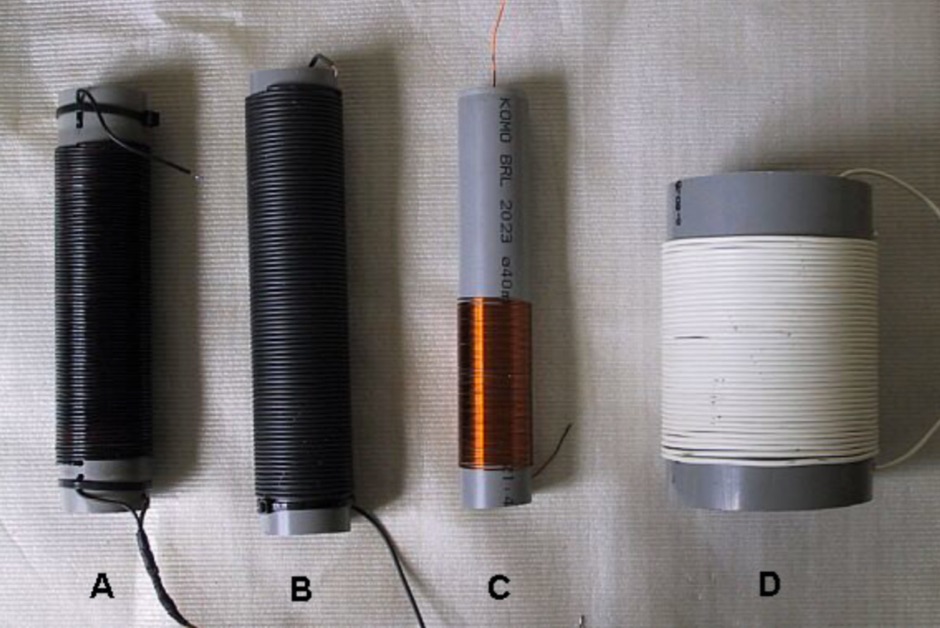 Skin effect and proximity effect on making coils with stranded wire. An interesting comparison on making coils.
 -
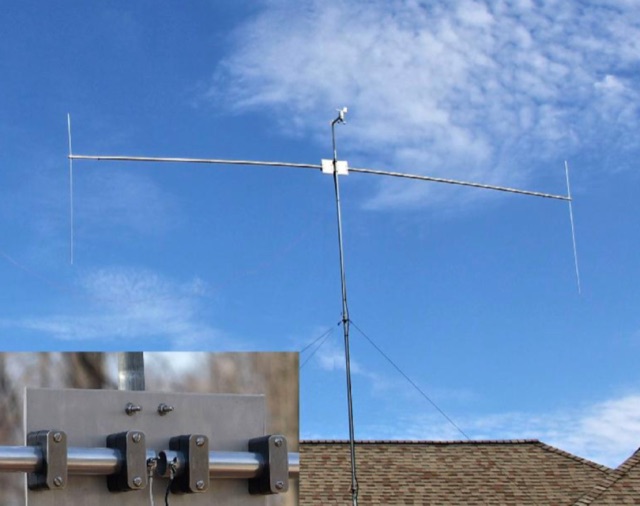 Construct a compact, 20 meter rotatable dipole antenna of durable weather worthy components supported at a single point obviating the need for multiple supports and multiple support ropes crossing the yard.
 -
 The Amateur radio Association of Bloomington (ARAB) holds its meeting on the first Tuesday of each month
 -
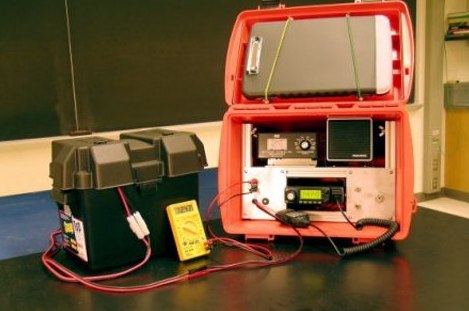 A complete EmComm portable station article on eham.net by K9RFZ
 -
 Quick and Dirty CW Netiquette
 -
 Kentucky farmer invents wireless telephone! But was it radio? Facts and folklore about Nathan Stubblefield by Bob Lochte.
 -
 tk150 is open source, multi-platform cloning software for the Standard (Yaesu) VR-150 portable receiver.
 -
 Discussion at eham about wire size used in wire antennas, and how it affects the gain of the antenna
 -
 Presents the Amateur Radio on the International Space Station (ARISS) program, a global educational initiative facilitating direct communication between students and astronauts via amateur radio. It outlines the operational framework for scheduled school contacts, detailing the technical requirements for ground stations and the typical Q&A format used during these events. The program utilizes VHF/UHF frequencies for voice and packet radio communications, enabling students to engage with crew members aboard the ISS. ARISS supports various educational objectives, promoting STEM fields through hands-on radio experience. The resource provides information on how schools can apply for contacts, the selection process, and preparation guidelines. It also covers the history of amateur radio in space, including past missions and the evolution of equipment used on the ISS. Regular updates on contact opportunities, operational status, and technical specifications for ARISS hardware are provided.
 -
 Hams have been putting stations in their cars since the Twenties. Today, there is great satisfaction in facing the challenge of installing a transceiver in our small cars and pick-ups, using somewhat inefficient antennas
 -
 Description and simulation of two types of rhombic antennas, using the software 4Nec2: the simple bi-directional and the terminated directional rhombic antenna
 -
 tk3 is open source software designed for the ICOM IC-R3 receiver. Though tk3 is intended chiefly for Linux, MacOS X, and BSD users, it will work on Microsoft Windows too.
 -
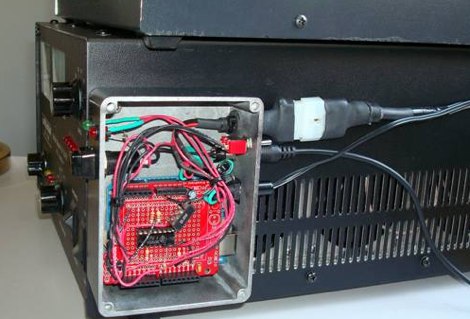 An Arduino uno based project to control an MFJ 998 antenna tuner via Icom CI-V interface by VE1ZAC
 -
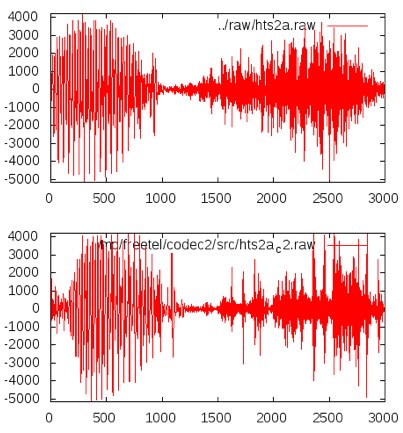 Codec2 is an open source low bit rate speech codec designed for communications quality speech at 2400 bit/s and below. Applications include low bandwidth HF/VHF digital radio and VOIP trunking.
 -
-
 The FieldComm Association, based in Central Virginia, operates as a specialized amateur radio club with a primary interest in emergency communications. Members engage in various technical aspects of radio, including digital modes, QRP operations, and DXing. The association provides a platform for hams to develop skills in field deployment and reliable communication under challenging conditions, often leveraging modern digital protocols. This organization's activities support the practical application of amateur radio for public service, emphasizing readiness and operational proficiency. Members collaborate on projects and share knowledge, fostering expertise in areas like portable station setup and efficient data transmission. The focus on emergency communications distinguishes its operational priorities from general interest clubs, aligning its efforts with community preparedness.
 -
-
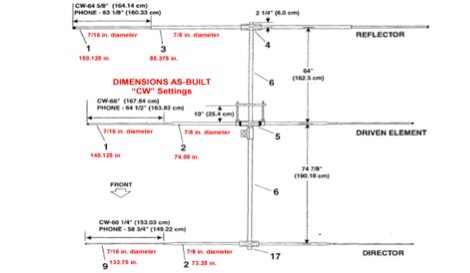 The HyGain LJ-153BA a monoband 3 element Yagi, designed for the 15 m band 21.00 - 21.45 MHz
 -
 A page dedicated to Yaesu FL-2100Z linear amplifier for amateur hf bands
 -
 Info about operarting permissions in other countries
 -
 Adam Brown's Blog from Latitude 80.19 South Longitude 81.16 West
 -
 Topband and DX recordings and sound files on 160 meters band
 -
 The use of dummy load is mandatory for off-air adjustment of the transmitters. Build one.
 -
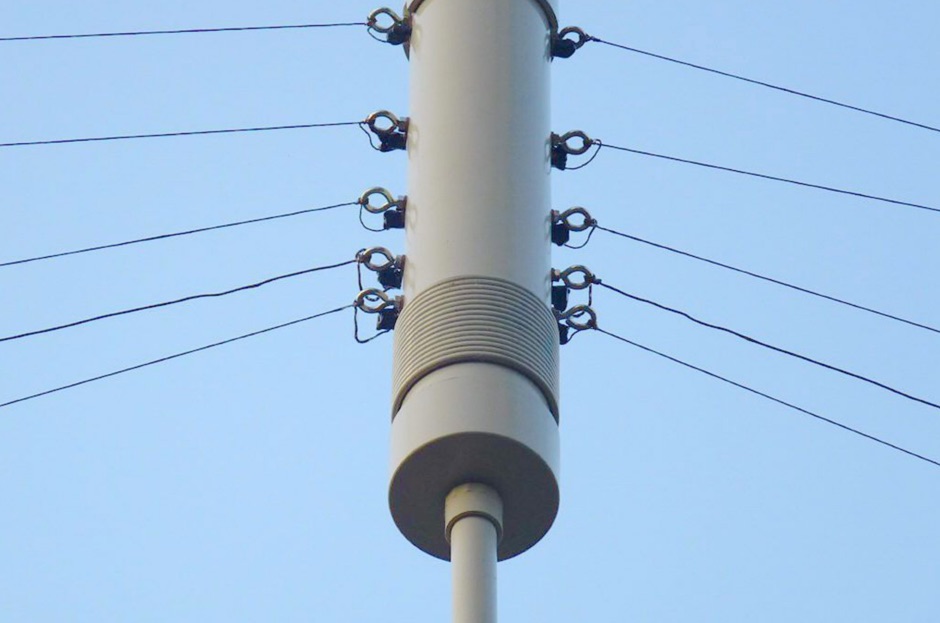 The fan dipole antenna as an alternative to the paralled dipole antenna, to achieve a larger bandwidth and a better tuning by decreasing elenment influences.A project based on the W6HDG original concept.
 -
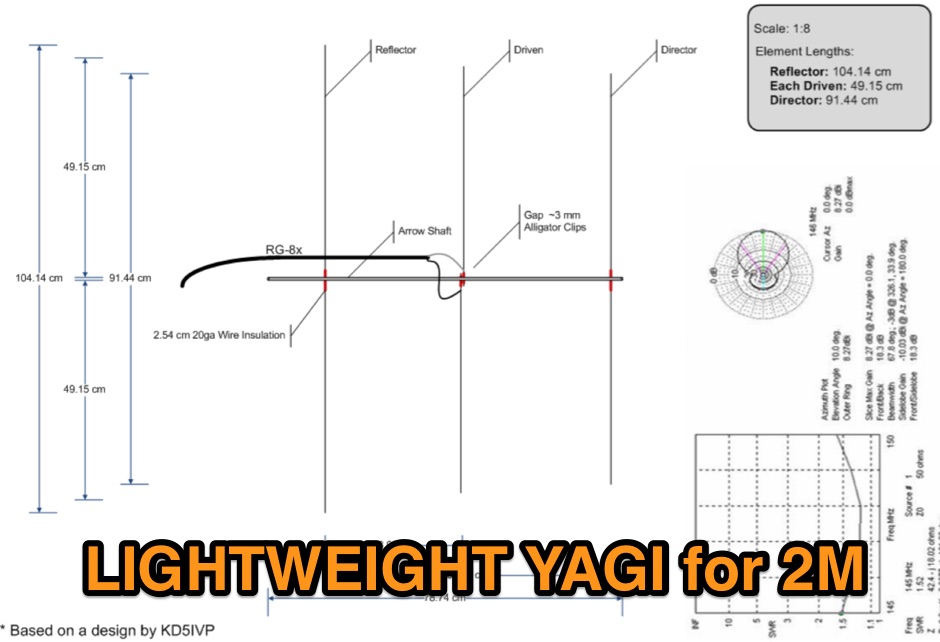
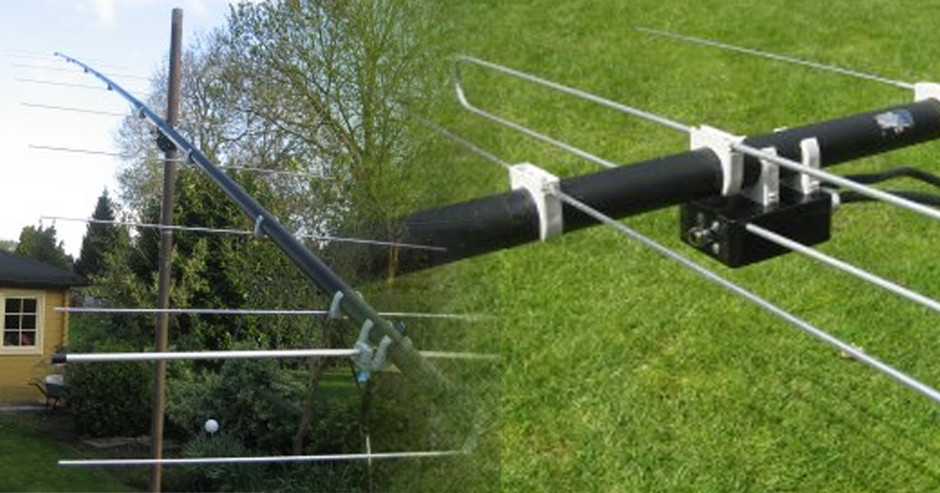 A ten element ultra-lightweight yagi beam antenna for 144 MHz based on YU7EF design concept
 -
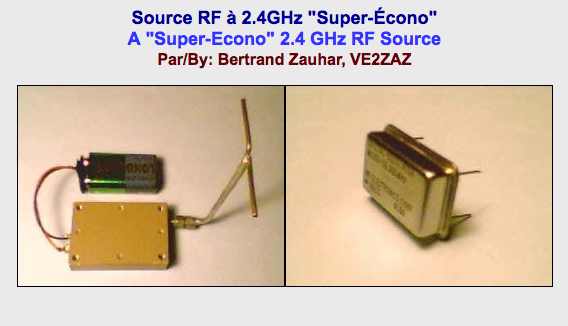 A cheap rf signal generator for 2.4 GHz
 -
 A free small database program for Palm OS that allows you to log ham radio contacts. You can log the call sign, name, date, time and frequency of the contact.