Digital Voice Applications for Amateur Radio
Find software tools like FreeDV, Codec 2, and QRadioLink for digital voice communication on HF and VHF amateur radio.

Digital voice modes bring clear, low-bandwidth speech to amateur radio, often allowing operators to make QSOs under challenging propagation conditions where traditional SSB might fail. These modes convert analog voice into digital data streams, which are then transmitted over the air. This approach significantly improves signal-to-noise ratio and can extend the range of amateur radio activity, especially on HF bands.
Hams can find various software tools to implement digital voice, from standalone applications like FreeDV that interface with existing SSB transceivers, to integrated SDR solutions such as QRadioLink for Linux. Projects like Codec 2 provide the underlying open-source speech codecs, enabling developers and homebrewers to integrate digital voice into their own equipment. Additionally, specialized software images like Pi-Star simplify setting up digital voice hotspots and repeaters, making these advanced modes accessible to more stations.
-
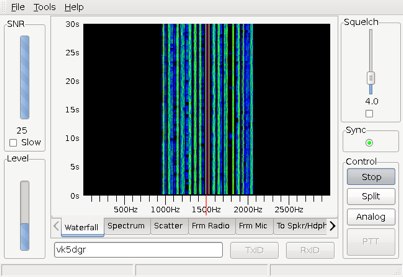 FreeDV is an open-source software suite for HF digital voice, enabling SSB radios to transmit low bit rate digital voice. It features the Radio
-
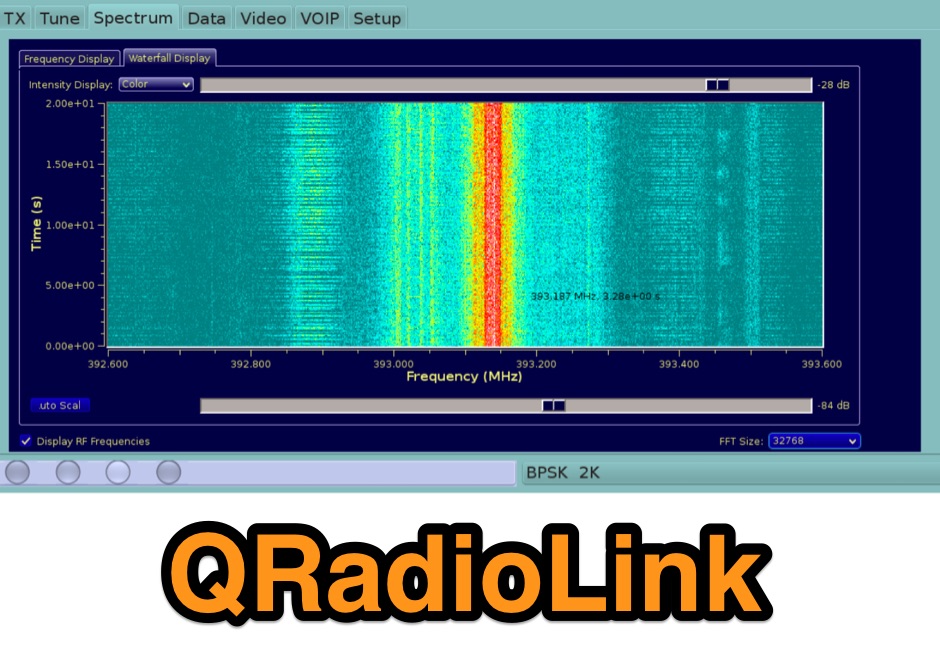 QRadioLink is a Linux analog/digital SDR transceiver application with Codec2 digital voice mode support.
-
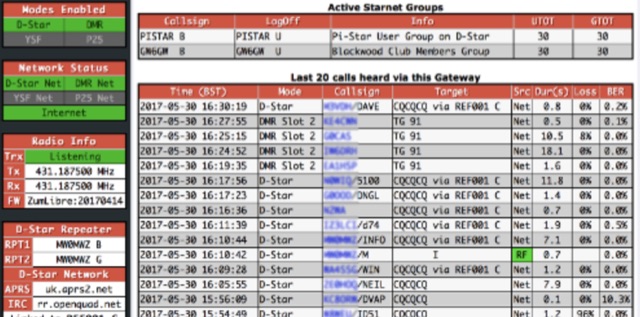 Pi-Star is a software image built initially for the Raspberry Pi. The design concept is simple, provide the complex services and configuration for Digital Voice on Amateur radio in a way that makes it easily accessible to anyone just starting out, but make it configurable enough to be interesting for those of us who cannot help but tinker.