QRP: Low Power Amateur Radio Operating and Projects
Find resources for QRP operation, including guides for beginners, kit building projects, and antenna ideas for low power communication.

QRP operation means running very low power, typically 5 watts or less for CW and digital modes, or 10 watts PEP for SSB. Many hams enjoy the challenge of making QSOs with minimal power, often using simple antennas and homebrew equipment. This mode of operating sharpens an operator's skills in antenna tuning, propagation prediction, and efficient operating techniques, making every contact a rewarding achievement.
This category offers resources for both new and experienced QRP operators, covering everything from basic introductions to advanced projects. You can find articles on getting started with QRP, advice on operating techniques, and ideas for building your own QRP rigs and portable antennas. There are also examples of famous QRP projects like the Tuna Tin Two, and information on QRP calling frequencies to help you find other low-power stations on the bands.
-
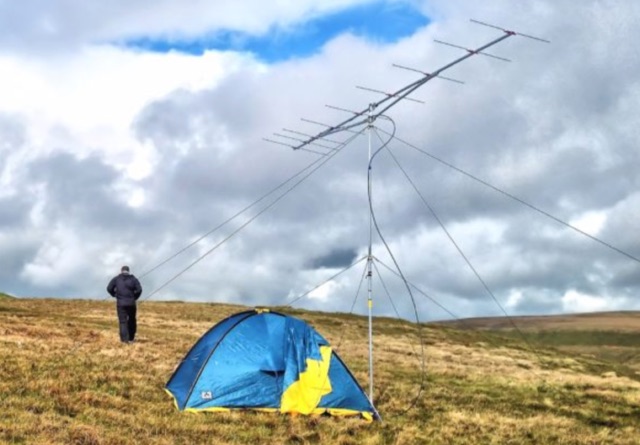 QRP is a way of operating that involves using low power transmitters, that are no more than 5 Watts for Morse or data modes, or 10 Watts pep for voice. Introduction to QRP operations
 -
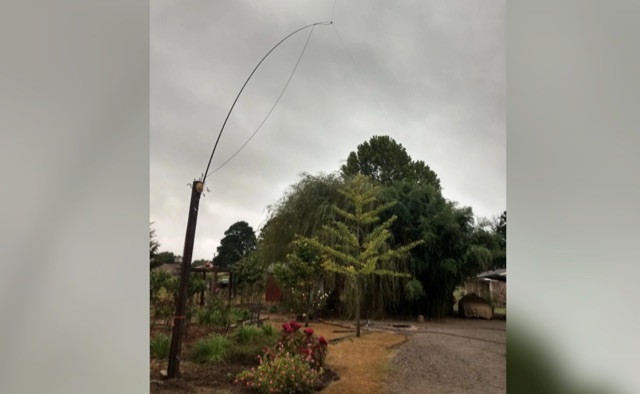 QRP is a Q-code originally meaning reduce power, but now has come to mean operating a radio that outputs 5 watts or less for CW or 10 watts for SSB.
 -
 A nice resource from AE5X John a QRP opertator
 -
 Short basic informations on QRP
 -
 The following are the opinions expressed by various amateurs
 -
 G3XBM's Amateur Radio Page - with QRP, VLF and crystal set links
 -
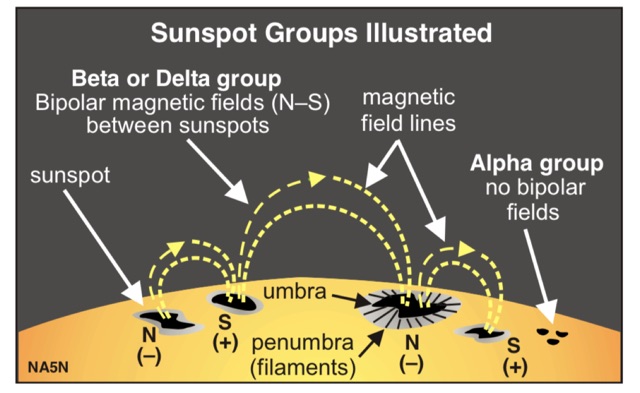 Paul Harden NA5N has produced a superb guide to solar activity and HF propagation for the QRPer
 -
 Ham radio information for new CW and QRP operators. Includes operating advice, reviews and articles on kit building/rig repair,
 -
 The free pdf book is a compilation of articles congenial to QRP published on 2003- 2005 years at free e- magazine AntenTop. 17 Mb pdf file.
 -
 Italian station operating mostly in QRP Mode, contain some interesting QRP projects for portable antennas and antenna mounts.
 -
 Information on contesting with CW and QRP
 -
 This is a collection of articles, generally from QRP-L, about QRP operations and portable antennas. However, anything that looks interesting to me might end up here. These articles are posted here primarily for my own use; however, all are free to browse.
 -
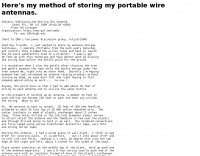 Method of storing my portable wire antennas.
 -
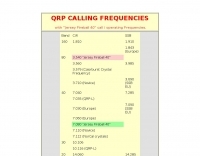 A list of frequencies for ham radio operators QRP operation and with a special reference for those using the Fireball 40 a multi-band QRP TX kit
 -
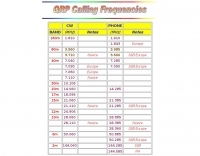 Where to operate QRP
 -
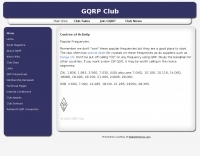 QRP Popular Frequencies, where to operate in QRP mode
 -
 py2ohh homebrewing of receivers, transmiters and Test Equipment for ham and swl, using cheap, easy to find or surplus components
 -
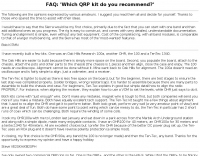 The following are the opinions expressed by various amateurs.
 -
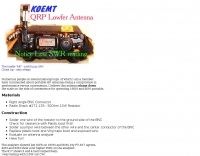 A compact, portable QRP antenna for 160m and 80m, prioritizing convenience over peak performance. Features a simple resistor-loaded design.
 -
 This Magnetic Longwire Balun (MLB) makes it possible to efficiently use a coaxial lead-in cable with all forms of longwires, T-forms or other types of wire antennas, without the need for an antenna tuner.
 -
 QRP Station in a Bag is a complete QRP station in an old laptop PC carrying case (photo). It is a true "Work in Progress" in that wd8rif is constantly changing the contents of the bag as learn what works and what doesn't.
 -
 QRPSPOTS.com, originally a QRP DX cluster by the Four State QRP Group, now appears to be a Chinese educational institution's website.
 -
 Photos from around the world of perhaps the most famous QRP project ever created. Vintage 1970's and newer versions of the Tuna Tin Two are featured.
 -
 To those new to the hobby of Amateur Radio, hearing the term QRP often raises questions: What is QRP? Why do some hams choose to operate QRP? How can I operate QRP? These are good questions, and all are worth asking. This article will attempt to answer these questions. by William Eric McFadden
 -
 Antennas for low-power operation resemble those for 100W use. Minor adjustments, like capacitor voltage ratings, may apply, but basic principles persist. Portable antennas, notably Backpack Antennas for weight-conscious setups, hold relevance beyond QRP. While some antennas function acceptably at higher power, efficiency issues arise at QRP levels. Testing antennas at 100W exposes weaknesses, particularly in tuners, crucial for efficient QRP operation.
 -
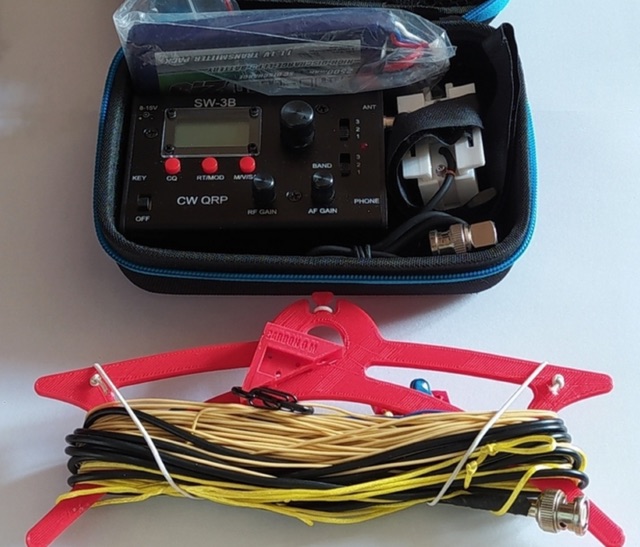 A portable QRP setup based on 20/30/40m QRP CW-only SW-3B transceiver, 2500mAh 5C LiPo battery (147g), Hands Free Nanokeyer
 -
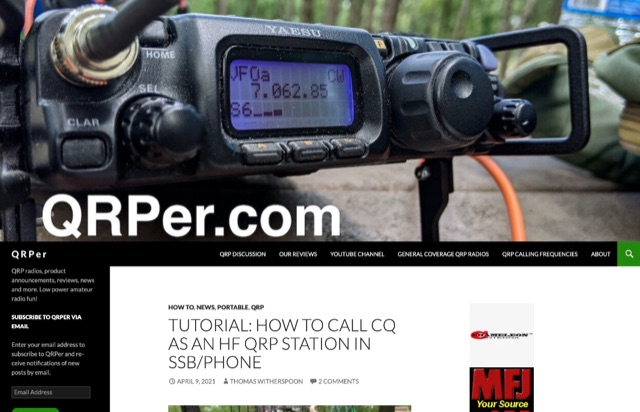 Tutorial, How to call CQ as an HF QRP station in SSB/Phone. Calling CQ Basics, Calling CQ QRP or Portable
 -
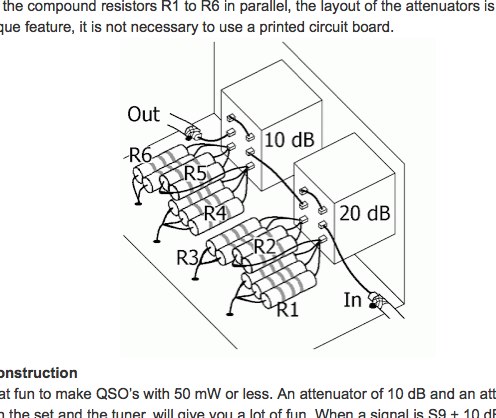 Attenuating output power to Yaesu FT-817 and interesting article for really QRP operations by PA1B
 -
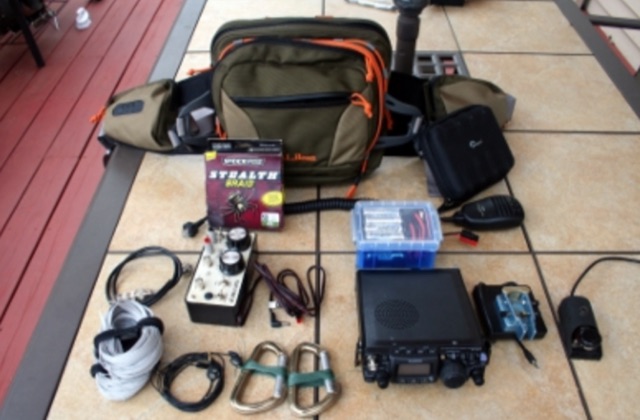 Assembling a QRP Station for Field Operation
 -
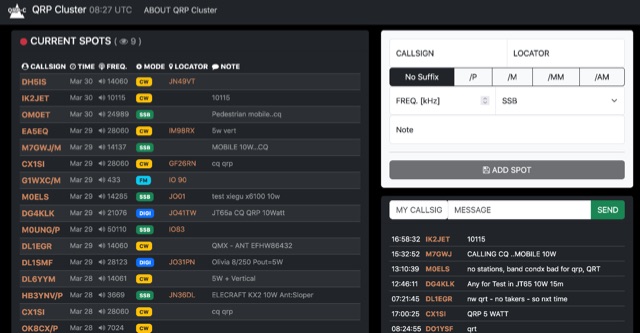 QRP Cluster is a specialized web-based DX cluster for QRP operators to self-spot and announce their operating frequencies, modes, and power levels.
 -
 This presentation explores the practice of QRP (low-power) amateur radio operation in outdoor settings. It guides operators to identify their specific objectives for portable operations, which inform equipment and antenna choices. The discussion covers considerations including portability, operating modes, power requirements, and weather resistance. Various antenna designs are examined, from vertical configurations to dipoles and end-fed options, with emphasis on deployment practicality in public spaces. The presentation concludes with practical advice on selecting operating locations, RF safety, and resources for equipment and community support for QRP enthusiasts.
 -
 QRP Operations by RV3APM
 -
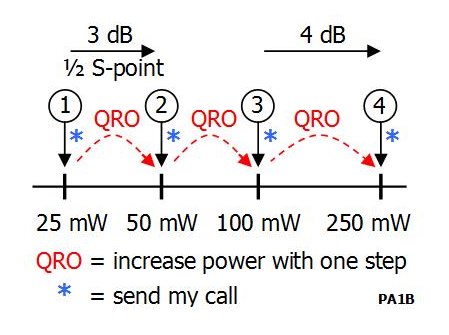 Operating QRP at the lowest possible power during contest article by PA1B
 -
 W1PID's website details over 350 QRP portable operations, featuring stories, pictures, and logs from various outdoor locations in New Hampshire and beyond.