Search results
Query: cat software
Links: 407 | Categories: 53
Categories
- Software > Aircraft scatter
- Software
- Software > Beacon Monitoring
- Software > Contesting
- Software > D-STAR
- Operating Modes > Digital Modes
- Software > Digital Voice
- Software > DX Cluster
- Software > EME
- Software > Filter Design
- Operating Modes > FT8
- Radio Equipment > HF Transceivers > Icom IC-7000
- Radio Equipment > HF Transceivers > Icom IC-7100
- Radio Equipment > Receivers > Icom IC-R20
- Operating Modes > JT65
- Radio Equipment > VHF-UHF Handhelds > Kenwood TH-D7A-E
- Radio Equipment > VHF-UHF Mobile > Kenwood TM-D710
- Radio Equipment > HF Transceivers > Kenwood TS-2000
- Radio Equipment > HF Transceivers > Kenwood TS-590S
- Radio Equipment > HF Transceivers > Kenwood TS-690S
- Radio Equipment > HF Transceivers > Kenwood TS-940S
- Radio Equipment > HF Transceivers > Kenwood TS-950SDX
- Radio Equipment > HF Transceivers > Kenwood TS-990
- Software > Linux
- Software > Log Converters
- Software > Logging
- Operating Modes > Meteors
- Software > Morse Code Decoders
- Software > Multimode
- Software > Navtex
-
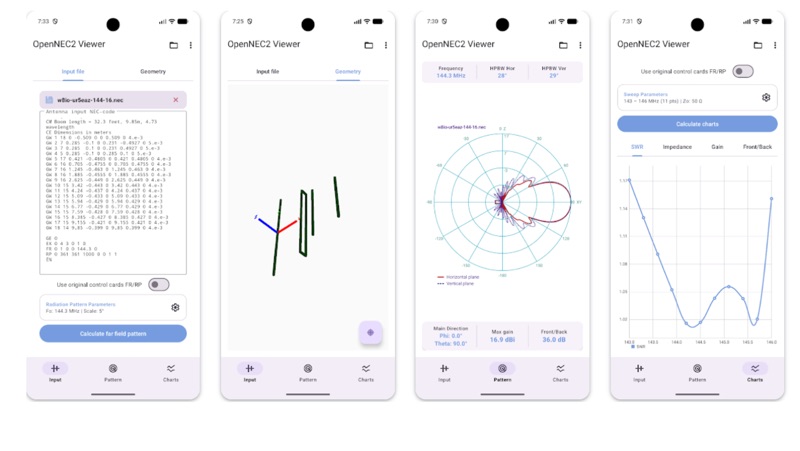 The Open NEC2 Viewer for Android provides a mobile platform for **NEC2** antenna modeling, enabling users to visualize and analyze antenna designs directly on their devices. It integrates the robust NEC2 computational library, leveraging the Method of Moments for full-wave electromagnetic analysis, and utilizes the Google Filament renderer for interactive 3D visualization of antenna structures, segmentation, and wireframes. The application facilitates the calculation of geometric parameters and antenna characteristics across specified frequency ranges. Key functionalities include parametric analysis, offering real-time computation of **radiation patterns** (RP), antenna gain, Voltage Standing Wave Ratio (VSWR), and input impedance. Users can configure flexible calculation settings to control scan step, frequency range, and various control cards, allowing for detailed electromagnetic analysis tailored to specific design requirements. Designed for radio engineers, antenna developers, radio amateurs, and students, the app is distributed as open-source software under the GNU General Public License v3.0. It provides a portable and accessible tool for electromagnetic modeling, making advanced antenna analysis capabilities available on Android devices.
-
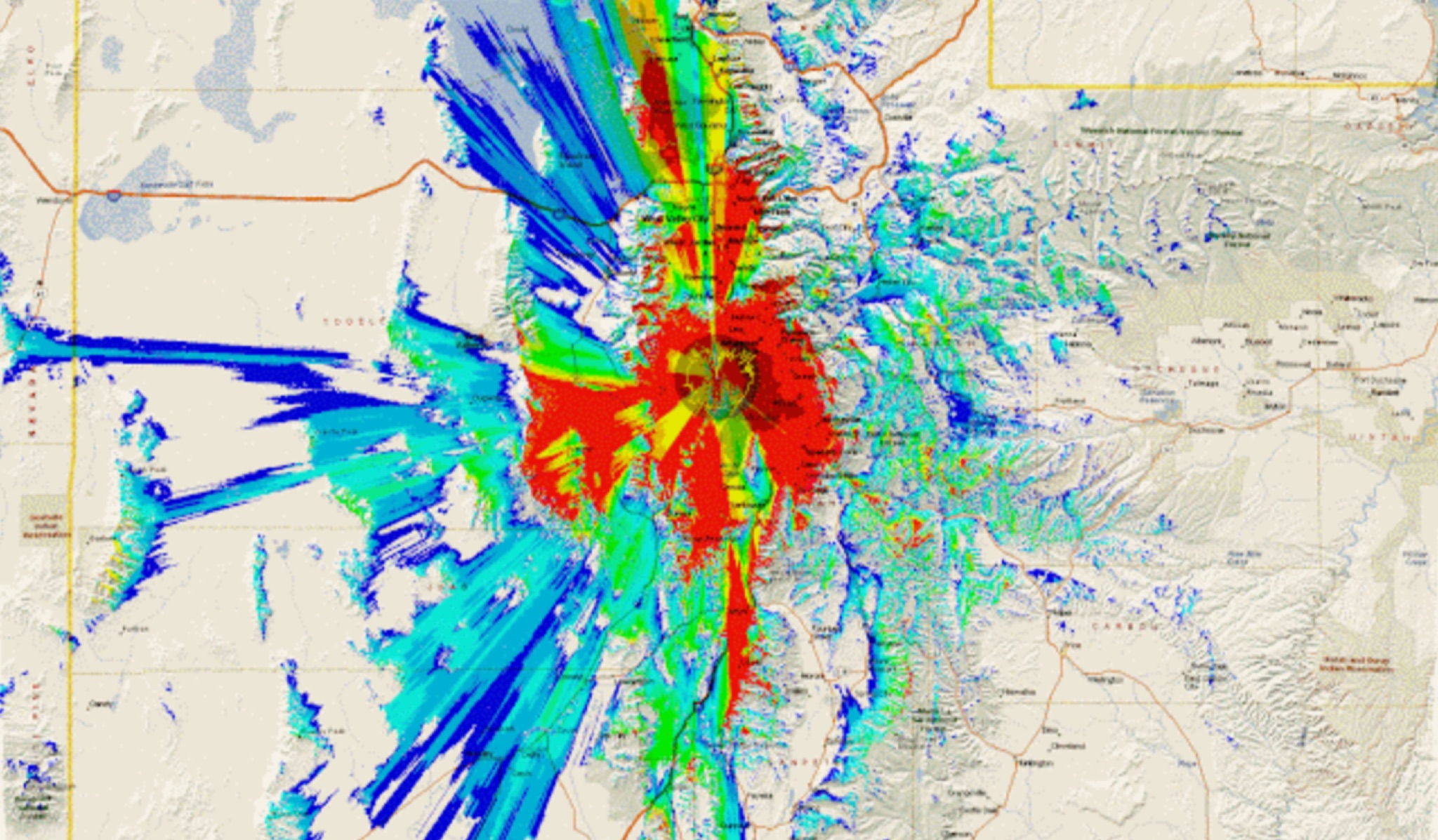 This study analyzes the antenna pattern of the Utah Amateur Radio Club's 146.760 MHz repeater following antenna relocation in 1997. Noting degraded transmission toward the north, a customized signal mapping system using a Yaesu FT-817, GPS, and software was developed to log real-time signal data. Calibration techniques extended the radio's signal range, enabling precise field measurements. The method allowed continuous signal strength monitoring while driving, revealing anomalies in coverage likely due to tower modifications. Findings helped assess and visualize the antenna’s actual radiation pattern and highlighted environmental impact on signal distribution.
-
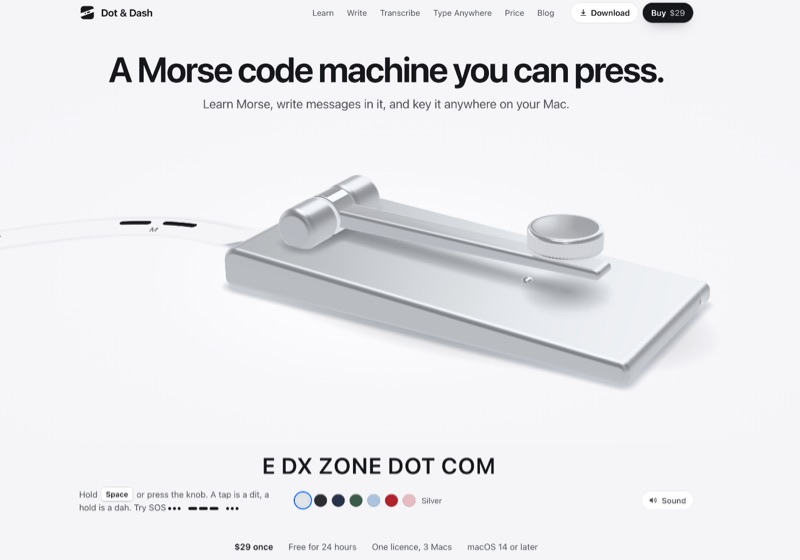 Dot & Dash is a macOS application for learning and practicing Morse code, providing an interactive environment for aspiring CW operators. The software features **twenty short chapters** that guide users from basic characters like E and T to the full alphabet, figures, punctuation, and common _prosigns_. Users learn by keying characters and words, with a daily five-minute review system to reinforce learning. The application allows users to compose messages, which the virtual machine then sends, or to key messages themselves and observe real-time decoding. It supports various input methods, including holding the Space bar, using a virtual knob, or connecting a USB key/keyer that emulates keyboard input. Operators can adjust sending speeds from **5 to 40 WPM** and apply _Farnsworth spacing_. Further capabilities include converting Morse code to text and vice-versa, and a "Type Anywhere" feature that enables keying Morse directly into other Mac applications. The software operates offline and offers a 24-hour free trial before requiring a one-time purchase for full functionality.
-
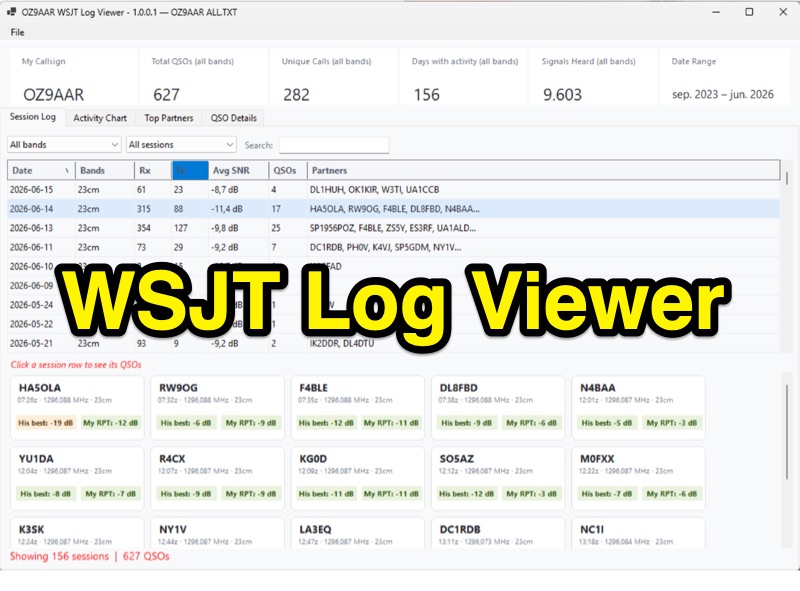 The WSJT Log Viewer, version 1.0.0.10 as of 2026-08-02, is a freeware Windows application developed by Carsten Groen (OZ9AAR) for analyzing signal strengths from WSJT digital mode contacts. It processes the ALL.TXT log file generated by WSJT-X, extracting and presenting data from decoded TX and RX messages. Initially designed for EME operations on 70cm and 23cm, the software has expanded to include all HF bands, 6m, 4m, 2m, 1.25m, 70cm, 23cm, 24GHz, and 47GHz. Key features include displaying total QSOs, unique callsigns, days with activity, and signals heard, with filtering options by band and completed QSOs. The application also monitors the ALL.TXT file for live updates every two seconds, reflecting new decodes in real-time. Users can view session logs, activity charts showing daily signal counts and decoded signals, and a "Top Partners" tab listing the 25 most frequent contacts. The software provides detailed QSO information, including best received SNR and sent reports, with graphical representations of SNR over time. It supports multiple "My Callsign" entries within a single ALL.TXT file and offers a function to generate a text list of initials worked per band. The program is distributed as a single executable file, requiring no installation, and stores its configuration in a LogViewer.cfg file, allowing for different setups via command-line arguments.
-
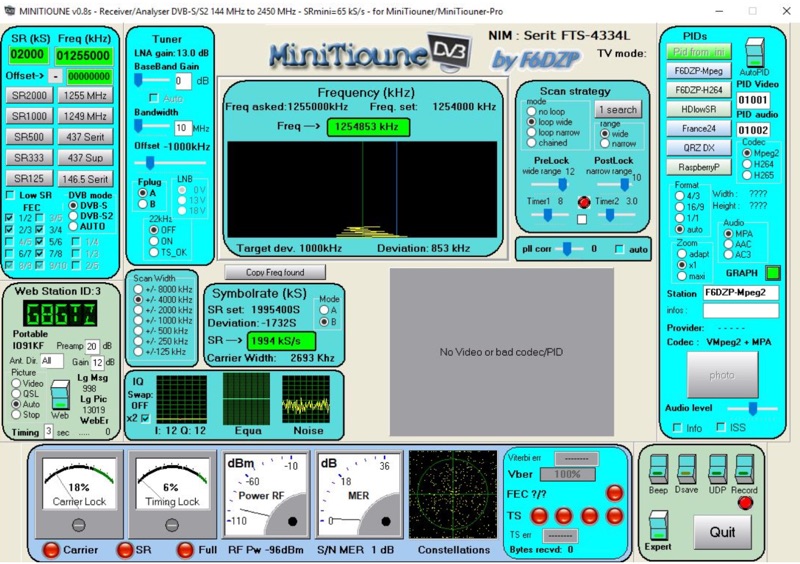 Receiving Digital Amateur Television (DATV) signals requires specialized software to interface with hardware tuners and decode the video stream. The _MiniTioune_ software, developed by F6DZP, serves this purpose, providing a Windows-based application for DVB-S and DVB-S2 reception and analysis. It is designed to work in conjunction with _MiniTiouner_ hardware, enabling hams to monitor DATV transmissions, including those from the QO-100 geostationary satellite. The resource outlines the initial setup process, including connecting the MiniTiouner hardware via a high-quality USB2 mini cable and running diagnostic test software. It details how to configure essential parameters such as symbol rate (SR), FEC rate, and DVB mode for various signal sources, from domestic satellite dishes to local DATV transmitters. Troubleshooting steps for common issues like "no video displayed" are also provided, often pointing to corrupted software filters or incorrect _Auto PID_ settings. Advanced features like the Web monitor for remote signal reporting and integration with _VLC_ media player for more tolerant decoding of non-DVB compliant signals are covered. The document also references a comprehensive user guide by W6HHC for the _MiniTiouner-Express_ system, which utilizes the same software, offering further in-depth assistance for operators.
-
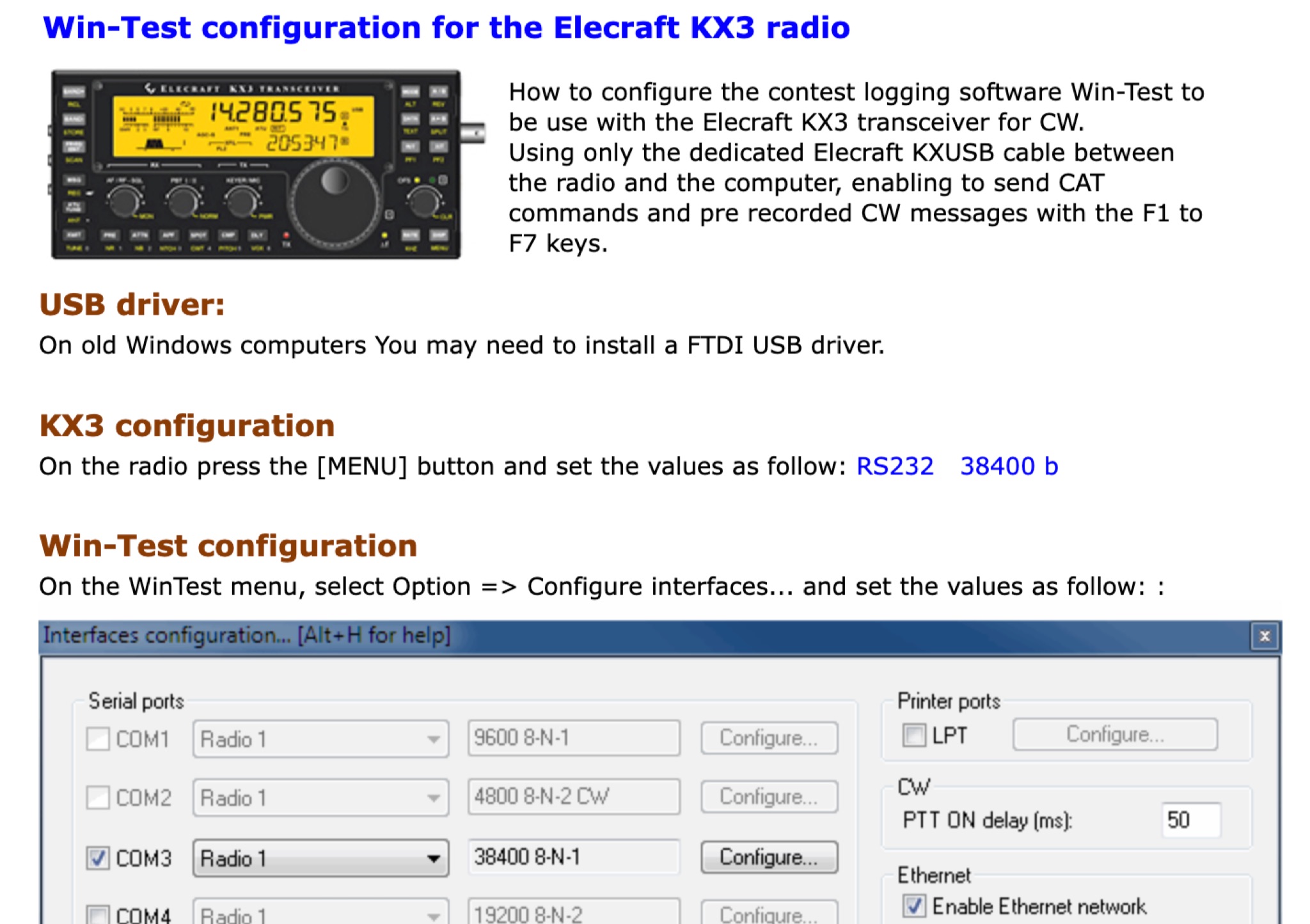 This page provides a detailed instructions on how to setup the KX3 transceiver with the Win-Test software. How to configure the contest logging software Win-Test to be use with the Elecraft KX3 transceiver for CW. Using only the dedicated Elecraft KXUSB cable between the radio and the computer, enabling to send CAT commands and pre recorded CW messages with the F1 to F7 keys.
-
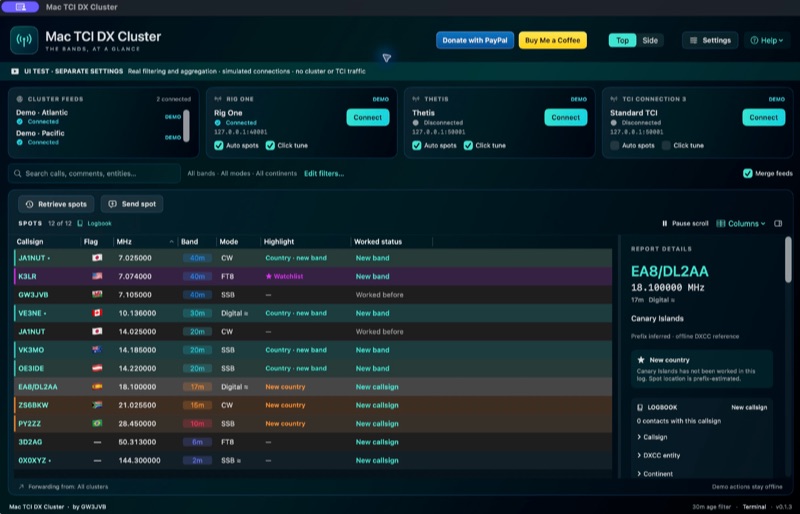 Presents the Mac TCI DX Cluster, a macOS application designed to streamline DX cluster activity for ham radio operators. GW3JVB developed this tool to provide a focused native Mac view of incoming spots, integrating local _RUMlogNG_ logbook context and selected TCI destinations. It allows users to save and connect to multiple Telnet cluster profiles simultaneously, merging feeds and filtering spots by bands, modes, and continents. The application features three independent outgoing TCI client slots for servers such as RigOne and Thetis, supporting spot forwarding and click-to-tune functionality. It reads local RUMlogNG logbooks for worked and needed checks without modification, offering callsign, DXCC entity, and continent checks. Watchlists, highlights, and optional alerts are included to emphasize important spots, helping operators find the next station worth working. Mac TCI DX Cluster complements existing station software, requiring macOS 14 or later on Apple silicon or Intel Macs. It is free to use, with downloads and release information available on GitHub, and optional donations are appreciated.