Morse code
Morse code resources
Sort:
Subcategories
- Clubs (25)
- High Speed CW (8)
- Learning Morse Code (48)
-
 Jack Wagoner WB8FSV, a very well done article on how start a CW QSO, how to answer a CQ, how call your CQ and more. A must reading for beginners
 -
 How To Build Code-Practice Apparatus: A Simple Telegraph Key
 -
 Links to CW related pages
 -
 These instructions use simple, generally familiar examples of equipment types and are designed to help you find the adjustment that suits you best. If you are looking on how to adjust a morse key, bencher key, paddle or straight morse key, here you will find all instructions.
 -
 Basic information about learning morse code
 -
 Canadian Railway Telegraph History - a site dedicated to Canada's railway telegraph, agents, operators, and railway
 -
 Personal web pages with logs, information on learning cw and operating in CT-land.
 -
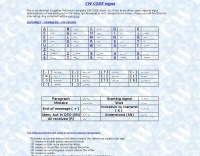 Complete CW CODE signs
 -
 Amateur radio windows fonts with slashed zero and Phi also listed some morse code fonts available to download
 -
 Iambic Keying, Debunking the Myth by Marshall G. Emm, N1FN. A keying system controls transmitter activation, ranging from basic switches to electronic keyers that generate Morse code based on paddle input. Iambic keyers, introduced in the late 1950s, respond to simultaneous paddle closures with alternating dots and dashes. Despite touted efficiency, actual benefits are modest, offering about a 5% improvement in keystrokes, diminishing at higher speeds. Iambic keying's practical value is limited and may restrict sending speeds.
 -
 Document explaning the differences between Iambic mode A and B
 -
 Information on contesting with CW and QRP
 -
 Some things I've discovered about learning and operating CW by Chris Kantarjiev K6DBG
 -
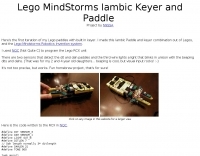 Lego MindStorms Iambic Keyer and Paddle Project by N9SSA
 -
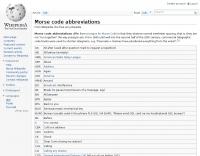 Commonly used abbreviations in morse code operations
 -
 A quick tale of cw morse code alphabet by Wilko J. Hollemans PA3BWK
 -
 Connecting rhythm and language with Morse Code by Phil and David Tulga
 -
 Beethoven Fifth in Morse Code
 -
 Morse code trumps SMS in head-to-head speed texting combat
 -
 The American, Continental, and International Morse Codes
 -
 An overview of the development of the Morse key for sending the Morse Code, from the first camelback keys, through straight keys and sideswiper keys to the semi automatic keyers including the Vibroplex to the modern electronic keyer.
 -
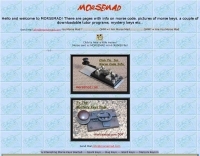 There are pages with info on the code, pictures of morse keys, a couple of downloadable tutor programs, mystery keys etc.
 -
 This Website is your resource for learning and enhancing your Morse Code / CW Communications skill
 -
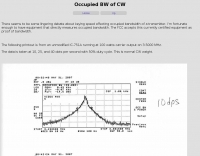 About keying speed affecting occupied bandwidth of a transmitter.
 -
 A comprehensive guide to CW world.
 -
 Morse Code And Radio For Kids and Amateurs. This guide covers many different aspects of the history of and how to learn Morse code.
 -
 Samul Morse page on wikipedia, inventor of morse code
 -
 DK8KW laboratory tests to get some indication about the ability to communicate with signals below noise level using Slow-CW.
 -
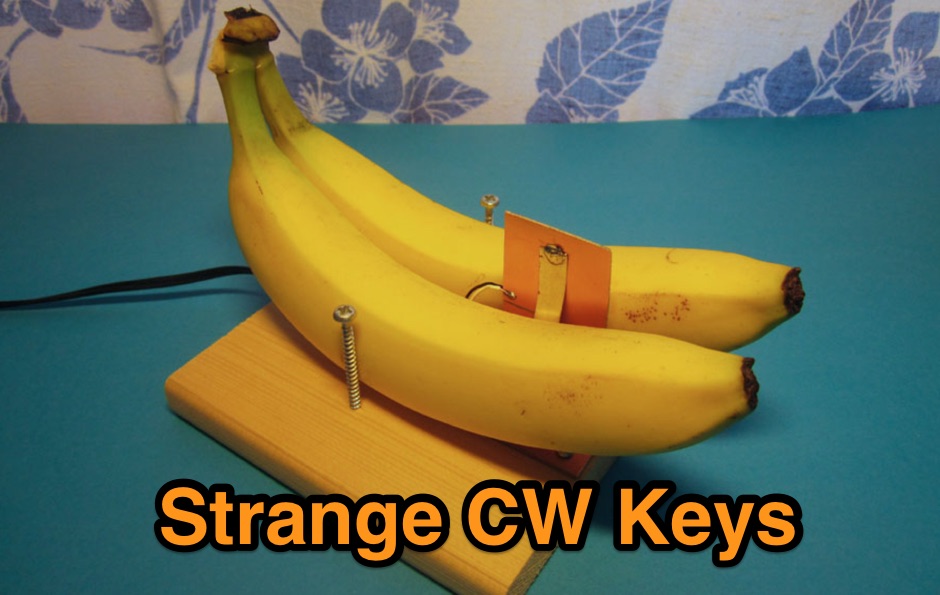 Very strange morse keyers, like Onion chopper CW key, Handshake CW key, Chopsticks CW key, Typewriter CW keyboard, Refrigerator CW key by OH6DC
 -
 CW is not just another mode like SSB, FM, PSK-31, etc. It is a unique mode that has alot of advantages.
 -
 A freware book on learning morse-code. The Art & Skill of Radio-Telegraphy Third Revised Edition by William G. Pierpont N0HFF, online version available in multiple languages
 -
 Learn the Morse Code. Learn from random text or simulated QSO (contact) sources. Create character sequences that you find difficult. Compare your results with what the program sent and view error statistics. Take simulated tests. Sound card not essential. Evaluation version not time limited.
 -
 International non-profit organization dedicated to the perpetuation of the knowledge and traditions of telegraphy and American Morse Code.
 -
 The Telegraph Office Magazine
 -
 Interesting article by WY3A explaining benefits of operating CW
 -
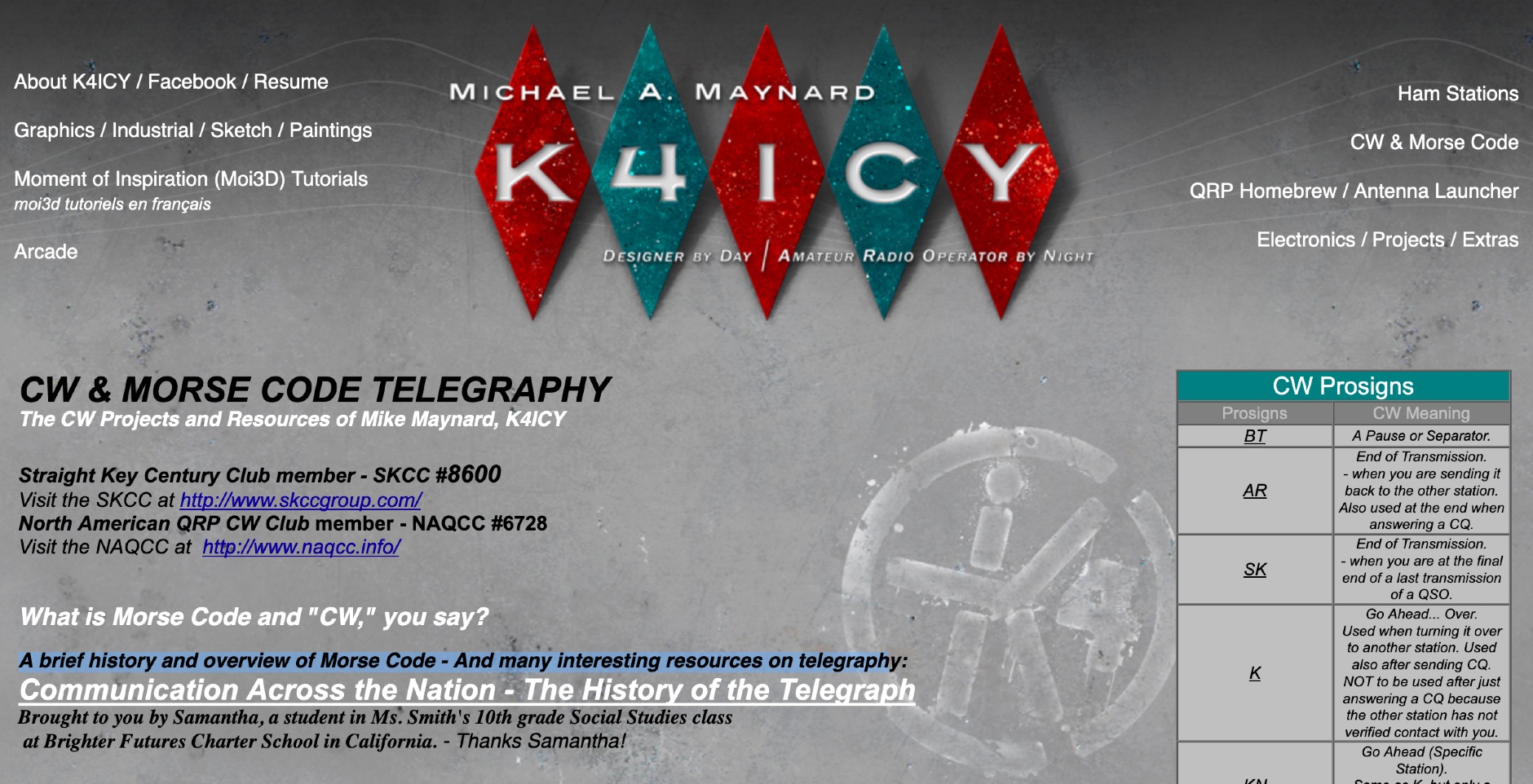 The CW Projects and Resources of Mike Maynard, K4ICY. Includes a brief history and overview of Morse Code and many interesting resources on telegraph
 -
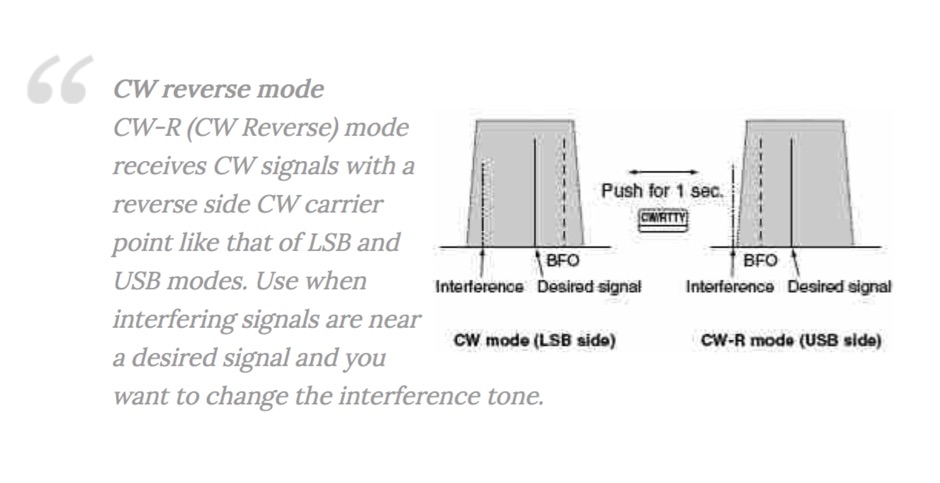 CW-R Explained. CW reverse mode CW-R receives CW signals with a reverse side CW carrier point like that of LSB and USB modes
 -
 An extensive document about Morse Code in amateur radio edited by W5ALT
 -
 CWoip (CW over internet protocol) Full Duplex morse code audio with high fidelity sound. Allow to conduct morse code CW over the internet. Fast, Full Break-in Qsk, due to low latency, free software. With the ability to conduct an audio CW QSO between 2 to 100 iCW OPS
 -
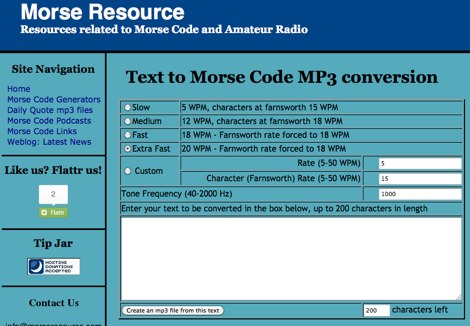 Convert any text in morse code mp3 file, you can choose speed from 5 to 50 wpm and tone frequency