Search results
Query: radio one
Links: 804 | Categories: 37
Categories
- Technical Reference > Components > Component Database
- Shopping and Services > Electronic Components
- Manufacturers > Electronic Components
- Software > iPhone
- Manufacturers > Microphones
- Technical Reference > Microphones
- Radio Equipment > Microphones
- Operating Aids > Phonetics and codes
- Technical Reference > Components
- Shopping and Services > Kits and Components
- Shopping and Services > Accessories
- Manufacturers > Antenna Parts
- Shopping and Services > Regional > Australia
- Operating Modes > Satellites > CubeSats
- Technical Reference > DTMF
- Shopping and Services > Electronics
- Manufacturers > Ham Shack Accessories
- Radio Equipment > Microphones > Heil PR-781
- Operating Aids > History
- Shopping and Services > Regional > Europe > Italy
- Shopping and Services > Regional > Japan
- Technical Reference > Mic wiring
- Manufacturers > Microwave
- Shopping and Services > Microwave
- DX Resources > Clusters > Mobile DX Cluster
- Shopping and Services > Regional > New Zealand
- Manufacturers > Parts and Surplus
- Antique Radios > Parts and Tubes
- DX Resources > Prefixes
- Manufacturers > Repeaters
-
 Southeast New Hampshire W1SRA / 147.000Mhz / Negative Offset / 100.0 PL Tone Welcome to the Sunday Night Net each Sunday evening at 8:00 PM.
 -
 This resource, a blog from the Penang Amateur Radio Club (PARC), offers insights into various aspects of amateur radio in Malaysia. One post details monitoring Automatic Terminal Information Service (ATIS) on the 2m band, providing specific frequencies like 122.750 MHz AM for Butterworth and 126.400 MHz AM for Penang, along with sample aviation weather and operational data. Another entry critiques the lengthy and costly process of obtaining an amateur radio license in Malaysia, contrasting it with the more streamlined FCC licensing system in the United States, citing a 1-year wait and RM 414 (USD 125) for 10 years in Malaysia versus 3 weeks and USD 14 for 10 years in the US. The blog also covers internal club matters, such as the 2007 Annual General Meeting (AGM) attendance and council elections, highlighting member dissatisfaction with outdated newsletters and a call for "reformasi." Additionally, it presents local phonetic alphabets in Bahasa Malaysia and Chinese, and discusses monitoring AM broadcast bands for international stations like Voice of America on 1575 kHz and Zhong Yang Ren Min Guang Bo Dian Tai on 1134 kHz, offering alternatives to local 2m repeater chatter. The author, "firstclass," shares personal observations and criticisms regarding the Malaysian ham radio landscape.
 -
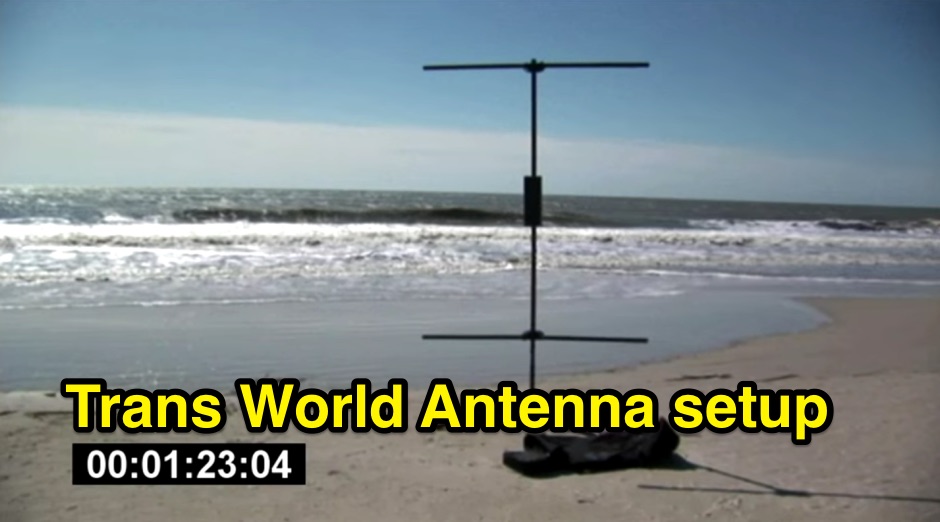 Demonstrates the swift setup process for a **Trans World Antenna**, showcasing its utility for portable amateur radio operations. The video highlights the antenna's design for quick deployment, a critical factor for activations like Summits On The Air (SOTA) or Parks On The Air (POTA), where efficiency in establishing a station is paramount. It illustrates the physical components and the sequence of assembly, emphasizing ease of use in varied field environments. The antenna system is presented as a multi-band solution, capable of operating across various HF frequencies. This adaptability makes it a versatile choice for hams engaging in outdoor activities or emergency communications. The visual demonstration provides practical insights into managing the antenna elements and feedline for optimal performance during temporary deployments. The focus remains on the practical aspects of field setup, rather than detailed technical specifications or performance metrics.
 -
 Master the Ham Radio license exams with Ham Technician, Ham General and Ham Extra! With these free iPhone applications, you will take the test with confidence.
 -
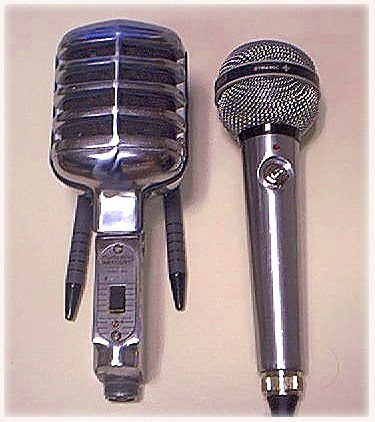 Microphone tips for the Icom 706MkIIG
 -
 The ARRL Contest Results Database serves as a centralized repository for official scores and detailed breakdowns from numerous ARRL-sanctioned operating events. This resource typically features comprehensive listings of participants, their submitted logs, and final standings across different categories, modes, and bands. It allows hams to review their performance, compare results with other operators, and analyze contest trends over time, providing valuable insights into competitive amateur radio. Historically, the database has showcased the efforts of thousands of contesters, from single-operator entries to multi-operator, multi-transmitter stations. While the current status indicates scores are not immediately available, the database's primary function is to archive and present the outcomes of events like the ARRL DX Contest, Sweepstakes, and Field Day. This historical data is crucial for tracking individual progress, identifying top performers, and understanding the competitive landscape within the amateur radio community.
 -
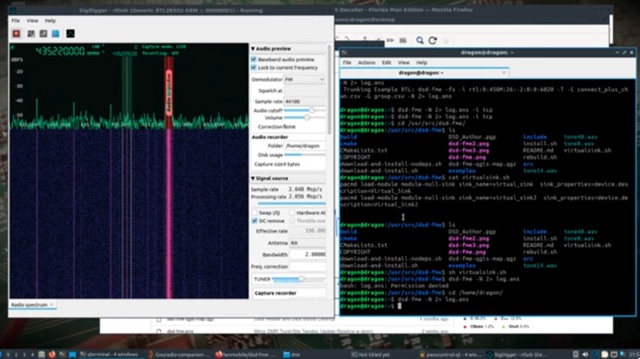 DragonOS is a linux distribution dedicate to Software Defined Radio. It leverages the portability, security, and power of Lubuntu Linux as a delivery package and operating environment for a pre-installed suite of the most powerful and accessible open source SDR software. DragonOS has verified support for a range of inexpensive and powerful SDR hardware, including RTL-SDR, HackRF One, LimeSDR, BladeRF, and many others.
 -
 Warrington Radio Club one of the largest in the UK. Active in contests as M5T APRS g6wrc club call g0wrs.
 -
 The Reverse Beacon Network (RBN) graph presents a dynamic visualization of amateur radio spots, specifically tracking CW, BPSK, and RTTY signals over the last 15 minutes. Users can filter these real-time spots by DX continent, spotter continent, and individual frequency bands, including **160m through 70cm**. The interface also offers a bandwidth reduction option, which is particularly useful for operators with limited internet connectivity. This resource provides a unique perspective on propagation conditions and station performance by aggregating data from various _Reverse Beacon Network_ nodes. It automatically refreshes every 10 seconds, ensuring that the displayed information is current and relevant for active DXers and contesters. The graph's Y-axis represents time, with each spot indicating activity within a one-minute interval. Beyond the primary RBN graph, the platform also features dedicated maps for both DXCluster and RBN data, including azimuthal projections. An additional FT8 graph is available, though noted as being under construction, indicating ongoing development to expand its utility for digital mode enthusiasts. The system was developed by HA8TKS, with the initial concept attributed to CT1BOH.
 -
 Rules of CQ World Wide RTTY Contest. The CQ World Wide RTTY DX Contest take place last full week-end of September, inviting amateur radio operators globally to connect across various CQ zones and countries. Participants will operate on five designated bands: 3.5, 7, 14, 21, and 28 MHz, exchanging RST reports and zone numbers. Scoring is based on QSO points multiplied by zone, country, and QTH multipliers. The contest encourages innovation in operating strategies while adhering to established rules to ensure fair competition among entrants.
 -
 A 2x3-foot laminated world map product is detailed, offering customization for amateur radio operators. Each map features two distinct views: one centered on the operator's specific station location and another precisely centered on its _antipode_. Countries are clearly labeled, complemented by a tabular listing of all countries. The map integrates a standard latitude/longitude grid alongside concentric circles that delineate distance increments radiating outward from the operator's QTH. Personalization includes the operator's name, callsign, and location printed directly on the map. This custom mapping service provides a unique visual aid for DXing and propagation analysis, allowing operators to quickly ascertain beam headings and distances from their station. The dual-view presentation, particularly the antipodal centering, offers a practical reference for understanding long-path propagation and identifying potential DX opportunities. The inclusion of distance circles and personalized station data makes it a tailored tool for daily operating and contest planning, distinct from generic world maps.
 -
 An overview of coax cable often called coaxial feeder or RF cable, used to feed antennas and deliver radio frequency power from one point to another
 -
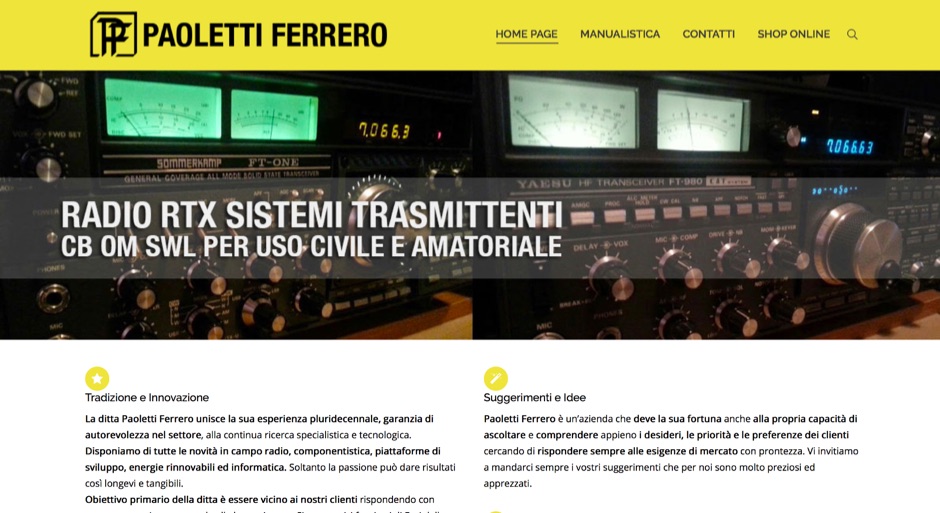 Italian amateur radio and electronic components shop based in Firenze Italy
 -
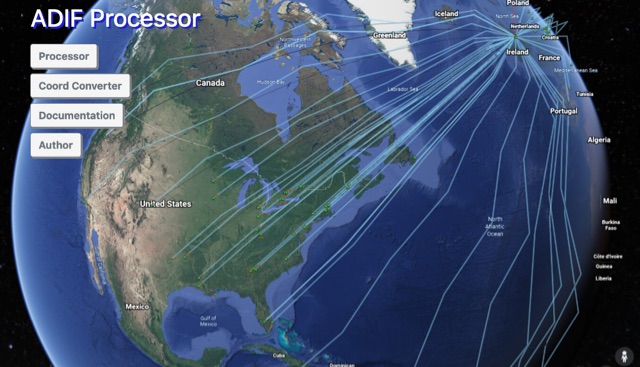 The ADIF Processor is an online application that visualizes amateur radio contacts from an ADIF log file using Google Earth. SOTA CSV log files can also be used. As well as allowing you to view and explore your contacts in Google Earth, you will be able to see a Markdown or text table of contacts, use the output ADIF file which contains QRZ.com data, accurate contact distances and fields populated from comments in the input file. Print QSL labels. One of the benefits of using the ADIF Processor before uploading/storing your ADIF file is detecting errors in callsigns and activity references (e.g. POTA or SOTA references).
 -
 Handcrafted Accessories for the shack by W2ENY includes Full range headphones with a mic, computer interfaces, mic ptt adapters
 -
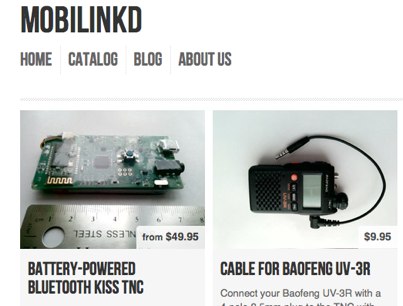 Mobilinkd Bluetooth APRS TNC. With your radio, your Android phone and this TNC, you have everything you need to get started with APRS.
 -
 This website is made available to the CCARC Hamradio Community and to anyone interested in Amateur Radio.
 -
 Vapex Tech offers over **150 different battery products** tailored for diverse applications, including specific models for Icom, Kenwood, and Yaesu handheld transceivers. The product catalog details specifications for NiMH, LiPo, and LiFePO4 chemistries, providing crucial data on voltage, capacity, and discharge rates. Customers can browse by application, such as _Airsoft Batteries_ or _Model Control Batteries_, or directly by consumer battery types like AA and AAA cells. The resource presents a structured e-commerce platform where users can filter products by category, view detailed item descriptions, and proceed with online purchases. Each product listing includes high-resolution images and key technical parameters, enabling informed selection for specific radio equipment. Operational hours are clearly stated as 9am-5pm Mon-Fri and 9am-12pm Sat, with contact information including a sales email and phone number for direct inquiries. The site also features a "Latest News" section, indicating ongoing updates regarding product availability or company information.
 -
 Lido Radio Products specializes in **no-holes mounting solutions** for a wide array of mobile electronic devices, including amateur radio transceivers, smartphones, and tablets. Their product line features cup holders, vent mounts, and window mounts, designed to secure equipment without permanent modifications to a vehicle's interior. The company supports various brands such as Icom, Yaesu, Kenwood, Motorola, Hytera, and Vertex, catering to both amateur radio operators and land mobile users. My own experience with similar mounting systems for mobile operations confirms the utility of a secure, non-invasive setup. A stable mount prevents equipment from becoming a projectile during sudden stops or turns, a critical safety consideration for any mobile station. Lido's focus on specific radio brands suggests a tailored approach to fit and function. They also provide individual parts to customize existing mounts, allowing operators to adapt solutions to unique shack or vehicle configurations. This modularity is a significant advantage for hams who frequently reconfigure their mobile setups or integrate new gear.
 -
 This online project guide details the construction of a homebrew boom microphone system. It details the assembly of a microphone shell from a 3/4" PVC pipe section and an end cap, requiring a drilled hole for a snug fit of the electret or condenser mic element. The internal wiring schematic specifies a **2.2 K** resistor and a **47 uF** polar capacitor for signal conditioning, with a circuit diagram provided for integration with IC-706 series transceivers. The guide outlines the use of CAT-5 cable for internal connections, incorporating strain relief at the rear of the mic shell, and an inline 3.5 mm jack to facilitate an external _PTT_ line, designed for a foot-mounted switch. Further construction involves fabricating a microphone shock mount from a 2-inch PVC connector, detailing the creation of four "fingers" and the insertion of screw-eyes for attaching elastic bands, which are twisted 180 degrees for tensioning and vibration isolation. A foam wind screen is also incorporated into the microphone assembly, secured with adhesive. The boom arm itself is repurposed from an articulated architect lamp, with the original lamp assembly converted into a **60 watt** resistive load for testing power sources. Microphone cabling is secured to the boom arm using wire ties, ensuring sufficient slack at hinge points to maintain articulation. The boom base is mounted to a bookshelf, requiring specific positioning to achieve proper microphone placement in front of the operator. Performance evaluation of the microphone system is conducted through on-air audio signal reports from other amateur radio operators. DXZone Focus: Online Project Guide | Boom Microphone Construction | Electret Mic Element | PTT Line
 -
 Presents an Italian association, Club 27 Catania, which is affiliated with Protezione Civile FIR-CB. The resource indicates a focus on CB radio and various DX groups, including Papa Alfa Tango, Wisconsin Michigan, Charly Tango, Oscar Sierra, Big Time Operators, WAC Club, Azteca DX, and TX&RX Group. The page itself is a placeholder, stating "We’re getting things ready" and "Loading your experience… This won’t take long," suggesting future content will detail the club's activities and affiliations. The current state of the resource provides minimal information beyond its name and affiliations. It does not offer details on club events, membership, technical discussions, or operational specifics. The listed DX groups imply a focus on long-distance communications within the CB radio spectrum, but no specific results, comparisons of operating techniques, or practical applications are available on the present page.
 -
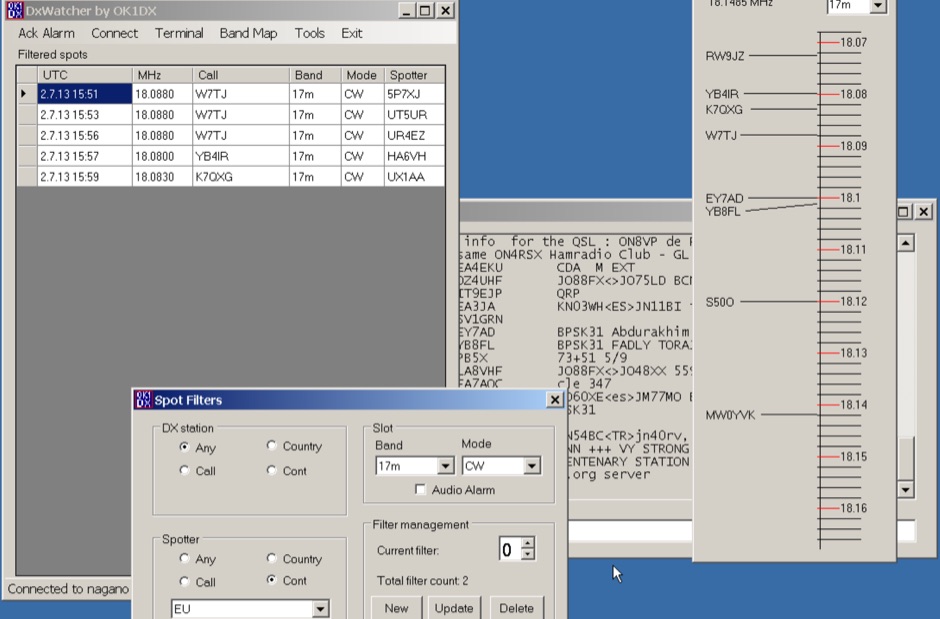 Demonstrates a specialized DX cluster monitoring application, _DxWatcher_, designed for Windows environments. It processes DX spots received via Telnet/Internet, presenting them in a filtered table and a dynamic bandmap. The software integrates with transceivers, specifically the FT-2000, to read VFO frequency and enable one-click tuning to spotted stations. _DxWatcher_ version 1.0.3.0, released on 13 June 2020, includes minor bugfixes and improvements such as enhanced recovery from suspend mode. Key features include configurable bandmap position and size, automatic opening, and bolding of spots received within the last **10 minutes**. The application utilizes the standard _ctry.dat_ file for DXCC country analysis, allowing users to update it for current DXCC status. Source code, developed in C# with MS Visual Studio 2008, is freely available, encouraging modification and sharing while requesting retention of the original author's callsign.
 -
 Ham radio dealer. Antennas, connectors, books, maps baluns and spare antenna components
 -
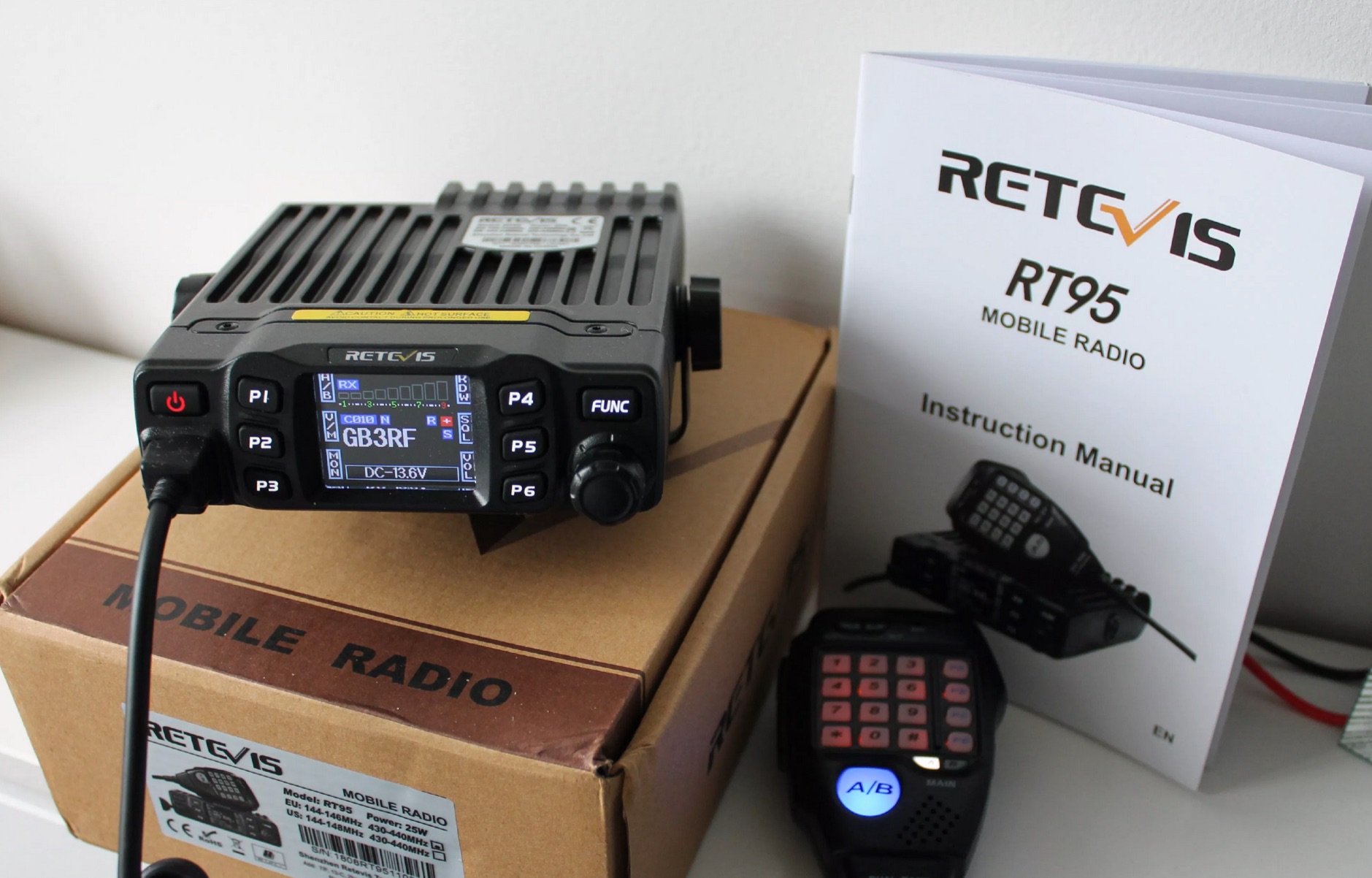 Review of the Retevis RT95 also marketed as Anytone AT-778UV dual band VHF UHF FM mobile radio transceiver
 -
 The BTech DMR-6X2 dual-band DMR handheld radio is thoroughly reviewed, detailing its features and performance for amateur radio operators. This resource covers the radio's capabilities for both VHF and UHF frequencies, supporting Tier II DMR digital and FM analog modes. It highlights key specifications such as its **136-174 MHz** and **400-480 MHz** frequency ranges, CTCSS/DCS, DTMF, 2-TONE, and 5-TONE signaling, and its _digital simplex repeater_ function. The review provides a comprehensive unboxing experience, listing included accessories like two Li-Ion batteries (2100 and 3100 mAh), a programming cable, and a 37-page English user guide. It also specifies the radio's physical dimensions of 5.1 x 2.4 x 1.5 inches and weights of 9.9 oz with the 2100 mAh battery and 10.8 oz with the 3100 mAh battery, offering practical insights for hams considering this transceiver.
 -
 Operating on the 146.880 MHz repeater, the Inland Empire VHF Radio Amateurs (IEVHFRA) hosts a weekly net, providing a consistent on-air gathering for amateurs within Eastern Washington and Spokane County. My experience with similar regional VHF nets confirms their value in fostering local ham radio community and sharing information, often covering topics from equipment troubleshooting to upcoming hamfests. The club, active for over **50 years**, also organizes the _Inland Empire VHF Tailgate Swap_, an event featuring vendors, emergency communication demonstrations by Spokane ARES-ACS, and POTA/SOTA activity setups. Such events are crucial for hands-on learning and direct interaction, which I've found invaluable for new licensees and seasoned operators alike. Beyond on-air activities and events, IEVHFRA supports the hobby through amateur radio classes and testing, facilitating new license acquisition and upgrades. They also maintain an online messaging group for members, ensuring continuous communication and information exchange.
 -
 The C.A.R.E.N. Club is one of the oldest amateur radio clubs in Arkansas, dating back to the late 1950s. Just as the name implies, the C.A.R.E.N. Club is the state leader in emergency communications, SKYWARN, Amateur Radio Emergency Service (ARES), Radio Amateur Civil Emergency Service (RACES).
 -
 Presents a concise guide for Amateur Radio operators participating in Jamboree-on-the-Air (JOTA), an annual event connecting approximately 500,000 Scouts and Guides worldwide via ham radio. The resource details how to initiate a voice contact, including the use of "CQ Jamboree JOTA" and proper signal reporting with the RST system. It also outlines the typical exchange information, such as name, QTH, Scout rank, and age, encouraging participants to practice their responses. Authored by Bill Wetherill, N2WG, the brochure provides a practical phonetics chart and a comprehensive Morse code dictionary, including punctuation and prosigns like AR and SK. It clarifies rules for third-party operation under the direct supervision of a licensed operator, noting restrictions on international contacts without specific government agreements. Additionally, the guide lists recommended World Scout Frequencies for SSB and CW across 80, 40, 20, 17, 15, 12, and 10 meters, emphasizing courteous operating procedures. It includes a section on common Q-signals like QRM, QRN, and QSL, alongside the Amateur's Code, which stresses considerate, loyal, progressive, friendly, balanced, and patriotic conduct.
 -
 This resource, intended to present historical score records for the _ARRL International DX Contest_, currently displays a "Page not found" error. The page's original purpose was to document top scores and records for both Phone and CW segments of the contest, offering a historical perspective on competitive amateur radio operating. Without the content, no specific technical details regarding past contest results, callsigns of record holders, or score breakdowns can be extracted. The resource's current state prevents any analysis of score comparisons, operational strategies of top stations, or the evolution of contest performance over time.
 -
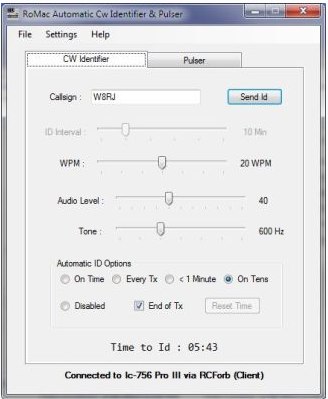 Demonstrates the _RoMac Automatic CW Identifier 2012_ software, a Windows application designed to automate station identification and provide a tuning pulser. It can send CW identification via a sound card's audio output or by keying a radio's manual CW jack using a serial port's DTR line. The software also supports CAT commands for various Kenwood, Yaesu, Flex, and Elecraft radios, enabling automatic mode and frequency changes for ID transmission. It integrates with USB audio-capable radios like the Icom 7300 and Yaesu FT-991, simplifying connectivity with a single USB cable. The application features a fully programmable interface, adjustable CW speed from **5 to 35 WPM**, and ID intervals from **5 to 30 minutes**. The integrated "Pulse Tuner" function allows for safe amplifier and antenna tuner adjustments by sending short audio tones or rapid CW keying, with an adjustable duty cycle from 1% to 100%. It offers compatibility with a wide range of transceivers and amplifiers, and a schematic for a basic sound card interface is included for users without existing setups.
 -
 137.7 kHz QRSS beacon exciter is described, utilizing a single chip for operation on the 2200m amateur band. The design focuses on simplicity and efficiency for weak signal applications, providing a compact solution for generating QRSS signals. This project targets the DX portion of the band, enabling long-distance communication with minimal power output. The resource details the construction and functionality of the **QRSS beacon**, emphasizing its **low-power operation** and suitability for experimental amateur radio. It provides insights into the circuit's architecture and potential for integration into existing station setups. The design aims to offer a practical and accessible entry point for amateurs interested in weak signal modes on the LF/MF bands.
 -
 Autonetics radio club - k6nx - boeing, anaheim
 -
 The CES Wireless Technologies website details a range of **GPS fleet tracking** solutions designed for mobile information systems. It highlights offerings such as dispatch and mapping software, Automatic Vehicle Location (AVL) systems, and mobile data display terminals. The platform also mentions support for Automatic Number Identification (ANI) and Continuous Tone-Coded Squelch System (CTCSS) functionalities, indicating integration with two-way radio communication protocols. Specific products include GPS tracking devices and associated software for fleet management, emphasizing features like real-time location monitoring and operational efficiency. The site positions itself as a manufacturer in this specialized domain, catering to commercial and public safety sectors requiring robust mobile data solutions. While the page title mentions "Ham Radio Directory" categories, the content primarily focuses on commercial GPS and fleet management technologies, not amateur radio applications. The listed products are geared towards professional mobile radio (PMR) environments rather than typical ham radio operations.
 -
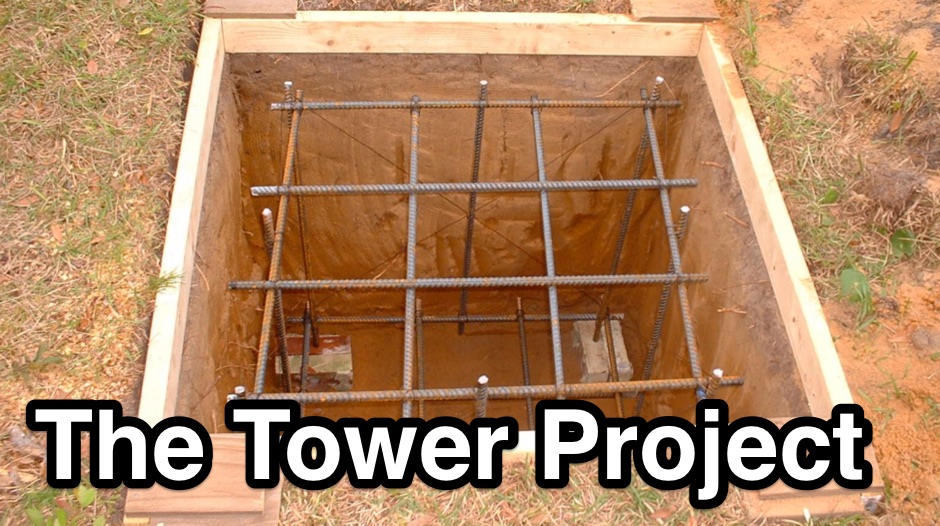 This is a description of how KO4BB built his tower. It is provided in the hope that it will be useful to anyone want to setup his own ham radio tower.
 -
 The loma pioneer repeater club - lprc provides 2 meter vhf and 440 uhf amateur radio and emergency communication for the san francisco and monterey bay areas from a repeater on mt loma prieta. aprs digipeater available.
 -
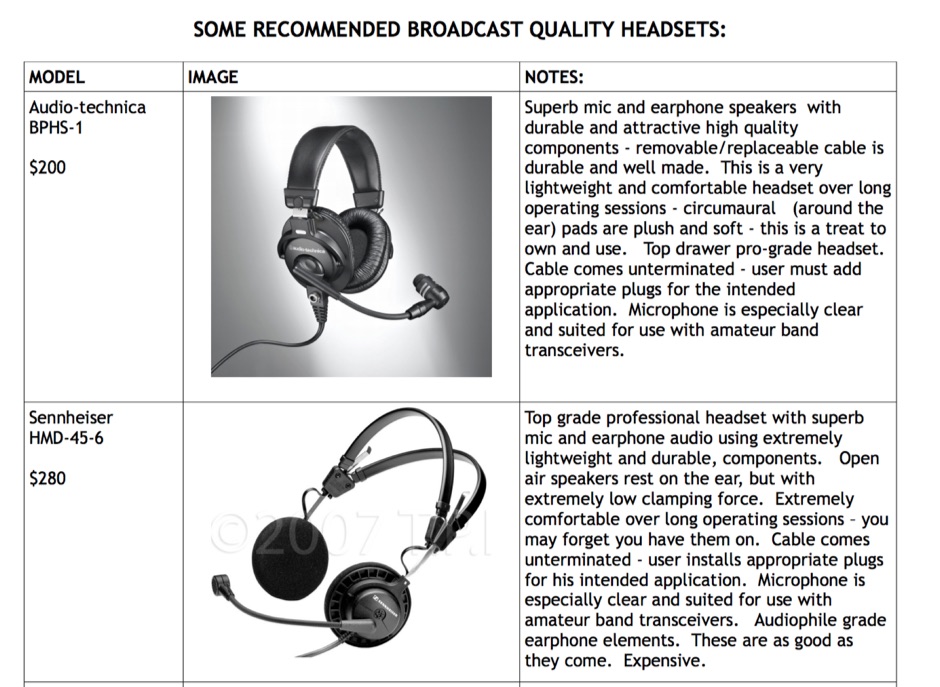 A selection of speakers or headphones for use with amateur radio equipment. Includes an interesting paragraph comparing Dynamic and Electret Condenser Microphones, but also about audio Equalization.
 -
 Announces the retirement of Brand Electronics, a manufacturer specializing in **power meters** and various ham radio accessories, effective 2025. The company has served the amateur radio community for over 35 years, providing equipment for station setup and operation. The product line historically included accessories compatible with major transceivers from Icom, Yaesu, and Kenwood, alongside components and technical references for homebrew projects. Their offerings supported accurate RF power measurement, crucial for optimizing antenna systems and ensuring legal limit compliance. This notice serves as a final update regarding the company's operational status, marking the cessation of manufacturing and sales activities. The site provides no further details on product support or inventory liquidation.
 -
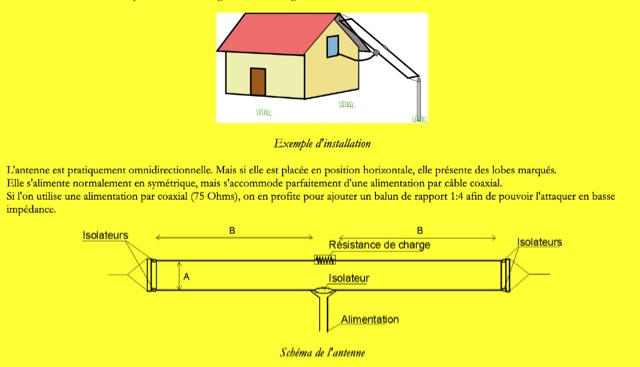 W3HH wide-band wire antenna Article in French. The W3HH antenna, also known as the Terminated Folded Dipole (T2FD), is a compact, broadband antenna for amateur radio. It operates at an angle of 20 to 40 degrees and covers frequencies from 3 to 30 MHz. The antenna features a total length of one-third of the wavelength at its lowest frequency and is fed using a 1:4 BALUN transformer for impedance matching. A termination resistor around 390 Ω optimizes performance, making it suitable for various amateur radio applications while being easy to construct and install.
 -
 C Beagle Store Military Army RAF Navy Radio Surplus and Collectables.
 -
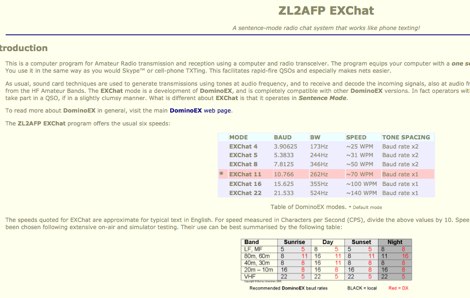 This is a computer program for Amateur Radio transmission and reception using a computer and radio transceiver The program equips your computer with a one sentence at a time chat-mode for operation on the HF bands. You use it in the same way as you would Skype or cell-phone TXTing. This facilitates rapid-fire QSOs and especially makes nets easier by ZL2AFP
 -
 Kenwood TM-201/401 Increased TX Audio, mod for microphone gain
 -
 The CAT and audio interface version 3 project by PA5CA presents a comprehensive solution for integrating amateur radio transceivers with computer sound cards, facilitating digital mode operation and CAT control. It includes detailed schematics for the interface circuitry, illustrating the isolation transformers for audio paths and optocouplers for CAT data lines, ensuring robust electrical separation between radio and PC. The resource also provides PCB layouts, enabling constructors to fabricate their own boards for this specific design. The project outlines the component selection and assembly process, emphasizing the use of readily available parts to build a reliable interface. It addresses common challenges in sound card interfacing, such as ground loops and RF interference, through its isolated design. This construction guide offers practical insights into building a functional interface, making it suitable for hams interested in DIY radio accessories for digital modes like FT8, RTTY, and PSK31.
 -
 Demonstrates the product line of CAIG Laboratories, focusing on specialized contact cleaners and lubricants essential for maintaining electronic components. Key products include **DeoxIT**, designed for deoxidizing and protecting electrical connections, and **DeoxIT Gold (ProGold)**, formulated to enhance conductivity and provide long-lasting protection on plated surfaces. Details the application of these solutions across various electronic devices, from audio equipment to critical ham radio gear, ensuring optimal signal integrity and component longevity. The product range also features **DeoxIT Faderlube (CaiLube MCL)**, specifically engineered for conductive plastic and carbon-based controls, mitigating wear and improving tactile feel. Explains how proper contact maintenance with these products can prevent intermittent connections, reduce noise, and extend the operational life of switches, potentiometers, and connectors in both commercial and amateur radio applications.
 -
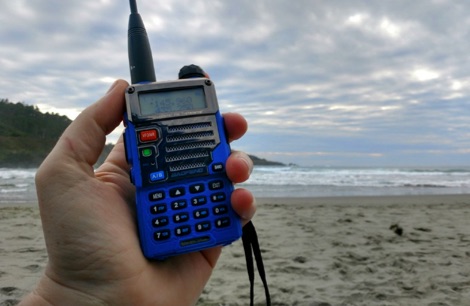 How to program Baofeng handheld transceiver with satellite frequencies, and how to get alerts when satellites are visible by using a smartphone app. A beginners guide to work satellites with a common VHF handheld radio.
 -
 The Associazione Radioamatori Italiani (ARI) Bergamo section provides a local hub for amateur radio operators in the Lombardy region of Italy. This resource details upcoming events such as the annual _Panettonata di Natale_ and important administrative updates like the 2026 membership renewal process. It also highlights special operating activities, including a commemorative radio activation for the 101st anniversary of the Gleno Dam disaster, which involved operators from both the Bergamo and Vallecamonica ARI sections. The site serves as a central point for local hams to stay informed about club activities and operational opportunities. Members can find information regarding payment methods for annual dues and event schedules. The Gleno Dam activation, for instance, is a significant event, demonstrating the club's engagement in historical remembrance through amateur radio. Such activities foster community spirit and provide opportunities for members to participate in public service and special event operations, often generating **hundreds of QSOs** and promoting the hobby.
 -
 Amateur Tosno contest club Russia ATCC was founded 25.08.2008. ATCC invites everyone who loves ham radio, CW, dx, ssb, digi and contesting, to become a member.
 -
 Gold Line, a manufacturer, provides a range of professional audio test and analysis equipment, including specific products like the **ZM1 Impedance Meter**, which is relevant for amateur radio operators needing to characterize antenna systems. The site also lists various noise sources and microphones, such as the TEF04 Mic, indicating a focus on audio signal integrity and measurement. The resource details contact information for repairs, calibration, quotations for specific products like the ZM1 and ZM1P, and technical support, with distinct email addresses and phone numbers provided for each function. This structured contact approach facilitates direct engagement with the appropriate department for specific inquiries. Operational changes effective March 1, 2019, are noted, directing users to VLDESIGN for repair and calibration, and to Partha Chen for ZM1/ZM1P quotations. Louis Pittsley is designated for technical support, with a general inquiry phone number also available, outlining the company's support infrastructure.
 -
 H.E.A.R.T. Serving Pinellas County
 -
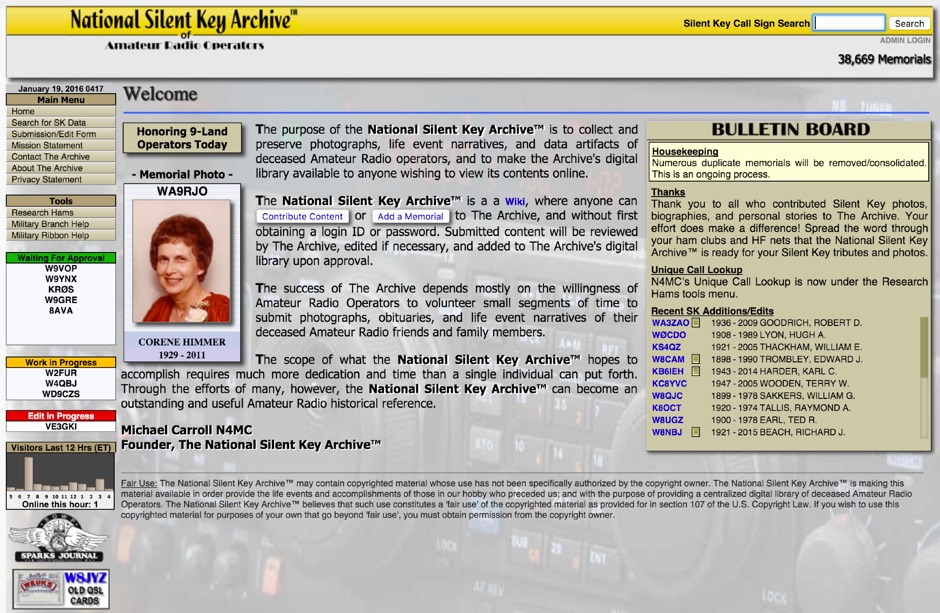 The purpose of the National Silent Key Archive is to collect and preserve photographs, life event narratives, and data artifacts of deceased Amateur Radio operators, and to make the Archive's digital library available to anyone wishing to view its contents online.
 -
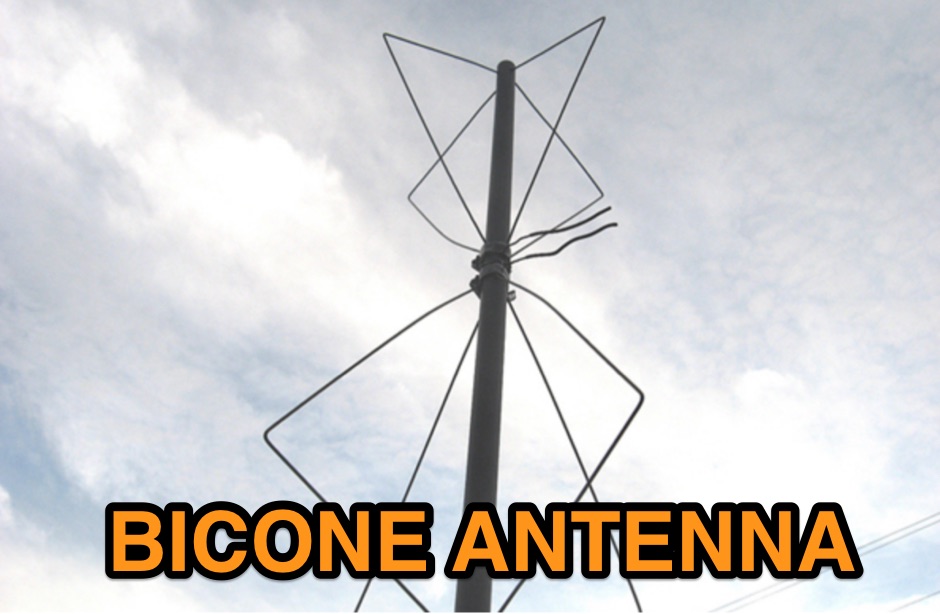 Homebrewing a vhf bicone antenna with 8 clothes hangers and 4 feet of Sch40 non-metallic rigid conduit