Search results
Query: Help
Links: 251 | Categories: 3
-
 Highlights the PRO CW CLUB's mission to foster the art of telegraphy, a fundamental skill in amateur radio. The club actively encourages members to engage in CW operation, emphasizing its historical significance and continued relevance in modern ham radio communications. Members participate in various activities designed to improve their Morse code proficiency and on-air operating techniques. The club's focus extends to supporting new operators in mastering CW, providing resources and mentorship to help them achieve comfortable speeds and accurate copy. This dedication ensures that the legacy of _telegraphy_ endures within the amateur community, connecting hams across continents with the simplicity and effectiveness of dots and dashes. The PRO CW CLUB serves as a hub for CW enthusiasts, promoting regular on-air activity and camaraderie among its members, who span the globe.
 -
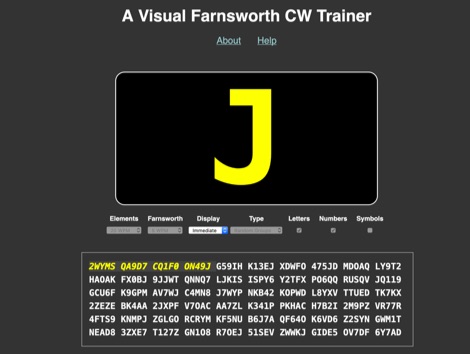 This trainer is a small personal project designed to play with learning morse code through the Farnsworth method. The main difference between this trainer and others is that I am experimenting with visual reinforcement by displaying the character currently being sent. It is my hope that this will help form a stronger link between the sound of CW and the meaning of the sound. This page should work in any modern desktop or mobile browser,
 -
 Over 150 pages of content are dedicated to maximizing activity on the 6-meter band, often referred to as the _Magic Band_. The resource details various propagation modes, including sporadic E, F2, and tropospheric ducting, providing insights into their characteristics and how to leverage them for DX contacts. It also covers essential equipment considerations, from transceivers and transverters to specific antenna designs optimized for 50 MHz operation, such as Yagis and Moxon antennas. The eBook presents strategies for participating in 6-meter contests and pursuing awards like _VUCC_, offering practical advice on logging software and operating techniques. It includes discussions on software tools useful for predicting propagation and managing contacts, alongside guidance on finding and utilizing DX maps to identify openings. The author, K5ND, shares his extensive experience to help operators achieve successful 6-meter DXing. Specific sections address the code of practice for 50 MHz operations and provide assistance in locating rare DX opportunities. The content is structured to guide both new and experienced operators through the nuances of the band, from initial setup to advanced operating strategies.
 -
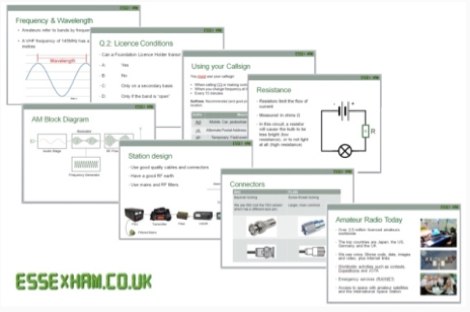 A series of slides, videos and handouts to help people get started in amateur radio in the UK.
 -
 NJ2X is a licensed amateur radio operator (FCC Amateur Extra) who enjoys casting electromagnetic waves into the ether. NJ2X pursues many aspects of the hobby including chasing DX, participating in mini-DX expeditions, building equipment and antennas, and papering his shack walls with ARRL awards. NJ2X dedicates this amateur radio oriented site to helping others who also enjoy the greatest of scientific hobbies. The site is suitable for all readers - families, the young, and the young at heart.
 -
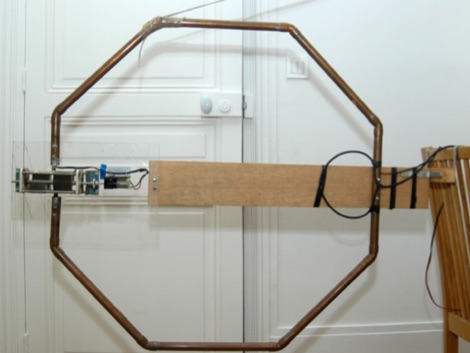 Basic magnetic loop antenna examples and loop aerials theory explained. This article inclued some interesting tricks on building magnetic loop antennas and an usefull excell sheet to help compute magneti loop antennas calculating power efficiency from 10 to 40 meters band
 -
 Essex Ham offers news of amateur events in Essex, details of training, helpful advice, a discussion forum and lots of useful information.
 -
 This article aims to help promote the proper configuration for having a clean signal on the waterfall to avoid interference to other users and also to vastly increase the effectiveness of your signal.
 -
 Effective operation of amateur radio repeaters, particularly in high-density areas, relies on coordinated frequency assignments to prevent interference. This resource from the _Illinois Repeater Association_ (IRA) serves as the official frequency coordination body for the state of Illinois, providing essential information for repeater owners and users. It details coordination policies, guidelines, and application forms for new and existing repeaters, ensuring fair and consistent spectrum utilization. The site also includes a comprehensive band plan, last revised in 2006, and a selective access policy (PL/Squelch Plan) updated in 2015, which are critical for maintaining orderly operations. The IRA website offers various repeater directories, sortable by frequency, city, and region, including a dedicated section for digital systems. These directories are invaluable for hams traveling through Illinois or setting up new repeater projects, helping them identify available frequencies and coordinated systems. The resource also provides meeting minutes, newsletters, and links to other regional repeater councils, demonstrating its role in fostering inter-state coordination. This structured approach to frequency management helps ensure reliable communications and minimizes QRM across the state, supporting thousands of repeater contacts annually.
 -
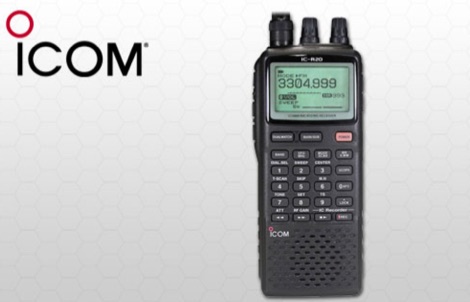 This quick-start guide is an attempt to provide some help when coming to terms with the R20 and the manual
 -
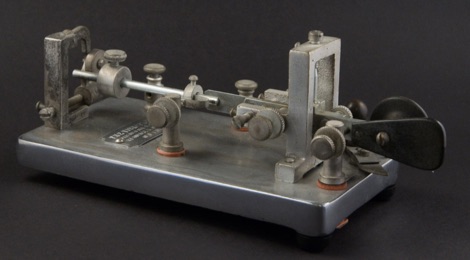 The Vibroplex Collector’s Page details the history and identification of Vibroplex semi-automatic telegraph keys, commonly known as "bugs." It traces the evolution from Horace G. Martin's 1902 Autoplex, which required a battery, to the fully mechanical Vibroplex patented in 1904. The resource explains how these keys generate automatic dots and manual dashes, helping telegraphers mitigate Repetitive Motion Disorder (RMD) and increase sending speed, thus improving their earnings. The site also covers the initial design by Alfred Vail in 1844, Jesse Bunnell's 1881 "Triumph Key," and William O. Coffe's 1904 "Mecograph." This page assists owners in identifying their Vibroplex models and determining their manufacturing dates, providing insights into the company's long history and notable figures like J. E. Albright. It notes that approximately 300,000 Vibroplexes have been produced since 1904, with the Original model still in production after more than 90 years. The resource also touches upon various Vibroplex models, including unusual, scarce, and common types, alongside legal and illegal clones from other manufacturers.
 -
 This page contains links to a variety of data signals that have been specially recorded. Each file contains a standard test message (the quick brown fox jumped over the lazy dog) repeated twice. The files can help you learn the characteristic sound of various data modes but they can also be used to make sure your decoder is working.
 -
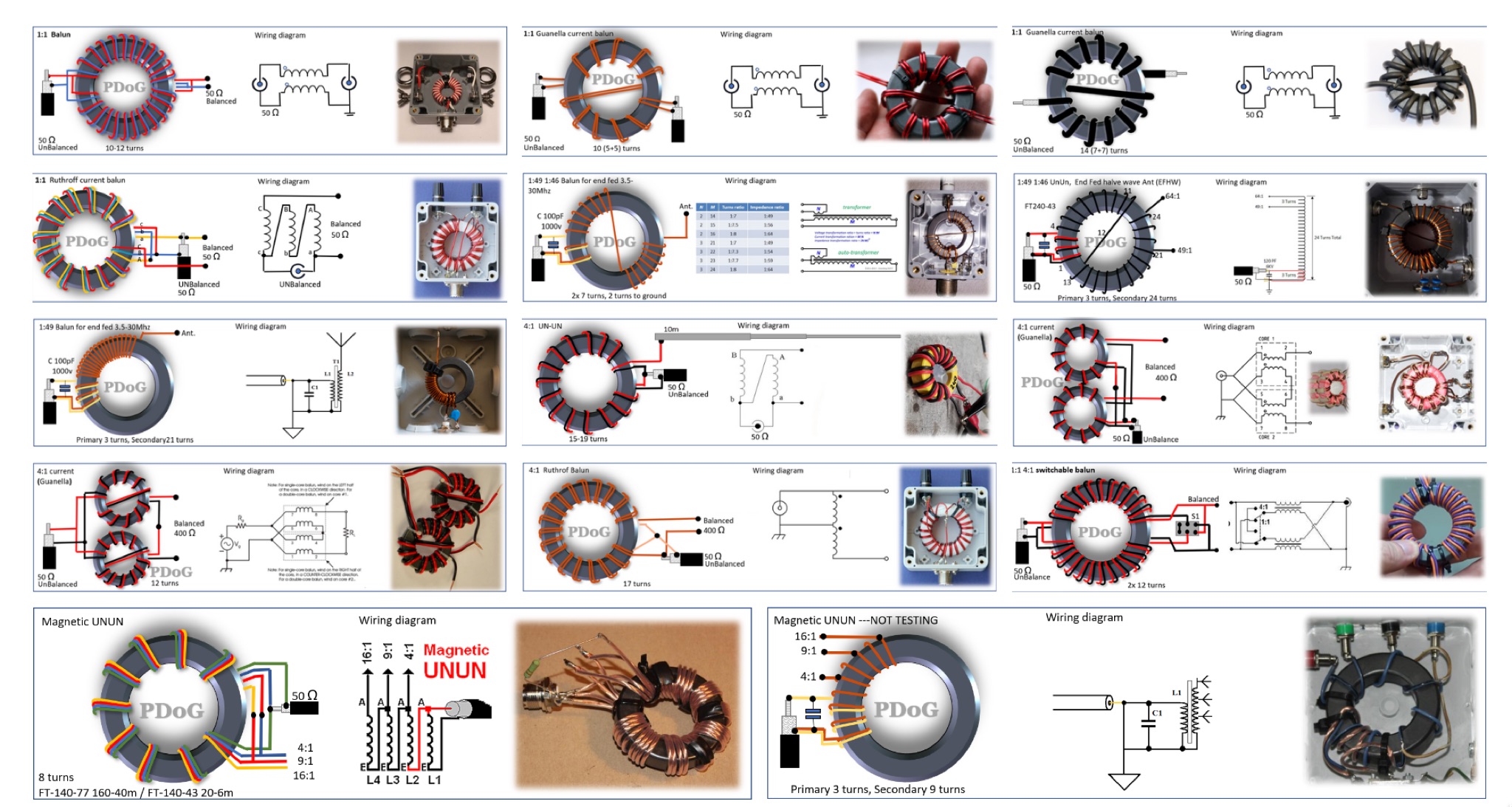 This page provides a detailed guide on the Guanella Current Balun for ham radio operators. The author shares very nice schematics, photos, and explanations on the construction and use of this type of balun. The content explains when a balun is needed and how it can help with common-mode currents in antenna systems. It also discusses the construction process, including winding the balun around a ferrite core. This resource is useful for hams looking to improve their antenna systems and reduce common-mode currents for better performance. This article is in Dutch.
 -
 Our goal is to provide helpful and useful information to Ham Radio Beginners so you can get started as soon as you want to enjoy the amateur radio hobby.
 -
 The purpose of this blog is to help new hams and promote amateur radio
 -
 The TRI-STATE emergency communications response team is dedicated to providing help to public service agencies with communications when normal communications are not working.
 -
 The West Virginia State Amateur Radio Council (WVSARC) operates as a central coordinating entity for amateur radio interests throughout the state. Its primary function involves fostering cooperation among various local clubs and organizations, ensuring a unified voice for the amateur radio community within West Virginia. The council addresses matters pertinent to state-level amateur radio operations, including band plans, emergency communications preparedness, and regulatory issues affecting local hams. Historically, the WVSARC has played a role in organizing statewide events and providing a platform for information exchange among its member clubs. This structure helps to streamline efforts in areas such as public service events, disaster response drills, and the promotion of amateur radio to new licensees. The council's activities contribute to the overall health and growth of the hobby by facilitating communication and resource sharing across the diverse amateur radio landscape of West Virginia.
 -
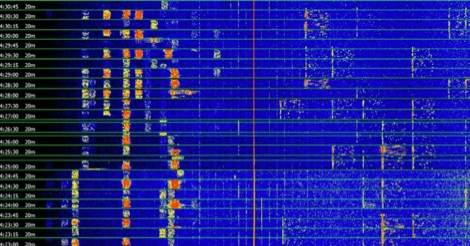 This article discusses how volume reduction can help in the reception of weak signals by reducing the noise level. It is commonly known that reducing the volume also reduces the background noise, and especially in the reception of weak digital signals it can be beneficial
 -
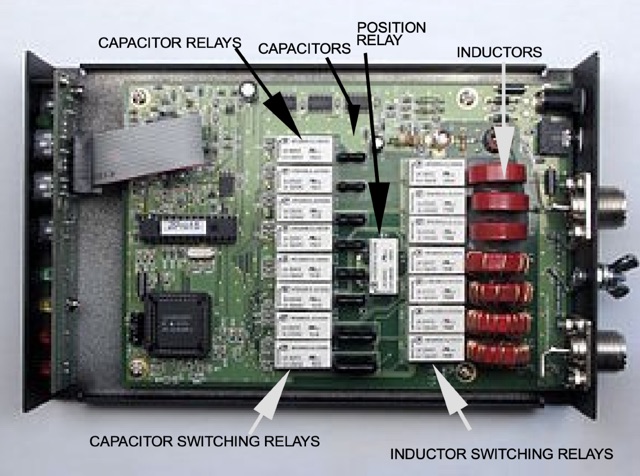 Collection of several topics on antenna tuners and their performance. Why use an antenna tuner? How does an antenna tuner…tune Does an antenna tuner fool the radio? Will an antenna tuner waste power? Can an antenna tuner help get more power to the antenna?
 -
 Experimental Methods in DSP design. The author explains how a software defined radio works to help other amateurs with their learning. This set of tutorials takes you from how to write a single component to a fully working SDR.
 -
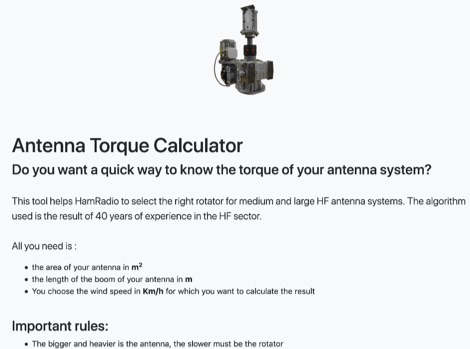 This unique online tool helps Ham Radio operators to choose the right rotator for medium and large HF antenna systems. The algorithm implemented in this calculator is the result of 40 years of experience in the HF Antenna sector. Given the Wind Speed, the total antenna square area, and the boom length, it will return the calculated torque value.
 -
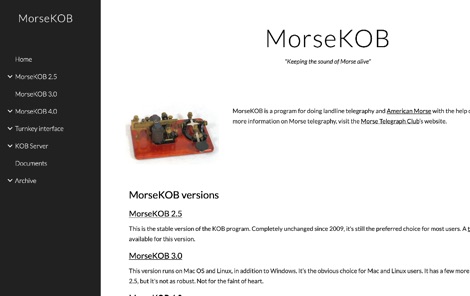 MorseKOB is a program for doing landline telegraphy and American Morse with the help of a computer. Can run on Mac OS and Linux, in addition to Windows.
 -
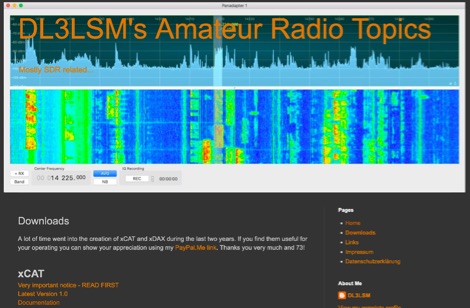 xCAT is an helper application for the FlexRadio 6000 series running on macOS computers to control via CAT protocol tranceivers, while xDAX purpose is to provide a way for Digital Mode Software like Fldigi, WSJT-X to access the digital audio data (DAX) of the FlexRadioTM
 -
 As a ham radio club we get involved with contest, emergency response and services (CERT, RACE, ARES & etc), volunteering to organizations that needs our help (Community, Boys Scouts, Senior Citizens, & etc.), promoting and educating individuals of amateur radio operations (ARRL, FCC, Obtaining Licenses, Local Government, & etc), meeting new and interesting people around the world and beyond through many sources (VHF, UHF, HF, Computers, CW, D-Star, RTTY, & etc.), amateur radio is a great social skill, there is no age limit on who can get involved, and much more.
 -
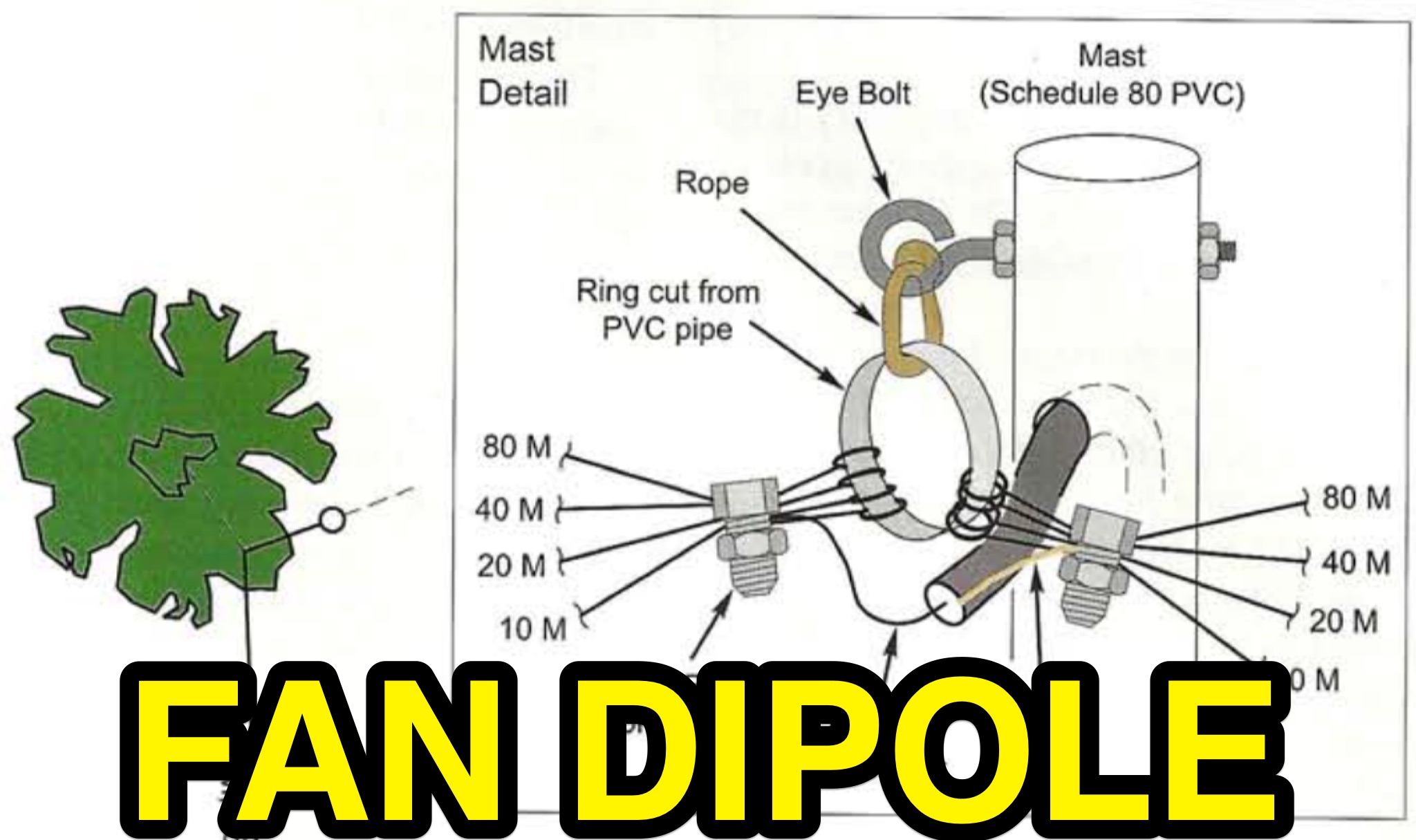 This PDF guide provides detailed instructions and diagrams for constructing a fan dipole antenna, a popular choice among hams for multiband operations. The guide covers the design, materials needed, and installation process, offering step-by-step guidance to help hams set up an effective antenna system for their radio operations.
 -
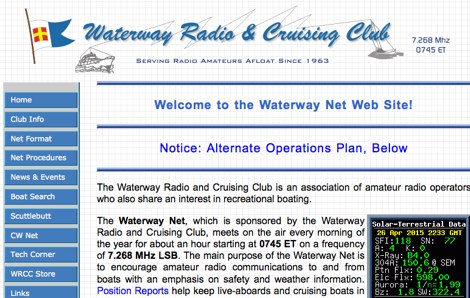 The Waterway Net, sponsored by the Waterway Radio and Cruising Club, is dedicated to enhancing amateur radio communications for recreational boaters. Meeting daily at 0745 ET on 7.268 MHz LSB, the net focuses on safety and weather updates, providing a vital link for live-aboards and cruising boats to stay connected with families and friends. Position Reports and Float Plans are essential components that ensure safety for offshore passage makers. Established in the early sixties, the Waterway Net is one of the longest-running nets in amateur radio history. Open to all amateur radio operators with a General class license or higher, it encourages participation without requiring WRCC membership. Newcomers are advised to listen initially to understand net procedures before checking in. In emergencies, FCC regulations allow anyone, licensed or not, to use any frequency to call for help, with the 20-meter frequency of 14.300 MHz available for emergency assistance approximately eighteen hours a day.
 -
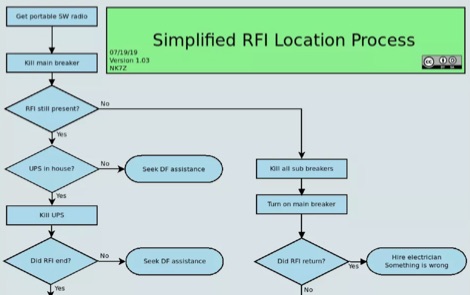 I have RFI, now what– Locating it. This article is the first of a three parts article, that covers the problem of locating the RFI source. Author make use of an SDR receiver to locate RFI emissions. Ai interesting RFI location process diagrams helps on following the various phases, permitting the discovery of almost 75% of the RFI issues.
 -
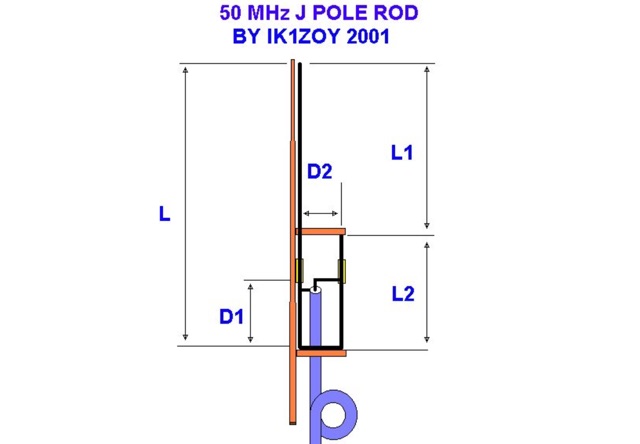 A j-pole antenna plan with drawings and dimensions that can help you on building your own j-pole antenna for the six meters band
 -
 This PDF document reviews the POTA PERformer Antenna by KJ6ER, providing insights and details about its performance and features. The content is aimed at hams looking for information on this specific antenna model to help them make an informed purchasing decision. It contains technical specifications, user experiences, and possibly recommendations for optimal use. The review is valuable for hams interested in portable operation and seeking a reliable antenna solution for Parks on the Air (POTA) activations.
 -
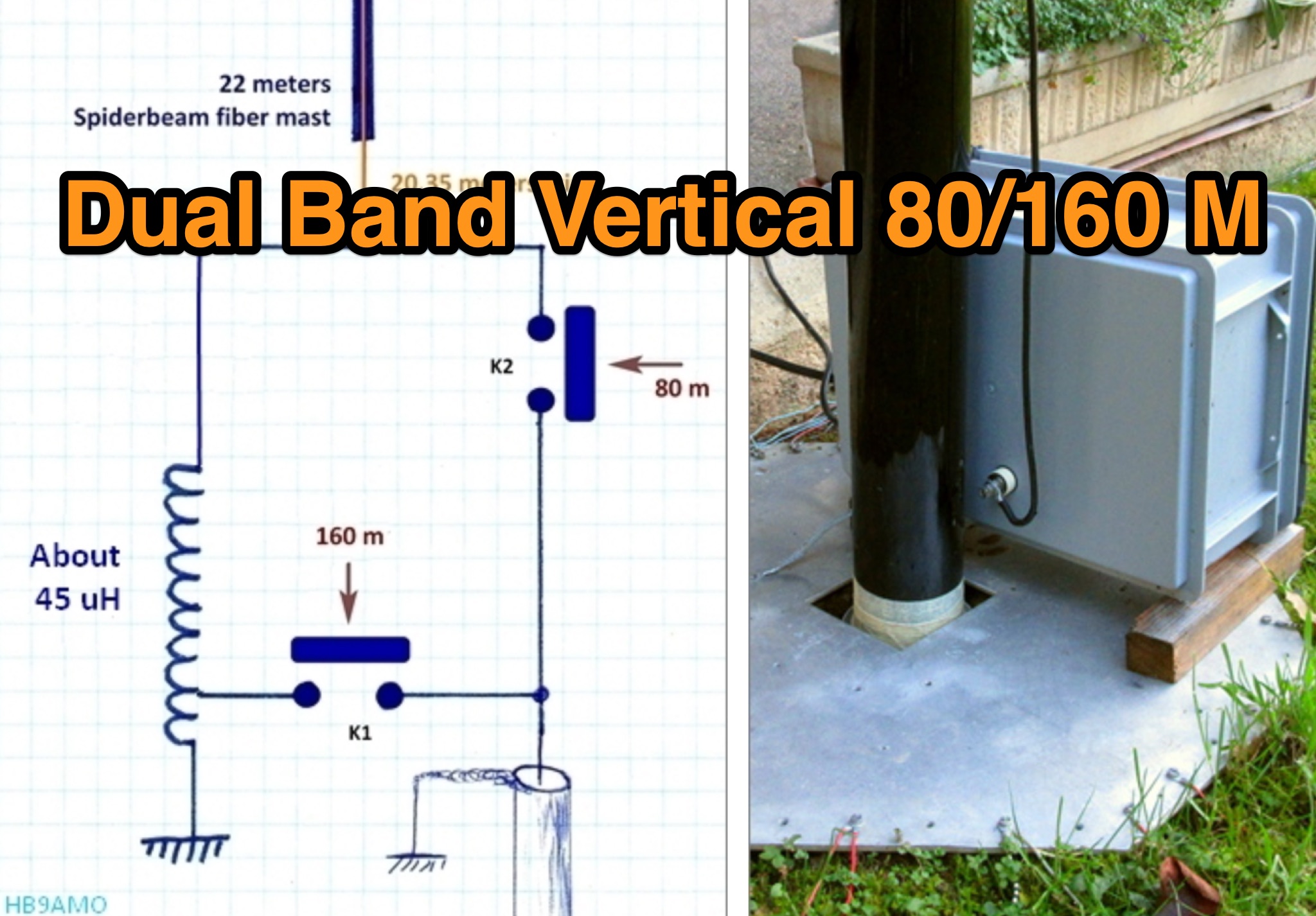 This page provides detailed information on various antenna designs specifically tailored for hams operating on the 80m and 160m bands. The article covers the pourpose and usefulness of each design, helping hams optimize their radio communication capabilities on these popular bands. Whether you are a beginner looking to improve your setup or an experienced operator seeking new ideas, this page offers valuable insights to enhance your ham radio experience on the 80m and 160m frequencies.
 -
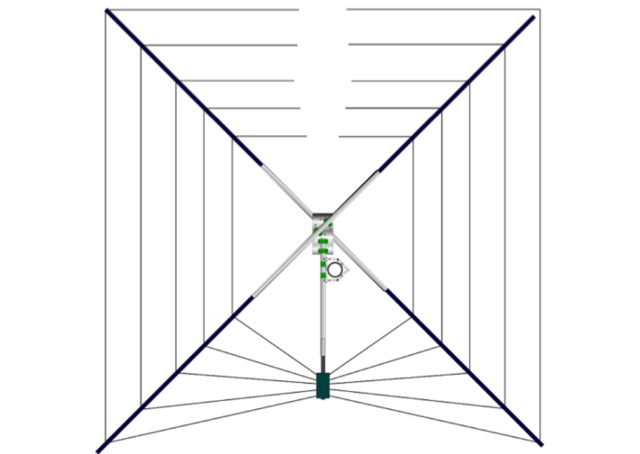 The following is the third part of a three-part guide to help get started with HF, written by Charlie Davy – M0PZT
 -
 This page provides a fully customizable band plan. You can easily customize the frequency limits, scale, define custom windows for modes and activities, adding or removing bands. You can tehn Export to PDF or print the bandplan to distribute the document to help hams operating within the designated spectrum efficiently. Useful for both new and experienced hams looking to produce their custom bandplan.
 -
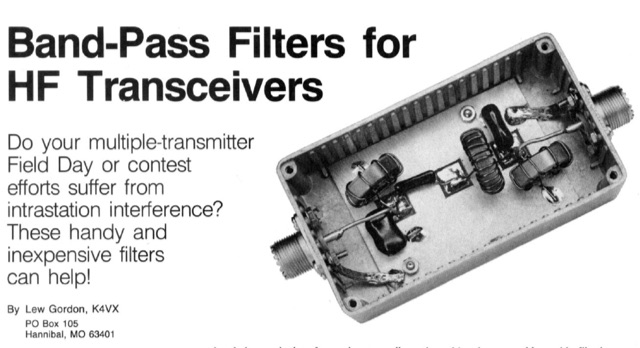 If your multiple transceiver station is suffering of intrastation interference, this handy and inexpensive band pass filters and help you. QST article Sept 1988
 -
 This web page is part of a self-help program for licensed amateur radio operators and radio pirates.
 -
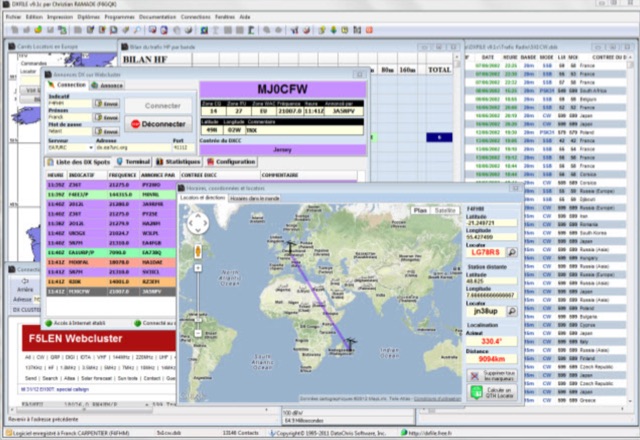 DXFile is a Windows shareware application designed for amateur radio operators, providing comprehensive log management capabilities. The software, developed in Pascal, facilitates real-time and deferred QSO entry, automatically populating fields like frequency, mode, and DXCC country based on user input and system time. It includes features for searching, modifying, and deleting QSO records, with options to sort logs by date, callsign, or entry order. The program offers various printing functions, including QSL card labels in multiple formats, and can generate standard logbook printouts. Beyond basic logging, DXFile integrates modules for tracking progress towards major operating awards such as DXCC, _IOTA_, WAZ, WAS, DDFM, and DIFM. It provides detailed summaries of contacts by band and mode, including graphical representations of HF traffic. A dedicated QSL Manager module assists in processing received QSLs, allowing users to mark confirmations and print multi-line QSL labels. The application also incorporates a DXCC list viewer, which can be updated to ensure accurate country and zone data for logging and award tracking. A distinctive feature is its HF propagation prediction module, which calculates optimal frequencies and signal levels for paths between **250 km** and **6000 km**, considering both E and F layer ionospheric conditions. This module helps operators determine the best times for long-distance contacts. Additionally, DXFile includes a _Web-Cluster_ interface, enabling connection to various DX cluster servers like DXLITE, DXSCAPE, and NC7J for real-time spot information.
 -
 SDXF is a Swiss nonprofit organisation, founded in 1998 to help supporting amateurradio expeditions to rare places where little or no amateurradio activity exists.
 -
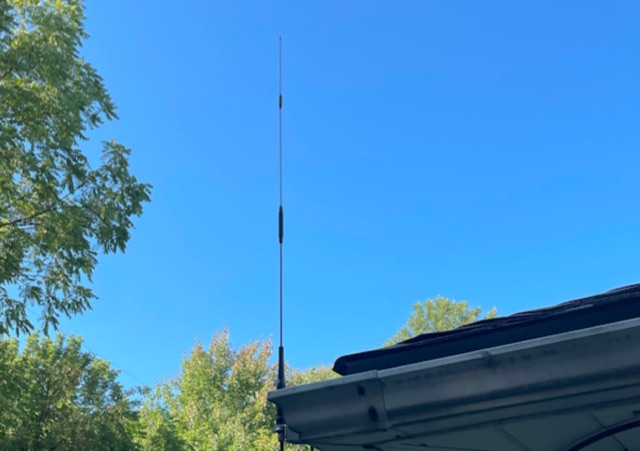 A concept to use common, low-cost parts to mount a VHF/UHF dual-band antenna to help people who have HOA restrictions, are renters, or desire low-visibility characteristics get on the air.
 -
 Main Trading Company, MTC Radio has been helping Hams All over the country since 2009. Amateur radio dealer of popular hma radio brands based in Texas
 -
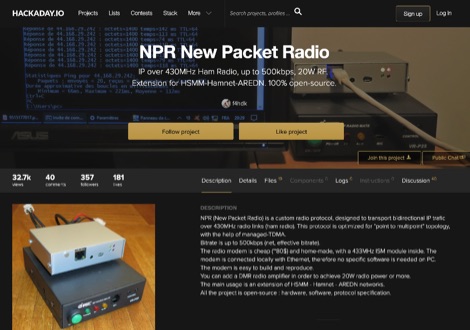 NPR (New Packet Radio) is a custom amateur radio digital protocol, designed by F4HDK to transport bidirectional IP trafic over radio links on the 70cm band. This IP protocol is optimized for point-to-multipoint topology, with the help of managed-TDMA. Bitrate is up to 500kbps. Home Made modem has a built-in ethernet port to connect to PC. To boost power a DMR amplifier is required to reach 20W. This project is an extension of HSMM - Hamnet - AREDN networks
 -
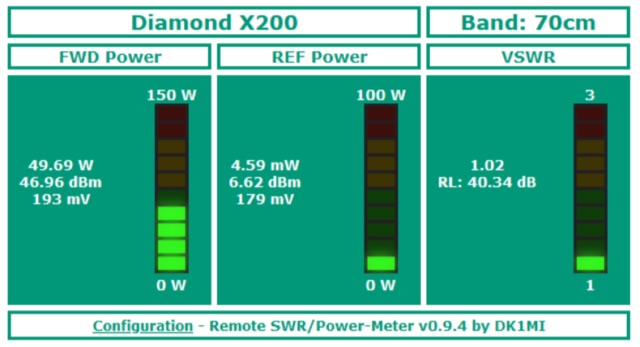 Remotely monitor the output power and SWR of your station via a web browser. WT32/ESP32 based project, combined with a directional coupler setup. It reads two voltages which are supplied by the directional couplers. From these, the respective power is calculated with the help of a calibration data table to be created by the user.
 -
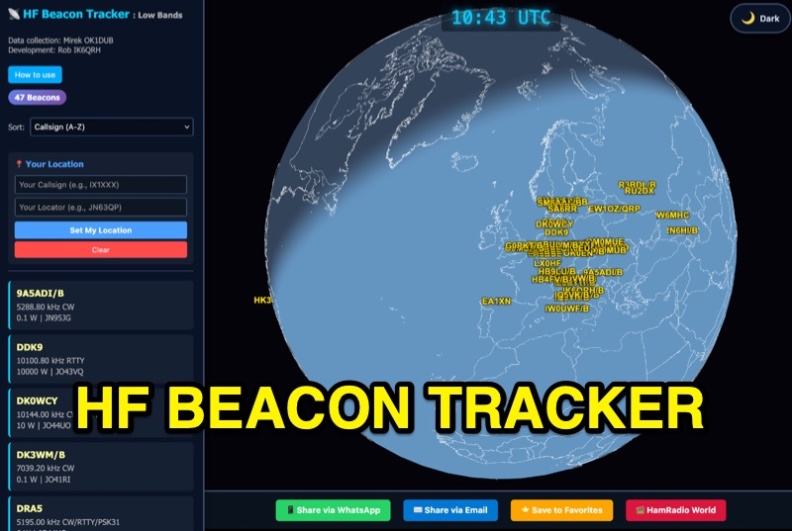 The HF Beacon Tracker is an advanced interactive tool designed for DXers and ham radio opoerators in general to monitor active beacons operating below 14 MHz. Built upon a high-fidelity 3D Earth globe, the application provides a spatial perspective on signal paths by integrating real-time environmental data with a comprehensive beacon database curated by Mirek OK1DUB. Beacons are plotted using precise Maidenhead locators and feature a real-time day/night terminator overlay to help operators identify Gray Line propagation opportunities. With a single click, users can calculate the exact distance from their own QTH to any beacon, visualized via an animated Great-Circle Path arc on the globe surface. To enhance its diagnostic capabilities, the tool seamlessly integrates with PSK Reporter, allowing users to right-click CW beacons to instantly fetch current reception reports and signal strength data. The interface is fully optimized with a mobile-responsive design, smooth globe rotation, and togglable Dark/Light themes suitable for any shack environment. Whether you are performing antenna gain tests, conducting ionospheric research, or simply hunting for band openings, the HF Beacon Tracker transforms raw database information into an intuitive, visual diagnostic suite. It serves as an essential asset for any operator looking to master HF band conditions.
 -
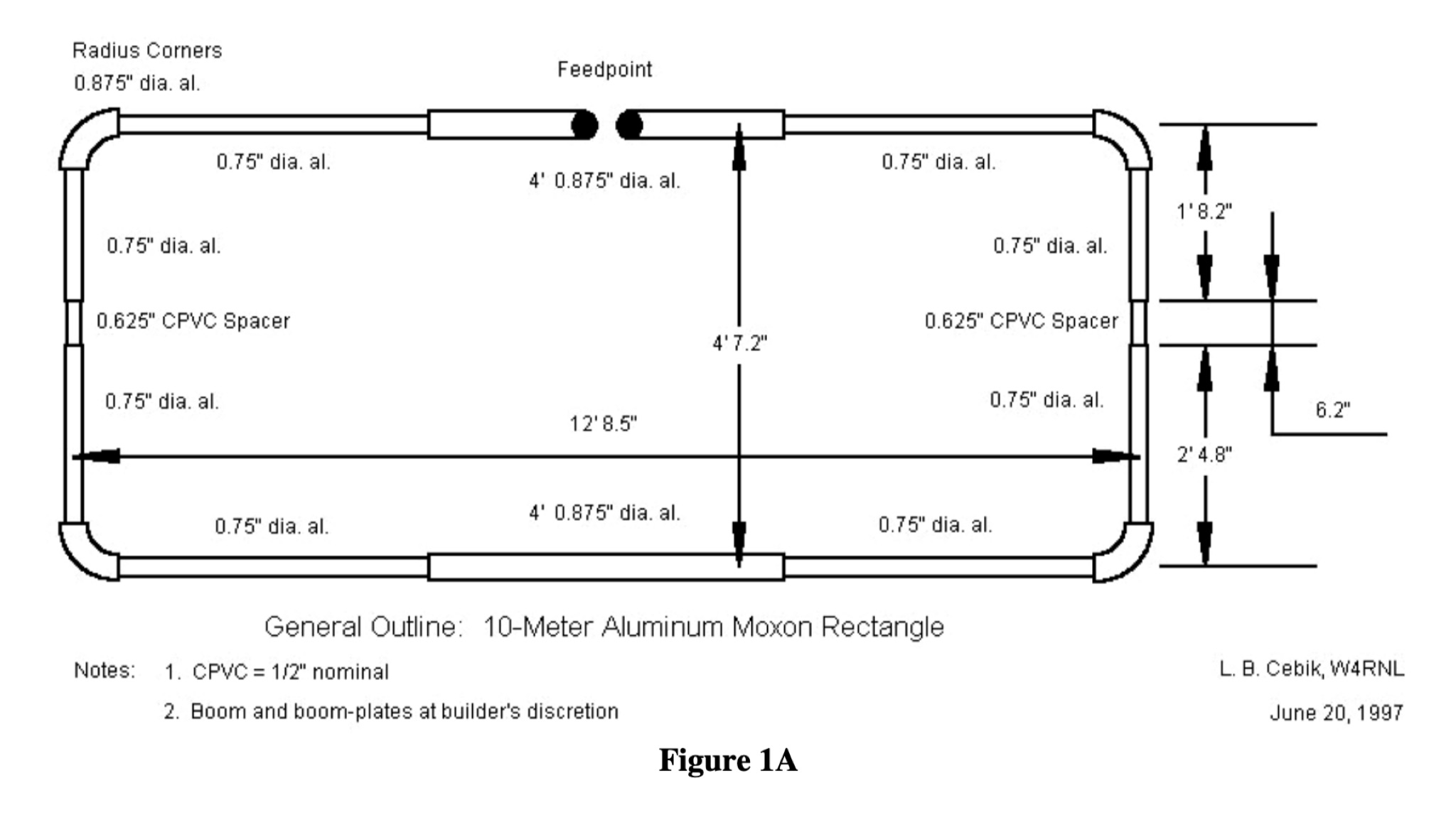 This PDF document provides a comprehensive guide on building and using the Moxon Rectangle antenna design for hams. It covers the construction, setup, and tuning of this directional antenna, offering practical advice and tips for amateur radio operators looking to improve their signal reception and transmission capabilities. The guide includes diagrams, measurements, and step-by-step instructions to help hams successfully implement the Moxon Rectangle design for their radio communication needs.
 -
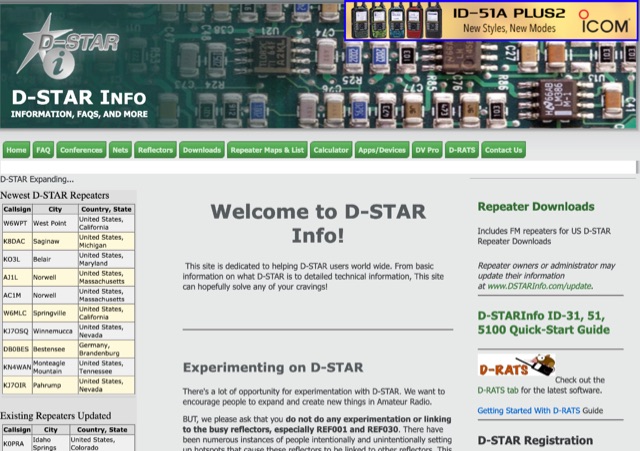 This site is dedicated to helping D-STAR users world wide. From basic information on what D-STAR is to detailed technical information, This site can hopefully solve any of your cravings
 -
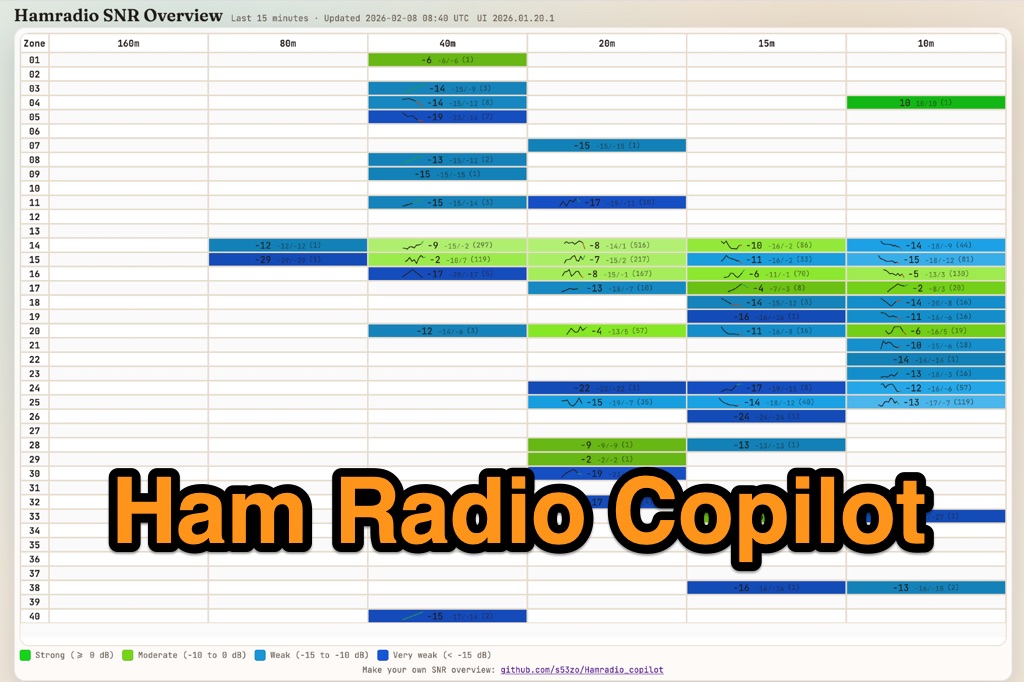 Hamradio_copilot is an open-source tool designed for DXers and contesters who need real-time situational awareness. It is ideal for operators who want to visualize propagation trends instantly rather than scrolling through raw text streams of cluster spots. Rally acting as a copilot for your station, this tool transforms raw data into actionable intelligence. By visualizing Signal-to-Noise Ratios (SNR) across different bands, it helps operators make quick decisions on which band to prioritize or where to point their antennas, effectively showing not just who is on air, but where the propagation is currently open from your location. This is a fantastic information for avid contesters. The software aggregates data from two primary services: - Reverse Beacon Network (RBN) via Telnet. - PSK Reporter via MQTT feeds. It processes this data to generate a comprehensive HTML report featuring SNR heatmaps and statistical breakdowns by ITU Zone. Users can filter data by specific zones or country codes (ADIF), analyze historic time ranges, and optionally integrate solar weather data. The complete source code is available on GitHub, allowing for community customization. It is written in Python and uses SQLite for data management.
 -
 The J-pole antenna calculator helps users design custom J-pole antennas for specific frequency bands. It provides dimensions for key antenna sections based on the chosen frequency and material’s velocity factor. The calculator also offers insights into J-pole antenna mechanics, velocity factors, and mounting tips, making it ideal for enthusiasts creating antennas for amateur or mobile radio communications.
 -
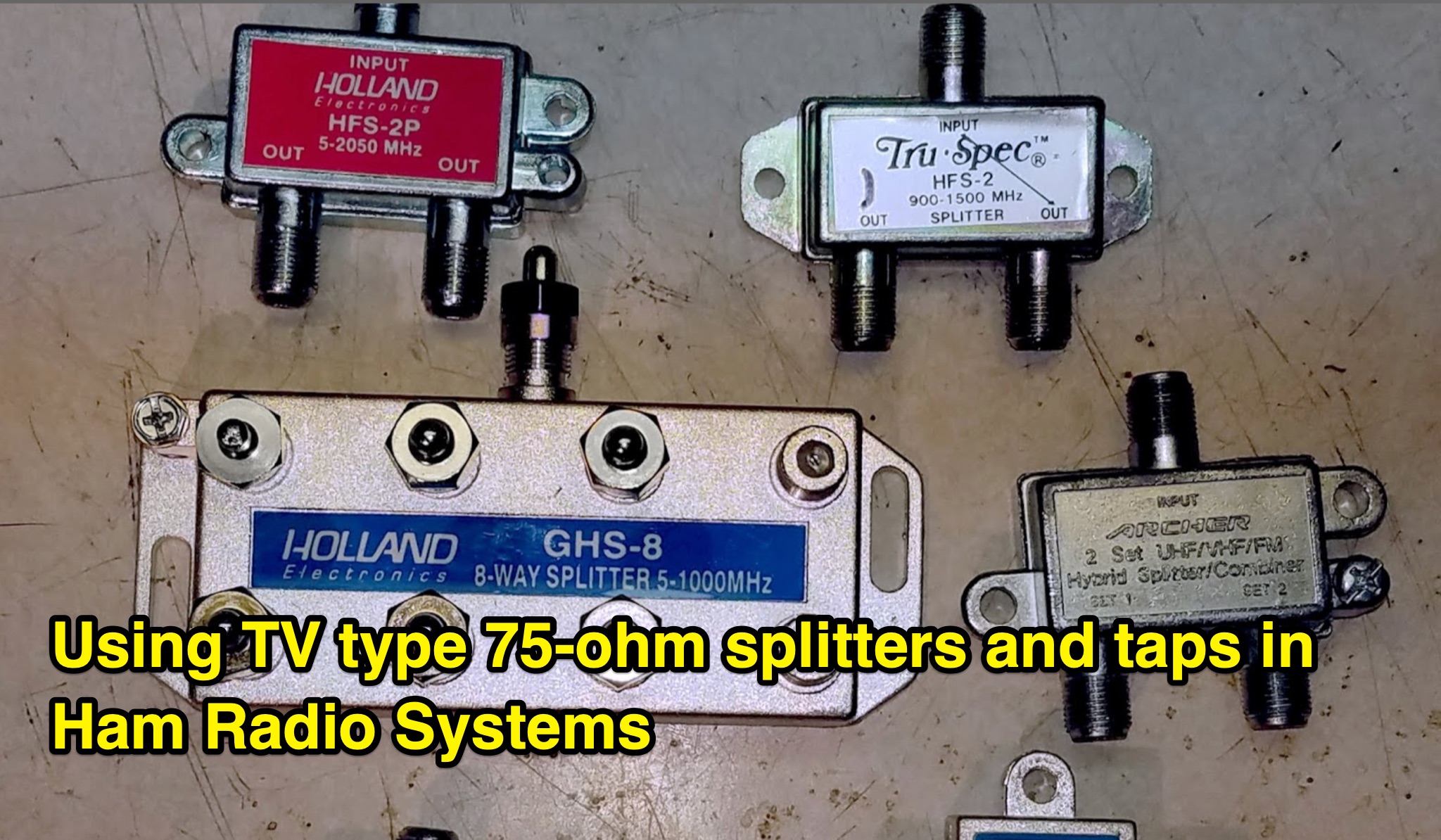 This blog post discusses the use of TV-type 75 ohm splitters and taps in 50 ohm systems on the amateur HF, VHF, and UHF bands. The author shares insights and tips on how hams can effectively utilize these components for their radio setups. Whether you are a beginner or experienced operator, this information can help you optimize your equipment and improve your radio performance.
 -
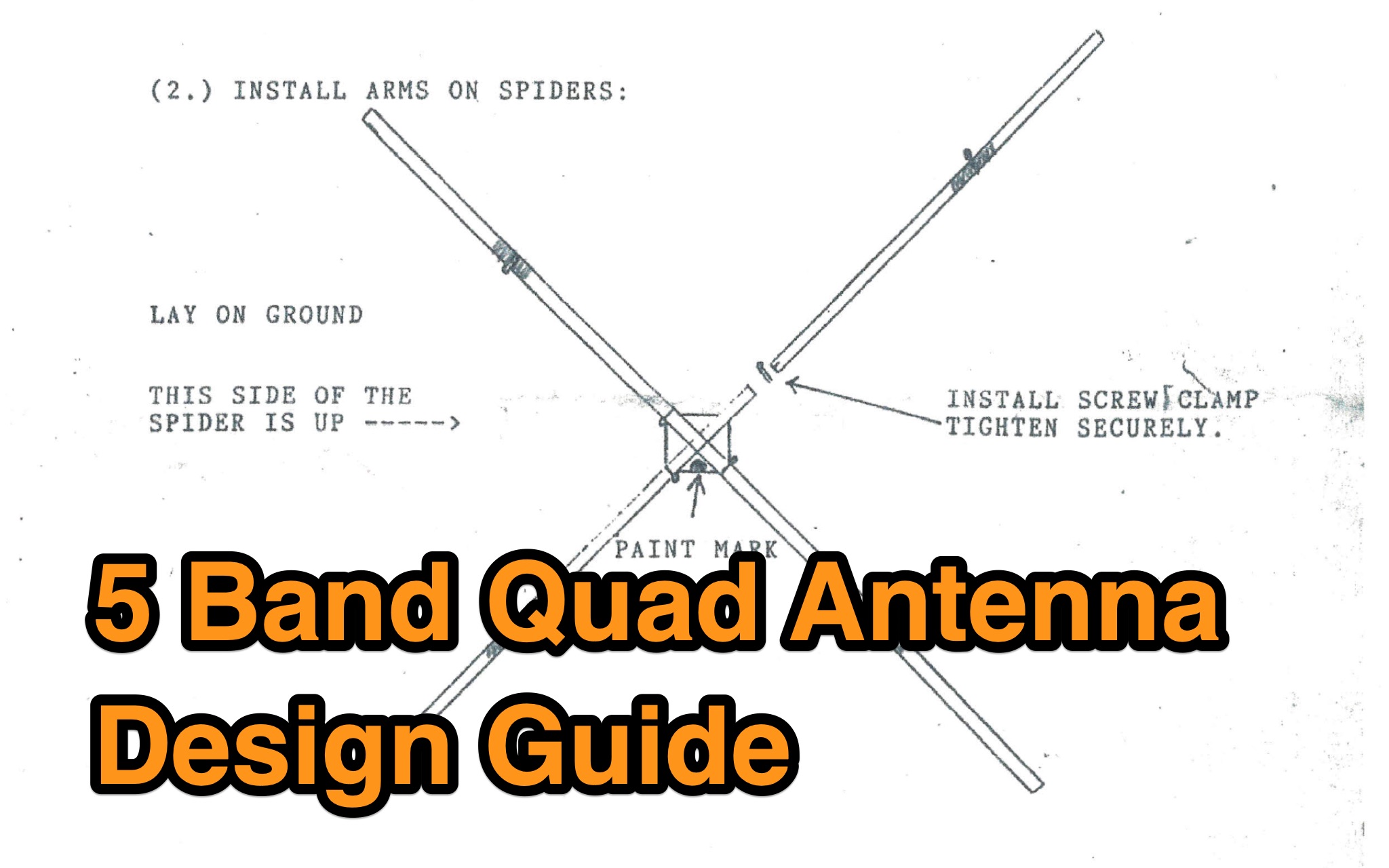 This guide provides detailed information on designing a 5 Band Quad Antenna for ham radio operators. It covers the necessary materials, dimensions, and construction steps required to build the antenna. The guide aims to help hams optimize their antenna setup for maximum performance on five different bands. Whether you are a beginner or an experienced operator, this resource can assist you in creating an effective antenna system for your station.
 -
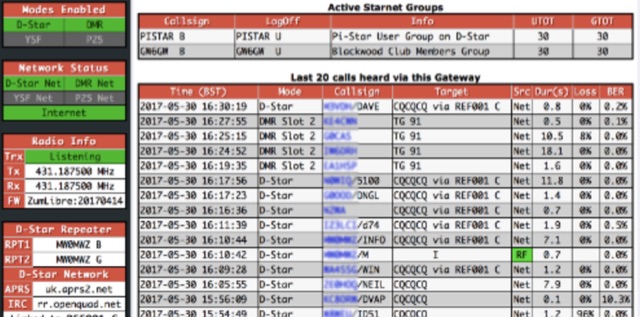 Pi-Star is a software image built initially for the Raspberry Pi. The design concept is simple, provide the complex services and configuration for Digital Voice on Amateur radio in a way that makes it easily accessible to anyone just starting out, but make it configurable enough to be interesting for those of us who cannot help but tinker.
 -
 Morse Walker is a web-based tool for amateur radio operators to practice CW skills. Inspired by Morse Runner by VE3NEA, it simulates pileup scenarios and contest formats like POTA, CWT, and SST. Modes include single-caller exchanges and basic contests, offering realistic experiences to improve speed, accuracy, and QSO handling. Ideal for contest preparation or honing activation skills, Morse Walker helps operators enhance proficiency in CW communication. Start your training today at MorseWalker.com
 -
 This guide explores the captivating hobby of shortwave listening (SWL), offering insights for beginners and enthusiasts alike. It covers key shortwave broadcast bands, essential tools like antennas and receivers, and practical tips to enhance listening experiences. Recommendations include budget-friendly SDR receivers, traditional radios like the TECSUN PL-680, and antennas suited for various environments. Additional resources, such as the World Radio & TV Handbook and online tools like Short-Wave.Info, are highlighted to help identify signals and maximize the enjoyment of SWL.