Search results
Query: home
Links: 453 | Categories: 10
This query is too generic. Please try adding an additional term to focus your research.
Categories
- DX Resources > IOTA > Blogs & Personal homepages
- Technical Reference > Homebrew
- Antennas > Homebrewing Techniques
- Technical Reference > HF Radios
- Ham Radio > Blogs > Asia > India
- Antennas > Masts and mounts
- Operating Modes > Portable Operations
- Ham Radio > Clubs > Technical Specialty > QRP Clubs
- Ham Radio > Clubs > Europe > Turkey
- Operating Modes > Satellites > Weather Satellite
-
 This is a "techie" site, dedicated to presenting service manuals, parts lists, schematic diagrams and other information of value to restorers and technicians who try to keep these radios working
 -
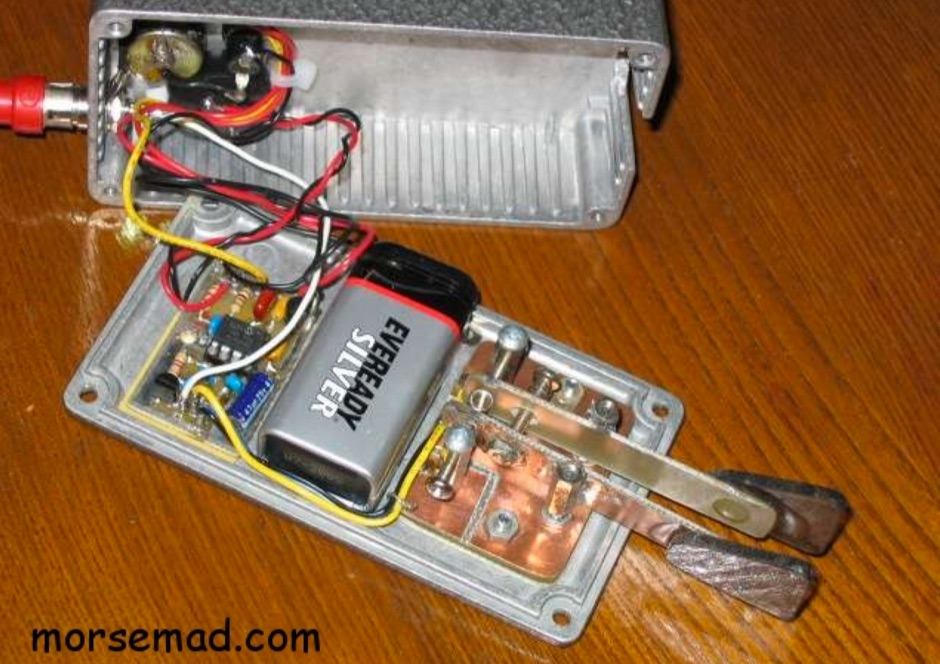 Home made twin paddle morse code key designed by Steve Taylor G4EDG.
 -
 A graphical add-on package to monitor seti@home activity that may be running on multiple computers over a network or multiple instances on the same computer. Runs on Windows or Linux.
 -
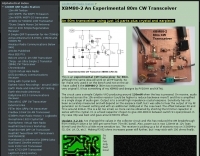 This is an experimental CW transceiver for 80m, although the same idea will work on all HF bands
 -
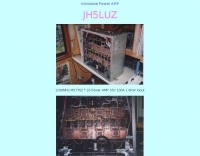 1296MHz M57762 * 16 Power AMP 16V 100A 1.6KW Input
 -
 Homemade hamstuf, mostly homebrew antennas in Dutch
 -
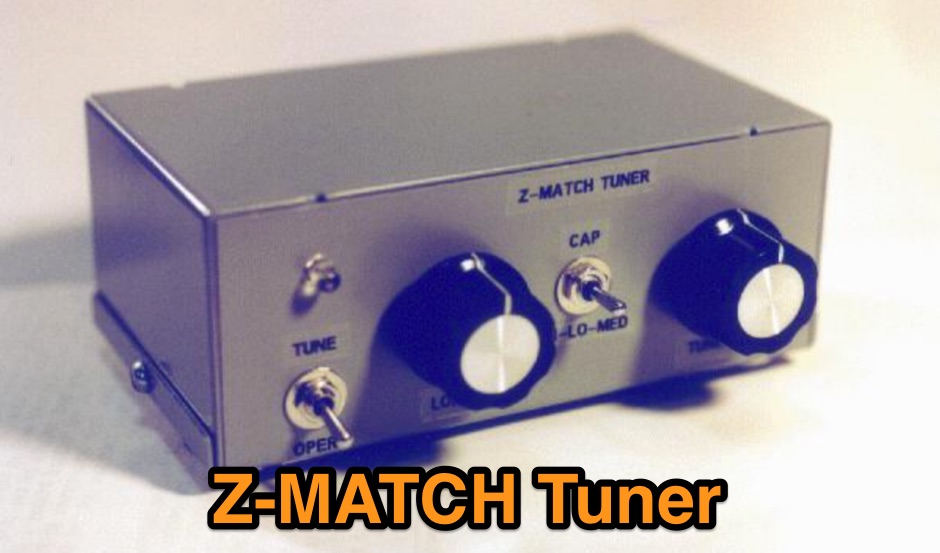 A home made antenna tuner based on the W6JJZ basic concept that ,atches balanced loads without the use of lossy baluns, can provide band-pass filtering and harmonic attenuation.
 -
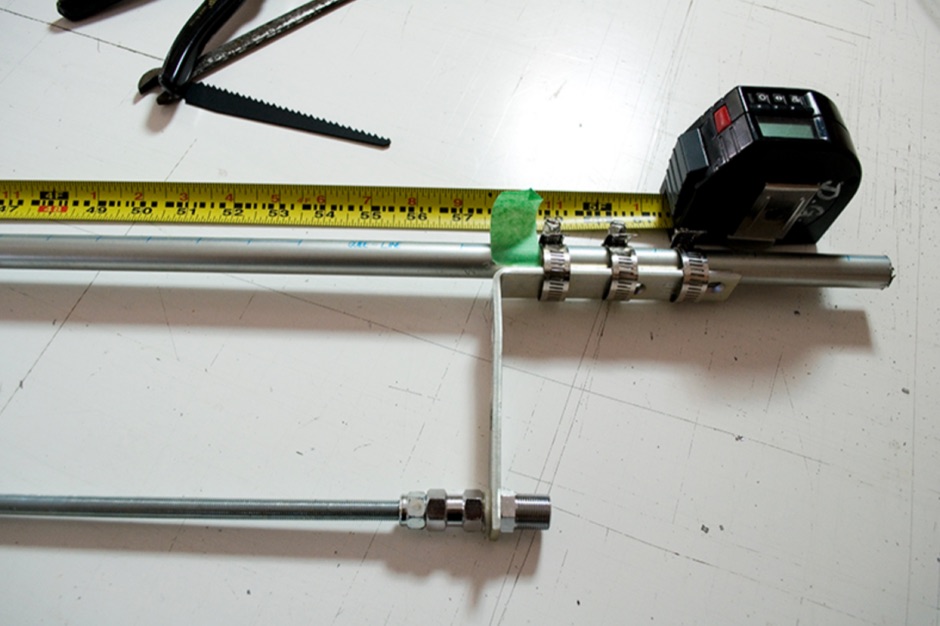 A 2m 70cm Dual Band J-Pole antenna for 35 USD. An excellent performing J-Pole type antenna, constructed from readily available materials.
 -
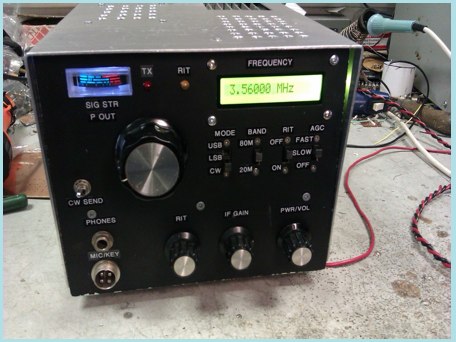 This is a SSB and CW transceiver for the 80m and 20m bands. It produces 25 Watts out and uses a digital frequency display.
 -
 One of just a few webpages for the magic band, see it from the german point of view.
 -
 Information about our local Echolink Node #1224, on Long Island NY
 -
 This article by Seabury Lyon, AA1MY describe how homebrew kits for amateur radio pourposes, in order to support wire antennas
 -
 Decoding NOAA APT weather satellite images is achieved with a homebrew receiver and a Turnstile Cross Dipole antenna, feeding data to a Pentium-3 500MHz PC running Windows XP and the WXTOIMG program. This setup, operated by VU2IIA in Mumbai, India, focuses on capturing and processing signals from NOAA satellites to generate visual weather data. The blog documents the technical aspects of constructing the receiving station, including antenna design and receiver integration. It provides insights into the practical challenges and successes of amateur satellite reception, specifically for Automatic Picture Transmission (APT) signals. Operational details cover the software configuration and image processing workflow necessary to transform raw satellite data into usable weather imagery. The content serves as a practical guide for radio amateurs interested in satellite meteorology.
 -
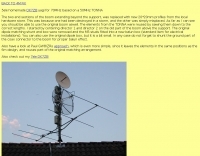 A 5 elements homemade DK7ZB yagi antenna for 4 meters band based on a 50MHz TONNA
 -
 Activating a county for ham radio can be dangerous to your health!
 -
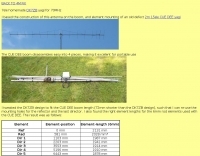 Demonstrates the adaptation and construction of a 7-element DK7ZB Yagi antenna for the 4-meter band (70 MHz), utilizing components from a defunct 2-meter CUE DEE Yagi. The resource details the modifications made to the original DK7ZB design to fit the shorter CUE DEE boom length, specifically adjusting element lengths for 6mm rod elements while reusing existing mounting holes for the reflector and last director. It provides precise element lengths for the reflector, dipole (12mm aluminum tube), and five directors, along with a note on cutting elements for transport. The article includes a 4NEC2 simulation file for performance analysis and an SWR plot, confirming the antenna's electrical characteristics. It also specifies the calculation for the quarter-wavelength matching cable using SAT752F coaxial cable, resulting in a 909mm length. Practical application is shown with the finished antenna in operation at JO20XC, listing several activated Maidenhead squares such as JO56PA and JP40KS, validating its effectiveness for portable 70 MHz operations.
 -
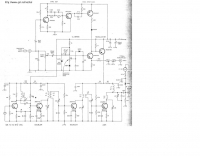
-
 "W2IK's Personal experience being the first responder at ""ground zero"" during the WTC 9/11 disaster."
 -
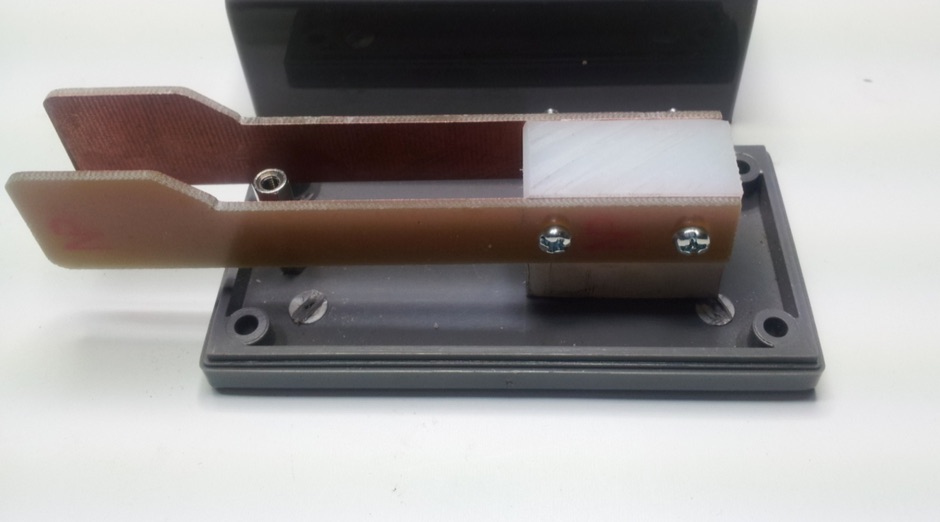 Home Made CW paddles made from a printed circuit board and a teflon mounting block while contacts are made with simple brass threaded rods.
 -
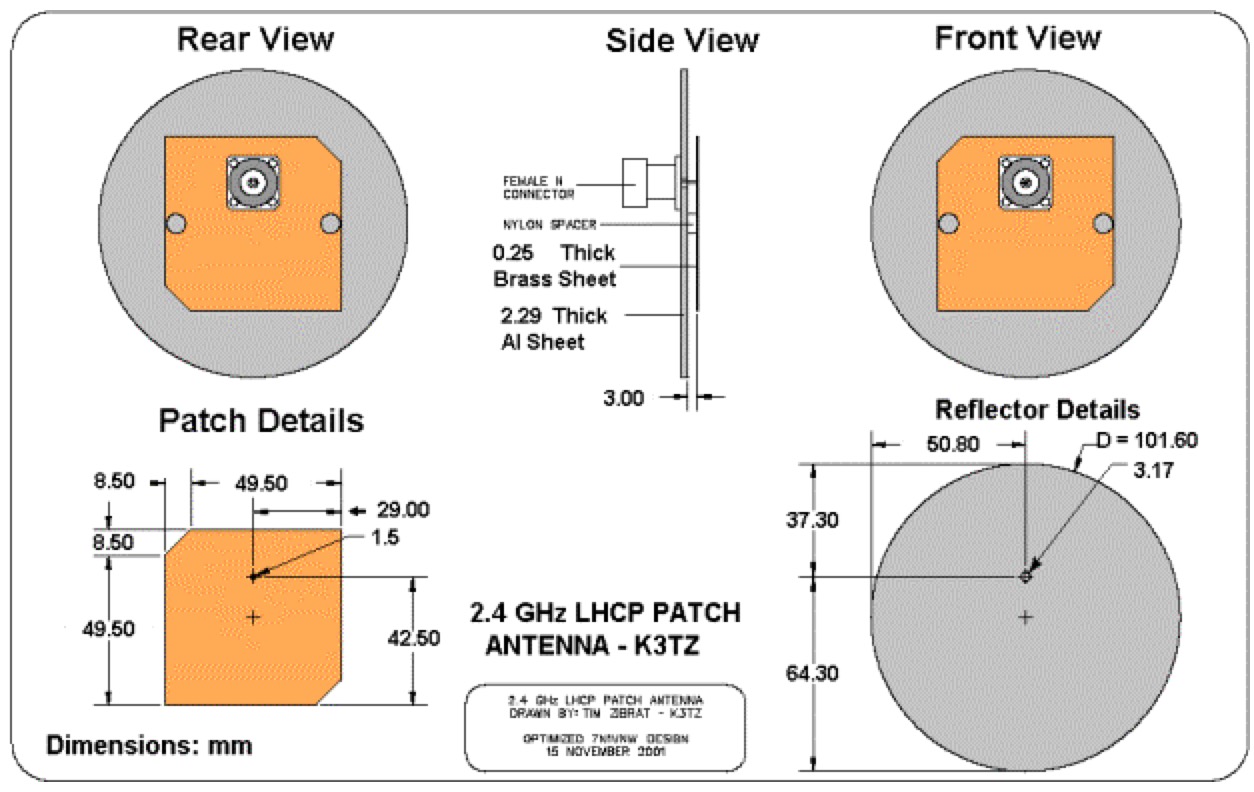 Using patch antenna for amateur radio reception of the 13cm band with a sample 2.4 GHz LHCP patch antenna by K3TZ
 -
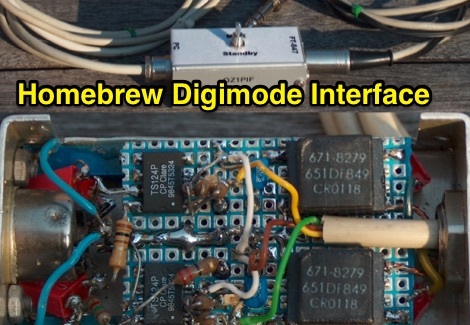 A full galvanic isolation interface for digital modes tested with FT-847
 -
 Homemade Loaded Coil Dipole ( w8010 diamond ) for 10, 15, 20, 40 and 80 meter
 -
 The X80 multi-band HF vertical antenna, a commercial iteration of the Rybakov design, exhibits a physical length of 5.5 meters, or approximately 18 feet, and is constructed from aluminum tubing. It operates as a non-resonant vertical, requiring an external antenna tuner for impedance matching across its intended operating frequencies. The antenna's design incorporates a 1:4 UNUN at its base, facilitating a nominal 50-ohm feed point impedance for the coaxial cable. Performance observations indicate effective operation on 40 meters, 20 meters, 15 meters, and 10 meters, with reduced efficiency on 80 meters and 160 meters due to its relatively short electrical length for these lower bands. Comparative analysis with a G5RV dipole and a half-wave end-fed antenna reveals the X80 offers a lower take-off angle, beneficial for DX contacts, particularly on the higher HF bands. Field tests conducted with an Icom IC-706MKIIG transceiver and an LDG AT-100ProII autotuner demonstrate the X80's ability to achieve acceptable SWR across 80m through 10m. The antenna's compact footprint and ease of deployment make it suitable for restricted spaces or portable operations, though its performance on 80 meters is noted as a compromise compared to full-size resonant antennas.
 -
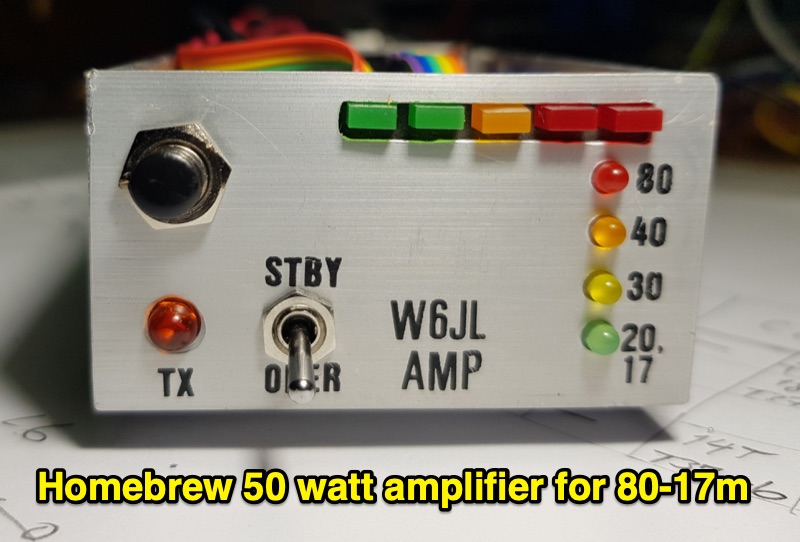 The resource details the construction of a homebrew 50-watt FET amplifier, based on Don W6JL's _QST Homebrew contest_-winning design from 2009. It functions as an afterburner for QRP transceivers, providing a **12dB** power lift. The amplifier utilizes IRFZ24N FETs and covers the 80, 40, 30, and 20-meter bands, with the 20m LPF extending to 17m. Key technical aspects include an FT37-43 transformer for the input network, a relay-switched 3dB pad for lower bands controlled by an _Arduino Nano_, and an RF-actuated T/R switch. The LPF board integrates four relay-switched filters rated for 50 watts, using capacitors with a minimum 250VDC rating. Performance measurements indicate a power gain ranging from **4.4dB** on 20m to 8.1dB on 80m, with a required drive power of approximately 5 watts. The article also discusses thermal management, current limiting considerations, and component sourcing.
 -
 Cabrillo2Adif A software for converting the radio logs from Cabrillo to Adif log format (for Mac OS X)
 -
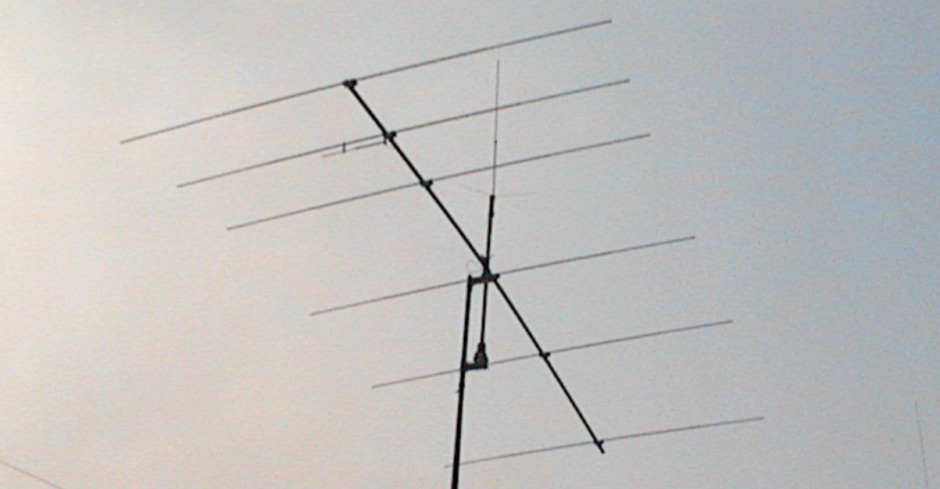 In this PDF article Zack Lau describe how to homebrew a four element yagi beam antenna for 50 MHz band, including how to build mounting blocks and tubing clamps to hold elements.
 -
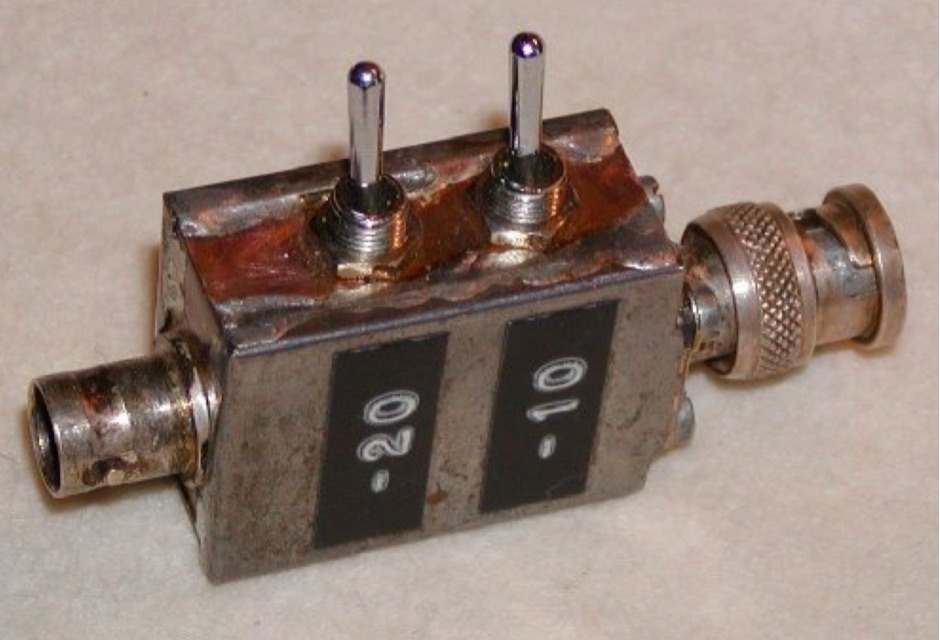 Construction of attenuator, suitable for fox hunts at 144mhz
 -
 Article by VU2GT about VHF antennas, how to evaluate performances and models.
 -
 Amatuer Radio QSL Cards. Full Color QSL and Eyeball Cards
 -

-
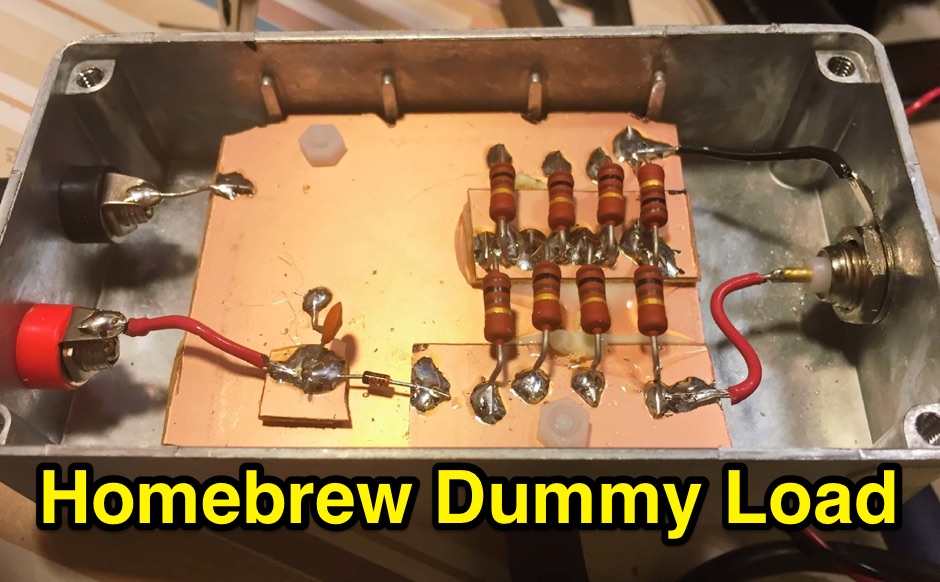 A simple 50 ohm dummy load to test transmitters. includes a simple RF diode detector to measure the peak voltage, and calculate the power
 -
 Software Defined Radio manufacturer, SDR-IQ NetSDR SDR-IP and IF-2000
 -
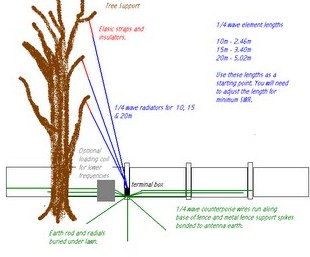 An indeal stealth antenna made by multiple quarter wave verticals, supported by a tree.
 -
 Homemade Jeep Tailgate Antenna Mount for use with a Swing Out Tire Carrier
 -
 A Weather ATV Repeater project I am currnetly working on.
 -
-
 Project with pictures and plans for an HF off center fed dipole by KB1NWH
 -
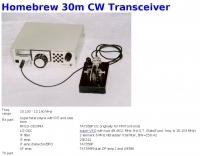 10.100 - 10.140 MHz 3 Watts output by 7n3wvm
 -
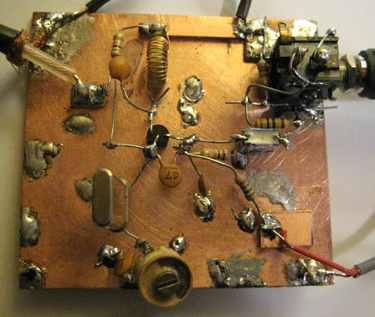 2 transistor transceiver for 28MHz CW
 -
-
 Homebrew Solar Panel 60Watts. Building a homemade solar panel from solar cells that would have otherwise been thrown out.
 -
 The Providence Radio Association Incorporated, one of the oldest radio associations in the world.
 -
 On these pages you will find articles and pictures reagarding a renewed Drake TR7 by DK4DDS
 -
 The Speaky HF SSB transceiver and other homebrew projects Homebrew of radio equipment, antennas, tuner, etc.
 -
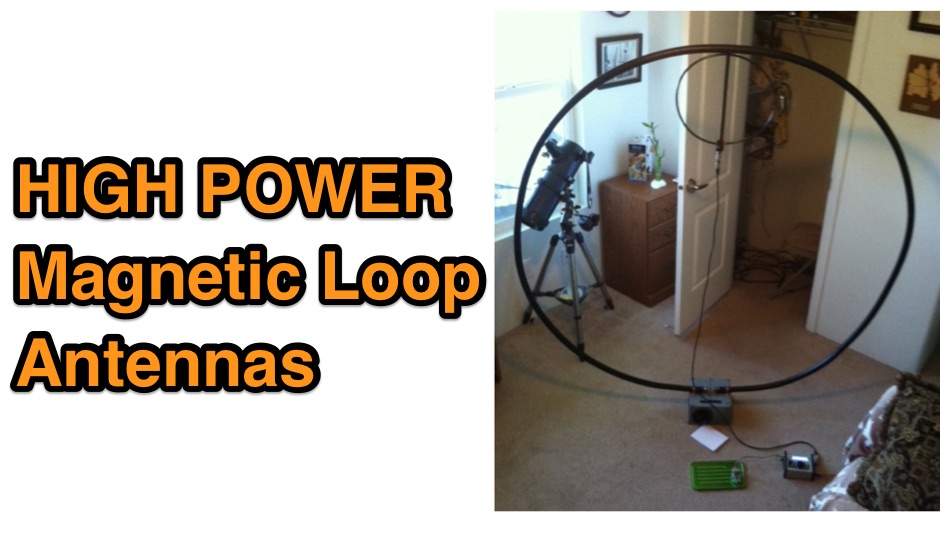 Magnetic Loop Antennas for The Radio Operator with Limited Space, a two part series of articles on how to construct a magnetic loop antenna, including directions on selecting high voltage tuning capacitor
 -
 70 MHz transverter, 4m band, by G3XBM
 -
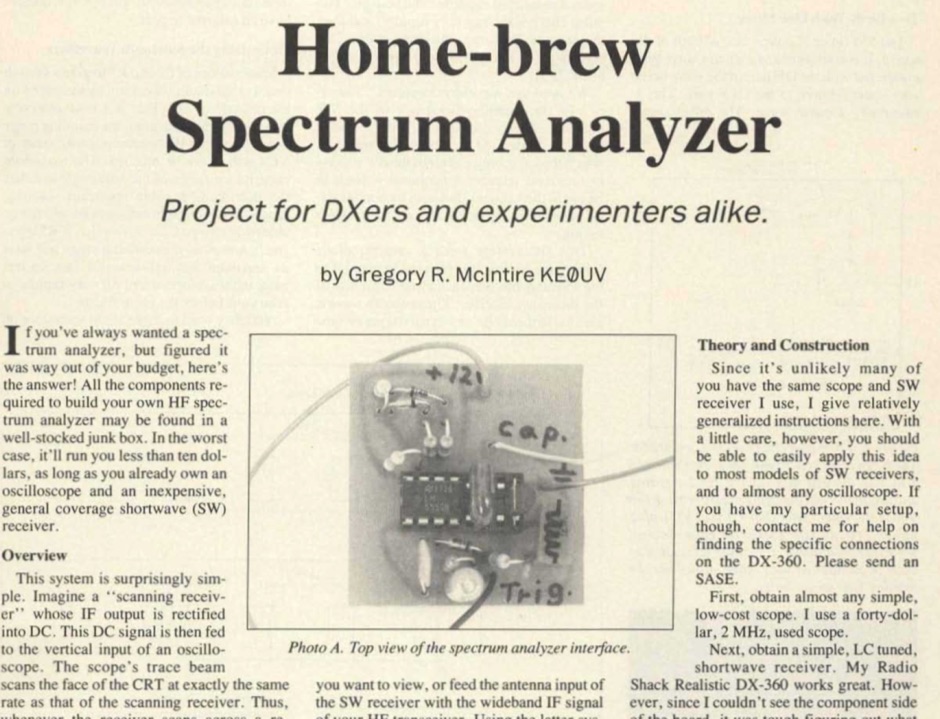 Project for DXers and experimenters alike. An old article publishes by 73 Amateur Radio magazine in PDF format, where all the components required to build your own HF spectrum analyzer may be found in a well-stocked junk box.
 -
 Schematic of a homebrew receiver and keying
 -
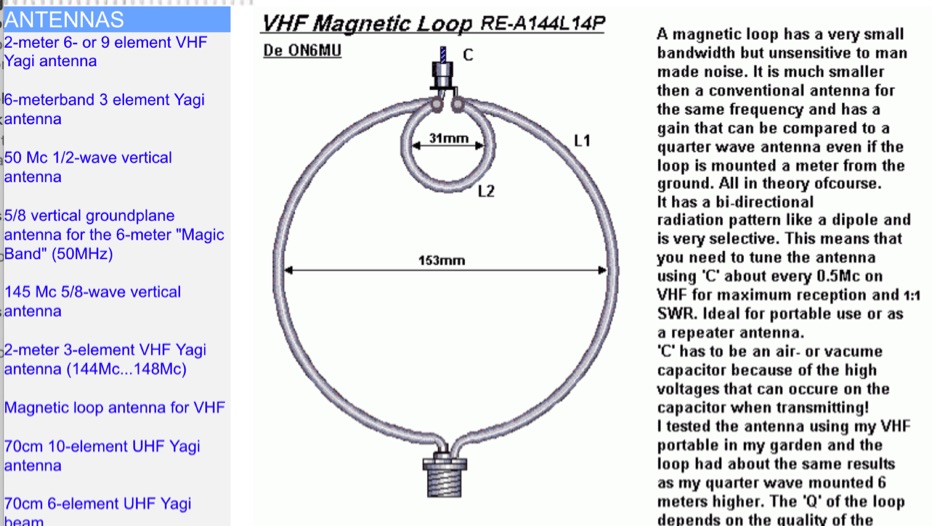 A magnetic loop antenna for the VHF band, featuring a high gain that can be compared to a quarter wave vertical antenna