Search results
Query: field
Links: 440 | Categories: 4
-
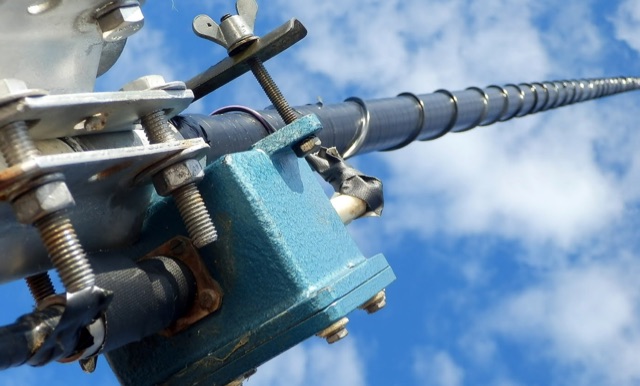 This DIY vertical multi-band Windom antenna offers a practical and effective solution for amateur radio enthusiasts seeking a versatile and compact antenna for HF communications. Its simplicity of construction, multi-band capability, and favorable performance make it a valuable addition to any radio shack. The article provides detailed instructions on constructing the antenna and balun, along with diagrams and component specifications. Field tests demonstrated successful contacts with stations across Europe and North America on 14, 18, and 28 MHz. The antenna exhibited comparable performance to a W3DZZ dipole and outperformed a Cobweb antenna on 18 MHz. Low noise levels were observed, effectively suppressing background noise.
 -
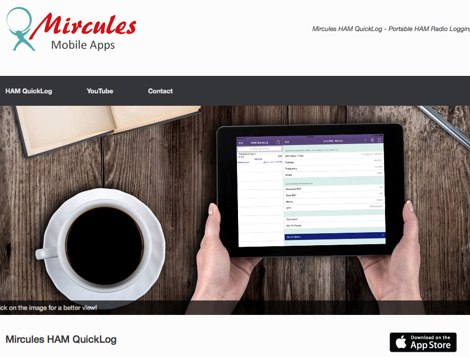 Mircules HAM QuickLog provides a mobile logging solution for amateur radio operators, supporting quick contact entry on iOS and Android platforms. It features multiple log file management, instant callsign information display including Country, ITU zone, CQ Zone, and DXCC number, and robust ADIF and CSV import/export capabilities. The application is designed for efficient logging with optional fields and default values, streamlining the process for both shack and field operations. The software includes dedicated support for POTA, SOTA, and IOTA activations through specific fields like MY_SIG_INFO, SIG_INFO, MY_SOTA_REF, IOTA, and MY_IOTA. A specialized contest mode offers real-time dupe checking and automatic TX exchange updates to enhance contest efficiency. Integration with QRZ.COM and HAMQTH.COM allows for direct operator information lookup and import, while Open Street Maps integration provides geographic context for contacts. The application also features a notes and scratchpad function for each log file.
 -
 North Carolina amateur is refuting a clean bill of health the FCC gave this summer to a BPL field trial system in the Raleigh area.
 -
 SFMARC Sacramento, CA. The Samuel F Morse Amateur Radio Club was formed by those that mainly enjoy CW. We wanted a way to bring others together who also have an interest in operating CW on-air and share the love of Field Day.
 -
 The Barrow Amateur Radio Emergency Service Club (BARES) serves as a local hub for amateur radio operators in Barrow County, Georgia, focusing on community engagement and emergency preparedness. Established in 2007, the club provides a platform for hams to connect, share knowledge, and participate in various radio activities. Members often engage in public service events, offering communications support, and conduct regular meetings to discuss technical topics and operational procedures. BARES emphasizes the importance of emergency communications, with members frequently training for and participating in simulated emergency tests (SETs) and real-world disaster response scenarios. The club maintains a focus on local area coverage, ensuring reliable communication infrastructure is available when traditional systems fail. Their activities often involve operating on _VHF_ and _UHF_ bands for local nets and _HF_ for longer-distance emergency coordination. Key activities include field day operations, technical workshops, and supporting local events with radio communications.
 -
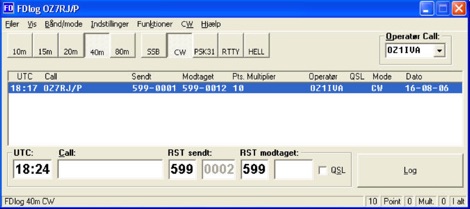 FDlog is a free windows Field day logging program in Danish
 -
 Ham Radio Club in Wales UK
 -
 The Eastman Amateur Radio Club (VE4TG) operates a **VHF repeater** at 146.73 MHz and a **UHF repeater** at 444.15 MHz, both located at the Manitoba Hydro gas-fired generating station near Selkirk. These repeaters are situated on the power plant roof, leveraging its infrastructure for antenna placement. The club's primary objective is to offer a reliable local repeater site for members in the East Selkirk and Lockport areas, ensuring consistent amateur radio access. Beyond routine communication, the club maintains a standby communications link to assist local municipal authorities during emergencies requiring communications support. The unique repeater site location at a generating station provides a robust backup power supply, enhancing reliability. The club also organizes activities such as a weekly net and participates in WARC Field Day, fostering community engagement and operational readiness.
 -
 Accurate meteorological data is crucial for optimizing antenna performance, predicting propagation, and ensuring safe tower work. This resource provides a curated inventory of weather stations, including models like the _AcuRite Atlas_ with lightning detection and the _Ambient Weather WS-2902_ WiFi Smart Weather Station, which offer real-time data on environmental factors. The product listings detail specific features such as direct-to-Wi-Fi connectivity, rainfall tracking, and temperature insights, enabling informed decision-making for various amateur radio operations. The platform categorizes products by application, featuring weather stations tailored for home and backyard use, as well as more robust systems for farm and agriculture, which can be critical for field day operations or remote station monitoring. It also highlights _Made in USA_ options, emphasizing local manufacturing and support. Beyond weather instruments, the site also presents related surveillance technology, such as the _Waggle solar CCTV camera_, designed for outdoor reliability with an IP65 weatherproof rating. This integration allows for comprehensive monitoring of remote ham radio shacks or antenna sites, combining environmental data with visual oversight.
 -
 Approximately 30 active members comprise the _Racine Megacycle Club_, W9UDU, a long-standing amateur radio organization based in southeastern Wisconsin. The club provides a local hub for hams interested in various aspects of the hobby, including contesting, DXing, and technical experimentation. Regular meetings offer opportunities for knowledge exchange, project collaboration, and social interaction among licensed operators. The club actively participates in public service events and promotes emergency communications preparedness within the community. They often host field day operations, providing hands-on experience with portable setups and demonstrating the capabilities of amateur radio to the public. Membership is open to all licensed amateur radio operators. Their website serves as a central point for club news, event announcements, and contact information, supporting the club's mission to advance the art and science of amateur radio.
 -
 Over 100 distinct RF connector types are available from AIR802, including popular UHF series PL-259 plugs and SO-239 sockets, designed for a wide array of coaxial cable dimensions. The company specializes in producing connectors compatible with common amateur radio cables like RG-8, RG-213, and RG-58, ensuring reliable signal integrity for antenna systems and shack interconnections. Their product line extends to various coaxial cable types and pre-made antenna cable assemblies, offering ready-to-deploy solutions for hams. AIR802 also provides custom cable assemblies and pigtails, catering to specific installation requirements for transceivers, tuners, and amplifiers. These pre-fabricated options simplify station setup, reducing the need for field termination of connectors. Michael Bryant is the contact for inquiries regarding their range of RF components, which are essential for building robust and efficient amateur radio stations.
 -
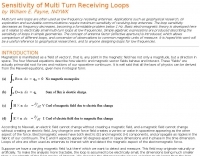 Magnetism is manifested as a 'field of vectors', that is, any point in the magnetic field has not only a magnitude, but a direction in space. The four Maxwell equations describe how electric and magnetic vector fields behave and interact.
 -
 An experimento of a 40 meter delta loop antenna both in horizontal and vertical polarization and several elevation angles with interesting notes about the effect of the radial field under the antenna.
 -
 Delta Electronics Manufacturing, a global manufacturer, specializes in _RF connectors_, adapters, and cable assemblies, providing custom interconnect solutions with superior performance. Their Advanced Vertically Integrated (AVI) global facilities emphasize efficiency, quality, flexibility, and cost control across their product lines. The company serves diverse industries, including broadcast and audio, test and measurement, military, aerospace, and public safety communications. For instance, Delta supplies RF interfaces for military aircraft, satellite launch vehicles, and missiles, maintaining a long-standing QPL supplier status. Their field-tested RF interconnects are also crucial for two-way radios, base station equipment, and antenna systems in public safety applications, ensuring reliable performance in critical communication infrastructure. Delta's solutions extend to commercial aircraft and semiconductor manufacturing, where their RF interconnects power etch equipment, deposition equipment, and chip testing systems worldwide.
 -
 The Triple A Amateur Radio Association (TAARA) is identified as an ARRL-affiliated Special Service Club, operating within Beaver County, Pennsylvania, approximately 28 air miles northwest of Pittsburgh. The organization provides a community hub for amateur radio operators in its service area, focusing on local engagement and support for the hobby. While the QSL.net hosting platform indicates a 404 error for the specific page, the club's stated affiliation with the _ARRL_ and its designation as a _Special Service Club_ suggest a commitment to public service, education, and promoting amateur radio. Such clubs typically engage in activities like license classes, field day operations, and emergency communications support within their local communities.
 -
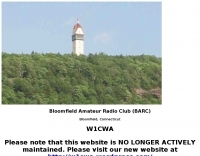 Bloomfield Amateur Radio Club Connecticut
 -
 Besides protection from lightning, this ARRL "All Risk" Ham Radio Equipment Insurance Plan also gives you the protection you need from loss or damage to your amateur station
 -
 The High Point Amateur Radio Club (HPARC), operating under the callsign W4UA, provides a central hub for amateur radio enthusiasts in High Point, North Carolina, and surrounding communities. The club's website outlines its long-standing traditions and civic service, which date back to the 1930s, highlighting its sustained leadership and strong membership support over decades. It serves as a resource for individuals interested in obtaining or upgrading an FCC amateur radio license, offering assistance through direct contact with club officers. The site also features a newsletter archive for meeting notices and information on club activities, including Field Day. HPARC's diverse membership shares a common interest in the amateur radio hobby, encompassing various aspects such as VHF, UHF, HF, and digital modes like D-STAR. The club's commitment to public service is evident through its involvement in ARES and Skywarn, alongside educational initiatives for new hams and those pursuing license upgrades. The site also lists repeaters and provides information on emergency communications, technical projects, and participation in events like DXCC and contests, reflecting the broad interests of its members.
 -
 TX3A Official web site of Chesterfield Islands dx pediition from Nov 23 to Dec 6, 2009.
 -
 Presents the Westcoast Amateur Radio Association (WARA), VE7VIC, a prominent amateur radio club situated in Victoria, British Columbia. The site details the club's organizational structure, including its executive committee and meeting schedules, offering insights into local amateur radio governance and community engagement. It outlines various club activities, such as field operations, technical projects, and social gatherings, demonstrating the diverse interests of its members within the amateur radio hobby. The resource also highlights WARA's involvement in emergency communications, specifically mentioning its role in local ARES (Amateur Radio Emergency Service) initiatives and public service events. Information regarding repeater systems maintained by the club, including operational frequencies and modes, is provided, which is crucial for local hams seeking reliable communication infrastructure. The site also features a section dedicated to membership, detailing benefits and application procedures for prospective members. Furthermore, the website serves as a repository for club news, event calendars, and educational resources, supporting ongoing learning and participation among its members and the broader amateur radio community in the Pacific Northwest region. It also includes contact information for various club officers and general inquiries.
 -
 The Boone Area Radio Klub (BARK) serves Boone County, Iowa, as its local amateur radio club, actively welcoming visitors to its meetings and weekly ARES nets. The club maintains a 2-meter repeater on 146.850/250 MHz with a 114.8 Hz tone and a 440 MHz repeater on 443.9+ MHz, both situated at the Boone County Hospital, with a simplex fallback on 146.550 MHz for the 2-meter net. Additionally, BARK supports the Iowa 160-meter ARES net at 1.972.5 MHz, which operates at 9:30 PM on Sundays, featuring a rotating schedule of net controls including KNØR, KBØMPL, NØISU, KEØQEU, and KBØLPI. BARK conducts bimonthly license testing sessions on the second Saturday of even-numbered months, with specific dates like October 19, 2024, at the Hamboree, requiring a $15 fee and prior FCC Registration Number (FRN) acquisition. The club's activities are well-documented through numerous photo galleries from past Field Days (1998, 1999, 2008, 2010, 2013, 2017, 2018, 2019), JOTA events (2013), and special event stations (2010 B&SVRR&M). Members like KBØMPL (Margot Conard) have contributed educational PowerPoint presentations on topics such as "Fun with Handie Talkies," "HF Propagation," and "Digital Mode - FLDIGI - OLIVIA 8/500 - JT65 HF - BAND PLANS." The club's officers, as of May 2018, include WØFS (Clay Conard) as President, NØISU (Mitch Carroll) as Vice-President, and KBØLPI (Eric Sloan) as Treasurer/Secretary, guiding the club's operations and community engagement.
 -
 DL1OFC, operating from Hankensbüttel, Germany, shares insights into the fascinating hobby of amateur radio. While the station has been on hiatus since 2016, the site provides a valuable archive of activities and technical information. DL1OFC was active across various bands and modes, including 145.225 MHz FM, 430.225 MHz FM, 29.600 MHz FM, and DMR via DB0AGM on TS-1 TG-262 DL. Shortwave operations included SSB on the 40m through 10m bands, as well as 6m. The site details regional amateur radio activities in and around Hankensbüttel, offering a glimpse into local field days and community involvement. A notable feature is Die Isetalrunde, a regional amateur radio net covering the area from the Harz mountains to the sea. The site also includes general information on radio technology, tips for obtaining an amateur radio license, and discussions on VHF/HF propagation, including specifics on the 70 MHz band.
 -
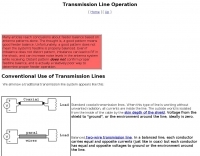 The resource, "Conventional Use of Transmission Line," meticulously details the operational principles of transmission lines, emphasizing the Transverse Electromagnetic (TEM) mode of energy transfer. It clarifies that for a line to function purely as a transmission line, all currents must be confined internally, with external fields ideally zero. The discussion differentiates between balanced and unbalanced lines, asserting that while both require equal and opposite currents within the conductors, the key distinction lies in the voltage relationship of each conductor to the surrounding environment. It highlights that a good antenna pattern does not inherently confirm proper feeder balance, and that common-mode currents can lead to RF in the shack and increased noise levels, even without pattern distortion. The article further explains that a transmission line can become a radiating conductor if energy is applied in a non-TEM mode, leading to common-mode issues. It cites classic texts like Jordan and Balmain's "_Electromagnetic Waves and Radiating Systems_" and Kraus's "_Antennas_" to support its definitions of TEM mode operation. The content also explores non-transmission line applications of parallel or concentric conductors, such as _coaxial dipoles_ and _folded dipoles_, which intentionally operate in non-TEM modes for antenna functionality. The author, _W8JI_, stresses that simply measuring equal currents is insufficient to confirm a balanced feeder; phase and voltage balance to ground are equally critical.
 -
 Preprinted from the 1997 ARRL Handbook for Radio Amateurs. Thermal Effects of RF Energy, Safe Exposure Levels, Cardiac Pacemakers and RF Safety, Determining RF Power Density
 -
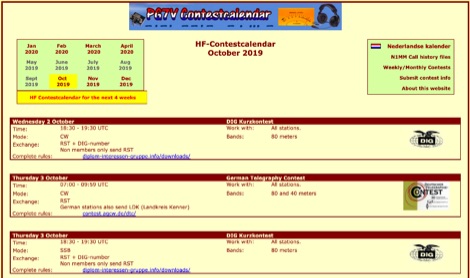 The PG7V Contest Calendar provides a curated listing of significant **HF contests**, with a particular focus on events relevant to European amateur radio operators. It details contest specifics such as start and end times in UTC, eligible bands (e.g., 80 meters, 40 meters, 10 meters), and required exchange information (e.g., serial number, CQ-zone, DOK, locator, age). The calendar includes diverse modes like CW, SSB, PSK63, RTTY, and FT4, catering to various operating preferences. Featured contests include the RSGB 80m Club Championship, WW WPX Contest, IARU Region 1 Fieldday, and ARRL International Digital Contest. Each entry links directly to the official contest rules for detailed information. The calendar also notes specific participation rules, such as the 1 KHz QSY requirement in the HA3NS Memorial Contest or the 24-hour single-operator time limit in the ARRL International Digital Contest. This resource is updated regularly, ensuring timely information for upcoming **contest operations** over a four-week period. It serves as a practical tool for hams planning their contest activity.
 -
 The World Radiosport Team Championship (WRTC) is a unique on-site ham radio competition, typically held every four years, bringing together top operators globally. Unlike traditional contests where participants operate from their home QTH, WRTC competitors travel to a designated location and operate from identical stations under field conditions, ensuring a level playing field. Past events have taken place in diverse locations such as Seattle (1990), Slovenia (2000), Russia (2010), and Italy (2023), showcasing the international scope of this **radiosport** challenge. Because each WRTC event is organized by a dedicated, volunteer-driven committee, historical information and results often become dispersed across various online platforms. This resource serves as a centralized repository, diligently collecting and preserving data from all previous WRTC competitions. It provides a consistent point of reference for participants, enthusiasts, and researchers interested in the history and evolution of this premier **DX contesting** event. The WRTC Sanctioning Committee officially endorses this site, ensuring its accuracy and completeness.
 -
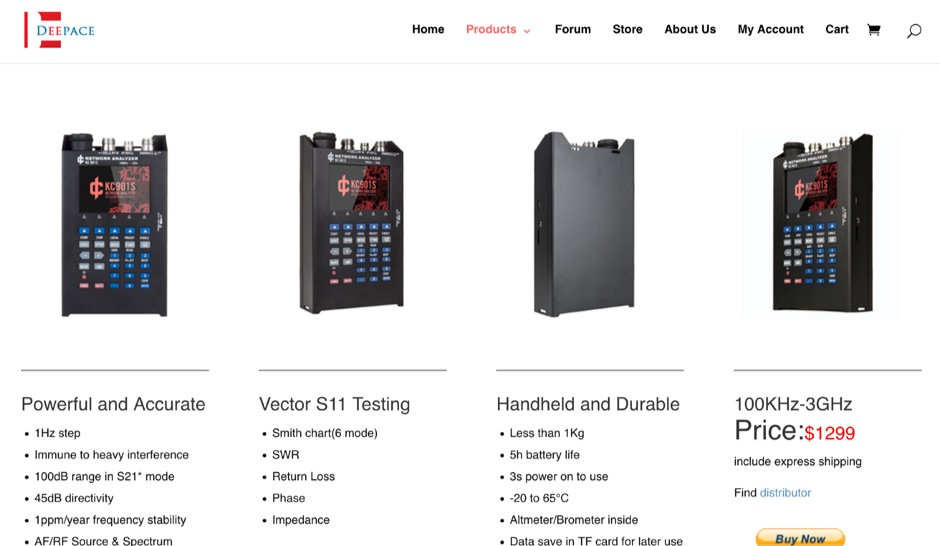 KC901S Handheld vector antenna analyzer RF ANALYZER 3GHz S11 S21 Fieldmeter RF Source Spectrum
 -
 An ARRL Special Service Club Serving Radio Amateurs in Clearfield, Jefferson, Elk and Cameron Counties Since 1975
 -
 The Newport County Radio Club (NCRC) serves as a central hub for amateur radio operators in Rhode Island, providing resources and activities for its members. The club maintains and operates two repeaters, W1SYE and W1AAD, which are critical infrastructure for local communications and emergency preparedness. These repeaters support various modes and are widely utilized by the amateur community for daily contacts and organized nets. The club's activities encompass a range of interests within the hobby, from general operating to specific technical pursuits. It offers opportunities for hams to engage in field operations, participate in contests, and develop their technical skills through shared knowledge and experience. The NCRC fosters a community environment where members can collaborate on projects and enhance their understanding of radio science. Membership provides access to club resources and participation in events, reinforcing the local amateur radio presence.
 -
 East river amateur radio club - Bluefield, WV
 -
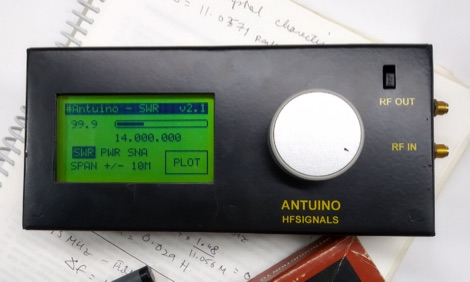 Antuino is an accurate instrument that can be used in the field to measure SWR, field strength, modulation, etc. In the lab, it can be used to sweep filters, measure gain, distortion, frequency response, etc. It works upto 150 Mhz. On the third harmonic, it is usable on 435 Mhz band as well (with reduced sensitivity).
 -
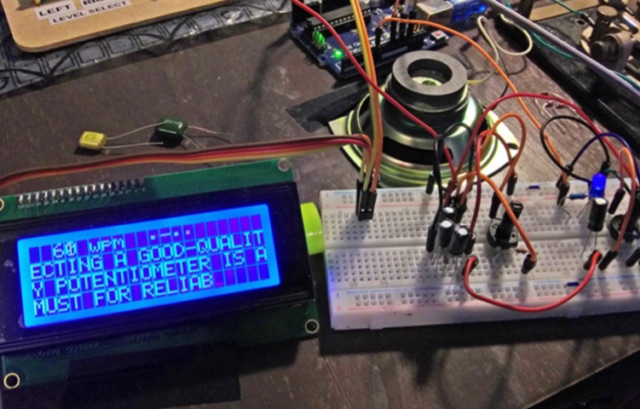 While there are quite a few standalone Morse Code or CW decoders out there, I wanted to tackle the problem myself and end up with both a great Arduino learning project and a decent portable decoder for when I'm out in the field operating QRP
 -
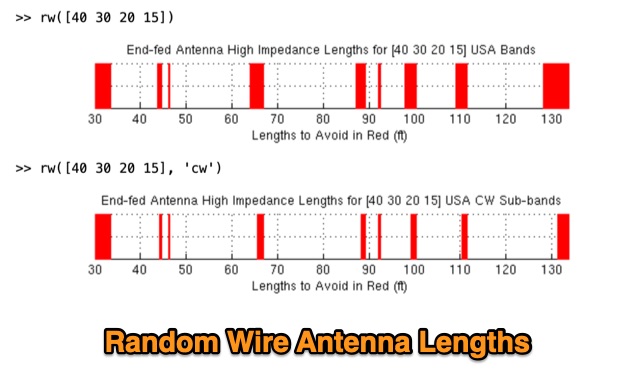 When on the trail, at Field Day, or whenever a good antenna is unavailable, a random wire can save the day, but it is important to understand its properties.
 -
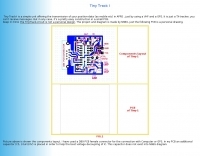 Amateur Packet Reporting System (APRS) operations often require compact, reliable solutions for transmitting position data, particularly for mobile or portable stations. This resource details the construction of the _Tiny Track-I_, a transmit-only APRS tracker designed for straightforward integration with a VHF radio and a Global Positioning System (GPS) receiver. It enables hams to broadcast their location without the complexity of a full-duplex TNC. The project outlines the printed circuit board (PCB) layout and schematic, based on an original design by N6BG, with a personal PCB drawing by SV1BSX. It includes specific component placement and notes an additional 10uF/10V capacitor (C5) for improved IC voltage decoupling, a modification not present in the original N6BG diagram. The unit connects to a computer or GPS via a DB9 female connector. This tracker is ideal for basic position reporting, offering a simple and effective way to participate in APRS networks. Its small footprint makes it suitable for vehicle installations or field deployments where space is limited, providing a **reliable 9600 baud** data stream for location updates.
 -
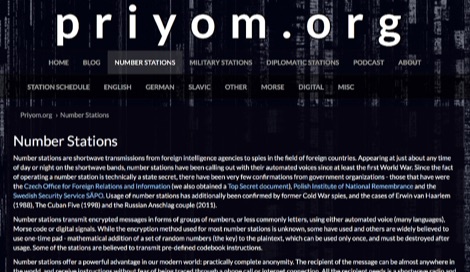 Number stations are shortwave transmissions from foreign intelligence agencies to spies in the field of foreign countries.
 -
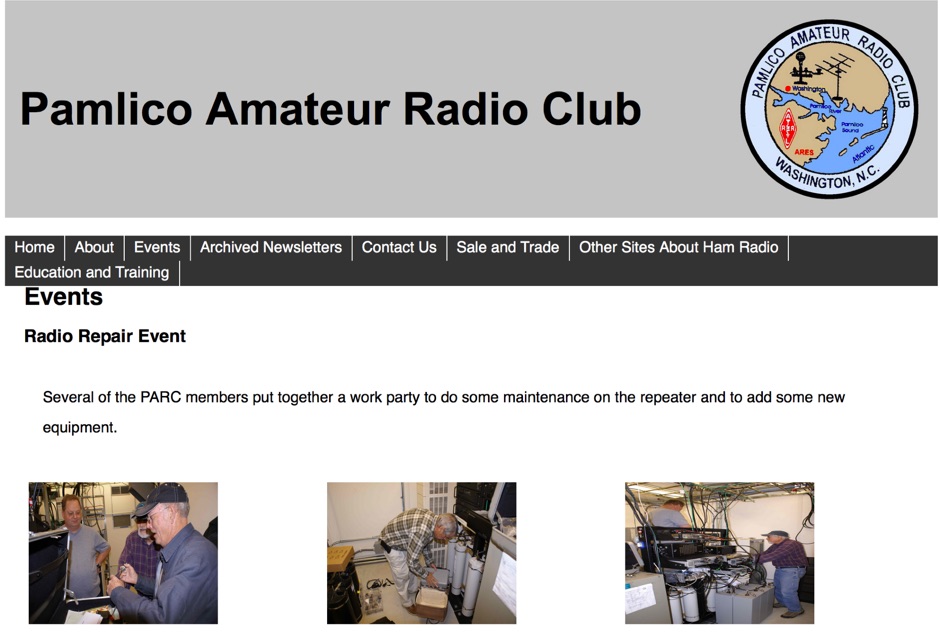 The Pamlico Amateur Radio Club (PARC), founded in 1994 and incorporated as a 501(c)(3) non-profit, provides a community hub for amateur radio operators in the Inner Banks region of North Carolina. Affiliated with the _ARRL_ since 2011, PARC supports local ham radio activities and offers resources for those living or traveling near the Pamlico River. The club maintains an active presence, participating in events like Field Day and offering various operating opportunities. Members engage in diverse aspects of the hobby, from DXing to emergency communications, fostering skill development and camaraderie. The club's focus extends to public service, providing communication support when needed within its operational area. PARC's commitment to the amateur radio community is evident through its long-standing presence and continuous engagement, reflecting over **30 years** of service since its establishment.
 -
 This article presents a comprehensive guide to constructing a multiband vertical wire antenna. The design features parallel wires for various bands, all connected to a single balun, ensuring ease of assembly and adjustment. Materials required include a fishing rod, PVC tubing, and inexpensive wire. The antenna is lightweight, cost-effective, and suitable for field use or as an additional home setup. Detailed instructions and diagrams are provided to facilitate successful construction and optimal performance across multiple frequencies.
 -
 Outlines the Club de Radio Amateur de Charlevoix (VE2CCR), a regional amateur radio organization serving the Charlevoix area in Quebec, Canada. The resource details the club's objectives, which include promoting amateur radio, fostering technical knowledge among members, and supporting emergency communications. It lists various club activities such as regular meetings, field day participation, and local repeater maintenance. The site provides contact information for prospective members and details on how to join the club, including membership fees and application procedures. Information on the club's repeaters, including frequencies and access tones, is also presented, facilitating local amateur radio operations. The resource serves as a central hub for VE2CCR members and interested individuals seeking to engage with the amateur radio community in Charlevoix.
 -
 The Itchen Valley Amateur Radio Club (IVARC) provides a local hub for radio amateurs in the Southampton and Winchester areas of the UK. This club actively participates in various UK contesting events, including the weekly _RSGB VHF UKAC_ contests, _RSGB AFS club contests_, and _BERU contests_, alongside annual UK field days. As a _Brickworks Accredited_ club, IVARC is committed to supporting both new licensees and experienced operators in exploring diverse aspects of the hobby, fostering skill development and operational experience. Meetings are held on the 2nd and 4th Friday of each month at the Bianchi Suite, Otterbourne Village Hall, offering a consistent schedule for members and visitors. The club's recent activities include supporting _Jamboree On The Air_ (JOTA) for local Scout groups (e.g., GB1ESG), activating special event stations like _GB0SR_ from Solent Rescue Lifeboat Station, and organizing club visits to significant historical sites such as Bletchley Park. IVARC also hosts events like QRP Day and National Field Day, providing practical operating opportunities and fostering camaraderie among members.
 -
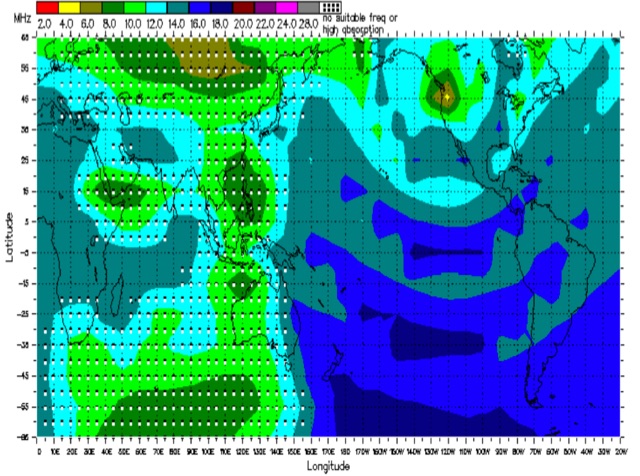 This paper presents the method of calculating the maximum usable frequency (MUF) and field strength of radio waves reflecting 2 times at the F2 ionosphere layer under inhomogeneous conditions of the ionosphere. The comparison between predicted and measured MUF has shown that the proposed method significantly increases the accuracy of calculation MUF.
 -
 Operating in the Caribbean, the Jamaica Amateur Radio Association (JARA) provides a central hub for amateur radio enthusiasts on the island. The association details its **repeater network**, including IRLP node 7673 and ECHOLINK access, alongside information on band activity and packet radio operations. Members can access specific documents like the JARA Membership Form and the JARA Disaster Plan, while general visitors can review the full JARA Regulations and learn about the club's history. The site features a photo album and outlines various radio activities, including what constitutes a JARA Field Day. It also provides essential resources such as the Reciprocal License Form and Jamaica Amateur Radio Regulations, crucial for visiting operators. The **WINLINK Project** and Radio Voice Procedure are also covered, offering practical guidance for communications. JARA maintains affiliations with international bodies like **IARU Region II**, ARRL, and RSGB, and lists important organizations such as SATERN 14.265, Jamaica Red Cross, and the National Hurricane Center. The website also includes links to other amateur radio clubs across North America, the Caribbean, and Central and South America, fostering regional and international connections.
 -
 High Speed Multimedia (HSMM) radio, as introduced by John Champa, K8OCL, represents a significant advancement in amateur radio's digital capabilities, moving beyond traditional keyboard modes like packet radio. This initiative, driven by ARRL's Technology Task Force, focuses on developing high-speed digital radio networks capable of up to 20 megabits per second. HSMM primarily facilitates digital voice (DV) and digital video (ADV), enabling real-time video transmission from emergency scenes to an EOC without expensive ATV gear, often requiring only a laptop, a PCMCIA card, a digital camera, and a small antenna. The working group's initial efforts concentrate on cultivating microwave skills within the amateur community to build and support portable and fixed high-speed radio-based local networking, or **RLANs**. These networks prove invaluable for RACES and ARES organizations, as well as homeland security and other emergency communications. Field Day exercises and simulated emergency tests (SETs) are encouraged to hone skills in rapid site surveys and deploying broadband HSMM microwave radio networks, with examples like linking Field Day logging stations or antenna test results at the Midwest VHF-UHF Society Picnic 2003. Getting started with HSMM often involves adapting off-the-shelf **IEEE 802.11** (WiFi) equipment to comply with amateur radio regulations, typically operating in the 2.4 GHz ISM bands. While consumer WiFi gear has range limitations under Part 15 rules, proper setup under amateur regulations can extend coverage significantly, with test networks like the Hinternet achieving 5-15 mile ranges at 54 M bit/s using small mast-mounted dish antennas. Careful selection of equipment with external antenna ports, high transmit power, and low receive sensitivity is crucial, along with using low-loss coaxial cable like LMR-400 for optimal performance at these frequencies.
 -
 MARCA, Inc. operates approximately 24 repeaters across Arizona mountaintops and Phoenix-area rooftops, supporting modes like D-STAR and Fusion. The club, holding the **W7MOT** callsign, engages in diverse activities including ARRL Field Day events near Forest Lakes, AZ, ARRL FMT contests, and antenna experimentation. Members actively participate in HF operations such as voice, digital, CW, DXing, and various digital HF modes, alongside MESH and EOC operations within the valley. The club's interests span a broad technical spectrum, from SDR radio building to antique radio restoration, and include modern digital modes like WSPR, WSJT, FT8, and FT4. They also explore computer-based operations such as Echolink, fostering a dedicated Single Board Computer (SBC) and Raspberry Pi group. Monthly VE testing sessions for Technician, General, and Extra Class licenses are conducted by Ray Vasquez, K4RMV. Meetings are held on the third Tuesday of each month, typically lasting two hours, with a business segment followed by a technical presentation. These gatherings occur in-person at IHop in Mesa, AZ, and concurrently via Zoom, accommodating both local members and winter visitors. Informal chat groups often form post-meeting to discuss specialized topics like D-STAR, SDR, APRS, MESH, and Fusion.
 -
 AREDN provides the Amateur Radio Community with a quality solution for supporting the needs of high speed data in the Amateur Radio and Emergency Communications field.
 -
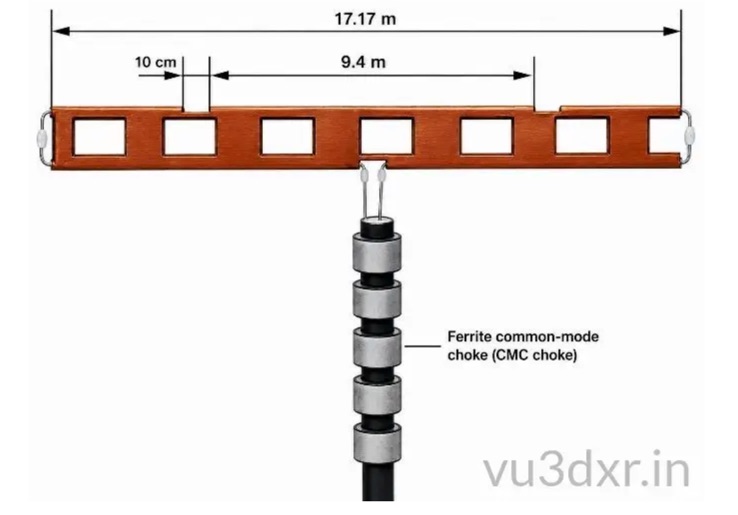 Constructing a dual-band antenna for 40 and 20 meters often involves compromises in size or complexity. This resource presents a compact _open sleeve dipole_ design that addresses these challenges by using 450-ohm ladder line and folded elements to achieve a total length of approximately **17.17 meters**, significantly shorter than a full-size 40-meter dipole. The design leverages electromagnetic coupling, where a primary radiator handles the 40-meter band, and a second conductor resonates on 20 meters without direct electrical connection. This configuration eliminates the need for traditional traps, loading coils, or switching components, simplifying construction and reducing potential loss points. The antenna is fed with RG-58C/U coaxial cable, and a common-mode choke is recommended at the feed point to suppress sheath currents, ensuring a cleaner radiation pattern and minimizing RF in the shack. The design is well-suited for portable operations, field deployments, temporary installations, and restricted urban environments where space is a premium, offering solid performance on both HF bands.
 -
 DF0WD/DL4YHF's Longwave Overview details amateur radio operations on the 135.7 to 137.8 kHz segment in Germany. The author outlines the "inofficial" European band plan, specifying segments for QRSS, TX tests, beacons, conventional CW, and data modes. Early LF activities at DF0WD began with a 20-watt CW transmitter, later upgraded to a homemade linear transverter capable of 100 watts, driven by an Icom IC706 on 10.137 MHz. The station's antenna system includes a 200-meter wire, approximately 10 meters above ground, supported by football field light-masts. Despite its length, the antenna's efficiency is noted as very low due to the immense wavelength of about 2.2 km. The author's experience highlights the significant challenge of achieving effective radiated power (EIRP) on LF, estimating DF0WD's EIRP at around 80 milliwatts based on field strength measurements from PA0SE. DF0WD/DL4YHF has successfully worked numerous countries on 136 kHz CW, including DL, F, G, GI, GM, GU, GW, HB9, HB0, LX, OE, OH, OK, OM, ON, OZ, PA, and SM. The author also mentions ongoing efforts to log contacts with CT, EI, LA/LG, and to complete a two-way QSO with Italy, demonstrating persistent activity on this challenging band.
 -
 FPARC - Supporting amateur radio enthusiasts and SWLs in the Portsmouth area. Monthly meetings and summer Field Weekends using club call M0GZN and occasional Special Event Station GB1PF.
 -
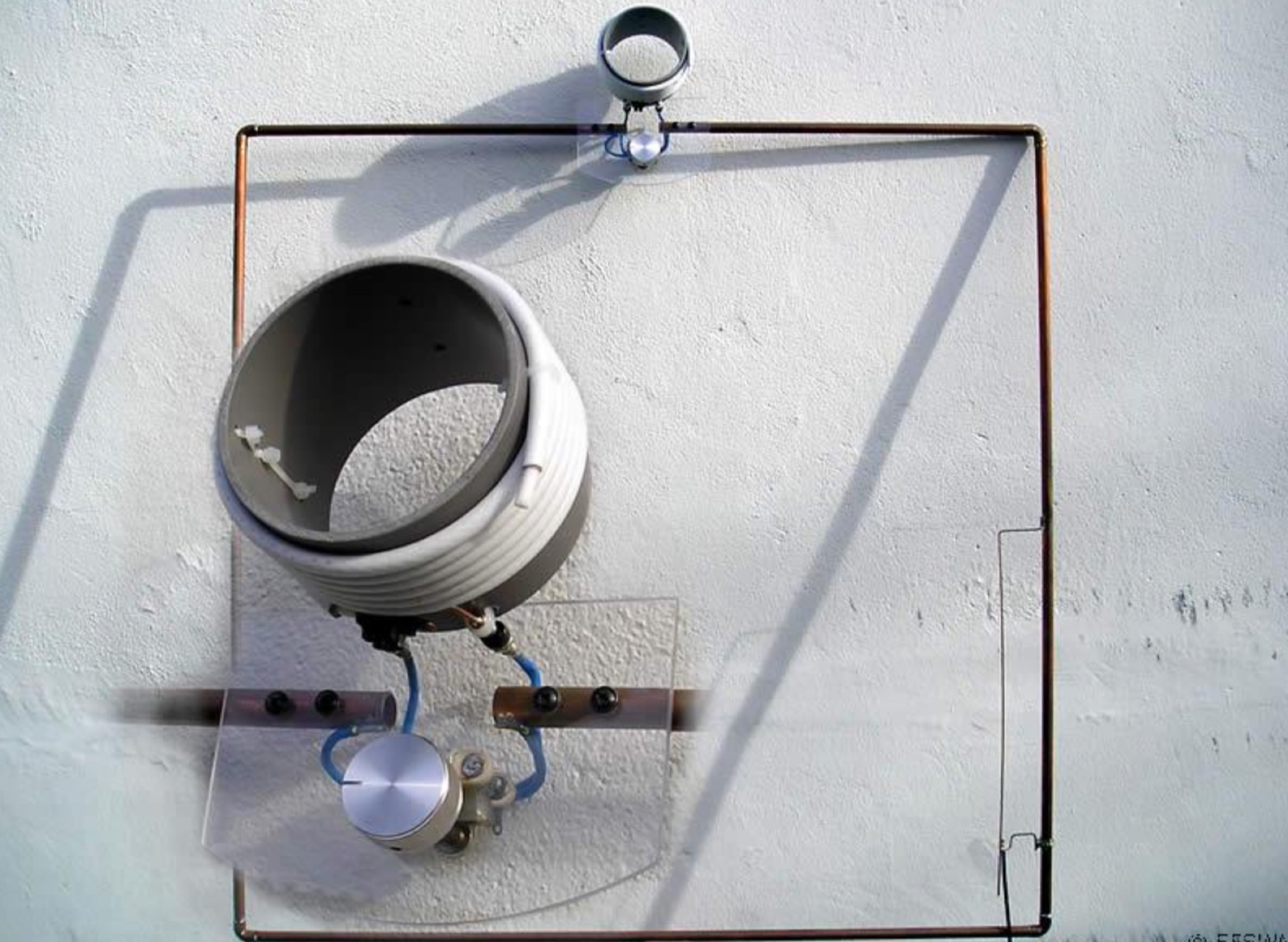 The magnetic loop, thus named by the use of the magnetic component of the electromagnetic field, is a parallel circuit LC. In this article a sample project to home made a custom antenna. The circular form is often met on the commercial models but this antenna can be hexagonal, octagonal or square.
 -
 The club was founded in 1987 when a group of ham operators hauled radio gear, antennas, and a generator to the island by boat to operate portable during ARRL Field Day
 -
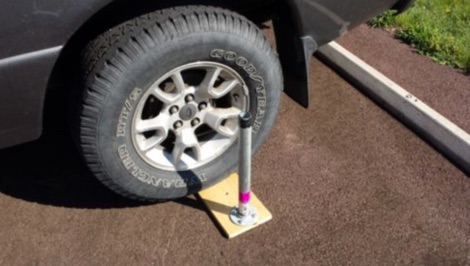 A homemade simple and inexpensive portable antenna support, handy for quick trips to the field and other portable operations