Search results
Query: adio
Links: 3542 | Categories: 708
This query is too generic. Please try adding an additional term to focus your research.
Categories
- Technical Reference > AI Ham Radio
- Radio Equipment > Amateur Radio Accessories
- Operating Modes > Amateur Radio Astronomy
- Manufacturers > Amateur Radio Maps
- Antique Radios > Antique Radio Reference
- Shopping and Services > Antique Radios
- Manufacturers > Transceivers > CB Radio
- Shopping and Services > CB Radio Stores
- Technical Reference > CB Radios
- Shortwave Radio > Broadcasters > Clandestine Radios
- Technical Reference > Receivers > Crystal radio
- Manufacturers > Digital and Packet Radio
- Manufacturers > Digital Mobile Radio
- Ham Radio
- DX Resources > Ham Radio Awards
- Operating Modes > Ham Radio Balloons
- Technical Reference > Ham Radio Go Kits
- Shopping and Services > Ham Radio Insurance
- Ham Radio > Ham Radio News
- Shopping and Services > Ham Radio Stores
- CB Radio > Clubs > India Radio
- Internet and Radio
- Shopping and Services > Marine Radio
- Operating Modes > NPR New Packet Radio
- Shortwave Radio > Broadcasters > Offshore Radios
- Operating Modes > Packet Radio
- Shortwave Radio > Broadcasters > Pirate Radio
- Technical Reference > Programming Radio
- Software > Radio Control
- Operating Modes > Radio Direction Finding
-
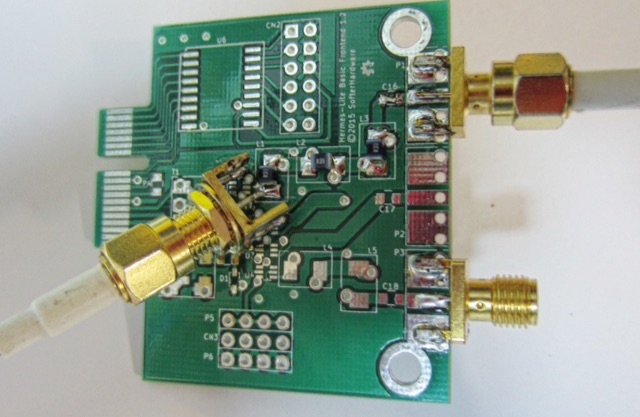 The author has build the Hermes-Lite SDR v1 and v2 versions describing with a very accurated text and picture the process. Additionally has documented measurements for each component
 -
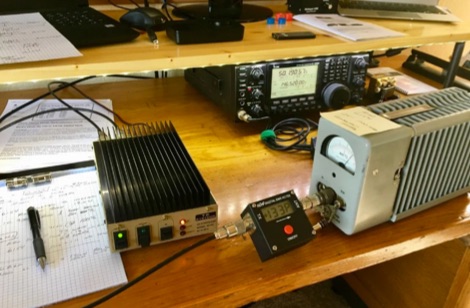 TE Systems 0510G 50 MHz meter amplifier set up for 10 watts in and 170 watts out.
 -
-
 NARRI is to promote the development of amateur radio repeaters in Nevada USA
 -
 The TCARES membership provides communications assistance with fires, floods, search & rescue, and health & welfare message assistance to the Red Cross, without pay, using their own equipment, usually in twelve hour shifts.
 -
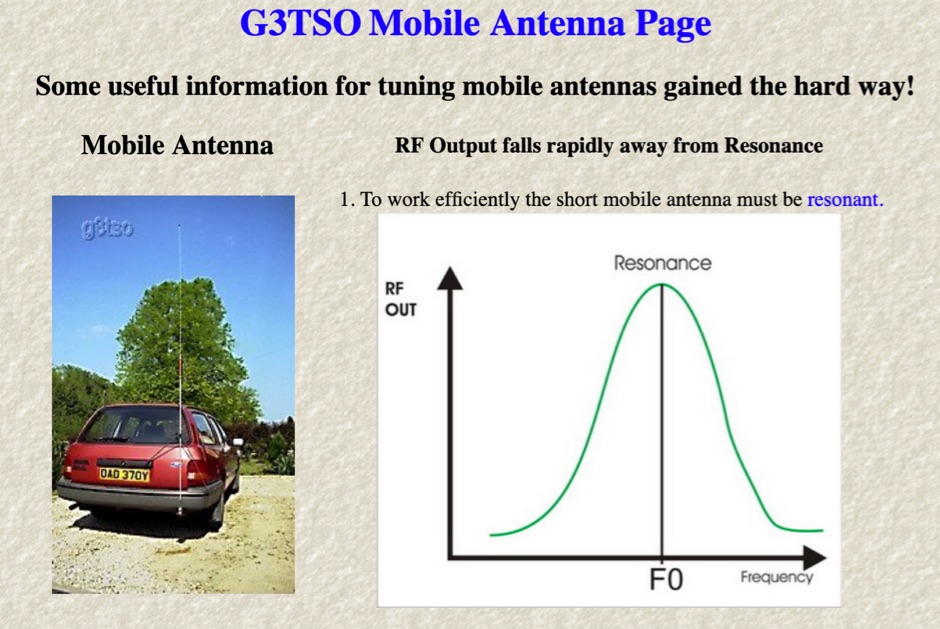 The _G3TSO_ Mobile Antenna Page details construction and tuning methods for mobile antennas operating across **10 to 160 metres**. The content describes a Hustler-based design, optimized for RF performance and vehicle speeds, featuring centre loading. For optimal operation on various bands, the loading coil placement requires clearance from the vehicle body. Antenna resonance is critical for efficient mobile operation. A mobile antenna's base impedance may be as low as 27 ohms, requiring specific matching to achieve maximum radiation, as a minimum SWR at the transmitter does not always indicate resonance or maximum output. Tuning involves physical adjustment of antenna length to achieve resonance at the operating frequency. The _G3TSO_ page outlines a tuning procedure utilizing a low-power signal source and a field strength meter to identify maximum radiation before impedance matching. Loading coil placement, either at the base, center, or top of the antenna, influences radiation efficiency and mechanical stability for mobile installations. Centre-loaded whips, such as the Hustler design, offer a compromise between efficiency and stability, often for single-band operation. Helically wound antennas, including those for **28 MHz**, may present base impedances around 17 ohms, resulting in a 3:1 SWR at resonance. Low resistance grounding at the antenna base is also specified for optimizing performance and minimizing RFI during mobile operation. DXZone Focus: Mobile | Any | Antenna Tuning | HF
 -
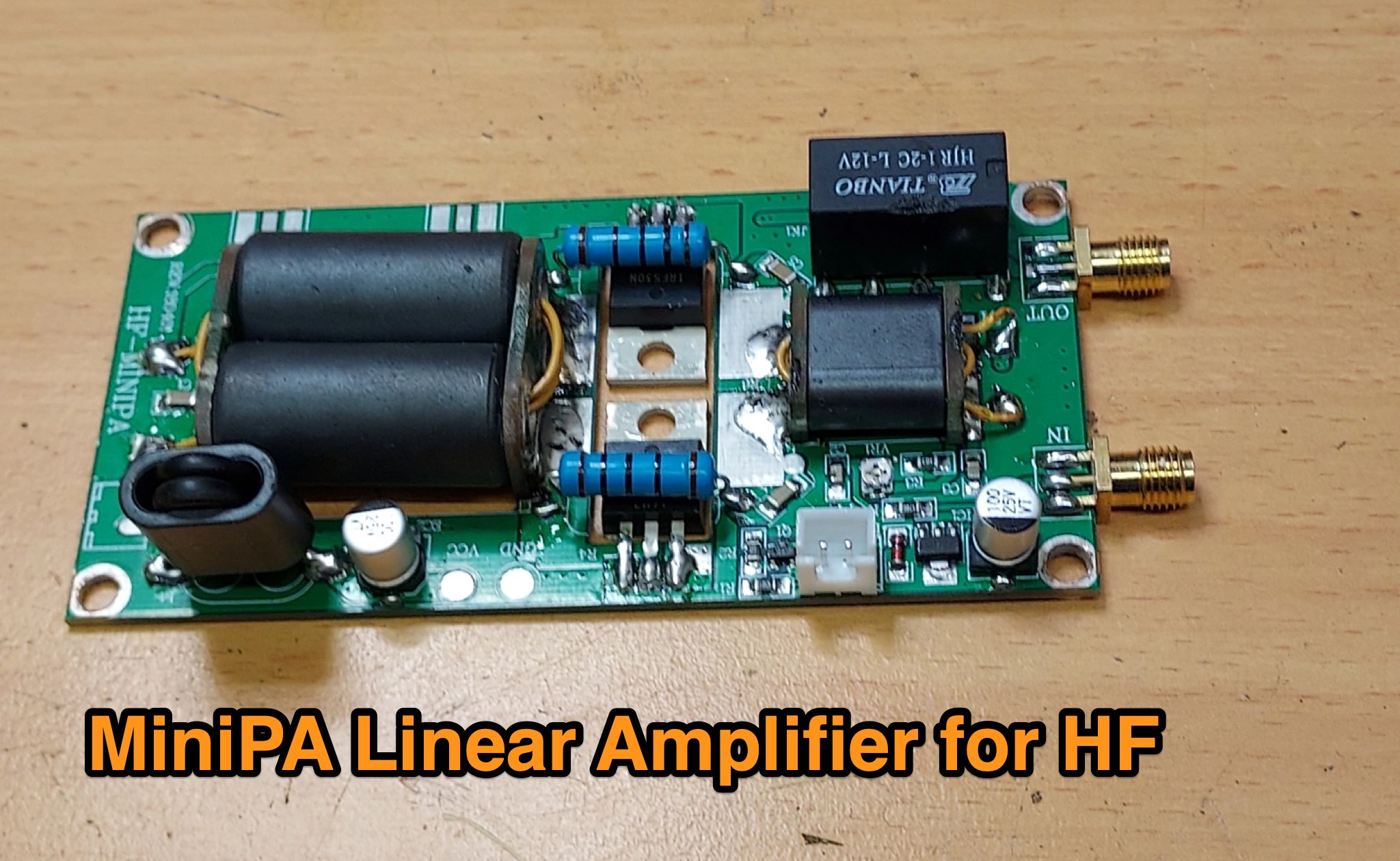 The MiniPA Linear Amplifier for HF page discusses the popularity of QRP for HF among ham radio operators, such as those using the Yaesu FT818 or low power SDR transceivers. It explores the use of cheap kits from eBay or Chinese suppliers to build a 70-100W SSB amplifier using IRF530 MOSFET transistors. The article provides a review of the MiniPA design, including its features, components, and assembly process. It also highlights the importance of using a heatsink and forced air cooling for optimal performance. This page is useful for hams looking to enhance their HF rig with a budget-friendly amplifier.
 -
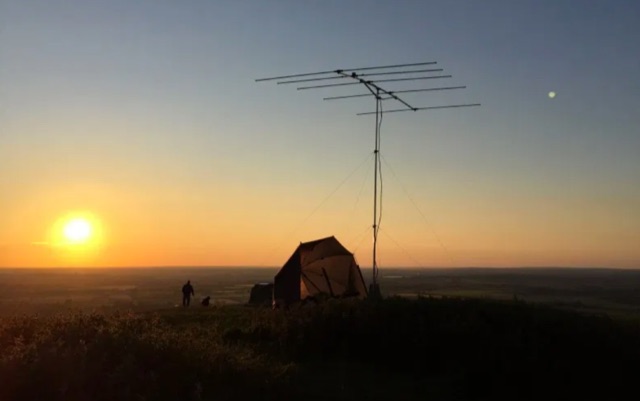 Amateur radio portable operation has a lot to offer, even if you are a shack sloth and have an awesome setup.
 -
 The club is based in the Newhey area of Rochdale in North West England at the Ellenroad Steam Museum.
 -
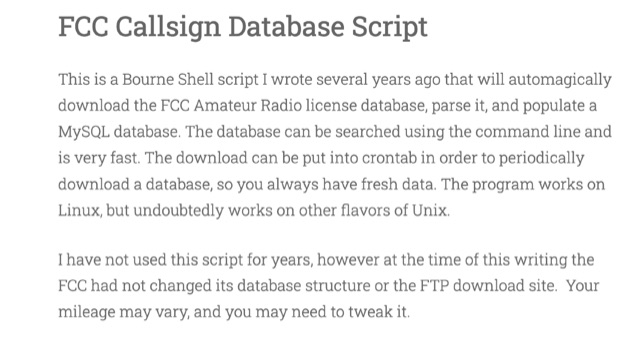 This is a Bourne Shell script that will automagically download the FCC Amateur Radio license database, parse it, and populate a MySQL database. The database can be searched using the command line and is very fast.
 -
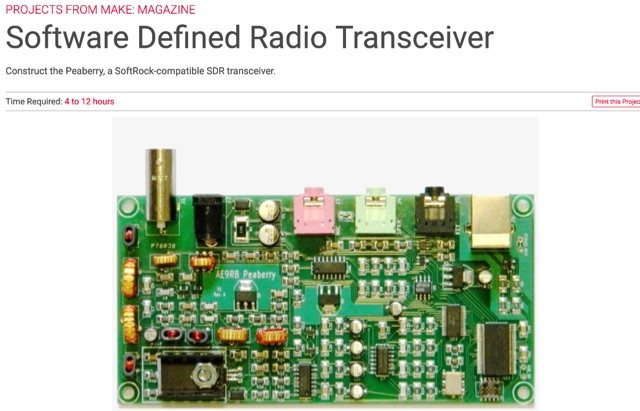 Construct the Peaberry, a SoftRock-compatible SDR transceiver. This project is aimed to build an amateur radio transceiver that operates on the medium or short wave bands
 -
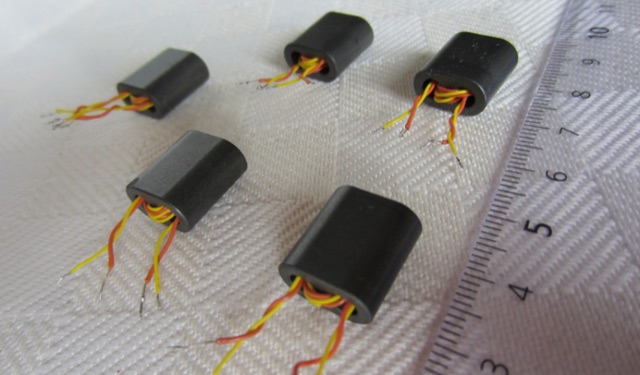 Operating within the low-frequency spectrum, transformers serve critical roles in antenna systems, particularly for 160m applications. The resource details the construction and performance of 1:1 transformers built on BN-73-202 cores, emphasizing their use as hybrid combiners or phase inverters for RX antenna arrays. Measurements reveal that these transformers exhibit minimal losses, around 0.12 dB at 1.8 MHz, with variations based on wire type and number of turns. The analysis includes comparative data on transformer performance, highlighting the impact of different winding techniques on frequency response. Notably, the use of coaxial cable for winding improves bandwidth while maintaining low-frequency efficiency. The resource also discusses braid breaker transformers, which minimize inter-winding capacitance, achieving low losses around 0.21 dB at 1.8 MHz. These insights are crucial for optimizing low-band antenna systems, allowing operators to make informed decisions regarding transformer design and implementation.
 -
-
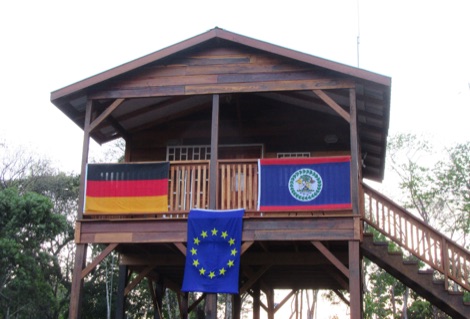 Home of Club Station V31HQ, The Maya Hill Lodge, is ideal DXing from Central America. The shack is located outside the house as separate house and it is air conditioned. Offer HF VHF UHF equipment and EME setup.
 -
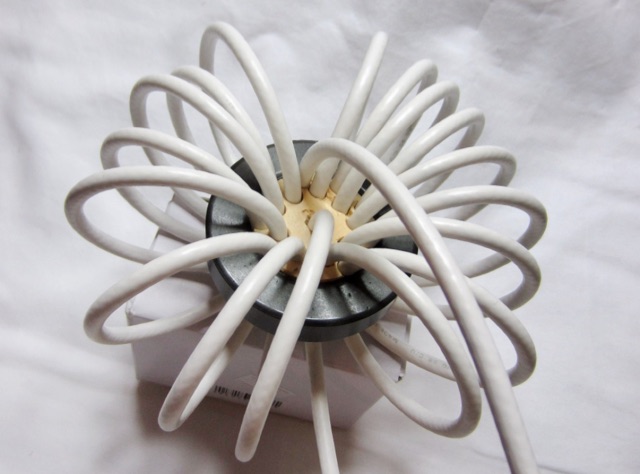 Common-mode chokes are useful solutions for RFI reduction. Winding a few turns of coaxial cable on the FT 240-31 toroid can reduced the noise below the received noise floor. In this article author measure different chokes
 -
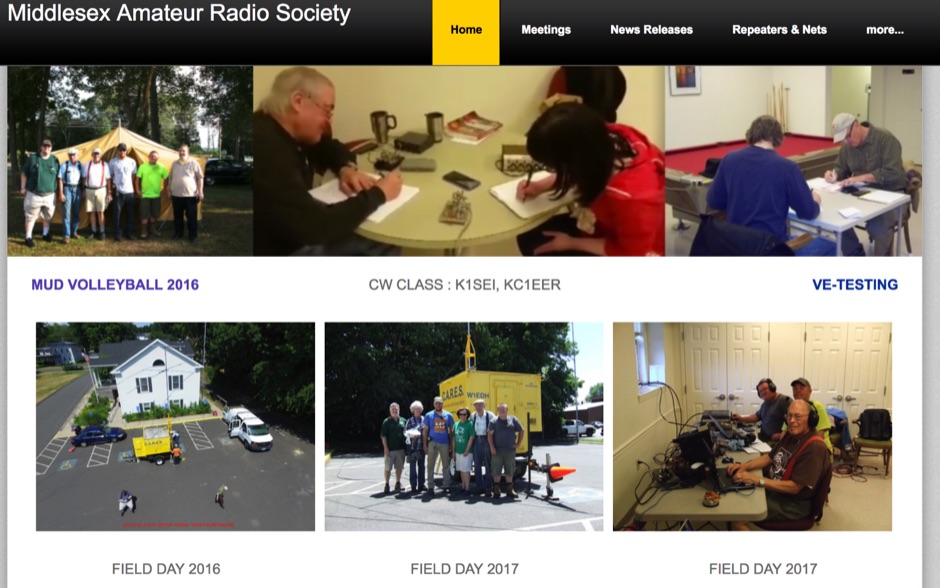 An ARRL Special Service Club. Meets every Tuesday at Portland Senior Center, 7 Waverly Ave., Portland, CT 06480
 -
 This project revisits a minimalist software-defined radio (SDR) receiver built using a Raspberry Pi Pico, now optimized for simplicity and affordability. Designed for breadboard assembly with through-hole components, the receiver covers 0–30MHz, supporting CW, SSB, AM, and FM modes with an OLED display and spectrum scope. Key improvements include enhanced frequency accuracy, reduced op-amp saturation, and lower-cost components. Powered by three AAA batteries, it delivers standalone operation for global signal reception. Ideal for hobbyists, the design fosters experimentation and is documented with firmware and schematics available online.
 -
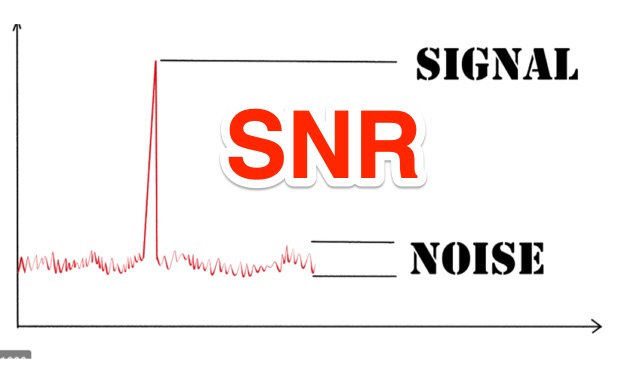 Signal to Noise Ratio, definition and application to Radio Communications. Signal to Noise Ratio (SNR) is a figure of merit that compares the level of a desired signal to the level of background noise.
 -
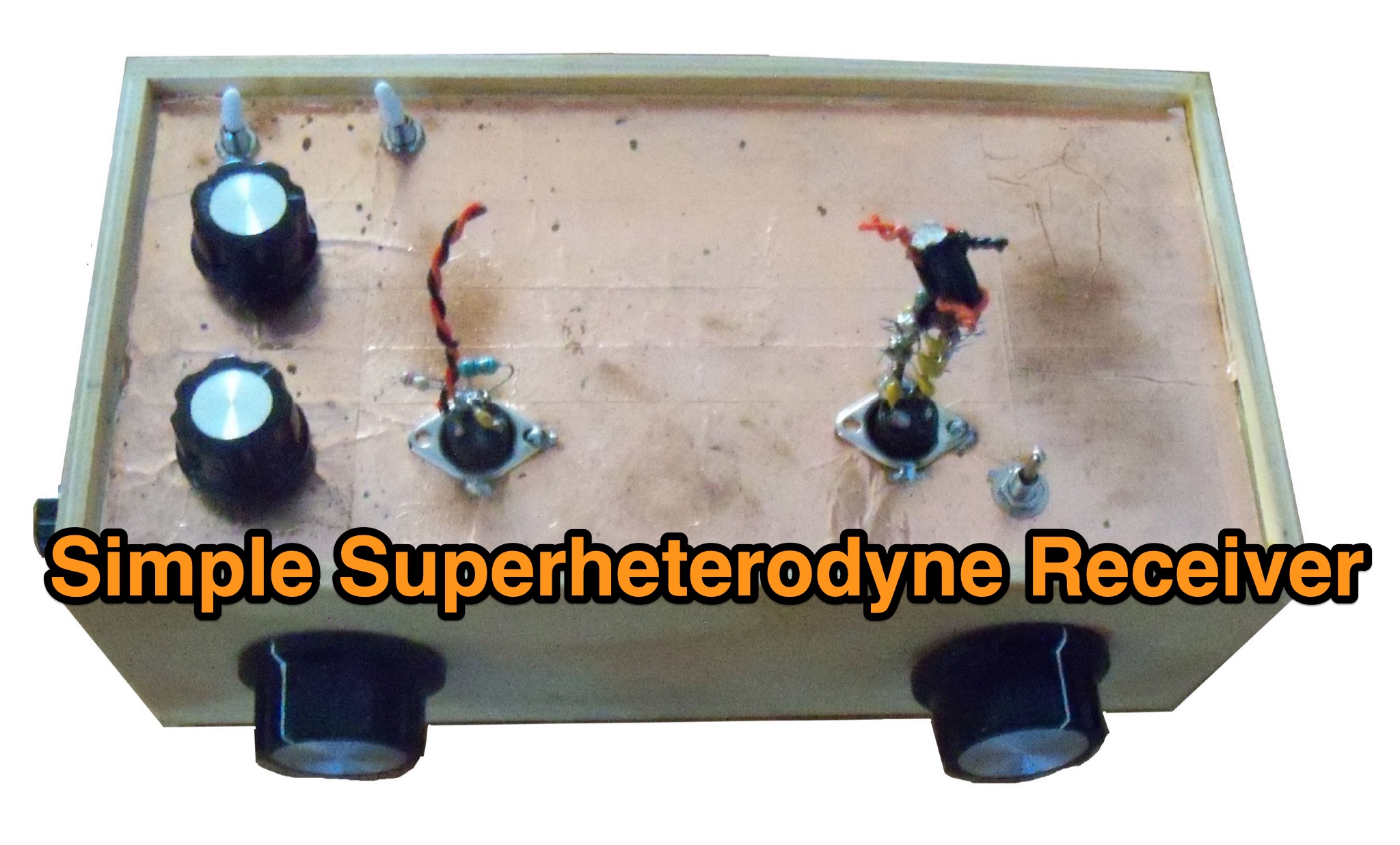 A simple superheterodyne receiver (3.5–30 MHz) for amateur radio achieves stable SSB-CW reception using modern BJTs, an AD831 mixer, a 6-pole quartz filter, and Seiler oscillators. Designed with high IF (4.5 MHz), compact AM-FM variable capacitors, and modular resonant circuits, it ensures selectivity, image rejection, and stable tuning. Built in a copper-lined wooden case, it features practical assembly techniques but lacks advanced features like AGC or S-meter. Effective on basic antennas, it achieves global reception.
 -
 Fans of NIST signals cite benefits including understanding the near-Earth environment
 -
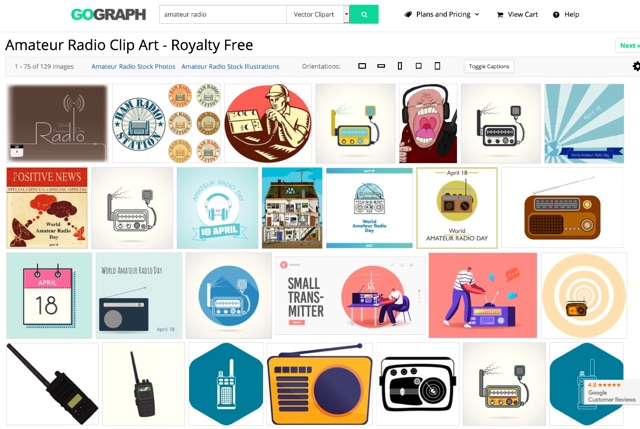 A collection of ham radio clip art royalty free. Additional amateur radio clip art can be found changing the search terms.
 -
 Main Trading Company, MTC Radio has been helping Hams All over the country since 2009. Amateur radio dealer of popular hma radio brands based in Texas
 -
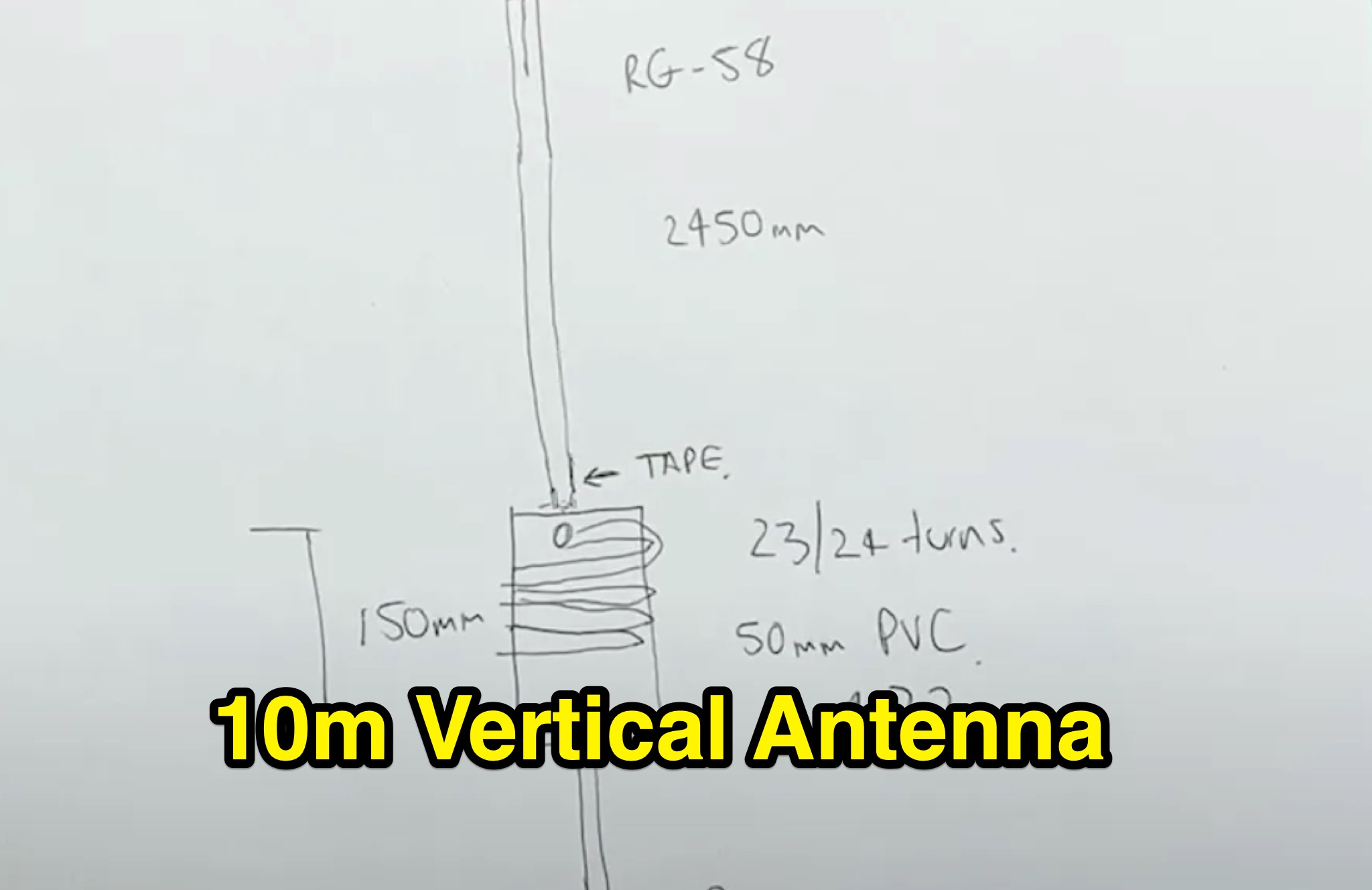 Learn how to easily build a 10-meter vertical antenna, perfect for DX contacts on the amateur radio bands. This flowerpot or T2LT design is portable, efficient, and ideal for ham radio operators looking to improve their DX performance. With just a few basic tools and materials, you can construct this antenna for portable operations or as a home station setup. Discover how to set up the antenna, improve its performance by raising it higher, and start making contacts with stations around the world. Watch a step-by-step guide on YouTube for building and testing this DIY ham radio antenna.
 -
 Magnolia Amateur Radio Club serves the Starkville area in North Mississippi.
 -
 The Greater New York Vintage Wireless Association is the number one club serving the collector of antique and vintage radios, TVs, and electronic equipment in the New York City Long Island area.
 -
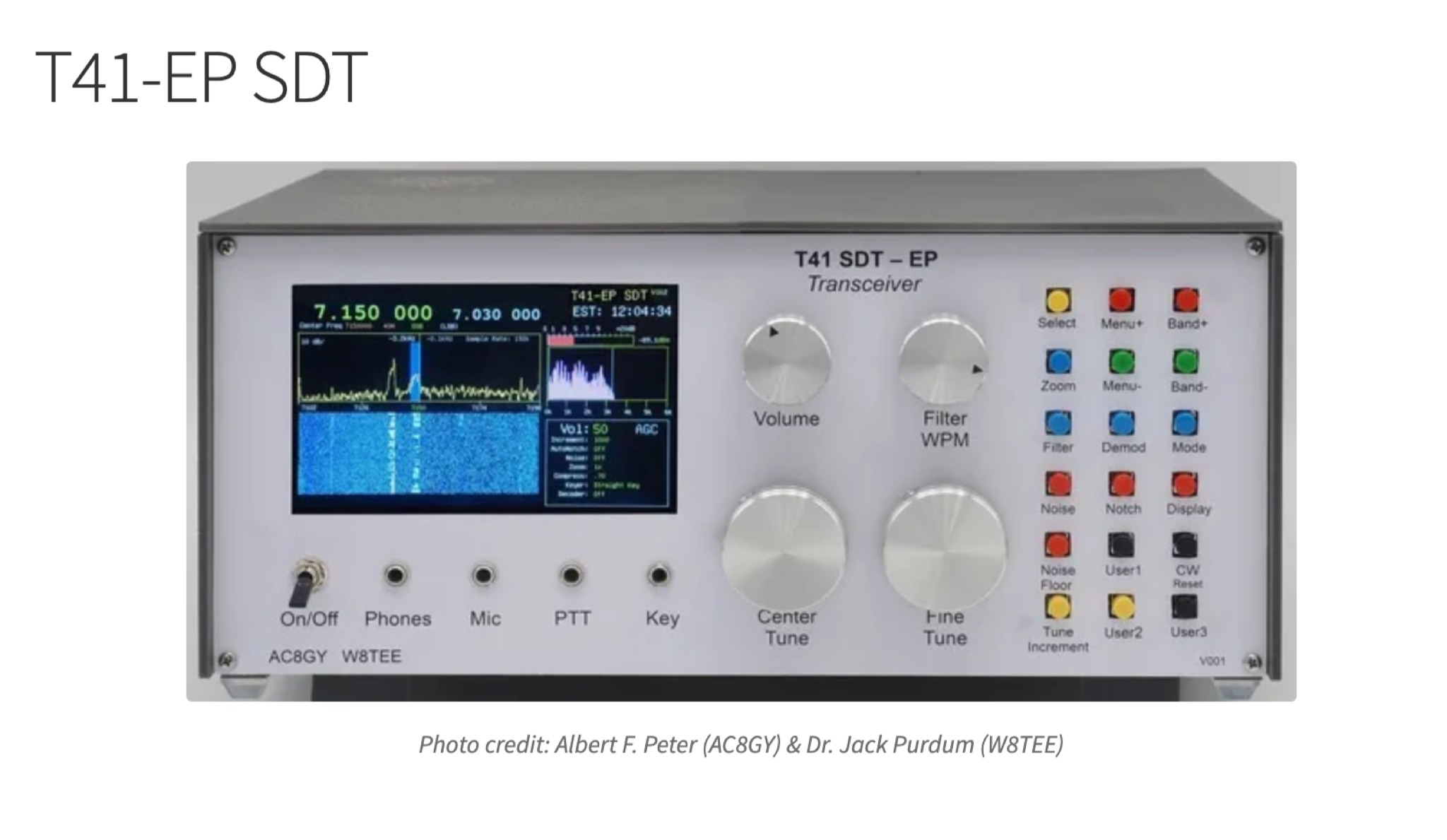 The T41-EP SDT is an open-source software defined transceiver designed by Albert F Peter (AC8GY) and Dr. Jack Purdum (W8TEE) with contributions from others. This detailed guide covers the design, theory, and assembly of the transceiver, making it suitable for both beginners and experts in SDR. Learn about Digital Signal Processing and how it is implemented in the T41-EP, as well as the modularity of its internal design. Kits are available for easy assembly, and a supportive community on SoftwareControlledHamRadio Groups.io provides additional resources for users. Note that software support for additional bands is in progress, offering potential future upgrades.
 -
 The 80-meter Skyloop antenna, a top-performing HF antenna, excels in weak signal work, low-noise operation, and omnidirectional coverage. Ideal for fixed stations, it delivers strong performance at low power, outperforming many alternatives, including 80m half-wave end-fed antennas. Requiring significant space for deployment, it’s well-suited for NVIS and groundwave use. Though not portable, it’s cost-effective and durable, with minor maintenance needs. Tuning may require adjustments for optimal resonance. It’s a standout for base stations, though a lighter portable version could enhance its versatility.
 -
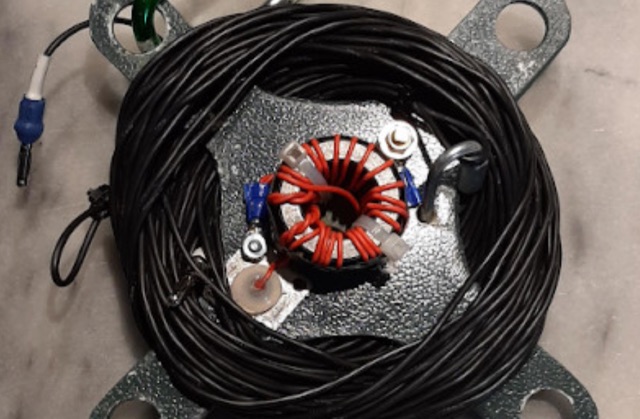 How to Design and Build a Field Expedient End-Fed Half-Wave Antenna for 20m, 40m and 80m. This Shorty 80m EFHW comprises a 49:1 autotransformer (to match the very high impedance at the end of a half-wave wire), a half-wavelength wire for 40m (also a quarter-wavelength for 80m), a loading coil and a short tail wire. The coil and the short tail wire (about 6 feet) make up the other quarter wave on 80m.
 -
 Ham racio clip art collection with free to use images. Additional amateur radio clip art can be found by changing the search term
 -
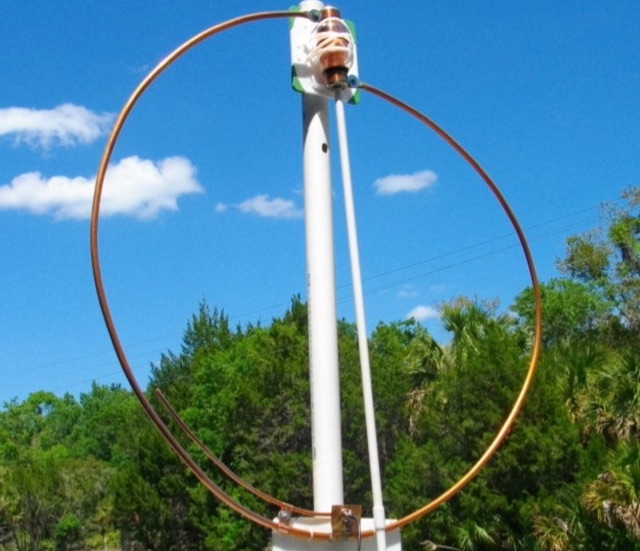 This antenna works on 17, 20, and 30 meters, with the best bandwidth on 20 meters. The bandwidth on 17 and 30 is quite small but usable. There is a 20 KHz bandwidth on 20 meters.
 -
 Meeting point of radio amateurs associations from around the world where introduce and share their activities and experiences. It is about giving voice to all those independent radio clubs of any country interested in exchanging knowledge with the others.
 -
 Welkom op de website van de Friese Radio Amateur Groep. Hier vindt u allerlei informatie betreffende de FRAG.
 -
 Market Reef 2011 OJ0UR DX pedition by PA5R/DJ5MO, PD9DX, ON8AK and ON5UR.
 -
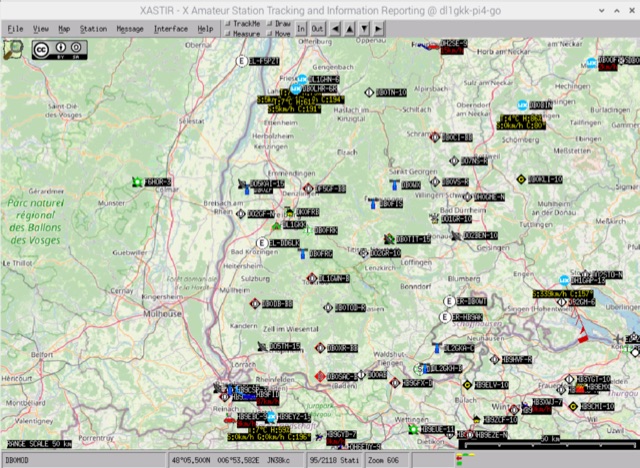 The Raspberry PI 3+4 has proven itself as an amateur radio computer. Both at home as the main computer in the shack but also on the road. It is small, inexpensive and incredibly versatile. The operating system and the most important programs are available for free.
 -
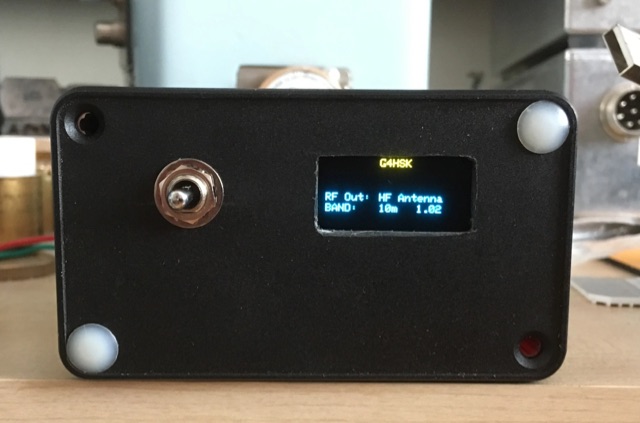 An Arduino Based Antenna Switch For The IC-7300 that monitors the band voltage from the rear accessory socket on the IC-7300. Two RF antenna relays are used to switch to the appropriate output.
 -
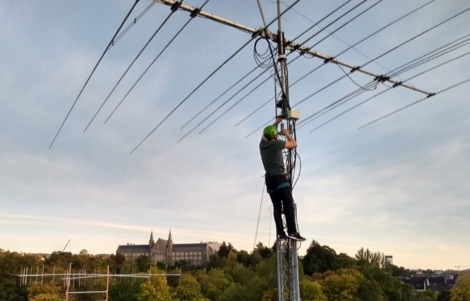 Official web site of LA1K / LA1ARK / LA1UKA Akademisk Radioklubb
 -
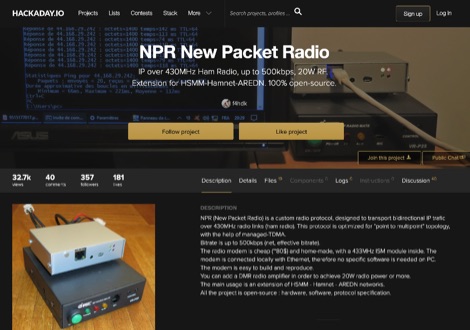 NPR (New Packet Radio) is a custom amateur radio digital protocol, designed by F4HDK to transport bidirectional IP trafic over radio links on the 70cm band. This IP protocol is optimized for point-to-multipoint topology, with the help of managed-TDMA. Bitrate is up to 500kbps. Home Made modem has a built-in ethernet port to connect to PC. To boost power a DMR amplifier is required to reach 20W. This project is an extension of HSMM - Hamnet - AREDN networks
 -
 The York Radio Club has been serving the Interests of Amatuer Radio for over 78 Years, since its inception in 1936
 -
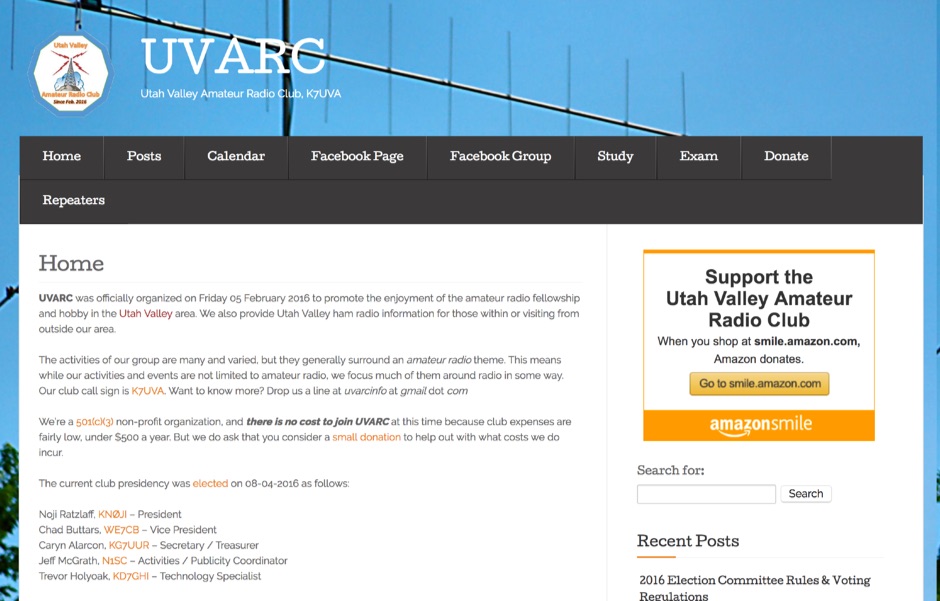 Presents the Utah Valley Amateur Radio Club (UVARC), K7UVA, detailing its organizational structure and activities within the amateur radio community. The club operates repeaters on 2 meters and 70 centimeters, providing local communication infrastructure for its members. UVARC engages in various ham radio activities, including field operations, technical discussions, and support for emergency communications. The club's website provides information on meeting schedules, upcoming events like _Field Day_ and _Winter Field Day_, and resources for new and experienced hams. It also lists contact information for club officers and details about their _ARRL_ affiliation, emphasizing their role in promoting amateur radio education and public service in the Utah Valley area.
 -
 The Shiawassee Amateur Radio Association (SARA), operating under the call sign W8QQQ, serves as a non-profit amateur radio organization in lower central Michigan's Shiawassee County. Its primary objectives include public service, emergency communications, and advancing amateur radio through education and technical excellence. The club maintains a weekly _Skywarn_ 2m net on the N8VDH repeater at 147.02 MHz (+.6 MHz, 100 Hz tone) every Monday at 7:00 PM, actively seeking more local hams to participate. SARA also facilitates VE testing, with upcoming sessions like the one scheduled for April 23, 2026, at 6:30 P.M., requiring pre-registration by April 20. SARA holds monthly meetings at the James P. Capitan Building in Corunna, typically on the second Tuesday of each month at 7:00 PM local time, excluding December's social event. They offer Zoom meeting options for members unable to attend in person. Annual dues are $15.00, with a reduced rate for new licensees, making it a very low-cost club. The organization actively seeks more EMCOMM assistance from all Shiawassee County hams, not just club members, to bolster their ARPSC (ARES/RACES) capabilities, noting that only about **10** out of **200+** county hams are currently active in ARES. They also maintain a Google Group, "W8QQQ," for electronic notifications and club communications.
 -
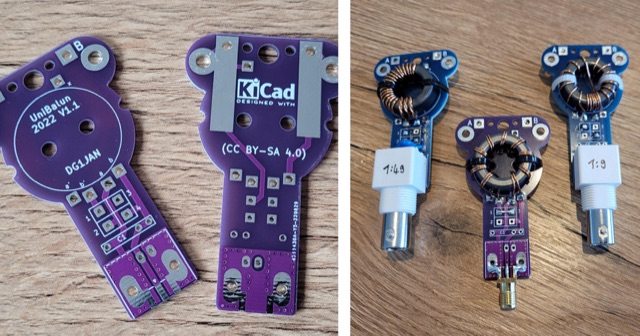 The UniBalun is a PCB for building a lightweight antenna transformer (Balun) or impedance converter (UnUn) for low power radios. By soldering jumpers and a toroid core, you can create a 1:1, 1:4 Balun or 1:49, 1:9 UnUn. The latest revision (1.2) includes improved pads and supports both BNC and SMA connectors. Build instructions are available for German speakers.
 -
 The GSARC is one of the predominant amateur radio clubs in Northern Utah.
 -
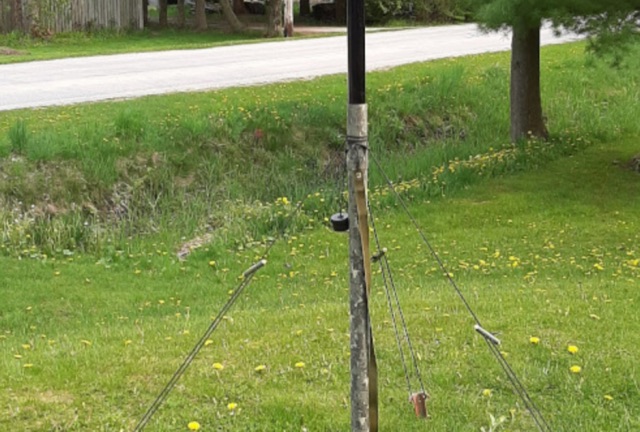 Supporting a telescopic fiberglass antenna pole for ham radio operation. Rather than cumbersome methods like using angle iron or PVC pipes, author employs lightweight tent stakes, toggles, and paracord to secure the pole effectively. With careful knot tying and simple materials, he ensures rapid deployment and stability even in windy conditions, offering a practical solution for outdoor antenna setups.
 -
 Official web site of the Ogden Amateur Radio Club Utah USA
 -
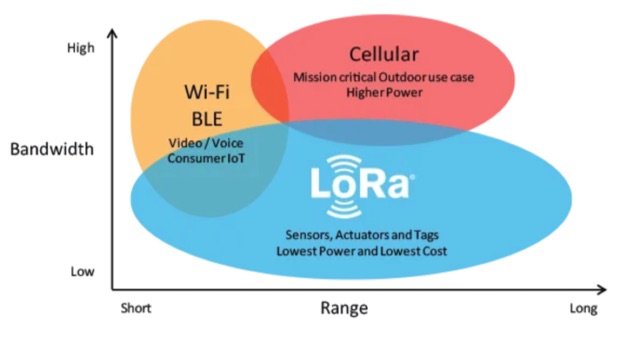 About LoRa, wireless communication technology designed to transmit data over long distances. LoRa provides a means for wireless data transmission over long distances with low power consumption. Practical applications of LoRa in amateur radio
 -
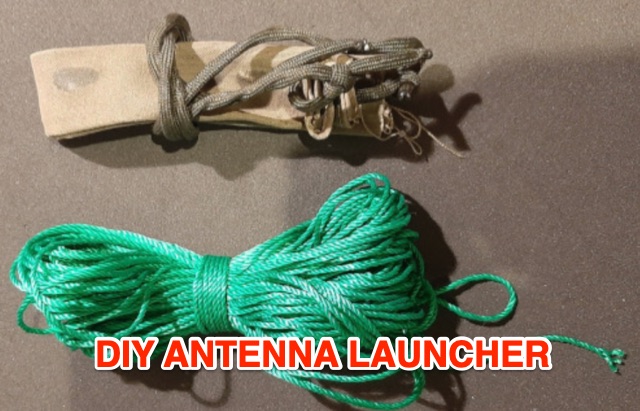 This article explores budget-friendly methods for launching wire antennas into trees, comparing common options like slingshots and professional arborist tools. The author introduces a simple and cost-effective DIY approach using latex balloons, sand, and readily available materials for efficient antenna deployment in the field
 -
 The Hamradio website of the VRZA Dutch
 -
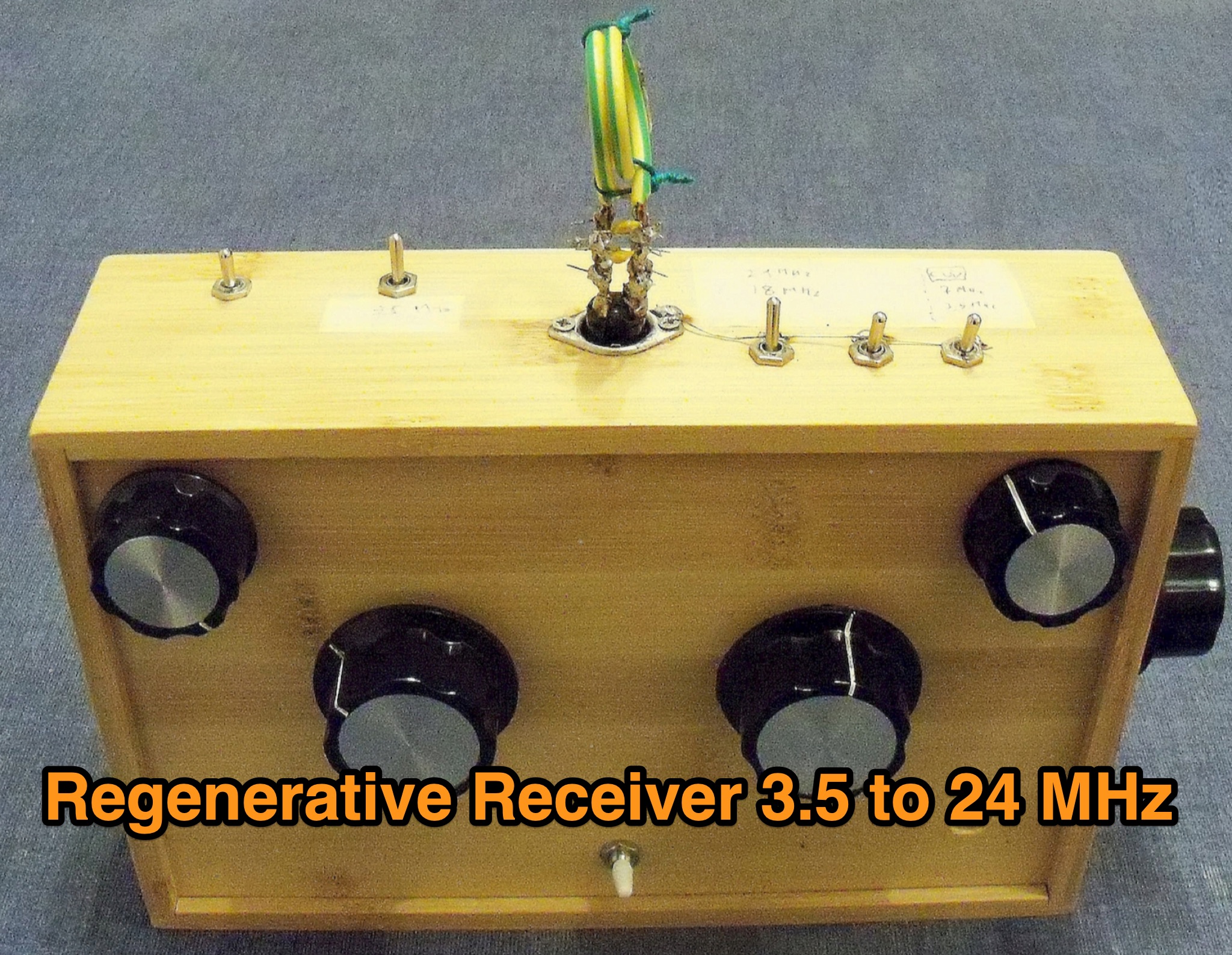 A 3.5–24 MHz regenerative receiver for amateur bands was recently constructed, inspired by a 1934 design. The project was both challenging and rewarding, requiring precise tuning and high-quality components. The receiver successfully captured QSOs from across the globe, such as New Zealand communicating with Panama. The simplicity of the design and the satisfaction of building a functional, compact wooden box with handmade resonant circuits were highlights. This project demonstrates a meaningful way to reconnect with the roots of amateur radio.
 -
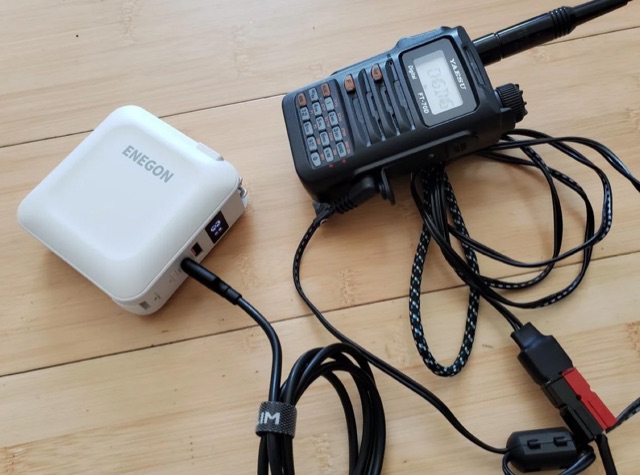 The article highlights the common absence of modern USB-C ports on handheld ham radios and the limited use of USB for power. The author, [jephthai], shares a solution involving a USB-C cable with power negotiation capabilities, allowing the radio to be powered by USB. By splicing Anderson power pole connectors onto the cable, the radio can now be conveniently powered by a USB battery bank, providing a practical alternative to traditional 12 V batteries for off-grid operations.
 -
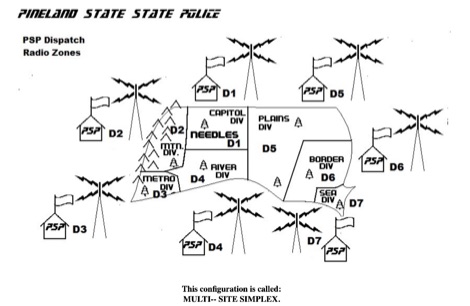 This webpage explains how analog wide area two way radio systems were setup by various states before systems like VIPER, PALMETTO 800, or FLEETNET were established.