Search results
Query: project
Links: 494 | Categories: 78
This query is too generic. Please try adding an additional term to focus your research.
Categories
- Technical Reference > 3D Printed Projects
- Technical Reference > Digital ATV projects
- Technical Reference > QRP Projects
- Antennas > 12M
- Antennas > 20M
- Antennas > 2M
- Antennas > 40M > 40 meter Delta Loop Antennas
- Antennas > 40M > 40 meter Yagi Antennas
- Technical Reference > Alternative Power
- Manufacturers > Amateur Radio Maps
- Operating Modes > Amateur Television
- Technical Reference > Arduino
- Manufacturers > Arduino
- Technical Reference > Audio
- Technical Reference > Batteries
- Antennas > Bazooka
- Technical Reference > Beacon keyers
- Ham Radio > Blogs
- Ham Radio > Personal Pages > Brazil
- Technical Reference > Calculators
- Ham Radio > Blogs > Canada
- Software > Circuit Design
- Operating Modes > Satellites > Clubs
- Operating Modes > Amateur Television > Clubs
- Technical Reference > Components > Component Database
- Operating Modes > Digital ATV
- Radio Equipment > HF Transceivers > Drake TR7
- Technical Reference > DTMF
- Technical Reference > Electronics
- Shopping and Services > Electronics
-
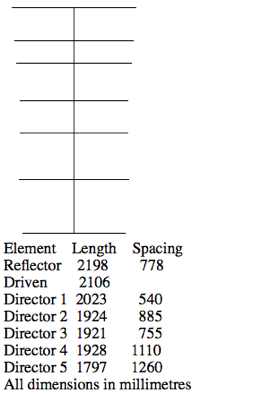
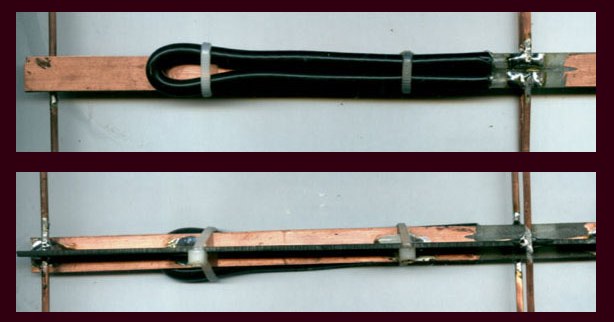 Some techniques on homebrewing yagi antennas by VK5AJL
 -
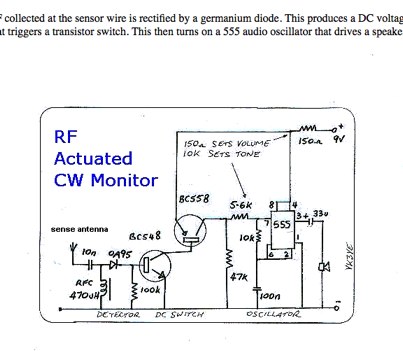 Battery-powered monitor designed to provide an audible indication of keying for those whose rigs lack a CW sidetone
 -
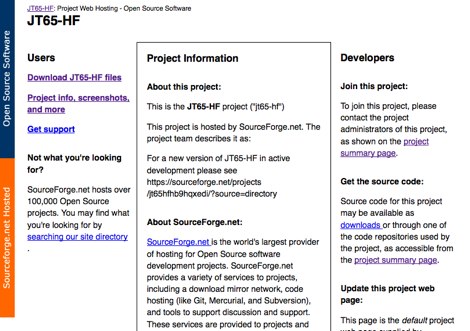 W6CQZ JT65-HF project on sourceforge, the Amateur Radio software for reception/transmission of JT65A protocol with an emphasis upon its usage in the High Frequency Amateur Bands. Project is currently paused.
 -
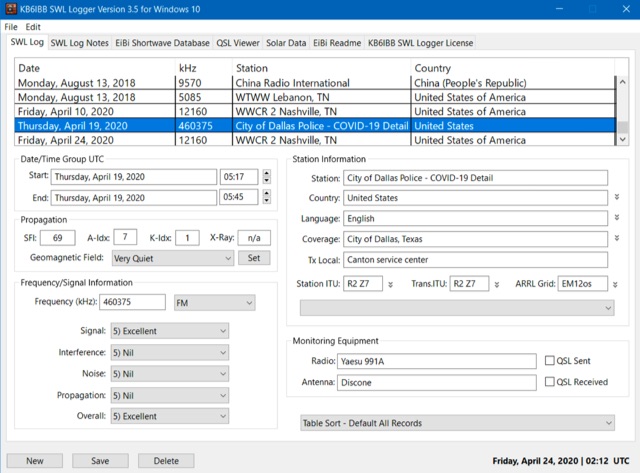 A shortwave radio listeners log book runs on Windows and MacOS Catalina and above. The KB6IBB SWL Logger is a program designed for the shortwave radio listener. It offers shortwave specific logging of stations, with most tasks handled automatically. The program also incorporates the use of EiBi shortwave database for logging and looking up various known shortwave stations world wide.
 -
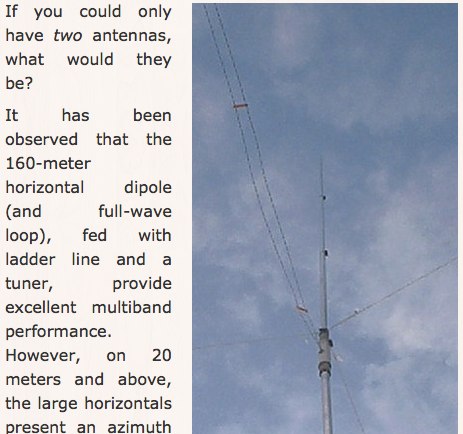 A project for a vertical antenna for 60 to 20 meters by KV5R
 -
-
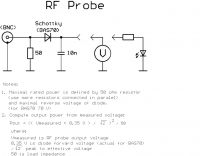
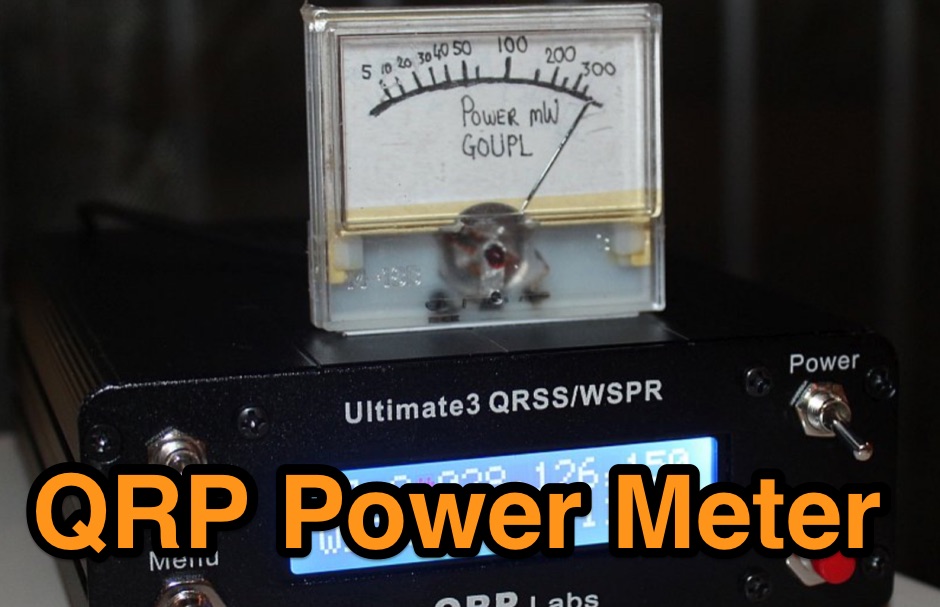 A really simple project to make a power meter measuring RF output powers from a few mW up to half a watt. A DIY amateur radio project for QRP enthusiasts
 -
 A Picaxe Morse Code keyer project with source code and links to useful resources by K6ACJ
 -
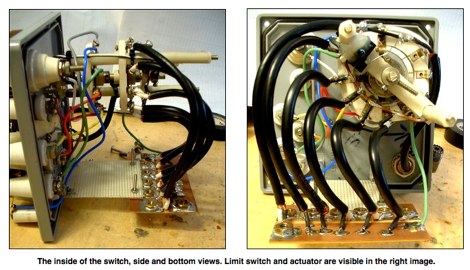 A stepper switch controller made with arduino by N3OX
 -
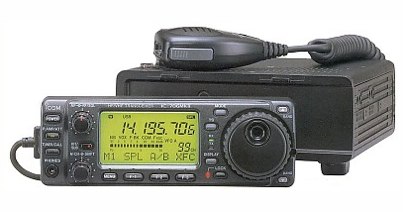 Adding a 20m band pass filter for the Icom IC-706MkII(G) by ON7EQ
 -
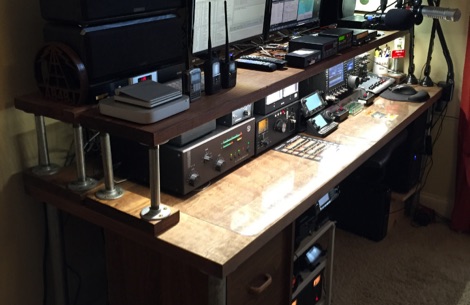 A great amateur radio shack desk done with a second hand solid core door, measuring 32 inches wide by 80 inches long.
 -
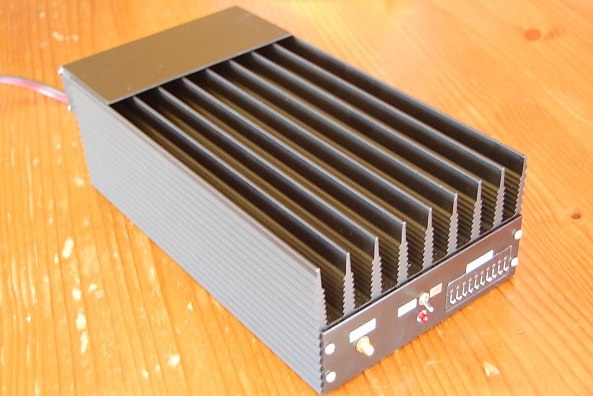 A home made project for an ATV RF power amplifier
 -
 Constructing a dip oscillator provides radio amateurs with a fundamental piece of test equipment for resonant circuit analysis. This particular design, adapted by VK3YE from a concept by _Drew Diamond VK3XU_, details a practical build using readily available components. The unit incorporates four plug-in coils, covering a frequency range from **2.6 MHz to 55 MHz**, mounted on 5-pin DIN plugs for versatility. A salvaged two-gang air dielectric variable capacitor, fitted with a vernier reduction drive, serves as the tuning mechanism, with the smaller gang optimizing bandspread at higher frequencies. In practical application, the dip oscillator is used by setting the meter needle to approximately two-thirds scale. When the instrument's coil is brought near a tuned circuit under test, a noticeable dip in the meter reading indicates resonance. This allows for precise measurement of resonant frequencies in antennas, filters, and other RF circuitry, proving invaluable for homebrewing and troubleshooting. The design emphasizes short wire runs for stable operation, particularly at the higher end of its operational range.
 -
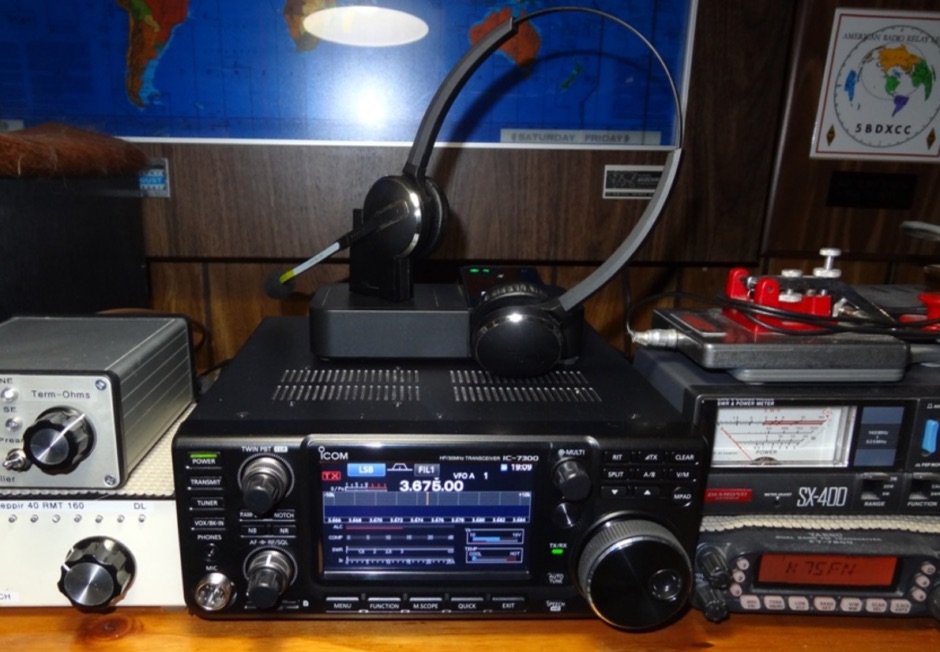 Interfacing the Jabra 9450 flex wireless headset to the Icom IC 7300 ham radio trasceiver.
 -
 Band filters for PA6Z made by PA9M, designed by W3NQN.
 -
-

-
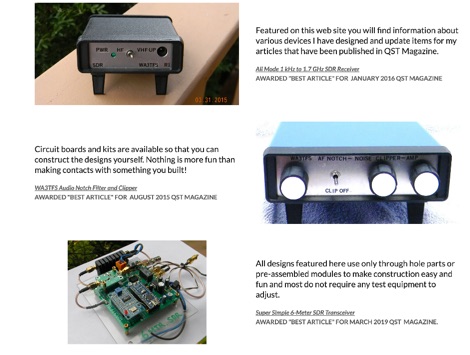 Details on projects by WA3TFS published in QST magazine over the past few years. Includes an online shop with several ham radio kits, circuit boards, simple SDR transceivers
 -
 13cms and 23cms ATV my projects and builds. Also using wifi amps on 13cms, 13cms dish feeds using a Sky dish. GB3CZ
 -
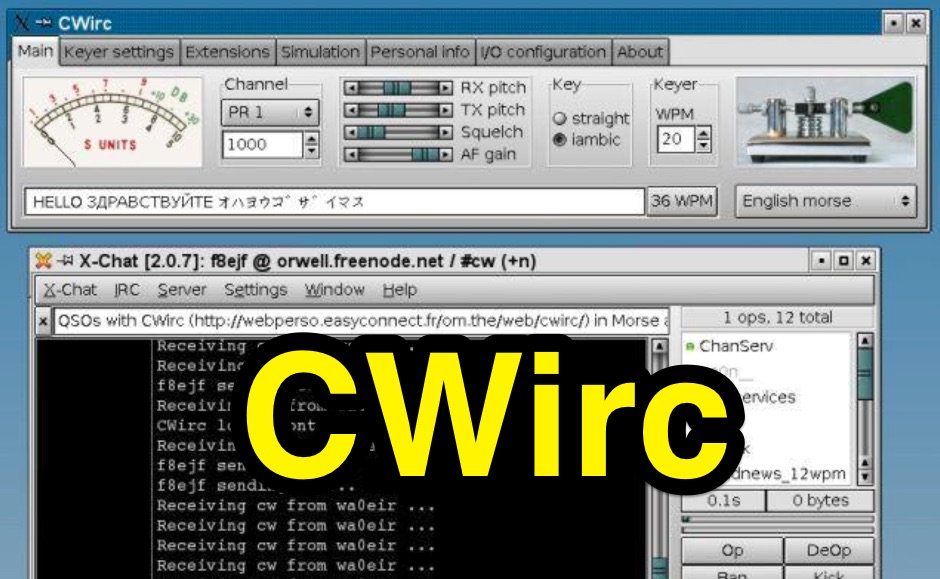 CWirc is a plugin for the X-Chat IRC client to transmit raw Morse code over the internet using IRC servers as reflectors. The transmitted Morse code can be received in near real-time by other X-Chat clients with the CWirc plugin
 -
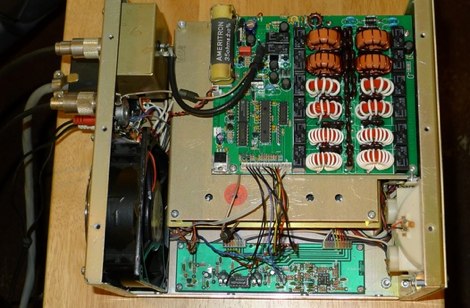 Modifications to an Ameritron ALS 600 power amplifier by AF6SA
 -
-
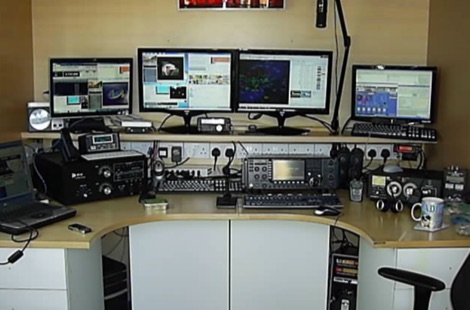 Pictures of the restructuring of the ham shack starting from an existing garage. Changes includes isolation of walls and roof and rebuilding of the radio table.
 -
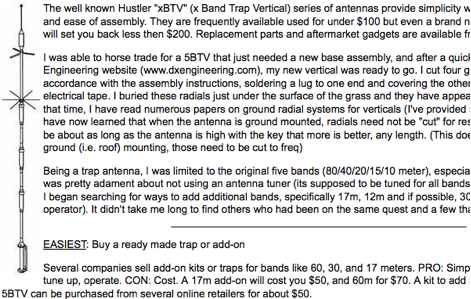
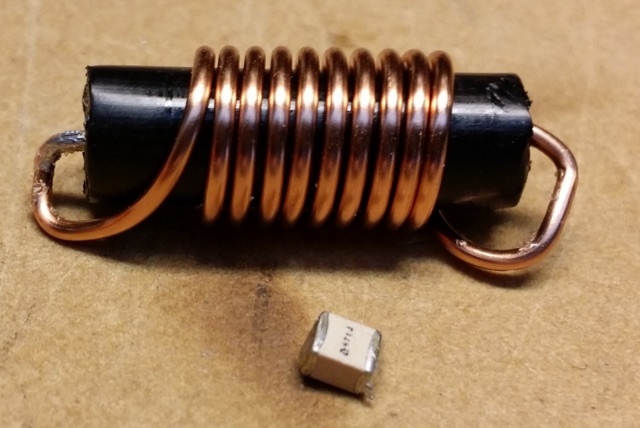 A trapped multi band end-fed-half-wave antenna for 40/30/20/17/15m.
 -
 Pro and cons of Digital ATV versus Analogue ATV
 -
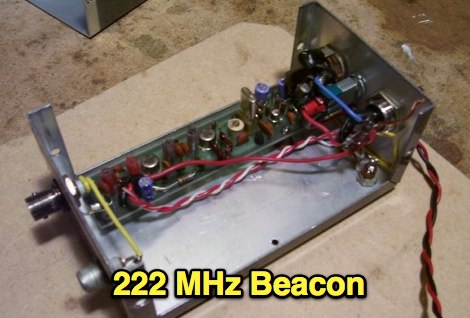 A CW beacon keyer for 222 MHz by VA3NFA
 -
-
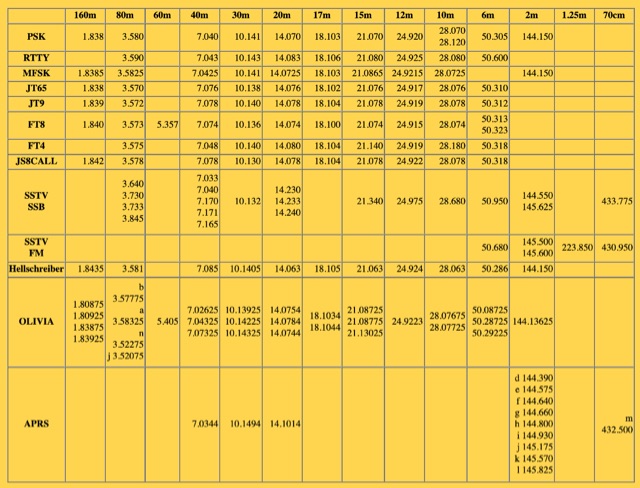 A summary of common calling frequency for each digital mode on that band.
 -
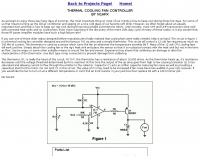 The N1HFX thermal cooling fan controller project details a practical circuit designed to manage cooling fan operation based on temperature, a common requirement for high-power amateur radio equipment. This build utilizes a **LM34** temperature sensor, providing a linear voltage output directly proportional to Fahrenheit degrees, simplifying the control logic. The circuit's core functionality involves a comparator that activates the fan when a preset temperature threshold is exceeded, ensuring efficient cooling and reducing unnecessary fan noise. This controller is particularly useful for amplifiers, power supplies, or transceivers that generate significant heat during operation. The design incorporates a _TIP120 Darlington transistor_ to drive the fan, capable of handling up to 5 amps, making it suitable for a range of fan sizes and current requirements. Field results indicate stable temperature regulation, preventing thermal runaway in enclosed environments. Construction involves readily available components, making it an accessible project for hams looking to optimize their station's thermal management.
 -

-
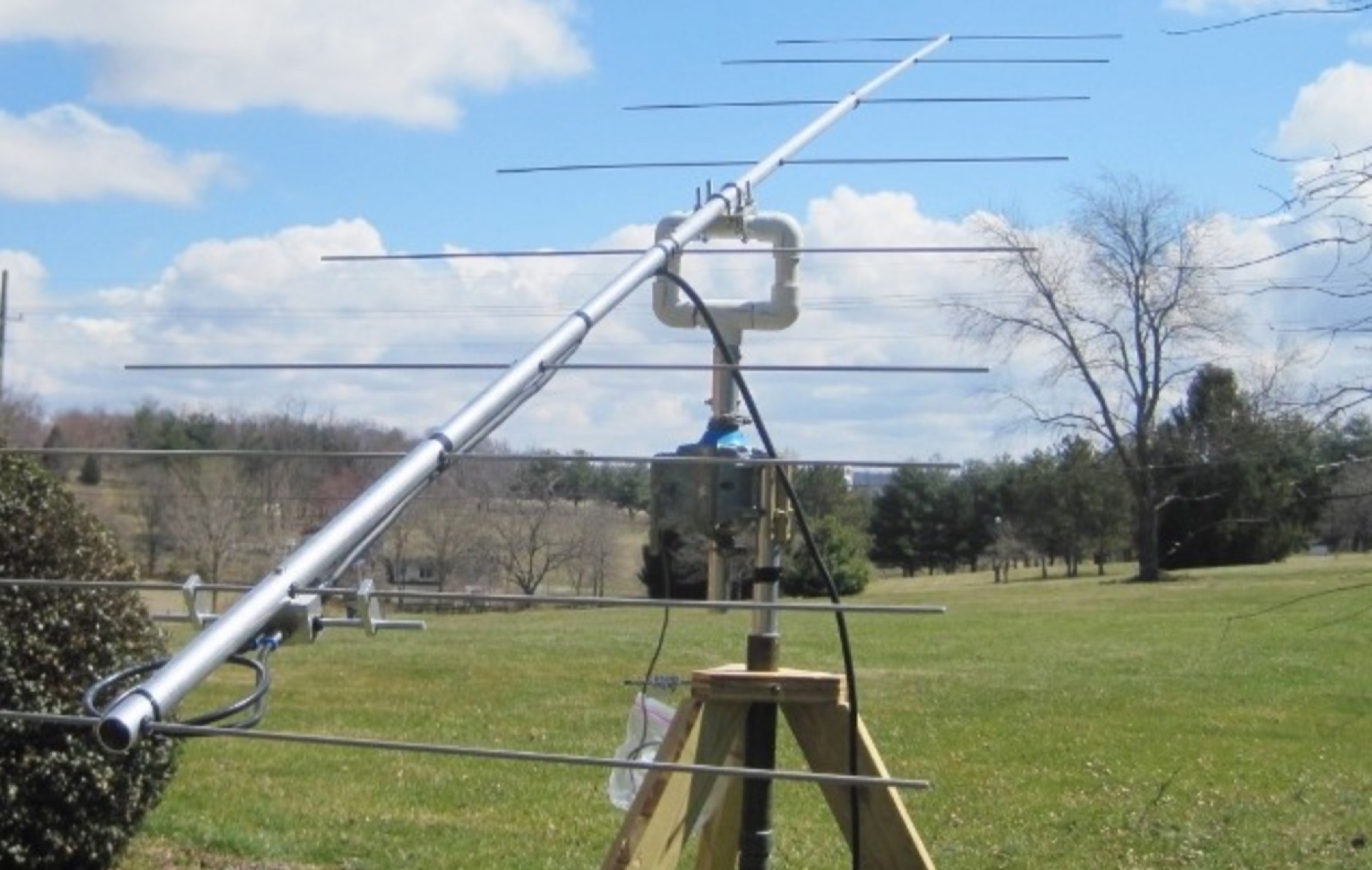 The purpose of this article is to provide radio amateurs with enough background information to understand the technical challenges involved in small-station digital EME on the 144 and 432 MHz bands.
 -
 DTMF Keypad for radios without one. A project with picture and schematic diagrams to homemade a DTMF keppad
 -
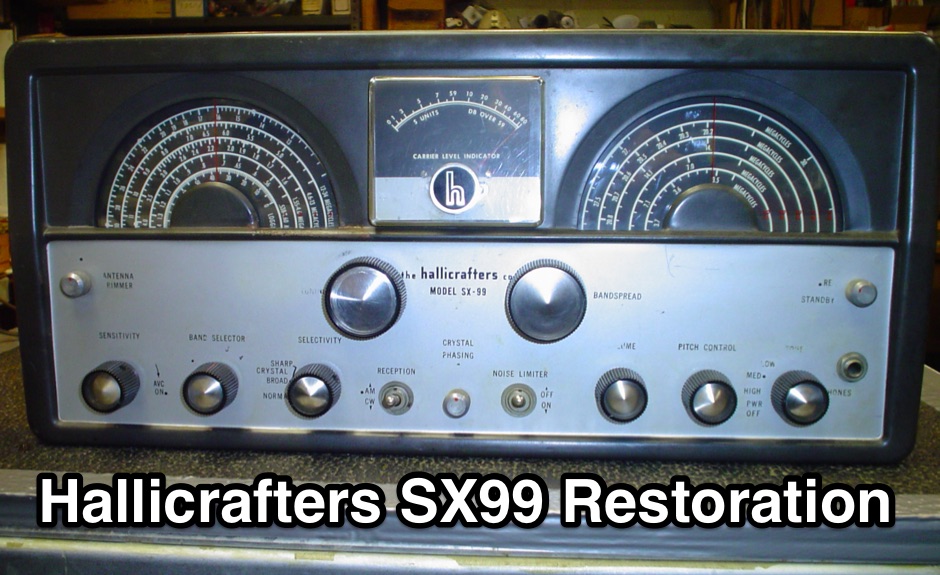 A fully documented restoration project of a Hallicrafters SX99 receiver
 -
 Designing and constructing a two-element receiving loop antenna array for HF operation involves specific considerations for achieving high directivity and noise reduction. This resource details a homebrew system comprising two 30-inch diamond-shaped loops, spaced 20 feet apart, which are fed through mast-mounted preamplifiers and passive signal combiners. The operational principle relies on adjusting phase delays between elements via precise _Belden 8241_ coaxial cable lengths, optimized for specific bands from 160m to 20m. Performance data, derived from _EZ-NEC_ modeling, illustrates consistent 90° azimuth-plane beamwidth and low take-off angles across the target bands, with _Receiving Directivity Factor_ (RDF) values comparable to a 300-foot Beverage antenna. The article presents detailed elevation and azimuth plots for 20m, 30m, 40m, 80m, and 160m, demonstrating the array's ability to provide strong response at low DX angles while also supporting _NVIS_ signals. Key components like the _DX Engineering RPA-1_ preamplifier and _DXE RSC-2_ signal combiner are discussed, alongside the importance of impedance matching to preserve antenna patterns. The construction emphasizes self-contained elements that do not require ground radials, offering a compact solution suitable for suburban environments and stealth installations, with a focus on optimizing receive performance independently from transmit antennas.
 -
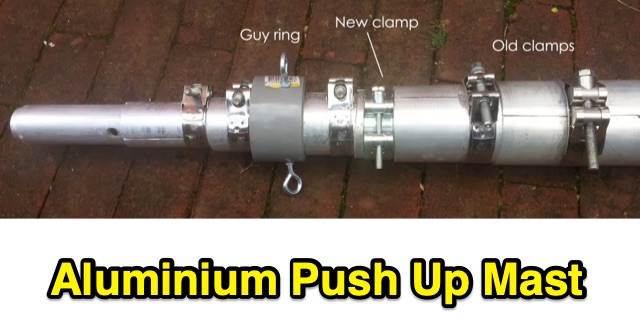 A DIY aluminium push up mast project. The final mast includes 7 aluminium tubes with 6 cable clamps
 -
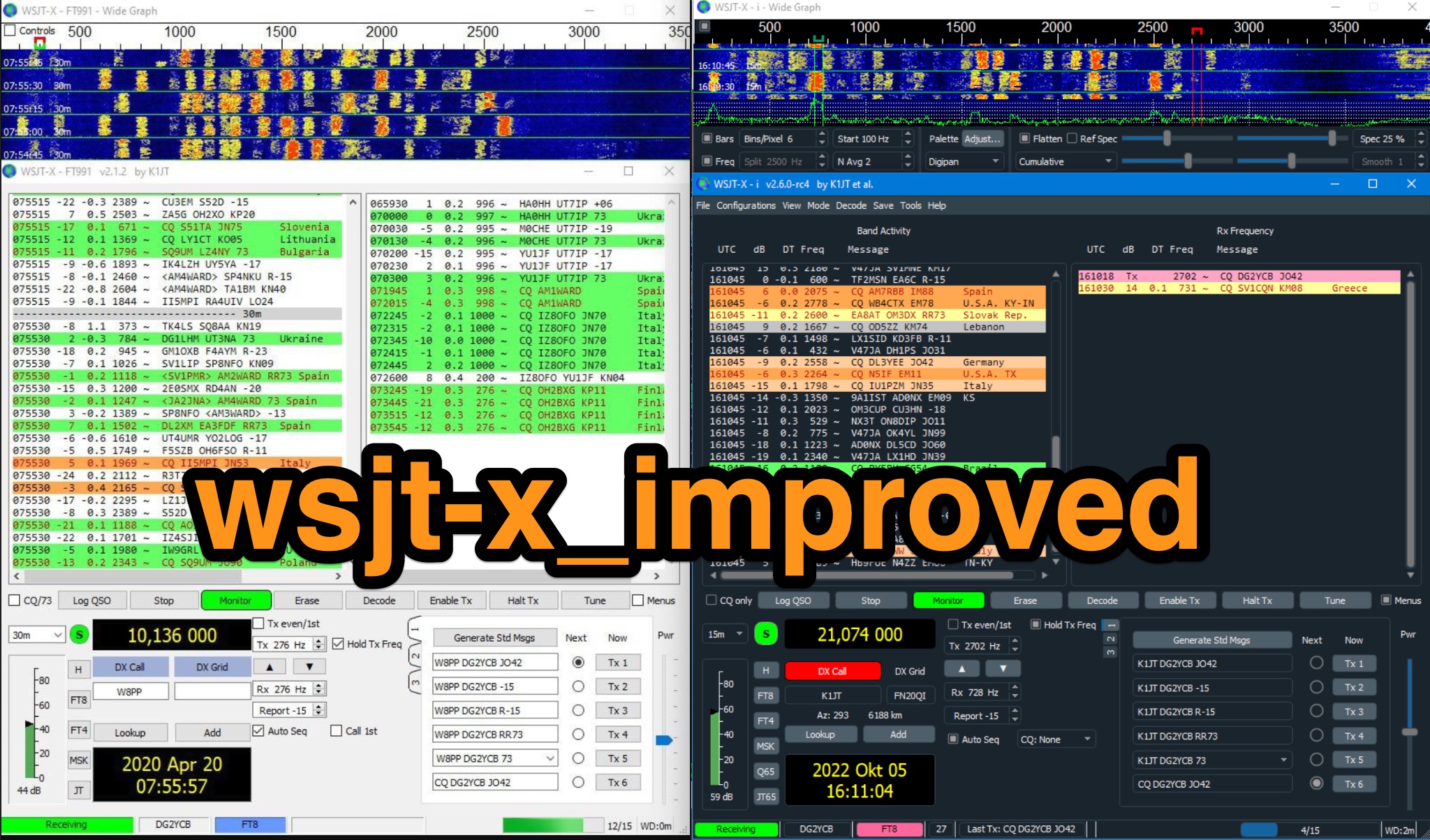 The home page of WSJT-X Improved, an enhanced version of WSJT-X, the popular tool for hams interested in digital modes such as FT8 and JT65. The software provides enhancements and improvements to the original WSJT-X program, making it easier and more efficient for ham operators to communicate digitally. Whether you are a beginner or an experienced operator, this download can help enhance your digital communications capabilities. Free downlaod and full description of improved features.
 -
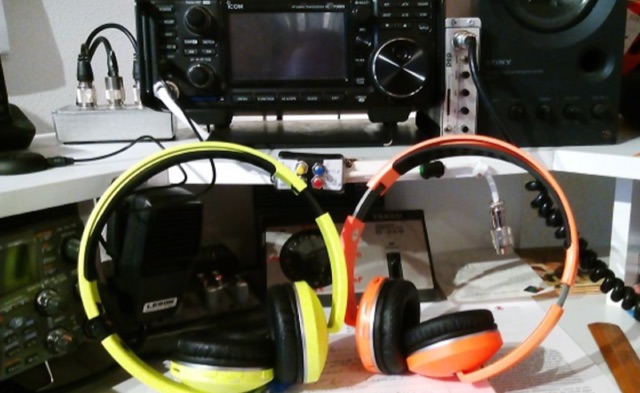 It is possible to add a very small Bluetooth transmitter to the 3.5mm headphone jack and then use a pair of Bluetooth headphones around the shack. In this article Author provides some tips on choosing the proper Bluetooth interface.
 -
 This article presents an innovative homebrew antenna design utilizing surplus ladder line as a receiving antenna for HF and MF bands. The Ladder Line Antenna (LLA) transforms standard 450-ohm ladder line into a directional, bidirectional, or omnidirectional antenna system through different termination methods. The design, which requires minimal space and height, achieves 6-10dB front-to-back ratio on 40-160m bands using a 33-foot length. This DIY wire antenna project offers an efficient, low-profile solution for amateur radio operators, featuring broadband operation without ground radials and easy installation below fence height.
 -
 Tutorial about writing a software SSTV modulator/demodulator using slant correction and several improvements. It requires programming language knowledge and programming skills.
 -
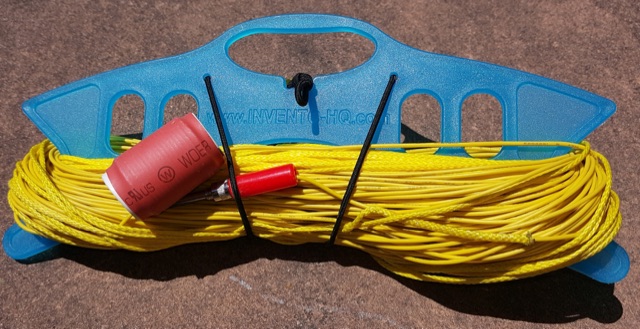 A multi band antenna for HF band capable to operate from 10 to 80 meters band depending on wire lenght loaded with a small inductance neat the feed end.
 -
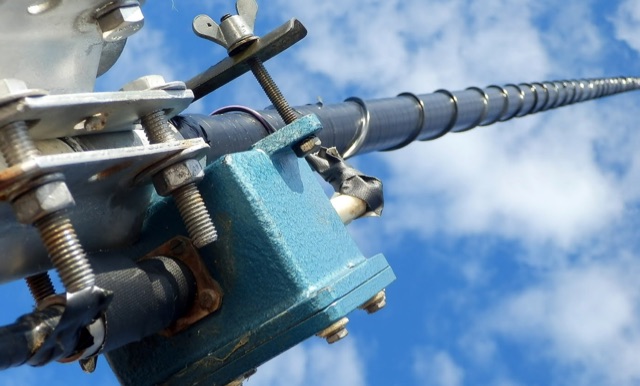 This DIY vertical multi-band Windom antenna offers a practical and effective solution for amateur radio enthusiasts seeking a versatile and compact antenna for HF communications. Its simplicity of construction, multi-band capability, and favorable performance make it a valuable addition to any radio shack. The article provides detailed instructions on constructing the antenna and balun, along with diagrams and component specifications. Field tests demonstrated successful contacts with stations across Europe and North America on 14, 18, and 28 MHz. The antenna exhibited comparable performance to a W3DZZ dipole and outperformed a Cobweb antenna on 18 MHz. Low noise levels were observed, effectively suppressing background noise.
 -
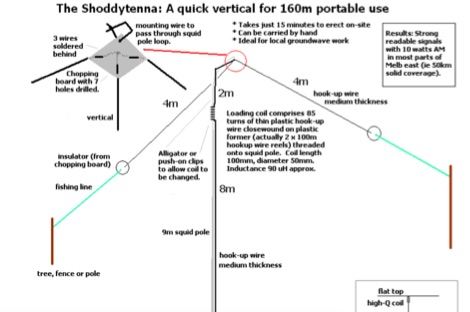 The Shoddytenna is a 160 meters band vertical antenna intended for portable use. This antenna takes just 15 minutes to erect on site, can be carried by hand and is ideal for local groundwave work.
 -
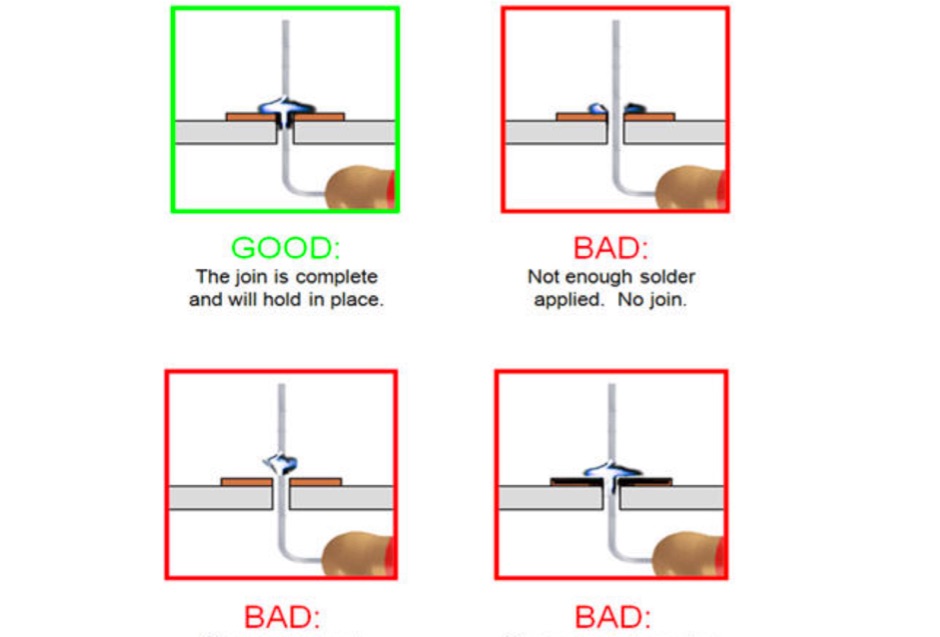 Tips and tricks for succesful soldering. An illustrated guide for beguinners and an usefull reminder for expert in soldering.
 -
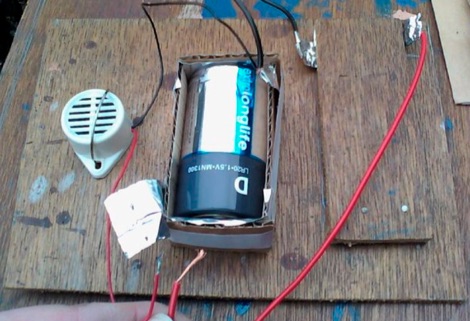 How to make a Morse Code Oscillator
 -
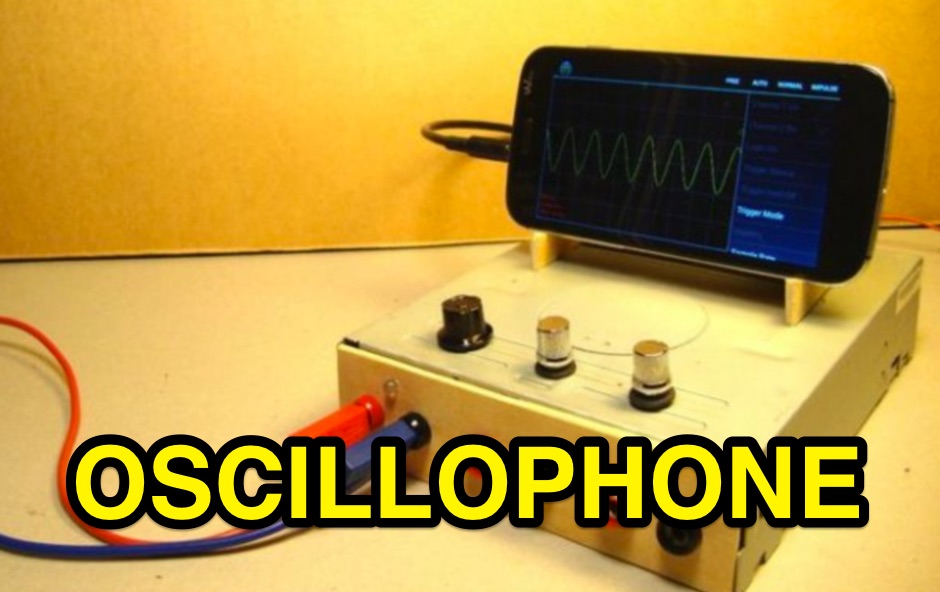 Use your Smartphone as an Oscilloscope to visialize signals from 150 Hz to 15kHz and as a Signal Generator to generate sinusoidal, square and triangular signals up to 15kHz
 -
 WiFi dealer based on poland with online shop, dealer for MicroTik Ubiquity Alix and more
 -
 Building the Three-Element Hex Beam. A project and construction phase of an HF hex-Beam antenna using trees to hang the antenna and a Channel Master antenna rotator.
 -
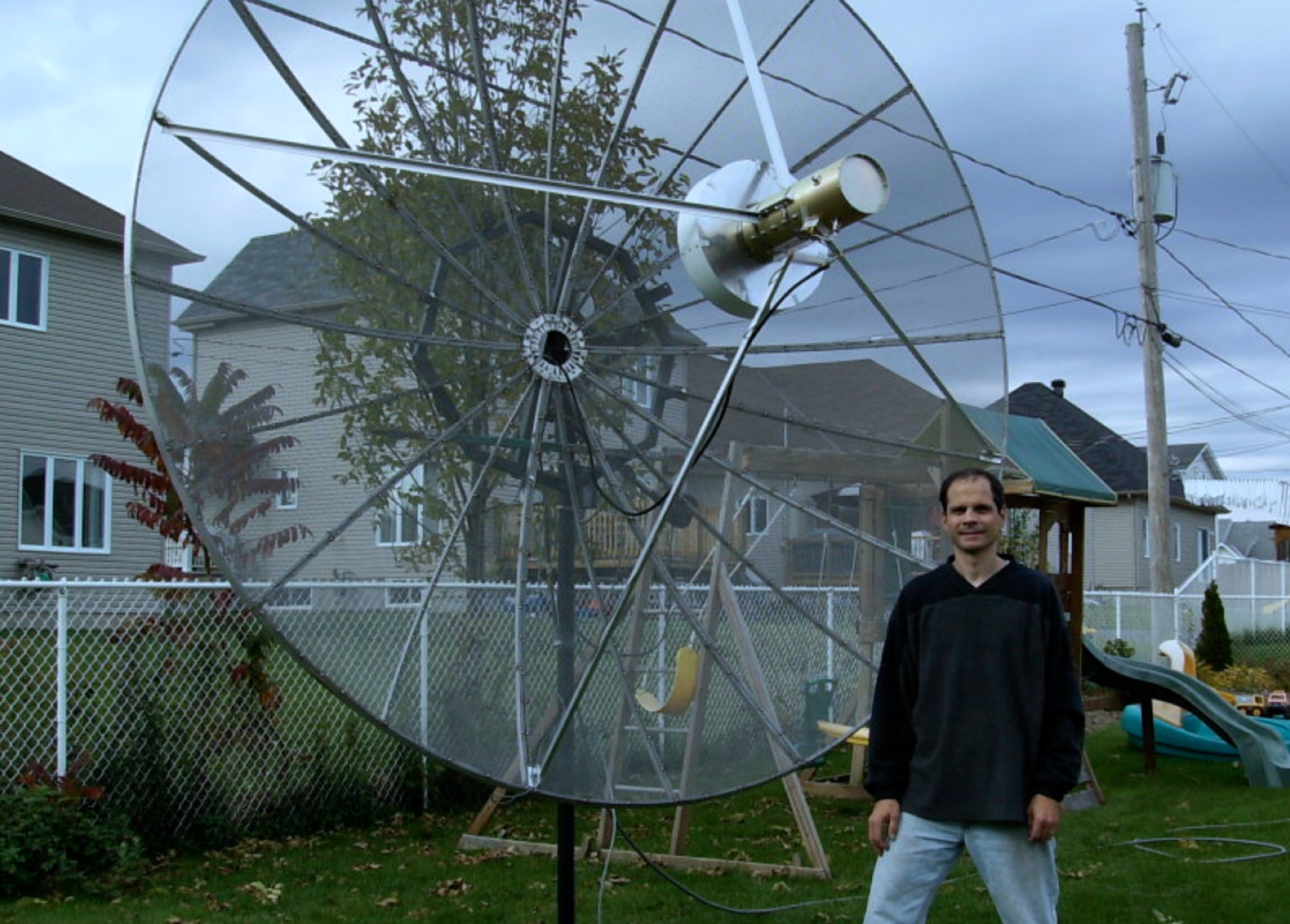 A 3.2m EME dish project that provides a better performance on 1296 MHz (10+dB sun noise vs. 6dB with my 432 array) and an even better performance on 2304 MHz
 -
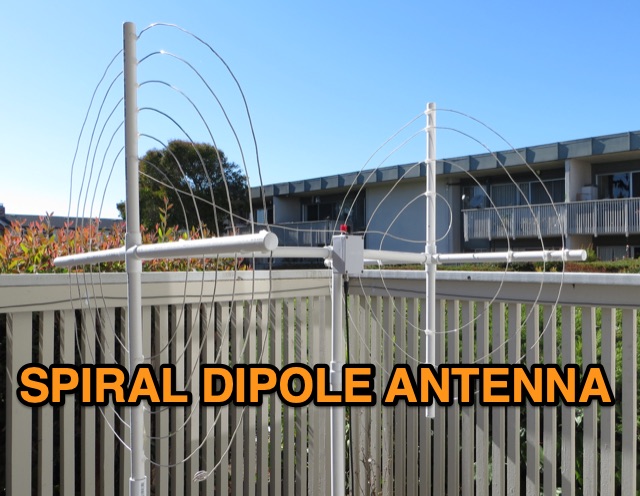 This antenna is an off-center fed spiral dipole for 40 meters. The spiral dipole is very compact, making it well-suited for limited space (like an apartment patio), while the off-center feed gives the antenna some multiband capability.
 -
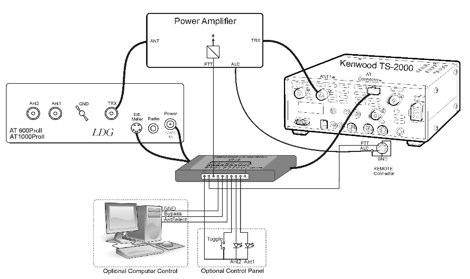 An universal antenna tuner interface, the Kenwood Remote LDG Tuner Interface by af6sa