Search results
Query: lea
Links: 711 | Categories: 48
Categories
- Operating Modes > Morse code > Learning Morse Code
- Operating Modes > Aircraft scatter
- Manufacturers > Antenna Analyzers
- Technical Reference > Batteries > Battery Charger
- Operating Modes > Packet Radio > Beginner's Guide
- Propagation > Beginner's Guide
- CB Radio
- Manufacturers > Transceivers > CB Radio
- Antennas > Feed Lines > Coax Stubs
- Operating Modes > D-STAR
- Operating Modes > Digital Voice
- Ham Radio > Elmers
- Technical Reference > Grounding
- Ham Radio > Hamfests
- Antennas > Theory > Impedance matching
- DX Resources > QSLing > International reply coupons
- Operating Modes > JT9
- Technical Reference > Key Clicks
- Technical Reference > Lightning Protection
- Operating Modes > WiFi > Long Range WiFi
- Propagation > Long-Delayed Echoes
- Ham Radio > Clubs > North America > USA > Louisiana
- Operating Aids > History > Marconi
- Operating Modes > Meteors
- Operating Modes > Morse code
- Software > Morse Code Training
- Operating Modes > Navtex
- Operating Modes > NPR New Packet Radio
- Operating Modes > NVIS
- Technical Reference > Radio Frequency Interference > PLT
-
 Six members of the Japan Amateur Radio League (JARL) Kyoto Club, made a DX-pedition to the Federated Stetes of Micronesia (FSM) in summer 2007. This was one of the events celebrating our club's 60th anniversary. IOTA: OC-010 (Pohnpei Islands)
 -
 A website for college and university amateur radio clubs to showcase themselves, work together, and promote amateur radio. Alumni and interested people can learn more about what college and university amateur radio clubs are doing.
 -
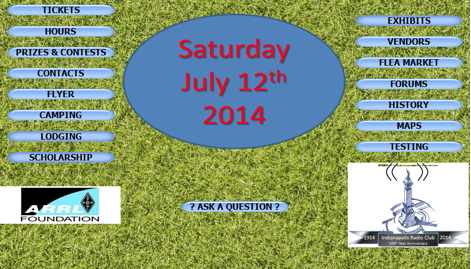 The premier flea market for radio, electronics, Computer & communications equipment in Indianapolis
 -
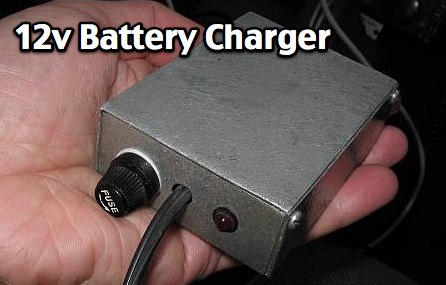 The charger described here is intended for charging small 12 Volt lead acid batteries
 -
 The High Point Amateur Radio Club (HPARC), operating under the callsign W4UA, provides a central hub for amateur radio enthusiasts in High Point, North Carolina, and surrounding communities. The club's website outlines its long-standing traditions and civic service, which date back to the 1930s, highlighting its sustained leadership and strong membership support over decades. It serves as a resource for individuals interested in obtaining or upgrading an FCC amateur radio license, offering assistance through direct contact with club officers. The site also features a newsletter archive for meeting notices and information on club activities, including Field Day. HPARC's diverse membership shares a common interest in the amateur radio hobby, encompassing various aspects such as VHF, UHF, HF, and digital modes like D-STAR. The club's commitment to public service is evident through its involvement in ARES and Skywarn, alongside educational initiatives for new hams and those pursuing license upgrades. The site also lists repeaters and provides information on emergency communications, technical projects, and participation in events like DXCC and contests, reflecting the broad interests of its members.
 -
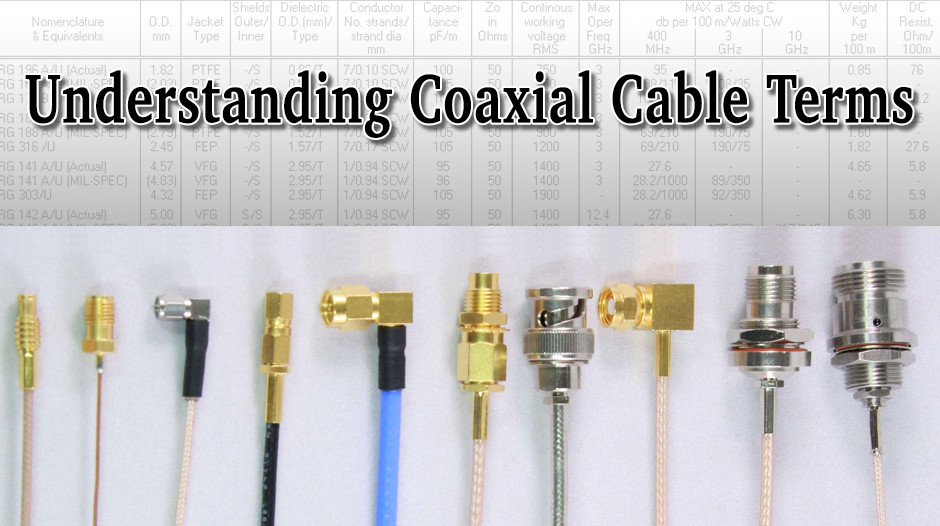 A technical article that want to explain Coaxial Cable terms, specifications and applications. A glossary of technical terms with clear explanations.
 -
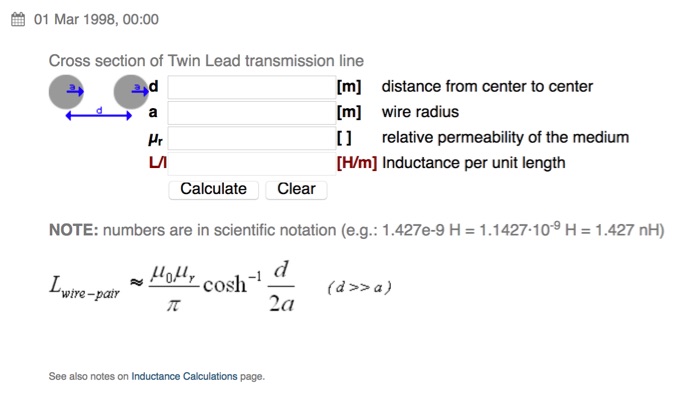 Calculate the inductance of twin lead online
 -
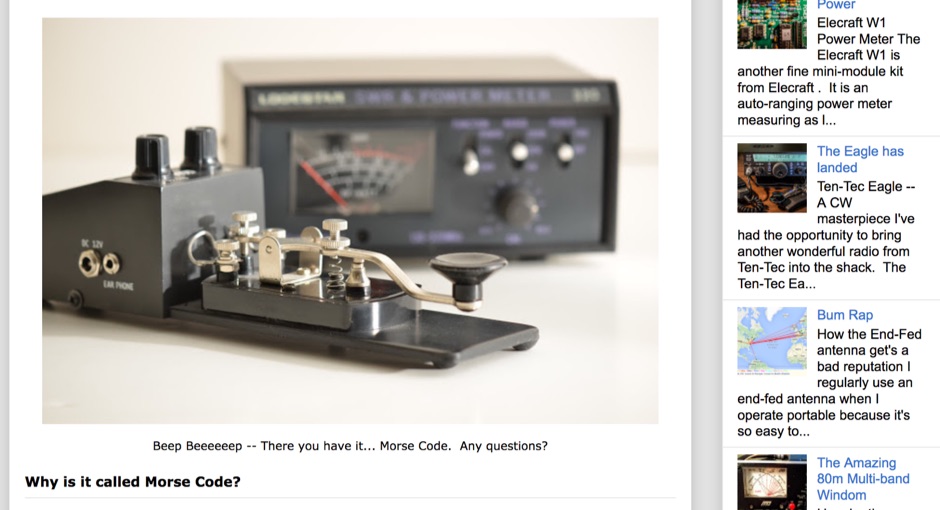 An interesting article dedicated to hams that want to start learning morse code, including notes on Methodology, online training tools, and a guide to Morse Keys
 -
 Presents the Westcoast Amateur Radio Association (WARA), VE7VIC, a prominent amateur radio club situated in Victoria, British Columbia. The site details the club's organizational structure, including its executive committee and meeting schedules, offering insights into local amateur radio governance and community engagement. It outlines various club activities, such as field operations, technical projects, and social gatherings, demonstrating the diverse interests of its members within the amateur radio hobby. The resource also highlights WARA's involvement in emergency communications, specifically mentioning its role in local ARES (Amateur Radio Emergency Service) initiatives and public service events. Information regarding repeater systems maintained by the club, including operational frequencies and modes, is provided, which is crucial for local hams seeking reliable communication infrastructure. The site also features a section dedicated to membership, detailing benefits and application procedures for prospective members. Furthermore, the website serves as a repository for club news, event calendars, and educational resources, supporting ongoing learning and participation among its members and the broader amateur radio community in the Pacific Northwest region. It also includes contact information for various club officers and general inquiries.
 -
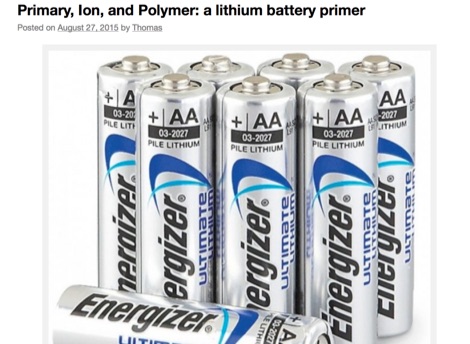 Primary, Ion, and Polymer, a lithium battery primer, learn the differences between and varied uses for these diverse types of lithium batteries.
 -
 County ARC (LCARC) was incorporated in 1952. We are an American Radio Relay League (ARRL) affiliated club with 125 plus members.
 -
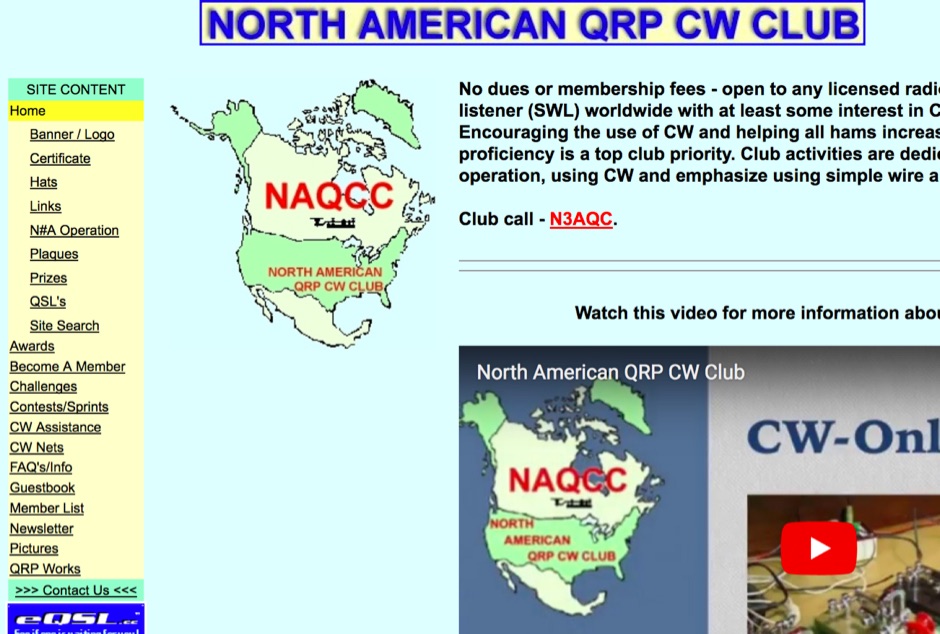 North american QRP CW Club, open to any licensed radio amateur or shortwave listener (SWL) worldwide with at least some interest in CW/QRP operation. Encouraging the use of CW and helping all hams increase CW speed and proficiency
 -
 This resource, despite its title, does not provide information relevant to amateur radio operations or the W1BD Central Vermont Amateur Radio Club. Instead, the content focuses on commercial topics such as vinyl lettering, business signage, and brand recognition strategies. It details the application of _transfer tape_ for graphics, the importance of pre-masking in vinyl cutting, and the use of squeegees for smooth decal application. The site also discusses various types of business signs, including monument signs and awning signs, highlighting their role in attracting customers and establishing brand presence. Further sections delve into home maintenance tasks like gutter cleaning, offering advice on using power washers and the importance of safety measures when working on ladders. The content also explores strategies for building brand recognition and customer loyalty, emphasizing consistent marketing efforts and excellent customer service. It touches upon the use of custom-printed bags and digital displays, such as LED signs, for enhanced visibility and engagement. The site's articles include practical tips for kitchen renovations, such as upgrading cabinet hardware, adding pendant lighting, and repainting cabinets to achieve a fresh look without significant expense. The content is entirely unrelated to amateur radio activities, club information, or technical aspects of radio communication.
 -
 Coaxial cable stripping for PL-259 connectors requires precise measurements to ensure optimal RF performance and mechanical integrity. For RG-8X, the outer jacket is stripped 1/2 inch, the braid 5/16 inch, and the dielectric 1/8 inch, leaving the center conductor exposed. RG-58 preparation involves a 1/2 inch jacket strip, 1/4 inch braid strip, and 1/8 inch dielectric strip. These specific dimensions facilitate proper soldering and crimping, minimizing impedance discontinuities at the connector interface. Different coaxial cable types, such as RG-8 and RG-213, necessitate varied stripping lengths due to their construction. The _PL-259_ connector, a common UHF type, relies on these exact preparations for a secure fit and low-loss connection. Incorrect stripping can lead to high SWR, RF leakage, and mechanical failure, impacting overall station efficiency. The guide details these critical dimensions for several popular coax cables. Using a dedicated _coax stripper_ tool or precise measurements with a utility knife improves consistency.
 -
 An introduction to digital modes DMR Fusion and D-Star. This excellent article will guide you to learn differences between these digital modes by evaluating costs, ease of use and programaming, extendability and more characteristics.
 -
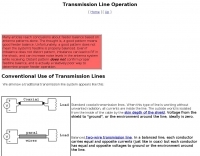 The resource, "Conventional Use of Transmission Line," meticulously details the operational principles of transmission lines, emphasizing the Transverse Electromagnetic (TEM) mode of energy transfer. It clarifies that for a line to function purely as a transmission line, all currents must be confined internally, with external fields ideally zero. The discussion differentiates between balanced and unbalanced lines, asserting that while both require equal and opposite currents within the conductors, the key distinction lies in the voltage relationship of each conductor to the surrounding environment. It highlights that a good antenna pattern does not inherently confirm proper feeder balance, and that common-mode currents can lead to RF in the shack and increased noise levels, even without pattern distortion. The article further explains that a transmission line can become a radiating conductor if energy is applied in a non-TEM mode, leading to common-mode issues. It cites classic texts like Jordan and Balmain's "_Electromagnetic Waves and Radiating Systems_" and Kraus's "_Antennas_" to support its definitions of TEM mode operation. The content also explores non-transmission line applications of parallel or concentric conductors, such as _coaxial dipoles_ and _folded dipoles_, which intentionally operate in non-TEM modes for antenna functionality. The author, _W8JI_, stresses that simply measuring equal currents is insufficient to confirm a balanced feeder; phase and voltage balance to ground are equally critical.
 -
 DIAL Radio Club is affiliated with the American Radio Relay League. The DIAL Radio Club has a membership of 110+ members from the southwest Ohio area.
 -
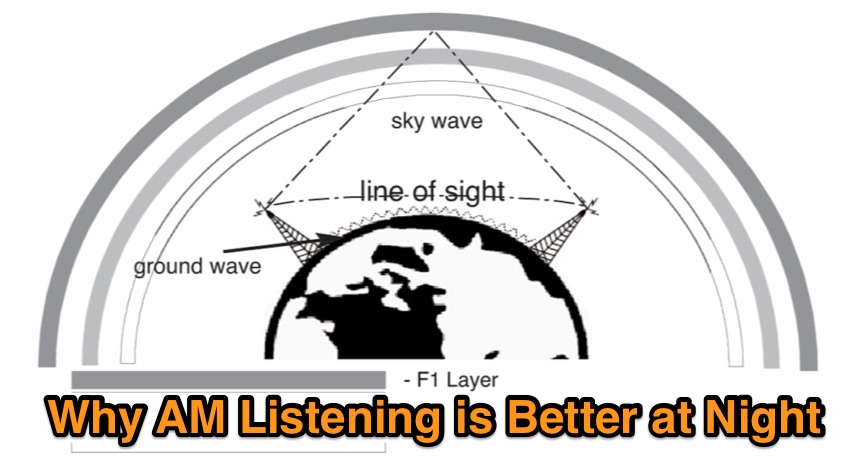 During the night, radio waves can travel a little farther up reaching the F1 layer, offering chances to lister AM Stations that are impossible to hear during the day. Learn more on sky-wave propagation on this article
 -
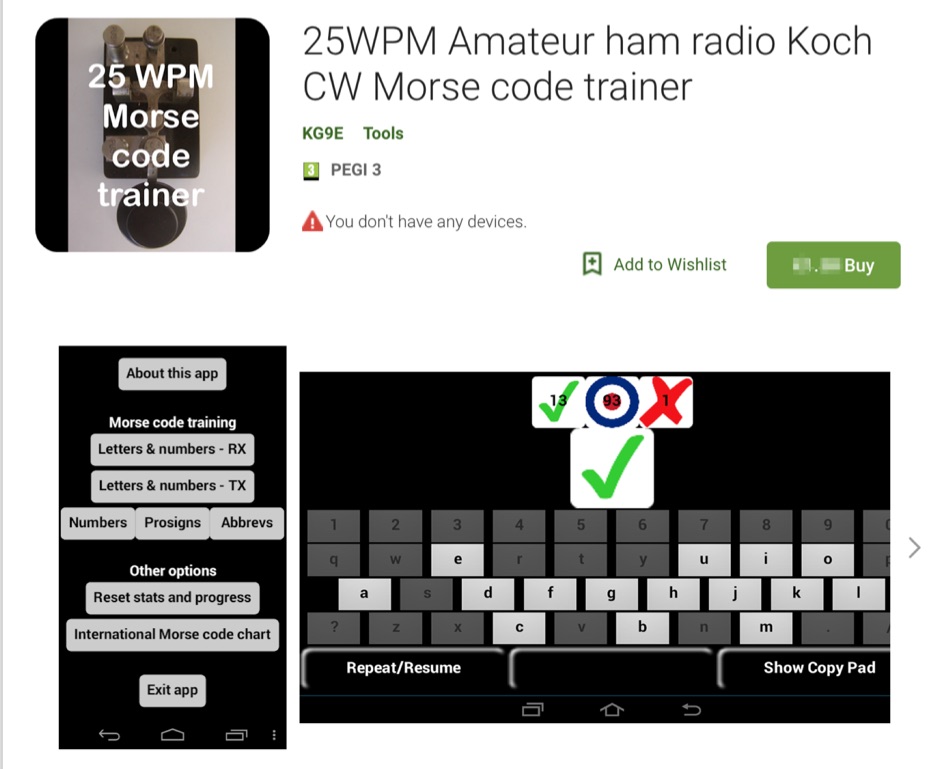 Learn to recognize Morse code at 25 WPM and not memorize DITs and DAHs at 5 WPM. This app will train you to hear and send Morse code at 25 WPM using an approach very similar to the Koch method.
 -
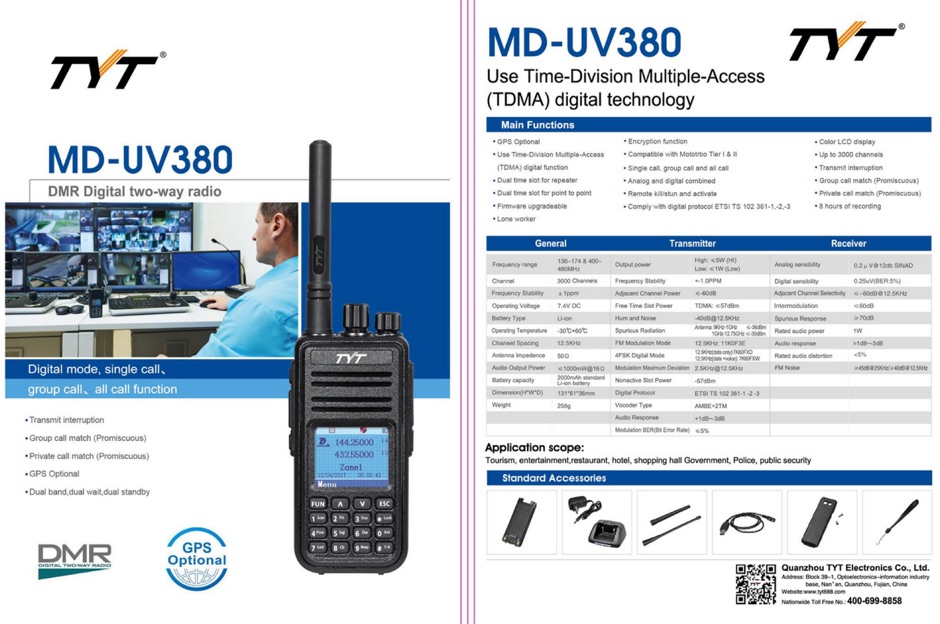 A compleete guide to program the Tytera MD-380 DMR, installing the TYT software, setting the DMR ID and adding the contacts.
 -
 Demonstrates MegaPhase's extensive product line of RF and microwave coaxial cable assemblies and components, engineered for demanding applications up to 110 GHz. Key offerings include _Test & Measurement Cables_ with superior phase and amplitude stability, _RF & Microwave Cables_ utilizing _GrooveTube®_ technology for high power systems, and a range of RF components like directional couplers and power dividers. The site details specific cable types such as _Alumibend™_ for space-qualified, ultra-light applications through 90 GHz, and armored cables designed for rigorous environments up to 50 GHz, emphasizing their robust mechanical strength and measurement repeatability. The resource highlights applications across diverse sectors, including space programs like the _Hayabusa_ mission, global security (C5ISR), military airborne systems (MIL-T-81490), telecom, and automated testing. It also provides technical insights through "How To" guides on measuring amplitude/phase stability vs. flexure and proper connector cleaning. The company's commitment to quality is underscored by its rigorous testing protocols and a strong warranty, ensuring reliable operation in critical systems.
 -
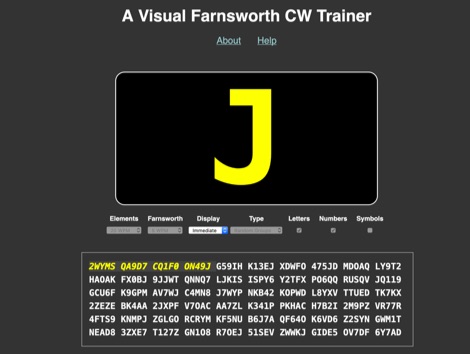 This trainer is a small personal project designed to play with learning morse code through the Farnsworth method. The main difference between this trainer and others is that I am experimenting with visual reinforcement by displaying the character currently being sent. It is my hope that this will help form a stronger link between the sound of CW and the meaning of the sound. This page should work in any modern desktop or mobile browser,
 -
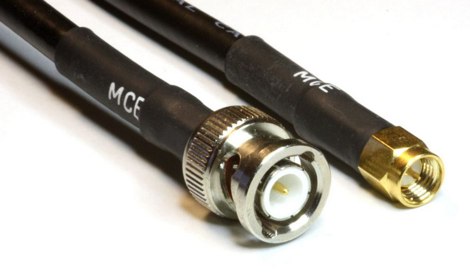 In this wikihow article you can learn how to assemble a RG-6 cable with a SMA connector or a RG-59 with a BNC Connector
 -
 Ham radio operators serving the Greater Fox Valley Area since 1924
 -
 The TX & RX DX Group is a group that was created inside the TX & RX Forum. Several colleagues reported in TX & RX Forum were participating in a thread about the DX on 11 meters and so it happened
 -
 Plan a trip to the Ozarks and join all your radio buddies at one of the largest hamfests in Missouri. Over 20,000 sq-ft A/C indoors with over 200 flea market tables.
 -
 The Michigan Radio Amateur Youth Network (MRAYN) aims to centralize resources for young operators across Michigan, fostering engagement in amateur radio. This initiative brings together various youth-related clubs and activities, providing a dedicated platform for information exchange and participation. The network supports educational efforts and promotes the hobby among younger generations, ensuring continuity and growth within the amateur radio community. Corey Bulock, KD8BOQ, is listed as a key contact for MRAYN, indicating active leadership in coordinating these youth-centric endeavors. The network's focus includes organizing events and sharing relevant content to keep young hams informed and active. By consolidating information, MRAYN simplifies access to opportunities for youth interested in two-way radio communication, from basic licensing to advanced operating techniques.
 -
 Tektronix Oscilloscope Tutorial Learning Center, includes tutorials for understanding oscilloscope basics and operation.
 -
 One common semiconductor material, silicon, is far more widely used in electronics than germanium, partly because it can operate at much higher temperatures. Semiconductors are crystalline materials with electrical resistivity values between conductors and insulators, whose conductivity can be altered through _doping_ with impurities like arsenic or phosphorous to create N-type (excess electrons) or P-type (electron vacancies) materials. Semiconductor devices, such as diodes, transistors, and integrated circuits, leverage these properties to control electron flow in circuits. A diode, a two-terminal device with an anode and cathode, primarily permits current flow in one direction, making it useful as a rectifier to convert AC to DC. Specialized diodes include Zener diodes for voltage regulation and Light-Emitting Diodes (LEDs) that produce light when current passes through them. Logic circuits, fundamental to digital electronics, have binary inputs and outputs, performing functions like AND, OR, and NOT gates, and can be constructed from various binary devices including solid-state diodes and transistors. A transistor is an active semiconductor device with at least three terminals (base, emitter, collector), capable of amplifying current. Integrated circuits (ICs), often called chips, are electronic circuits built on a semiconductor substrate, typically silicon. ICs are classified by transistor type (bipolar or MOS) and integration scale: Small-Scale Integration (SSI) with fewer than 10 transistors, Medium-Scale Integration (10-100), Large-Scale Integration (LSI) with 100-1,000, and Very-Large-Scale Integration (VLSI) with more than **1,000** transistors. ICs can be analog, digital, or hybrid, offering virtually limitless functions.
 -
 Club in Cleveland, White County, Georgia, promoting friendship, mutual assistance, and learning.
 -
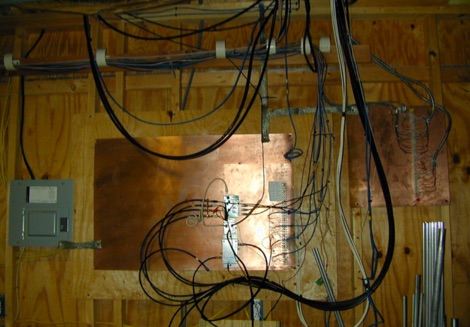 Solution for stations located at secondo floor or higher. Lead lengths to the grounding system are much too long to provide a low-impedance RF ground.
 -
 The AA4F Key Contact Cleaner is designed for maintaining key contacts, ensuring reliable operation in 2-way radio communications. **Regular use** of this cleaner can significantly improve contact performance, reducing the risk of intermittent signals. It is particularly effective for cleaning contacts on various key types, including _straight keys_ and _paddles_. Proper maintenance extends the lifespan of your equipment, ensuring consistent operation during contests and DXing activities. Users report improved key responsiveness and reduced key chatter, which is crucial during high-pressure operating conditions. Regular cleaning can prevent oxidation and buildup, which can lead to erratic key performance. This product is essential for serious operators who rely on their equipment for successful communication.
 -
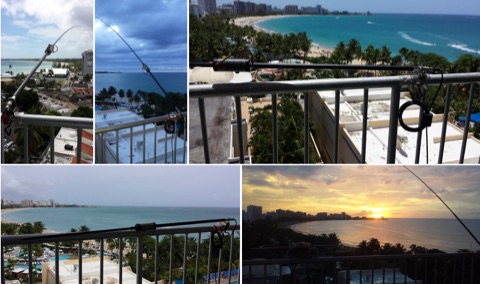 The Buddistick antenna, as demonstrated by KP4MD, effectively handles up to **250 watts** and provides coverage from 40 through 10 meters, with an optional coil extending operation to 80 and 60 meters. KP4MD's video presentation meticulously describes the antenna setup, emphasizing the critical role of the _shunting coil_ for achieving resonance on lower bands like 40 and 80 meters. This practical approach highlights how a compact antenna can deliver solid performance from a constrained location. SWR curve diagrams are included, clearly illustrating the impact of the shunting coil on the antenna's resonating frequency. These visual aids provide concrete evidence of the adjustments needed for optimal operation across different bands, particularly when space is at a premium. KP4MD's insights are particularly valuable for hams operating from apartments or other limited spaces, showcasing real-world results from a balcony installation.
 -
 Scan Antenna supply precision antennas to some of the world’s most advanced, market leading companies. Their antennas fit in satellite voice/data, mobile/wireless GSM, GPS, marine/land based radio and other specialty systems.
 -
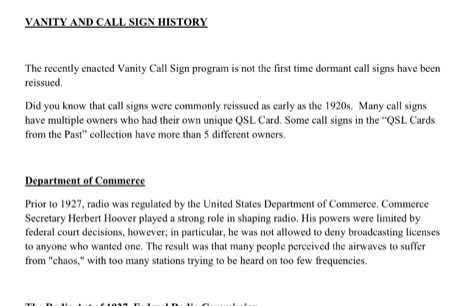 This resource provides a historical analysis of amateur radio call sign assignment policies in the United States, detailing regulatory shifts from the Department of Commerce to the Federal Radio Commission (FRC) and subsequently the Federal Communications Commission (FCC). It documents the evolution of call sign issuance, from early reissuance practices in the 1920s to the implementation of the Group Call Sign Assignment System on March 24, 1978. This system categorized call signs (e.g., 1x2, 2x1, 1x3, 2x3 formats) into groups A, B, C, and D, correlating with license classes such as Extra, Advanced, General, and Novice, and specifying prefixes for contiguous U.S. and territorial areas (e.g., _AH_, _KP_, _KL_). The document further details the legislative process leading to the modern Vanity Call Sign program, initiated by a petition in June 1990 and formalized by the Omnibus Budget Reconciliation Act of August 10, 1993. It outlines the FCC's adoption of final rules on December 23, 1994, and the subsequent fee structure, with the first vanity call sign issued on May 31, 1996, at a cost of **$30.00** for a ten-year term. The ARRL's proposed "starting gates" implementation strategy is also described, which phased in eligibility for vanity call signs based on license class and prior holder status. DXZone Focus: Historical Document | Regulatory Analysis | Call Sign Formats | Fee Structure
 -
 The FCC has answered some of ARRL questions about the RF-exposure rules. Changes to the regulations have a few pleasant surprises for Amateur Radio.
 -
 Almaty Amateur Radio League (ARL) is organizing activation of special amateur radio stations including UN2011G and 8 stations with UP2011 prefix.
 -
 This article aims to help promote the proper configuration for having a clean signal on the waterfall to avoid interference to other users and also to vastly increase the effectiveness of your signal.
 -
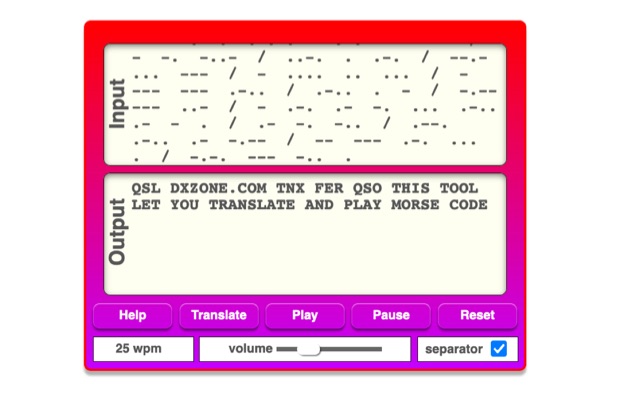 The online Morse code translator and decoder provides functionality for converting plain text into Morse code and decoding Morse code back into text. Users can input text directly into a designated box for translation to Morse, with the tool ignoring characters that lack a Morse equivalent. Conversely, Morse code can be entered using periods for dots and minus signs for dashes, requiring a single space to separate letters and a forward slash to delineate words. The interface also supports direct Morse input via a button, where a half-second pause separates letters and a 1.5-second pause separates words. The resource details the historical context of Morse code, noting its invention by _Samuel F.B. Morse_ in the 1830s for telegraphy, and its continued use by amateur radio operators for recreational purposes and emergency signaling, such as the **SOS distress signal**. Guidance on learning Morse code suggests using online translators for practice and listening to amateur radio transmissions. The tool offers an audio playback feature for translated Morse, allowing users to hear the code at various words per minute (WPM) settings. It also includes a visual chart to aid in memorizing the dot and dash sequences for the alphabet.
 -
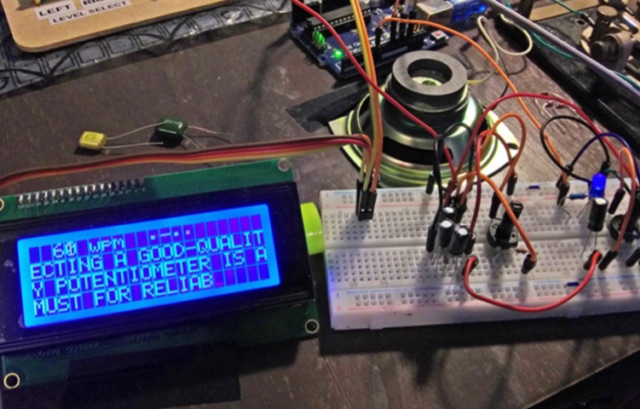 While there are quite a few standalone Morse Code or CW decoders out there, I wanted to tackle the problem myself and end up with both a great Arduino learning project and a decent portable decoder for when I'm out in the field operating QRP
 -
 Operating in the Caribbean, the Jamaica Amateur Radio Association (JARA) provides a central hub for amateur radio enthusiasts on the island. The association details its **repeater network**, including IRLP node 7673 and ECHOLINK access, alongside information on band activity and packet radio operations. Members can access specific documents like the JARA Membership Form and the JARA Disaster Plan, while general visitors can review the full JARA Regulations and learn about the club's history. The site features a photo album and outlines various radio activities, including what constitutes a JARA Field Day. It also provides essential resources such as the Reciprocal License Form and Jamaica Amateur Radio Regulations, crucial for visiting operators. The **WINLINK Project** and Radio Voice Procedure are also covered, offering practical guidance for communications. JARA maintains affiliations with international bodies like **IARU Region II**, ARRL, and RSGB, and lists important organizations such as SATERN 14.265, Jamaica Red Cross, and the National Hurricane Center. The website also includes links to other amateur radio clubs across North America, the Caribbean, and Central and South America, fostering regional and international connections.
 -
 The 3Y0K website is the official platform for the Bouvet Island DXpedition scheduled for February 2026. It serves as a comprehensive resource for amateur radio operators, providing essential information about the expedition, including updates on operations, band availability, and communication modes such as FT8 and CW. The site aims to keep the amateur radio community informed about the expedition's progress and activities, encouraging participation and support. Users can find details on how to donate to the expedition and contact information for inquiries, as well as links to social media for real-time updates and community engagement. In addition to operational details, the 3Y0K site offers various resources for those interested in DXpeditions. It highlights the significance of Bouvet Island as a rare DXCC entity and outlines the logistical challenges faced by the team. The website is designed to be user-friendly, featuring a clear layout that allows visitors to navigate easily through the information. Overall, the 3Y0K website is a valuable resource for amateur radio operators looking to engage with the Bouvet Island DXpedition and enhance their understanding of amateur radio operations.
 -
 First italian HamFest in Florence Italy, fleamarket, dx covention and contest price giving 6th April 2013
 -
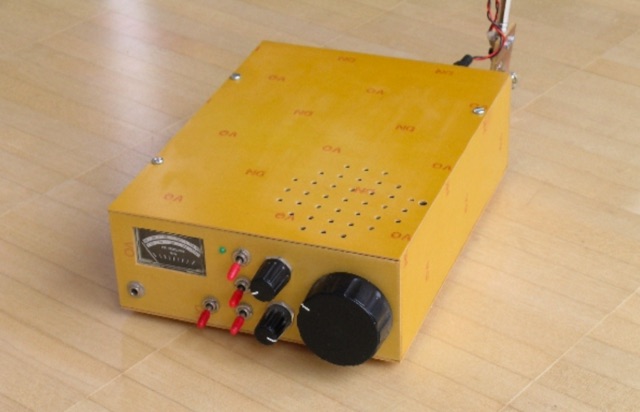 Homemade receiver for 80 meters band. The receiver works very well (in fact better than some of its successors), especially the AGC makes listening to 80m QSOs a real pleasure. Sensitivity is not cutting-edge, but on a full-size short-wave antenna it is by fare sensitive enough.
 -
 A simple reading that allows to understand the basic working concepts and uses of an oscilloscope
 -
 Leader in supplying digital signal processing (DSP) boards, systems, design services and OEM products for the Wireless, Scientific and Defense markets.
 -
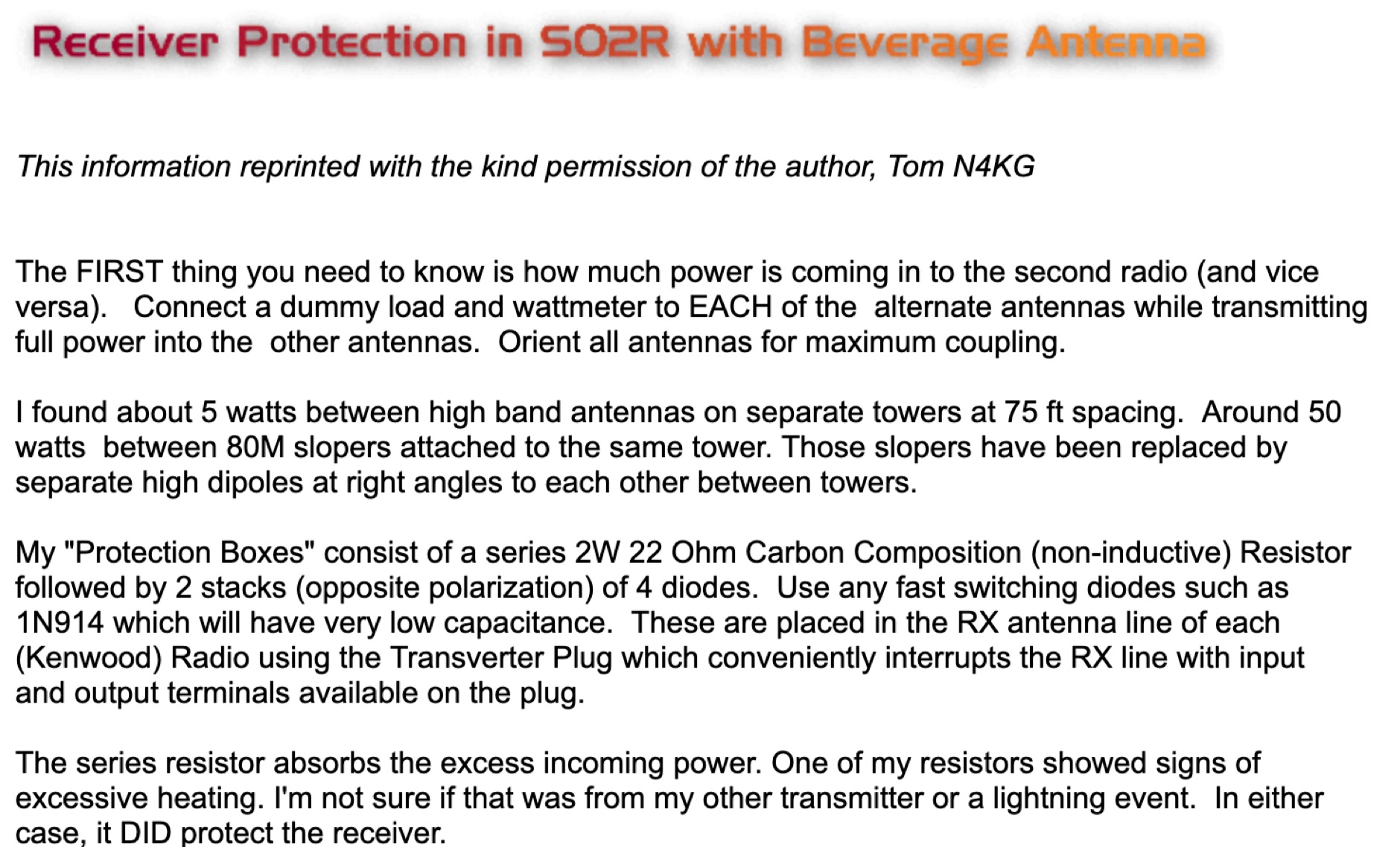 Operating in a Single Operator Two Radios (SO2R) setup, especially with beverage antennas, often exposes the receiving radio's front-end to significant RF energy from the transmitting radio. This resource details a practical, homebrew receiver protection circuit designed to mitigate this risk. The core of the design involves a non-inductive 2W 22 Ohm carbon composition resistor in series with the RX antenna line, followed by two stacks of four fast-switching diodes (e.g., _1N914_) configured in opposite polarizations. This arrangement effectively clamps the incoming voltage to approximately 2.8 V peak-to-peak, safeguarding sensitive receiver input components. The series resistor plays a crucial role by absorbing excess power, preventing the diodes from exceeding their current ratings and potentially failing open, which would leave the receiver unprotected. The author, _N4KG_, measured up to 50 watts of coupled power between 80M slopers on the same tower, highlighting the necessity of such protection. The design is presented as a cost-effective solution to prevent damage to receiver input transformers, with the author noting successful protection of a receiver even after a resistor showed signs of overheating. This simple circuit can be integrated via a transverter plug, offering a robust defense against high RF input.
 -
 This page contains links to a variety of data signals that have been specially recorded. Each file contains a standard test message (the quick brown fox jumped over the lazy dog) repeated twice. The files can help you learn the characteristic sound of various data modes but they can also be used to make sure your decoder is working.
 -
 NARL homepage, the namibian amateur radio league