Search results
Query: net
Links: 3282 | Categories: 40
This query is too generic. Please try adding an additional term to focus your research.
Categories
- Antennas > 40M > 40 meter Magnetic Loop Antennas
- DX Resources > Nets > Emergency Nets
- Internet and Radio
- Operating Modes > Internet Linking
- Manufacturers > Antennas > HF > Magnetic Loop
- DX Resources > Nets
- Operating Aids > Phonetics and codes
- Internet and Radio > Social Networks
- Technical Reference > Vector Network Analyzer
- Software > Vector Network Analyzer
- Software > Internet Linking
- Shopping and Services > Internet services
- Antennas > Magnetic Loop
- Antennas > 20M
- Ham Radio > Clubs > North America > USA > Alaska
- Operating Modes > Internet Linking > AllStarLink
- Operating Modes > AM
- Software > Audio Streaming
- DX Resources > Beacons
- Operating Modes > Packet Radio > Clubs
- DX Resources > Clusters
- DX Resources > County Hunting
- Operating Modes > DMR
- Software > DX Cluster
- Software > Linux > DX Cluster Clients
- Operating Modes > Internet Linking > EchoLink
- Operating Modes > HSMM
- Operating Modes > Internet Linking > IRLP
- Ham Radio > Clubs > North America > USA > Nevada
- Internet and Radio > News Groups
-
 A transmitter project for the 136 kHz band by IK2PII
 -
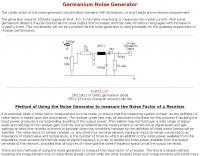 This generator requires 100volts supply at 5mA. A 0 -5 mA meter inserted at J1 measures the crystal current.
 -
 Stamford Amateur Radio Association Repeater Club. Located in Stamford, Connecticut.
 -
 A web site dedicated to the voodoo audio crew, a group of ESSB enthusiasts
 -
 Reviews of the Kenwood TL-922A Power amplifier
 -
 The Tri-City ARC was formed by amateurs in the New London, Norwich and Westerly areas (hence Tri-City) desirous of forming an association of local amateurs with the purpose of furthering better cooperation among amateurs
 -
-
 The purpose of the Marconi Amateur Wireless Society is to encourage experimentation in all aspects of amateur radio in a spirit of friendship and goodwill.
 -
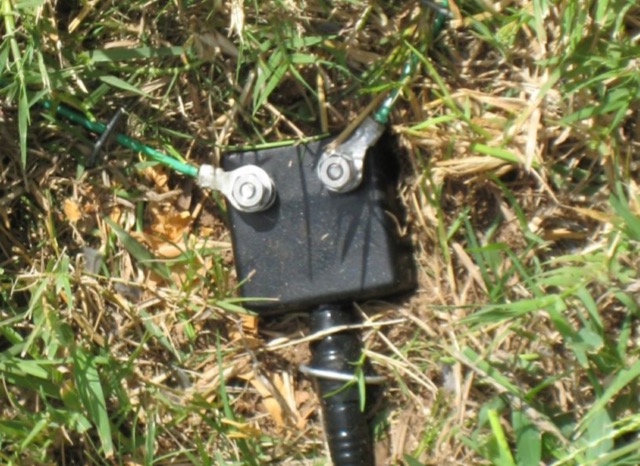 An experimental antenna for HF reception. It consists of a single loop element mounted on the ground. It is stealthy, small, and quiet. EZ-NEC plots and on-air test results are included.
 -
 Victor amateur radio association (w2vtm) Camden, NJ
 -
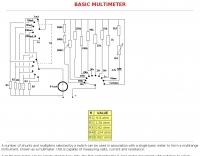 Constructing a basic multimeter involves integrating a 0-1mA meter movement with various shunts and multipliers, selected via a switch, to create a versatile instrument capable of measuring DC volts, current, and resistance. The design outlines two main units: a primary unit handling six DC current ranges up to 1 amp and eight DC voltage ranges up to 1000 volts, alongside an internal battery for an ohms range up to 200,000 ohms. This approach allows for a practical, hands-on understanding of meter operation. An add-on unit further extends the multimeter's capabilities, incorporating a meter rectifier and switched series resistors to provide four AC voltage ranges up to 100 volts. Additional shunt and series resistors, designated Ra and Rb, are included to expand the instrument's range to 10A and 5kV, demonstrating how modular design can enhance functionality. When this add-on is in use, the main instrument is set to measure 1mA FSD, connecting via specific lugs. Component selection emphasizes precision, with 1% tolerance high stability resistors for series elements and Eureka resistance wire for shunts. The design specifies values calculated for a meter with 60 ohms internal resistance, noting that these would require modification for different meter characteristics. Experimental adjustment of shunt values is recommended to ensure accurate readings against a calibrated reference meter, reinforcing practical calibration techniques.
 -
 radio.McDougallsHome.net The Web site and Blog of Amateur Radio Station K7JM. Homebrew, Construction, Operating, and Discussion
 -
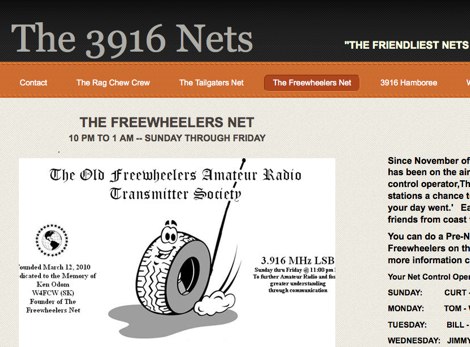 Since November of 1998, The Freewheelers Net has been on the air on 3.916 MHz
 -
 RACES Repeater for Bucks County, Pennsylvania
 -
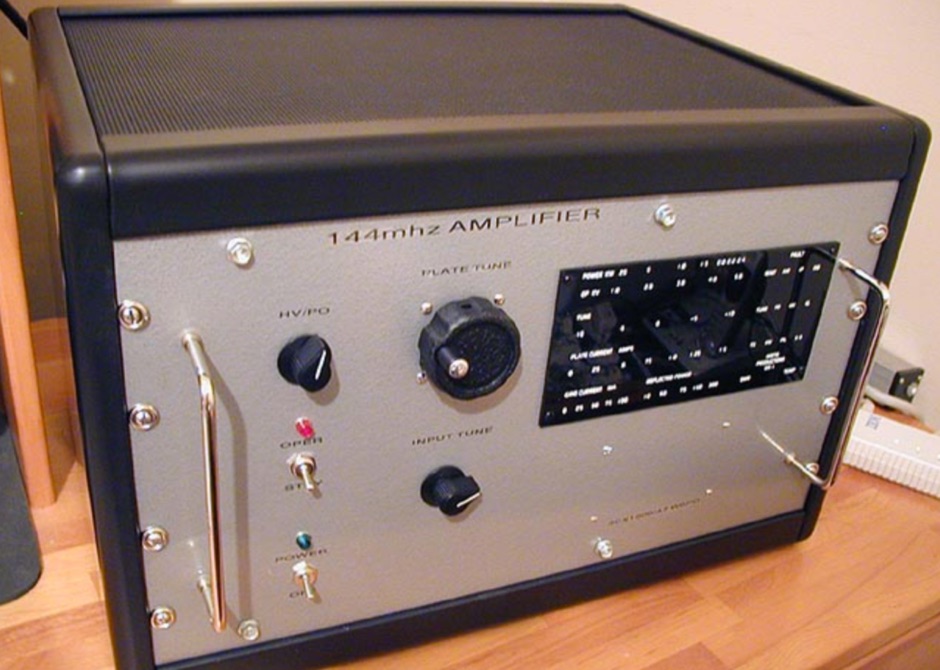 A 3CX1500/A7 8877 144mhz W6PO amplifier, that running a little over 4kv on the plate, this Amp will do over 2kw out.
 -
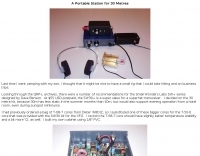 A small rig that you can take hiking and on business trips.
 -
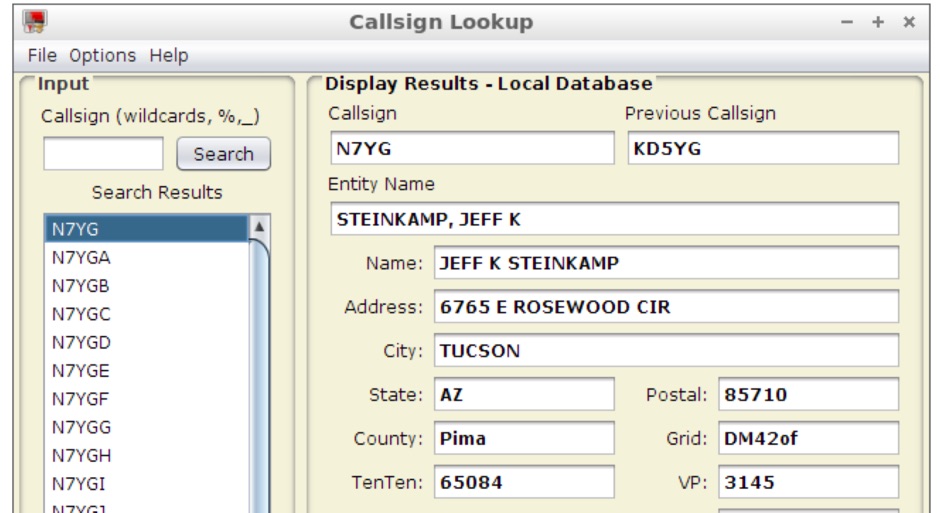 This software is an amateur radio utility for the lookup of an FCC issued Amateur Radio Call Sign. Run on Windows Linux and MacOSX
 -
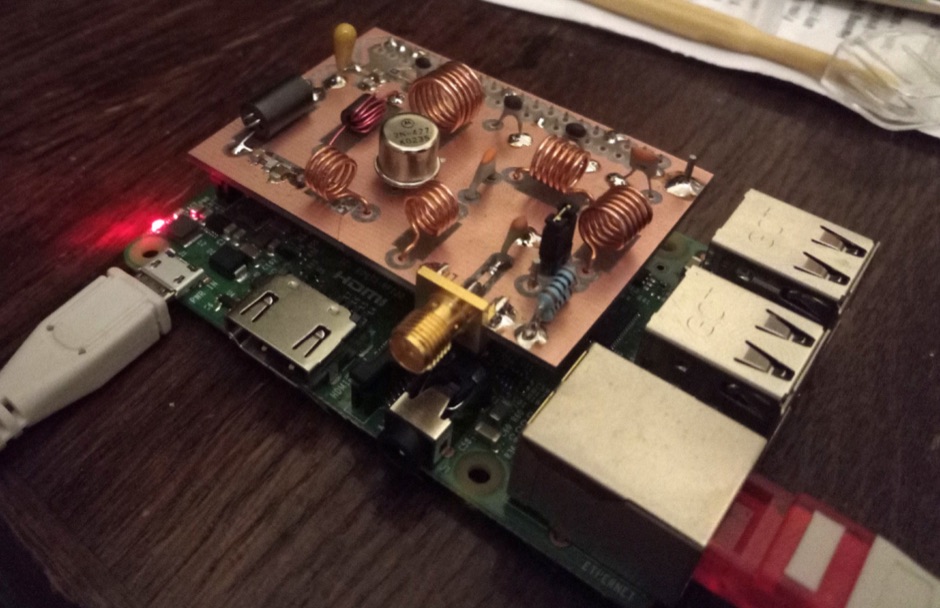 How to limit unwanted harmonics from your raspberry Pi radio transmitter by introducing filters.
 -
 J-38 and J-37 key collection
 -
 LDE articles and reports about long delayes radio echoes by DF5AI
 -
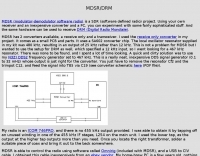 An SDR project, MDSR modulator-demodulator software radio, made using an inexpensive converter and a pc. MDSR has a transceiver and a receiver converters.
 -
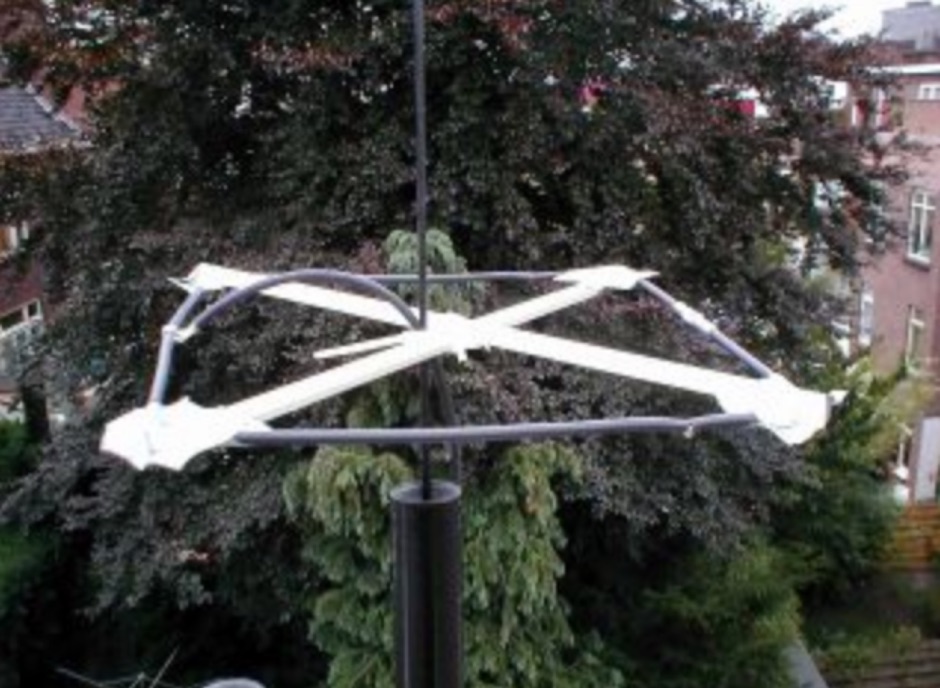 Sort of similar to the one of the 6m omni. Instead of using twin-lead, this design makes use of a more or less regular double bazooka antenna (coaxial dipole). Your attention shall be drawn to the available standart literature, such as Rothammel. In order to "compute" the dimension, Karl Rothammel mentioned that the total length of the dipole shall be 95% of the free-space wavelength. The short-circuit bridges (closing the folded dipole) are to be placed at a distance-fraction being equal to the velocity factor of the coax cable used, which will be 66% using RG-58 or RG174.
 -
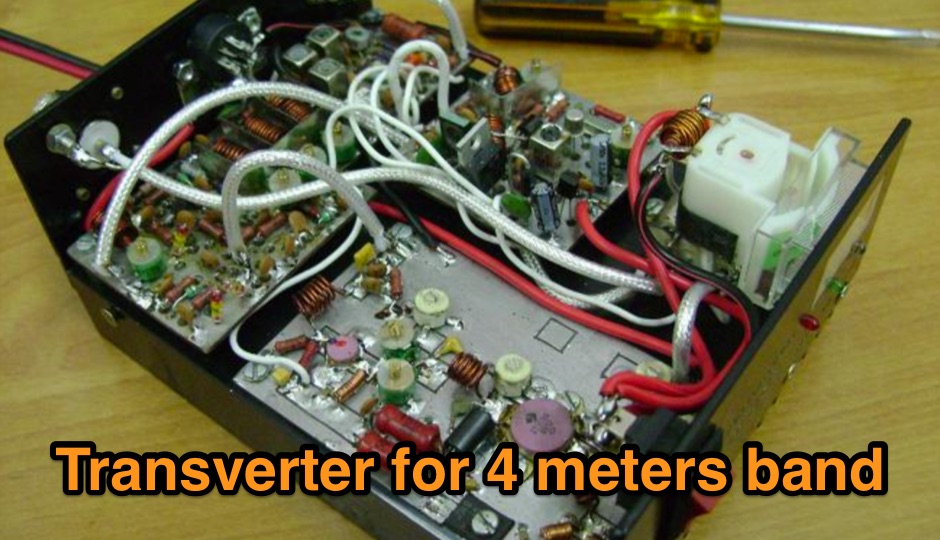 A 70 MHz Transverter project with a block diagram and schematics
 -

-

-
 Article on 50 Mhz Yagi Antennas stacking by OH1ZAA/NN0Y
 -
-
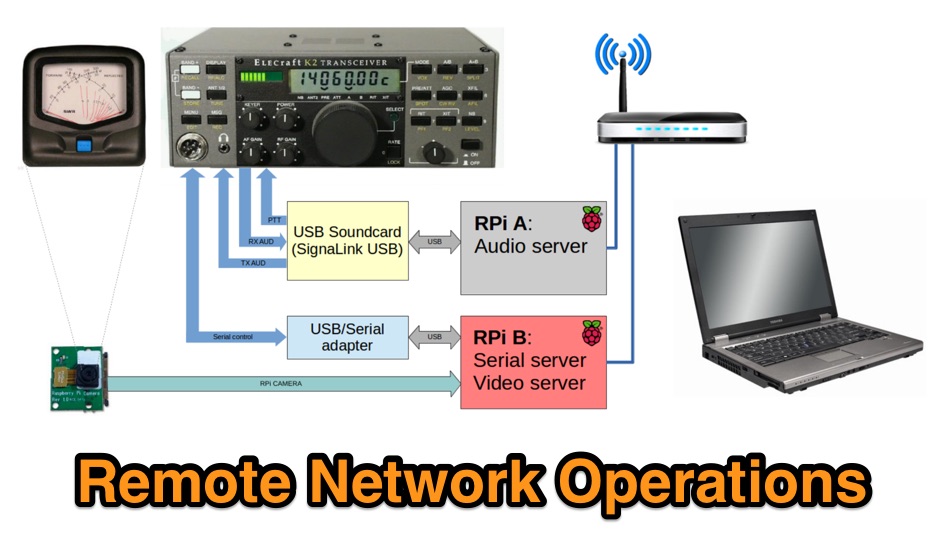 This is a page to detail how I remotely operate my Elecraft K2 HF transceiver via my home network. The method used should apply to pretty much any amateur transceiver that can be controlled by serial port.
 -
 Summits on the air, sota. an exciting new award scheme for radio amateurs. the scheme encourages lightweight portable ham radio operating in mountainous and wilderness areas areas.
 -

-
 PropNET is an ad-hoc 2-way (and potentially, "more-way") RF-based digital communication network whose activity is reported on the Internet. As participating stations periodically ID and exchange data, they report their activity to an Internet data-collection hub for presentation through this web site.
 -
 The elgin amateur radio society Illinois
 -
 Collins Collector Clubs, Nets, Magazines & Lists
 -
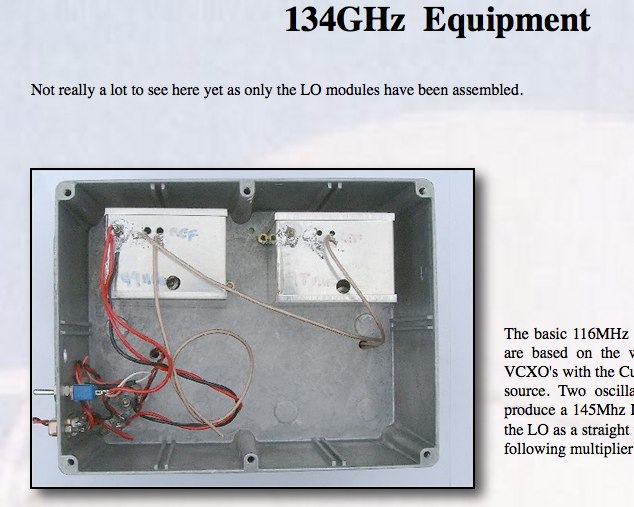 Developing operational amateur radio equipment for the 134 GHz band presents significant technical challenges, particularly in frequency generation and stability. This resource details the construction of a 134 GHz system, outlining its architecture with separate transmit (Tx) and receive (Rx) modules, each employing a local oscillator (LO) and RF head units. The system utilizes a dual Flann 50 GHz lens-type horn antenna configuration for optimal signal coupling. The transmit path incorporates an LMX2541 synthesizer chip operating at approximately 2.8 GHz, referenced by a 10 MHz double-oven Morion OCXO for exceptional stability. This signal is multiplied through a series of stages (X4, then X2) to generate a 22.4 GHz signal, which subsequently drives a dual series diode multiplier to produce the final X6 signal for 134 GHz operation. The receive side features an anti-parallel diode mixer coupled to a 144 MHz transceiver via a preamplifier, ensuring effective downconversion. Operational mode is CW, achieved by keying a multiplier stage. The project includes images of the Tx and Rx head units and describes a successful 3.5 km test with G8ACE, demonstrating stable signal tones due to PLLs locked to OCXOs at both ends, confirming the system's robust performance.
 -
 The Big Dog contest club is a group of amateur radio enthusiasts who enjoy the fine arts of radio contesting and consuming fine foods but not necessarily in that order!
 -
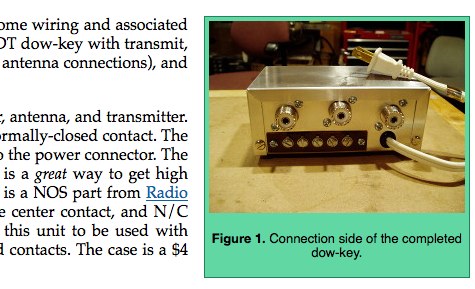 Homemade an external T/R switch for your vintage RTX by KB8OJH
 -
-
-
 Greek Lighthouse Award has been instituted by the Northern Greece Contest Team and will be issued to any Ham Radio operator or SWL for QSOs with (or reports from) amateur radio stations operating from Greek's lighthouses.
 -
 HAM radio amateur pages, Jirka from Praha, Czech Republic
 -
 Since 1946, VK6 Weekly News has delivered weekly broadcasts to amateur radio operators across Australia, particularly in the VK6 region. The broadcasts include news updates, acknowledgments of contributors, and calls for operators to engage by transmitting news or submitting stories. This initiative strengthens community ties among amateur radio enthusiasts and encourages collaboration in maintaining the network of repeaters. The broadcasts reach various states, including Western Australia, Queensland, and New South Wales, ensuring that information is disseminated widely. VK6 Weekly News emphasizes the importance of operator contributions, thanking them for their efforts in sustaining the amateur radio community. Accessible through multiple platforms, it supports ongoing amateur radio activities and development in the region. Operators are invited to participate actively, enhancing the richness of the news content and fostering a collaborative spirit within the amateur radio community.
 -

-
-
 Hawaii Amateur Radio Club
 -
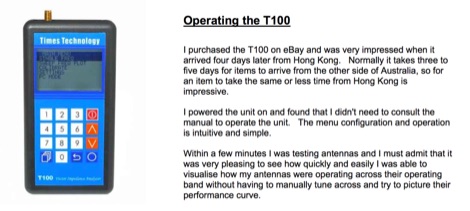 Times Technologies Vector Impedance Analyzer Review
 -
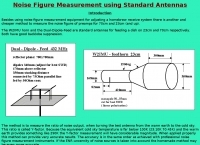 Measuring noise fiugre on the W2IMU horn and the dual-dipole-feed
 -
 Open to employees and retirees of Avaya Inc. in Lincroft NJ. As Avaya Inc. was spun off from Lucent Technologies, AT&T Bell Laboratories, and even Western Electric