Search results
Query: radio 1
Links: 3540 | Categories: 708
This query is too generic. Please try adding an additional term to focus your research.
Categories
- Technical Reference > AI Ham Radio
- Radio Equipment > Amateur Radio Accessories
- Operating Modes > Amateur Radio Astronomy
- Manufacturers > Amateur Radio Maps
- Antique Radios > Antique Radio Reference
- Shopping and Services > Antique Radios
- Manufacturers > Transceivers > CB Radio
- Shopping and Services > CB Radio Stores
- Technical Reference > CB Radios
- Shortwave Radio > Broadcasters > Clandestine Radios
- Technical Reference > Receivers > Crystal radio
- Manufacturers > Digital and Packet Radio
- Manufacturers > Digital Mobile Radio
- Ham Radio
- DX Resources > Ham Radio Awards
- Operating Modes > Ham Radio Balloons
- Technical Reference > Ham Radio Go Kits
- Shopping and Services > Ham Radio Insurance
- Ham Radio > Ham Radio News
- Shopping and Services > Ham Radio Stores
- CB Radio > Clubs > India Radio
- Internet and Radio
- Shopping and Services > Marine Radio
- Operating Modes > NPR New Packet Radio
- Shortwave Radio > Broadcasters > Offshore Radios
- Operating Modes > Packet Radio
- Shortwave Radio > Broadcasters > Pirate Radio
- Technical Reference > Programming Radio
- Software > Radio Control
- Operating Modes > Radio Direction Finding
-
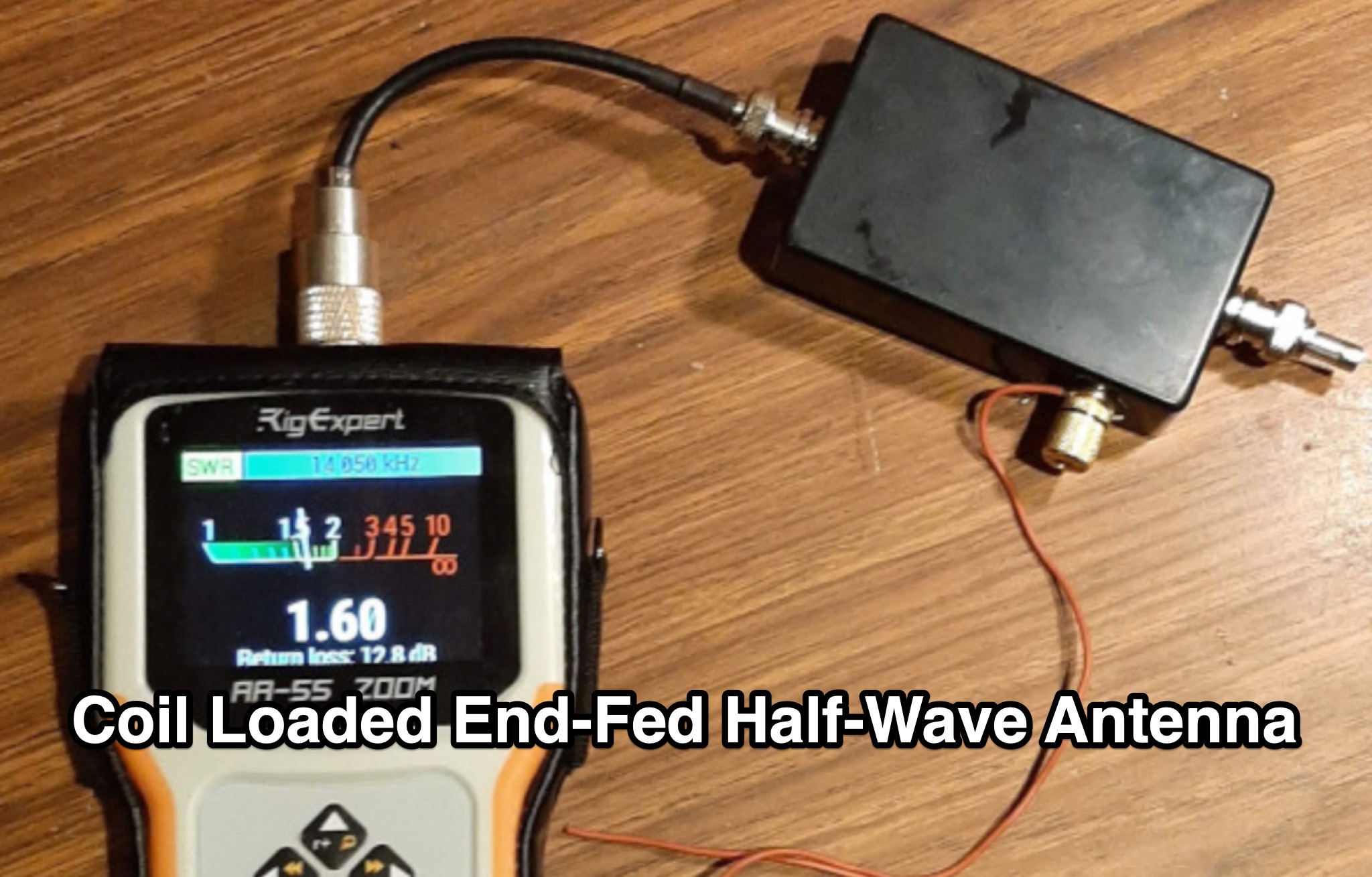 This page discusses the CLEFHW (Coil Loaded End-Fed Half-Wave) antenna, a portable variation of the popular EFHW design for ham radio operators. The article explains how the CLEFHW allows for backpack portable operation without the need for trees or poles, making it ideal for POTA activations and rapid deployment scenarios. The author details the design, optimization for 20m band, and compares efficiency to full-length wire antennas. Suitable for hams interested in portable antenna solutions and quick setup options for amateur radio activities.
 -
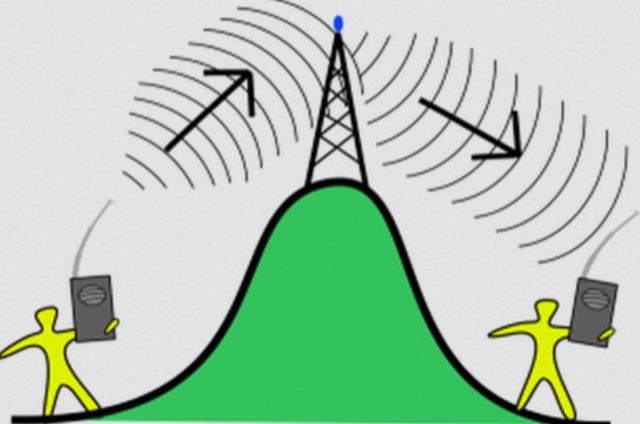 The most basic form of repeater receives communication on one frequency and re-transmits it on a different frequency, a process known as duplex communication. This capability significantly extends the range of handheld and mobile radios, as repeaters are typically situated at elevated locations with high-gain antennas and greater transmit power. Repeaters commonly operate with FM modulation on the VHF (30 MHz – 300 MHz) and UHF (300 MHz – 3 GHz) amateur bands, which are ideal for portable and mobile devices. Access to repeaters is often controlled by a CTCSS or PL tone, an inaudible signal that prevents the repeater from retransmitting background noise. This mechanism ensures efficient use of the frequency and prevents illegal continuous transmission. Canadian regulations, for instance, require an Advanced amateur radio license and an available frequency within the band to set up a repeater, each assigned a unique call sign and transmit frequency. Configuring a radio for repeater use involves knowing the repeater's transmit frequency, its receive frequency offset (e.g., -600 KHz for VHF or +5 MHz for UHF), and the necessary CTCSS tone. The article references resources like Repeater Book for locating repeaters and provides practical examples for initiating and concluding a basic repeater session, emphasizing clear identification and concise communication.
 -
 This project describes the construction of a W3HH (T2FD) antenna for HF bands (3-30 MHz). While less efficient than a tuned dipole, it offers broad frequency coverage with a maximum SWR of 3.4 and reduces QRM (noise) significantly. On the 80-meter band, it shows slightly weaker signals than a dipole but with improved signal-to-noise ratio. The design includes non-inductive resistors, a 13:1 balun, and a "frog ladder" transmission line. Though not a high-performance antenna, it is compact and versatile, making it ideal for wide-band HF communication. Article in French
 -
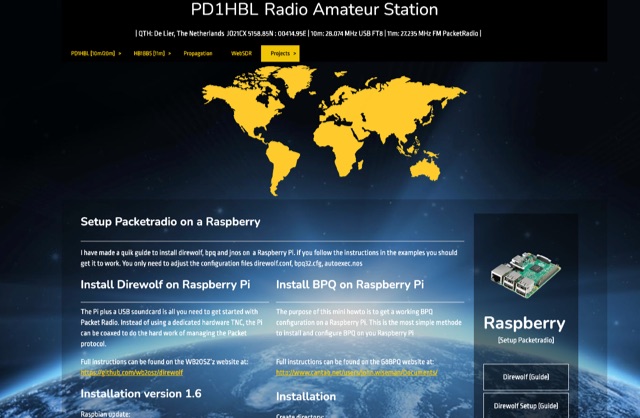 A quick guide to install direwolf, bpq and jnos on a Raspberry Pi. By following the instructions in the examples listed on this page, you should get it to work.
 -
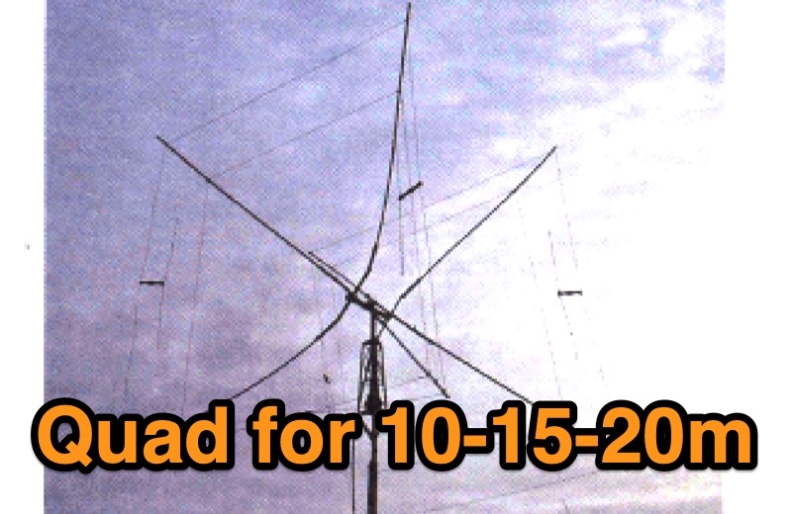 The Shrunken Quad antenna is a unique design that offers full-sized performance on the 10m and 15m bands while incorporating linear loading via a trap for operation on the 20m band. This design allows for effective communication in the HF spectrum, making it suitable for both casual operators and serious DXers. The quad configuration provides excellent gain and directivity, which is beneficial for contesting and long-distance contacts. Constructing the Shrunken Quad involves careful attention to dimensions and materials to ensure optimal performance. The antenna's compact nature makes it an excellent choice for limited space situations, allowing operators to enjoy the benefits of a quad without the need for extensive real estate. This project is ideal for amateur radio enthusiasts looking to enhance their station's capabilities with a versatile and efficient antenna system.
 -
 The article discusses the use of SDR# (SDR SHARP) software for SDR receivers, highlighting its Band Plan feature that visually represents RF spectrum allocations. The author modified SDR# to display detailed IARU HF band plans, creating three XML files for different IARU regions. These files include various operational modes and specific frequency allocations. Despite potential errors, the modifications aim to enhance the usability of SDR# for ham radio operators. The article includes references and download links for the XML files and IARU band plans.
 -
 This page delves into the debate surrounding the End-Fed Half-Wave (EFHW) antenna, exploring whether it is truly a multiband antenna without the need for a tuner. The author investigates the claims and criticisms surrounding these popular antennas, discussing their resonance on various bands and their efficiency for DXCC achievements. The content is valuable for hams interested in understanding the capabilities of EFHW antennas and their performance across different HF bands, with a focus on practical usage and real-world results.
 -
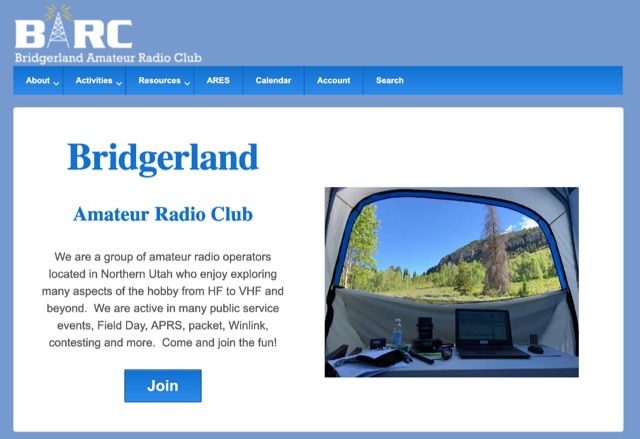 We are a group of amateur radio operators located in Northern Utah who enjoy exploring many aspects of the hobby from HF to VHF and beyond. We are active in many public service events, Field Day, APRS, packet, Winlink, contesting and more
 -
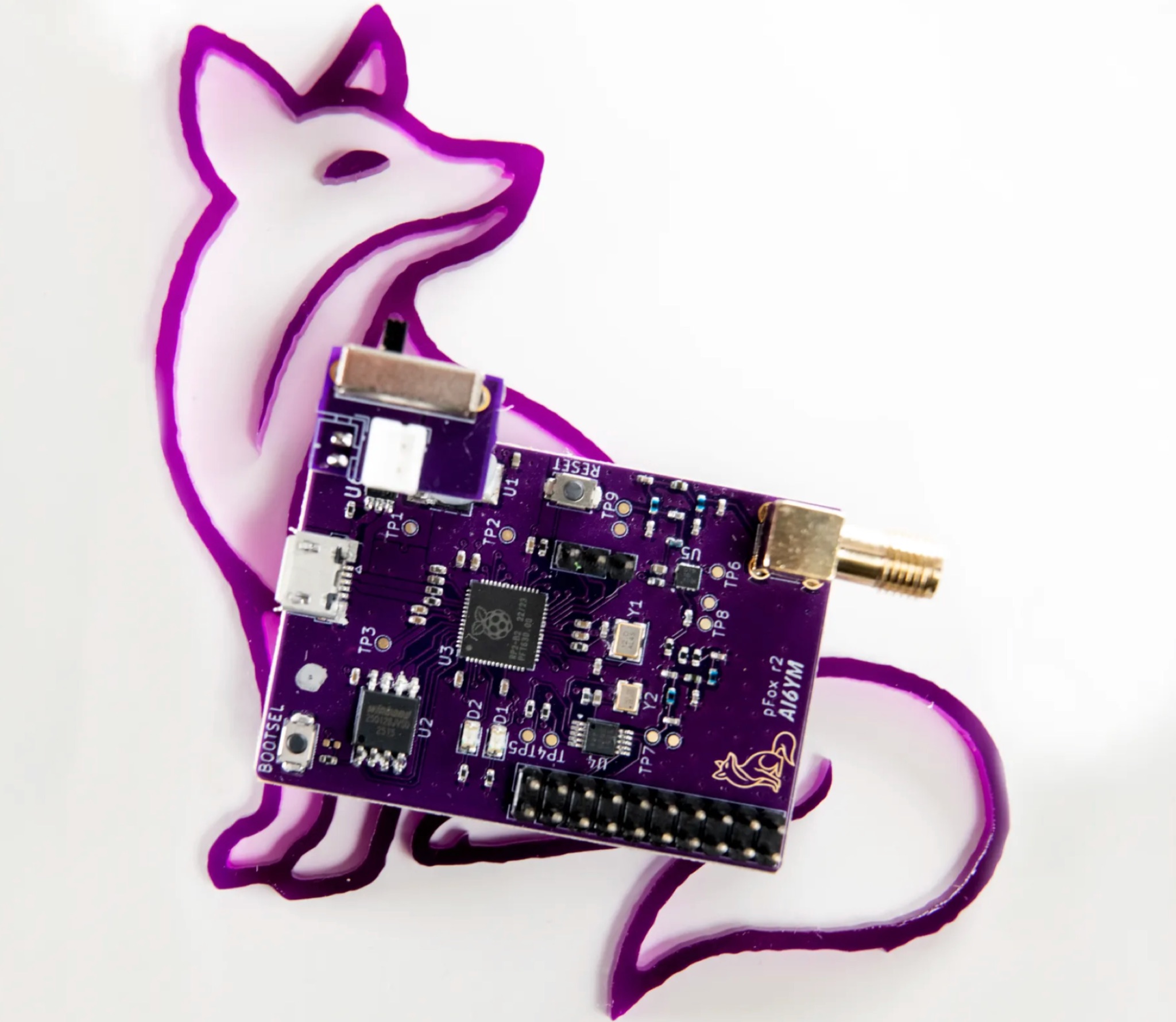 The PicoFox is a versatile fox transmitter for 2-meter ham radio operators, built around the RP2040 microcontroller. With open-source hardware and software, it can be customized to suit your needs, from APRS to other digital modes. This fully assembled transmitter comes with a rechargeable battery and antenna, ready for use. The design allows for easy addition of features like sensors or interactivity. Modulation is handled in software for smooth FM output, with ample CPU, flash, and GPIO available. Configure your PicoFox by connecting it to a computer via USB and adjusting settings in a text file. Explore the possibilities of this innovative transmitter for your amateur radio projects.
 -
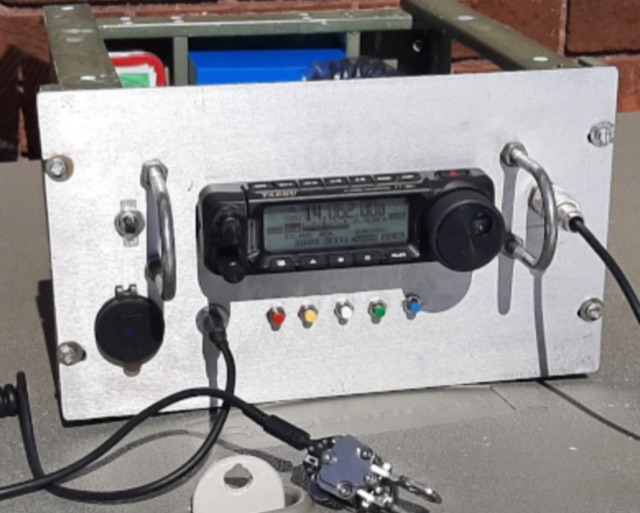 This article explores the marriage of amateur radio and bushcraft, advocating the pleasure of setting up a portable station in nature rather than operating from the confines of a vehicle. The Parks on the Air (POTA) programme is highlighted as a catalyst for outdoor radio activities. The author shares his experiences and techniques, from transporting equipment into the wilderness to setting up shelters and antennas. Knot tying skills and the use of frogs are emphasized for efficiency, and a unique method for launching wire antennas is described. The article emphasizes the synergy between amateur radio and bushcraft skills, enhancing the enjoyment of radio operations in wilderness environments.
 -
 This presentation on antennas is a practical guide for amateur radio operators. The key takeaway is that the best antenna for your station depends on your constraints and goals. There is no magic solution and buying a wire antenna is not recommended as it might be expensive and not as effective. The presentation covers different antenna types including dipoles, verticals, Yagis and loop antennas. Important factors to consider when choosing an antenna include SWR, feeder types, and whether you need a balun. The author emphasizes that ATUs don’t improve a poor antenna and advises against obsessing over SWR readings.
 -
 This article focus on the radiation angle of vertical antennas and the fundamentals of electromagnetic wave propagation. The calculation of antenna length at 145 MHz is followed by an explanation of electromagnetic wave speed and the link between wavelength, frequency, and velocity. Author discusses the 5/8th wave vertical antenna, namely its performance and the influence of radiation angle on signal transmission. Figures and analogies demonstrate how different antenna types produce distinct radiation patterns. This highlights the importance of selecting the right antenna for a certain purpose, such as local traffic or dxing. The article discusses a variety of factors that affect antenna performance, including SWR, propagation conditions, and equipment dependability
 -
 Wavelog, a web-based amateur radio logbook application, launched in February 2024, represents a significant fork from the established Cloudlog platform, developed by a core team including DF2ET and DJ7NT. This open-source project focuses on delivering advancements in both stability and functionality, specifically tailored for the amateur radio community. The application allows users to manage their radio logs from diverse environments, including professional servers, standard web hosting, or even compact _Raspberry Pi_ setups. The platform distinguishes itself through its emphasis on simplicity, robust features, and versatile accessibility, enabling operators to log contacts from virtually any location. It supports various operating modes and data formats, providing a flexible solution for tracking QSOs and managing station activities. The project's development is driven by the collaborative spirit of the amateur radio community, prioritizing utility and user experience over commercial objectives. Key features include comprehensive logging capabilities, support for multiple bands and modes, and integration with common amateur radio data standards, ensuring broad utility for DXers and contesters.
 -
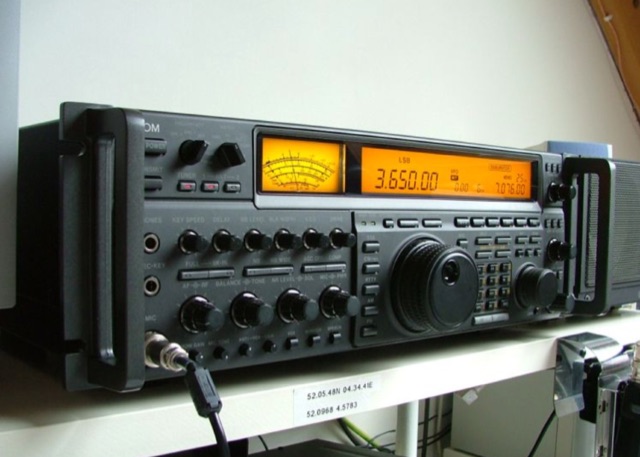 Inrad Roofing Filter installation instruction, The IC-775 Roofing Filter Mod consists of a 6 pole, 5 kHz wide filter followed by a high dynamic range, feedback amplifier.
 -
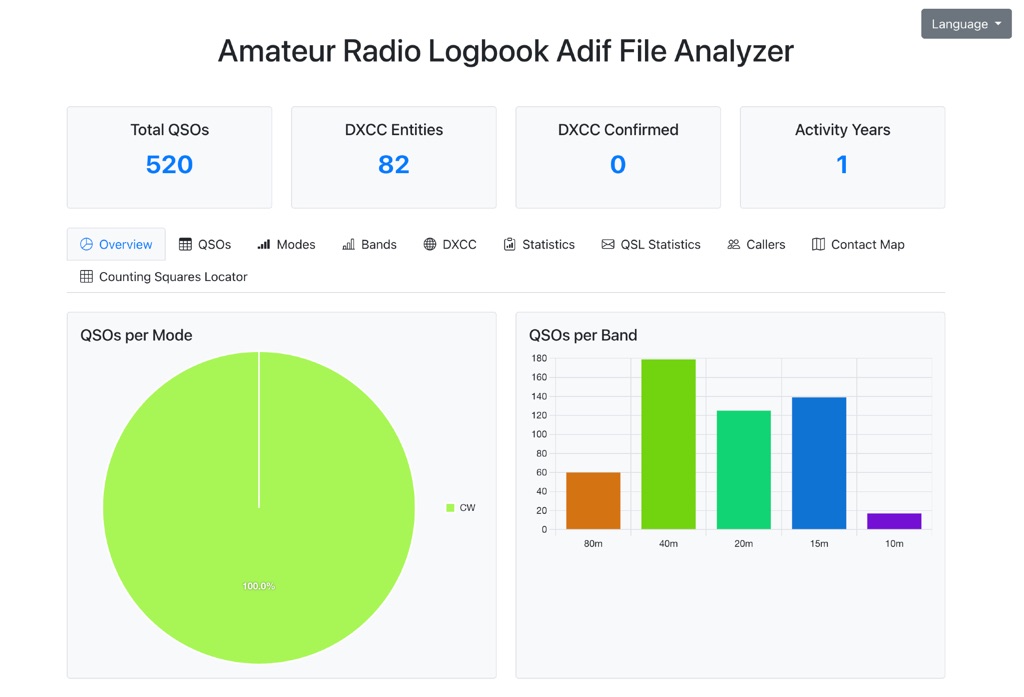 The Amateur Radio Logbook ADIF File Analyzer available at loganalyzer.sv5fri.eu is a convenient web-based tool that allows you to upload your ADIF log and instantly generate a visual map of your QSO contacts along with detailed statistics—by band, mode, time, grid squares, DXCC, and more. It provides an intuitive overview of your operating patterns and performance without requiring any software installation.
 -
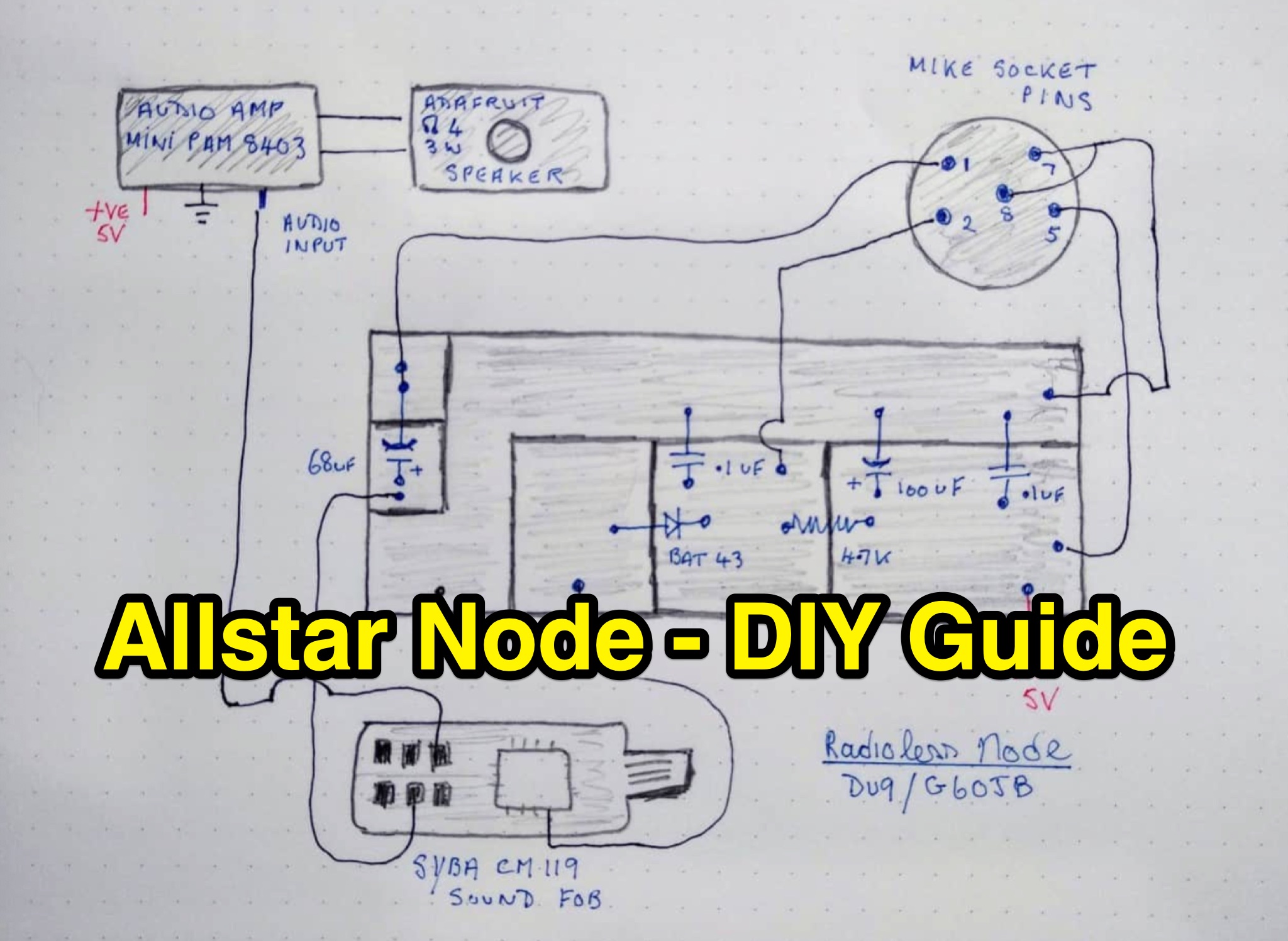 This page provides a detailed guide on how to build your own radioless Allstar node for ham radio operators. It includes information on power supply, components needed, wiring instructions, and tips to avoid common issues like ground loop hums. The author shares personal experiences and recommendations for specific components like microphones, audio amps, and sound fobs. Whether you're a beginner or experienced ham radio operator, this DIY project can help you set up a cost-effective and functional Allstar node for communication purposes.
 -
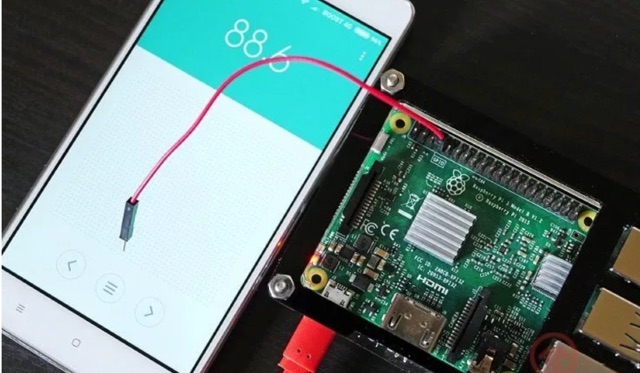 In this tutorial, the author shows the basics of how to set up a Raspberry Pi Pirate Radio utilizing the FM Transmitter software and a piece of wire.
 -
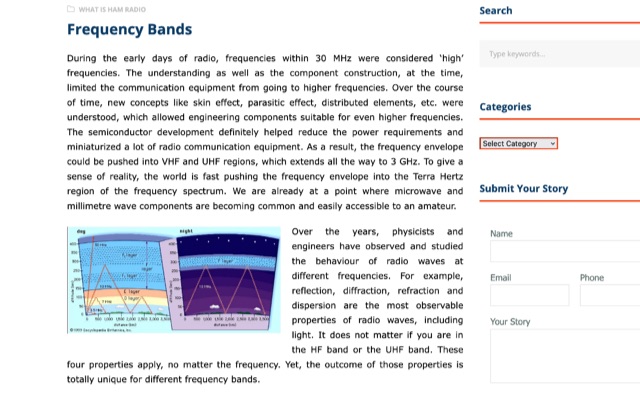 During radio's early days, high frequencies were under 30 MHz due to technical limitations. As understanding grew, components improved, allowing for higher frequencies like VHF and UHF up to 3 GHz. The HF band's long wavelengths provide unique propagation challenges influenced by solar activity. VHF and UHF bands face diffraction and reflection issues but offer diverse applications, from amateur radio to 5G and GPS technologies.
 -
 OM0ET manufacture high capacity variable air capacitor and tuning unit designed for Magloop antennas. OM0ET explains features and benefits of this antenna, such as easy assembly, wide frequency range, and improved efficiency. Ideal antenna setup for indoor or outdoor use, offering better QSO performance and radio listening experience. The author, identified as OM0ET, shares insights on the design and functionality of the equipment, making it a valuable antenna for portable operations.
 -
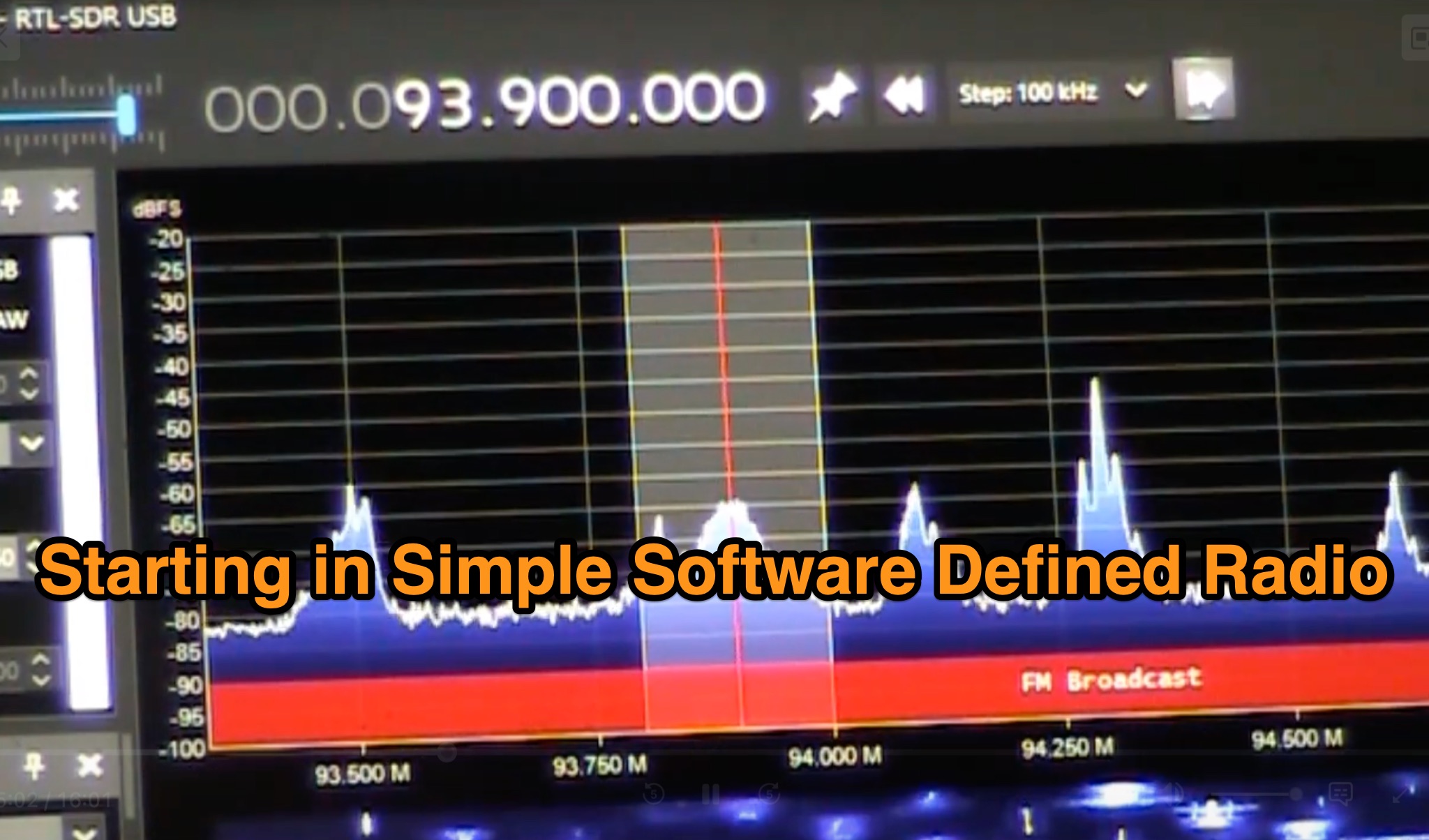 This page explores the world of Software Defined Radios (SDRs) in the context of amateur radio. It discusses how SDRs have revolutionized the hobby by reducing costs and enabling remote operation. The article provides ideas for projects and experiments that hams can undertake with SDR technology, highlighting the educational and experimental opportunities it offers. It also mentions specific examples of SDR projects like the Stoke on Trent SDR and SDR.HU. The content is aimed at amateur radio operators looking to explore and harness the potential of SDRs in their stations.
 -
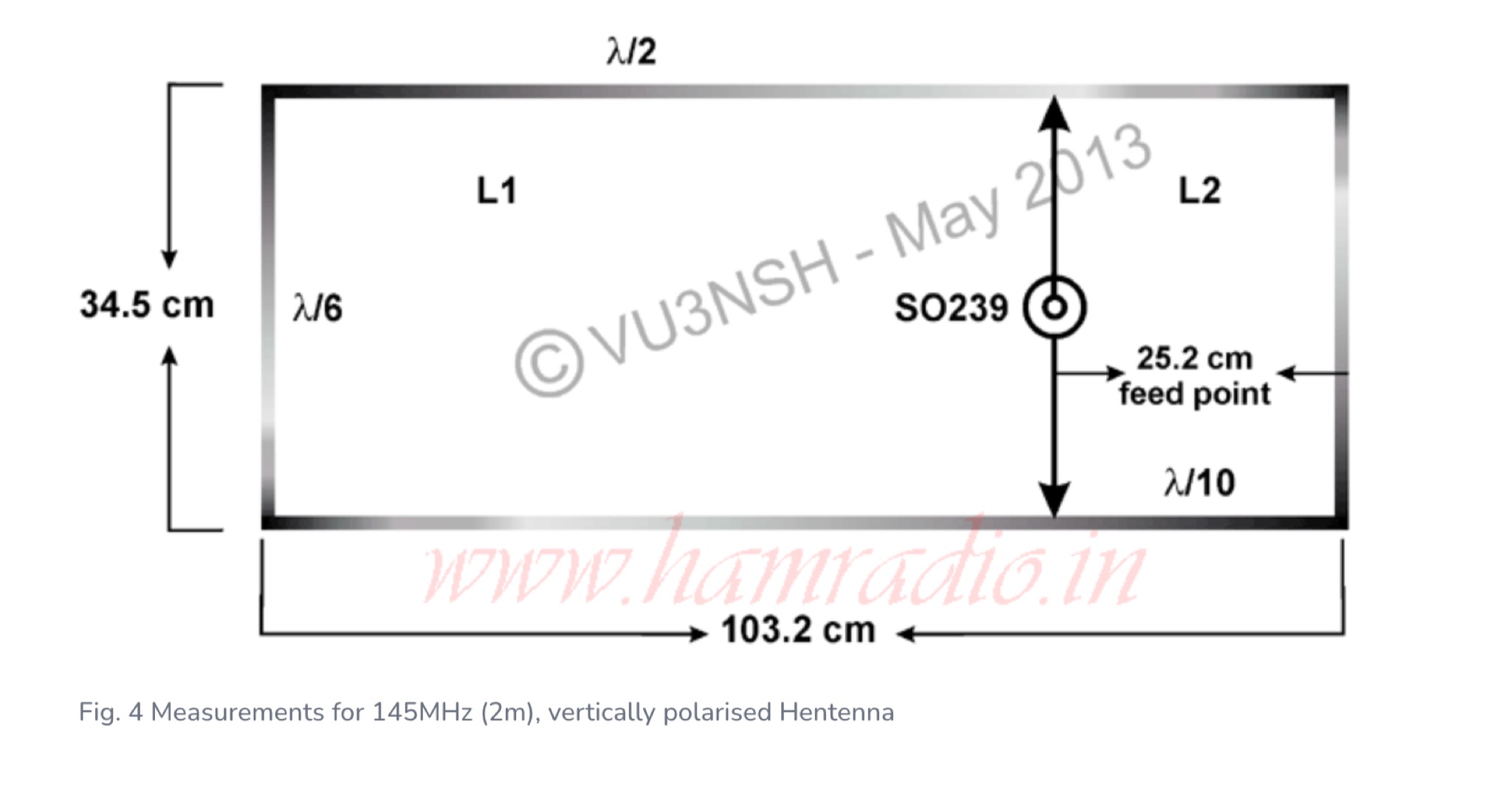 Provides a comprehensive overview of the Hentenna design, construction methods using aluminum tubing, and discusses its bidirectional characteristics with illustrative photos
 -
 This Website is here to enhance the Amateur Radio experience and for those who are interested in multiple areas of our great hobby. We have information about Amateur Radio Emergency Communications. There are many areas in our great hobby that serve different capacities, ARES, RACES, NTS, FEMA, Linux, and much more.
 -
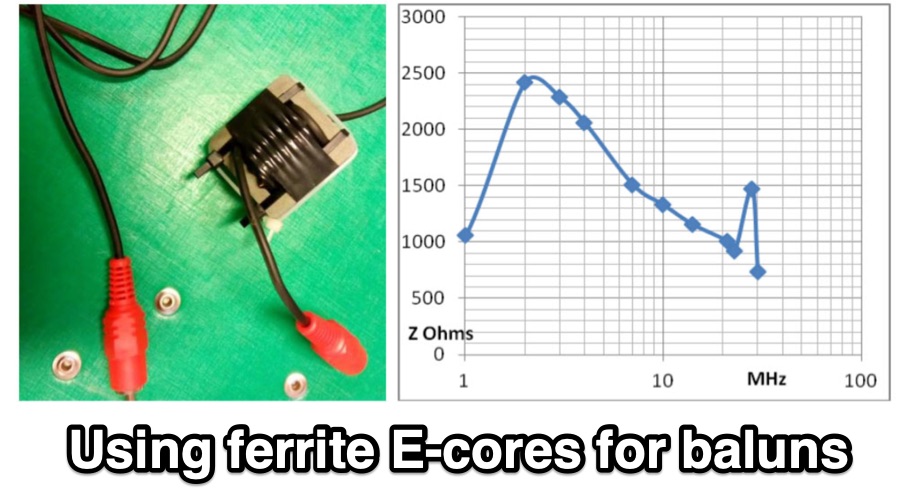 Ferrite E-cores offer a practical solution for constructing baluns, especially when connectors are already mounted on cables. These cores, commonly used in mass-produced pulse transformers, allow for multiple turns without dismounting connectors, making them ideal for control and power supply cables. The material of E-cores is generally suitable for common mode baluns up to 15 MHz, providing a cost-effective option for amateur radio operators. E-cores can often be sourced from old switch-mode power supplies, adding to their appeal for those looking to utilize existing resources. A notable example involves a balun on a USB cable using a Ferroxcube E 32x16x9, 3F3 core with four turns, secured by three cable ties. This setup demonstrates the ease of construction and stability achievable with E-cores. Another example features a balun with eight turns of shielded cable with RCA connectors on the same core, achieving 140 uH inductance at low frequencies. The impedance plot for this configuration is measured between the shield ends, illustrating the effectiveness of E-cores in practical applications. The article includes detailed figures and descriptions, providing valuable insights into the construction and application of baluns using ferrite E-cores. These examples serve as a guide for amateur radio enthusiasts looking to enhance their setups with cost-effective and efficient solutions.
 -
 In an innovative analysis, Michael G7VJR employs NeuralProphet to predict ham radio modes' usage trends. The AI model, leveraging deep learning, forecasts a steady FT8 dominance, with slight declines in CW and Phone activities. This approach simplifies statistical predictions, showcasing the power of AI in understanding complex patterns and facilitating insightful time series projections. Access the freely available Club Log data for continuous exploration.
 -
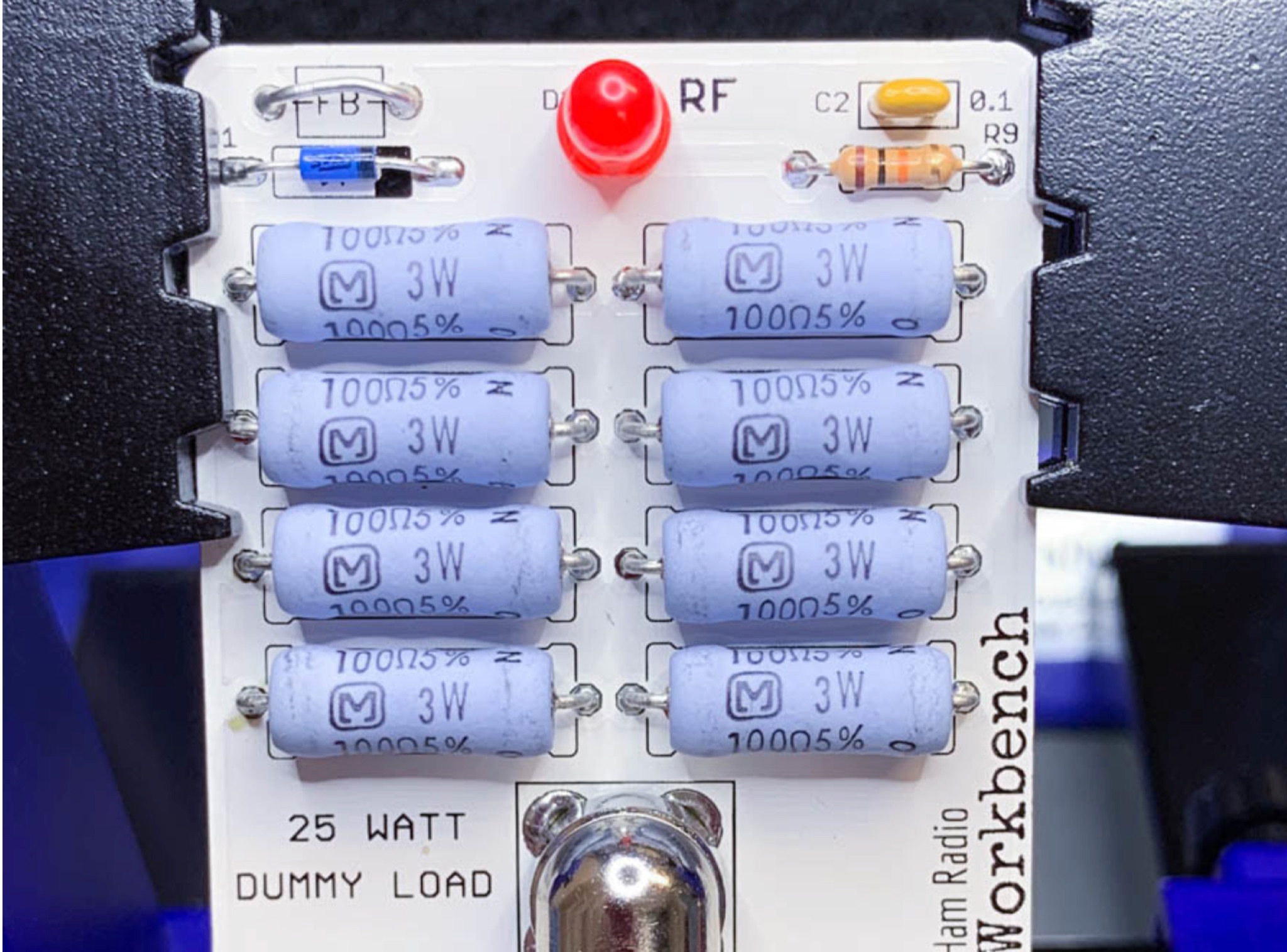 This page provides a detailed guide on building a 25 Watt QRP dummy load for hams. It includes a list of required parts and supplies, along with a documentation section. The project is aimed at hams interested in QRP operations and looking to build their own dummy load. The page offers step-by-step instructions and resources to help hams successfully complete the project.
 -
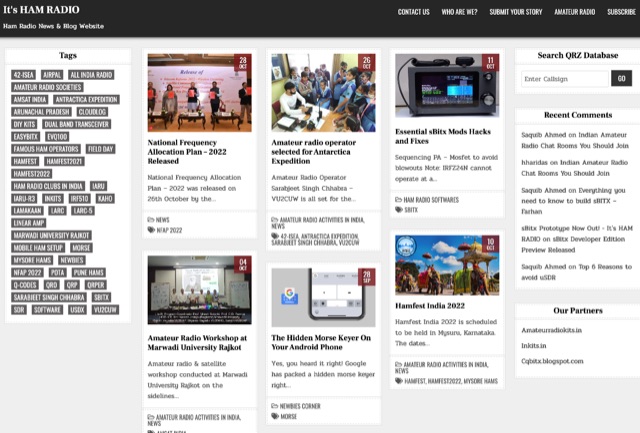 Focusing on the Indian amateur radio community, this resource provides a collection of articles covering news, technical tutorials, and DIY project instructions. It features content on various aspects of ham radio, including club activities, circuit ideas, and general information relevant to operators in India, often referencing local events and regulations. The site serves as a central point for information exchange within the region. The author, VU3HZW, shares insights and practical guidance, drawing from personal experience to present topics such as antenna construction and station setup. The content aims to support both new and experienced hams, with articles detailing specific projects and offering practical advice for improving station performance or engaging in local ham radio activities. For instance, one article might detail a simple _QRP transceiver_ build, while another could discuss optimal antenna placement for **local nets**.
 -
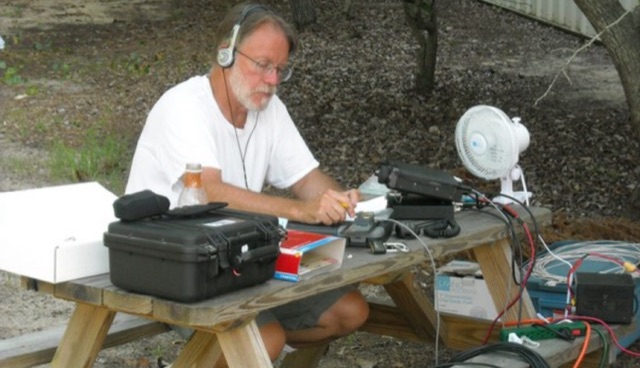 This article is from the book Ham Radio For Dummies and features some tips for portable amateur radio operations, on Field Day or generic outdoor operation, like selecting the proper antenna and portable power.
 -
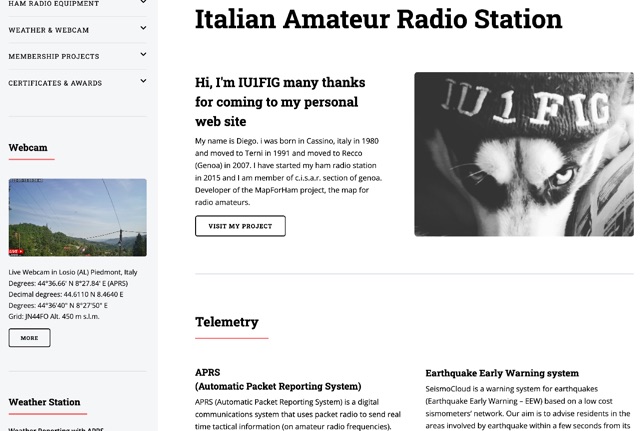 My name is Diego, I was born in Cassino, italy in 1980 and moved to Terni in 1991 and then to Recco (Genoa) in 2007. I have started my ham radio station in 2015 and I am member of c.i.s.a.r. section of Genoa. Developer of the MapForHam project, the map for radio amateurs.
 -
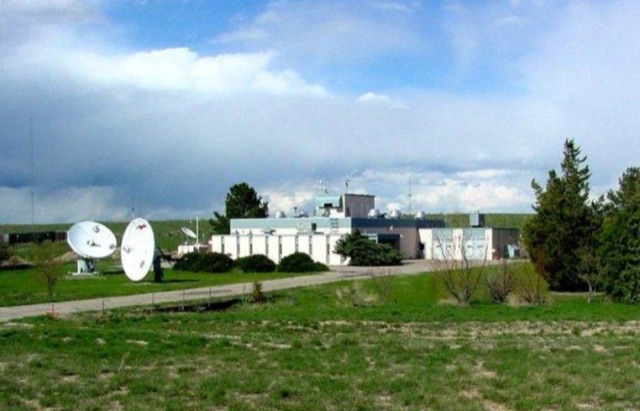 NIST radio station WWV broadcasts time and frequency information 24 hours per day, 7 days per week to millions of listeners worldwide. WWV is located near Fort Collins, Colorado, about 100 kilometers north of Denver. The broadcast information includes time announcements, standard time intervals, standard frequencies, UT1 time corrections, a BCD time code, and geophysical alerts
 -
 This article published on QEX details measurements of tree conductivity and permittivity at HF frequencies, addressing a long-debated topic in amateur radio. N6LF conducted experimental impedance measurements on Douglas fir and maple trees using a vector network analyzer with rings of nails inserted into tree trunks. Results showed that tree conductivity increases with frequency while relative permittivity decreases, similar to soil characteristics. Measured conductivity ranged from 0.06 to 0.4 S/m at 10 MHz, aligning with values used in previous research. These findings validate that NEC modeling can reliably estimate trees' substantial impact on HF antenna performance.
 -
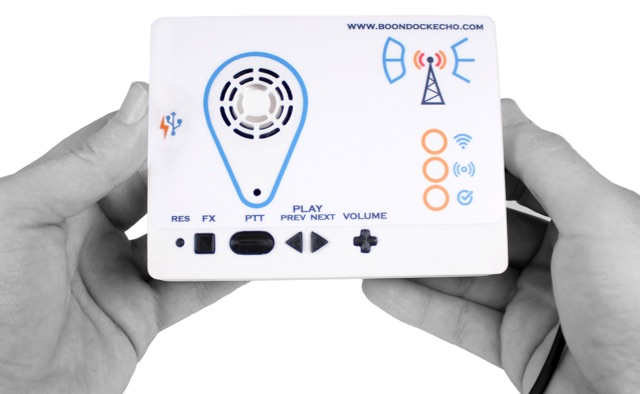 Boondock Echo offers a revolutionary communication experience with an internet-backed recording and playback device for two-way radios. It ensures clear, reliable communication in remote or challenging conditions. Key features include real-time recording, internet connectivity, seamless integration, playback flexibility, rugged design, and a user-friendly interface. Services include product training, hardware maintenance and repair, customization, and regular firmware updates for optimal performance.
 -
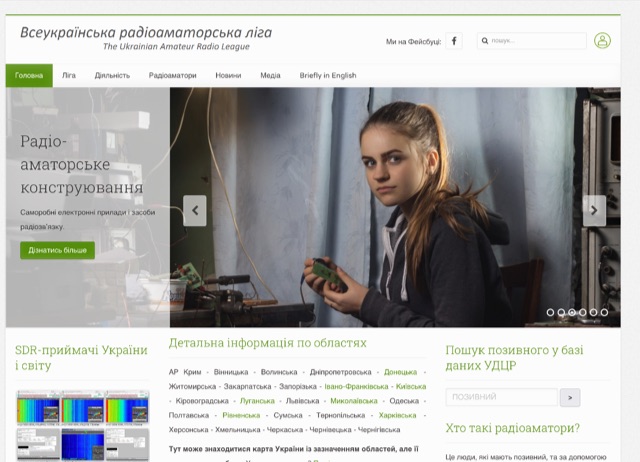 The Union of non-governmental organizations "The Ukrainian Amateur Radio League" (UNGO "UARL") was founded in December of 2015. Currently, there are about 1500 members in the League, representing most regions and cities of Ukraine.
 -
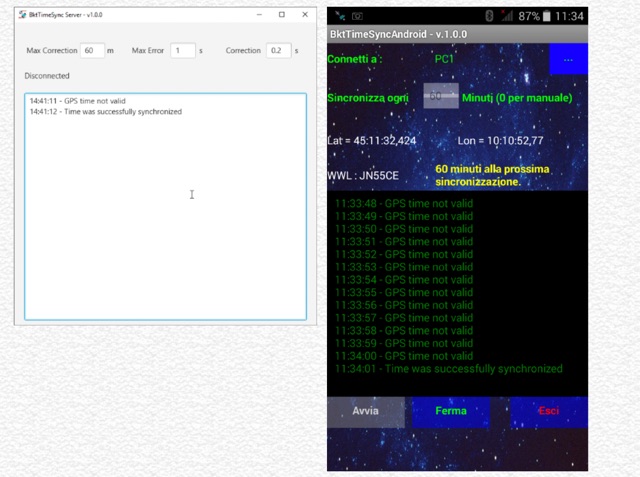 BktTimeSyncPhone synchronizes the PC time using the smartphone GPS connected via Bluetooth. Great for use with digital modes like FT8, JT65, JT9, JS8Call and others, especially when you do not have internet connections. To run this program, you need to install BktTimeSyncServer on your PC and the BktTimeSyncAndroid app on your smartphone. The program works with all versions of Windows 32 or 64 bit and requires Java version 8 or higher. The app requires an Android smartphone version 4.4 or higher.
 -
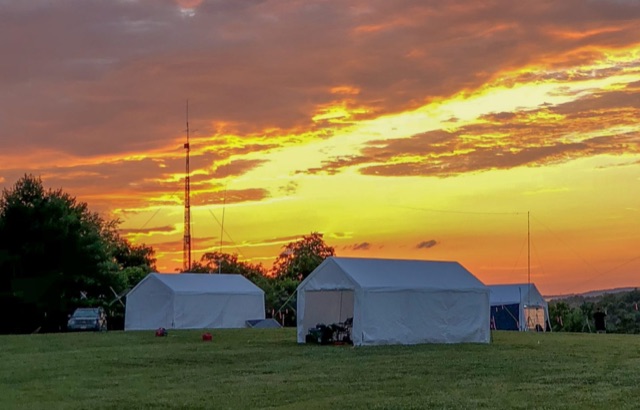 The Loudoun Amateur Radio Group (LARG) of Loudoun County, Northern Virginia, was founded in July 1993. LARG is a family oriented club with a wide variety of activities and interests. Some of these activities include public service, emergency communications support, high altitude balloon radio, camera and video flights, fox hunts, contesting and radio sport DX-ing
 -
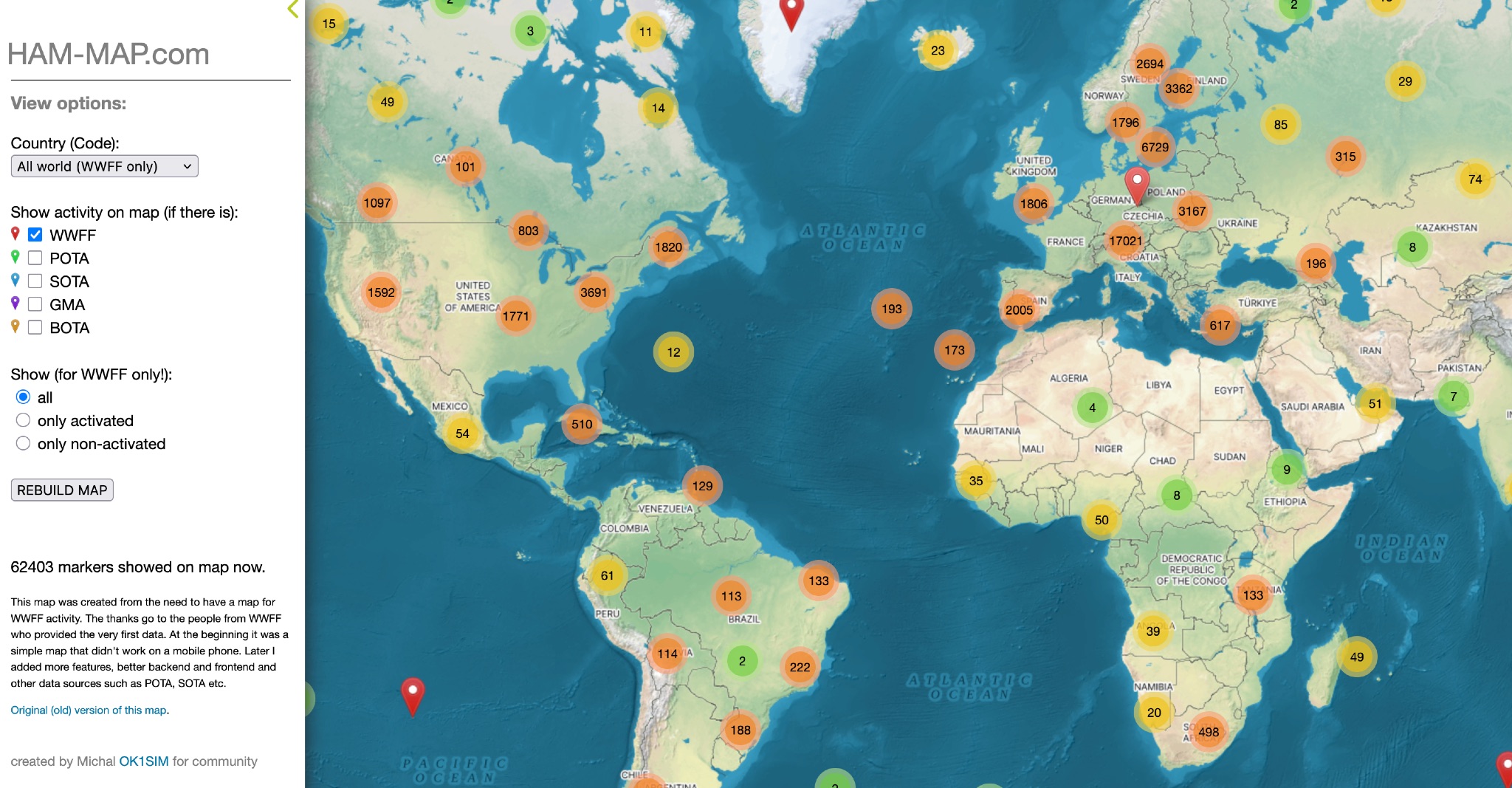 This map was created from the need to have a map for WWFF activity. The thanks go to the people from WWFF who provided the very first data. At the beginning it was a simple map that didn't work on a mobile phone. Later I added more features, better backend and frontend and other data sources such as POTA, SOTA etc.
 -
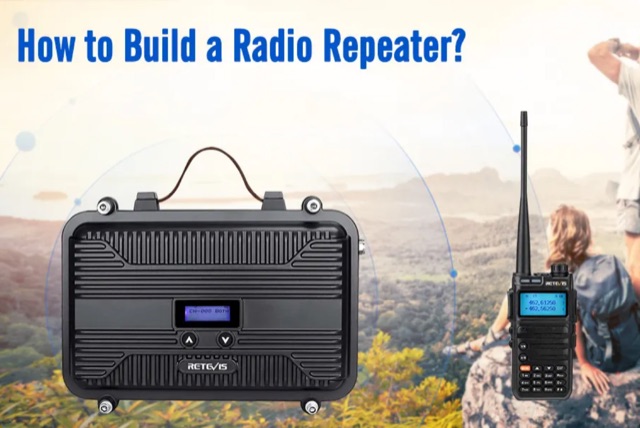 Building a radio repeater enhances communication by extending signal range and overcoming obstacles like mountains or buildings. This guide explains the fundamentals of radio repeaters, their function, and a step-by-step DIY approach. Key steps include conducting a site survey, selecting an optimal installation location, and configuring the system with suitable equipment such as the Retevis RT97 series. Proper placement, antenna setup, and testing ensure effective operation, making this process accessible for enthusiasts aiming to improve communication reliability and range
 -
 Discover how to easily listen to amateur radio bands with insights from Frank SWL, an experienced radio enthusiast. This guide covers essential tips for tuning into frequencies between 10 meters and 160 meters using modern tools like Web SDR and Kiwi SDR. Learn about identifying callsigns, understanding Q codes, and optimizing your antenna setup for better reception. Whether you're a beginner or an experienced listener, this article provides practical advice for enhancing your radio listening experience in 2025.
 -
 NetFinder is the ultimate directory for Ham Radio and SWL enthusiasts, designed to connect Amateur Radio operators through organized nets. Nets are scheduled gatherings on specific frequencies, ranging from formal emergency communication training to casual chats among Hams. Offering a platform for camaraderie and skill-building, NetFinder simplifies the process of discovering nets, fostering deeper engagement in the hobby. With a vision of cataloging every net worldwide, NetFinder aims to make these vital connections accessible to all operators, enriching the Amateur Radio community.
 -
 **APRS TX I-Gate with APRX and the Universal Radio Controller** This project explores the creation of an APRS TX I-Gate to improve message delivery in amateur radio communications. Initial experiments involved configuring a picoAPRS v4 and later a G1LRO Universal Radio Controller (URC) with a Quansheng UV-K5 as digipeaters. While both setups successfully retransmitted signals, they failed to receive incoming APRS messages. To address this, a Raspberry Pi Zero running Debian and APRX-2.9 was repurposed to provide network connectivity, transforming the URC into an effective TX I-Gate for seamless APRS message handling.
 -
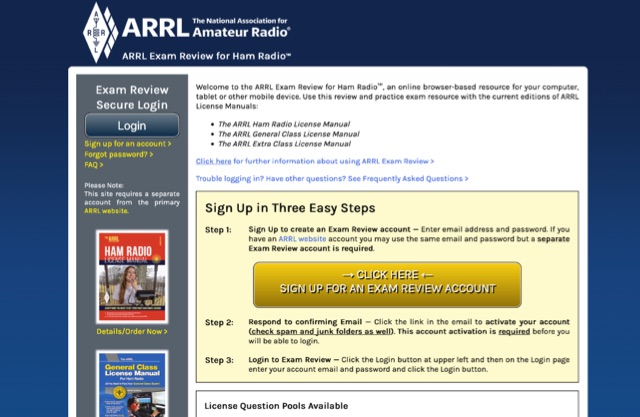 Online browser-based resource for your computer, tablet or other mobile device. Use this review and practice exam resource with the current editions of ARRL License Manuals.
 -
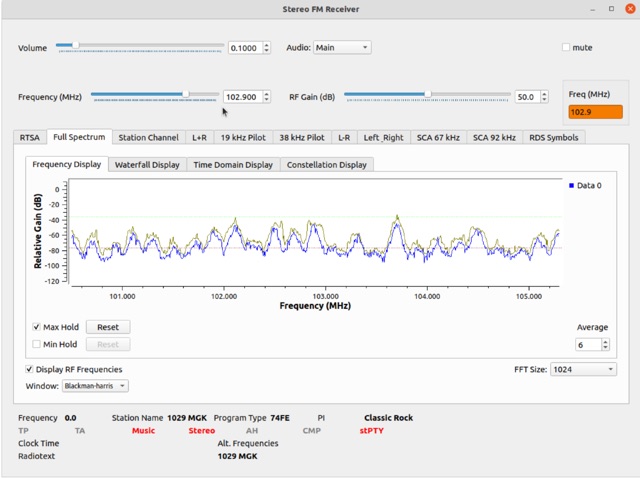 This document outlines various miniature projects undertaken by Mike Markowski to enhance his skills in GNU Radio. Key projects include an FM stereo receiver and an AM radio receiver, featuring advanced functionalities like pilot tone recovery and RDS integration. Additional experiments involve generating Gaussian noise, chirp signals, and Morse code decoding, emphasizing hands-on learning and customization in GNU Radio. The author encourages feedback and shares flow graphs and Python code for each project, aiming to foster community engagement and knowledge sharing.
 -
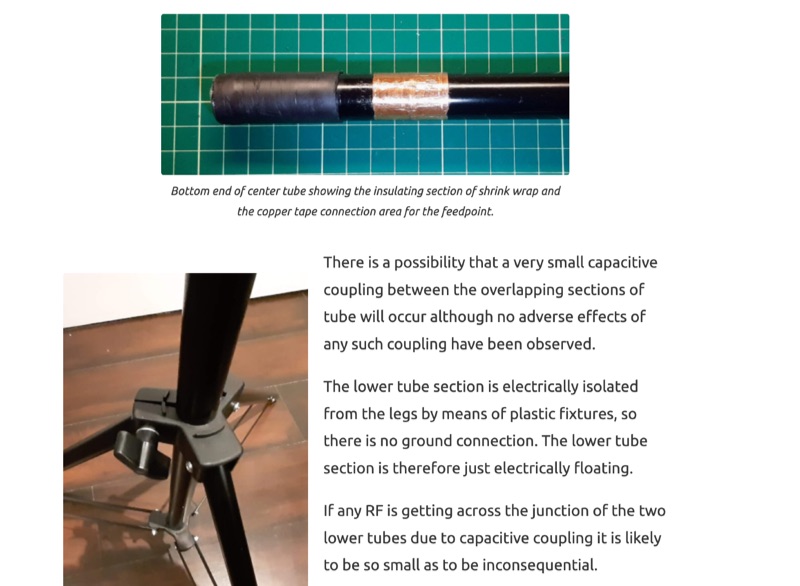 A 13-foot total radiating element length is achieved by combining a Buddipole Long Telescopic Whip with 4 feet of modified tripod tubes, forming a low-profile, multiband antenna for **POTA** operations. The resource details the transformation of an Amazon Basics Aluminum Light Photography Tripod Stand, focusing on electrically isolating the top two radiating sections from the bottom support. John, VA3KOT, outlines component sourcing, including the 9-foot 4-inch fully extended whip, and emphasizes using adhesive copper tape for reliable electrical contact and conductive grease to prevent oxidation at tube connections. The construction process, while not requiring specialized tools, highlights careful assembly to ensure proper electrical conductivity and mechanical stability. The author's experience with this setup suggests its effectiveness for portable activations, offering a discreet profile compared to larger antenna systems. The design prioritizes ease of deployment and transport, making it a practical solution for operators seeking a compact yet versatile antenna for field use.
 -
 The new beginner tutorials for GNU Radio guide users through essential concepts, from installation to creating custom blocks. Topics include flowgraph fundamentals, DSP blocks, and SDR hardware integration. Intermediate and advanced sections cover core mechanics, modulation techniques, and developing out-of-tree modules, fostering a comprehensive understanding of signal processing.
 -
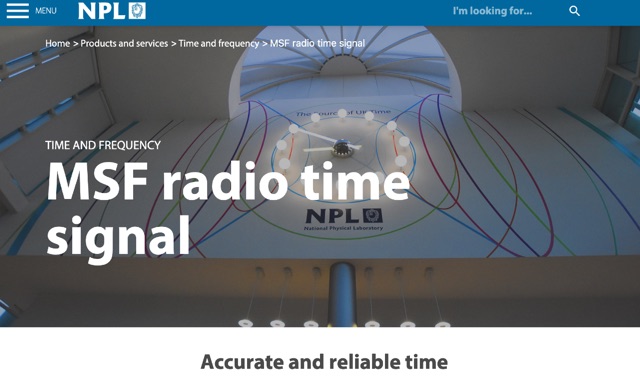 The MSF radio signal is a dedicated standard-frequency and time broadcast that provides an accurate and reliable source of UK civil time. It is available 24 hours a day across the whole of the UK and beyond. The signal operates on a frequency of 60 kHz and carries a time and date code that can be received and decoded by a wide range of readily-available radio-controlled clocks.
 -
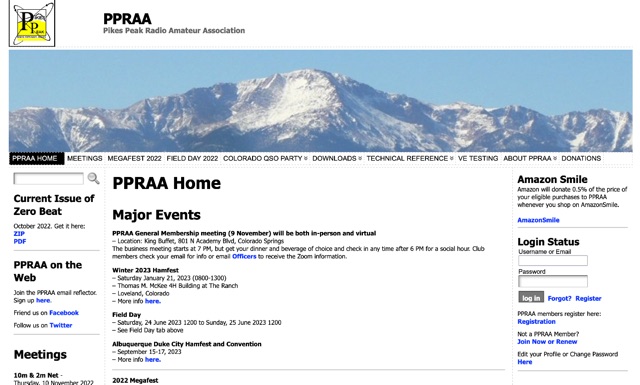 The Pikes Peak Radio Amateur Association (PPRAA) serves as an ARRL Special Service Club, providing a calendar of events and activities for its members and the wider amateur radio community. The resource details upcoming events such as the USS Pueblo Memorial Museum Ships Weekend activations, a Cubical Quad Antenna Workshop, LARCFest, and various hamfests including Dayton Hamvention and Duke City Hamfest. It also lists on-air activities like a FreeDV digital voice mode event on 10 meters, a Black Friday Simplex Event on 2M and 70cm, and a 10m event for Technician class operators, emphasizing SSB privileges from 28.300 to 28.500 MHz. The PPRAA's event schedule includes educational opportunities like a Technician Class and a Soldering Workshop, alongside social gatherings such as the PPRAA Picnic and Car Show. Past event summaries highlight successful activities like the 2024 Megafest Raffle, Winter Field Day, and multiple fox hunts utilizing frequencies like 147.420, 147.480, and 147.540 MHz. The club actively supports POTA activations, exemplified by their AF0S park activation at Cheyenne Mountain State Park, and participates in historical commemorations like the USS Pueblo Memorial operations, demonstrating a broad engagement across various amateur radio facets.
 -
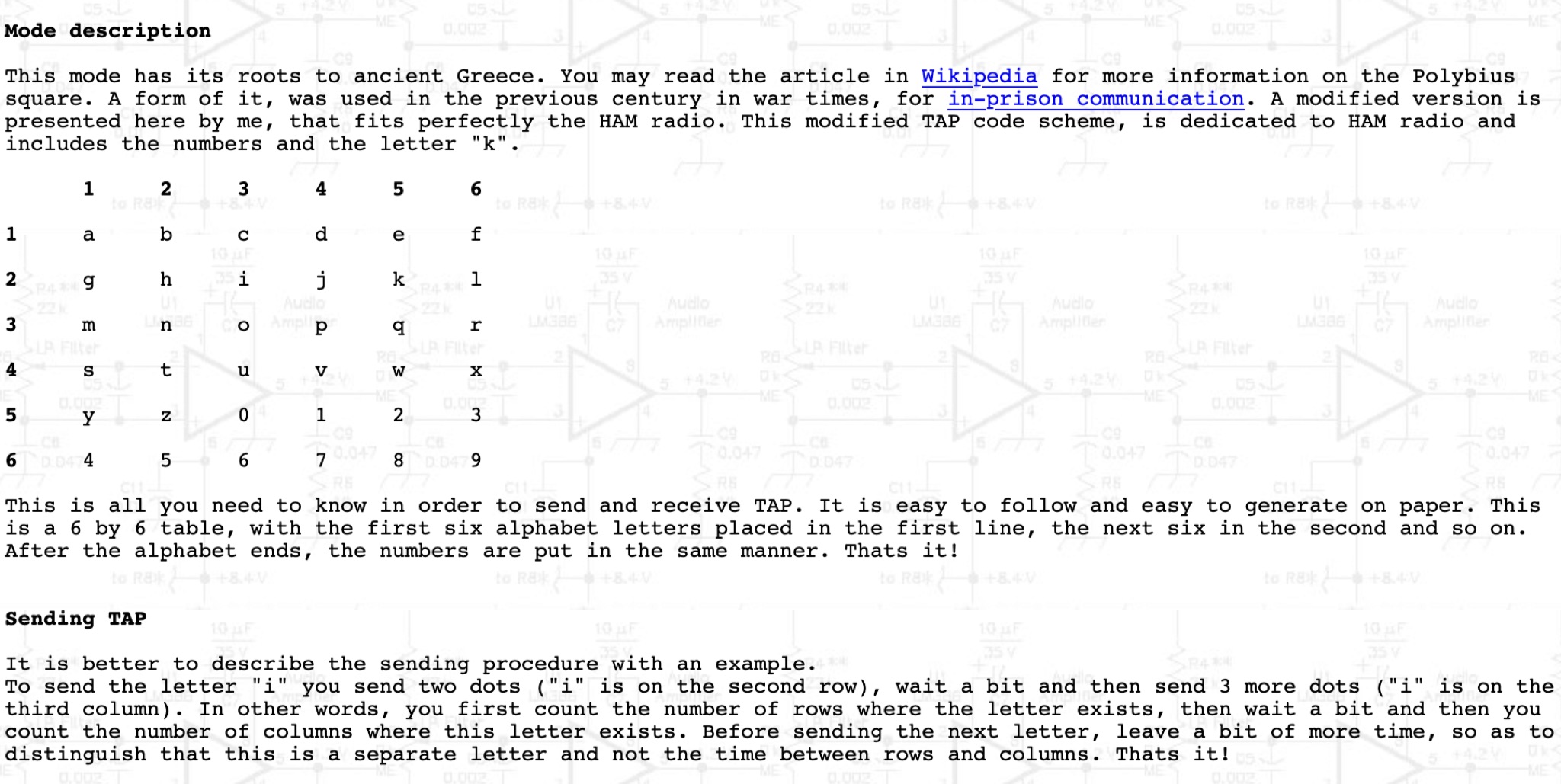 This article introduces TAP, a morse code alternative mode designed for HAM radio operators. Developed by sv3ora, TAP eliminates the need for extensive training and provides a user-friendly communication option. Learn more about this innovative mode and how it can enhance your radio experience. Visit the main site for additional information.
 -
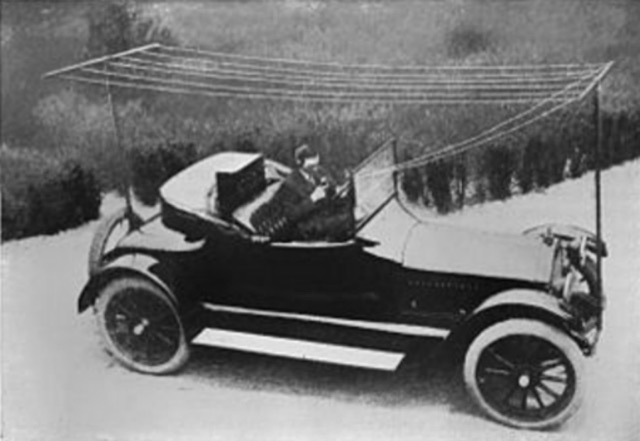 his historical account traces the development of car radios from Marconi's mobile wireless telegraph station on a steam engine vehicle in 1901 to Motorola's iconic car radio models in the 1930s. It highlights key milestones such as Alfred Grebe's radio-telephone experiments on Long Island and the introduction of Marconi-Phone 8 radios by the Daimler Company in England. The narrative explores technological advancements, including the transition from TRF to Super-Heterodyne circuitry and the integration of push-button controls. The evolution from vacuum tubes to transistors and compact discs is also documented, showcasing the continuous innovation in automotive entertainment systems.
 -
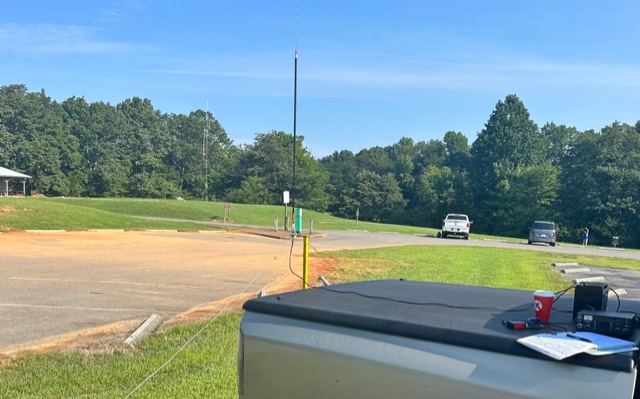 In his POTA activation, WK4DS experimented with radials for hamstick antennas. Despite sun and RF noise challenges, successful connections were made. Surprisingly, tuned radials proved unnecessary, simplifying setup. Hamsticks demonstrated versatility across frequencies. Increased power improved signal quality, sparking his curiosity for further exploration in radio technology.
 -
 This PDF file provides detailed information on HF propagation for ham radio operators. It covers the principles of how radio signals travel over long distances, including factors that affect signal strength and propagation. The content is useful for hams looking to improve their understanding of radio communication and optimize their transmissions. Whether you're a beginner or an experienced operator, this resource offers valuable insights into HF propagation that can enhance your communication skills and efficiency on the airwaves.
 -
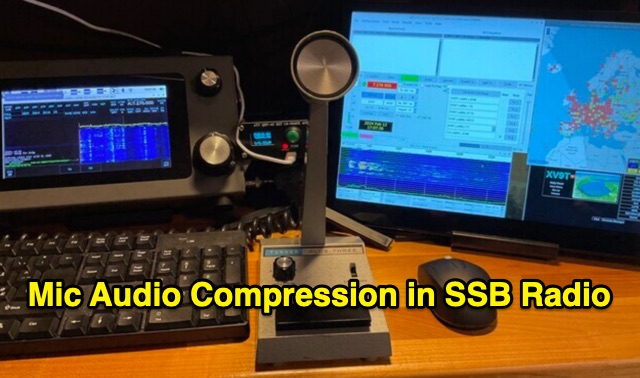 Single-sideband (SSB) radio enhances spectral efficiency but poses challenges with audio intelligibility, particularly in noisy conditions. A microphone audio compressor addresses these issues by dynamically managing the audio signal’s dynamic range. It amplifies quiet sounds and attenuates loud ones, ensuring consistent audio levels for improved clarity. Benefits include increased intelligibility, higher average power, and reduced spurious emissions. While essential for optimal SSB performance, careful parameter adjustment is crucial to balance natural sound quality and effective communication across various operating modes.