DIY Transverters for Amateur Radio Bands
Find schematics, circuits, and construction details for building transverters to operate on various ham radio frequencies.

Transverters allow hams to operate on bands not directly supported by their main transceiver, typically extending HF or VHF rigs to higher microwave frequencies. These devices convert a signal from an intermediate frequency (IF) band, like 28 MHz or 144 MHz, to a desired operating frequency, such as 432 MHz or 1296 MHz, for both transmit and receive. This approach lets operators access less common bands for DX, satellite operation, or local QSOs without needing a dedicated, often expensive, radio for each band.
Many operators enjoy building their own transverters, often as homebrew projects for bands like 6 meters, 70 cm, or even 23 cm. You can find detailed schematics and construction guides for various designs, including QRP transverters and those using specific IFs like 10 MHz for Softrock interfaces. Projects by well-known designers such as DK7ZB and DF9CY offer practical examples for extending station capabilities to new bands, enabling activity on everything from 50 MHz to 24 GHz.
Related Categories
-
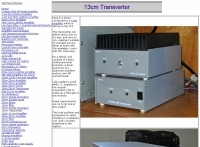 This transverter can deliver about 25w on it's own, and runs on 12v, making it suitable for portable service.
 -
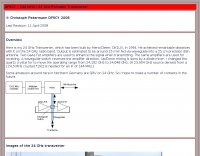 DF9CY 24 GHz Transverter
 -
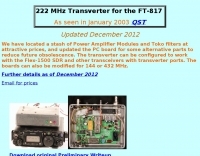 As seen in January 2003 QST
 -
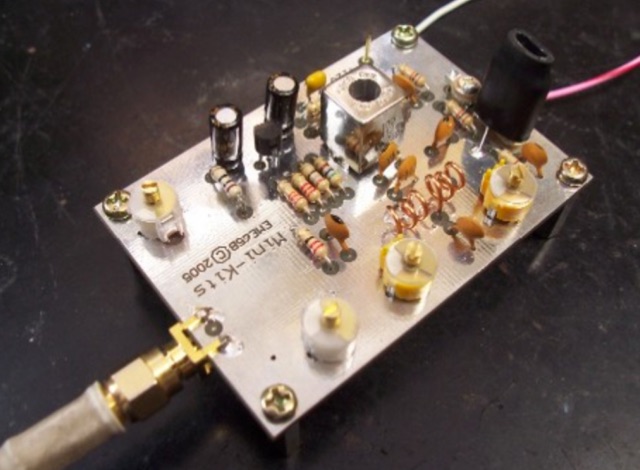 A homemade 23 cm transverter project with several building steps and pictures
 -
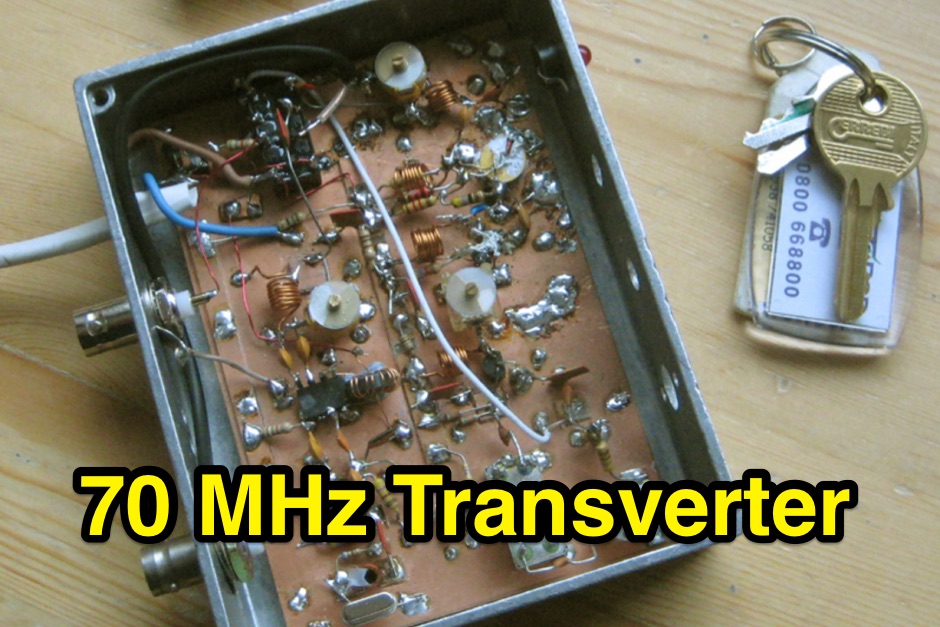 A 70 MHz QRP transverter project
 -
 Complete 144/50 MHz transverter with GaAs Fet LNA and 400 mW out. No printed circuit board. Schematics and images by Christoph Petermann DF9CY
 -
 This transverter was built in 1994, a discription in three parts (german language) for DOWNLOAD as PDF-files. Circuit, printed-boards and layouts in the files
 -
 This purpose of this page is to give a brief description of a 70 MHz transverter that has been published in the Danish amateur radio magazine "OZ"
 -
 Construction of OZ2M 70 MHz transverter
 -
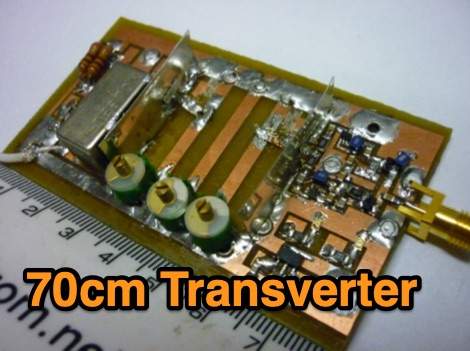
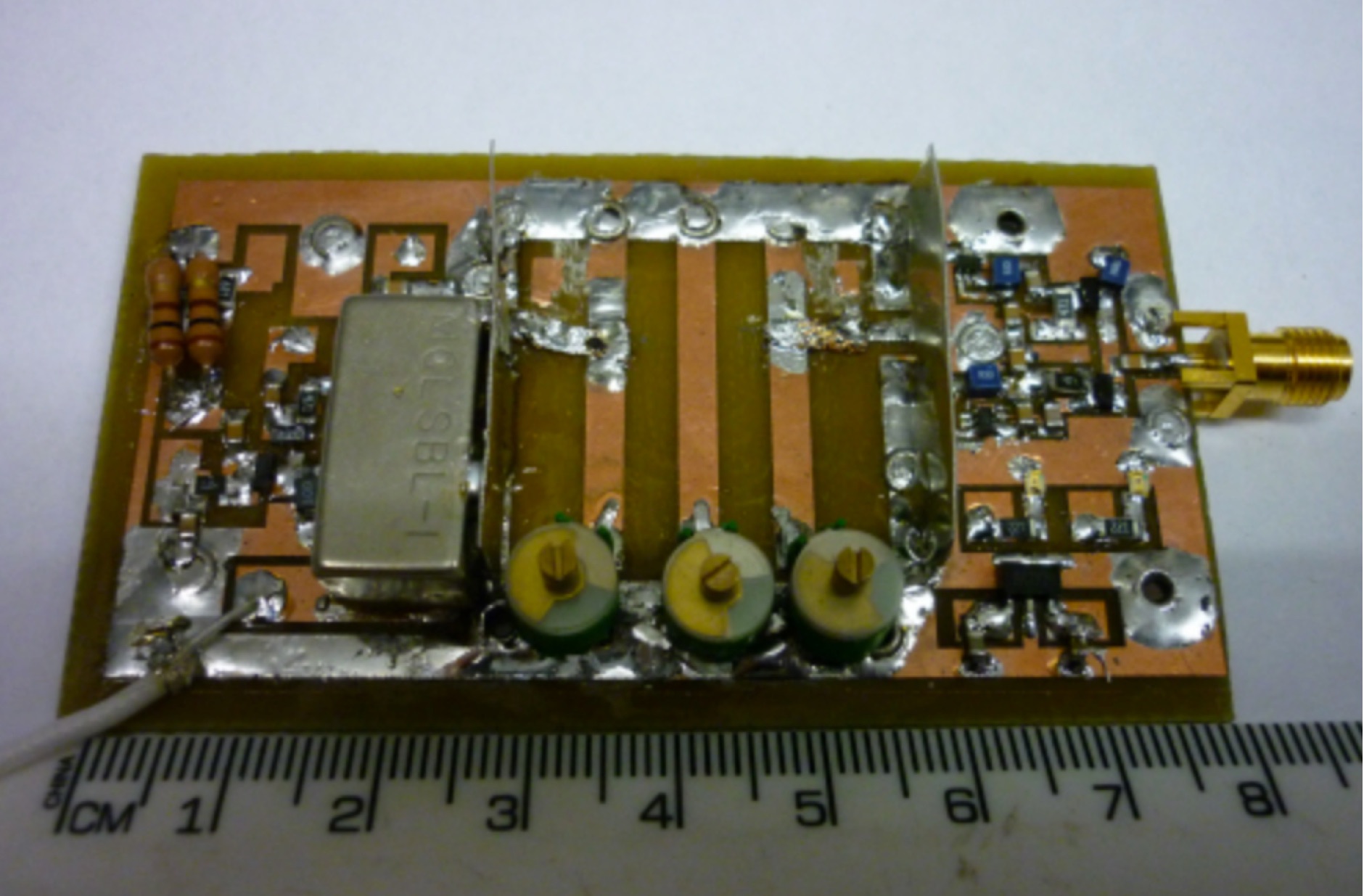 A low cost, low power microwave transverter so that you can operate easily on 70cm band even with a HF or VHF transceiver
 -
 The project in this article illustrates how to do this in a simple and low cost way so that you can easily access the microwave bands using the existing HF or HF/VHF transceiver as IF.
 -
 By Jim Davey WA8NLC
 -
 Transverter for 70MHz, a project by G3XBM
 -
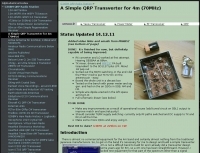 70 MHz transverter, 4m band, by G3XBM
 -
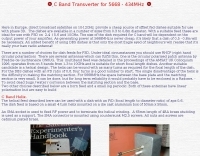 C Band Transverter for 5668 - 434MHz
 -
 F5RDH project of a transverter, that can receive input in HF and convert output to 144 Mhz in french
 -
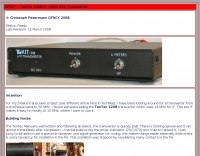 TenTec 1208CY 10/50 MHz Transverter modification by DF9CY
 -
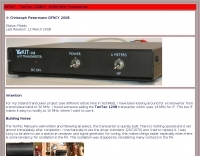 A well-known transverter modified for 10 MHz IF (for Softrock interface use) by DF9CY
 -
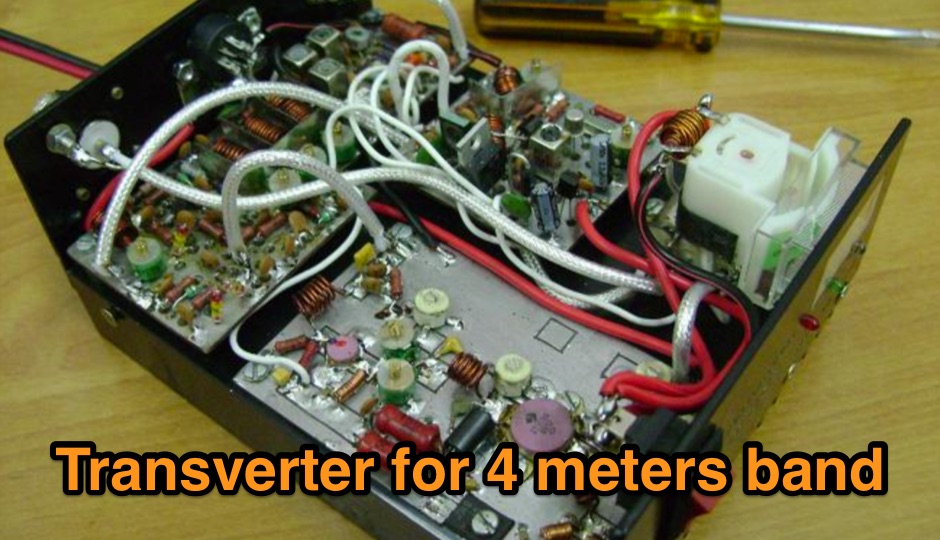 A 70 MHz Transverter project with a block diagram and schematics
 -
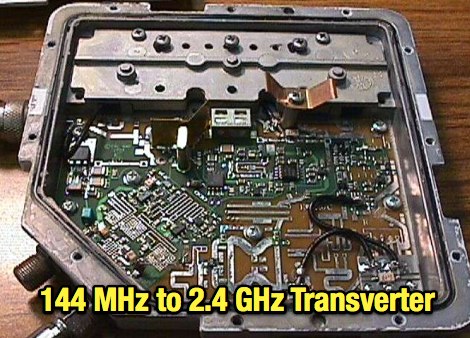 A home made project, scan and monitor the 2.4 GHz band using a common MMDS downconverter.
 -
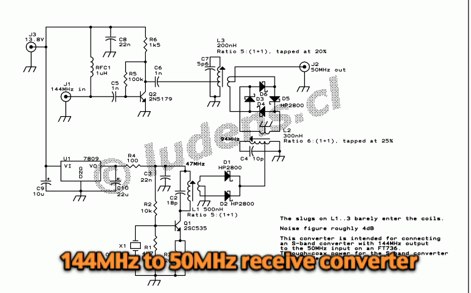 A simple accessory for a satellite station, that allows using a 6 meter capable radio in conjunction with a typical S-band to 2 meter converter
 -
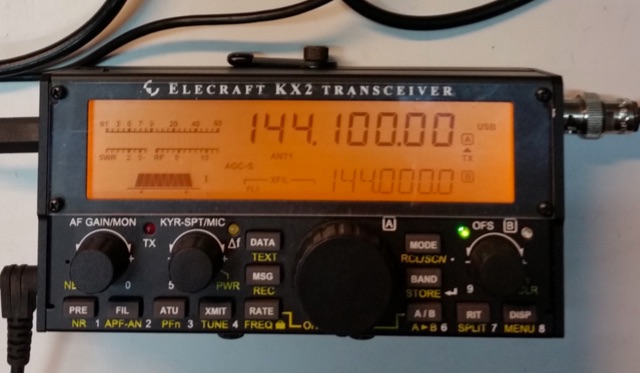 A 144 MHz transverter made by ur3lmz and connected to and Elecraft KX2 transceiver
 -
 A small (FT-817) I.F. radio driving a 100w transverter with a 1db nf front end.
 -
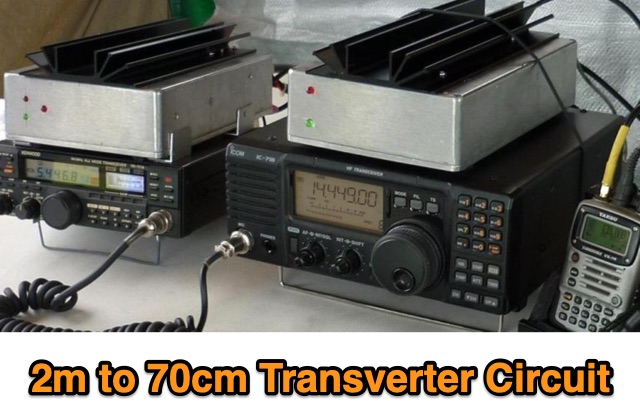 A 70cm / 432 MHz Transverter Project transverter circuit is an electronic device that converts a radio signal from the 2 meter to the 70 centimeter band and vice versa, allowing a single transmitter/receiver to be used for both bands. It consists of an IF stage, local oscillator, frequency multiplier, and amplifier. The circuit must be designed for minimal signal loss, noise and intermodulation distortion.
 -
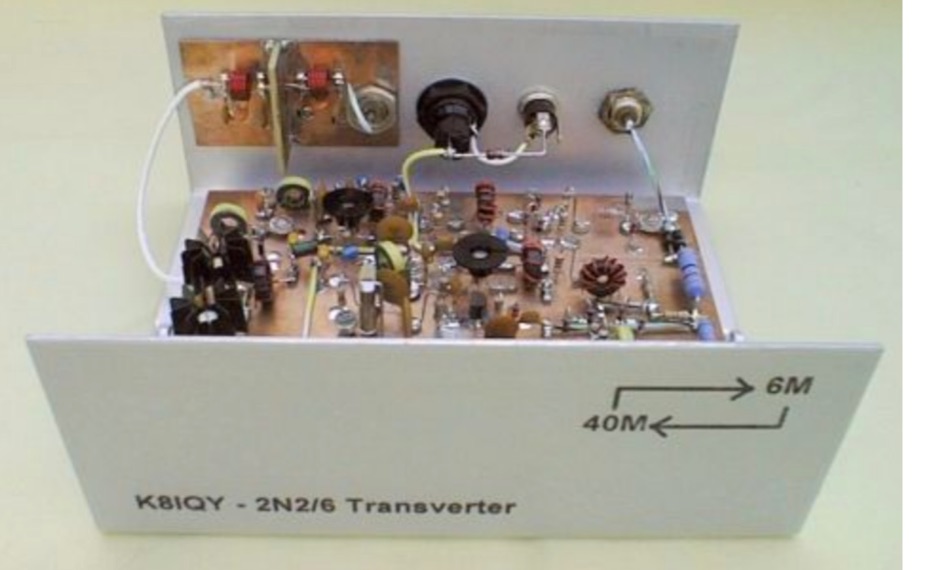 This project is a 40 meter to 6 meter CW "no tune" transverter using ten 2N2222 transistors and one 2N2907. The transverter requires 2 watts of drive from a 40 meter cw transceiver and outputs 2 watts on 6 meters.
 -
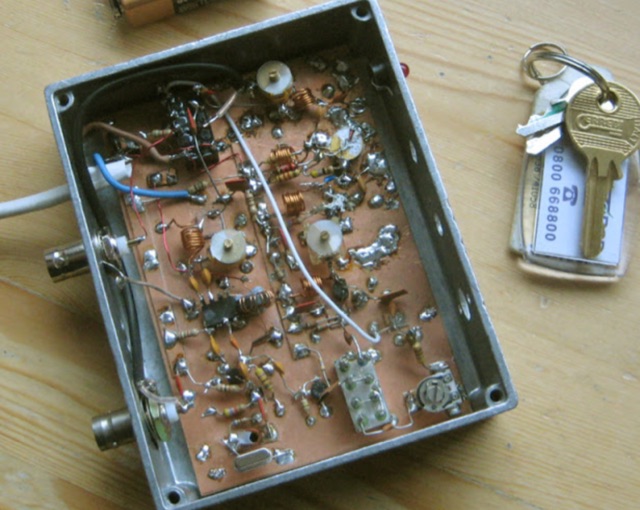 There are few equipment for the 4m band, so to get on the band it could be necessary to design and build a simple transverter.
 -
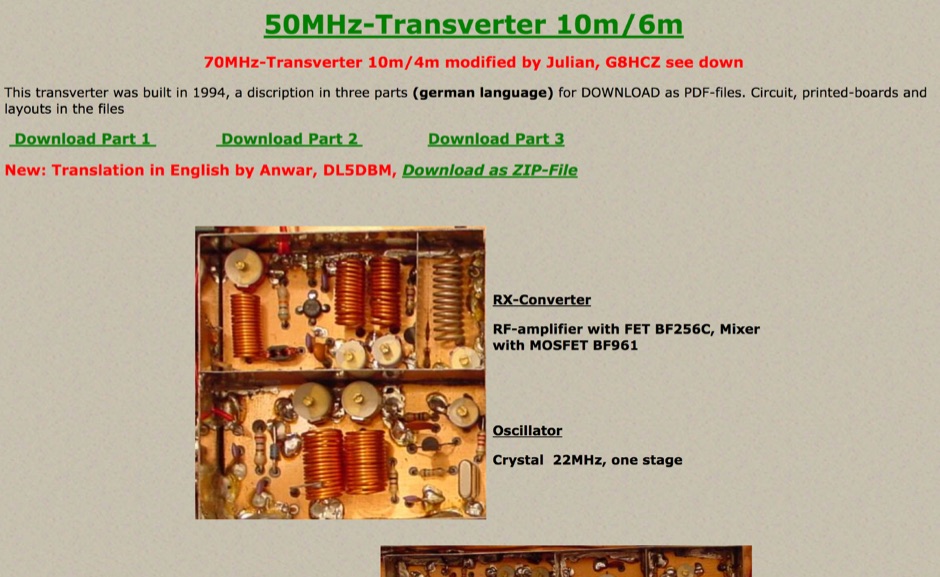 This transverter was built in 1994 and include in this page a pdf with circuit board, and a version of this project for 70MHz.
 -
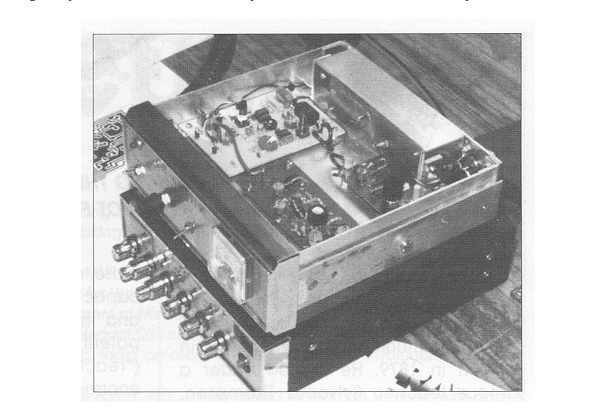 A CB to six meter transverter project by ZS2ACP
 -
 The RXC70/10 is a sensitive 70 MHz to 10-meterband converter using the Philips SA602 mixer IC. It operates with high stability and low noise, converting 70–72 MHz signals to 28–30 MHz for general coverage receivers. The compact, low-power design (15mA) supports various modulations and uses. Its versatility makes it suitable for amateur radio applications with proper tuning and antenna setup.
 -
 Pictures and design plan of a 28 MHz - 70 MHz transverter 3Watts in - 8Watts out by 9A2SB
 -
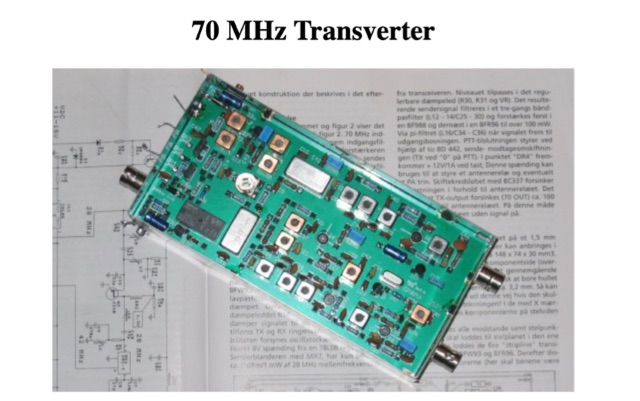 This page gives a brief description of a 70 MHz transverter that has been published in the Danish amateur radio magazine "OZ." This way hams outside Denmark may also benefit from the design.
 -
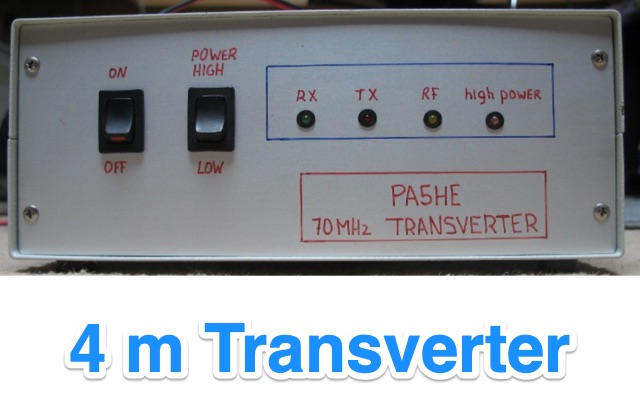 Homemade 4 meter transverter project
 -
 Designed for portable operation, it runs on 12v, and has an OCXO-based local oscillator.
 -
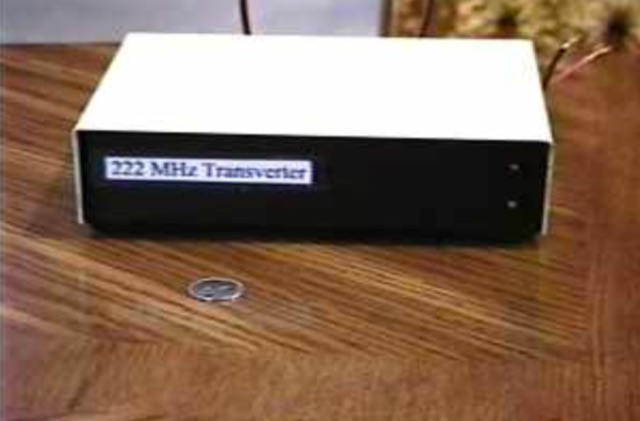 A DIY project for a 222 MHz transverter, originally published in July 1993 QEX magazine. Features a 28 MHz IF for Tx/Rx, with construction notes and
 -
 Construction of 28 MHz to 144 MHz Transmitting and Receiving Converter by KP4MD
 -
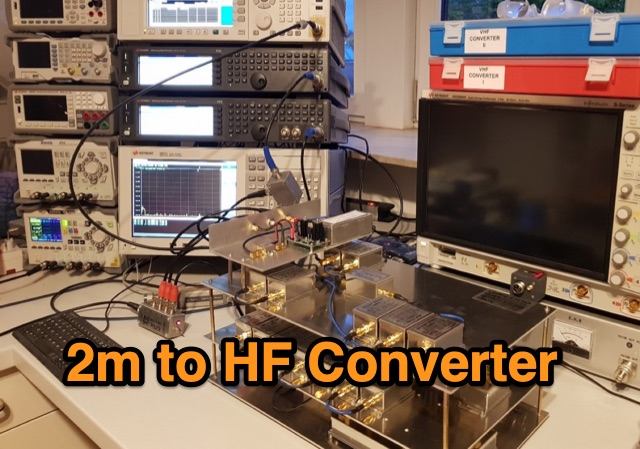 Ulrich L. Rohde N1UL conceived an outstanding 2m to HF receiving converter with specific requirements, including 144-148MHz to 28-32MHz coverage, low noise, high IP3, and a unique modular design. The design decisions emphasize modularity, absence of preselection, stability, and a passive mixer, showcasing Rohde's distinctive approach.
 -
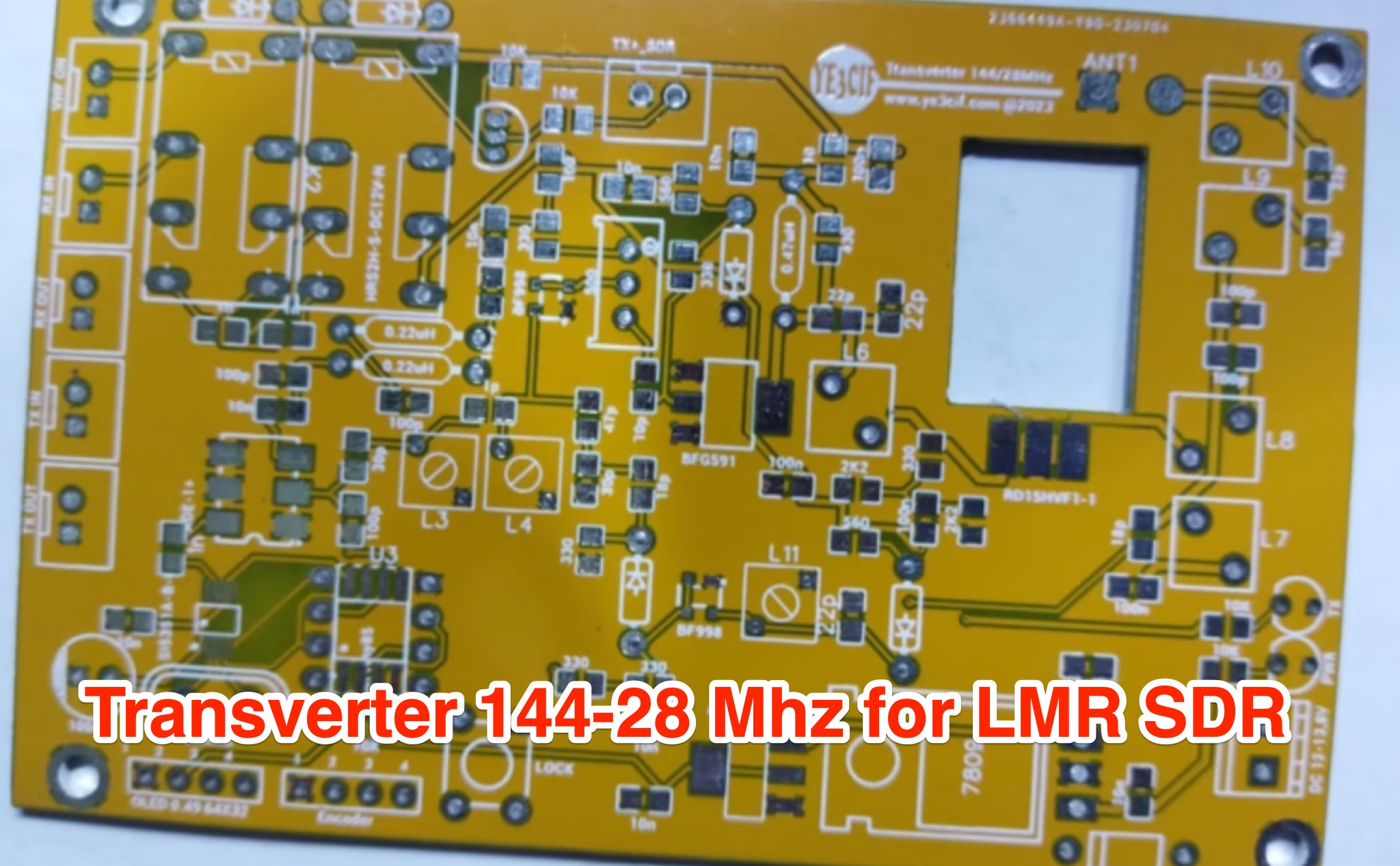 Learn how to build a VHF 144MHz transverter connected to an LMR SDR radio using easily accessible components. The transverter works by mixing the 144Mhz input frequency with a 116 MHz local oscillator frequency. Explore the challenges of finding a 116 MHz crystal and the solution of using a programmable Si5351A oscillator. Follow the provided schematic for the RX and TX sections. The transverter design is still a work in progress, with ongoing trials to achieve optimal results.
 -
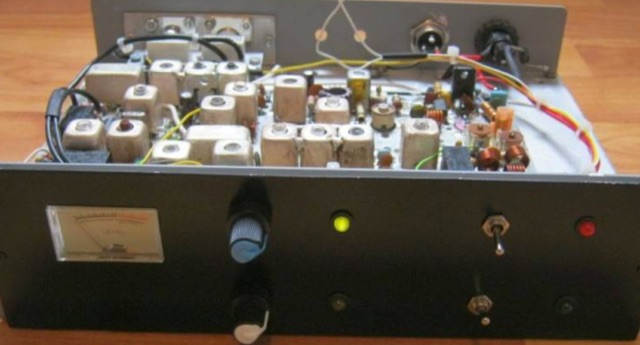 This multiband transverter project features power output at 13,8V 50MHz 15W, 70MHz 10W, second harmonic < 65dBc. Single N connector of antenna, suitable for a dual band Yagi. Article include Block Diagram for Dual Transverter and low pass filters
 -
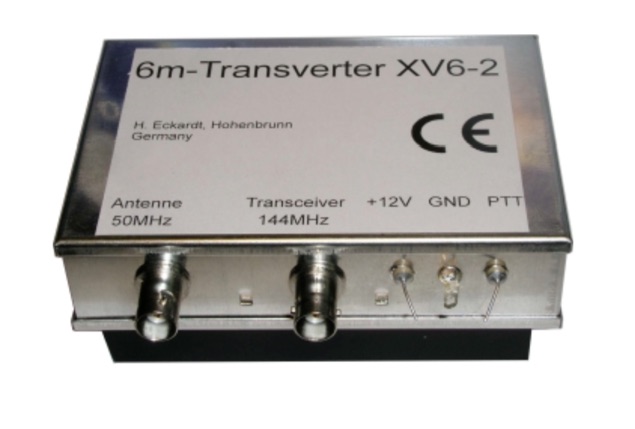 The XV4-10 is a linear transverter for the 4m band to be used with a 10m transceiver. Input frequency 29-30 MHz, output frequency 69.5-70.5 MHz
 -
 10 GHz amateur band transverter
 -
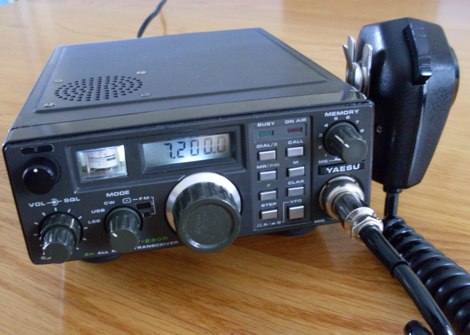 Extending frequency to FT-290R for transverter use