Build or Modify an RF Power Meter for Amateur Radio
Find schematics, plans, and instructions for constructing or adapting power meters to measure RF output and SWR for your ham radio station.

Accurate power measurement is essential for ham radio operators to ensure their stations are operating efficiently and within legal limits. Whether tuning an antenna, adjusting an amplifier, or monitoring output during a contest, a reliable power meter helps maintain optimal performance and prevent damage to equipment. These instruments are crucial for both everyday QSOs and specialized operations across various bands.
This category features numerous homebrew projects for RF power and SWR meters, often incorporating microcontrollers like Arduino Uno or PIC chips for digital displays. Operators can find designs for portable sniffers, high-power meters up to 500 watts, and low-power milliwatt meters for sensitive measurements. Many projects, such as the SWR Mega by OK1DX or the DJ9BV Power Meter, provide detailed schematics and PCB layouts, allowing hams to build their own test equipment. There are also resources for converting commercial units, like the Zetagi HP201, for amateur band use, and information on classic equipment from manufacturers like Bird Electronics.
-
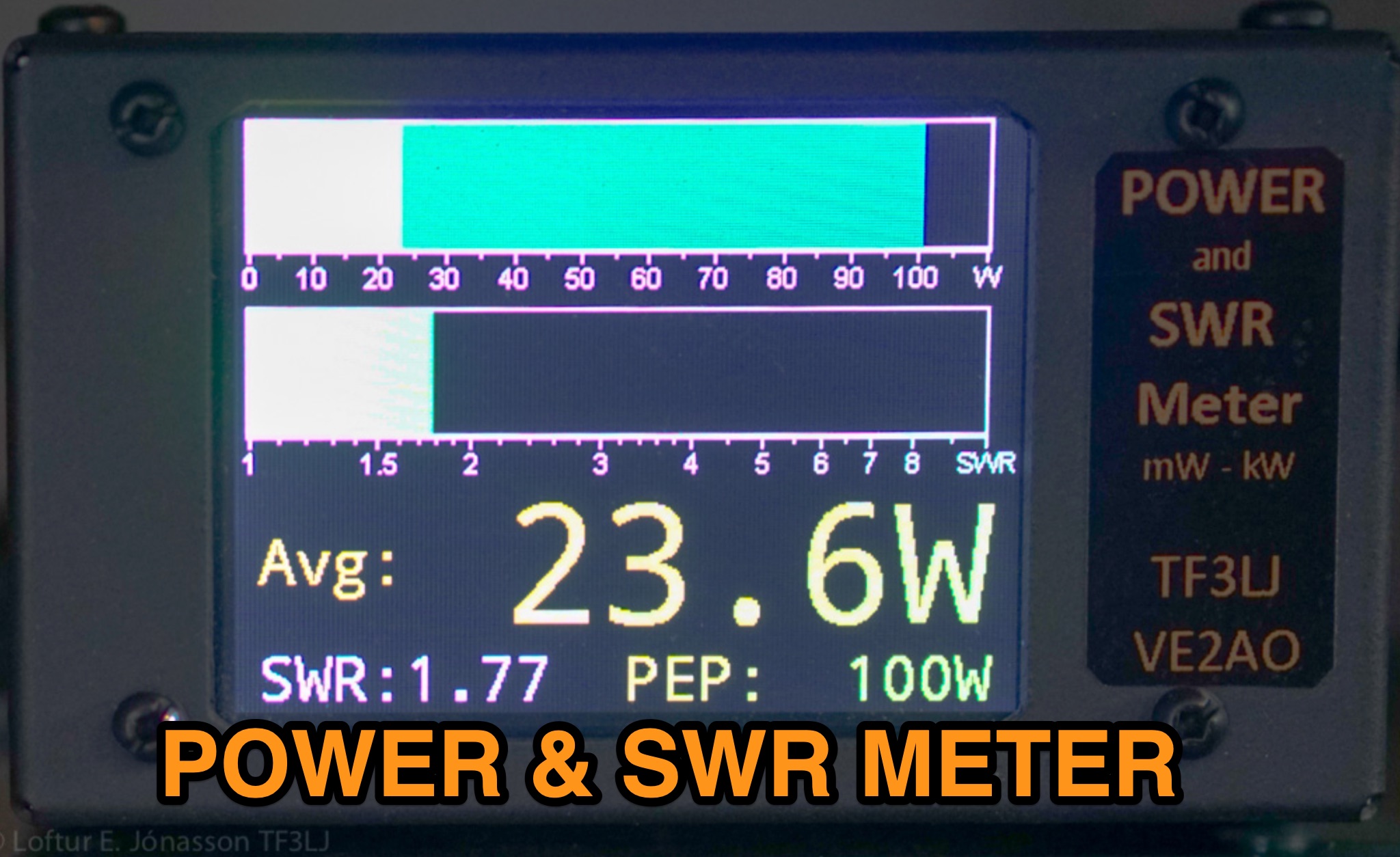 This page describes an update to a project for a Power and SWR Meter for ham radio operators. The update includes a more powerful microcontroller, increased sampling rate, and improved display options. It explains how to use the new components and provides detailed instructions for building the updated meter. The page also offers alternative display options and includes the full source code for the firmware. Overall, this update enhances the functionality and performance of the Power and SWR Meter project, making it more versatile and user-friendly for hams looking to measure RF power and SWR in their radio setups.
 -
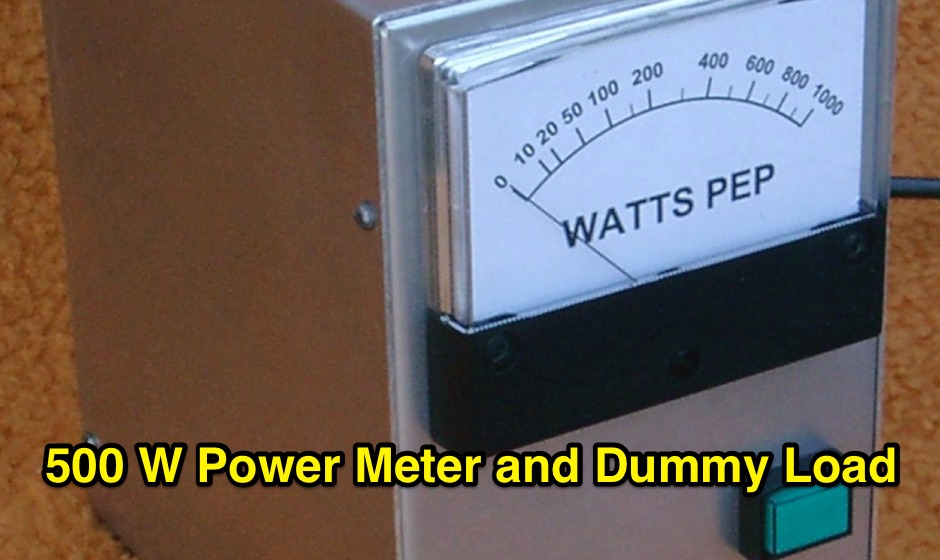 This project was published in the April 2004 issue of the Australian magazine Amateur Radio, and has been designed using parts which are very readily available.
 -
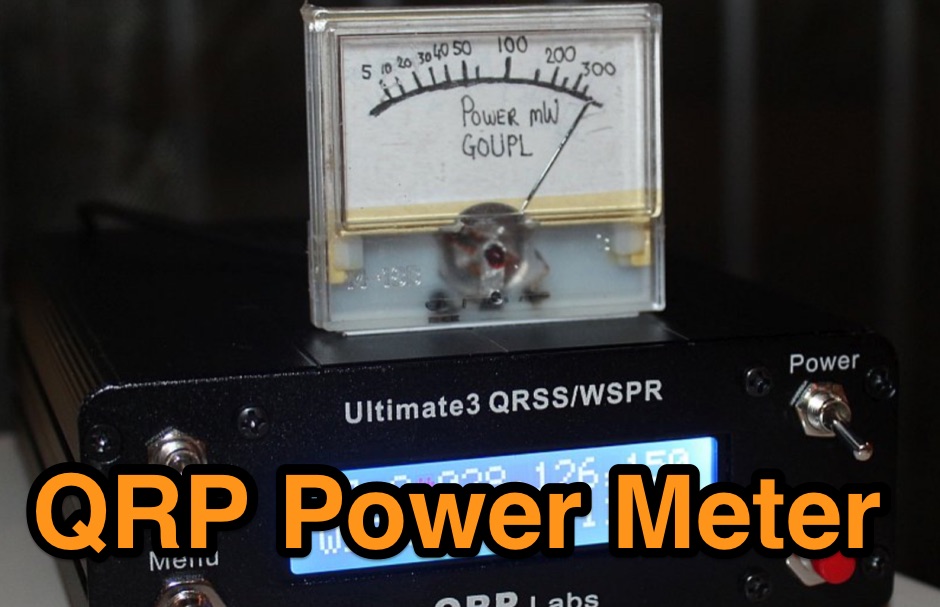 A really simple project to make a power meter measuring RF output powers from a few mW up to half a watt. A DIY amateur radio project for QRP enthusiasts
 -
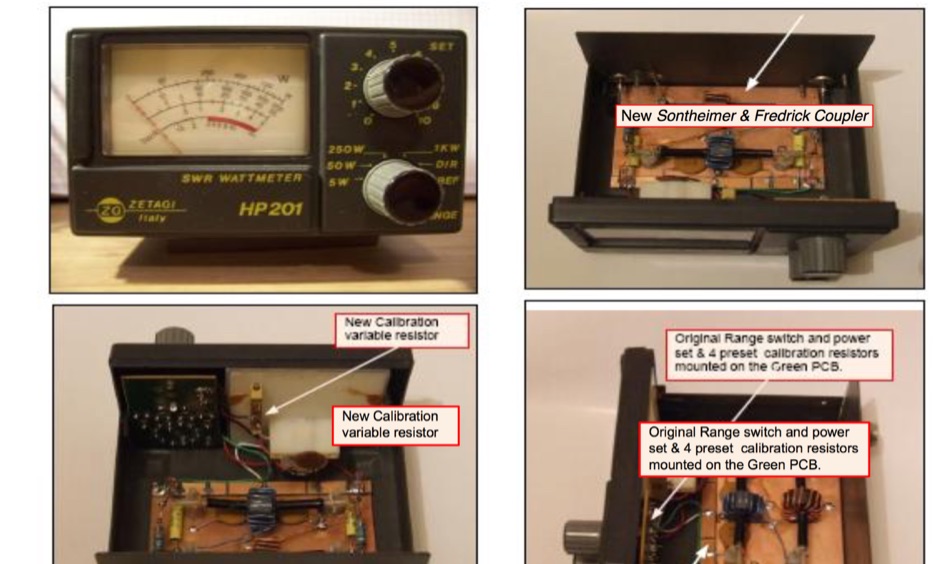 Conversion of Zetagi HP201 SWR wattmeter for HF Amateur Bands by G8ODE
 -
 A PIC16F876 based, automatic 1.8 to 60 MHz Digital SWR/WATTmeter capable of displaying both the SWR and P.E.P.power values, with a bar graph on the second line tracking the instantaneous power.
 -
 The digital wattmeter project was created for the purpose of measuring power in the range of 300nw to 30w.
 -
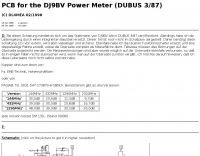 PCB for the DJ9BV Power Meter taken from DUBUS 3/87
 -
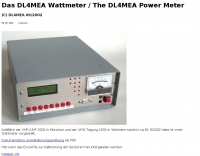 The DL4MEA Power Meter
 -
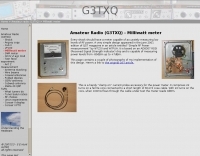 Meter capable of accurately measuring low levels of RF power
 -
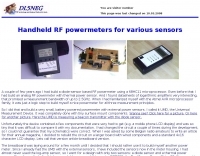 Homebrewed handheld RF powermeters for various sensors by DL5NEG
 -
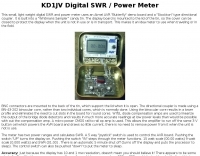 This small, light weight digital SWR and power meter uses an Atmel AVR Butterfly demo board and a Stockton type directional coupler.
 -
 Information on equipment manufactured by the Bird Electronic Corporation, wattmeters, RF loads, switches by I0JX
 -
 Plans and hex code for an RF wattmeter based on an Analog Devices AD8307 log amplifier.
 -
 Whether we are tuning up homebrew equipment, checking antenna VSWR, adjusting a linear amplifier, or just monitoring output power during a contest, almost all aspects of ham operation can use a power meter. Paul Wade W1GHZ
 -
 RF Power Meter using for reading a standard Digital Voltmeter by Iulian Rosu, YO3DAC / VA3IUL
 -
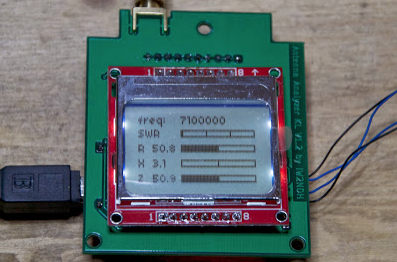 A DIY SWR/Wattmeter project utilizing an Arduino Uno shield, capable of measuring RF power from 2 to 200 watts and SWR across HF bands.
 -
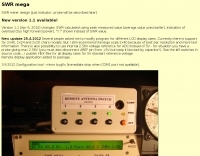 SWR and RF power meter for home usage, 8 different RF probes with different characteristics and power ranges by OK1DX
 -
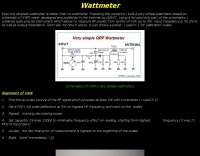 A straightforward QRP wattmeter project by SP5DDJ, adapted from a JA6HIC SWR meter schematic, capable of measuring RF power up to 5W.
 -
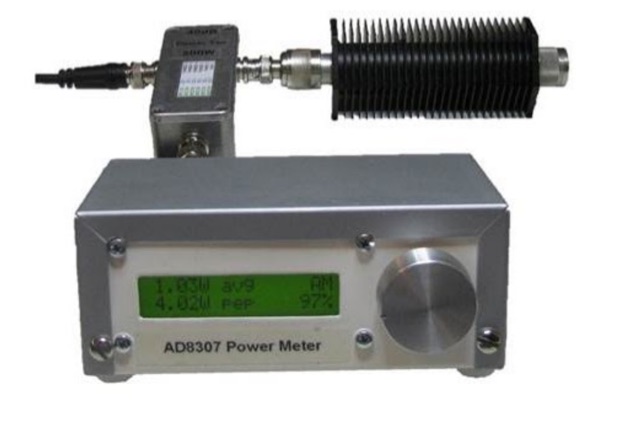 This project goal is to construct a versatile and informative RF power meter. The user-friendly interface, comprehensive power measurement capabilities, and AM detection function make it a valuable tool for various RF applications
 -
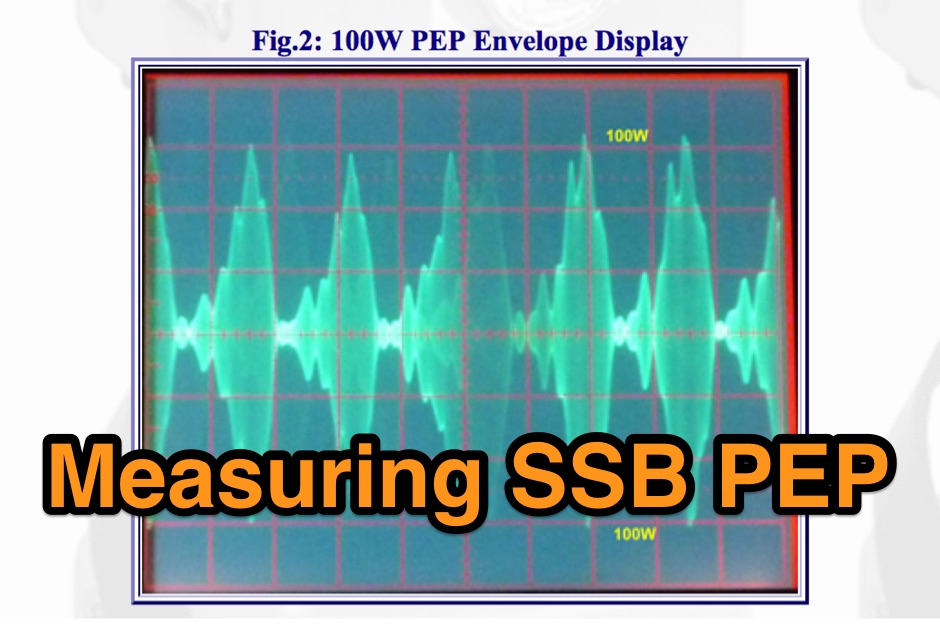 The correct procedure for measuring SSB PEP (Peak Envelope Power), using an oscilloscope with a vertical bandwidth of at least 20 MHz, or a monitor scope.
 -
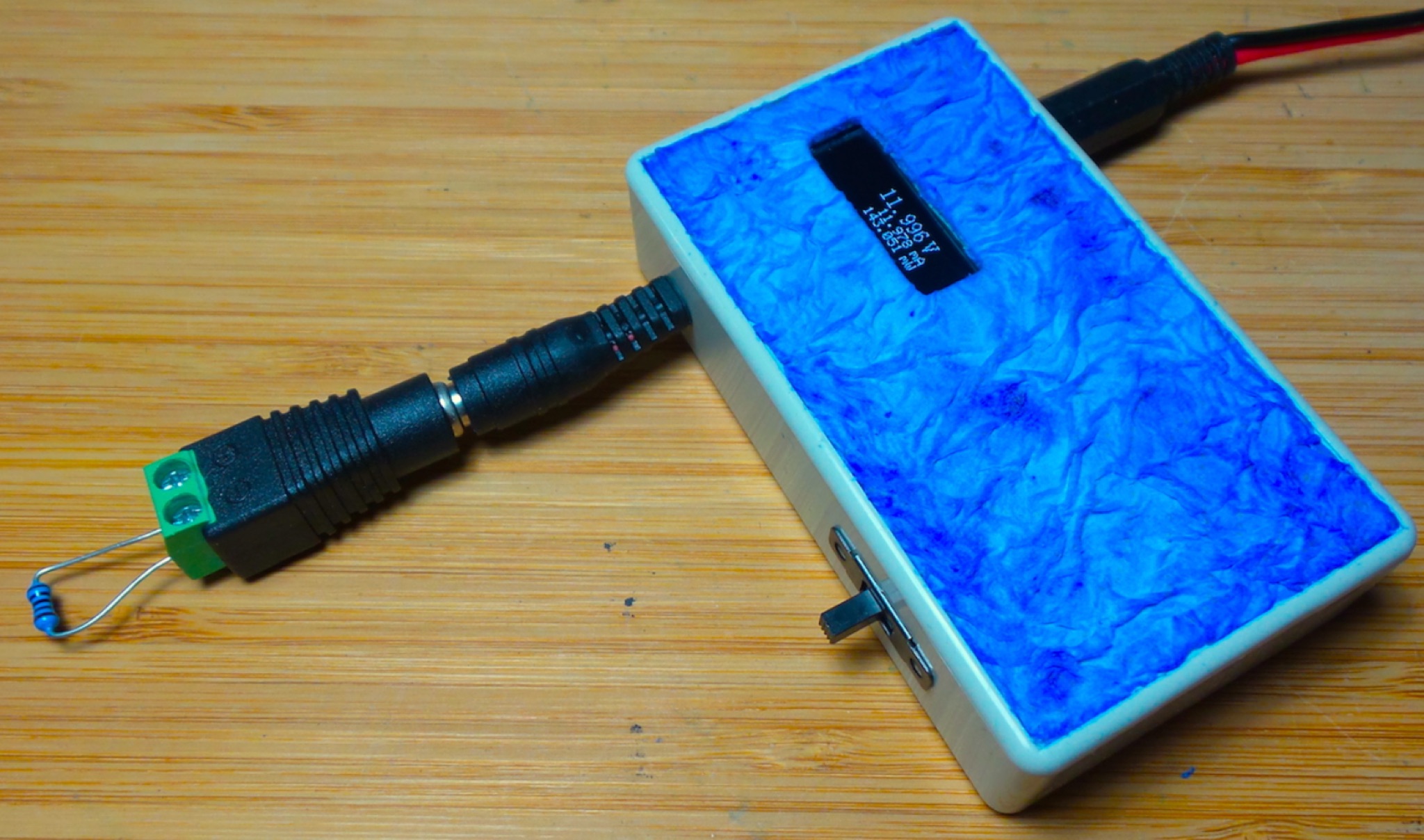 Build a DIY power meter using the INA226 chip and ATtiny85, displaying voltage, current, and power on a 128X32 OLED screen.
 -
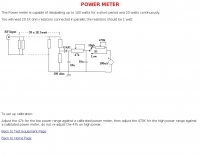 This Power meter is capable of dissipating up to 100 watts for a short period and 20 watts continuously
 -
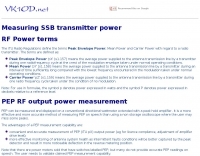 PEP RF output power measurement, and examples RF output power measurements
 -
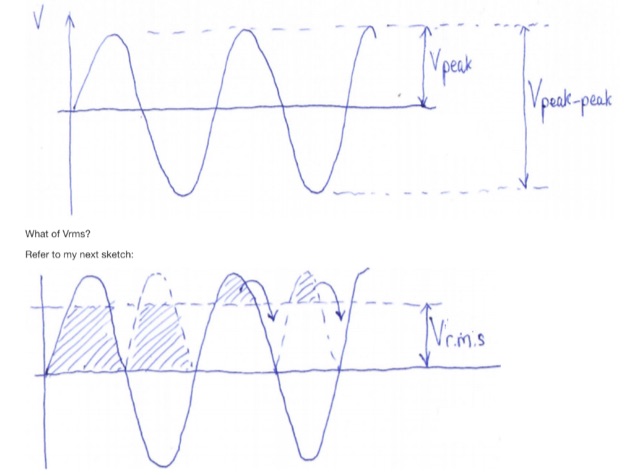 RF Power measurement using a DVM, RF Power measurement using an RF detector, RF Power measurement using an Oscilloscope and using a Spectrum Analyzer