Search results
Query: tic
Links: 954 | Categories: 173
This query is too generic. Please try adding an additional term to focus your research.
Categories
- Antennas > 20M > 20 meter Vertical Antennas
- Antennas > 40M > 40 meter Magnetic Loop Antennas
- Antennas > 40M > 40 meter Vertical Antennas
- Shopping and Services > Aeronautical
- Ham Radio > Clubs > North America > USA > Connecticut
- Ham Radio > Exams > Exam Practice
- Radio Equipment > HF Vertical Antenna
- Manufacturers > Antennas > HF > Magnetic Loop
- Operating Aids > Phonetics and codes
- Antennas > Vertical
- Manufacturers > Antennas > VHF UHF Microwave > Vertical Antennas
- Manufacturers > Antennas > HF > Vertical Antennas
- Radio Scanning > Aeronautical
- Antennas > Magnetic Loop
- Operating Modes > Morse code > Morse Code Practice Audio Files
- Antique Radios > Schematics
- Antennas > Baluns > 1 to 1 Balun
- Antennas > 160M
- Antennas > 20M
- Antennas > 30M
- Antennas > Baluns > 4 to 1 balun
- Antennas > 40M
- Technical Reference > AI Ham Radio
- Radio Equipment > HF Amplifiers > Alpha 9500
- Operating Modes > AM
- Operating Modes > Amateur Television
- Technical Reference > Amplifiers
- Technical Reference > Antenna Launcher
- Manufacturers > Antenna Launcher
- Technical Reference > Antenna Rotator
-
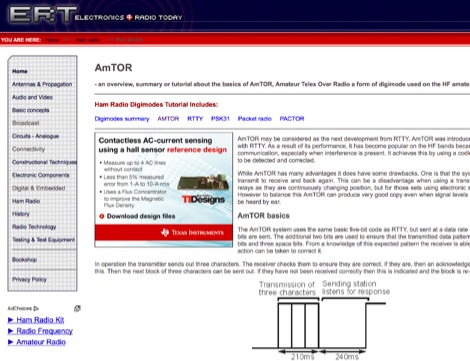 AmTOR may be considered as the next development from RTTY. AmTOR was introduced to overcome the problems with RTTY. As a result of its performance, it has become popular on the HF bands because it gives more reliable communication, especially when interference is present. It achieves this by using a coding system that allows errors to be detected and corrected.
 -
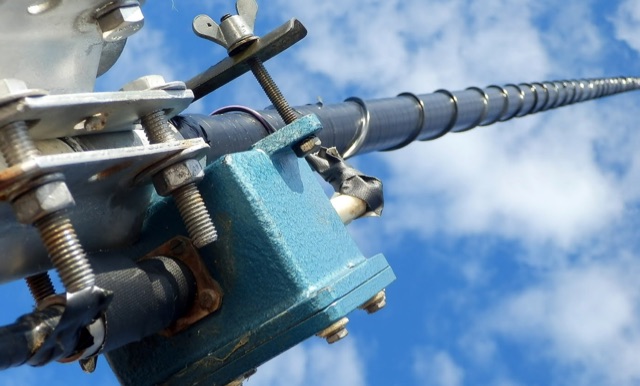 This DIY vertical multi-band Windom antenna offers a practical and effective solution for amateur radio enthusiasts seeking a versatile and compact antenna for HF communications. Its simplicity of construction, multi-band capability, and favorable performance make it a valuable addition to any radio shack. The article provides detailed instructions on constructing the antenna and balun, along with diagrams and component specifications. Field tests demonstrated successful contacts with stations across Europe and North America on 14, 18, and 28 MHz. The antenna exhibited comparable performance to a W3DZZ dipole and outperformed a Cobweb antenna on 18 MHz. Low noise levels were observed, effectively suppressing background noise.
 -
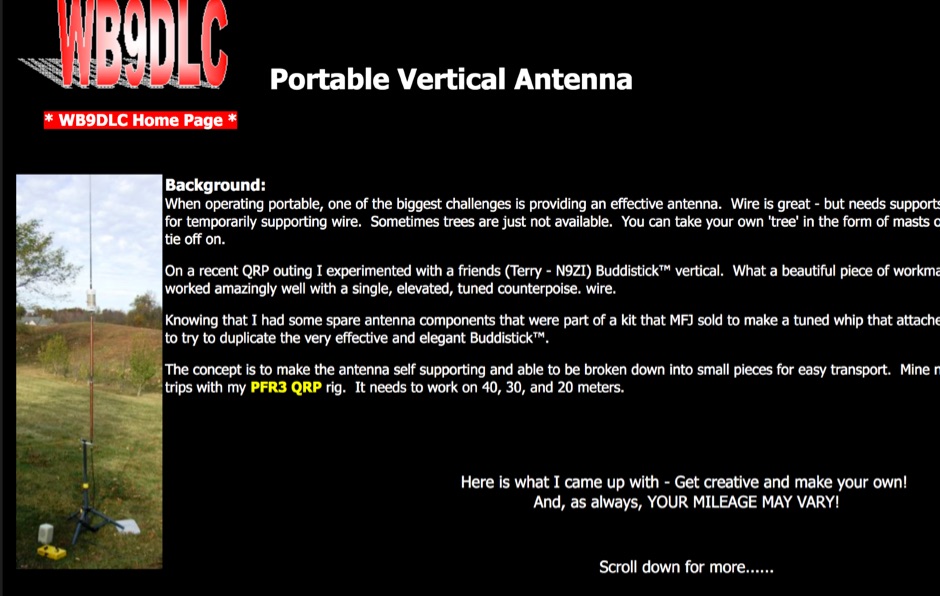 A home made portable vertical antenna, that with a single 1/4 wave counterpoise wire is possible to achieve less than 1.5:1 SWR on 40, 30, and 20 meter bands. It is basically a center load, shortened ground plain vertical antenna.
 -
 N4MW Code Practice Oscillator Museum
 -
 Building the Three-Element Hex Beam. A project and construction phase of an HF hex-Beam antenna using trees to hang the antenna and a Channel Master antenna rotator.
 -
 Drake TR-7 A.M. Transmit Filter Modification
 -
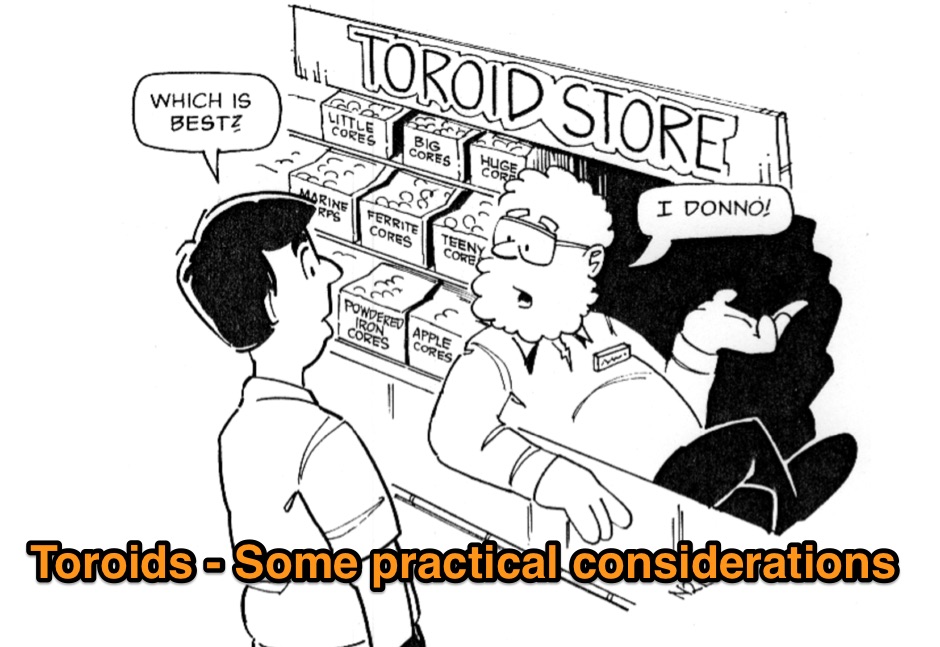 Are you confused when it comes to using toroids? The tips given in this article may simplify your next project. Comprehensive article about choosing the proper toroid.
 -
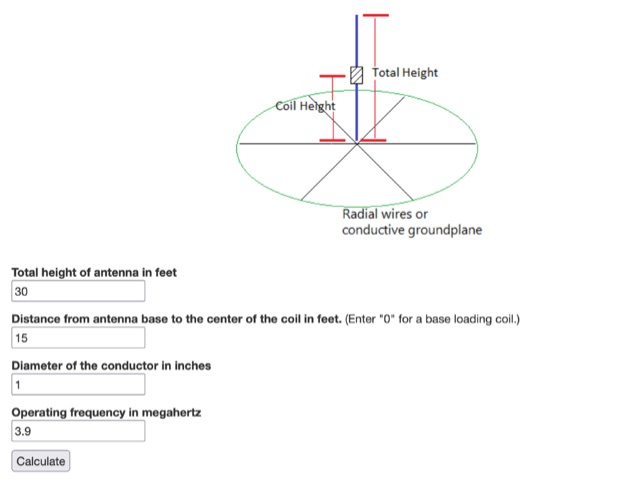 You can shorten a vertical antenna by using a loading coil. This online calculator tells you how the amout of inductance your loading coil will need to have.
 -
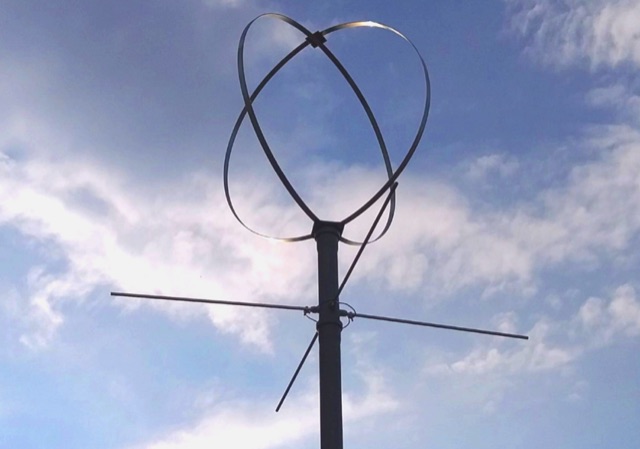 A modified Hairpin antenna for a wider bandwidth an mounted on a grounded metalic mast
 -
 Using vertical on six meters band and above, by Peter Schleuss, HB9RUZ
 -

-
 LDE articles and reports about long delayes radio echoes by DF5AI
 -
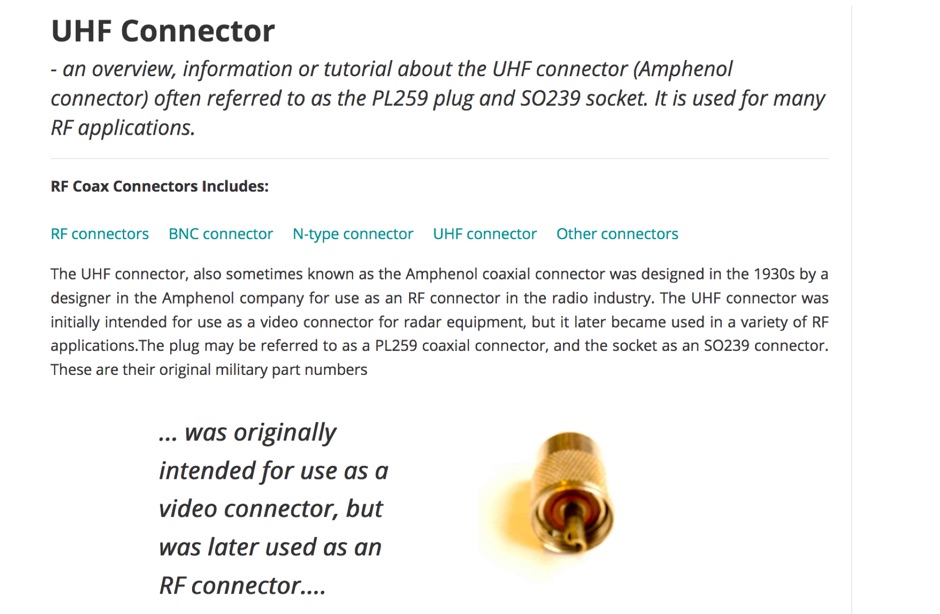 An overview about the UHF connectors often referred to as the PL259 plug and SO239 socket used for many RF applications. Limitations, history and soldering properly UHF Connectors
 -
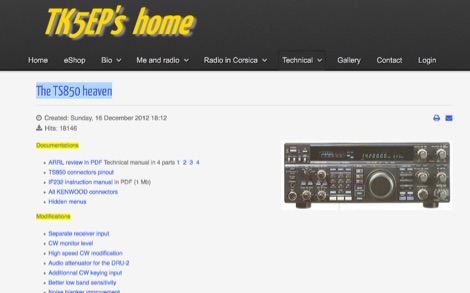 A resource page for Kendoowd TS-850 HF transceiver
 -
 Spanish amaterur and cb radio classified ads
 -
-
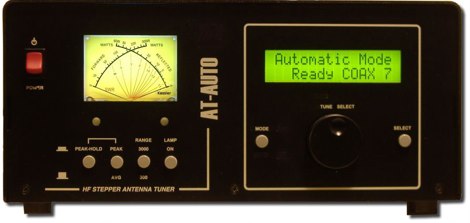 _AT Auto_ is an automatic antenna tuner designed for amateur radio enthusiasts seeking efficient and reliable tuning solutions. This device automates the tuning process, allowing operators to focus on communication rather than manual adjustments. The tuner is compatible with a range of transceivers, enhancing its versatility in different shack setups. Its design incorporates advanced circuitry to ensure optimal performance across various bands. The _AT Auto_ tuner is particularly useful for those operating in HF bands, providing seamless transitions between frequencies. Its integration capabilities with other shack automation products make it a valuable component for modern amateur radio stations. The tuner supports multiple modes, including _SSB_ and _CW_, catering to diverse operating preferences. Its robust construction and user-friendly interface contribute to its appeal among both seasoned operators and those new to the hobby. Kessler Engineering's focus on innovation and quality is evident in the _AT Auto_'s design. The tuner is part of a broader product line that includes shack automation solutions, reflecting the company's commitment to enhancing amateur radio operations. Despite the website redesign, the tuner remains a key offering in their product portfolio.
 -
 Candlewood Amateur Radio Association is sponsoring the annual Connecticut QSO Party
 -
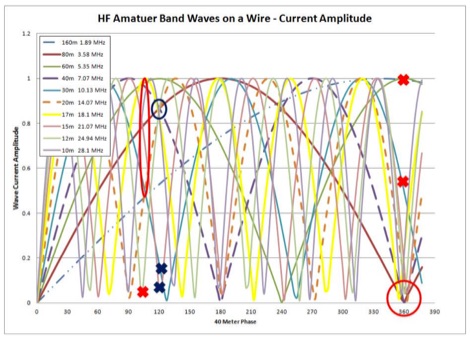 The OCFD Off-Center-Fed Dipole Antenna is an excellent multiband antenna that is relatively simple to construct, yet gets quite decent performance.
 -
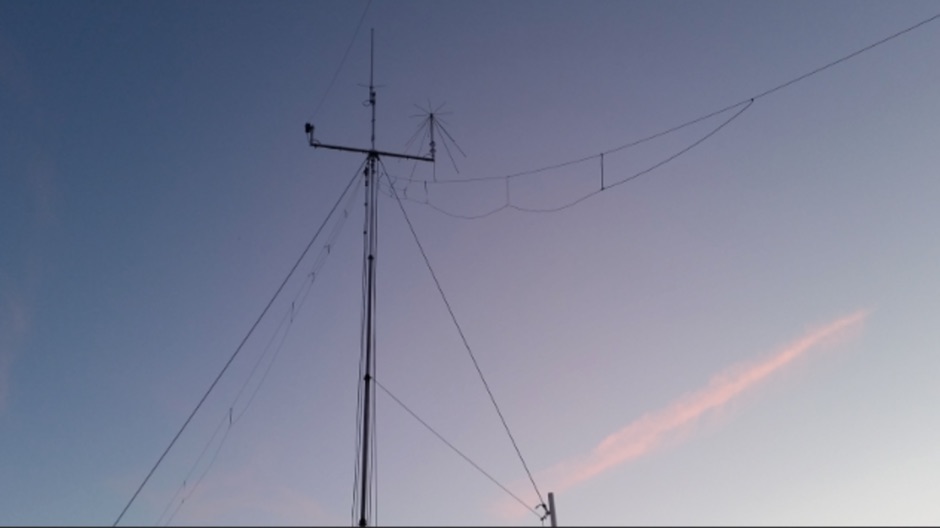 A fand dipole antenna home made for the 7,14,50 MHz. This article descbribes how to homebrew the antenna, hot to setup and some SWR measurements.
 -
 Tips and tricks for CW contesting by KH2D
 -
 Article descrive the different types including coax and open-wire feeder and waveguide.
 -
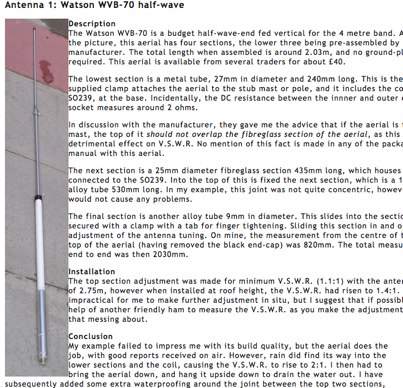 A comparison of commercial 4m verticals by by Ian Hogan G6TGO
 -
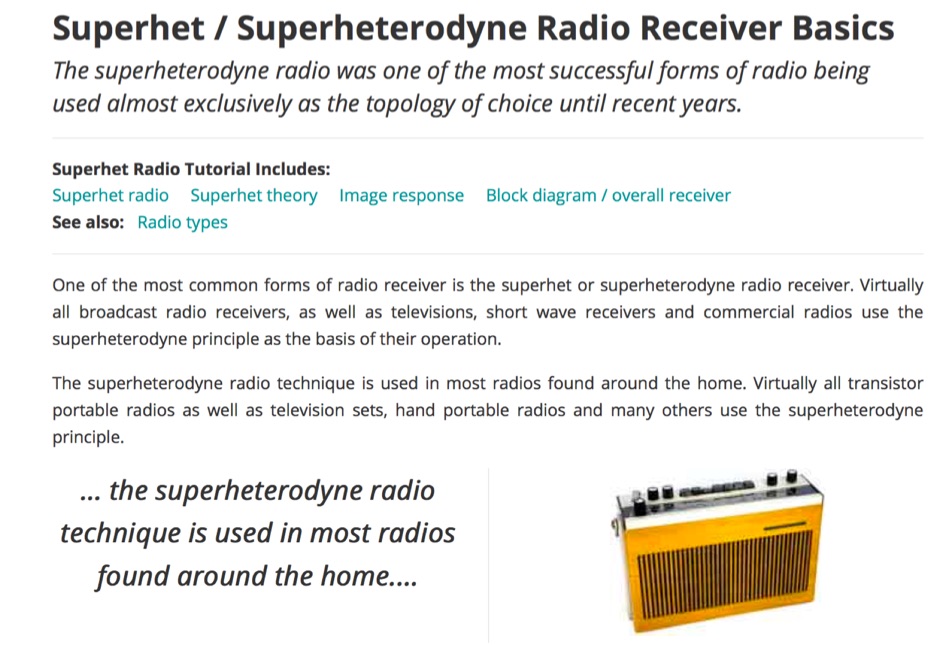 Key details about the superhet or superheterodyne radio reeiver: basic overview; how it works; applications; design notes, all you need to know.
 -
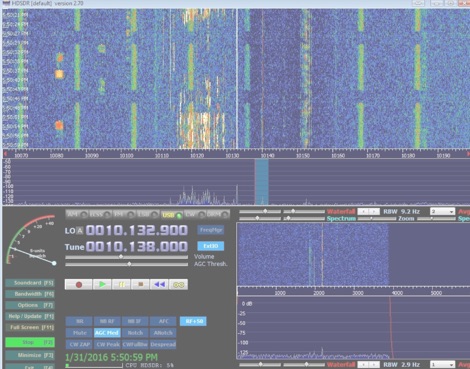 How to setup a band-tracking panoramic signal display to work along to your transceiver.
 -
 Preprinted from the 1997 ARRL Handbook for Radio Amateurs. Thermal Effects of RF Energy, Safe Exposure Levels, Cardiac Pacemakers and RF Safety, Determining RF Power Density
 -
-
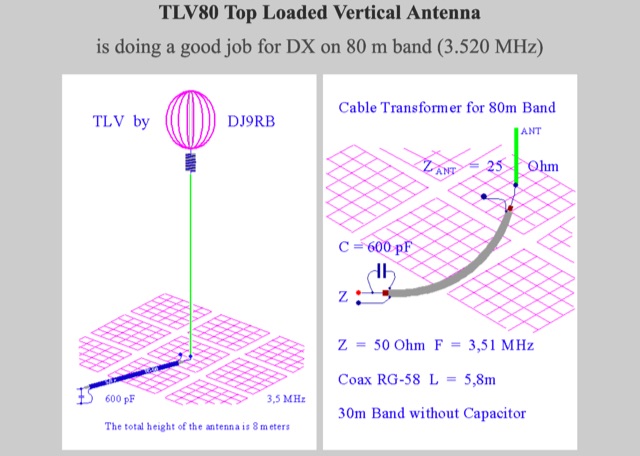 TLV80 is model of a Top Loaded Vertical Antenna is doing a good job for DX on 80 m band. A version for 80m-30m is provided.
 -
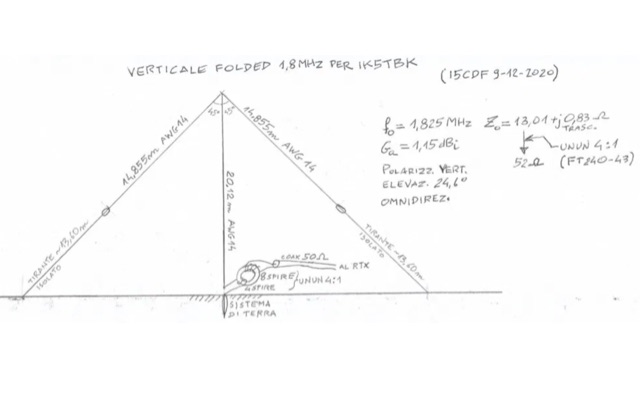 A top band shortened vertical antenna project. This project includes drawing and MMANA-GAL output screens.
 -
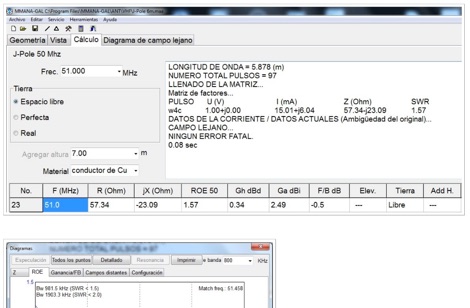 The page provides information on a simple 50MHz J-Pole Antenna project based on the DK7ZB design. It explains the principle of the Wireman-J-Pole, the feeding process, practical mounting, and simulation results using MMANA GAL. The content aims to guide amateur radio operators in building their own J-Pole antennas for the 6-meter band.
 -
 Togo DXpedition 5V7TT 10th-23rd October 2010
 -
-
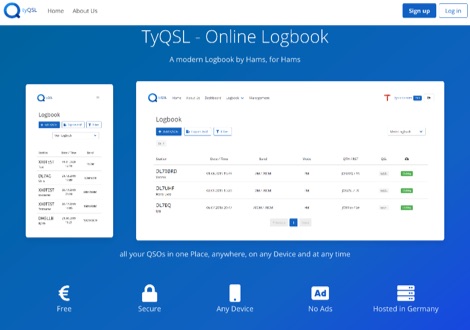 TyQSL provides a web-based online logbook platform, enabling users to manage all QSOs from any device with features like fast ADIF import, supporting up to **100,000 QSOs** per file. The platform facilitates real-time uploads to services such as _Clublog_ and _eQSL_, either automatically or with a single click, ensuring logs are current across multiple platforms. Operators can manage multiple callsigns and create various logbooks within a single account, allowing for flexible QSO organization. The integrated logger features a streamlined layout with live DXCC checking, duplicate QSO alerts, and autofill for satellite operations. It also supports one-click logging from _WSJT-X_. Users can share public profiles, displaying QSO statistics and searchable logbooks, enhancing community interaction. A PRO account offers additional features like an interactive QSO map, showing worked grids and future activities of other users.
 -
 Devoted to providing information to our club members and all others interested in Amateur Radio.
 -
 Article on operating aids and band usage during solar minimun periods. Author tries to explain what can we expect on the HF bands during a solar minimum period and which approach to be used to understand band openings.
 -
 Article cover hints and tips on ham radio or amateur radio contesting and contests
 -
 Ham or amateur radio is a fascinating hobby for all
 -
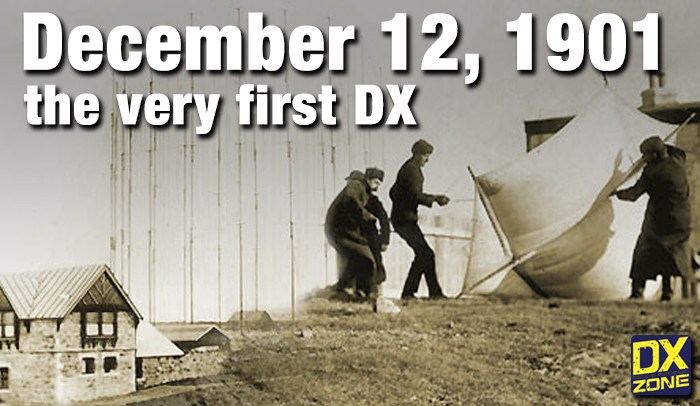 On December 12, 1901, Guglielmo Marconi successfully received the first transatlantic wireless communication, a Morse code "S" (three dots), at 04:30 GMT. This article details the setup for this groundbreaking experiment, noting Marconi's receiver in St. John’s, Newfoundland, Canada, utilized a _coherer_ and an antenna elevated by balloons and kites. The transmitting station at Poldhu, Cornwall, England, featured twenty-four 200-foot ships' masts and a 25-kilowatt alternator. The resource explains how this contact disproved contemporary beliefs about radio wave limitations due to Earth's curvature, later understood through _ionospheric propagation_. It frames Marconi's achievement as the "very first DX" in amateur radio terms, defining DX as telegraphic shorthand for distance and _DXing_ as the hobby of receiving distant signals. The article also provides external links for further reading on Marconi's experiments and the science behind transatlantic radio signal reception.
 -
 An home made multimeter using a SparkFun multimeter kit, includes a time lapse movies of multimeter kit assembling
 -
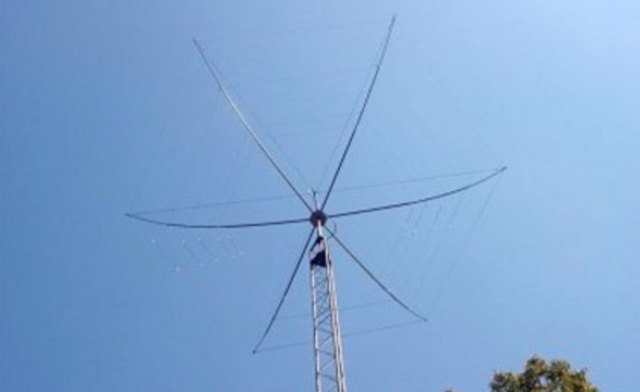 A Practical, 5-Band Homebrew Wire Beam the Upside-Down Umbrella
 -
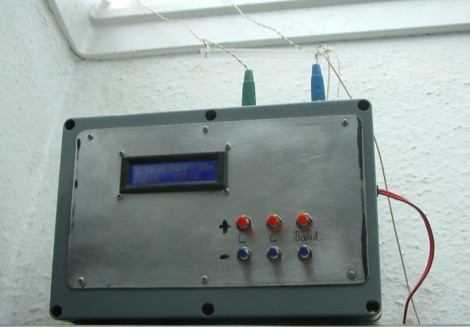 Thsi article describes a microcontroller driven semi-automatic antenna tuner capable of handling power levels up to 150 watts. The device is a low pass filter tuner manually tuned by setting the optimized L/C combination by hand and then storing the values into the EEPROM of the mictrocontroller to recall them later (seperately for each band from 80 to 10 meters including WARC bands)
 -
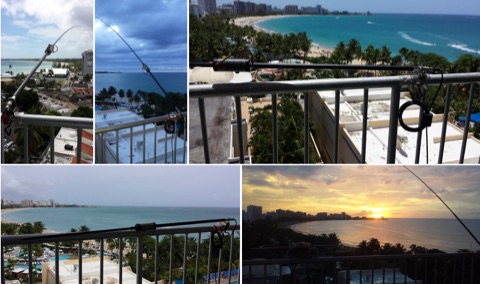 The Buddistick antenna, as demonstrated by KP4MD, effectively handles up to **250 watts** and provides coverage from 40 through 10 meters, with an optional coil extending operation to 80 and 60 meters. KP4MD's video presentation meticulously describes the antenna setup, emphasizing the critical role of the _shunting coil_ for achieving resonance on lower bands like 40 and 80 meters. This practical approach highlights how a compact antenna can deliver solid performance from a constrained location. SWR curve diagrams are included, clearly illustrating the impact of the shunting coil on the antenna's resonating frequency. These visual aids provide concrete evidence of the adjustments needed for optimal operation across different bands, particularly when space is at a premium. KP4MD's insights are particularly valuable for hams operating from apartments or other limited spaces, showcasing real-world results from a balcony installation.
 -
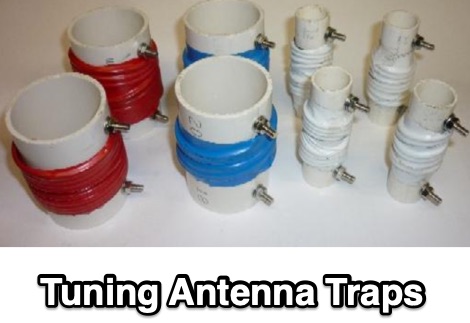 The problem with making your own trapped HF antennas is usually getting the coaxial traps tuned to frequency. This article explains a method using a RF signal generator at +10dBm output into the coaxial trap.
 -
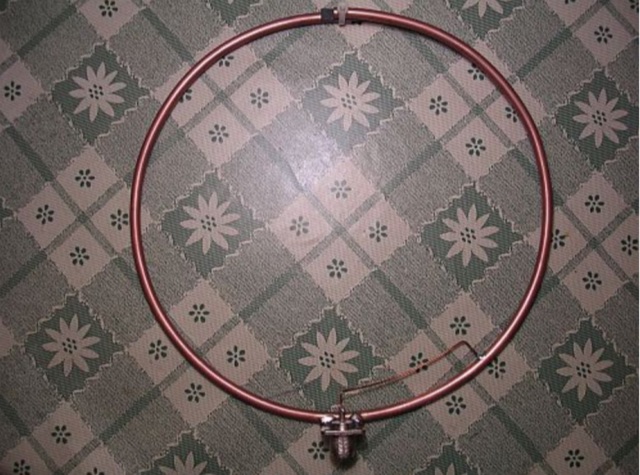 A small, easy to build, copper tube magnetic loop antenna for the 2 meters band. In Italian
 -
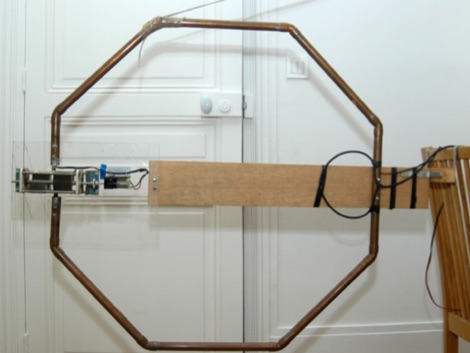 Basic magnetic loop antenna examples and loop aerials theory explained. This article inclued some interesting tricks on building magnetic loop antennas and an usefull excell sheet to help compute magneti loop antennas calculating power efficiency from 10 to 40 meters band
 -
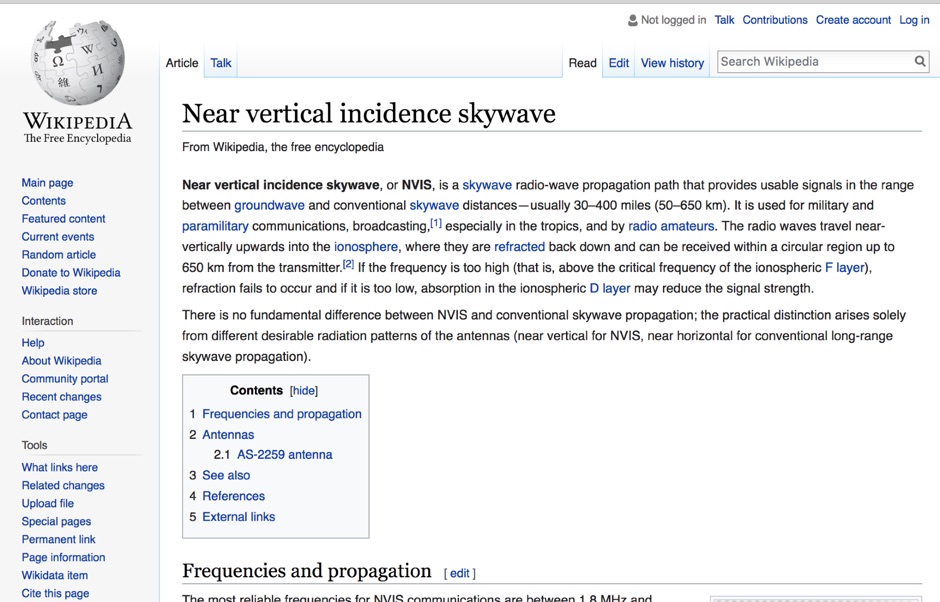 The wikipedia article about NVIS Near vertical incidence skywave with information about usable frequencies and some general information on main NVIS oeprations usages
 -
 An article on how to measure electrical current with a digital multimeter or analogue multimeter.
 -
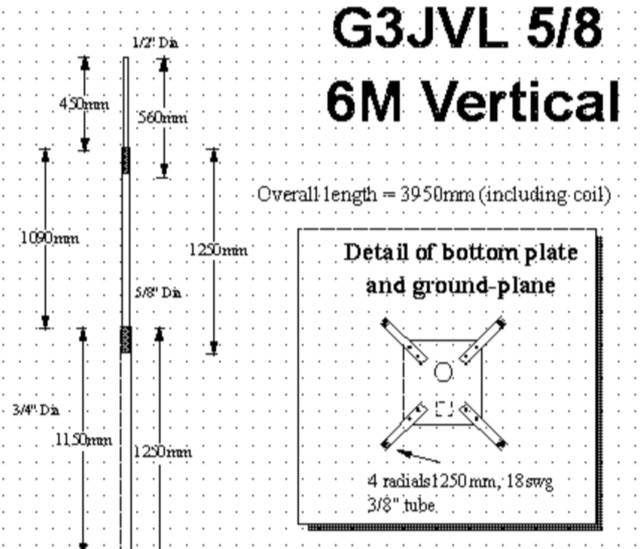 The G3JVL 6M ground plane vertical is a compact antenna that is ideal for portable operations. It packs away into a small bag only 1.3 metres long which is an ideal size for hand-baggage on aircraft.
 -
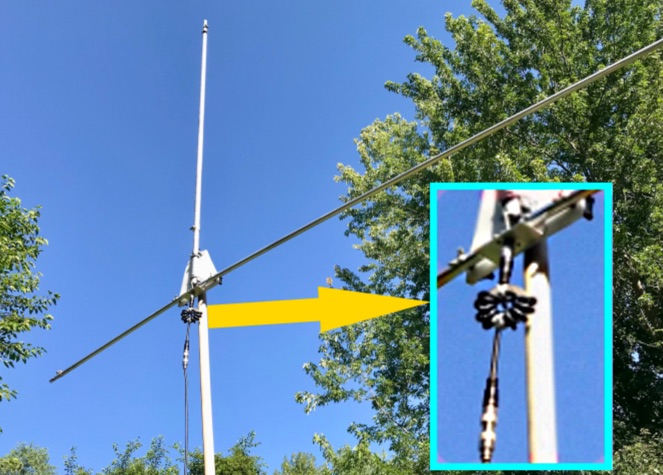 The Tri-pole antenna, a clever modification of a standard dipole, allows for dual-band operation by integrating a third element. This design effectively shortens the overall dipole length by 10 to 20 percent, simplifying antenna rotation and offering a compact footprint. KK4OBI's article delves into the operational principles, using a 6 and 10-meter Tri-pole as a primary example, and provides comprehensive instructions for constructing any Tri-pole antenna within the 6 to 15-meter range. Key to the Tri-pole's performance is its off-center feed, necessitating a common mode choke at the feed point for optimal tuning and reduced noise. The author outlines a methodical approach to determining element dimensions, starting with a vertical element frequency calculated as 0.47 times the sum of the desired upper and lower band frequencies. This calculation, along with K-values derived from trend lines, guides the initial lengths for the horizontal arms, demonstrating how a 10m-6m Tri-pole can achieve a total horizontal length 78% shorter than a conventional 10-meter dipole. Tuning and balancing are critical, with the article detailing adjustments to arm lengths and the vertical element to achieve balanced SWR values, as validated through 4NEC2 simulations. Radiation patterns are analyzed at various elevations, showing gains around 5.7 dBi and favorable take-off angles for DX contacts. Construction details specify aluminum tubing dimensions, U-bolts, and an SO-239 connector, emphasizing the importance of a ferrite-based choke for wideband operation.