Build Your Own Morse Code Decoder
Find schematics and instructions for building hardware and software-defined Morse Code decoders using microcontrollers like Arduino and PIC.

Decoding Morse code, or CW, is a fundamental skill for many ham radio operators. While learning to copy CW by ear is a rewarding part of the hobby, electronic decoders can assist in transcribing signals, especially during noisy band conditions or for beginners still developing their listening skills. These devices convert the dits and dahs of Morse code into readable text, making it easier to follow QSOs or identify stations.
This category focuses on homebrew projects for CW decoders, often built around microcontrollers. Hams can find schematics and instructions for building decoders using popular platforms like Arduino and PIC microcontrollers. Many projects, such as the W5UXH version of the OZ1JHM decoder, offer features like automatic speed adaptation and display capabilities. Some designs even allow operators to connect an Iambic key and convert their Morse input directly into ASCII text for computer logging or messaging.
Related Categories
-
 CW decoder project that automatically adapts itself to the CW rate and may be employed for learning purpose substituting the traditional tone generator and offering the capability of displaying the keyed code.
 -
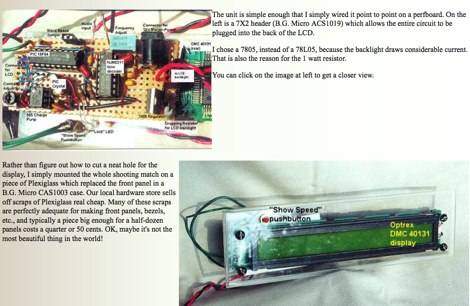 A PIC based morse code decoder circuit
 -
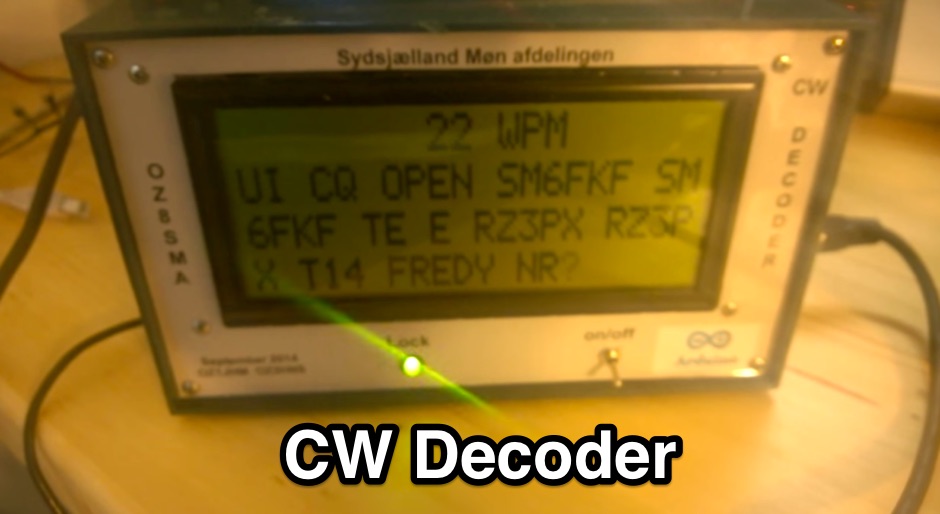 If you want to build a cw decoder without using other active components than an atmel 328 - Arduino UNO , then this is sure something for you.
 -
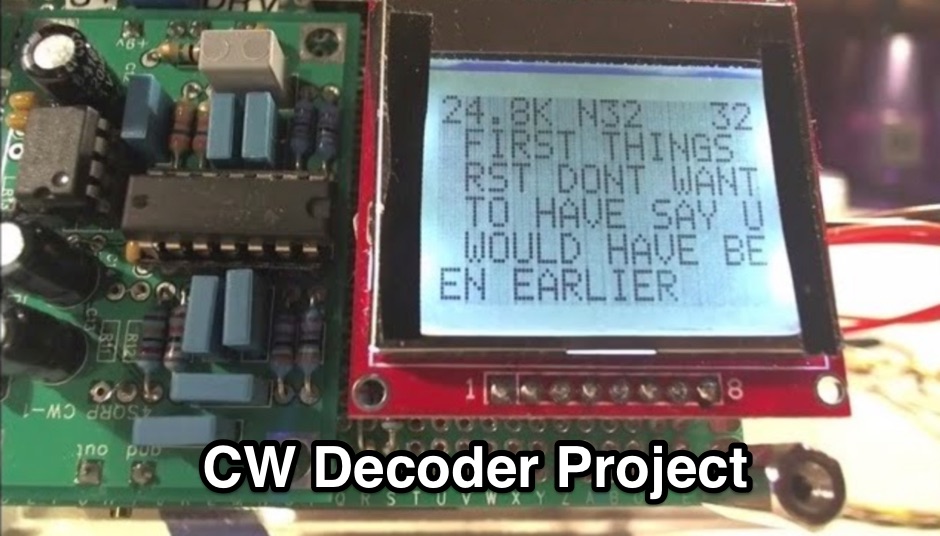 W5UXH version of OZ1JHM Morse Code decoder project
 -
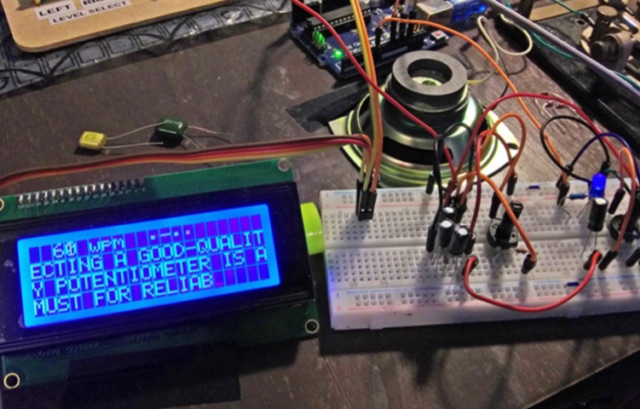 While there are quite a few standalone Morse Code or CW decoders out there, I wanted to tackle the problem myself and end up with both a great Arduino learning project and a decent portable decoder for when I'm out in the field operating QRP
 -
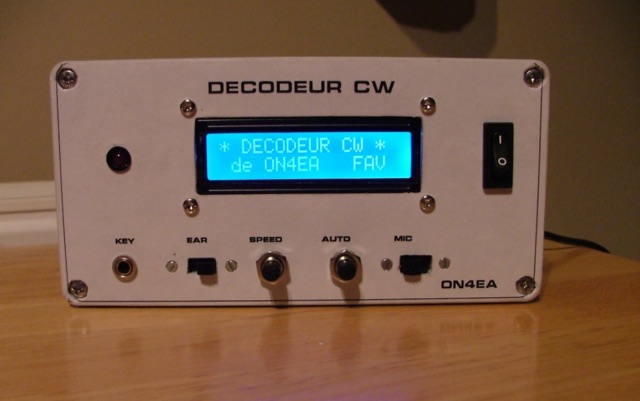 A homemade morse code decoder project, providing a detailed schematic and pictures
 -
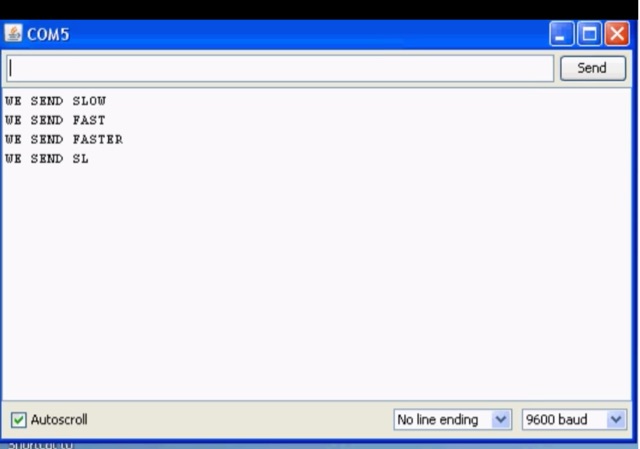 CW decoder using a PIC microcontroller. This is a morse code decoder made using a PIC(16F88) microcontroller, this project supports displays with multiple controller chips
 -
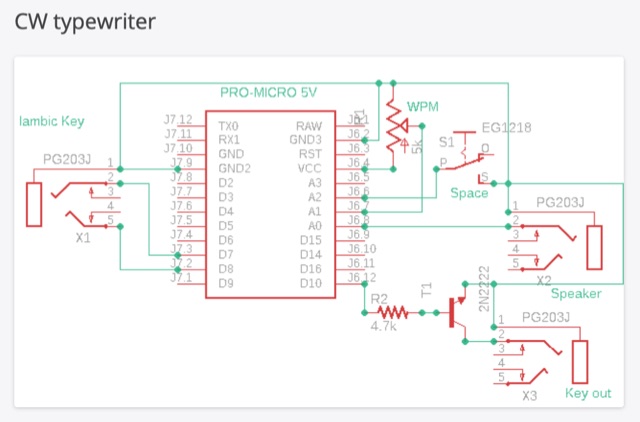 The CW typewriter is a compact adapter board that transforms Morse code into ASCII characters using an Iambic key. It connects to a computer via USB, emulating the keyboard. The device features inputs for Iambic keying and a WPM speed potentiometer, and outputs for a key and a speaker for side tone. The device can be used with various software and online typing games for practice, offering a unique and interactive way to learn and use Morse code.