Radio Direction Finding Projects and Techniques
Find resources for building RDF equipment, including transmitters, receivers, and antennas for fox hunting and signal location.

Radio Direction Finding (RDF), often called foxhunting or Amateur Radio Direction Finding (ARDF), is a popular ham radio activity where operators use specialized equipment to locate hidden low-power transmitters, known as "foxes." This skill is useful for competitive events, finding lost or stolen equipment, or tracking down sources of radio frequency interference (RFI) that disrupt amateur radio activity on various bands.
Hams interested in RDF can find numerous projects for building their own gear, from simple tape measure Yagi antennas for VHF/UHF bands to more complex 80-meter ARDF receivers and transmitters like the ON7YD ATX-80. There are also designs for active attenuators and programmable fox transmitters, such as the WB2HOL Fox, allowing operators to set up their own foxhunts or practice their RDF skills.
Related Categories
-
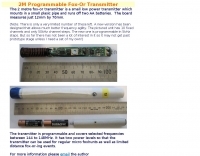 The 2 metre fox-or transmitter is a small low power transmitter which mounts in a small plasic pipe and runs off two AA batteries. The board measures just 12mm by 70mm.
 -
 Schematic anc PCB for a fox hunting receiver for 80 meters band
 -
 The 80m TX described here is the well known ON7YD ATX-80 and timer, combined and re-engineered to fit a readily available enclosure by G3ZOI
 -
 Documentation to build your onw 80m ARDF receiver
 -
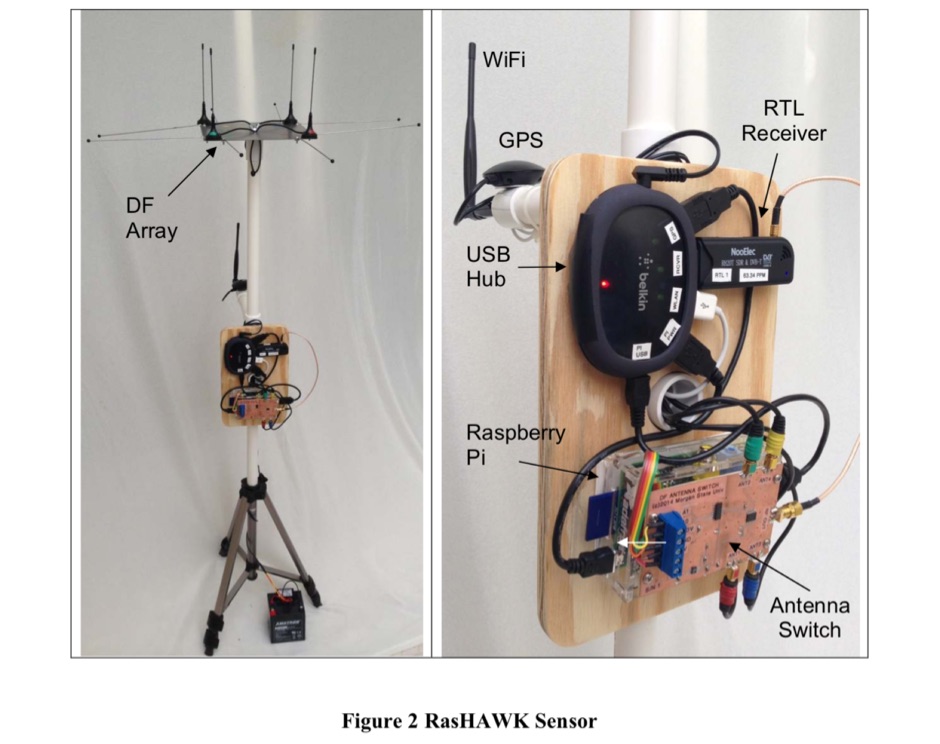 The RasHAWK team has used a Raspberry Pi as the basis for a networked RF sensor capable of supporting spectrum monitoring, signal intercept and direction finding (DF) operations.
 -
 The Microsniffer is a fully autoranging VHF or UHF sniffer which has been designed for those who are foxhunting on a budget.
 -
 Building the WB2HOL foxhunting beam antenna
 -
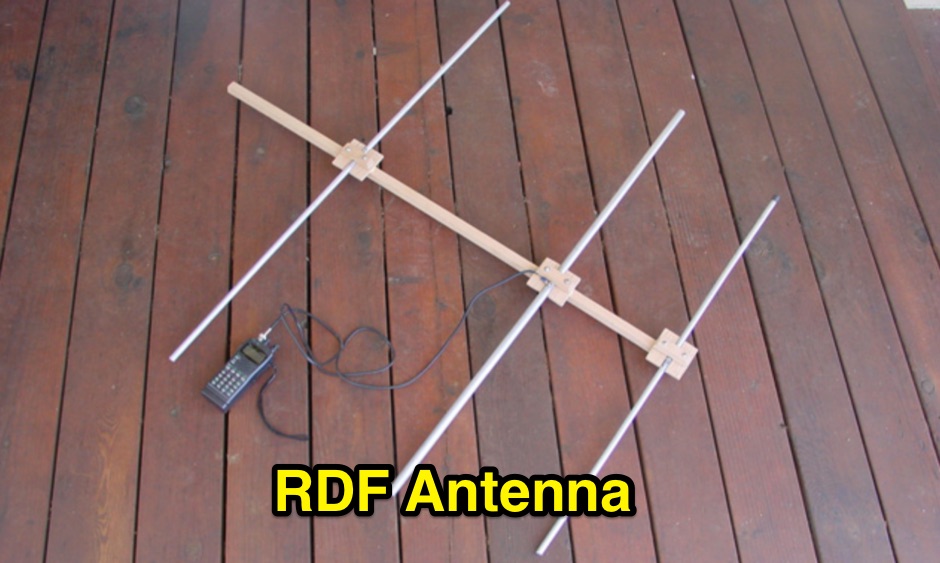 How to homemade antenna to be used with a handheld on the aircraft band to locate noise sources
 -
 This page presents a project involving attaching an amateur radio transceiver to an Arduino to create a 'fox' signal for radio direction finding practice. This project can be used to practice direction finding skills by locating a radio transmitter in a hidden location. The project involves transmitting the station ID using Morse code and can be a fun and educational activity for students or hobbyists interested in radio direction finding. The author shares their experience with radio direction finding and provides instructions on how to build the project using a Baofeng UV-3R radio and an Arduino Uno.
 -
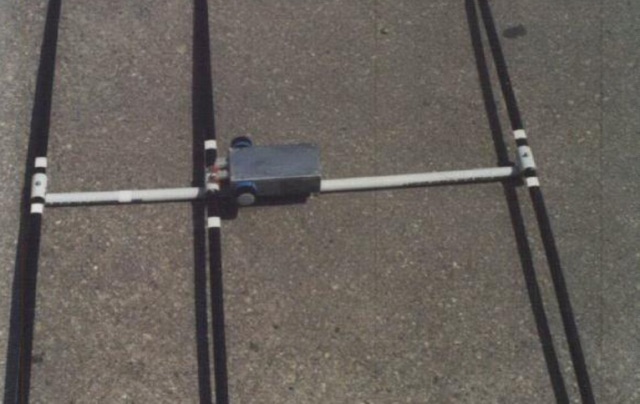 The JUNIOR-2 presented here is a competition direction finder receiver that is easy to build and tune, but has all the features of the "big" receivers. It is especially suitable for beginners, young people or youth groups who have so far refrained from purchasing a 2m direction finder receiver for financial reasons.
 -
 Fox Controller, designed by VE2JX and VE2EMM includes schematic diagram to build the transmitter.
 -
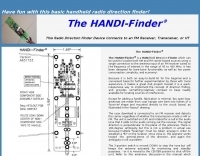 This Radio Direction Finder Device Connects to an FM Receiver, Transceiver, or HT
 -
 A Fox transmitter by VE2EMM with construction details part list and schematic diagram