Amateur Radio Keyers for CW and Voice Operation
Find schematics, DIY projects, and reviews for electronic keyers, including CW, voice, and iambic keyer designs for ham radio operators.

Keyers are essential tools for sending Morse code (CW) on the amateur radio bands. They convert paddle movements into precisely timed dots and dashes, allowing operators to send clean CW at various speeds. Many hams enjoy building their own keyers, experimenting with different designs and features to match their operating style and station setup.
This category features a wide range of keyer projects, from simple electronic keyers using basic logic circuits to advanced iambic keyers built around microcontrollers like the PIC16F84. Operators can find designs for standalone memory keyers, such as the Morserino-32, or interfaces for integrating CW keying with contest logging software like N1MM and Writelog. There are also projects for specialized keyers, including voice keyer interfaces and those using pressure sensors for unique paddle designs.
-
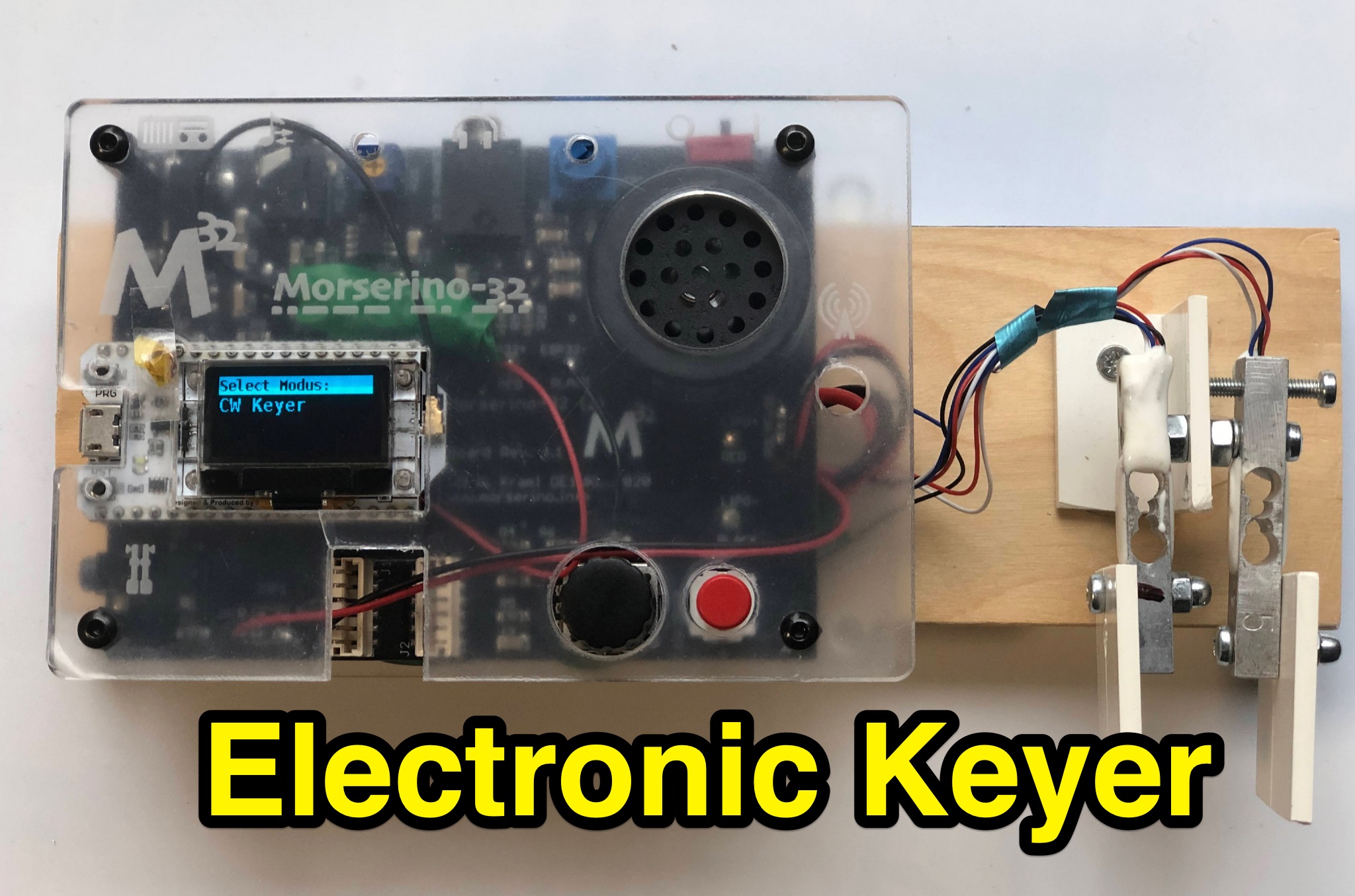 Load Sensor add-on iambic paddles for Morserino-32 and K3NG keyer. Open source with aim to provide affordable high quality paddles without specialized mechanical skills.
 -
 A keyed piezo beeper, connected to the microphone jack of a HT, appeared feasible as a ready-made MCW generator.
 -
 Functional, easy, and cheap, all good Ham Radio characteristics by Terry Fletcher, WA0ITP
 -
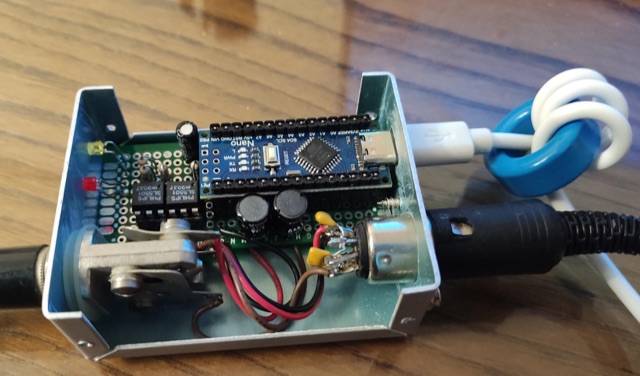 This keyer being intended to be used mainly in conjunction with contest software. This keyer is based on an Arduino Nano and the Keyer software by K3NG. It has been designed with very basic features, and it is intended to work with logging software.
 -
 Home made keyer with 8 memories, auto spacing, adjustable speed & weighting, separate paddle and key inputs, beacon mode, positive or negative keying, fuse, extremely low power requirements, and a bullet proof housing by AA5TB
 -
 The PIC-MORSE is an electronic iambic keyer, integrating a generator of Morse code and a sidetone. It is built with a microcontroller PIC16C711. In French
 -
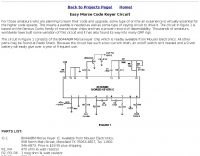 based on the famous Curtis family of morse keyer chips and has a proven record of dependability.
 -
 Electronic keyer by pressure sensor. SEN-09673 is used for detecting touch.
 -
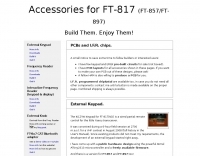 An external keypad for FT-817(ND), for the serious portable/field-day contester/operator. Homebrew it with the free firmware and public circuit diagram. The circuit is very simple and takes power supply from the ACC port of the radio
 -
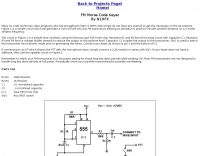 A simple circuit which will generate a 700 Hz tone into any FM transceiver allowing an amateur to practice CW with another amateur on a 2 meter simplex frequency.
 -
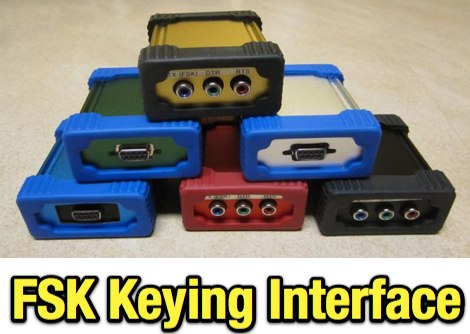 Easy to build RS232 keying interface for FSK and CW. Works with most popular RTTY software like MMTTY. Also works for with most contest software such as N1MM and Writelog for CW keying. Uses the RS232 port RTS, DTR, or TX data, optically isolated, PC boards available.
 -
 This domain is suspended due to an unverified registrant email address, as mandated by ICANN policy. It provides instructions for reactivation.
 -
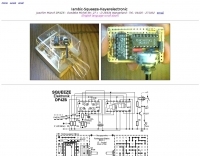 A home made iambic Squeeze electronic keyer
 -
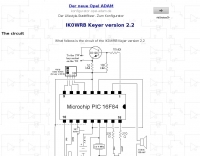 IK0WRB CW Keyer using a PIC 16F84
 -
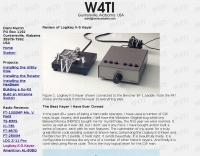 Review of Logikey K-5 Keyer
 -
 The MicroBeacon is the combination of a memory keyer and controllable RF attenuator.
 -
 Morse code speedometer project using the 16F84 PIC
 -
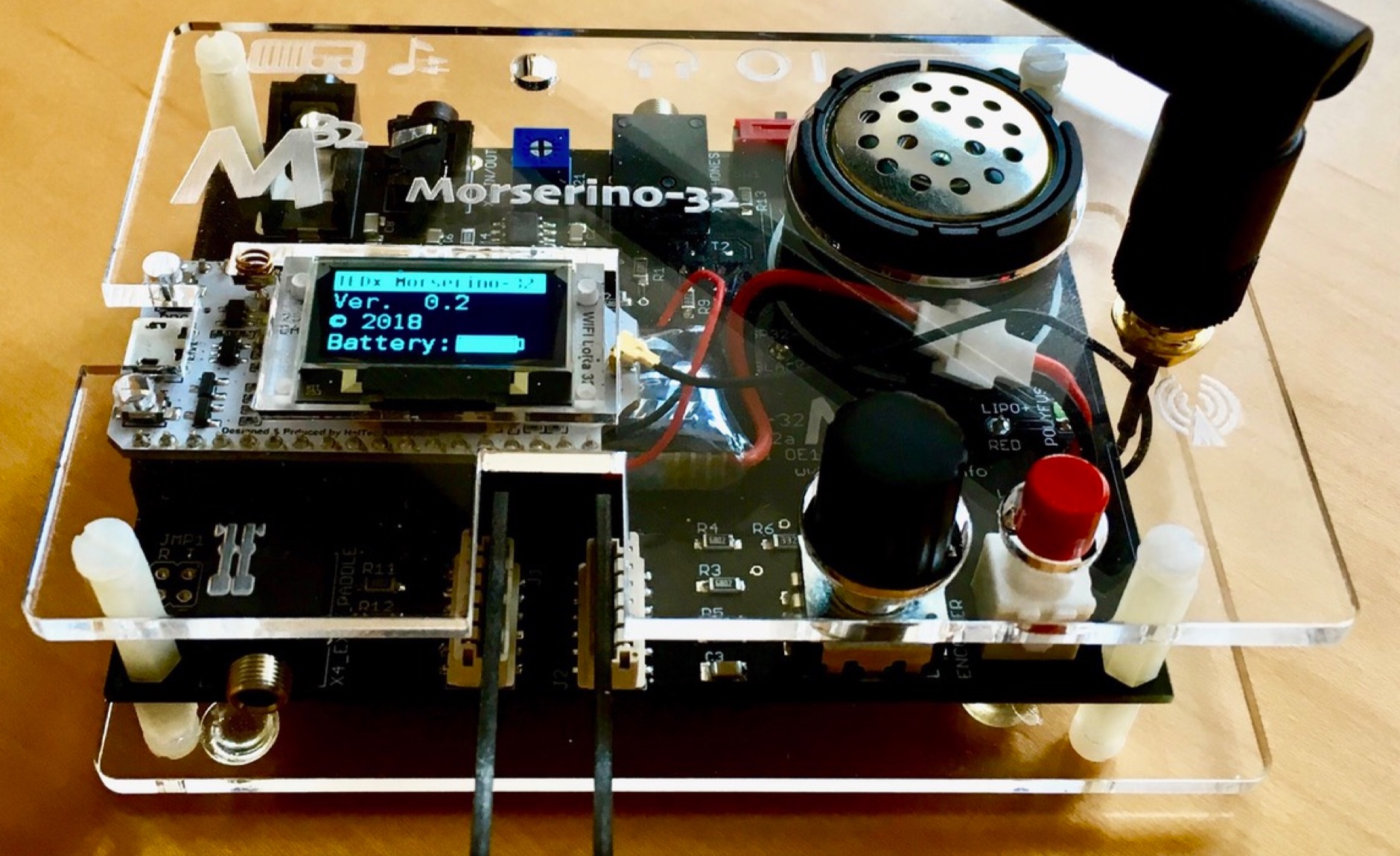 Successor to the Metamorserino, this is a multi-functional Morse code machine (Keyer, Generator, Trainer) that includes also a transceiver using LoRa on the 70cm band.
 -
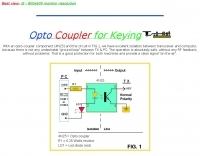 Isolating traceiver and your computer with an opto-coupler component
 -
 It is a simple electronic keyer that proved to be reliable, precise timing and no own phantasy by OK1DX
 -
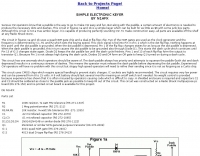 A simple keyer which can be built for as little as $6 with some junk box parts. Although this circuit is not a true iambic keyer, it is capable of producing perfectly sounding CW.
 -
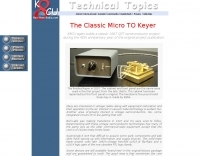 K8CU builds a classic 1967 QST semiconductor project during the 40th anniversary year of the original project publication.
 -
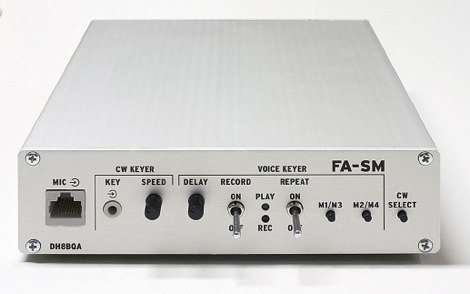 A voice keyer with up to 60 seconds memory in total, A CW keyer using the famous N0XAS design, aka Picokeyer and a 4 channel sequencer
 -
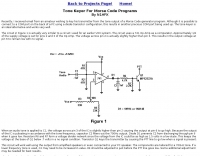 Key your transmitter from the tone output of a Morse Code generator program
 -
 The Vocal Keyer is a stand-alone voice keyer for your radio. It can be built with two 16-second or four 10-second recordable messages by KG4JJH
 -
 By Prof. T. K. Mani - VU2ITI
 -
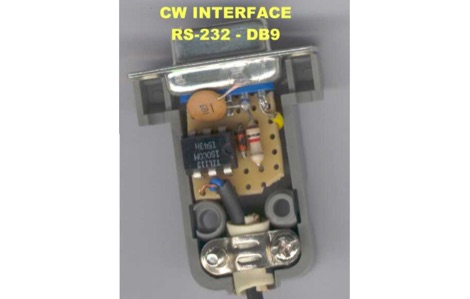 A RS-232 to DB9 CW Radio interface with schematic diagram to connect your pc running CT by K1EA or Writelog to your keyer.
 -
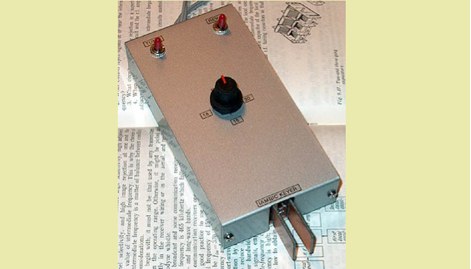 Very simple iambic keyer with only two chips
 -
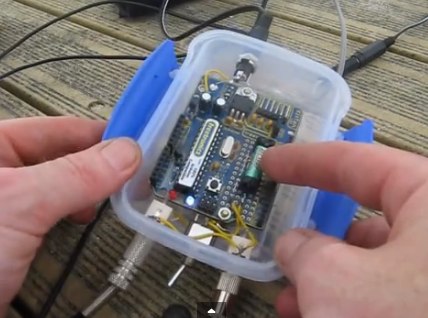 Arduino automatic CW Keyer for amateur radio
 -
 The Atmel AVR Butterfly is a credit card sized board which contains an AVR MEGA169 processor, a six character LCD display, a five way joystick navigation switch, a piezo speaker, a 3 volt lithium battery cell for power and a few other odds and ends.
 -
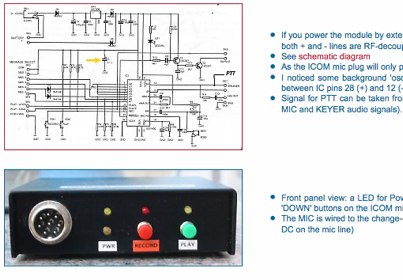 DIY voice keyer for your next ham radio contest. An interesting homebew voice keyer project by ON7EQ
 -
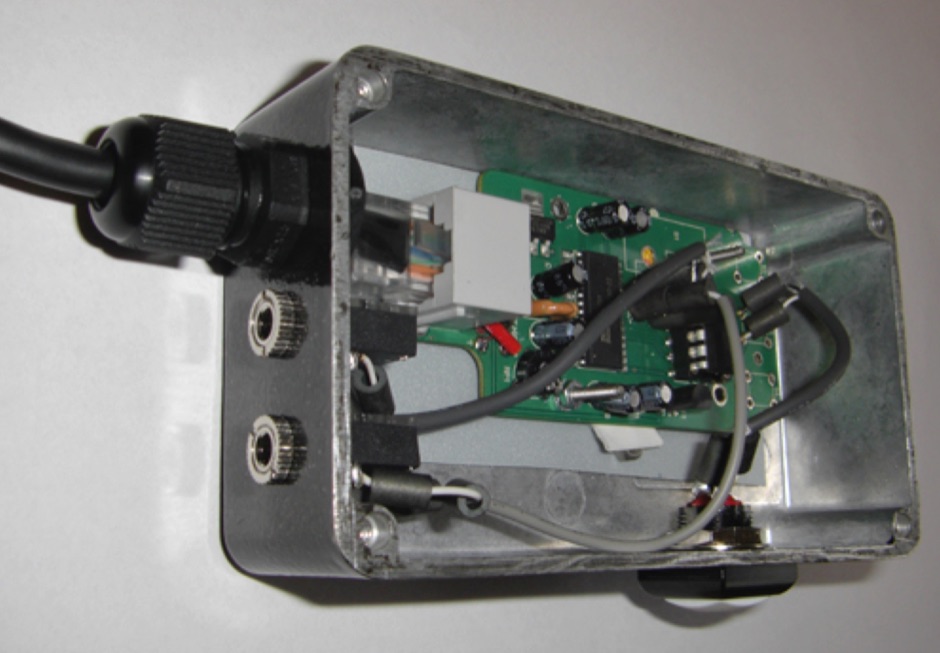 A voice keyer for field day or general portable operations made with the DH8BQA cq machine kit
 -
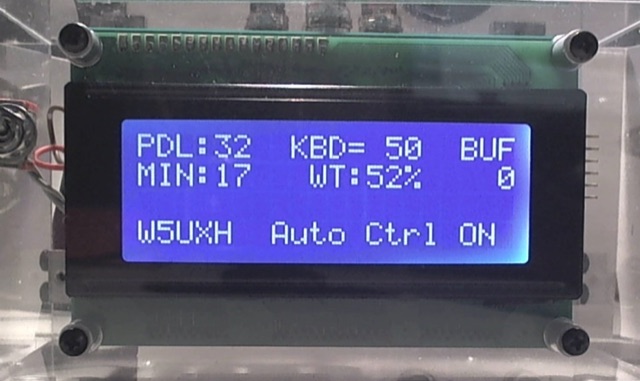 A Combination CW Keyboard and Paddle Keyer. It uses a single Atmel microprocessor, the ATmega328P from the AVR family, and a 4 row by 20 column LCD display module.
 -
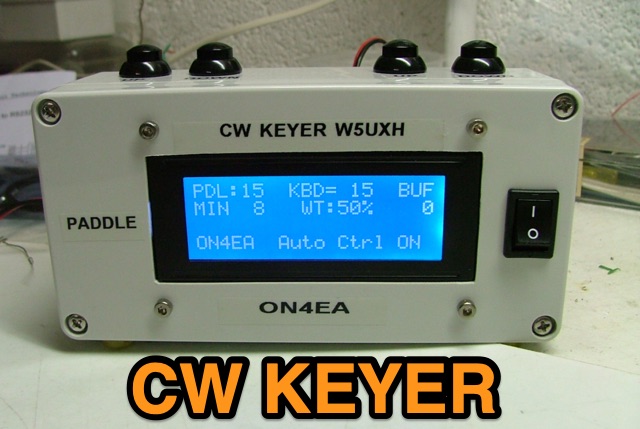 A home made CW keywer based on the W5UHX board.
 -
 The CW keyer with memories, inspired by SOTA activities, features three on-the-fly programmable memories for hands-free operation during logging or specific calls. Designed for low power consumption, it uses AAA batteries and an Arduino Mini, optimized for minimal energy use with a sleep function. The compact design fits in a small TEKO box, with a printed circuit board for easy assembly. The keyer includes customizable software for various CW modes and settings, programmable via paddles and command mode. It's an efficient, portable solution for amateur radio enthusiasts seeking enhanced CW functionality.
 -
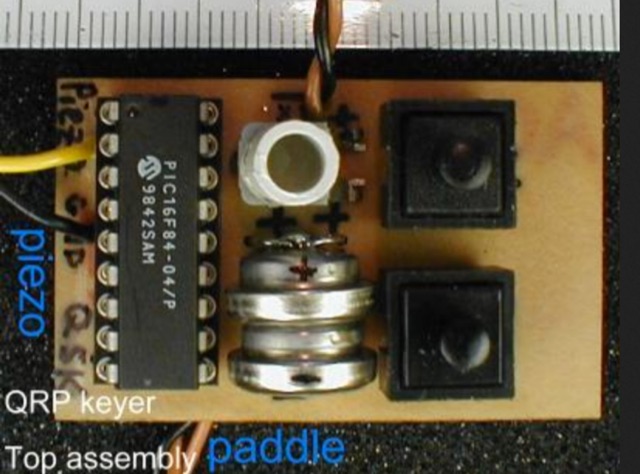 This page describes a printed circuit board that you may use to build a QRP keyer.
 -
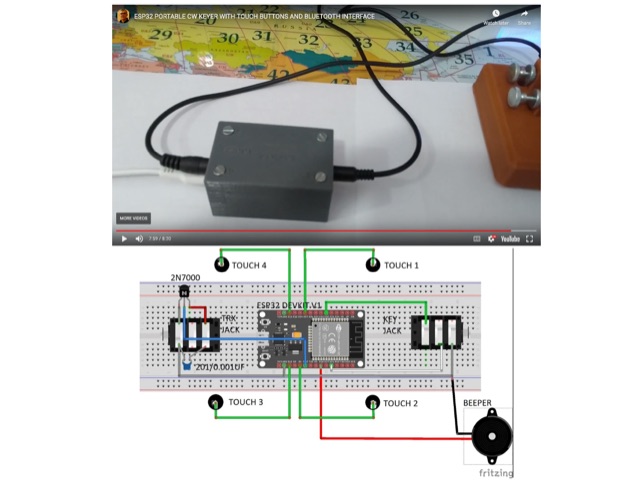 ESP32 portable CW Keyer with touch buttons and bluetooth interface, allows control from mobile phone and other devices, Up to 25 pre-saved messages, Variable speed from 5 to 70 wpm.
 -
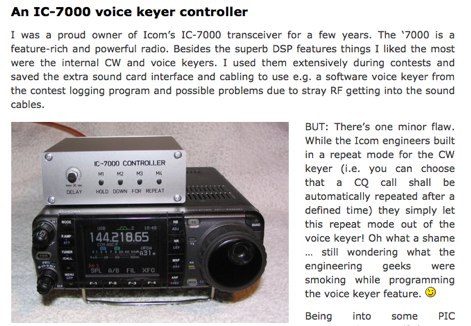 A compact voice keyer for Icom IC-7000
 -
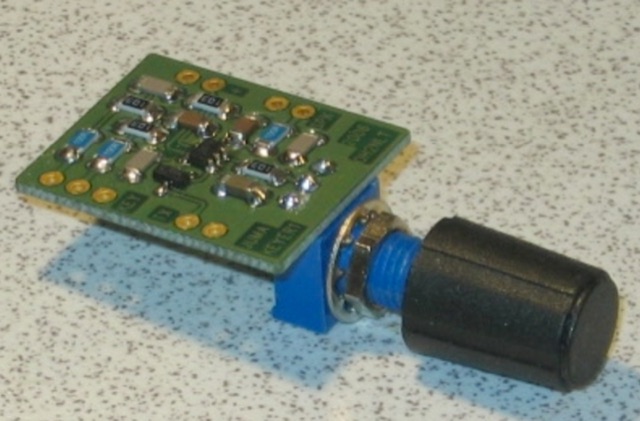 Miniature PIC microcontroller based keyer kit with convenient modes. The kit includes PCB, componets, knob and ready programmed PIC microcontroller. Author make available from his web site Circuit diagram, Component layout,List of components and downloadable Software
 -
 The M0KGK keyer with variable speed and weight controls utilising a low cost PIC microcontroller.
 -
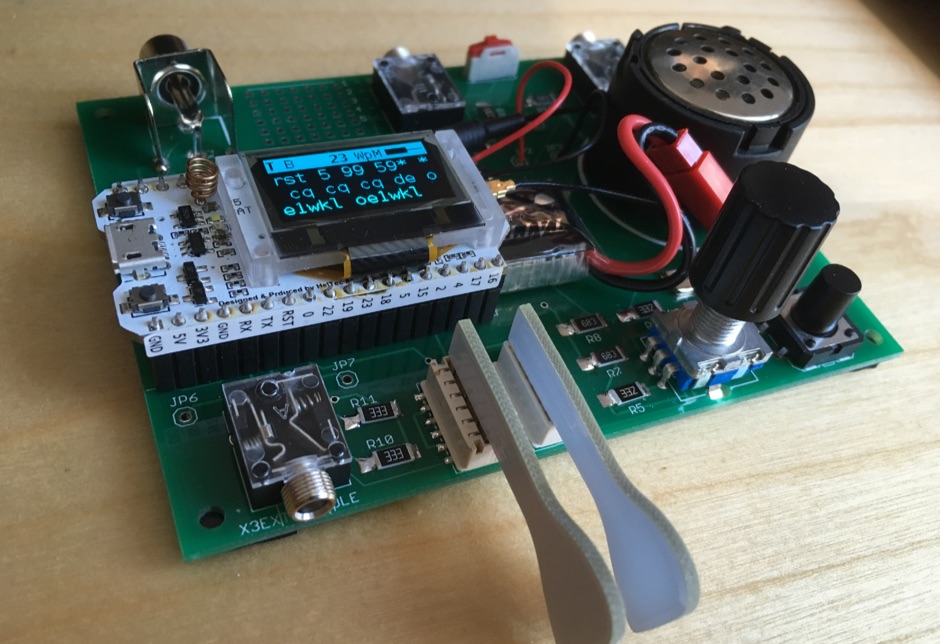 CW Keyer Kit with capacitive touch paddle, with a lot of nice features. Easily expandable to a Morse code decoder
 -
 This is not a sophisticated automatic keyer but it is lot QRP to build and to have fun operatin
 -
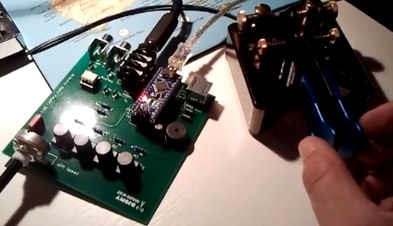 An Arduino based CW contest keyer addon, ideated and designed for the use in conbination with the K3NG Arduino keyer open-source firmware.
 -
 This project describes the construction of a real CW QRP keyer with a small microcontrolle
 -
 Microprocessor based interface designed receives a signal from a Morse key, processes it, and re-transmits it to the radio. A microprocessor in the circuit is pre-programmed with a proprietary algorithm which makes a number of measurements and adjustments to the less percise human generated code.
 -
 The Icom series of radios from the IC-746 Pro on to the latest 7800 radios have a 4 memory digital voice and CW keyer built into the radio. This external Keypad, based on the official Icom circuitry can considerably help you on using the voice and cw keyer
 -
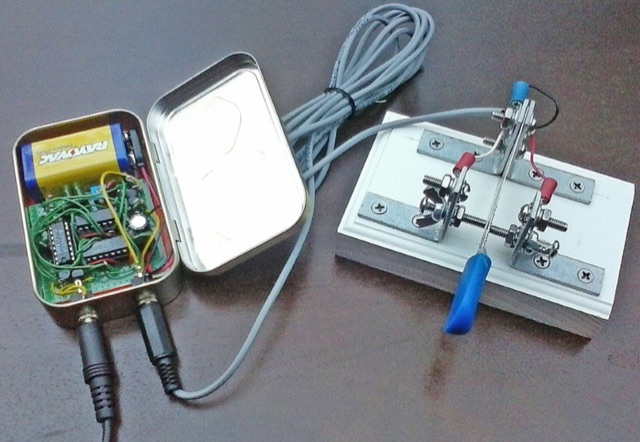 Build your own 3-IC Iambic Electronic Keyer. Here, you will find schematics and operation descriptions. Includes Dot/Dash Memory, Progressive Element Weighting
 -
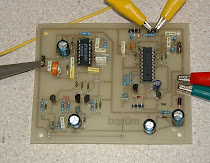 A DIY Morse code keyer project, the m0xpd keyer, features a PIC16F628A microcontroller, Iambic A/B modes, and adjustable speed/weight.
 -
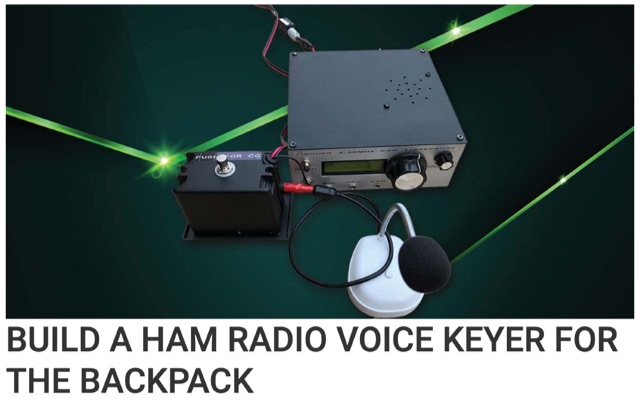 Build a Ham Radio Voice Keyer for the Backpack
 -
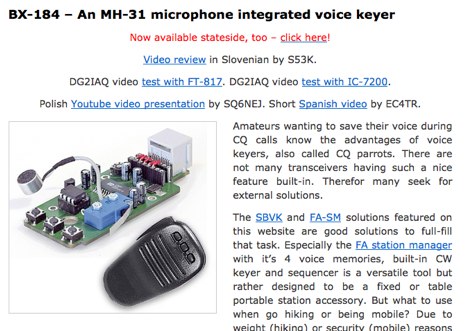 A voice keyer completely integrated into the standard Yaesu MH-31 amateur radio microphone
 -
 Two cheap CMOS ICs and a few transistors was all that was required to rebuild an elderly TTL automatic morse keyer into a low current lightweight battery powered iambic morse keyer.