Build Your Own Morse Code Practice Oscillator
Find schematics and instructions for building various Morse code oscillators, from simple transistor designs to 555 timer circuits.

Learning Morse code, or CW, is a fundamental skill for many ham radio operators, and a reliable code practice oscillator is essential for developing proficiency. These simple circuits generate an audible tone when a Morse key is pressed, allowing hams to practice sending characters and words. Building your own oscillator is a classic amateur radio project, offering a practical introduction to basic electronics and circuit construction.
This category features various designs for Morse code oscillators, ranging from very simple transistor-based circuits to more advanced projects using common integrated circuits like the 555 timer chip. Operators can find schematics and build instructions for portable units, amplified sine-wave oscillators, and even kits that integrate capacitive touch paddles. Resources include practical guides, such as those from ARRL, helping hams assemble their own practice equipment for improving their CW sending skills.
Related Categories
-
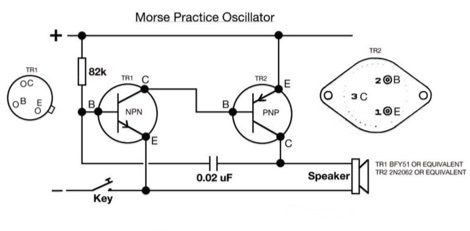 A simple morse code practice oscillator using either PNP or NPN typr transistors
 -
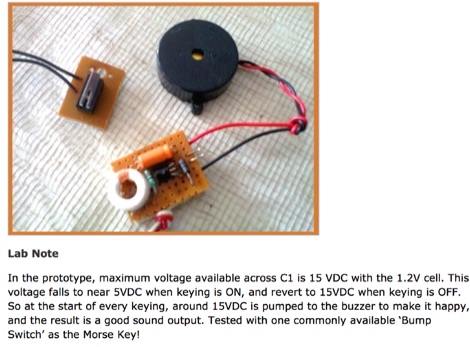 Little circuit of a Morse Code Oscillator is presented here. Excellent for learning and teaching Morse code
 -
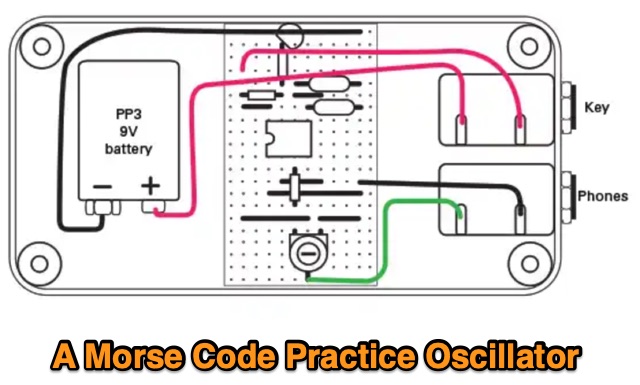 Maybe not state-of-the-art technology but the author offers a quick and easy project for a Morse code practice oscillator using a 555 timer chip
 -
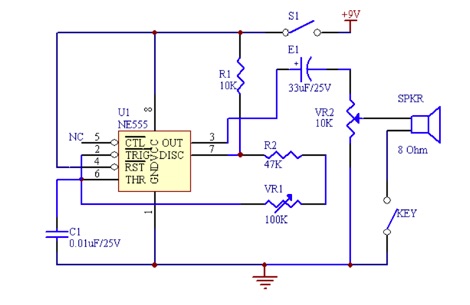 This code practice oscillator project uses a 555 timer IC. Includes a Schematic Diagram of the morse code oscillator
 -
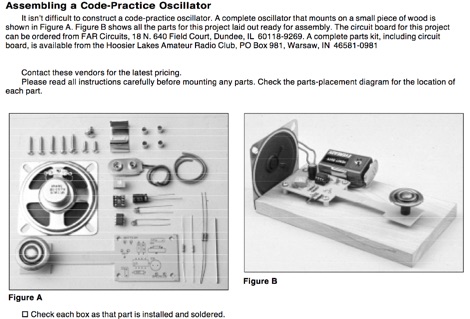 Assembling a Code-Practice Oscillator, a PDF by ARRL
 -
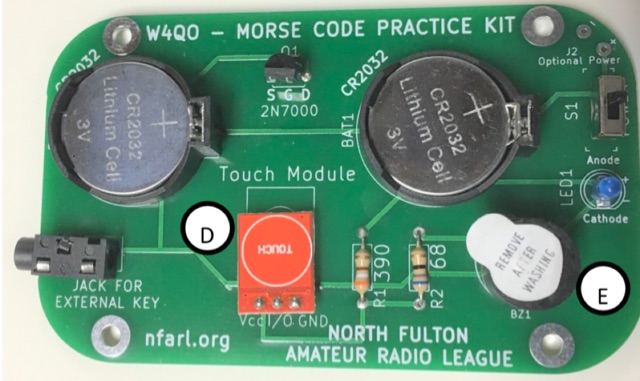 A simple DIY Code Practice Oscillator kit for Morse Code skill development, requiring two 3V coin batteries and basic soldering.
 -
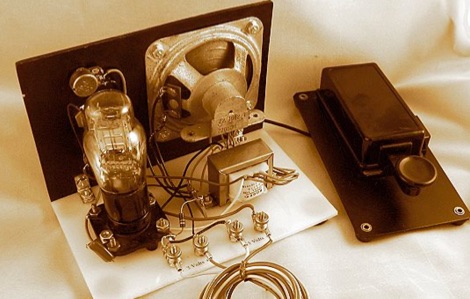 One Tube Code Practice Oscillator
 -
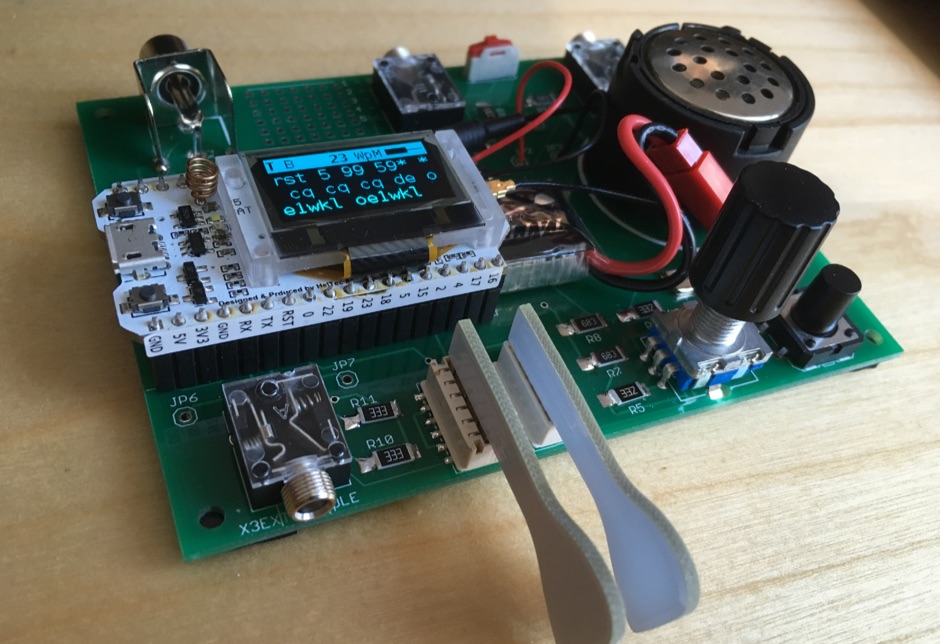 CW Keyer Kit with capacitive touch paddle, with a lot of nice features. Easily expandable to a Morse code decoder
 -
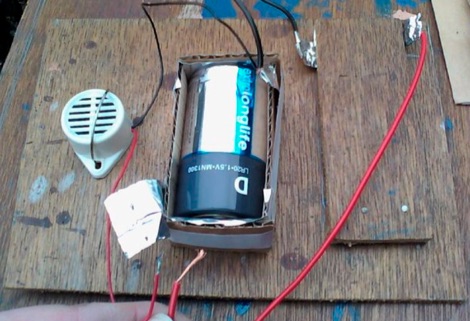 How to make a Morse Code Oscillator
 -
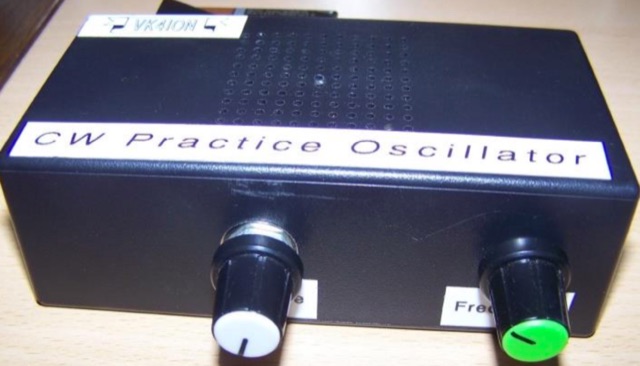 This project builds into a box into which you plug a Morse Code Key. Using the Morse Key creates realistic sounds so you can judge how well you Send. A great tool for beginners to improve Morse sending skills before going on-air
 -
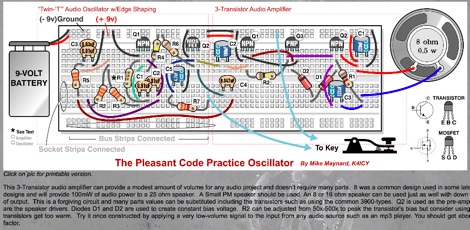 Projects you can build, an amplified shaped sine-wave oscillator