Build Your Own Morse Keys and CW Paddles
Find schematics, construction guides, and creative ideas for building various Morse code keys and paddles.

Morse keys are fundamental tools for amateur radio operators who enjoy CW, allowing them to send messages using Morse code. Many hams find satisfaction in building their own keys, tailoring them to personal preference for feel and operation. This hands-on approach to equipment often results in unique designs, from simple straight keys to advanced iambic paddles, all crafted to ensure precise and comfortable sending during QSOs.
This category showcases a variety of homebrew Morse key projects, offering construction details for operators looking to build their own. You'll find designs for single-lever and iambic paddles, often utilizing common materials like PCB or even repurposed household items, as seen in the "Poor man's paddle" and "Five Cent CW key" projects. Additionally, there are resources for building associated electronics, such as simple iambic keyer circuits, which enhance the functionality of these custom-built keys for everyday amateur radio activity.
Related Categories
-
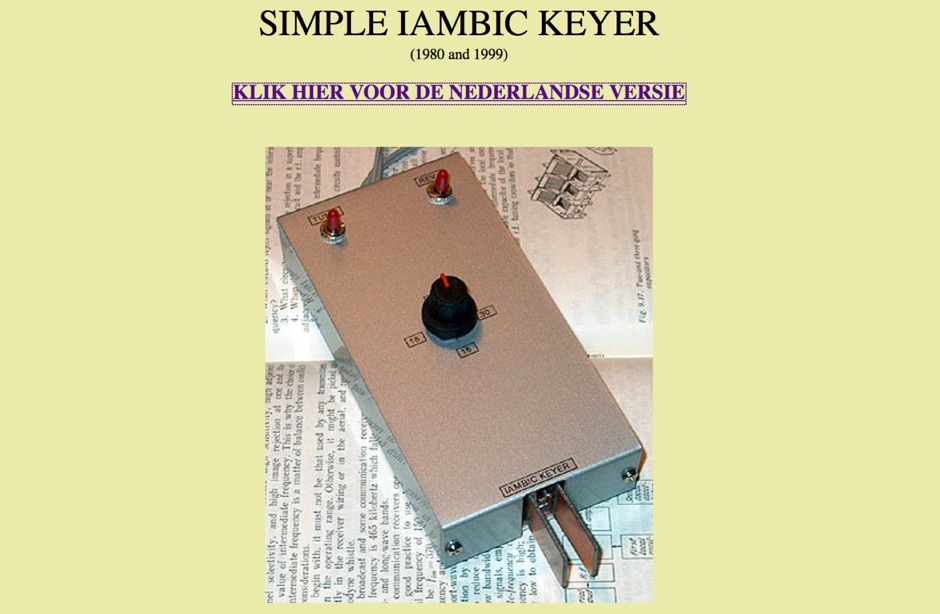 Iambic keyer with simple paddles and simple electronic circuit.
 -
 Construction details for a compact, homemade CW paddle key, inspired by a QRP design and optimized for smaller setups. It uses PC board material.
 -
 These instructions use simple, generally familiar examples of equipment types and are designed to help you find the adjustment that suits you best. If you are looking on how to adjust a morse key, bencher key, paddle or straight morse key, here you will find all instructions.
 -
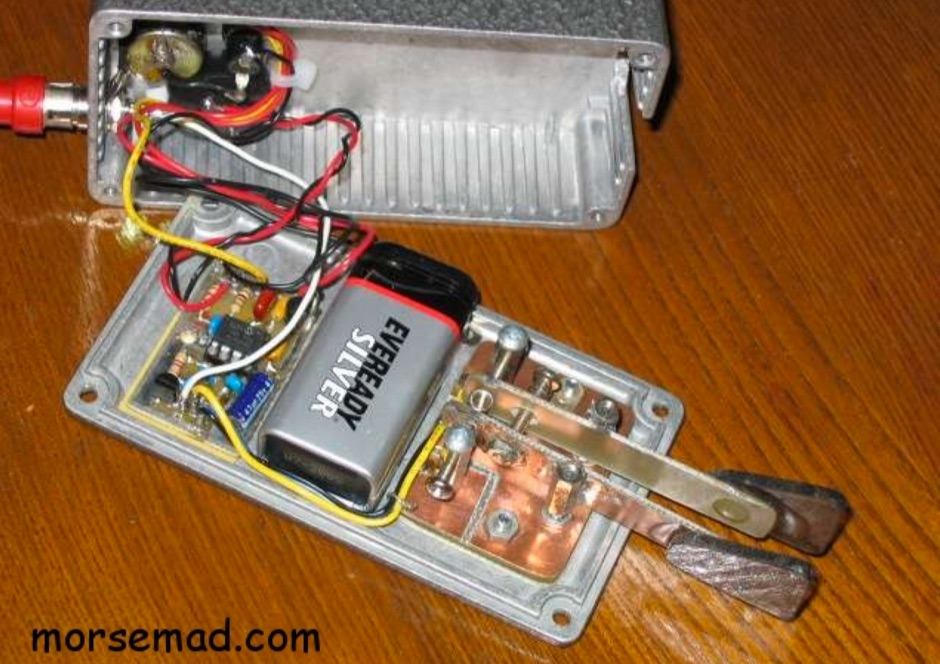 Home made twin paddle morse code key designed by Steve Taylor G4EDG.
 -
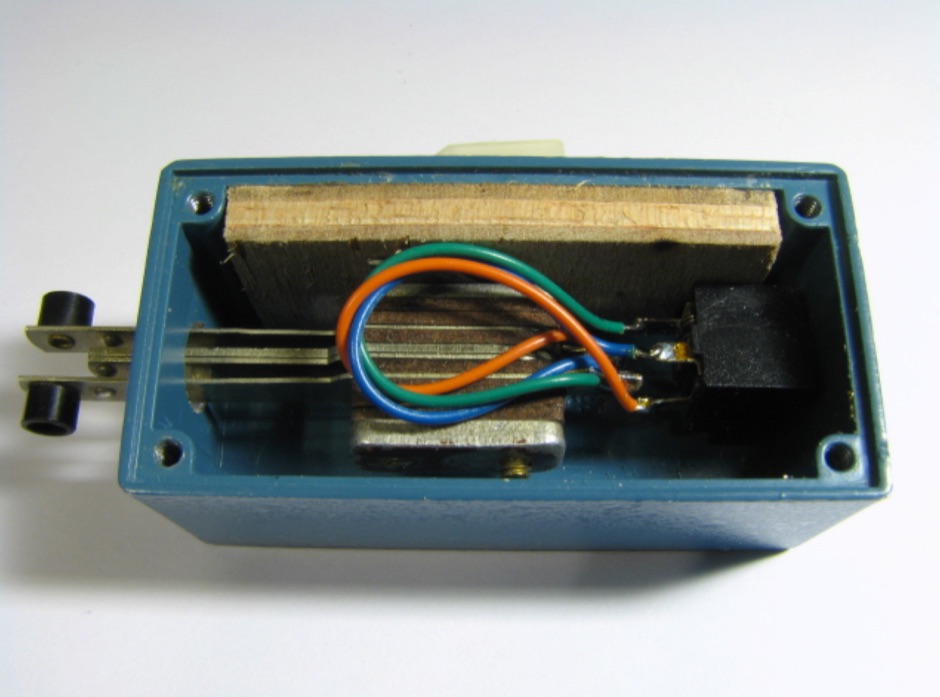 AA5TB home made CW paddles, pictures and construction details
 -
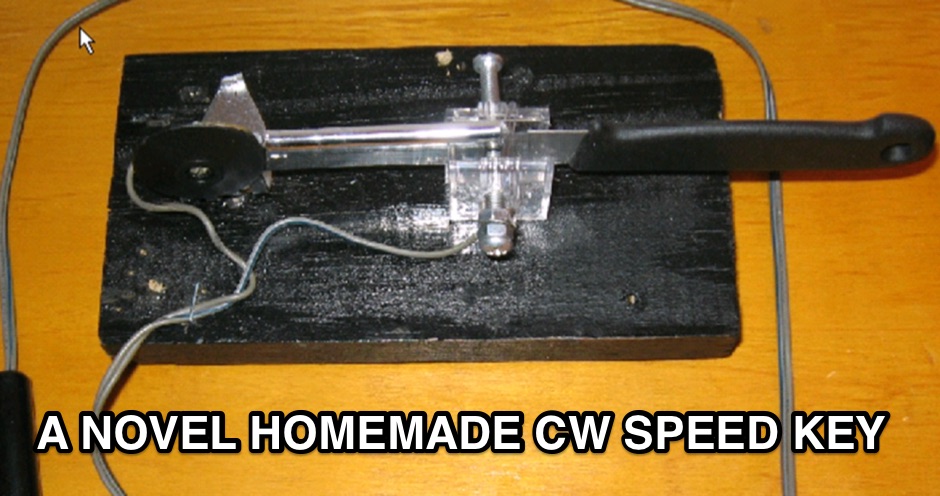 CW paddle made with a steak knife some simple hardware and a stainless steel fork
 -
 The QLF filter is a microprocessor based interface designed to go between a standard Morse code key and a radio transmitter
 -
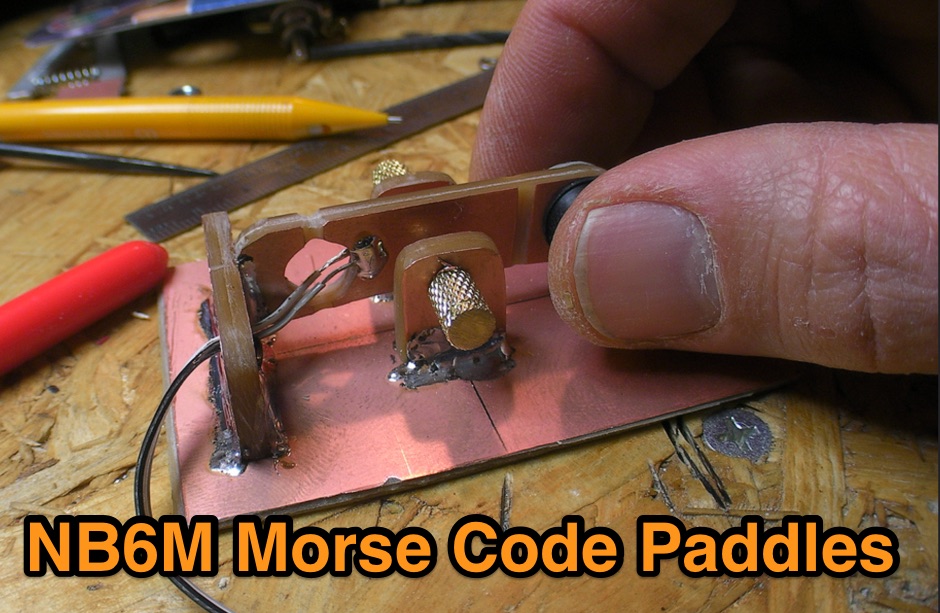 Paddles made from readily available materials, like double sided PC board material and cost almost nothing to build.
 -
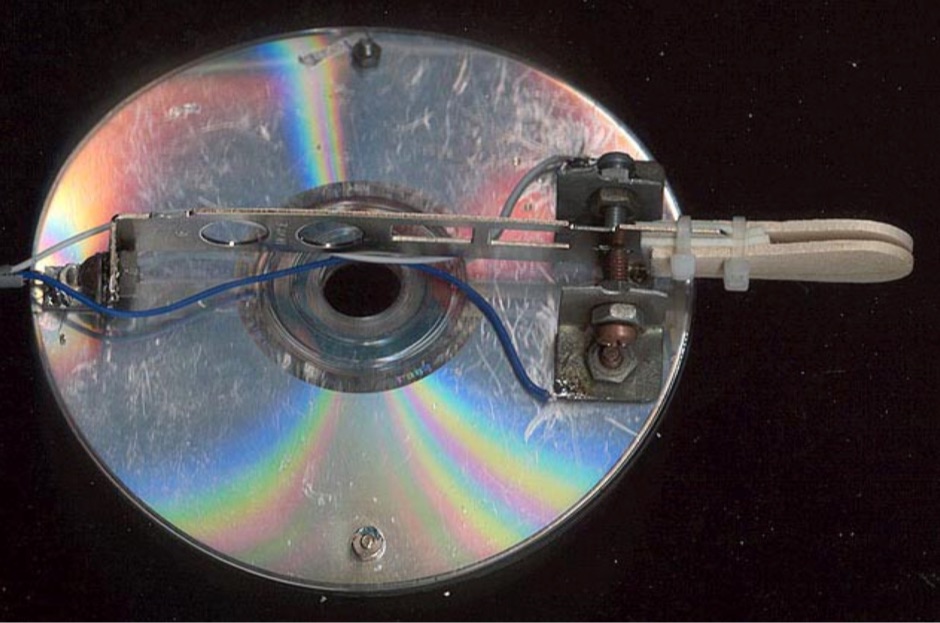 AG4RQ's Homebrew Single-Lever CW Paddle
 -
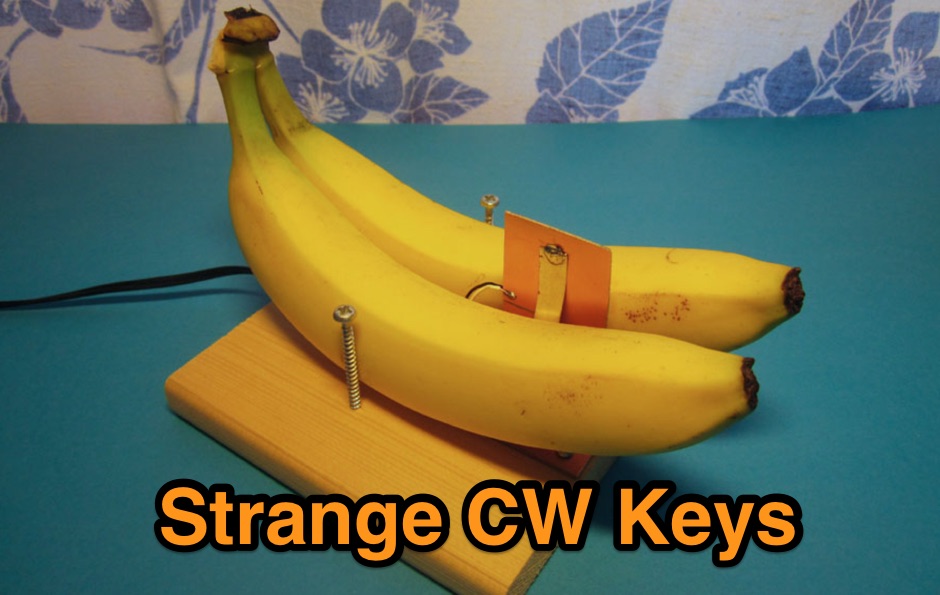 Very strange morse keyers, like Onion chopper CW key, Handshake CW key, Chopsticks CW key, Typewriter CW keyboard, Refrigerator CW key by OH6DC
 -
 This thoughtful review details ajourney from the stock Elecraft KXPD2 paddle to an innovative pressure-sensor alternative. The author candidly describes issues with their original paddle—intermittent operation and loosening screws—before discovering VK3IL's pressure-sensitive design through QST magazine. The construction process, using a PCB and components generously shared by the designer, proved straightforward despite challenging SMD soldering. What stands out is the clever DIY housing solution: a "sandwich" of closed-cell foam encased in heat-shrink tubing that fits comfortably in hand. The ergonomic design allows effective single-handed operation for portable SOTA activations. The successful implementation has rendered the original paddle obsolete, leaving only the task of covering the radio's paddle port.
 -
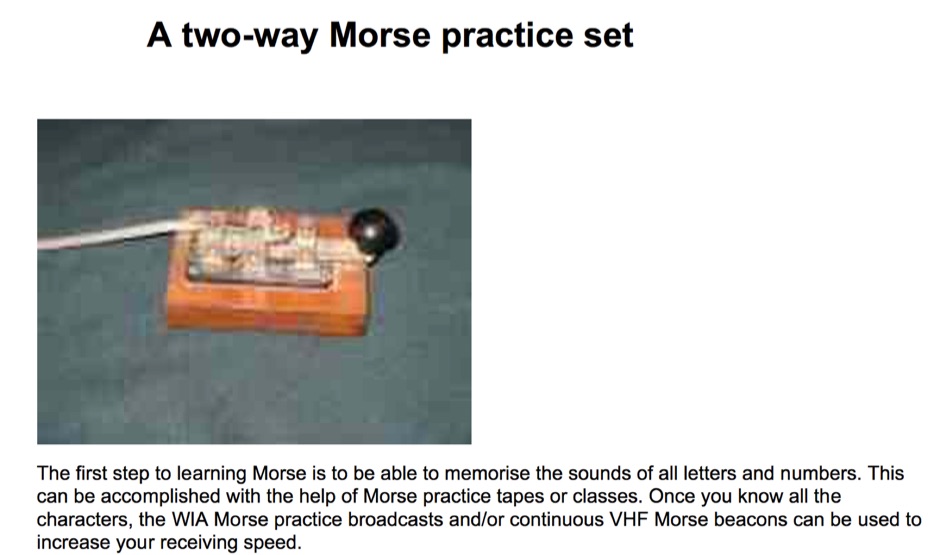 A two way morse code practice set by VK3YE
 -
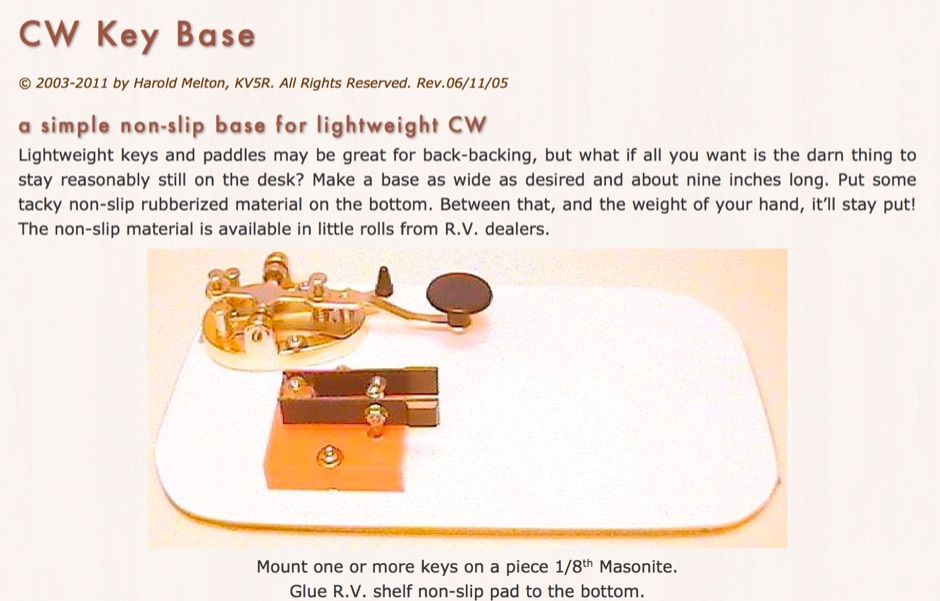 Lightweight keys and paddles may be great for backbacking, but what if all you want is the darn thing to stay reasonably still on the desk?
 -
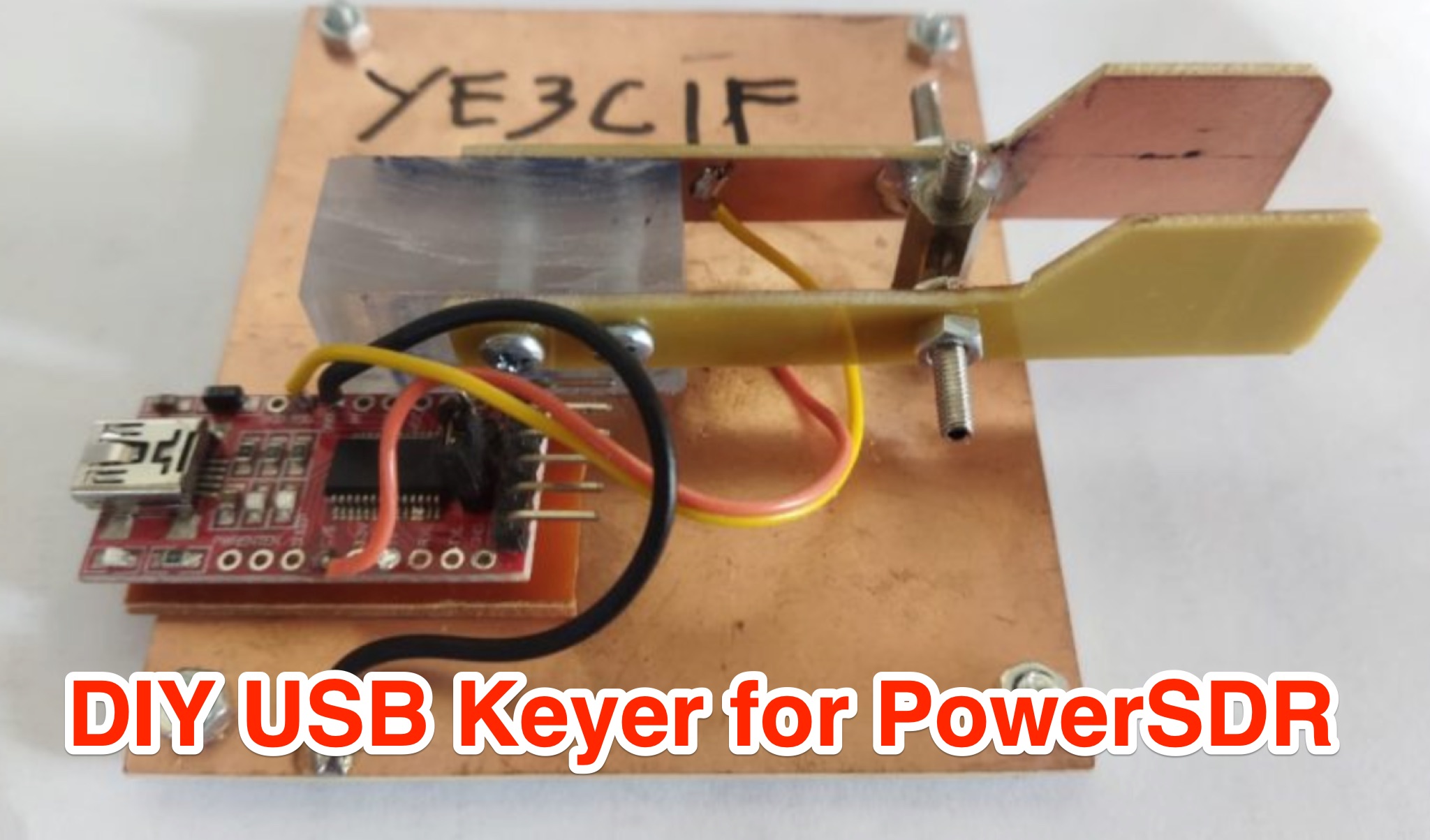 Learn how to create a USB Keyer for PowerSDR to enhance your CW experience. This article provides a step-by-step guide using affordable materials like a USB to TTL Module (FT232RTL) and a Keyer iambic. The tutorial includes a detailed wiring diagram and instructions for configuring the Keyer in the PowerSDR menu. The author also shares a helpful video demonstration to ensure smooth operation. Whether you're a seasoned ham operator or new to CW, this DIY project can improve your radio setup. Follow these instructions to build your USB Keyer and elevate your PowerSDR experience.
 -
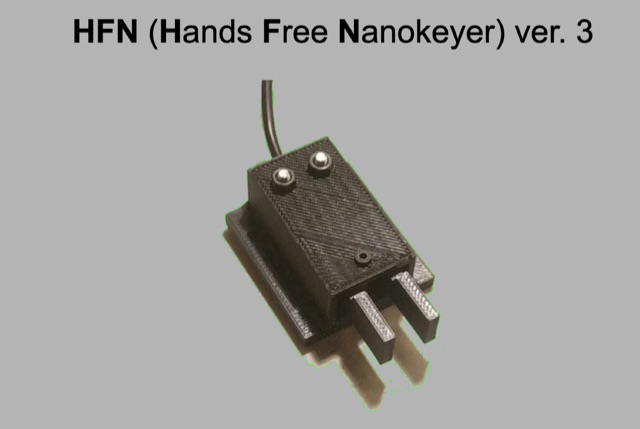 HFN (Hands Free Nanokeyer) is a 3D Printer made morse keyer. In this project the athor shares the STL printer model files for the 3 versions build.
 -
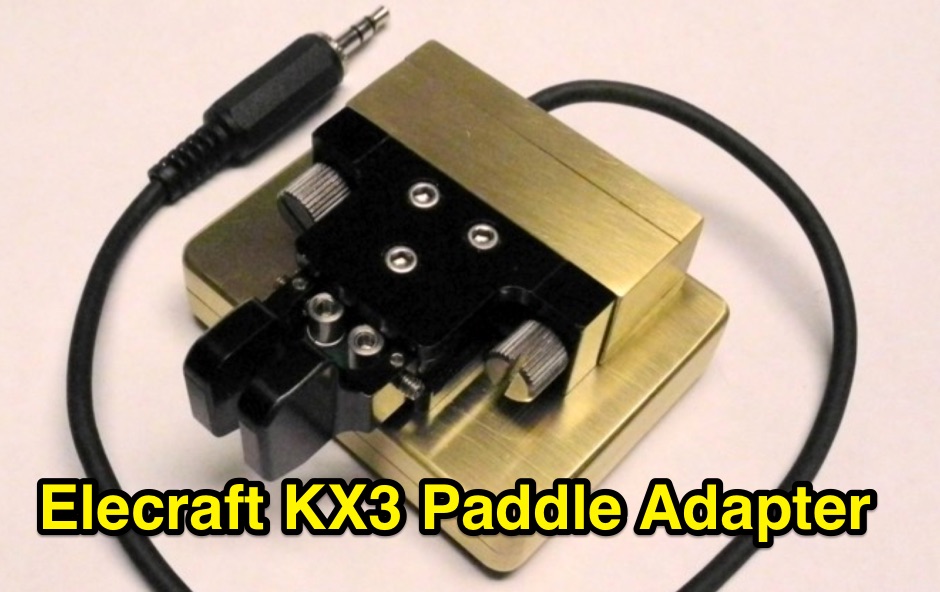 An external base for this nifty little paddle by Elecraft
 -
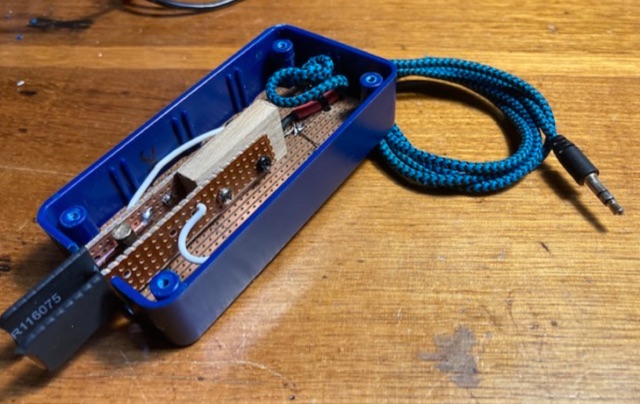 A home made morse paddle made with a perf board
 -
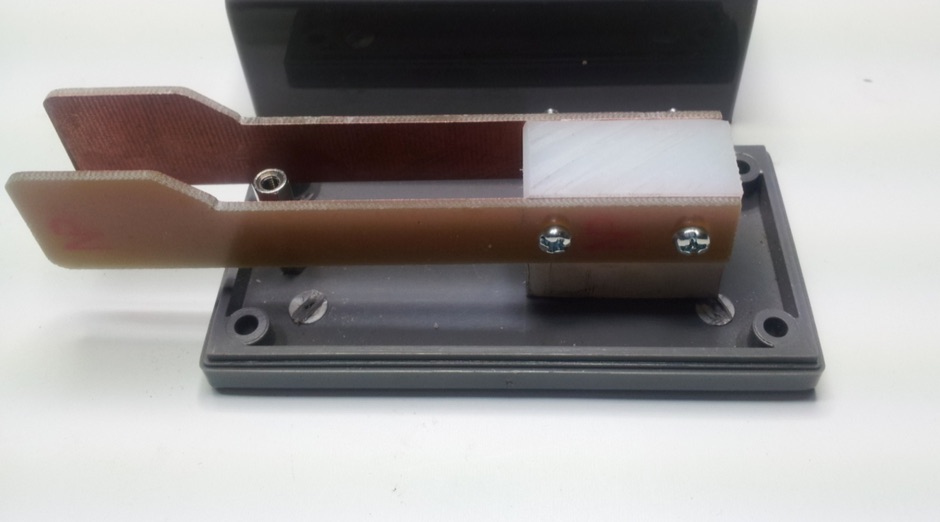 Home Made CW paddles made from a printed circuit board and a teflon mounting block while contacts are made with simple brass threaded rods.
 -
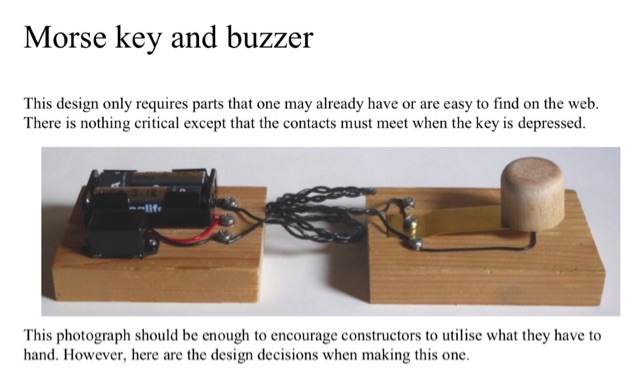 This morse key and buzzer design only requires parts that one may already have or are easy to find on the web. There is nothing critical except that the contacts must meet when the key is depressed.
 -
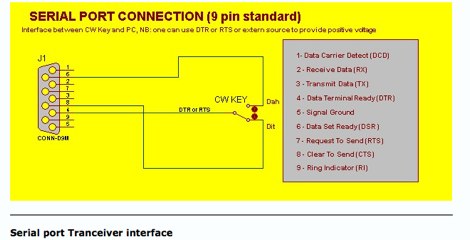 How to connect a mose key to a pc using the standard RS232 serial ports by F8EHO
 -
 The Pressure Paddle V2.0 simplifies the original 2019 design by using MOSFETs’ unique properties for reliable, minimalistic switching. When pressure sensors detect a press, they reduce resistance, activating the MOSFET and lowering voltage until it stabilizes at the MOSFET’s threshold. This ensures consistent “key down” signals for the transceiver. Compatible with 3-5V logic systems, the circuit operates independently of pull-up resistor size. The PCB is lightweight, easy to assemble, and can be packaged in heat shrink or mounted. This version maintains durability with fewer components and flexible packaging options.
 -
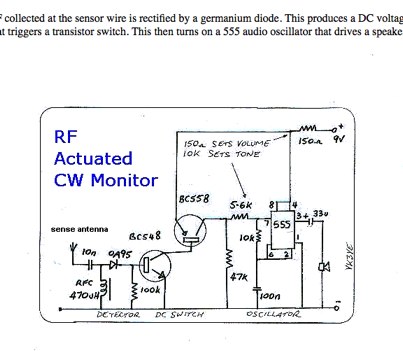 Battery-powered monitor designed to provide an audible indication of keying for those whose rigs lack a CW sidetone
 -
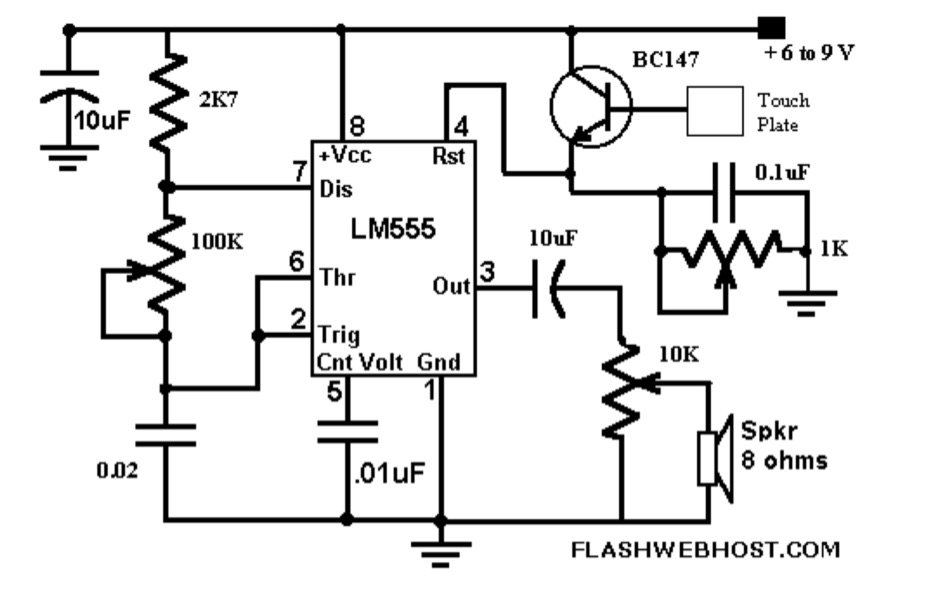 A simple touch-operated Code Practice Oscillator (CPO) circuit using an IC555 timer, allowing CW practice without a traditional Morse key.
 -
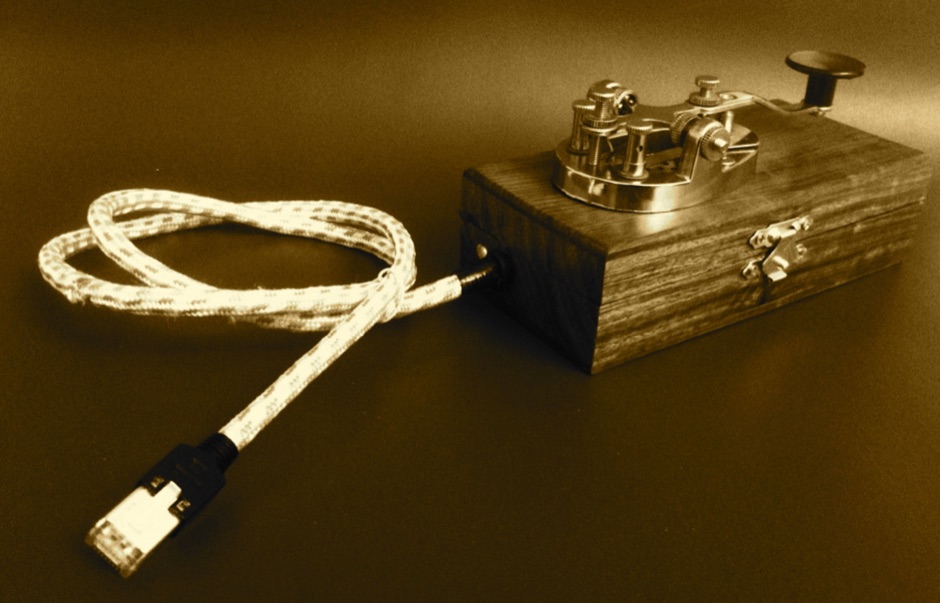 An open design exercise in interface archaeology, that decodes the input from a classic Morse key to send twitter messages
 -
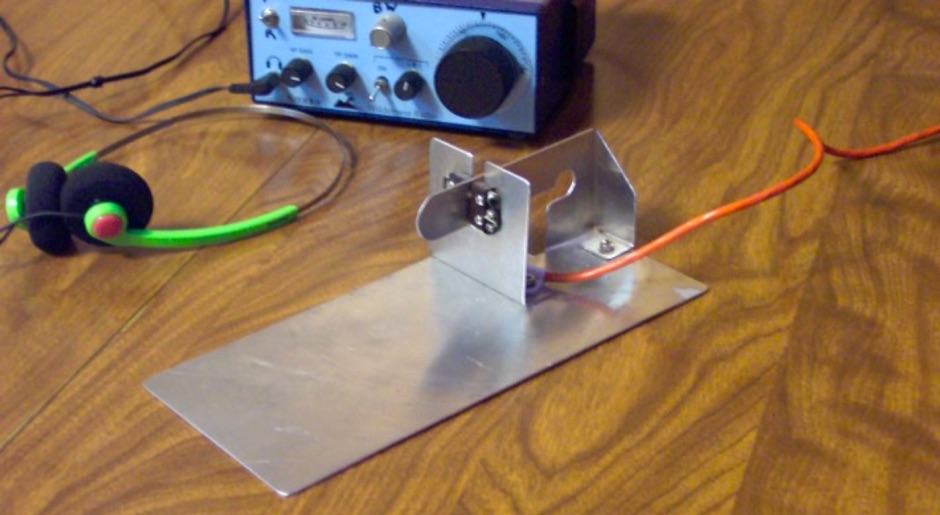 an homemade ultra lightweight Morse code keyer paddle that can be used as a manual straight key