Amateur Radio Grounding Systems and Techniques
Learn about essential grounding practices for ham radio stations, including safety, RF grounds, and antenna ground systems.

Proper grounding is essential for every amateur radio station, ensuring both operator safety and efficient antenna performance. Hams often deal with two main types of grounds: the safety ground, which protects against electrical hazards and lightning, and the RF ground, crucial for antenna efficiency, especially with vertical antennas and end-fed wires. Understanding the differences and proper implementation of each is key to a reliable and safe station.
This category provides practical guidance on establishing effective grounding systems. Operators can find articles explaining fundamental concepts like RF ground planes and ground loops, along with detailed discussions on various ground system designs. Resources cover topics from basic ground system functions to advanced experiments, such as the N6LF series on vertical antenna grounds, and even homebrew solutions like artificial grounds for apartment dwellers. These resources help hams optimize their antennas and protect their equipment.
-
 Perfect ground vs. poor ground. What is the difference? How does the ground influence the DX-gain?
 -
 Suggestions on finding RF ground when you live in an apartment and you want to setup an antenna
 -
 Assorted Grounding Hints and Kinks and Technical Correspondence, Grounding Techniques, Conductivity in the Cold, Cold Ground, Is Your Radio Equipment REALLY Grounded?
 -
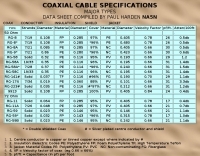 Useful data-sheet on RG coax cables compiled by NA5N
 -
 Technical questions answered about grounding techniques, in pdf file
 -
 Article about types of materials that make the best earth grounding systems
 -
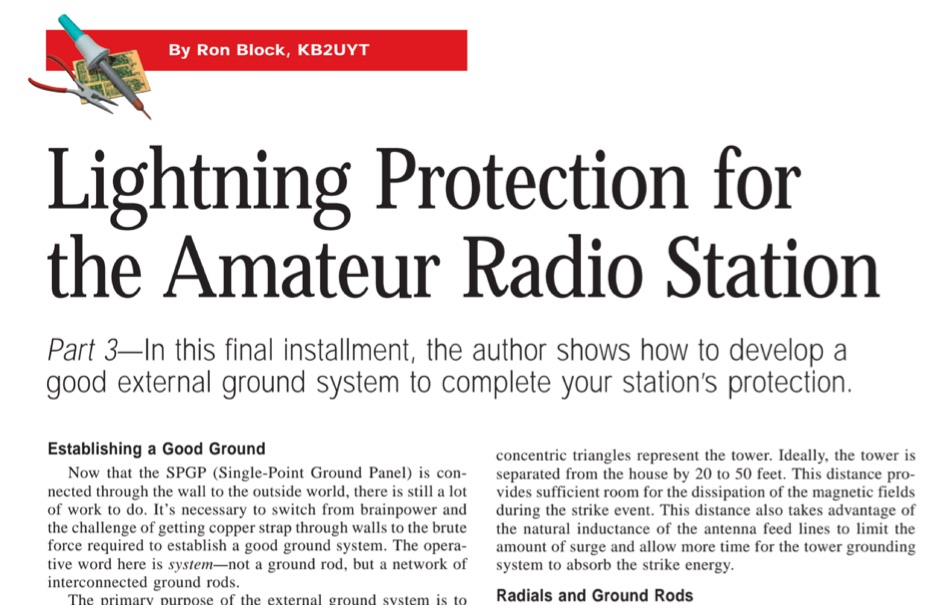 Article shows how to develop a good external ground system to complete your station's protection.
 -
 Detailed guide on amateur radio ground systems, covering lightning protection, safety grounding, RF return paths, and induced currents.
 -
 What is ground?RF ground and the ground plane, how can I tell if I have a good ground? ground loops
 -
 A Grounding Q&A by ARRL web
 -
 Guidelines to groundings.
 -
 Perhaps one of the most over looked aspects of setting up a listening post is a ground system
 -
 Grounding Systems for Amateur Radio Stations, Safety grounds vs. radio frequency (RF) grounds, the practical station ground
 -
 U.S. Government's military handbook on grounding in pdf format
 -
 This Artificial Ground has been designed by Colyn Baillie-Searle GD4EIRP
 -
 An old post by John Doty about effects of noise in longwire antenna.
 -
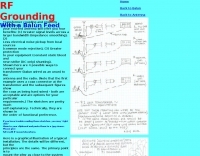 Practical applications for end-fed antenna transformers and safe, effective grounding
 -
 Will we ever be able to dispel the myths? Steve Katz, WB2WIK/6
 -
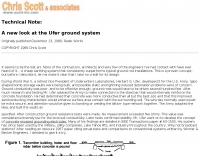 A new look at the Ufer ground system by Chris Scott
 -
 Overvoltage protection, Voltage stabilization, Grounding in wiring, Ground wire resistance
 -
 An interesting article on grounding and receiver noise
 -
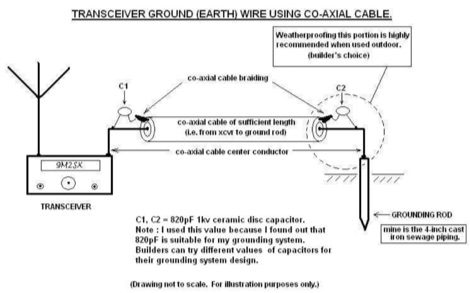 Improper grounding or earthing system can cause several unwanted RF interferences (RFI) to television sets, broadcast receivers, hi-fi sets and telephone sets. In this Article the author explain how to setup a proper radio shack grounding using coaxial cable and ceramic disc capacitor
 -
 Hams or amateur radio operators and CB operators usually cannot have ideal grounds, but with some care and planning they can have nearly perfect systems
 -
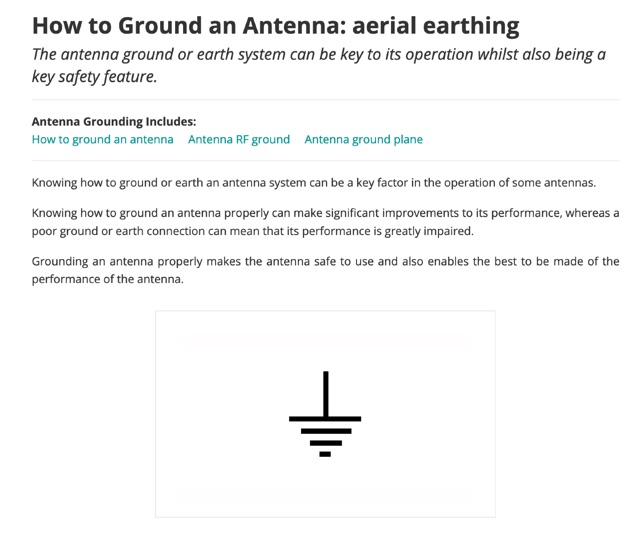 The antenna ground or earth system can be key to its operation whilst also being a key safety feature. This article is about grounding systems for antennas, covering different aspects of grounds made for antenna safety, or expressly for lightning or just to improve antenna performance, being ground an antenna component.
 -
 Comprehensive analysis of RF in the ham shack, debunking common myths about RF grounding and identifying root causes of RFI and common-mode current.
 -
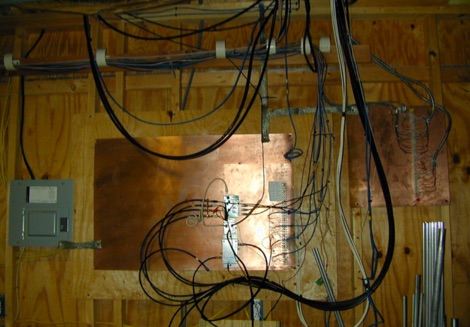 Solution for stations located at secondo floor or higher. Lead lengths to the grounding system are much too long to provide a low-impedance RF ground.