Build and Design Collinear Antennas for Amateur Radio
Find resources for constructing collinear antennas, including designs for VHF, UHF, and Wi-Fi applications, to enhance signal gain and coverage.

Collinear antennas are popular with hams for their omnidirectional pattern and gain, making them excellent choices for VHF/UHF repeater work, satellite operation, and local QSOs. These arrays stack multiple radiating elements in phase along a single axis, concentrating the signal at low radiation angles. This design helps operators achieve better DX and more reliable contacts, especially on crowded bands where every dB of gain matters.
This category provides numerous antenna projects for building collinear arrays, often using simple materials like coaxial cable for 70cm and 2.4 GHz applications. Operators can find construction details for designs like the Super J-Pole and various stacked 5/8 wave elements, suitable for both fixed stations and portable use. Many articles also detail how to homebrew compact, high-gain antennas for specific frequencies, offering practical guidance for improving station performance.
Related Categories
-
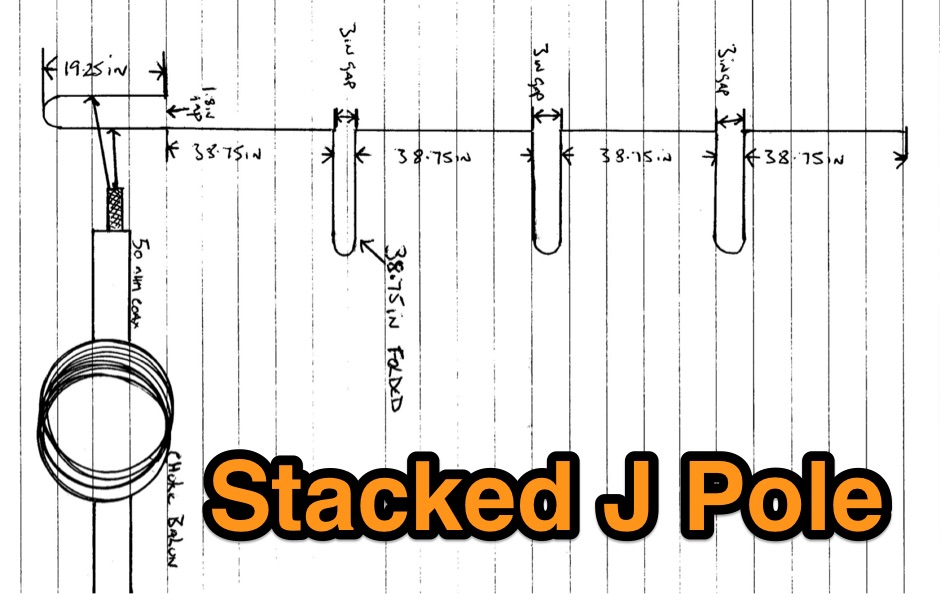
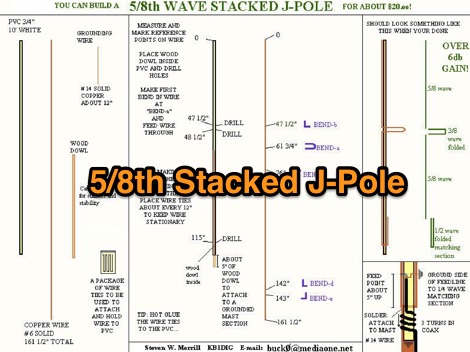 A 5/8 wave stacked j-pole antenna plan
 -
 Building details of a VHF colinear antenna with 6 db gain
 -
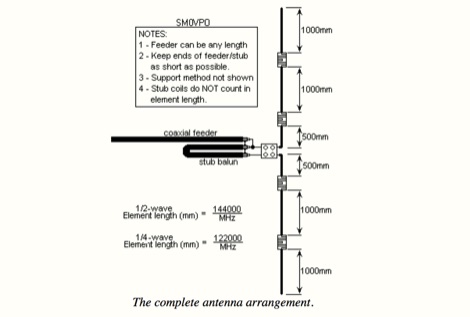 This project is about a cheap way of building a colinear antenna for VHF 145MHz, and having about 10dB more gain than that little 1/4-wave magmount
 -
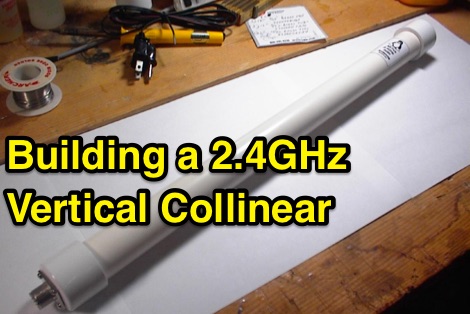 Building a 2.4GHz vertical collinear omnidirectional antenna
 -
 A detailed construction guide for a 9 dB gain 70cm collinear antenna using RG58/U coaxial cable, encased in PVC pipe for durability.
 -
 Wikipedia page about collinear antenna arrays
 -
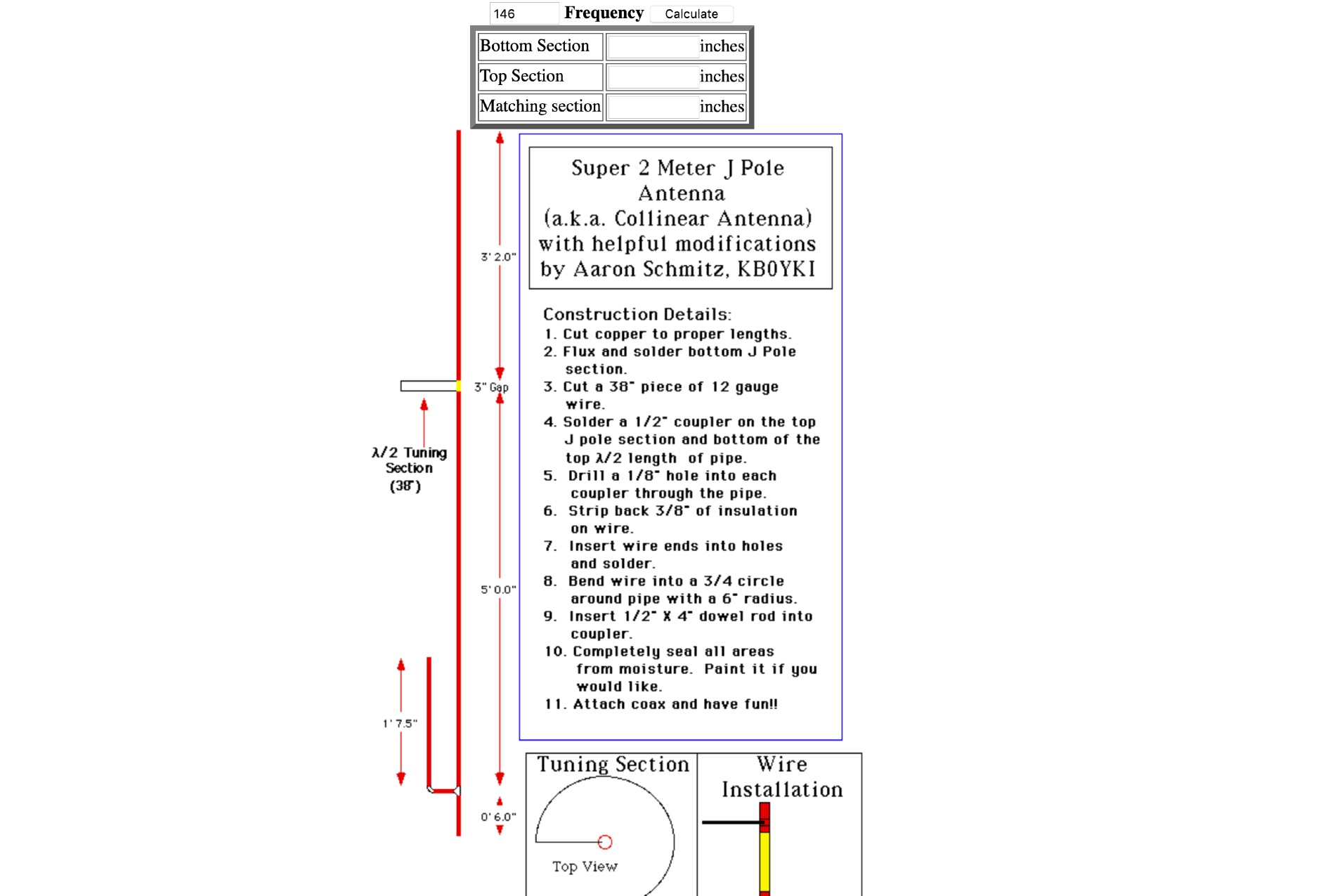 Javascript for calculating the lengths of tubing to be used for the construction of a Super J-Pole in a collinear design
 -
 About collinear array antennas
 -
 This page details the construction of an easy-to-make collinear 360 degrees omni-directional, vertically polarised, antenna for 802.11b/g wireless networking.
 -
 A simple 6dBi Collinear Antenna for LoRa compared to the Lorank8 gateway default antenna.
 -
 Build a 2m 8db collinear for portable use
 -
 This rugged antenna, an omnidirectional collinear, is capable of surviving harsh environments. It's a good choice for repeater installations and can be top, or side mounted to the tower by WA6SVT
 -
 One popular rumor or thought is that antenna gain doubles every time we double the number of elements
 -
 2 m. Band VHF Collinear with 2 Dipoles by sv1bsx
 -
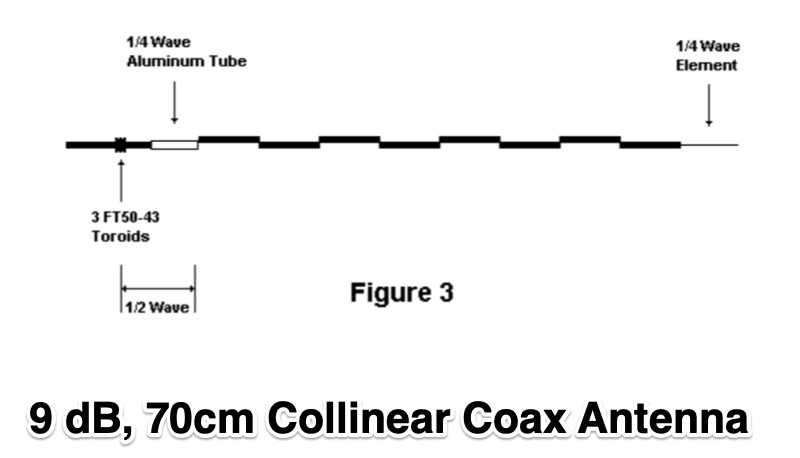 Details the construction of a 9 dB, 70cm collinear antenna from RG58/U coaxial cable, encased in PVC pipe. Includes calculations and assembly steps.
 -
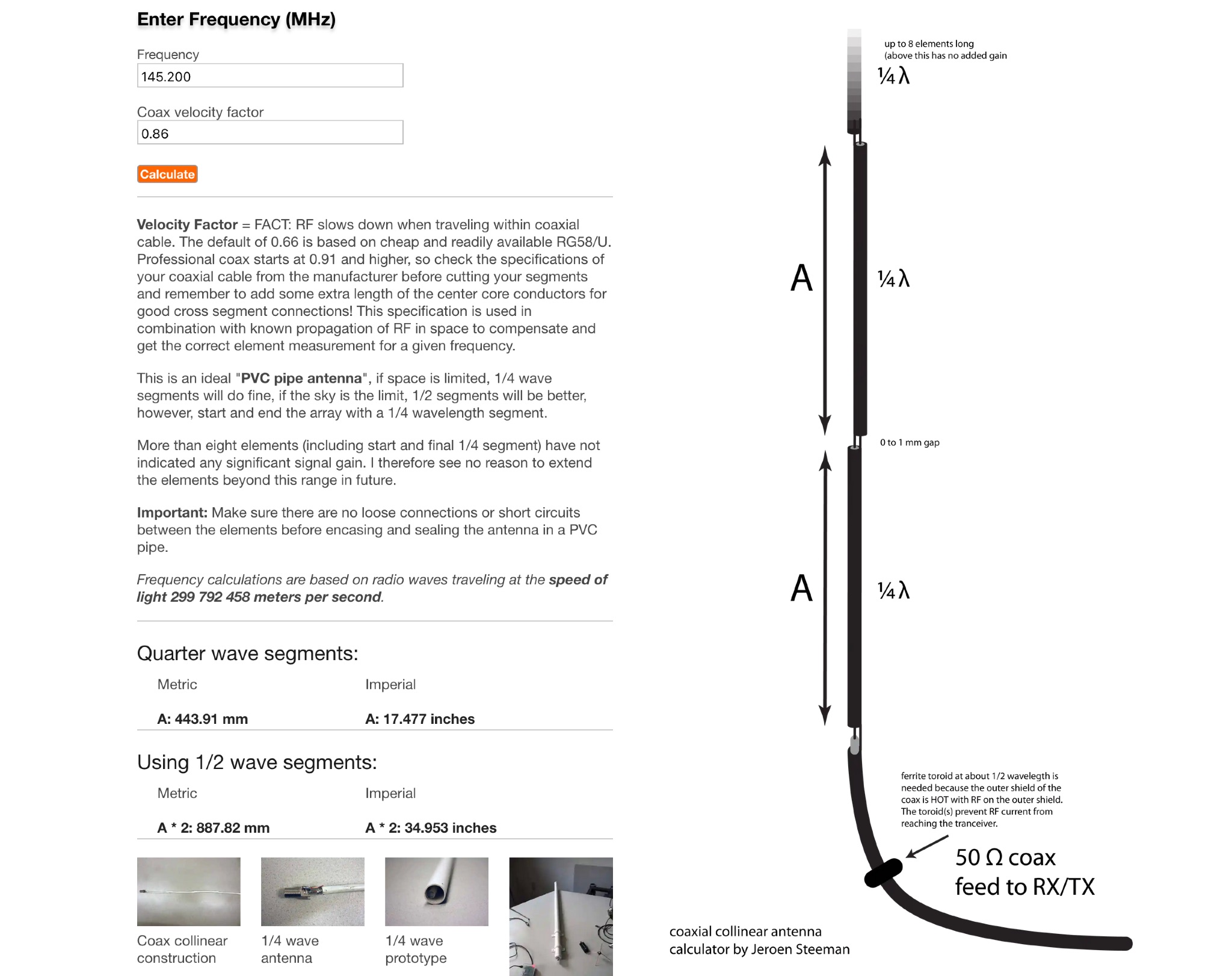 This page offers an online antenna designer tool for Hams to calculate the dimensions needed to construct a coaxial collinear antenna for a specific frequency. It provides guidance on the required frequency input, coax velocity factor, and element measurements for optimal performance. The tool is recommended for experienced antenna builders due to its complexity and technical requirements. Users can input the frequency in MHz and the tool will generate the necessary dimensions based on the chosen parameters. The page emphasizes the importance of accurate measurements and connections for successful antenna construction.
 -
 An interesting article about co-linear or collinear antenna building, by Karl Shoemaker, AK2O
 -
 The collinear antenna, or Marconi-Franklin antenna, is an omnidirectional, high-gain antenna composed of in-phase half-wave dipoles aligned vertically. By using quarter-wave transmission line segments, it maximizes gain at a low horizon angle, outperforming a half-wave dipole. Adding segments increases gain but narrows bandwidth. A popular DIY version, the CoCo antenna, uses half-wave coaxial cable segments connected by non-radiating transmission lines. Built with stable velocity factor cables, a matching quarter-wave sleeve balun, and ferrite rings for attenuation, the antenna achieves performance comparable to commercial models.
 -
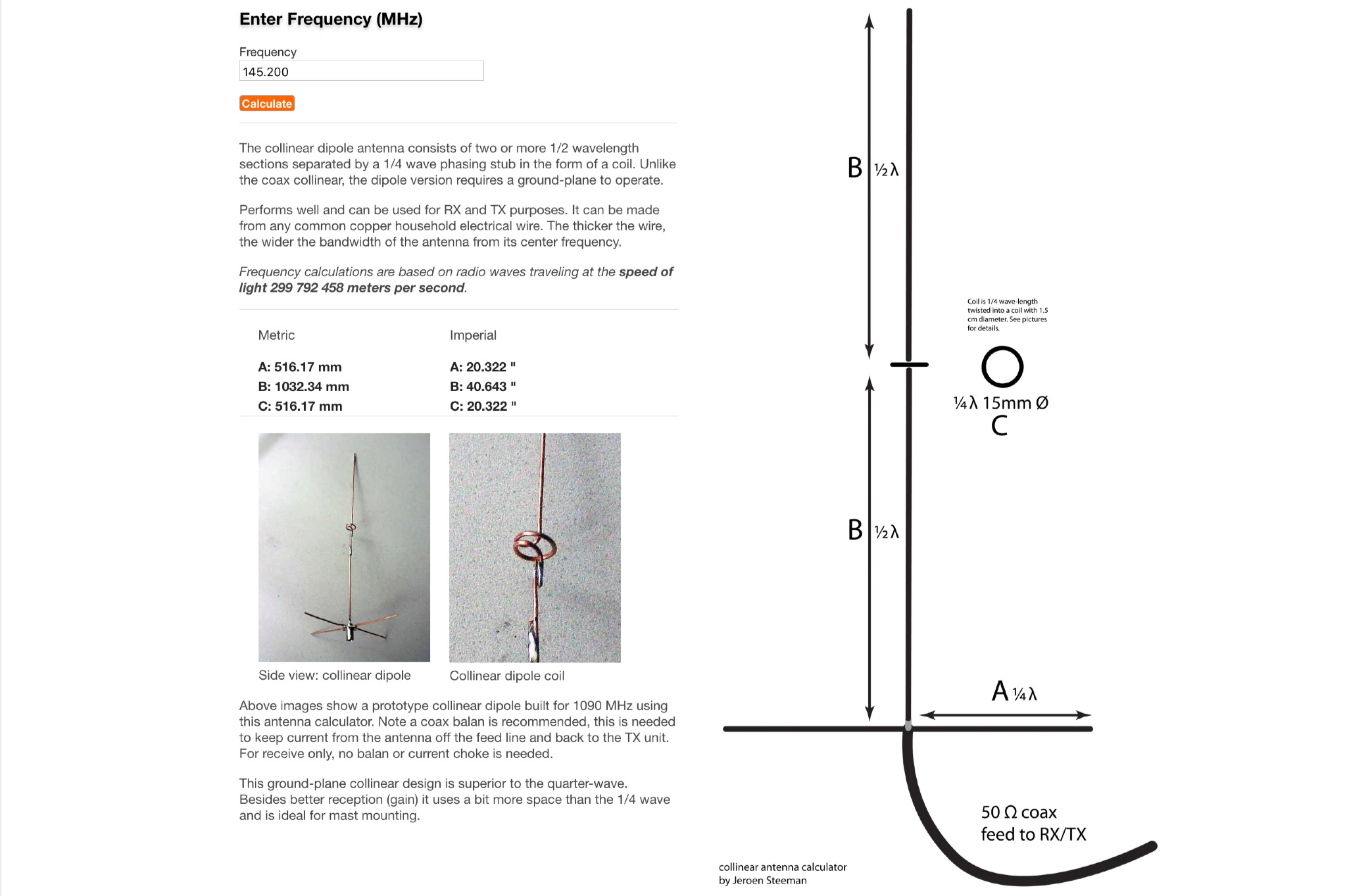 This page offers an online antenna designer to calculate the dimensions for a collinear dipole antenna at a specified frequency. The collinear dipole antenna is constructed with multiple 1/2 wavelength sections separated by a 1/4 wave phasing stub in the form of a coil. It requires a ground-plane to operate and can be used for both receiving and transmitting purposes. The antenna can be made from common copper wire, with thicker wire providing a wider bandwidth. The calculations are based on radio waves traveling at the speed of light. Ideal for ham radio operators looking to build their own antenna for improved reception and transmission.