80 Meters Antennas Projects
Antennas for the 80 Meters Band

The 80-meter band, often called the "workhorse band" for local and regional QSOs, presents unique challenges and opportunities for antenna projects. Its long wavelength means full-sized antennas are substantial, requiring operators to consider various designs for effective operation, especially when space is limited. Many hams enjoy the challenge of building and optimizing antennas for this band, whether for casual ragchewing, contesting, or DX.
This category features numerous homebrew antenna designs for 80 meters, ranging from simple wire antennas like dipoles and horizontal loops to more complex arrays. Operators can find detailed plans for vertical antennas, including multi-band designs that also cover 40 meters, and specialized receiving antennas such as the EWE or Waller Flag. There are also projects for compact solutions like the QRP Slinky Dipole and frame antennas, ideal for attic installations or portable operations.
-
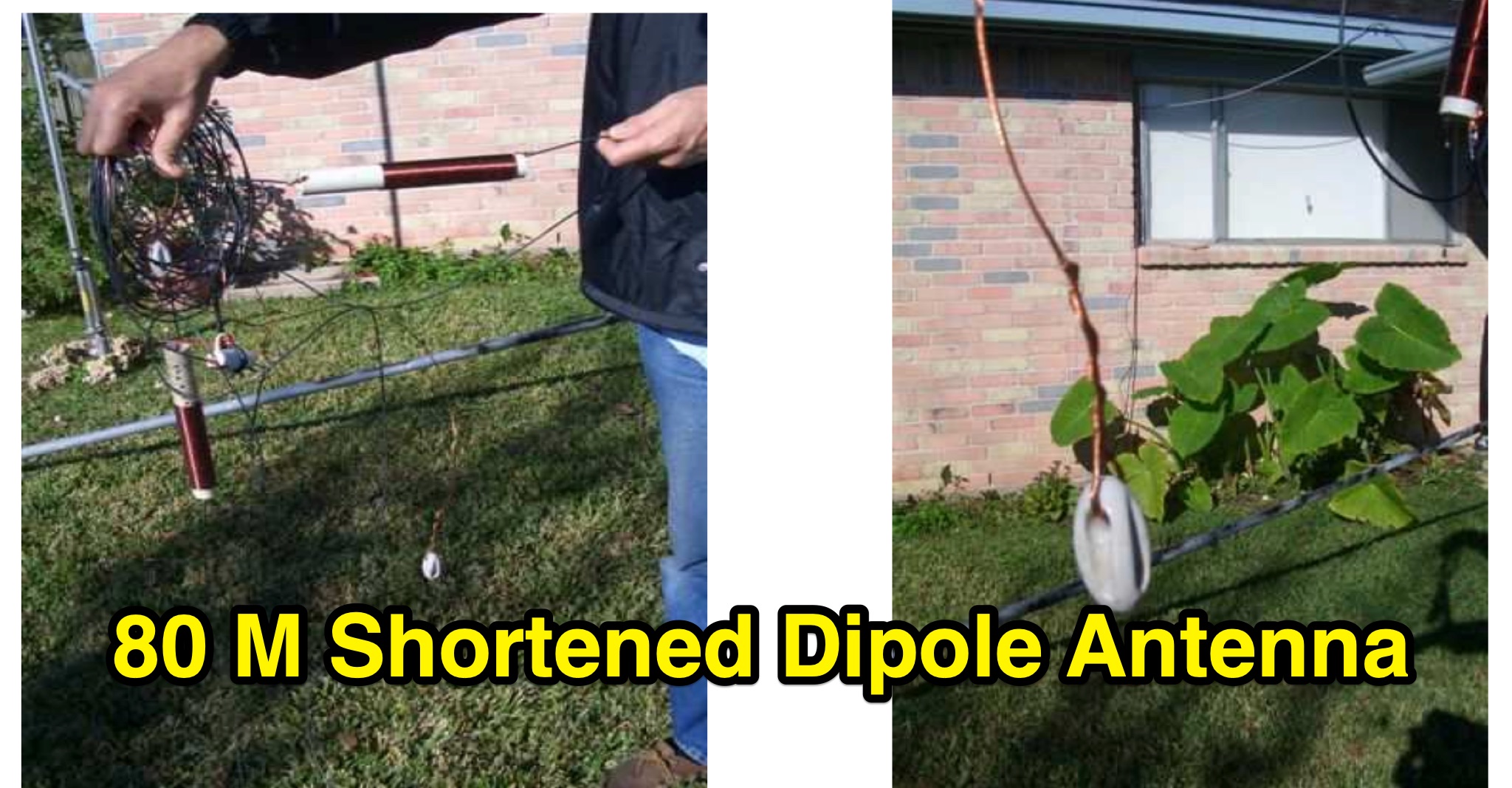 The LKJ Wednesday Night Special Antenna, designed by John Whiteman K5LKJ, is a compact 50-foot coil-loaded dipole for 80-meter operation, ideal for space-limited hams in residential areas. Using two 1-inch diameter PVC coils with 87 turns of #16 magnet wire each—placed 10 feet from the center—it tunes to 3.910 MHz for local nets like BVARC Rag Chew. Constructed with #14 wire, ceramic insulators, and Mini-8X feedline, it handles 1000W, performs well at low heights for NVIS, and requires a tuner for bandwidth. Collaborative tuning by club members ensured success.
 -
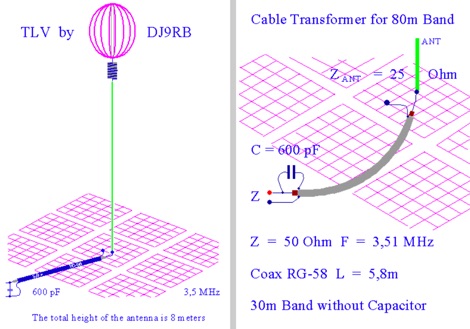 Top Loaded Vertical Antenna 3,5 MHz 80m and a 14 MHz Trap for the 20m band. The weight of this portable vertical antenna is less than 1 kg, including the ground network. The weight of the telescopic fiberglass fishing rod is another 1kg. The rod expands from 1.5 meters to 8 meters.
 -
 The 80-meter Skyloop antenna, a top-performing HF antenna, excels in weak signal work, low-noise operation, and omnidirectional coverage. Ideal for fixed stations, it delivers strong performance at low power, outperforming many alternatives, including 80m half-wave end-fed antennas. Requiring significant space for deployment, it’s well-suited for NVIS and groundwave use. Though not portable, it’s cost-effective and durable, with minor maintenance needs. Tuning may require adjustments for optimal resonance. It’s a standout for base stations, though a lighter portable version could enhance its versatility.
 -
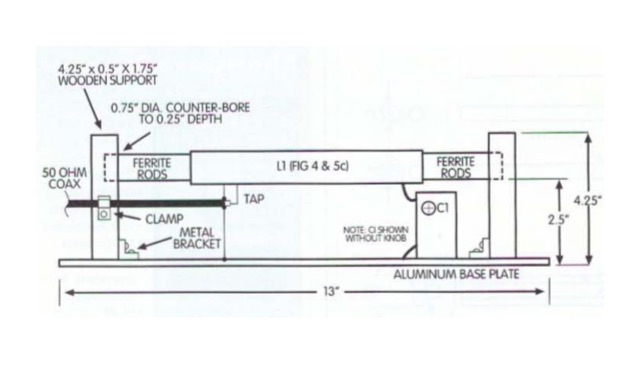 Article from 73 Amateur Radio Today about experimenting on ferrite loops transmitting loop antennas for 80 and 160 meters bands.
 -
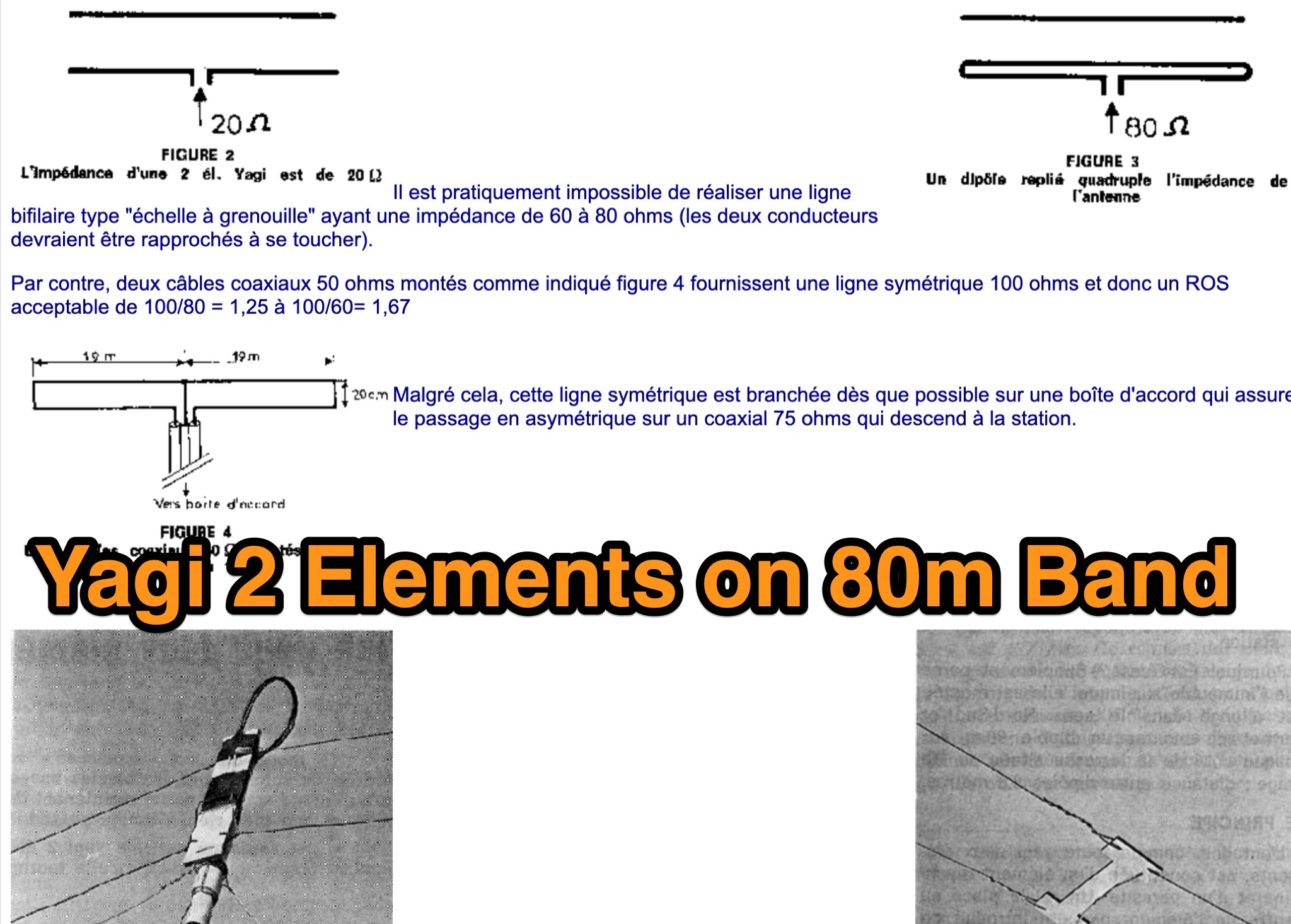 This article from the July 1976 issue of Radio REF discusses the trend of large antennas for ham radio operators on the low bands. It specifically focuses on a Yagi 2 element antenna for the 80m band, detailing its construction and functionality. The author explains how the antenna can be switched between directing signals towards the West or East using a switch at the station. The article also provides technical details on the lengths of the director and reflector elements, and how they impact the antenna's performance. A useful resource for hams looking to build or understand Yagi antennas for the 80m band.
 -
 Setting up a ZZ Wave antenna, a dual band loop antenna covering 80 and 40 meters.