NVIS Antennas for Short-Range HF Communication
Find resources and designs for Near Vertical Incidence Skywave (NVIS) antennas, ideal for local and regional HF communication.

Near Vertical Incidence Skywave (NVIS) propagation is a critical technique for reliable short-range HF communication, typically covering distances up to 200 miles without a skip zone. This method relies on antennas that radiate most of their energy straight up, allowing signals to reflect almost vertically from the ionosphere back to earth. NVIS is particularly useful for local and regional amateur radio activity, especially in challenging terrain or for emergency communications where line-of-sight or ground wave propagation is limited.
Hams interested in NVIS can find numerous resources on antenna design theory, practical construction guides, and propagation characteristics. Many operators build simple wire antennas for bands like 80 and 40 meters, often experimenting with low heights to enhance the NVIS effect. Resources include detailed articles explaining NVIS advantages, design presentations with EZNEC models, and instructions for homebrewing portable NVIS loops. These tools help operators optimize their stations for effective NVIS QSOs.
Related Categories
-
 Near Vertical Incidence Skywave (NVIS) and the 40 meter Novice Sub-band.
 -
 What is NVIS Near Vertical Incident Skywave. This article on NVIS (Near Vertical Incidence Skywave) explores its role in short-range HF communication, covering 0-200 miles. NVIS utilizes antennas with high radiation angles and frequencies below the ionospheric critical frequency to achieve reliable local contact. He details optimal antennas, like low dipoles, and practical tips for maximizing NVIS performance, emphasizing its advantages such as reduced noise and independent operation without repeaters. However, challenges include frequency sensitivity and the need for appropriate antenna setups at both ends for effective communication.
 -
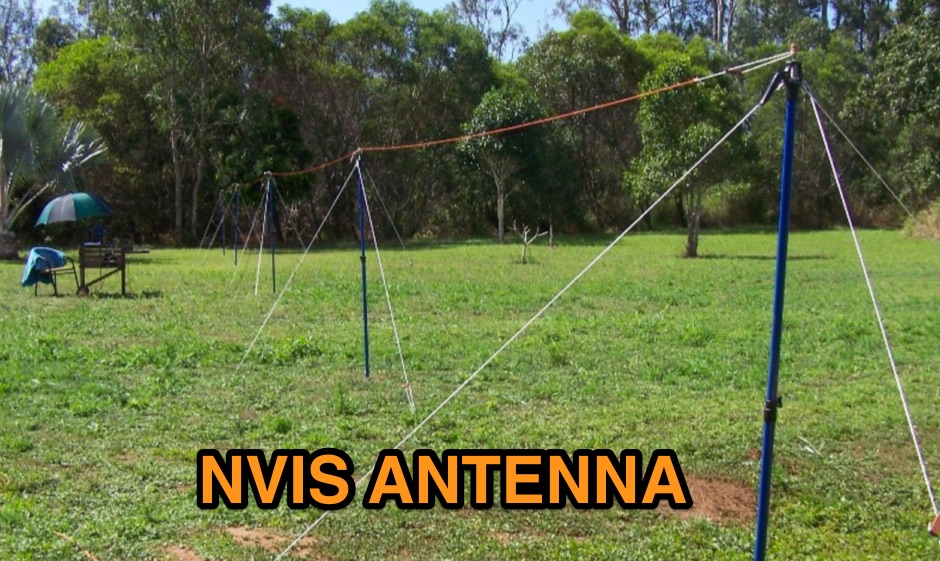 How to homebrew a ENVIS antenna for 80 and 40 meters band
 -
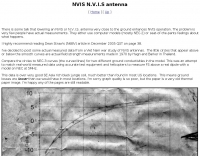 Lowering an NVIS or N.V.I.S. antenna very close to the ground enhances NVIS operation
 -
 The idea of using a low mount dipole, enhanced with reflector wires directly beneath the dipole, on the ground, appears to be a very good approach to creating an NVI specific antenna for local HF operation.
 -
 An interesting article on NVIS antennas, explaining basics of NVIS antennas and the main usage of this particular aerials by Patricia Gibbons
 -
 Theory, Modeling, and Practical Applications By W5JCK, presentation in PDF File. This presentation focuses on Near-Vertical Incidence Skywave (NVIS) antennas, which are crucial for short-range radio communications, particularly in military and emergency contexts. It explores NVIS theory, antenna models, and installation criteria while debunking common myths about reflectors. Key topics include usable frequency bands, optimal installation heights, and the impact of soil quality on performance. The presentation outlines the best bands for daytime and nighttime use, emphasizing the importance of understanding propagation characteristics to enhance communication effectiveness within 200 to 300 miles.
 -
 Kv5r Understanding NVIS Antennas and Propagation. This article is not intended to be a complete primer on HF radio propagation or emergency communications.
 -
 Understanding Amateur Radio NVIS Antennas and Propagation
 -
 Group with thousand of memebers focused on NVIS antenna
 -
 Search for NVIS on google groups
 -
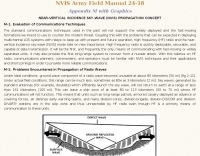 Army Field Manual 24-18 Appendix M with Graphics
 -
 Introduction to NVIS advantages and disvantags.
 -
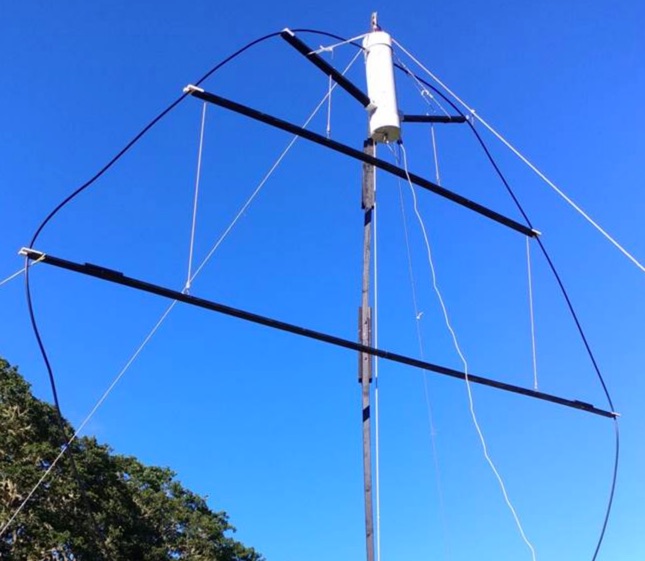 A portable (15.5 foot diameter) NVIS loop for 3.5 to 7.3 MHz. Performs well at high and low takeoff angles, and has smaller footprint than most NVIS antennas.
 -
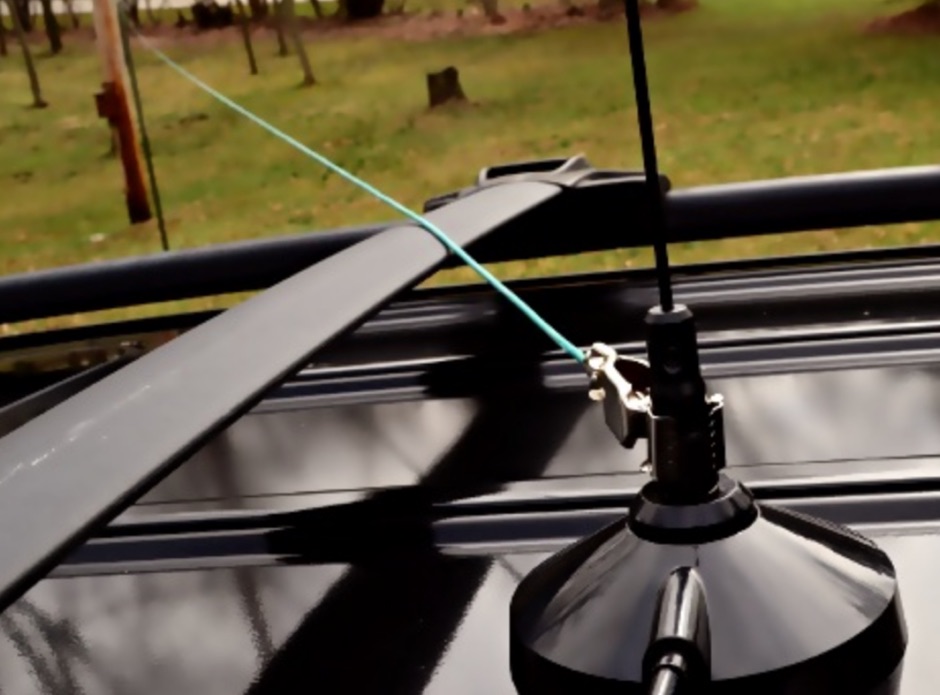 NVIS antennas, also known as Near Incident Vertical Skywave antennas have a high angle of radiation. Something on the order of 60 degrees, to straight up to 90 degrees. A portable, easy to setup and cheap nvis antenna project.
 -
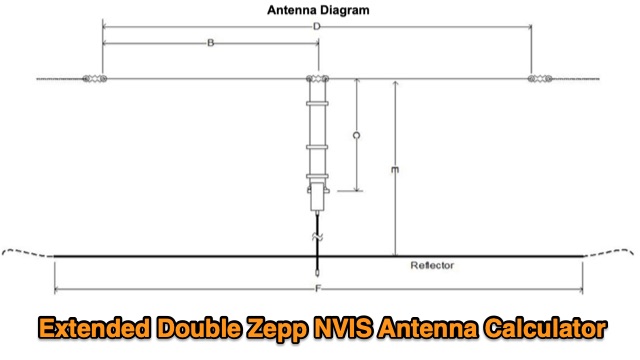 Extended Double Zepp measurements for all ham bands, and online calculator. The antenna is constructed much like an ordinary Dipole antenna but with 5/8 Wavelength Elements matched with an added Impedance Matching Section of balanced feed line
 -
 W0IPL article on NVIS Antenna
 -
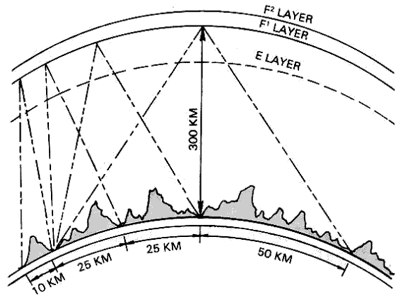 Understanding Amateur Radio NVIS Antennas and Propagation
 -
 A 40 meter NVIS beam antenna by W4NVK
 -
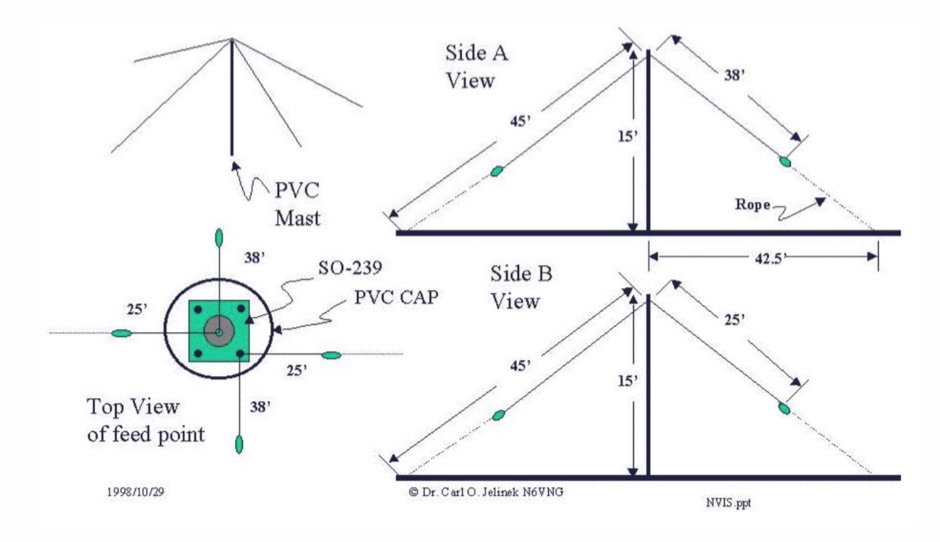 Introduction to NVIS antenna and NVIS propagation. A simple NVIS antenna can be constructed as shown in this article